ObjectiveA meta-analysis was conducted to evaluate the efficacy of Traditional Chinese Exercise in reducing pain intensity, improving dysfunction and quality of life, and increasing the overall treatment effectiveness rate in patients with nonspecific low back pain (NLBP), so as to provide evidence for its clinical application.MethodsFollowing the PRISMA guidelines, this study systematically searched eight databases—CNKI, Wanfang, VIP, Sinomed, PubMed, Embase, the Cochrane Library, and Web of Science—for randomized controlled trials published up to January 19, 2026. A total of 38 studies involving, 3,054 patients were included. The Cochrane Risk of Bias Tool was used to evaluate the quality of the included studies. Based on heterogeneity, either a fixed-effects or random-effects model was selected to synthesize the standardized mean difference (SMD) or weighted mean difference (WMD), Subgroup analysis and meta-regression were performed to explore the sources of heterogeneity.ResultsThe meta-analysis demonstrated that traditional Chinese exercise significantly reduced pain intensity [WMD = −1.21; 95% CI (−1.66, −0.76)], improved dysfunction [WMD = −6.80; 95% CI (−10.18, −3.41)], and enhanced quality of life [SMD = 1.64; 95% CI (0.33, 2.96)] in patients with nonspecific low back pain (NLBP). The overall treatment response rate was increased by 17% [RR = 1.17; 95% CI (1.10, 1.24)]. Subgroup analysis indicated that Liu Zi Jue (a specific Qigong breathing exercise) demonstrated the greatest analgesic effect (SMD = −1.71) and the most significant improvement in functional disability (WMD = −13.35). Additionally, patients younger than 45 years of age showed a more favorable response to treatment (SMD = −1.52). Substantial heterogeneity was observed across studies, attributed primarily to the diversity of intervention protocols, including variations in exercise types, treatment durations, and differences in the measurement instruments used.ConclusionTraditional Chinese exercise is an effective, low-cost, and safe intervention for NLBP patients and may be recommended as a complementary approach in clinical management. Future research should include large-sample, standardized studies incorporating biomechanical and imaging techniques to elucidate underlying mechanisms, and develop evidence-based practice guidelines.Systematic Review Registrationidentifier: CRD42025649466 (https://www.crd.york.ac.uk/PROSPERO/).
PurposeWhy are Chinese negotiators, contrary to theoretical expectations, often competitive? Classical negotiation theories grounded in culturally etic and Western-centric assumptions are unable to address this puzzle. This research aims to adopt a culturally emic and psycholinguistic perspective to investigate whether and how two semantically equivalent Chinese labels for negotiation - tanpan ((sic)(sic)) and xieshang ((sic)(sic)) - shape Chinese negotiators' competitiveness.Design/methodology/approachThe authors first conduct a pilot study to establish that tanpan and xieshang are semantically equivalent and represent the most common Chinese translations of the English word negotiation. The authors then conduct four multi-method studies to examine whether and how tanpan - compared with xieshang - elicits stronger competitiveness among Chinese negotiators in their perceptions and behaviors.FindingsThe label tanpan elicits stronger competitiveness than xieshang for Chinese individuals, in terms of their mental association (Study 1), normative strategy (Study 2), anger expression (Study 3) and news semantic orientation (Study 4). In addition, the tanpan vs xieshang labeling effect is mediated by negotiators' planned strategies (Study 3), indicating that it reflects a deliberate cognitive process beyond an automatic heuristic response.Originality/valueThis research offers a novel explanation for the puzzle of competitive Chinese negotiators by highlighting the influence of semantic framing in shaping negotiation dynamics. It also acknowledges that language functions as both a bridge and a barrier in negotiation contexts, providing actionable guidance for practitioners facing Chinese negotiation counterparts.
BackgroundHelicobacter pylori (H. pylori) infection represents a prevalent global health burden. Current eradication strategies are complicated by increasing antibiotic resistance and detrimental alterations to the gut microbiome. Jinghuaweikang capsule (JWC), a traditional Chinese medicine, has demonstrated efficacy against H. pylori, yet its mechanisms involving microbiota-inflammation interactions remain incompletely elucidated.AIMThis study aimed to investigate the effects of the JWC on gastric mucosal inflammation and the expression of drug-resistance genes in H. pylori-infected mice.MethodsSixty Kunming mice were randomly allocated into six groups, including normal control group (Control), model group (Model), Western medicine triple group (AC), low-dose JWC group (JWCL), medium-dose JWC group (JWCM), and high-dose JWC group (JWCH). A mouse model of H. pylori infection was established by intragastric administration of an H. pylori SS1 solution for two weeks. The efficacy of this model was evaluated using rapid urease test (RUT) and Warthin-Starry (WS) silver stain. Subsequently, the experimental cohort of mice underwent pharmacological intervention. Hematoxylin and eosin (HE) staining, enzyme-linked immunosorbent assay (ELISA), and quantitative real-time polymerase chain reaction (qRT-PCR) were used to assess the impact of JWC on inflammation within the gastric mucosa of mice infected with H. pylori. Metagenomic sequencing technology was used to identify alterations in the intestinal microbiota and antibiotic resistance genes in the murine models. Western blotting was used to assess the expression levels of proteins involved in the mitogen-activated protein kinase (MAPK) signaling pathway.ResultsJWC mitigated gastric mucosal inflammation induced by H. pylori infection and reduced the concentrations of interleukin- (IL-) 6, IL-1β, and tumor necrosis factor-α (TNF-α) while inhibiting gene expression level. Metagenomic sequencing revealed that triple therapy in Western medicine markedly diminished the diversity of the intestinal microbiota while elevating the abundance of antibiotic-resistance genes, including macB, arlR, evgS, tetA(58), and mtrA. The diversity and richness of the intestinal microbiota in the JWC group were comparable to those in the control group, with an increase in the abundance of beneficial bacteria such as Muribaculaceae_bacterium. Furthermore, the expression levels of the antibiotic resistance genes macB, tetA(58), bcrA, oleC, and arlS were downregulated. Moreover, the activation of MAPK signaling pathway components phospho-ERK and phospho-p38 was inhibited.ConclusionJWC preserves microbial diversity and promotes a beneficial compositional shift, mitigates the risk of antibiotic resistance, modulates the MAPK signaling pathway, and alleviates gastric mucosal inflammation in mice infected with H. pylori.
In recent years, Large Language Models (LLM) have demonstrated impressive capabilities in the field of natural language processing (NLP). This paper explores the application of LLMs in negotiation transcript analysis by the Vanderbilt AI Negotiation Lab. Starting in September 2022, we applied multiple strategies using LLMs from zero shot learning to fine tuning models to in-context learning). The final strategy we developed is explained, along with how to access and use the model. This study provides a sense of both the opportunities and roadblocks for the implementation of LLMs in real life applications and offers a model for how LLMs can be applied to coding in other fields.
This research examines how team members' passion for innovation compiles to contribute to team innovation. We argue that team mean passion influences team innovation by affecting team reflexivity, which is a key team process for members to collectively reflect on and adjust their efforts toward achieving innovation goals. The indirect effect of mean passion on team innovation via team reflexivity depends on the nature of passion-harmonious passion (HP) versus obsessive passion (OP)-and the diversity of the corresponding type of passion. Results from a two-wave field study of 131 teams and a three-wave field study of 155 teams support the differential effects of compiled HP and OP. Moreover, the effect of mean HP on team reflexivity and its indirect effect on team innovation via reflexivity were less positive when HP diversity was higher rather than lower, while the effect of mean OP on team reflexivity and its indirect effect on team innovation via reflexivity were less negative when OP diversity was higher rather than lower. This research offers important theoretical and practical implications for literatures on passion, teams, and team innovation.
构建一流营商环境是"十四五"规划纲要中提升政府经济治理能力的重要路径.党的二十大报告也强调营造市场化、法治化、国际化一流营商环境.优化营商环境,激发市场主体活力是我国面临的重大需求.完善营商环境评价体系,是发挥"以评促改"作用、推动营商环境持续优化的关键.然而,现有营商环境评价指标体系存在公开内容较少、透明性有待提高、评价成本较高等局限.本研究以"十三五"规划纲要提出的"市场、政务、法治、人文"四种环境为一级指标,结合《优化营商环境条例》,基于张三保等(2020)所构建的指标体系及政策界反馈,重新构建出包含 16 个二级指标、29 项三级指标的中国省份营商环境指标体系.运用最新可获取的 2017-2020 年相关指标数据,量化评价了中国内地31 个省份的营商环境、子环境均衡度、子环境及其 4 年间的变化情况.在此基础上,横向比较了七大地理区域和九大国家战略或倡议所涉及区域之间的营商环境差异.评价结果为我国各省份持续优化市场化法治化国际化营商环境明确了对标对象,也为联结宏观与微观领域的研究提供了数据支持.
目的 基于VOSviewer、CiteSpace知识图谱可视化分析中医药与中西医结合治疗幽门螺杆菌的现状、研究热点及发展趋势.方法 以2000年1月1日-2022年7月2日中国知网、维普、万方数据库收录的中医药与中西医结合治疗幽门螺杆菌研究相关文献为研究对象,导入VOSviewer1.6.18软件和CiteSpace5.8R3软件,对文献的作者、机构、关键词分别进行统计分析并绘制相关科学知识图谱.结果 共4 874篇中文文献纳入分析.2000-2022年,中医药与中西医结合治疗幽门螺杆菌领域的发文量总体呈上升趋势;发文量最高的核心学者为张学智;国内主要的研究机构为湖南中医药大学,高频关键词有"半夏泻心汤""荆花胃康胶丸"等;关键词聚类分析分别形成了 14个具有代表性的聚类;中西医结合治疗、抗生素耐药性受到显著关注.结论 2000-2022年中医药与中西医结合治疗幽门螺杆菌的研究热点从临床疗效评价,转移到高质量随机对照试验;在基础研究方面,中医药抑制抗生素耐药性、保护胃黏膜、改善宿主胃内环境为研究热点.中医药治疗是西医治疗的重要辅助手段,中西医结合治疗幽门螺杆菌是未来的发展趋势.
Team resilience is the key to successful risk response, rapid recovery, and even growth in a crisis.It has been pointed out that team resilience is not only the capacity of a team to bounce back from adversity,but also a dynamic psychological process and a shared belief. Research on team resilience is scant. The limited literature on team resilience falls short on two points. First, the capacity perspective dominates the research, ignoring the dynamic development and the emergence of shared belief in team resilience. Second,antecedent research pays little attention to leader characteristics. Against this backdrop, the current research attempts to characterize the influence mechanism of leader mindfulness on team resilience from capacity,process, and belief perspectives. This study will deepen and expand the research on leader mindfulness and team resilience, and provide practical strategies for teams to survive adversity.
For emerging market firms (EMFs) internationalisation is as an important channel through which knowledge is gained and innovation capabilities acquired. However, rising global uncertainty and geopolitical tension make this increasingly challenging. We employed an in-depth case study approach to examine how a Chinese high-tech firm pursued innovation during the Tech Cold War. We found that the firm focused on pursuing indigenous innovation. Three organisational cultural attributes (patriotism, elitism and endurance of hardship) proved to be particularly important enabling mechanisms. We extend theorisation on EMF innovation management – particularly catching up through internationalisation – by identifying ever more advanced capabilities that provide the basis for increasing the pursuit of indigenous innovation by EMFs. We further contribute to research on techno-nationalism by examining how techno-nationalist policies affect EMF innovation and how firms cope with such restrictions. More generally, our findings advance the emerging field of studies focusing on geopolitics in EMF innovation by highlighting the ever more critical role of international politics and state policies.
Observational studies have shown that the gut microbiome is associated with frailty. However, whether these associations underlie causal effects remains unknown. Thus, this study aimed to assess the genetic correlation and causal relationships between the genetically predicted gut microbiome and frailty using linkage disequilibrium score regression (LDSC) and Mendelian Randomization (MR). Summary statistics for the gut microbiome were obtained from a genome-wide association study (GWAS) meta-analysis of the MiBioGen consortium (N = 18,340). Summary statistics for frailty were obtained from a GWAS meta-analysis, including the UK Biobank and TwinGene (N = 175,226). We used LDSC and MR analyses to estimate the genetic correlation and causality between the genetically predicted gut microbiome and frailty. Our findings indicate a suggestive genetic correlation between Christensenellaceae R-7 and frailty. Moreover, we found evidence for suggestive causal effects of twelve genus-level gut microbes on frailty using at least two MR methods. There was no evidence of horizontal pleiotropy or heterogeneity in the MR analysis. This study provides suggestive evidence for a potential genetic correlation and causal association between several genetically predicted gut microbes and frailty. More population-based observational studies and animal experiments are required to clarify this association and the underlying mechanisms.
优化营商环境,激发市场主体活力是我国面临的重大需求.党的二十大报告也强调营造市场化、法治化、国际化一流营商环境.湖北是长江经济带发展和中部崛起等国家战略的重要交汇地,承载了发展的重任.湖北省营商环境2017-2021年五年均值在全国居于中上游,但营商环境的均衡度仍需继续提升.湖北的人文环境、市场环境和政务环境表现良好,可以对标上海,学习其先进经验,进一步打造优势指标,同时重视法律政策环境,着力补齐短板,努力让法治成为当地发展核心竞争力的重要标志.
With the rapid development and widespread application within organizations, technologies of various types are changing the workplace and significantly shaping our work and important work outcomes. To advance our understanding of the multifaceted influences of technologies on our work and work experiences, this symposium consists of five papers that investigate how the adoption, implementation, and use of different categories of technologies (incl., information and communication technology, algorithm, artificial intelligence, big data and machine learning) are changing the multiple aspects of work, work experiences and employee outcomes (incl., cognition, affect, well-being, identity, inter-unit coordination, and performance evaluation). Moreover, these studies are conducted using different research methods in diverse settings, including a quantitative work with archival data of gig workers, a diary work in the context of virtual work, an ethnography study of medical staff in a hospital, and a machine learning study in a call center. With an explicit focus on putting the worker front and center in the digital era, the papers offer insights into how workers are encountering changes triggered by the applications of different technologies in a variety of organizational contexts. Therefore, this symposium provides important managerial implications for both workers and organizations in understanding the changing nature of work in the digital workplace. Work from Home= Always on? A Diary Study on Telework, ICT Availability Demands and Employee Recovery Author: Laura Venz; Leuphana U. Lüneburg Author: Anne Wöhrmann; Leuphana U. Lüneburg Author: Dana Unger; UiT The Arctic U. of Norway Examining Feelings of Anxiety in App-Based Gig Work vs. Traditional Transportation Occupations Author: Dritjon Gruda; Nat. Uni. of Ireland Maynooth/ Catolica Porto Business School Author: James Duggan; Cork U. Business School Towards a More Valid and Fair Performance Evaluation Model by Machine Learning Author: Sima Sajjadiani; Sauder School of Business, U. of British Columbia Author: Danielle Van Jaarsveld; Sauder School of Business, U. of British Columbia Author: David Douglas Walker; U. of British Columbia Author: Gabrielle Voiseux; Sauder School of Business, U. of British Columbia The Digital Self: A Multilevel Review of Technology and Identity Author: Yaqi Gao; Guanghua School of Management, Peking U. Author: Mingyue Tang; Guanghua School of Management, Peking U. Technology as a Scapegoat: How CDSS Introduction Influences Pharmacists’ Inter-Unit Coordination Author: Chencan Ye; School of management, Zhejiang U. Author: Qiongjing Hu; Zhejiang U. Author: Xiaoyun Xie; Zhejiang U. Author: Jiayi Zhu; School of management, Zhejiang U. Author: Shilin Wang; Zhejiang U., China Author: Yue Yu; Zhejiang U., China
ABSTRACTThis study unpacks how responsible leadership driven by a social mission can accomplish both social objectives and financial goals to support an organization's survival. We focus on a social enterprise in the healthcare industry in China and examine how it balances its social mission and economic goals by enlarging the capacity of medical institutions and providing high-quality services to a high number of patients. Through our analysis of the case firm, we reveal the motivation and actions of an entrepreneur in establishing a socially responsible firm and the social implications of responsible leadership in operating such an enterprise. We provide an important supplement and extension to the work of Smith and Besharov (2019) by demonstrating how a responsible leader in China manages the process of balancing social and economic goals. We further contribute to the understanding of how a socially responsible firm can improve the healthcare industry and the reform of China's healthcare.
Leaders are a central source of information for followers. Given the knowledge-intensive and informationally interdependent nature of the contemporary workplace, synchronizing information via downward communication is crucial for evaluating leader effectiveness. Nevertheless, previous work suggests that followers suffer from information desynchronization, a state of informational unalignment with their leaders. What types of information are uniquely possessed by leaders? Why and when leader’s unique information fails to become shared in leader-follower dyad? This study investigates these key issues through a qualitative study. We conducted open-ended structured interviews with 95 middle managers from a wide range of industries. We identified three major types of information exclusive to leaders and six categories of restrictors in information synchronization. We further integrated these inductive analyses into a process model toward information desynchronization, theorizing three distinct mechanisms through downward communication along a gradient of information bandwidth (i.e., the volume of information flow): withholding, gatekeeping, and disintegration. Our findings contribute to the literature on leader downward communication and knowledge management.
 Hui Ye (叶晖)合作论文数56ShanShan Yang (杨闪闪)合作论文数19
 Zongming Shi合作论文数17QiuYue Huang (黄秋月)合作论文数17
 Sanbao Zhang (张三保)合作论文数Economics and Management School, Wuhan University13
 Li Ma (马力)合作论文数Department of Organization and Strategy, Guanghua School of Management, Peking University12Jing Yu (于靖)合作论文数11
 Xin Wei (魏昕)合作论文数School of Labor and Human Resources, Renmin University of China11
 Leigh Anne Liu合作论文数11
 Jingjing Yao (姚晶晶)合作论文数IESEG Sch Management10ShengLi Feng (丰胜利)合作论文数10
 Hong Cheng (成虹)合作论文数Peking University First Hospital10
 Yuntao Dong (董韫韬)合作论文数Guanghua School of Management, Peking University9
 Chi Yue Chiu (赵志裕)合作论文数City University of Hong Kong (Dongguan)9
 Yulan Han (韩玉兰)合作论文数College of Business, Shanghai University of Finance and Economics9
 Zhang Yuemiao合作论文数9JIA Xiaofen (贾晓芬)合作论文数8XIAO Huixia (肖惠霞)合作论文数8ZhuoHui Wang (王灼慧)合作论文数8
 Jeanne M. Brett合作论文数Kellogg School of Management, Northwestern University8WenYu Liang (梁文郁)合作论文数7ChaoBo Li (李超波)合作论文数6Jiang Li (李江)合作论文数6
 Xin Qin (秦昕)合作论文数School of Business, Sun Yat-Sen University6
 Yu Liu (刘宇)合作论文数Peking University Hospital of Stomatology5
 Paul Steven Hempel (韓保羅)合作论文数City University of Hong Kong5Shaodong Hao (郝少东)合作论文数4Miaomiao Lin合作论文数4
 Krishna Savani合作论文数School of Social Sciences, College of Humanities, Arts, and Social Sciences, Nanyang Technological University4
 Dongmei Zhao (赵冬梅)合作论文数Department of History, Peking University4Au Evelyn W M合作论文数4
 Qiongjing Hu (胡琼晶)合作论文数School of Management, Zhejiang University4
 Hao Ma (马皓)合作论文数College of Electrical Engineering, Zhejiang University;Zhejiang University - University of Illinois Urbana-Champaign Institute4
 Jianjun Zhang (张建君)合作论文数Guanghua School of Management, Peking University4
 Hui Liao合作论文数Department of Management and Organization, Robert H. Smith School of Business, University of Maryland4
 Jinxiang Yang (杨晋翔)合作论文数Dongfang Hospital, Beijing University of Chinese Medicine;Dongzhimen Hospital, Beijing University of Chinese Medicine;Third Affiliated Hospital, Beijing University of Chinese Medicine4
 Min Wang (王敏)合作论文数International Business School, Beijing Foreign Studies University4Jimena Ramirez-Marin合作论文数3Yingming Chu合作论文数3xiao wang合作论文数3Zhao Kexin (赵可心)合作论文数3Mengmei YIN (殷梦梅)合作论文数3YE Suman (叶苏漫)合作论文数3ZHANG En'en (张恩恩)合作论文数3WeiWei Li (黎巍威)合作论文数3
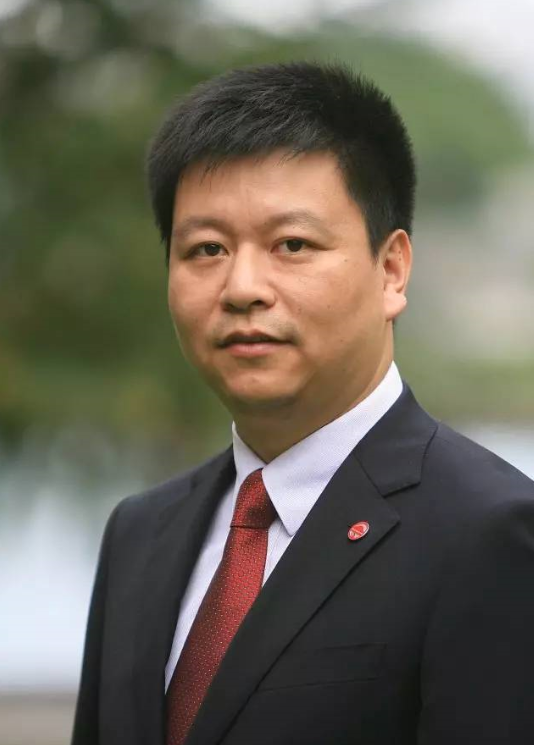 Junqi Shi (施俊琦)合作论文数School of Management, Zhejiang University3Avinish Chaturvedi合作论文数3
 Katherine Rong Xin (忻榕)合作论文数China Europe International Business School3
 Dean William Tjosvold (謝霍堅)合作论文数Department of Management, Lingnan University3




