OBJECTIVE:To investigate the pharmacological effects and underlying mechanisms of Pinggan Yuyin Qingre formula (, PGYYQR) in the treatment of meibomian gland dysfunction (MGD) through network pharmacology and in vivo validation. METHODS:A mouse model of MGD was induced using the stearoyl-coenzyme a desaturase 1 inhibitor, followed by PGYYQR treatment for 2 weeks. MGD sign scoring, hematoxylin and eosin (HE) staining, oil red o (ORO) staining, and serum inflammatory cytokine analysis were conducted to assess the effects of PGYYQR on meibomian gland (MG) function, histopathology, and associated inflammation. Network pharmacology was employed to identify the active compounds and potential targets of PGYYQR. Molecular mechanisms were further investigated using Western blotting, reverse transcription quantitative real-time polymerase chain reaction, and reactive oxygen species (ROS) assays. RESULTS:PGYYQR treatment significantly reduced the scores of MG orifice obstruction and meibum quality in MGD mice. HE and ORO staining further demonstrated that PGYYQR ameliorated glandular damage and lipid dysfunction. Enzyme-linked immunosorbent assay results revealed that PGYYQR markedly decreased the serum levels of key inflammatory cytokines, including interleukin (IL)-1β, IL-6, and tumor necrosis factor-α. Network pharmacology identified 162 active compounds and 598 target genes in PGYYQR. Among these, IL-6, IL-1β, matrix metalloproteinase-9, and C-X-C motif chemokine ligand 8 were recognized as core targets related to MGD and were mainly enriched in the IL-17/ nuclear factor kappa B (NF-κB) signaling pathway. Further molecular analyses confirmed that PGYYQR significantly inhibited the IL-17/NF-κB axis by downregulating IL-17 expression and reducing phos-phorylated NF-κB p65 levels at both the protein and mRNA levels in MG tissues. PGYYQR also effectively reduced ROS levels in the conjunctival tissues of MGD mice. CONCLUSION:PGYYQR effectively improves MG function and preserves local tissue morphology in MGD model mice, primarily by suppressing the inflammatory response through coordinated modulation of the IL-17/NF-κB signaling pathway and oxidative stress.
OBJECTIVE:To observe the clinical efficacy on improving the quality of meibum in patients suffer from dry eye disease (DED) due to meibomian gland dysfunction (MGD) with hyperactivity ofdue todeficiency pattern after being treated with Pinggan Yuyin Qingre formula (, PGYYQR).METHODS:Totally 120 patients who met the inclusion criteria were included and stratified into three levels according to the level of MGD (1-3), and patients in each level was randomly allocated into the treatment group and control group according to a 1∶1 ratio. Both groups were treated with sodium hyaluronate eye drops, and the treatment group was also given PGYYQR granules. Both groups were treated continuously for eight weeks. The score of the properties of meibomian gland (MG) secretion, the score of the palpebral margins, the average noninvasive tear breakup time (NITBUTav), lipid layer thickness (LLT), and Traditional Chinese Medicine (TCM) syndrome efficacy were compared between the two groups after treatment.RESULTS:A total of 116 cases were included in the statistical analysis. The differences were statistically significant in the score of the properties of MG secretion, the score of the palpebral margins, and NITBUTav between the two groups after treatment, the treatment group was superior to the control group; there was no evidence of a difference in LLT. In terms of TCM syndrome efficacy, the total effective rate was 84.7% in the treatment group and 50.9% in the control group, with the statistically significant difference. None of the included cases had adverse reactions.CONCLUSIONS:PGYYQR is effective in improving the quality of meibum, and the tear film stability which thereby relieving the ocular symptoms in MGD-related DED patients with hyperactivity ofdue todeficiency pattern.
清肺健脾法是基于传承、实践,创新提出的治疗肺热脾湿证候鼻鼽的方法,本文梳理了肺热脾湿证候鼻鼽的发生,即湿热伏气是内在基础,肺热炽盛、脾虚湿聚,湿热胶结、上犯清窍是重要病机,指出其主要责之于肺,与脾相关,致病因素责之于热,兼湿邪胶结.故提出清肺健脾治法,具体药物分两个角度解析,一是主次用药,有君、臣、佐、使之别;二是性味上,分为性寒清肺热、淡渗健脾利湿、辛温疏风开窍三类.本方药经过多年实践和临床研究,证实安全有效,并且总结了肺热脾湿证候的辨证要点,便于在临床推广使用.整理了在诊治患者时,遇不同具体情况时在理论指导下常用的调整药物方法.最后,举病案示例.
目的 评价清肺健脾法提前干预季节性变应性鼻炎的效果.方法 将60例患者随机分为治疗组与对照组.治疗组在花粉季开始前2周应用清肺健脾脱敏方,对照组不予干预,花粉季两组正常治疗,受试者每2周采集症状评分、鼻结膜炎生活质量量表(RQLQ)、中医证候评分,进行3次树木花粉特异性IgE测定.结果 两组症状评分、RQLQ在入组2周、4周、6周时有显著差异(P<0.05);两组中医证候评分在2周、4周时有显著差异(P<0.05);两组血清特异性IgE在2周时有显著差异(P<0.05).治疗组均优于对照组.结论 提前2周应用清肺健脾法汤药治疗肺热脾湿证候季节性变应性鼻炎,能降低发病时血清花粉特异性IgE,改善发病及高峰时中医证候,改善受试者全花粉季的症状、生活质量.清肺健脾法提前干预肺热脾湿证候季节性变应性鼻炎优于发病时干预,效果良好.
目的 观察清肺健脾法治疗湿热证持续性变应性鼻炎的即刻和远期疗效及对免疫炎性因子的影响.方法 将2016年11月—2018年5月在首都医科大学附属北京同仁医院治疗的80例湿热证持续性变应性鼻炎患者随机分为2组,治疗组给予清肺健脾治法中药颗粒剂口服,对照组给予氯雷他定片口服,2组均治疗4周.观察2组治疗前、治疗4周后、治疗结束后16周症状积分、鼻结膜炎生活质量调查问卷(RQLQ)评分及血清免疫球蛋白E(IgE)、白细胞介素-4(IL-4)、白细胞介素-5(IL-5)、干扰素-γ(IFN-γ)水平变化,比较2组治疗4周后即刻疗效和治疗结束后16周远期疗效,评估2组治疗安全性.结果 治疗组39例、对照组38例完成研究.治疗4周后,2组症状积分、生活质量RQLQ评分及血清IgE、IL-5水平均明显低于治疗前(P均<0.05),治疗组血清IFN-γ水平明显高于治疗前(P<0.05),但2组间各指标比较差异均无统计学意义(P均>0.05).治疗结束后16周,对照组症状积分、生活质量RQLQ评分及血清IgE、IL-4、IL-5、IFN-γ水平与治疗前比较差异均无统计学意义(P均>0.05);治疗组症状积分、生活质量RQLQ评分均明显低于治疗前及同期对照组(P均<0.05),血清IFN-γ水平均明显高于治疗前及同期对照组(P均<0.05),血清IgE、IL-4、IL-5水平与治疗前及同期对照组比较差异均无统计学意义(P均>0.05).治疗4周后,治疗组总有效率为87.2%(34/39),对照组总有效率为76.3%(29/38),2组比较差异无统计学意义(P>0.05).治疗结束后16周,治疗组总有效率为76.9%(30/38),对照组总有效率为44.7%(17/38),2组比较差异有统计学意义(P<0.05).2组均无不良反应发生.结论 清肺健脾法治疗持续性变应性鼻炎有效安全,尤其是在随访期表现出了优于西药的效果,有持续稳定症状、改善生活质量的作用,可能与降低IgE、纠正Th1/Th2细胞失衡有关.
目的:观察耳甲电针治疗腹泻型肠易激综合征(IBS)的疗效.方法:选取2018年2月至2020年1月首都医科大学附属北京同仁医院收治的腹泻型IBS患者86例作为研究对象,按照随机数字表法分为对照组和观察组,每组43例,所有患者治疗前后均使用IBS症状评分表、肠易激综合征症状严重程度量表(IBS-SSS)、汉密尔顿焦虑量表(HAMA)、汉密尔顿抑郁量表(HAMD)、SF-36生命质量量表评估患者症状的严重程度.并参照肠易激综合征中医诊疗专家共识意见(2017)的疗效评估方法,比较分析观察组与对照组治疗腹泻型肠易激综合征的疗效.结果:观察组与对照组治疗前IBS症状评分表、IBS症状严重程度量表、汉密尔顿焦虑量表、汉密尔顿抑郁量表、SF-36生命质量量表各维度差异无统计学意义(P>0.05),治疗后观察组与对照组IBS症状评分表、IBS症状严重程度量表、汉密尔顿焦虑量表、汉密尔顿抑郁量表、SF-36生命质量量表差异有统计学意义(P<0.05).观察组治疗有效率85.4%,对照组治疗有效率58.5%,差异有统计学意义(P<0.05).结论:耳甲电针对于腹泻型肠易激综合征的各项症状均具有较好疗效且值得推广.
目的 观察耳甲电针治疗反流性食管炎(RE)的疗效.方法 选取2018年1月—2019年12月首都医科大学附属北京同仁医院收治的RE患者62例,使用随机数字表分为耳甲电针组和对照刺激组,每组各31例.观察组使用耳甲电针治疗,对照刺激组用耳缘电针治疗,每次30 min,每周治疗3次,共治疗12周.于治疗前后使用反流性疾病问卷(RDQ)、RE症状评分表、匹兹堡睡眠质量指数量表(PSQI)、SF-36生活质量量表评估患者症状的严重程度,并参照专家共识和胃镜检查观察患者的临床疗效.结果 与治疗前比较,耳甲电针组患者治疗后的RDQ、RE症状评分表、PSQI,均低于治疗前,差异有统计学意义(均P<0.05),SF-36生活质量量表除生理职能评分低于治疗前,其余各维度均高于本组治疗前,差异有统计学意义(均P <0.05).与对照刺激组比较,耳甲电针组患者治疗后RDQ、RE症状评分表、PSQI评分均较低,差异有统计学意义(均P <0.05),SF-36生活质量量表各维度均有改善,差异有统计学意义(均P<0.05).耳甲电针组总有效率为90.32%,高于对照刺激组,差异有统计学意义(P<0.05),胃镜下炎症治疗效果耳甲电针组总有效率为74.19%,高于对照刺激组,差异有统计学意义(P<0.05).结论 耳甲电针可用于治疗RE,并可改善睡眠和提高生活质量.
睑缘炎是指睑缘表面、睫毛毛囊及其腺体组织的亚急性或慢性炎症.睑缘炎与睑板腺功能障碍(MGD)及蒸发过强型干眼症的发生密切相关.支楠教授是孔嗣伯教授的学术继承人,继承发扬了孔门的学术思想和临证经验,将温病学说应用到睑缘炎的辨证治疗中.支楠教授注重风、火、暑、湿这四种外邪在本病的致病作用,辨证治疗时注重从火及湿热论治,并有其独特的用药经验.
目的:评价平肝育阴清热方治疗睑板腺功能障碍导致蒸发过强且中医证属阴虚阳亢型干眼症患者的临床疗效及安全性.方法:连续的120例符合准的门诊患者被纳入试验,按照睑板腺功能的分级(1~3级)分别纳入轻中重三层,每层按照1∶1的比例随机分配为试验组或对照组.两组均予玻璃酸钠滴眼液治疗,1滴/眼/次,每日3次,试验组同时加服平肝育阴清热方配方颗粒,每日2次,两组均连续治疗8周.总体及分层比较两组患者治疗前后非侵入性泪膜破裂时间(NITBUT),角膜病变程度、睑板腺排出脂质难易度、睑板腺结构、眼部症状积分、眼表疾病指数(OSDI)量表得分及中医兼证证候积分.结果:纳入120例患者中脱落1例,剔除3例,116例纳入统计.治疗前后两组患者NITBUT,角膜病变程度,眼部症状积分,OSDI量表得分均表现为试验组优于对照组,差异具有统计学意义;睑板腺排出脂质难易度得分差异无统计学意义,试验组仅有优于对照组的趋势;两组治疗后中医兼证证候得分与治疗前相比差异均有统计学意义.全部纳入病例均无不良反应发生,无心电图或肝肾功能异常改变.结论:平肝育阴清热方可有效改善睑板腺功能障碍导致的蒸发过强,中医证属阴虚阳亢型干眼症患者的泪膜稳定性,眼干涩、灼热、眼痒、异物感等眼部症状及阴虚阳亢的中医症状,且以中重度患者改善效果更为明显;具有改善睑板腺功能的趋势,安全性佳,患者依从性较好.
Objectives: To observe the clinical long-term therapeutic effect on functional dyspepsia (FD) in the comparative study of transcutaneous auricular vagus nerve stimulation (taVNS) with transcutaneous auricular none-vagus nerve stimulation (tnVNS). Methods: A total of 90 FD patients were randomized into a taVNS group and a tnVNS group, 45 cases in each one. The patients in both the taNVS group and the tnVNS group were treated 5 times a week, 30 min each time, for 4 weeks totally. Before treatment, after treatment and in follow-up visit, overall symptom points, functional dyspepsia-related quality of life questionnaire (FDQOL), Hamilton anxiety scale (HAMA), Hamilton depression scale (HAMD) and self-rating depression scale (SDS) were adopted to evaluate the severity of the symptoms and observe the clinical therapeutic effect of patients. Results: Compared with the scores before treatment, the overall symptom points, FDDQL, HAMA, HAMD and SDS at each time point after treatment were all lower in the patients of the taVNS group. The scores of FDDQL after treatment were almost all higher than that before treatment in the self-comparison of each group. All of the above differences were significant statistically (all P < 0.05). Compared with the tnVNS group, the overall symptom points, FDDQL, HAMA, HAMD and SDS at each time point after treatment were all lower in the taVNS group and the score of FDDQL was higher, indicating the statistical differences (all P < 0.05). Conclusion: Transcutaneous auricular vagus nerve stimulation is applicable for the treatment of functional dyspepsia. Compared with the control group, taVNS obtains a better long-term effect. (C) 2021 Published by Elsevier B.V. on behalf of World Journal of Acupuncture Moxibustion House.
At present, the breakthrough of the key techniques of artificial intelligence (AI), including image recognition, deep learning, neural network, Robot technique, etc., greatly promote the development of discipline crossing and medicine. In the present paper, we make an in-depth discussion about the future application of inter-discipline techniques of acupuncture-moxibustion and AI. We think that some of the current instruments have been part of the new acupuncture-moxibustion devices and may have the potential to intersect with the AI discipline. Relying on these existing devices and those of meridian detection, we can obtain relatively objective data, and further conduct meridian-syndrome differentiation and big data collection to possibly realize remote medical treatment. In addition, we may also develop an AI system for studying the underlying mechanisms of acupuncture and moxibustion therapies. Nevertheless, there still exist a lot of problems and challenges in clinical, teaching and scientific researches. It is recommended that the discipline of acupuncture-moxibustion should be intersected with the AI subject and formulate appropriate development strategies, promoting a faster and better development of acupuncturology.
肝癌属于中医学的"胁痛" "黄疸" "癥瘕" "臌胀"等范畴,《灵枢·邪气脏腑病形》曰:"肝脉急甚为恶言,微急为肥气,在胁下若覆杯."《难经》载:"脾之积,名曰痞气.在胃腕,腹大如盘,久不愈.令人四肢不及,发黄疸,饮食不为肌肤."手术切除是目前临床中治疗肝癌最有效的方法,但有些患者因广泛转移或有较多基础性疾病,年老体弱等诸多原因不能手术,往往需要中医治疗或中医结合放疗、化疗,术后对患者进行中医辨证治疗,能调节脏腑功能、促进机体恢复,调节机体免疫功能,控制复发转移.
目的 观察耳甲电针联合口服甲钴胺片治疗特发性耳鸣的疗效.方法 选取2018年2月至2020年1月北京同仁医院收治的特发性耳鸣患者68例作为研究对象,每组各34例,每周治疗3次,共治疗12周,所有患者治疗前后均使用耳鸣残障量表(THI)、焦虑自评量表(SAS)、抑郁自评量表(SDS)、SF-36生活质量量表评估患者症状的严重程度.并参照耳鸣专家共识及解读的疗效评估方法,对比分析观察组与对照组治疗特发性耳鸣的疗效.结果 耳甲电针组和对照刺激组治疗前耳鸣残障量表(THI)、焦虑自评量表(SAS)、抑郁自评量表(SDS)、SF-36生活质量量表各维度差异无统计学意义(P>0.05),治疗后耳甲电针组耳鸣残障量表(THI)、焦虑自评量表(SAS)、抑郁自评量表(SDS)、SF-36生活质量量表各维度较治疗前差异有统计学意义(P<0.05).耳甲电针组治疗有效率85.40%,对照组治疗有效率58.35%,差异有统计学意义(P<0.05).结论 耳甲电针联合口服甲钴胺片可用于治疗特法性耳鸣.
With the increasing number of Chinese medical aid and the overseas development of Chinese medicine, acupuncture has spreaded to and the Republic of Guinea and saw develoment. At present, only China Guinea Friendship Hospital and Astatin Hospital have set up Acupuncture Department, which have equipped with basic acupuncture instruments and acupuncture is used as the main treatment method, and acupuncture is a self funded project. There is no acupuncture major in the local education system, neither laws and regulations on acupuncture and moxibustion. Language barrier also makes it difficult for doctors in the two countries to communicate. Thus, it is recommended to consider geographic, diet, and medical factors when formulating acupuncture treatment plans which are suitable for local conditions, and launching new projects such as laser acupuncture treatment and ear concha electroacupuncture treatment, while improving the language level of foreign aid physicians, designing suitable teaching materials, and using multimedia technology for teaching. Besides, we should promote legislation, conduct academic and cultural exchanges, so as to better promote the development of acupuncture and moxibustion in Guinea.
首都医科大学附属北京同仁医院近些年以针刺蝶腭神经节治疗变应性鼻炎为核心,以循证医学研究方法作为指导,围绕疗效评价、机制研究、推广应用、国际交流四个主题开展工作,并且充分借助同仁医院专业性研究平台,多角度、多维度地深入开展科学研究,验证针刺蝶腭神经节的理论机制,探索更有效的针刺时机、刺激方式、干预频率等,积极向国内外推广传播这一技法,展示了中西医结合的魅力与风采。
目的 观察自拟清火散结汤口服结合药液熏蒸双目治疗表层巩膜炎的效果.方法 选择2016年12月-2018年12月于作者所在医院就诊的表层巩膜炎患者43例(60只眼),采用随机数字表法将其分为中药组22例(30只眼)与对照组21例(30只眼).中药组给予清火散结汤口服结合药液熏蒸双目,对照组给予局部冰袋冷敷,每次10 ~ 15 min,每日3次、患眼局部点普南扑灵滴眼液,2组均治疗4周.比较2组有效率、复发率及主观症状、巩膜充血评分.结果 中药治疗组治愈8只眼(26.67%),好转17只眼(56.67%),无效5只眼(6.67%),总有效率83.3%.对照组治愈5只眼(16.67%),好转17只眼(56.67%),无效8只眼(16.67%),总有效率73.3%,前者的疗效好于后者,但是差异不显著(x2=0.884,P=0.347).对治愈患者分别3个月后随访,中药治疗组复发1只眼,复发率12.5%,对照组复发4只眼,复发率80.0%,2组有差异但无明显统计学意义(Fisher精确检验,P=0.532).单纯性巩膜炎患者治疗后2组主观症状、巩膜充血评分均较治疗前明显改善(P<0.05);治疗组主观症状、巩膜充血评分优于对照组,但无显著统计学差异(P>0.05);结节性表层巩膜炎患者中药治疗后主观症状、巩膜充血评分均较前明显改善(P<0.05),对照组与治疗前比较差异无统计学意义(P>0.05);治疗后中药组主观症状评分、巩膜充血评分均优于对照组,差异有显著统计学意义(P<0.05).根据修改后的正文补充2组有效率、复发率及主观症状、巩膜充血评分统计分析结果.结论 自拟清火散结汤口服结合药液熏蒸双目治疗表层巩膜炎,对于结节性表层巩膜炎,治疗有明显优势,对于单纯性巩膜炎,中药或西药治疗均有改善,西医冷敷和非甾体类消炎药对症使用也有一定价值,中药组较对照组有治疗优势,但没有表现出显著统计学差异.
This study aims to investigate the effectiveness and safety of Qingfeijianpi therapy for persistent allergic rhinitis (AR). A total of 101 patients with persistent AR were included into the study. These patients were randomly divided into 2 groups: treatment group, in which patients were given Qingfeijianpi decoction (1 dose/day for 4 weeks); control group, in which patients were given an oral dose of loratadine (tablet, 10mg/time, once per day for 4 weeks). A total of 96 patients completed the 16-week course of treatment. The nasal symptom and traditional Chinese medicine syndrome were scored to evaluate symptom improvement, and the Rhinoconjunctivitis Quality of Life Questionnaire was used to assess the quality of life of patients. Furthermore, the 4-week clinical treatment effect and 16-week follow up were evaluated. After the 4-week treatment, the mean difference in symptom score in the treatment group was similar to that in the control group. However, during the follow-up, the decrease in symptom score was better with the Qingfeijianpi therapy than with loratadine. Compared to loratadine, the Qingfeijianpi decoction exhibited a significant benefit in symptom improvement of persistent AR.
Objective To investigate the evaluation and suggestion of the courses of Chinese Medicine for clinical students majoring in medical college. Methods In January 2017, at the end of the Chinese Medicine courses, a total of 35 clinical students of Capital Medical University were investigated through a questionnaire, mainly related to students' understanding of Chinese medicine; evaluation and suggestions for Chinese Medicine education and teaching. Results The majority of students believed that Chinese medicine was safe and effective. The proportion of believing worthing learning that the Chinese medicine accounted for 94.3% (33/35), and who believed Chinese medicine helpful for the clinical work accounted for 82.9% (29/35). However, the proportion of satisfaction with the current teaching method was 60% (21/35). Conclusions Most of the clinical students in this investigation have recognized the role of Chinese medicine, and have shown great interest in studying the course, but they are not satisfied with the current teaching. To improve the teaching quality of Chinese Medicine through the reform should be the direction of teachers' efforts in the future.
运用四诊即望、闻、问、切的诊查方法,把表现于外的症状、体征、舌象、脉象等有关疾病资料收集起来,分析疾病的病因病机,对疾病的证候类型做出判断,从而进行辨证论治.在四诊的教学中要重视培养中医思维,为辨证提供准确的依据,为下一步制定治则治法、遣方用药奠定基础.
目的 观察平肝清热化瘀法治疗肝阳上亢证难治性突发性耳聋的临床疗效.方法 选择肝阳上亢证难治性突发性耳聋患者66例,随机分为治疗组和对照组各33例,对照组口服银杏叶胶囊和甲钴胺,治疗组用平肝清热化瘀方,连续治疗14天;在治疗前后测定两组患者听力并观察临床症状,评价临床疗效、中医证候疗效.结果 治疗组临床疗效总有效率84.85%,对照组为33.33%;治疗组中医证候疗效总有效率为90.90%,对照组为30.30%,治疗组均优于对照组(P<0.05).治疗后两组患者耳鸣、耳闷塞感、听力受损情况比较,治疗组均优于对照组(P<0.05).结论 平肝清热化瘀法治疗肝阳上亢证难治性突发性耳聋优于常规治疗,可改善有效听力及临床症状.
 Peijing Rong (荣培晶)合作论文数Institute of Acupuncture and Moxibustion, China Academy of Chinese Medical Sciences6
 Jing Qu (屈静)合作论文数Beijing Tongren Hospital, Capital Medical University6
 LuQuan Chen (陈陆泉)合作论文数5
 Nan Zhi (支楠)合作论文数Beijing Tongren Hospital, Capital Medical University4Gao Yinli合作论文数3Jin-Ling Zhang (张金铃)合作论文数中国中医科学院针灸研究所3
 Xiaoli Ma (马小丽)合作论文数Beijing Tongren Hospital, CMU2
 Tao Peng (彭涛)合作论文数School of Chemical Biology & Biotechnology, Peking University Shenzhen Graduate School2
 Xiangdong Wang (王向东)合作论文数Beijing Tongren Hospital, Capital Medical University2Chang Liu合作论文数1Zhiqun Wang合作论文数1Ru-Jun Dai合作论文数1Jing-Yi Sun合作论文数1Peng Tao合作论文数1CAO Shan (曹姗)合作论文数1Yu Wang合作论文数1Li-Wei Hou (侯理伟)合作论文数1Dong Wu合作论文数1
 Peng Zhang (张鹏)合作论文数Xuanwu Hosp, Capital Med Univ1Ping LI (李平)合作论文数1Chang LIU (刘畅)合作论文数1Jiachen Liu (刘甲辰)合作论文数1王瑜合作论文数中国中医科学院西苑医院财务处1YiXin Qi (祁怡馨)合作论文数1
 Xu Di (翟煦)合作论文数1RuiJie Liu (刘蕊洁)合作论文数1WenZheng Xiao (肖文峥)合作论文数1LingZhao Kong (孔令昭)合作论文数1YanYan Meng (孟闫燕)合作论文数1
 HongCai Wang (王宏才)合作论文数1YeQing Deng (邓叶清)合作论文数1SiJia Gao (高思佳)合作论文数1Yi Zhang (张祎)合作论文数1ZhiFang Zhang (张志芳)合作论文数1ZhiHui Wang (王智慧)合作论文数1YuJie Zhang (张玉洁)合作论文数1
 Kuiji Wang (王奎吉)合作论文数Beijing Tongren Hospital, CMU1
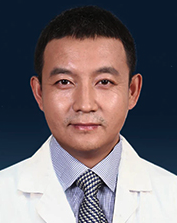 Chengshuo Wang (王成硕)合作论文数Beijing Tongren Hospital, Capital Medical University1
 Shandong Zhang (张善东)合作论文数Beijing Tongren Hospital, Capital Medical University1
 Lishan Zhang (张立山)合作论文数Dongzhimen Hospital, Beijing University of Chinese Medicine1
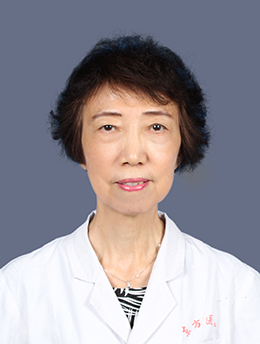 Xingyuan Yu (俞兴源)合作论文数Dongfang Hospital, Beijing University of Chinese Medicine1
 Like Xie (谢立科)合作论文数Eye Hospital China Academy of Chinese Medical Sciences1
 Xuegong Feng (冯学功)合作论文数Beijing Hospital of Integrated Traditional Chinese and Western Medicine1
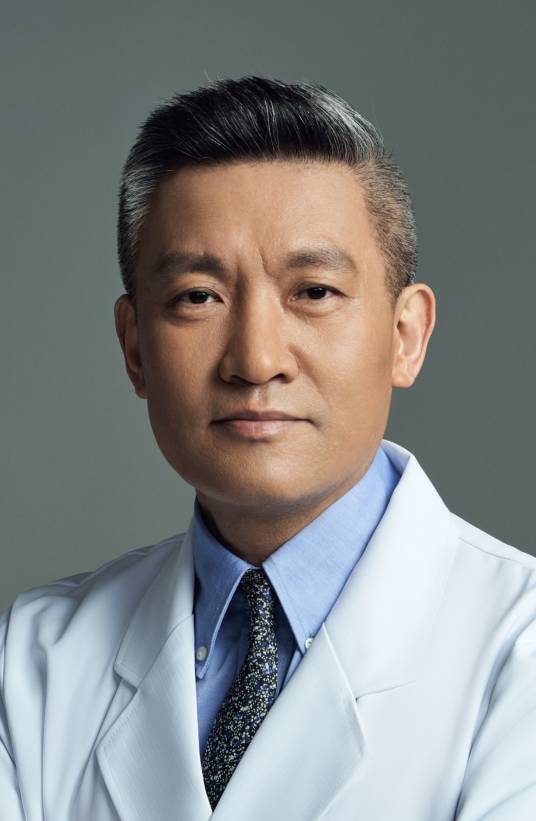 Luo Zhang (张罗)合作论文数Beijing Tongren Hospital, Capital Medical University;Graduate School of Capital Medical University1
 Bo Liu (刘博)合作论文数Beijing Tongren Hospital, CMU1
 Xuan Yao (姚暄)合作论文数Beijing Tongren Hospital, Capital Medical University1




