Background:MP-AzeFlu (Dymista; Meda Pharma GmbH & Co., KG), a formulation combining azelastine hydrochloride and fluticasone propionate in a single spray, is superior to fluticasone propionate alone in relieving symptoms and improving the quality of life of patients with allergic rhinitis.Objectives:In this study, we evaluated whether the effect of AzeFlu, a generic drug manufactured from China, is equivalent to that of MP-AzeFlu.Methods:In total, 679 patients were recruited for a multicentre, randomized, double-blind, original drug-controlled, and parallel-group clinical trial. Overall, 339 and 340 patients were administered with AzeFlu and MP-AzeFlu, respectively. Efficacy was assessed by changes in the reflective total nasal symptom score, the area under the curve of reflective total nasal symptom score changes over time, changes from baseline in individual nasal symptom scores, and the Rhinoconjunctivitis Quality of Life Questionnaire. In addition, a safety evaluation was simultaneously performed.Results:AzeFlu and MP-AzeFlu reduced the reflective total nasal symptom score from baseline (AzeFlu -6.7 [standard deviation, 2.59]; MP-AzeFlu -6.7 [standard deviation, 2.76]; P = 0.905) and improved nasal symptoms and quality of life (AzeFlu -62.3 [standard deviation, 33.59]; MP-AzeFlu -64.7 [standard deviation, 33.73]; P = 0.394) in patients with allergic rhinitis. Significant differences were not observed between groups.Conclusion:AzeFlu showed effects equivalent to those of MP-AzeFlu in this clinical trial and may benefit Chinese patients with allergic rhinitis.Registration number: CTR20190189 (chinadrugtrials.org.cn/index.html)Conclusion:AzeFlu showed effects equivalent to those of MP-AzeFlu in this clinical trial and may benefit Chinese patients with allergic rhinitis.Registration number: CTR20190189 (chinadrugtrials.org.cn/index.html)
To investigate the feasibility and effectiveness of nasopharyngeal tube (NPT) insertion in alleviating sleep hypoxemia during the first night after velopharyngeal surgery in patients with obstructive sleep apnea syndrome (OSAS). In this prospective nonblinded, randomized, controlled study, 46 patients with obstructive sleep apnea syndrome (OSAS) who underwent velopharyngeal surgery were enrolled and randomly allocated to the control group (with no NPT insertion) and the NPT insertion group. Both groups underwent overnight pulse oximetry tests during the first postoperative night. One patient in the NPT insertion group was excluded because of involuntary self-removal of NPT during sleep. A total of 45 patients with OSAS were included for analysis, with 23 in the control group and 22 in the NPT insertion group. No significant differences in preoperative baseline information were found between the two groups. Compared with the patients in the control group, those patients in the NPT insertion group showed a significantly higher value of the lowest oxygen saturation of oximetry during the first postoperative night (85.0 ± 4.0
Objective. Radiofrequency coblation (RFC) is a relatively new method that has opened up new perspectives in treating oropharyngeal squamous cell carcinoma (OPSCC). Our study was designed to explore the feasibility and effectiveness of RFC-assisted transoral surgery (RFC-TOS) for primary OPSCC. Methods. Sixty-nine cases of OPSCC from February 2005 to November 2020 were retrospectively analyzed, including 31 in the RFC-TOS group and 38 in the open surgery group. No difference was observed in demographic and oncological characteristics. Results. The significance between the RFC-TOS group and the open surgery group was proved in intraoperative bleeding volume (34.10 ± 10.10 ml vs. 193.68 ± 21.00 ml, P<0.001), durations of surgery (79.58 ± 8.45 min vs. 217.87 ± 17.65 min, P<0.001), time to resume oral feeding (1.64 ± 0.41 d vs. 11.58 ± 1.41 d, P<0.001), duration of hospitalization (7.84 ± 0.66 d vs. 15.66 ± 1.62 d, P<0.001), and the total costs (22846.22 ± 1821.55¥ vs. 41792.24 ± 4150.86¥, P<0.001). The rates of 5-year overall survival (OS), 5-yeardisease-specific survival (DSS), and 5-year local control rate (LC) were 69.1%, 71.7%, and 75.7%, respectively, in the RFC-TOS group and 71.0%, 73.4%, and 73.7% in the open surgery group (P>0.05). Conclusions. RFC-TOS is a feasible alternative transoral approach for OPSCC. The reported perioperative and oncologic outcomes are satisfactory.
Objective:To explore the feasibility and efficacy of radiofrequency coblation assisted transoral surgery for the treatment of supraglottic laryngeal carcinoma by comparing with concurrent patients treated with conventional transcervical approach. To clarify the advantages of different surgical methods and to summarize the experience of supraglottic carcinoma radiofrequency ablation.Methods:Forty-six patients with supraglottic laryngeal carcinoma treated in department of otorhinolaryngology head and neck surgery, Peking University First Hospital from March 2014 to January 2021 were analyzed retrospectively. Among them(43 males, 3 females, aged from 45 to 79 years old), 23 patients were treated with radiofrequency coblation and 23 patients with partial laryngectomy with conventional transcervical approach. The operation time, intra-operative blood loss volume, recovery time, inpatient total medical cost and follow-up information of the two groups were analyzed. SPSS 26.0 software was used for statistical analysis.Results:There were no significant differences in age, gender, TNM staging,tumor staging and postoperative radiotherapy between the two groups (all P>0.05).The operation time, intra-operative blood loss volume, recovery time, inpatient total medical cost of the RFC-TOS group were110.0(60.0,150.0)min,5.0(5.0,30.0)ml,3.0(2.0,5.0)days,6.0(4.0,14.0)days and 26 100.7(16 145.5,47 044.4)yuan. The data of conventional transcervical approach group were 205.0(156.5,272.3)min, 150.0(50,200) ml, 18.0(16.3,22.8)days and 56520.1(440 992.5,67 109.9)yuan, ( Z=-4.03, -4.94, -4.97, -4.98 and -4.13;all P<0.001).The 5-year local control rate, disease-specific survival rate and overall survival rate of the two groups were 86.96%,95.65%,91.30% and 86.96%,91.30%,73.90% renspectively, which had no significant difference between the two groups(all P>0.05). Conclusions:Compared with conventional transcervical surgeries, RFC-TOS could be a reliable new surgical option for organ-function preservation strategy in the treatment of supraglottic laryngeal carcinoma.The RFC is a suitable new technique and deserving more multi-center clinical trials for its clinical promotion.
本文报道2例声门下炎性肌纤维母细胞瘤。例1为妊娠14周女性,31岁,因“声音嘶哑3周余”就诊。术前电子喉镜示声门下占位,声带外展时可见巨大的红色结节状新生物,表面欠光滑,阻塞管腔约 80%,双侧声带活动可,不能完全闭合。MR提示右侧声门下一大小1.3 cm×1.1 cm×1.5 cm团块,病变累及前连合,增强后呈明显均匀强化,喉腔狭窄。术后病理诊断为炎性肌纤维母细胞瘤。术后出院至今复查未见肿物复发。例2患者男,48 岁,主因“间断声音嘶哑 2 个月余”就诊,电子喉镜示右侧声带下表面见一圆形淡红色肿物,表面尚光滑,双侧声带活动正常,闭合好。术后病理证实为炎性肌纤维母细胞瘤。患者术后4个月复查未见肿瘤复发,预后良好。
AbstractObjectiveHemorrhage is the most common complication caused by transoral laryngopharyngeal surgery. It is believed that proper management of the superior laryngeal artery (SLA), the main feeding artery for the larynx and pharynx, may reduce intra‐ and postoperative hemorrhage incidence. The aim of this study was to illustrate the anatomy of the SLA via transoral endoscopic approach.MethodsFourteen sides of SLA from heads of seven fresh‐frozen and silicone‐injected cadavers were dissected. Transoral dissections were performed for the intra‐laryngeal segment of SLA, and transcervical dissections were performed to confirm the anatomical measurements.ResultsSLA had a slightly descending course from the origin to the larynx, and there was a major branch supplying the epiglottis, named pharyngo‐epiglottic artery (PEA). Parallel with the internal superior laryngeal nerve (ISLN), SLA passed through the thyrohyoid membrane and ended into the hypopharynx. The distance from SLA to the superior horn of thyroid cartilage (SHTC) was (9.11 ± 0.58)mm on the left and (9.01 ± 0.37)mm on the right; the distance from SLA to the inferior margin of the hyoid bone (IMHB) was (2.00 ± 0.11)mm on the left and (1.95 ± 0.08)mm on the right; the distance from SLA to ISLN was (5.98 ± 0.48)mm on the left and (5.78 ± 0.36)mm on the right. No significant difference was found between bilateral sides (p > 0.05). Moreover, the distance from SLA to superior margin of thyroid cartilage (SMTC) was (5.52 ± 0.24)mm on the left and (5.80 ± 0.15)mm on the right. A significant difference was also found between bilateral sides (p = 0.03), which might suggest the SLA is located further from the SMTC on the right side.ConclusionSHTC, SMTC, and IMHB could be regarded as anatomical landmarks to locate SLA when applying a transoral approach. Moreover, a complete understanding of the detailed anatomy of the superior laryngeal artery may improve the detection of hemostasis in transoral laryngeal or hypo‐pharyngeal surgery.
ObjectivesThis study aimed to investigate the status of the current knowledge about laryngopharyngeal reflux disease (LPRD) among Chinese otolaryngologists.DesignMulti-centre cross-sectional survey.Setting220 medical centres in different regions of China.ParticipantsA total of 2254 otolaryngologists from 220 medical centres in China who were successfully on-site surveyed between November 2019 and December 2020.Main outcome measuresAwareness about LPRD included knowledge about risk factors, symptoms, laryngoscope signs, related diseases, current diagnostic methods and treatments.ResultsThe percentage of participants who had heard of LPRD was 96.4%, with academic conferences as the most common source of information (73.3%). The most commonly known risk factor, symptom, laryngoscope sign, related disease, diagnostic method and treatment were alcohol consumption (44.0%), pharyngeal foreign body sensation (66.9%), hyperaemia (52.4%), pharyngolaryngitis (54.8%), pH monitoring (47.6%) and medication (82.1%), respectively. Only 28.3% of all participants knew that 24 h pH or multichannel intraluminal impedance pH monitoring was the most accurate diagnostic test. As many as 73.1% of all participants knew that proton pump inhibitors were the first-line treatment drugs. An analysis of the overall status of awareness using a scoring system suggested that otolaryngologists were better aware owing to more access, working at 3A hospitals, and postgraduate or above educational background (all p<0.05).ConclusionAlthough the majority of Chinese otolaryngologists had heard of LPRD, their overall awareness about the disease was not encouraging. More efforts are needed to increase the knowledge about LPRD among this group of physicians.Trial registration numberChiCTR1900025581
目的 总结原发于鼻腔鼻窦的晚期腺样囊性癌(ACC)的临床特征,探讨切缘病检结果以及复发或转移与预后的关系.方法 回顾性分析12例晚期鼻腔鼻窦ACC患者的临床资料、治疗方法及预后.其中T3和T4期病变患者各6例,均无局部淋巴结及全身转移.首次治疗均以手术为主,9例联合术后放疗,4例联合化疗,复发及转移的治疗方式各异,仍以再手术为主.结果 在20次首发及复发病灶的手术中,切缘阳性率高(75%,15/20),切缘阳性者生存时间最长达32年;随访期间局部复发7例(2例合并远处转移),单纯远处转移1例,局部复发并远处转移患者最长生存达32年.结论 晚期鼻腔鼻窦ACC手术切缘阳性率高,局部复发率高,但局部复发或远处转移后仍能带瘤生存较长时间,在行根治性手术以及复发或转移治疗决策时应充分考虑患者的生存质量.
To compare the efficiency of a TCM scoring system that includes 3 independent predictors obtained by physical examination, computed tomography, and polysomnography with the standard Friedman staging system that includes only physical examination variables for predicting surgical outcomes in patients with obstructive sleep apnea syndrome who undergo velopharyngeal surgery. This prospective study was carried out in 265 patients with obstructive sleep apnea syndrome who underwent velopharyngeal surgery. All these patients were re-examined with polysomnography for evaluation of surgical outcomes at least 3 months after surgery. The efficacies in the surgical outcome prediction of 2 systems were calculated and compared. The overall response rate and cure rate was 63.8 http://www.ChiCTR.org.cn/showproj.aspx?proj=21189 ; Identifier: ChiCTR-ONC-17013132. Zhang J, Cao X, Yin G, et al. The significance of better utilization of patients’ preoperative information in predicting outcomes of velopharyngeal surgery: a prospective cohort study. J Clin Sleep Med. 2022;18(3):843–850.
Radiofrequency coblation (RFC) is a relatively new device that has been used in several transoral procedures. Currently, clinical data on its use for excising lingual thyroglossal duct cyst (LTGDC) are lacking. Herein, we conducted this retrospective case series to explore the feasibility and efficacy of RFC-assisted transoral surgery (RFC-TOS) in excising LTGDC. A total of 12 LTGDC patients between 2013 and 2020 were retrospectively studied. The cysts of these patients were all fully removed along the boundary to the depth of the hyoid using RFC wands. All surgeries were completed within 30 minutes. Only one patient had an intraoperative blood loss of more than 10 ml. All patients started oral feeding on the day of operation. The mean postoperative hospital stay was only 3.3 days (range 1-8 days). No surgical-related short-term and long-term complications were observed. One patient was lost to follow up, and no recurrences occurred during a mean follow-up period of 52.7 months among the other 11 patients. Therefore, we believe that RFC is a reliable tool in transoral operation for treating LTGDC. LTGDC patients who underwent RFC-TOS showed quick recovery, low risks of complications, and excellent clinical and functional outcomes.
等离子射频是一种相对较新的电切割技术,自20多年前被引进耳鼻咽喉头颈外科首先用于下鼻甲射频消融术以来,目前此技术已被广泛应用于本学科多项外科术式,包括扁桃体切除术、腺样体切除术、阻塞性睡眠呼吸暂停综合征治疗的咽喉软组织手术、部分鼻、鼻窦、鼻颅底以及上消化道呼吸道良恶性病变的外科切除等,且其应用范围仍有逐渐扩大的趋势.论文借鉴相关文献及自身临床经验,就此技术在耳鼻咽喉头颈外科应用的现状,主要是其在不同术式中相对于其他切割工具的优劣势进行述评,以期能促进等离子射频辅助手术的进一步规范化推广,为拟开展相关手术的同仁提供参考.
近年来, 尽管声带麻痹的诊治研究国内外发展迅速, 但仍旧存在对其认识不够深入, 临床诊治不规范等问题, 主要原因是国内外尚缺乏统一的诊断与治疗标准。为此, 中华医学会耳鼻咽喉头颈外科学分会咽喉学组、嗓音学组以及中华耳鼻咽喉头颈外科杂志编辑委员会咽喉组联合组织部分专家执笔, 形成了本共识的初稿。针对该初稿, 在各学组的专家群分别征求意见后, 又进行了网络会议讨论, 并逐字逐句修改, 最终形成了本共识
Objective To explore the feasibility and efficacy of transoral radiofrequency coblation surgery (TRS) in the treatment of adult laryngopharyngeal vascular lesion (LVL). Methods A total of 15 patients with LVL were retrospectively studied, including 11 capillary lesions and five cavernous lesions (there was one case with two separate lesions). All of the lesions were treated with TRS alone (capillary lesion) or with a combination of TRS and sclerotherapy (cavernous lesion). The treatment efficacy was evaluated according to the modified Achauer criteria: grade 1, no change in size; grade 2, a decrease of < 50% in size; grade 3, a decrease of >= 50% but < 100%; and grade 4, the disappearance of the lesion with no recurrence for at least 6 months. Results The surgical procedures were successfully completed in all patients. According to the modified Achauer criteria, the treatment outcomes were grade 4 for 10 capillary lesions and one cavernous lesion; grade 3 for one capillary lesion and one cavernous lesion; grade 2 for one cavernous lesion; and grade 1 for two cavernous lesions, respectively. No complications related to the surgery, including bleeding, dysphagia, and infections, occurred after treatment. Conclusion The TRS is an effective treatment option for LVL, especially for patients with laryngopharyngeal capillary lesions. Level of Evidence 4Laryngoscope, 2020
Background: Ear molding is a safe and effective way to treat babies born with ear deformities. In this study, the authors explored the long-term effectiveness of ear molding and determined the factors that relate to recurrence. Methods: A retrospective review of 200 consecutive infants treated with the EarWell System from March of 2018 to August of 2019 was performed. Immediate and long-term effectiveness was evaluated and compared. Results: A total of 190 children (314 ears) were included. The mean age at presentation was 16.2 days (range, 0 to 100 days). The most common deformity was constricted ear [172 ears (54.8 percent)], and the rarest deformity was cryptotia [four ears (1.3 percent)]. At the completion of treatment, 10 constricted ears were evaluated to be unsuccessful. The immediate success rates of mild and severe constricted ears were 95.7 percent and 93.1 percent, respectively. The average long-term follow-up was 336 days (range, 180 to 660 days) after completion of treatment. Twenty-two ears (7.2 percent) reverted to their original shape. The long-term success rates of severe constricted ears and prominent ears decreased most significantly, 83.3 percent (p = 0.030) and 66.7 percent (p = 0.042), respectively. Family history led to a decrease of long-term effectiveness of prominent ears. Age at application, sex, duration of molding, and retention taping were not correlated to the long-term outcome. Conclusions: Long-term follow-up demonstrated that in a percentage of babies, the ear deformities did recur after an initially successful treatment. Severe constricted ears and prominent ears are most likely to relapse. CLINICAL QUESTION/LEVEL OF EVIDENCE: Therapeutic, IV.
BACKGROUND Currently, there have been no reports on foreign bodies found in the nasal septum after dental root canal therapy. Herein, we present an unusual case of a foreign body found in the nasal septum, which occurred after dental root canal therapy and two unsuccessful surgeries.CASE SUMMARY A 55-year-old man was referred to our department due to slight nasal discomfort that persisted for about 1 wk. Before consulting our department, the patient visited three different hospitals/clinics and underwent two surgeries that were not successful in removing a foreign body completely. A computed tomography scan was performed to detect the shift of the foreign body from dental root to the nasal septum, which resulted in the healing of oral inflammation and nasal septum discomfort. An endoscopic foreign body extraction surgery(3 rd removal surgery) was then successfully performed, using a needle as the reference. No nasal reconstruction was required after the operation. Postoperative healing was uneventful.CONCLUSION Medical healthcare professionals should consider past medical history when dealing with foreign body cases. During septal foreign body extraction surgery, a needle could be used as a helpful reference.
目的 分析耳廓无创矫正在较大天龄儿(即大龄儿,≥3周)先天性耳廓畸形(congenital auricular deformi?ty,CAD)治疗中的疗效,探讨其在此类患儿中实施的意义.方法 回顾性分析2018年1月-2019年2月于我科诊治的28例CAD大龄儿临床资料.所有患儿均于就诊当日接受EarWell耳廓矫治器治疗,每周返院复查一次,至矫正满意或连续3周复查耳廓形态无明显改变定义为矫正结束.评估其矫正后的即时疗效和长期随访疗效.结果 所有28例患儿中3例因严重湿疹中途退出治疗(10.7%),因此,最终完成矫正的CAD大龄儿共25例(89.3%),中位天龄44天(范围23-100天),男性及女性大龄儿分别为16及9例.所有患儿中,双耳及单耳受累者分别为11例及14例,因此共36耳纳入最终分析,包括:招风耳3例、垂耳6例、隐耳2例、Stahl's耳4例、耳轮脚畸形2例、以及卷曲耳19例(1度、2度及3度分别为3例、13例及3例).所有患耳中位矫正时间4周(范围2-7周),矫正结束时仅1例2度卷曲耳形态无明显改善被评估为无效,因此即时有效率达97.2%(35/36);36耳矫正过程中发生压疮11例(30.6%),湿疹4例(11.1%),均可在暂停治疗1周内缓解.长期随访进行评估(≥180天),部分病例形态出现一定程度反弹,有3例2度卷曲耳及2例招风耳因形态明显反弹最终被评定为无效,因此,最终有效率为83.3%(30/36),除招风耳及2度卷曲耳疗效偏低外(分别为33.3%及69.2%),其余类型疗效仍可达100%.结论 本组观察的100天内的大龄儿,2度以上卷曲耳及招风耳无创矫正后长期耳廓形态可能发生明显反弹,尤其是招风耳,对此类患儿实施此治疗应慎重.尽管如此,在其他类型CAD的治疗中,无创矫正仍具有良好的疗效.
Recent studies have reported the crucial role of stanniocalcin-2 (STC2) in hepatocellular carcinoma; however, its role in head and neck squamous cell carcinoma (HNSCC) remains elusive. In this study, microRNA-206 (miR-206) was predicted to target STC2 gene. The study herein aimed to elucidate the effect of miR-206 on HNSCC by targeting STC2. STC2 was highly expressed in HNSCC tissues and cells. By targeting STC2, miR-206 decreased mRNA and protein expression of STC2. Importantly, our study showed that miR-206 blocked the Akt signaling pathway by inhibiting STC2. Intriguingly, our data from in vitro and in vivo experiments suggested that miR-206 overexpression led to decreased cell proliferation and increased cell apoptosis and autophagy, as well as suppressed tumor growth; whereas, STC2 silencing reversed the effects of miR-206 inhibitor on those biological behaviors. In this study, we investigated the antioncogenic effect of miR-206 on HNSCC by targeting STC2, and highlighted miR-206/STC2 aixs as potential therapeutic targets for HNSCC.
Nasopharyngeal carcinoma (NPC) is a malignant tumor which is commonly found in East Asia and Africa. The present clinical treatment of NPC is still mainly based on chemotherapeutics and is prone to drug resistance and adverse reactions. Shikonin has been demonstrated to play the antitumor effect in various cancers. However, the specific effects and related regulatory mechanism of Shikonin in NPC have not been clearly declared yet. Cell viability was valued through 3-(4,5-dimethylthiazol-2-yl)-2,5-diphenyltetrazolium bromide (MTT) assay, and cell proliferation was detected through colony formation assay and Bromodeoxyuridine (BrdU) assay. Hochest 33258 staining was used to value cell apoptosis. Cell migration and invasion were valued through wound healing and transwell invasion assay, respectively. Glucose uptake, lactate release, ATP level and pyruvate kinase M2 isoform (PKM2) activity were measured using corresponding assay kits. Western blotting was used to examine the expression of proteins related to cell proliferation, cell apoptosis, cell migration and the phosphatidylinositol 3 kinase (PI3K)/AKT signal pathway. We found that Shikonin treatment effectively suppressed cell proliferation and induced obvious cell apoptosis compared with the control. Besides, Shikonin treatment suppressed cell migration and invasion effectively. The detection about glycolysis showed that Shikonin treatment suppressed cell glucose uptake, lactate release and ATP level. The activity of PKM2 was also largely inhibited by Shikonin. Further study revealed that the PI3K/AKT signal pathway was inactivated by Shikonin treatment. In addition, the inducer of the PI3K/AKT signal pathway largely abolished the antitumor effect of Shikonin on cell proliferation, cell apoptosis, cell mobility and aerobic glycolysis in NPC cells. Shikonin inhibits growth and invasion of NPC cells through inactivating the PI3K/AKT signal pathway.
Background Intranasal corticosteroids are the most efficacious anti-inflammatory medications for allergic rhinitis (AR). However, the efficacy and safety of intranasal corticosteroids in children have not yet been subject to specific research in China. The aim of this study was to investigate the efficacy and safety of fluticasone furoate nasal spray (FFNS) in a Chinese pediatric population. Methods In this phase 4 randomized, double-blind, placebo-controlled, multicenter study, pediatric AR patients aged 2–12 years were randomized 1:1:1, receiving either FFNS 55 µg or 110 µg or placebo. Electronic diary cards were completed to record symptoms, rescue medication use, and treatment compliance. Anterior rhinoscopy and overall response to therapy were evaluated and recorded. Results Patients treated with FFNS at either dose experienced a significantly greater reduction in daily reflective total nasal symptom score compared with placebo. This was maintained in a younger subset of patients (2–6 years). Drug-related adverse events occurred in <20% of patients in all groups. FFNS was well tolerated at both doses. Conclusions This study demonstrates favorable efficacy and safety profiles for FFNS 55 µg or 110 µg in Chinese pediatric populations (2–12 years), supporting its use in clinical treatment for AR children, including younger children aged 2–6 years. Impact The aim of this study was to investigate the efficacy and safety of intranasal fluticasone furoate in Chinese pediatric allergic rhinitis. This research not only addresses the deficiency in efficacy and safety data for intranasal corticosteroids in very young patients (aged 2–6 years) worldwide but also demonstrates that fluticasone furoate nasal spray shows a favorable benefit/risk profile at different dose levels. Our data will be of interest to the broad readership of Pediatric Research and will positively contribute to the dialog regarding the treatment of allergic rhinitis in children aged 2–6 years.
目的 通过对两种手术方式的对照分析,探讨经内镜低温等离子射频消融术治疗舌癌的临床疗效及安全可行性.方法 选取2010年01月~2018年05月就诊于北京大学第一院耳鼻咽喉头颈外科,术后定期按时随访的20例伴和不伴淋巴结转移的舌癌患者,其中13例行低温等离子射频消融术,7例行传统电刀切除术.对比两种手术方式的临床疗效.结果 发现低温等离子射频消融术切除舌癌组织手术时间短,术中出血量少,瘤体切除彻底,保留舌功能,术后反应轻微,并发症出现少,所有患者术后随访6个月至3年,未见肿瘤复发.结论 低温等离子射频消融术可以微创、有效的治疗舌癌,是安全可行的手术方式,为舌癌的治疗多了一种选择方案.
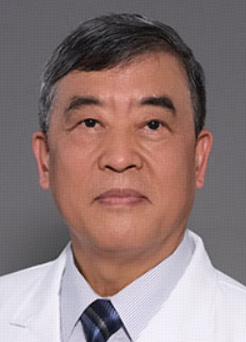 Yong Qin (秦永)合作论文数Peking University First Hospital38
 Yuhe Liu (刘玉和)合作论文数Peking University First Hospital;Beijing Friendship Hospital, Capital Medical University28
 Quangui Wang (王全桂)合作论文数26Enmin Zhao (赵恩民)合作论文数23
 Tiancheng Li (李天成)合作论文数18Junbo Zhang合作论文数16Zhen Zhong (钟贞)合作论文数16Hong Shen (沈泓)合作论文数10Tiechuan Cong合作论文数8XiaoMei Ke (柯肖枚)合作论文数7Gao Wei-Hua合作论文数6Min GUO (郭敏)合作论文数5xiaowan du (杜晓婉)合作论文数5JunBo Zhang (张俊波)合作论文数5
 Hongliang Zheng (郑宏良)合作论文数Department of Otorhinolaryngology-Head and Neck Surgery, Changhai Hospital, Second Military Medical University5Wang Cheng-yuan合作论文数4Junxiao Jia (贾俊晓)合作论文数4Yao Qin合作论文数4
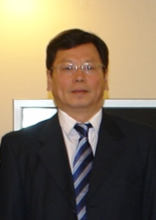 Jun Wang (王军)合作论文数University of Illinois at Urbana-Champaign, Champaign, IL;Dept. of Comput. Sci., Illinois Univ.;National Key Laboratory of Communications, University of Electronic Science and Technology of China;Microsoft Corporation, Redmond, WA4Qingling Bi合作论文数3Zhen'gang Zeng合作论文数3Cheng-yuan Wang合作论文数3Erik B Schiferle合作论文数Dept Chem, Boston Univ3H Shen合作论文数3shuwen guan (关舒文)合作论文数3PeiKun Tian (田培坤)合作论文数3QiHuan Wang (王琦环)合作论文数3YingYuan He (何膺远)合作论文数3Li Chen (陈丽)合作论文数3
 Xiangping Li (李湘萍)合作论文数College of Animal Science and Technology, Guangxi University3Zhiguang Li (李志光)合作论文数3
 Jinrang Li (李进让)合作论文数The Sixth Medical Center of PLA General Hospital3
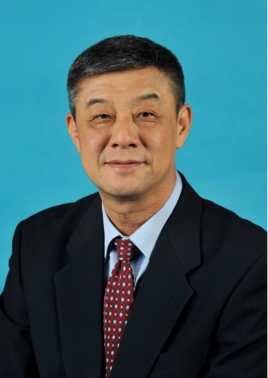 Shengde Bao (鲍圣德)合作论文数Peking University First Hospital3
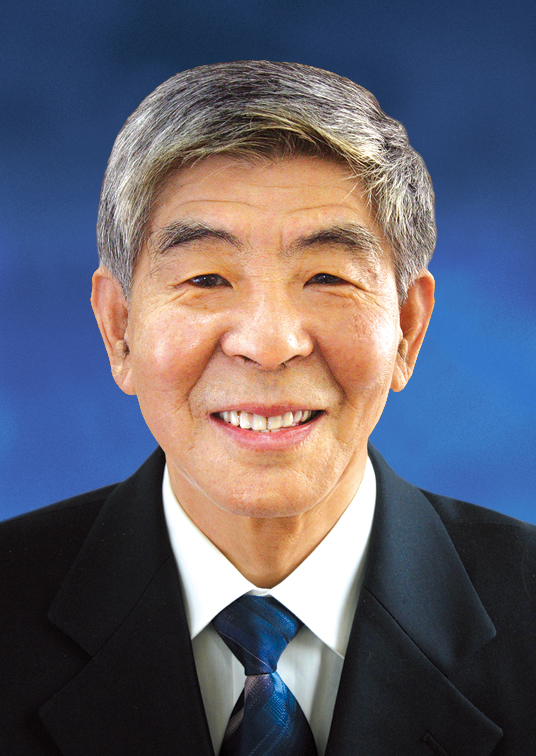 Jianren Gu (顾健人)合作论文数Shanghai Cancer Institute, Renji Hospital, School of Medicine, Shanghai Jiao Tong University3
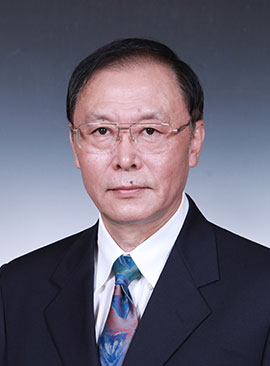 Jianguo Zhang (张建国)合作论文数Hospital of Stomatology, Peking University3Zhenqun Lin合作论文数2Zhi-ping GU (顾之平)合作论文数2Xing Duan合作论文数2Li Shi合作论文数2Xiaotong Lu合作论文数2Xin Zhao合作论文数2Liang Tang合作论文数2lin xi (锡琳)合作论文数2Da-Bo Liu合作论文数2Feng WEN (文锋)合作论文数2Bing-wan DONG (董冰婉)合作论文数2Jian He合作论文数2




