This study aims to investigate the association between anaplastic lymphoma kinase tyrosine kinase inhibitors (ALK-TKIs) and the risks of interstitial lung disease (ILD) and pneumonitis in patients with non-small cell lung cancer (NSCLC). We systematically searched PubMed, Embase, Cochrane Central Register of Controlled Trials for randomized controlled trials (RCTs) reporting ILD or pneumonitis events, from inception to April 2024. Pairwise and network meta-analyses were performed. Outcomes were overall/serious ILD and pneumonitis. A total of 14 RCTs involving 3859 participants were included. Results showed that ALK-TKIs significantly increased the risks of both overall ILD (RD = 0.01, 95
Busulphan is eliminated through glutathione conjugation, forming tetrahydrothiophene, which is subsequently oxidized to tetrahydrothiophene 1-oxide and sulfolane via cytochrome (CYP)-mediated pathways, including CYP2C19 and CYP3A4. Omeprazole is a known inhibitor of CYP2C19 and may interfere with the metabolism of busulphan metabolites, thereby altering systemic busulphan exposure. Given the narrow therapeutic index of busulphan, such interactions may have clinically significant consequences. We describe two adult patients who were diagnosed with acute myeloid leukemia and received oral busulphan (twice daily [b.i.d.]) at a dose of 2 mg/kg for two consecutive days (168 mg and 150 mg, respectively) as part of fludarabine/busulphan conditioning prior to hematopoietic stem cell transplantation. Both patients received concomitant treatment with omeprazole. Unexpectedly elevated busulphan plasma area under the curve (AUC) values were observed following the initial dose despite standard dosing (14.311 and 19.378 mg·h/L, respectively). Dose reduction in one patient did not normalize systemic exposure, whereas discontinuation of omeprazole in the second patient only was followed by a marked decrease in busulphan levels. On the second day, the corresponding AUC values were 19.320 (135
膝骨关节炎(knee os-teoarthritis,KOA)是一种出现在膝关节的退行性疾病,以关节组织代谢异常、软骨退化、骨重塑、骨赘形成、关节炎症和正常关节功能丧失为特征[1].
Graft-versus-host disease (GvHD) remains one of the major complications following allogeneic hematopoietic cell transplantation (allo-HCT), resulting in reduced quality of life, morbidity, and mortality in transplanted patients. Clinical strategies to prevent GvHD are frequently associated with off-target effects and dose-related toxicity. Given that oxidative stress is elevated in allo-HCT recipients and contributes to the pathogenesis of GvHD, the current study aims to characterize the role of N-acetylcysteine amide (NACA), a novel antioxidant, as the prophylactic treatment for acute GvHD. Using a murine GvHD model, we found that oral administration of NACA significantly reduced GvHD severity, prolonged survival, and improved the clinical manifestations and integrity of target organs compared to saline or N-acetylcysteine (NAC) treatment. NACA modulated splenic T cells differentiation with an increase in the regulatory (Treg) subset and a decrease in the cytotoxic (CD8+) subset. Moreover, inflammatory mediators, such as ROS and pro-inflammatory cytokines were downregulated by NACA treatment. In addition, NACA hindered donor T-cell proliferation in the recipients, and restrained Th1 and Th17, but not Th2 polarization. Importantly, NACA did not influence full donor engraftment in bone marrow and spleen. Taken together, our findings provide a new candidate for GvHD prophylactic treatment by targeting oxidative stress that can be easily translated to clinical use. Key Points 1. NACA provides superior prophylactic effect against aGvHD compared to NAC in an allogeneic transplantation mouse model. 2. NACA treatment neither showed systemic toxicity nor altered the engraftment of the donor cells. ### Competing Interest Statement The authors have declared no competing interest.
Articular cartilage injury is an important challenge in the field of orthopedics. Due to its unique characteristics of being vascularless, neuralless, and without lymphoid tissue, as well as the poor proliferation and migration ability of chondrocytes, the self-repair ability of cartilage after injury is limited. In recent years, with the development of tissue engineering, temperature-sensitive hydrogels, a new type of biomedical material, have unique temperature-responsive phase transition characteristics (such as a phase transition critical point close to the physiological temperature) that enable them to rapidly form a stable three-dimensional porous structure triggered by body temperature after being injected into the joint cavity. The material is injectable, will form a gel in situ, and can construct a dynamic bionic extracellular matrix (ECM) microenvironment. Compared with chemically cross-linked hydrogels, this material can achieve precise spatiotemporal control without introducing exogenous stimuli, significantly reducing the risk of cytotoxicity. Through adjustable mechanical properties, highly efficient loading, and release of bioactive factors, as well as viscoelastic characteristics similar to natural cartilage matrices, it has shown great potential in the repair of articular cartilage injuries. This article reviews the research progress of temperature-sensitive hydrogels in the repair of articular cartilage injuries from aspects such as biological characteristics, mechanism of action, clinical applications, and challenges faced, providing new ideas and possibilities for cartilage injury repair.
Busulphan (Bu) is used as a part of the conditioning regimen prior to HSCT. Neurotoxicity is one of Bu major adverse-effects. We investigated the kinetics of busulphan and its metabolites (tetrahydothiophene, tetrahydrothiophene-1-oxide, sulfolane, 3-OH-sulfolane) in patients and mice as well as the mechanisms underlying CNS-toxicity in mice. Busulphan metabolites were detectable in plasma and urine up to 72-h after the last Bu-dose. Sulfolane levels were high and reached maximum concentration at the time-point reported for the convulsions’ occurrence. Mice were treated with either busulphan or one of its metabolites, separately. Sulfolane treated-mice showed the highest brain exposure (AUCbrain/AUCplasma). Seizures and hypothermia were observed after sulfolane administration, accompanied with a significant decrease in calbindin-28k concentrations in the brain. Behavior changes but no signs of convulsions were seen in mice treated with lower sulfolane doses. Moreover, a reduction of spontaneous events during whole-cell patch clamp recordings from pyramidal neurons was observed following bath application of sulfolane. In conclusion, these are the first results showing that sulfolane is the major cause of seizures and hypothermia. Sulfolane concentration in plasma mirrors its concentration in the brain. The role of calbindin-D28K in CNS-toxicity and susceptibility to future neurodegenerative diseases should be investigated.
Pneumonia is a leading cause of morbidity and mortality worldwide, with community-acquired pneumonia (CAP) and hospital-acquired pneumonia (HAP) representing the two most common subtypes. Antimicrobials are central to treatment; however, systematic reviews (SRs) evaluating their use have reported highly variable outcomes, limiting evidence synthesis and comparability. The development of a core outcome set (COS) may address this gap. To summarize the primary outcomes reported in SRs of antimicrobials for adult pneumonia and to construct an preliminary list of candidate outcomes to inform COS development. A systematic search was performed in PubMed, Embase, Cochrane Library, CNKI, Wanfang Data, and China Science and Technology Journal Database from inception to December 2024. Eligible studies included SRs or meta-analyses that evaluated antimicrobial therapy in adults (≥ 18 years) with CAP or HAP. Two reviewers independently screened the studies, extracted data on the study characteristics, pneumonia type, severity assessment tools, and outcomes. The Corrected Covered Area (CCA) was calculated to quantify the overlap in primary outcome reporting. Outcomes were grouped by pneumonia type and severity and categorized into five domains following the COMET taxonomy. A total of 97 SRs were included. Twenty-one distinct primary outcomes were identified, with limited overlap. Mortality and clinical success were the most frequently reported outcomes, though inconsistently defined across studies. Significant variability was noted in the definitions and time points of outcomes, as well as in severity assessment tools. Registered SRs reported fewer outcomes than non-registered ones. There is considerable variation in primary outcome reporting in antimicrobial SRs for adult pneumonia. Mortality and clinical success are the most commonly reported outcomes, but their definitions lack consistency. Developing subtype- and severity-specific COS is crucial for standardizing outcome reporting and improving evidence synthesis.
Intracellular delivery of protein and RNA therapeutics represents a major challenge. Here, we develop highly potent engineered extracellular vesicles (EVs) by incorporating bio-inspired attributes required for effective delivery. These comprise an engineered mini-intein protein with self-cleavage activity for active cargo loading and release, and fusogenic VSV-G protein for endosomal escape. Combining these components allows high efficiency recombination and genome editing in vitro following EV-mediated delivery of Cre recombinase and Cas9/sgRNA RNP cargoes, respectively. In vivo, infusion of a single dose Cre loaded EVs into the lateral ventricle in brain of Cre-LoxP R26-LSL-tdTomato reporter mice results in greater than 40% and 30% recombined cells in hippocampus and cortex respectively. In addition, we demonstrate therapeutic potential of this platform by showing inhibition of LPS-induced systemic inflammation via delivery of a super-repressor of NF-ĸB activity. Our data establish these engineered EVs as a platform for effective delivery of multimodal therapeutic cargoes, including for efficient genome editing.
As the number of systematic reviews (SRs) and meta-analyses (MAs) evaluating drug-eluting stents (DES) for coronary artery disease (CAD) continues to grow, the need for standardized primary outcomes has become increasingly important. This study aimed to examine the specification and selection of primary outcomes in published SRs/MAs on DES for CAD and to identify factors associated with their reporting. We conducted a cross-sectional analysis of SRs/MAs on DES for CAD. They were retrieved from English-language databases (PubMed, Embase, Cochrane Library) and Chinese-language databases (CNKI, Wanfang, VIP) from the beginning of their establishment to May 3, 2025. We assessed whether primary outcomes were explicitly specified and employed multivariable logistic regression to identify factors associated with such specification. For frequently reported outcomes, we compared how often they were designated as primary outcomes. In SRs/MAs that clearly stated primary outcomes, we categorized them using the Core Outcome Measures in Effectiveness Trials (COMET) framework and calculated the Corrected Covered Area (CCA) to assess outcome overlap. A total of 271 SRs/MAs from 29 countries or regions were included. Only 188 (188/271, 69.37
The alkylating agent cyclophosphamide (Cy) is one of the important corner stones in cancer treatment. Cy is used also as a part of conditioning regimens prior to hematopoietic cell transplantation and as a prophylactic treatment post transplantation in graft-versus-host disease. Existing evidence showed that high doses of Cy are associated with a number of side effects, including damage on arterial endothelium, which might contribute to late cardiovascular disorders. Oxidative stress has been characterized in such pathogenesis and is an exploitable target for treatment. Herein, the study aimed to investigate the protective role of the novel antioxidant N-acetylcysteine amide (NACA) in Cy-induced endothelial injury and explore the underlying mechanism. Our in vivo results showed that NACA partially reduced the endothelial injury and recovered the integrity of arterial endothelium in the mice treated with Cy. In addition, we found that NACA decreased the cytotoxicity of Cy on endothelial cells through alleviating caspase-dependent apoptosis, DNA damage and oxidative stress. Meanwhile, NACA pre-treatment rebalanced endothelial nitric oxide synthase (eNOS) and arginase I and preserved the angiogenic capability of endothelial cells which was compromised by Cy through blockage of Notch signaling pathway. Interestingly, in comparison to N-acetylcysteine (NAC), its amide derivative NACA showed superior ability to alleviate Cy-induced endothelial damage. In conclusion, the current study proved the robust endothelial protective potential of NACA, facilitating clinical use of the novel antioxidant. ### Competing Interest Statement The authors have declared no competing interest.
In this study, the regulatory role and mechanisms of tantalum (Ta) particles in the bone tissue microenvironment are explored. Ta particle deposition occurs in both clinical samples and animal tissues following porous Ta implantation. Unlike titanium (Ti) particles promoting M1 macrophage (Mϕ) polarization, Ta particles regulating calcium signaling pathways and promoting M2 Mϕ polarization. Ta-induced M2 Mϕ enhances bone marrow-derived mesenchymal stem cells (BMSCs) proliferation, migration, and osteogenic differentiation through exosomes (Exo) by upregulating miR-378a-3p/miR-221-5p and downregulating miR-155-5p/miR-212-5p. Ta particles suppress the pro-inflammatory and bone resorption effects of Ti particles in vivo and in vitro. In a rat femoral condyle bone defect model, artificial bone loaded with Ta particles promotes endogenous Mϕ polarization toward M2 differentiation at the defect site, accelerating bone repair. In conclusion, Ta particles modulate Mϕ polarization toward M2 and influence BMSCs osteogenic capacity through Exo secreted by M2 Mϕ, providing insights for potential bone repair applications.
BACKGROUND:An increasing number of systematic reviews (SRs) have evaluated the diagnostic values of next-generation sequencing (NGS) in infectious diseases (IDs). AIM:This umbrella analysis aimed to assess the potential risk of bias in existing SRs and to summarize the published diagnostic values of NGS in different IDs. METHOD:We searched PubMed, Embase, and the Cochrane Library until September 2023 for SRs assessing the diagnostic validity of NGS for IDs. Two investigators independently determined review eligibility, extracted data, and evaluated reporting quality, risk of bias, methodological quality, and evidence certainty in the included SRs. RESULTS:Eleven SRs were analyzed. Most SRs exhibited a moderate level of reporting quality, while a serious risk of bias was observed in all SRs. The diagnostic performance of NGS in detecting pneumocystis pneumonia and periprosthetic/prosthetic joint infection was notably robust, showing excellent sensitivity (pneumocystis pneumonia: 0.96, 95% CI 0.90-0.99, very low certainty; periprosthetic/prosthetic joint infection: 0.93, 95% CI 0.83-0.97, very low certainty) and specificity (pneumocystis pneumonia: 0.96, 95% CI 0.92-0.98, very low certainty; periprosthetic/prosthetic joint infection: 0.95, 95% CI 0.92-0.97, very low certainty). NGS exhibited high specificity for central nervous system infection, bacterial meningoencephalitis, and tuberculous meningitis. The sensitivity to these infectious diseases was moderate. NGS demonstrated moderate sensitivity and specificity for multiple infections and pulmonary infections. CONCLUSION:This umbrella analysis indicates that NGS is a promising technique for diagnosing pneumocystis pneumonia and periprosthetic/prosthetic joint infection with excellent sensitivity and specificity. More high-quality original research and SRs are needed to verify the current findings.
Background The Core Outcome Measures in Effectiveness Trials (COMET) working group proposed core outcome sets (COS) to address the heterogeneity in outcome measures in clinical studies. According to the recommendations of COMET, performing systematic reviews (SRs) usually was the first step for COS development. However, the SRs that serve as a basis for COS are not specifically appraised by organizations such as COMET regarding their quality. Here, we investigated the status of SRs related to development of COS and evaluated their methodological quality. Methods We conducted a search on PubMed to identify SRs related to COS development published from inception to May 2022. We qualitatively summarized the disease included in SR topics, and the studies included in the SRs. We evaluated the methodological quality of the SRs using AMSTAR 2.0 and compared the overall quality of SRs with and without protocols using the Mann-Whitney U test. Results We included 175 SRs from 23 different countries or regions, and they mainly focused on five diseases: musculoskeletal system or connective tissue disease (n = 19, 10.86%), injury, poisoning, or certain other consequences of external causes (n = 18, 10.29%), digestive system disease (n = 16, 9.14%), nervous system disease (n = 15, 8.57%), and genitourinary system disease (n = 15, 8.57%). Although 88.00% of SRs included randomized controlled trials (RCTs), only a few SRs (23.38%) employed appropriate tools to assess the risk of bias in RCTs. The assessment results on the basis of AMSTAR 2.0 indicated that most SRs (93.71%) were rated as ‘’critically low’’ to ‘’low’’ in terms of overall confidence. The overall confidence of SRs with protocols was significantly higher than that without protocols ( P <.001). Compared to the SRs with protocols on Core Outcome Measures in Effectiveness Trials (COMET), SRs with protocols on PROSPERO were of better overall confidence ( P = .017). Conclusion The overall quality of published SRs regarding COS development was poor. Our findings emphasize the need for researchers to carefully select the disease topic and strictly adhere to the requirements of optimal methodology when conducting a SR for the establishment of a COS.
Objective Cytokines are implicated in the pathogenesis of osteoarthritis (OA), and this study aims to assess the therapeutic potential of an IL-8 neutralizing monoclonal antibody (mAb) for OA intervention. Design The study employed a rabbit model of OA induced by anterior cruciate ligament transection (ACLT) surgery to investigate the effects of an interleukin (IL)-8 neutralizing mAb, with hyaluronic acid (HA) used as a positive control. Primary outcomes assessed in the rabbits included cartilage repair, synovitis, joint effusion, changes in footprints, and lower limb loading conditions. Results Compared to HA, intra-articular injection of the IL-8 neutralizing mAb demonstrated a more pronounced attenuation of OA progression and enhancement of cartilage repair. We observed a reduction in synovitis and joint effusion, indications of bone marrow edema, as well as improvements in lower limb function. In knees treated with the neutralizing IL-8 mAb, there was a significant decrease in IL-8 levels within the synovial tissues. Conclusions The IL-8 neutralizing mAb exhibits promising therapeutic potential in the management of OA by attenuating inflammation and facilitating cartilage repair. However, further investigations are warranted to comprehensively elucidate the underlying mechanisms, optimize treatment protocols, and ensure the long-term safety and efficacy of this innovative therapeutic approach.
Objective: To compare the difference in efficacy and accuracy during total knee arthroplasty (TKA) among robotic-arm system, patient-specific instrumentation (PSI) and conventional TKA (COTKA). Methods: Retrospective analysis of 90 advanced knee osteoarthritis (OA) patients in our hospital be-tween June 2019 and December 2020 was conducted. Patients were divided into robotic arm-assisted (RA)TKA (group A), PSITKA (group B) and COTKA (group C), 30 cases in each group. The operation time, intraoperative bleeding, and length of hospital stay were counted. Imaging data of hip-knee-ankle angle (HKA), posterior condylar angle (PCA), lateral distal femoral angle (LDFA), medial proximal tibial angle (MPTA), and sagittal tibial component angle (sTCA) were statistically analyzed. The postoperative recovery of the patients was evaluated by Knee Society Score (KSS) and the Western Ontario Mac Master University Index Score (WOMAC). Results: Group A had the least intraoperative bleeding. For operation time, group A was the longest compared with group B and group C (P < 0.05), while group B was longer than group C (P < 0.05). There was no significant difference in HKA, LDFA, and MPTA among the three groups, and the lower limb alignments were all restored to the neutral position. PCA of group A and B were both smaller than that of group C and closer to 0 degrees (P < 0.05), but the difference between group A and B was not statistically significant. The sTCA in group A was significantly better than group B, and group B was significantly better than group C (P < 0.05). There were no significant differences in function scores among the three groups. Conclusion: Compared to the PSI and CO, RA is more minimally invasive and more accurate in radio-graphic results.(c) 2023 Asian Surgical Association and Taiwan Robotic Surgery Association. Publishing services by Elsevier B.V. This is an open access article under the CC BY-NC-ND license (http://creativecommons.org/ licenses/by-nc-nd/4.0/).
Objective: The precision of overall alignment and knee morphotype after robot-assisted total knee arthroplasty has been fully confirmed. This study aims to conduct a clinical evaluation of the first China-made semi-active total knee arthroplasty assisting robot. Methods: After a 1 : 2 propensity score matching, that is, a matched cohort study, patients were matched to the robot group (52 cases) and the conventional group (104 cases). The robot group received osteotomy according to preoperative planning, while the conventional group adopted preoperative planning based on the full-length radiograph and received conventional osteotomy. Perioperative clinical indicators, such as operation time, tourniquet time, hospitalization days, intraoperative bleeding, and hemoglobin level of the two groups were recorded; radiological indicators of postoperative prosthesis position, including hip-knee-ankle angle, frontal femoral component angle, frontal tibial component angle, lateral femoral component angle, and lateral tibial component angle were also recorded; deviations and outliers of the radiological indicators were calculated. Results: Compared with the conventional group, the operation time and tourniquet time of the robot group were longer, and the postoperative hemoglobin level decreased less, the differences were statistically significant; the lateral tibial component angle of the conventional group was 80.9 degrees +/- 3.6 degrees, which was smaller than 86.7 degrees +/- 2.3 degrees of the robot group, the difference was statistically significant (P<0.001); except for lateral femoral component angle, the absolute deviations of the radiological indicators in the robot group were significantly smaller than that in the conventional group (P <= 0.001); the outliers of the radiological indicators in the robot group were significantly smaller than that in the conventional group with a statistical difference (P<0.05). Conclusion: Compared with the conventional group, the operation time of the robot group was relatively longer, but the perioperation blood loss was less. The robot group could better control the posterior inclination of the tibial prosthesis, and the absolute deviations and outliers of the prosthesis position were relatively smaller. There was no difference in short-term clinical score between the two groups.
Objective: Scaphoid and lunate fractures have a relatively high incidence rate. Traditional carpectomy and carpal arthrodesis in the treatment of carpal osteonecrosis will lead to many complications. Three-dimensional (3D) printed tantalum has good biocompatibility and can be designed to match the patient’s personalized anatomical carpal structure. This study aims to investigate carpal function and prosthesis-related conditions after carpal bone replacement using 3D printed tantalum prostheses.Methods: From July 2020 to January 2022 at our center, seven patients with osteonecrosis of the carpus received carpal bone replacement using 3D printed tantalum prosthesis. The Disability of the Arm, Shoulder and Hand (DASH) score and patient satisfaction, as well as the Mayo Wrist Scores (Cooney method, modified Green, and O’Brien wrist score), were used to evaluate the preoperative and postoperative wrist function of patients. The Visual Analog Scale (VAS) pain scores were also recorded before and after surgery. The angles of flexion, dorsiflexion, ulnar deviation, and radial deviation were measured using an arthrometer. The grip strength and pinch strength of the operated hand after carpal bone replacement and the contralateral healthy carpus were measured using a dynamometer. Radiographs were taken to confirm the condition and complications of the tantalum prosthesis.Results: All seven patients were followed for 19.6 ± 2.7 months. At the last follow-up, the grip strength of the operated wrist joint after carpal bone replacement was 33.4 ± 2.3 kg, the pinch strength was 8.9 ± 0.7 kg, the flexion was 54.6° ± 0.8°, the dorsiflexion was 54.7° ± 1.7°, the ulnar deviation was 34.6° ± 1.9°, and the radial deviation was 25.9° ± 0.8°, all of which showed no statistically significant difference with the contralateral healthy carpus (p > 0.05). There were significant differences in the VAS, DASH, and MAYO scores between the preoperative and the last follow-up (p < 0.01). Patients had reduced postoperative pain and improved wrist function and range of motion (ROM), and the tantalum prostheses were stable.Conclusion: The 3D printed tantalum brings us new hope, not only for hip or knee replacement, but also for joint replacement of other complex anatomical structures, and patients with other irregular bone defects such as bone tumors and deformity, which could realize personalized treatment and precise medicine.
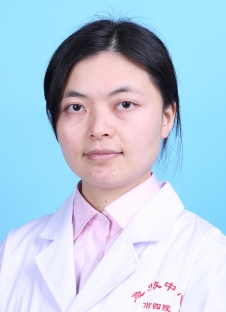 Liu Yang (杨柳)合作论文数Chongqing University Central Hospital55
 Guangxing Chen (陈光兴)合作论文数中国人民解放军第三军医大学西南医院36
 Lin Guo (郭林)合作论文数The Southwest Hospital, Army Medical University35
 Wenyi Zheng合作论文数Department of Laboratory Medicine, Karolinska Institutet;Centre for Allogeneic Stem Cell Transplantation, Karolinska University Hospital;Karolinska Institutet, Karolinska University Hospital23
 Maolin Sun合作论文数19Zhao Ying合作论文数17Moustapha Hassan合作论文数17XiaoJun Duan (段小军)合作论文数14LingChuan Gu (古凌川)合作论文数12
 Gang Dai (戴刚)合作论文数甘肃省中医院10Ran Xiong合作论文数9
 Jonas Mattsson合作论文数University of Toronto;Division of Medical Oncology and Hematology, Princess Margaret Cancer Centre, University Health Network9Ying Zhang (张颖)合作论文数9
 El-Serafi Ibrahim合作论文数Department of Laboratory Medicine (LABMED),, Karolinska Institutet9Esther Schoutrop合作论文数7Peng-Fei Yang合作论文数7WenBin Wang (王文斌)合作论文数7Magalhaes Isabelle合作论文数7Thomas Poiret合作论文数7Huaquan Fan合作论文数6
 Okan Gultekin合作论文数Karolinska Inst, Dept Microbiol Tumor & Cell Biol, Stockholm, Sweden6
 Lidia Moyano Galceran合作论文数Karolinska Inst, Dept Microbiol Tumor & Cell Biol, Stockholm, Sweden6
 Xiaosi Li (李小丝)合作论文数6
 Kaisa Lehti合作论文数Genome Scale Biol, Univ Helsinki6
 Joey S.W. Kwong合作论文数6
 Samir El Andaloussi合作论文数6
 Jiaxing Zhang (张家兴)合作论文数School of Medicine, Xiamen University6Hongbo Huang (黄洪波)合作论文数6
 Joseph W Carlson合作论文数Department of Oncology-Pathology, Karolinska Institutet, and Department of Pathology and Cytology, Karolinska University Hospital6Hua-Ye Zhao合作论文数5Junjun Yang合作论文数5FengLing Wang (王凤玲)合作论文数5Hao Chen合作论文数5Dejie Fu (傅德杰)合作论文数5Fuyou Wang合作论文数5Sandra Oerther合作论文数4Yang Peng合作论文数4LiMing Liu合作论文数4Lin-fang HU (胡鳞方)合作论文数4Kai Lei合作论文数4
 Svante Norgren合作论文数4Jiawei SUN (孙加伟)合作论文数3Juan Xie (谢娟)合作论文数3Bin Yang (杨滨)合作论文数3Zhang Ying合作论文数3Wei-Ying Zhou合作论文数Shanghai Institute of Cell Biology, Academia Sinica3Justin Hean合作论文数2




