Enhancing soil carbon sequestration in croplands is crucial for improving crop productivity and achieving agricultural sustainability. Intercropping has been shown to increase grain yield by improving phosphorus (P)utilization efficiency. However, the underlying mechanisms of soil carbon sequestration, including soil organic carbon (SOC) and soil inorganic carbon (SIC), under intercropping and P-fertilizer application remain ambiguous. To address this knowledge gap, we conducted a 13-year long-term field experiment to investigate how intercropping and P fertilization affect soil carbon sequestration by analyzing SOC fractions (particulate organic carbon (POC), mineral-associated organic carbon (MAOC)), crop root biomass, and soil mineral properties (iron-/calcium-bound organic carbon, exchangeable cations, and iron/aluminum oxides). The results show that intercropping significantly increased soil total carbon and SOC concentrations compared with monoculture by 2.2 % and 5.8 %, respectively. A P-application rate of 80 kg P ha- 1 decreased SIC concentrations by 3.6 % and 4.2 %, and decreased soil total carbon concentrations by 2.4 % and 2.7 % compared to no fertilization and 40 kg P ha- 1 P-fertilization, respectively. Furthermore, intercropping significantly increased POC and MAOC concentrations by 15.3 % and 2.3 %. The POC concentration was positively correlated to crop root biomass. The MAOC concentration was positively correlated to the iron-bound organic carbon concentration. The decline in SIC concentration induced by P application (e.g., 80 kg P ha- 1) was strongly associated with reduced exchangeable soil calcium and magnesium concentrations. The results from this study imply that intercropping can enhance soil total carbon sequestration by mitigating the negative impacts of excessive P-application (e.g., 80 kg P ha-1) on soil biogeochemical processes. Collectively, our work highlights the importance of implementing intercropping practices as an alternative to excessive P-application for promoting sustainable agricultural production.
Intercropping has been shown to enhance soil organic carbon (SOC) sequestration, but the magnitude of this effect is often modest. Straw incorporation can increase multiple soil carbon pools, yet it remains unclear whether there are synergistic effects on SOC between these two practices, and what roles microbial and micro-food web pathways play in this process. Our study is based on a 12-year field experiment established in Zhangye City, Gansu Province, with residue management practices (straw removal vs. straw incorporation) and cropping systems (pea and maize monocultures, and pea/maize intercropping). We measured soil carbon fractions and performed amplicon and metagenomic sequencing. Intercropping modestly but consistently increased SOC and mineral-associated organic carbon concentrations by 3.7% and 4.8% compared to monoculture, while straw incorporation significantly increased them by 18.6% and 19.5% compared to straw removal. Notably, intercropping significantly increased microbial biomass carbon concentration and C-acquiring enzyme activities only under straw incorporation. Network analysis showed that intercropping, under straw incorporation, was associated with a higher proportion of potential protist-mediated interactions and more keystone taxa, which were positively correlated with SOC. Metagenomic analysis revealed that straw incorporation increased the abundance of carbon fixation modules and labile plant-derived carbon degradation genes, while intercropping with straw incorporation further enriched key carbon cycling genes linked to soil carbon pools. Overall, these findings suggest that straw incorporation amplifies the intercropping effect on soil carbon sequestration primarily by enhancing microbial-mediated carbon transformation. This study highlights the importance of integrating intercropping with appropriate residue management to promote long-term soil carbon stabilization.
Context Crop specialization and intensification over recent decades have led to sustainability challenges in the productive, socio-economic and eco-environmental terms. In response, many agricultural regions are seeking more species-diverse and sustainable cropping systems. However, a systematic, comprehensive, and efficient approach to exploring and evaluating such systems remains lacking. Objectives We aim to present a general framework for designing and assessing sustainable and diversified cropping systems at the field scale, tailored to region-specific sustainability objectives and farming contexts. Methods We reviewed widely-used sustainability objectives and analyzed key factors affecting cropping system performance. Additionally, we evaluated existing design approaches—knowledge-driven design, model-aided exploration, and participatory innovation—to identify their strengths and limitations, and proposed an integrated framework to bridge gaps in current methodologies. Results The framework is structured into five iterative steps: (1) Identifying sustainability objectives and farming contexts; (2) Sustainability assessment of existing cropping systems using farmer surveys; (3) Collecting practical and scientific knowledge pertinent to candidate crops and local conditions; (4) Model-aided exploration and assessment of diversified cropping system options; and (5) Participatory decision-making through stakeholder negotiations and on-farm trials. This framework addresses the limitations of existing approaches by integrating ecological expertise, advanced modeling techniques, and stakeholder-driven adaptation to regional conditions. We illustrate this framework through a case study in China, where three diversified cropping systems were identified by stakeholders to improve system productivity and economic returns while reducing resource use. Implications With appropriate adaptation, this framework can support context-specific, stakeholder-driven cropping system design in diverse agroecological and socio-economic settings.
Intercropping increases soil aggregate stability, and the associated microbial and botanical mechanisms have been thoroughly explored. However, the response of aggregate stability to soil colloids that are key factors mediating soil aggregation remains unclear in intercropping. An intercropping field experiment was conducted in northwest China in 2009. The relationship between soil aggregates and soil colloids were investigated at 12th and 13th year of continuous faba bean/maize and oilseed rape/maize intercropping and corresponding crop monocultures. Intercropping significantly increased the proportion of > 2 mm aggregates by 37.1–59.2
Context: Temporal stability in productivity is increased by biodiversity, including agricultural diversity in intercropping, an environmentally friendly approach to increasing food production. Stability is thought to derive in part from asynchrony in trait expression among different species. Functional traits such as height and specific leaf area influence light interception, and their responses to interspecific interactions can contribute to asynchrony. However, we know little about how these traits respond to intercropping and contribute to stability. Objective: This study aims to systematically investigate how intercropping enhances the temporal stability of agroecosystem functions, particularly productivity, through trait-mediated compensatory dynamics among species, and provide empirical evidence for the biodiversity-stability framework in agroecosystems. Methods: A five-year field experiment with four nitrogen (N) applications (N0, N1, N2, and N3) and five cropping systems-maize/peanut, maize/soybean intercropping, and maize, peanut, and soybean monocultures-was carried out with a split-plot design. We examined intra-and inter-year asynchrony based on biomass and functional traits (height, basal diameter, leaf area index, specific leaf area), and the plasticity of these functional traits between the cropping systems. Results: Intercropping increased temporal stability by 42.0 % for grain yield and by 66.3 % for biomass across all N treatments. N application amplified both grain yield and biomass asynchrony across the five years, and intercropping increased asynchrony by 0.3 % without N but only by 0.03 % with N applications. Both maize and legume crops exhibited significant plasticity in plant height, stem diameter, leaf area index, and specific leaf area following intercropping. Changes in maize functional trait plasticity increased selection effects, thereby amplifying inter-year asynchrony and enhancing stability in system productivity. Also, shifts in legume functional trait plasticity altered intra-year asynchrony among crops, and increased selection effects and inter-year asynchrony. Conclusions and significance: We found that trait plasticity induced by interspecific interactions is a key mechanism that strengthens biodiversity effects on ecosystem functions, productivity, and temporal stability. This expands our knowledge of how fixed, or inherent, variation in traits among genotypes or species drives the effect of biodiversity on ecosystem functions. Our results show how interspecific interactions enhance ecosystem services, potentially providing a more stable income to farmers, by increasing trait plasticity in crops.
Species-diverse intercropping systems are associated with increases in soil aggregation but the underlying root mechanisms responsible for greater soil aggregation remain poorly understood. A three-year-long field study was conducted comprising two nitrogen (N) and phosphorus (P) application rates (with and without N or P), and five cropping systems: two maize-based intercropping systems (with peanut or soybean) and their corresponding monocultures (peanut, soybean and maize). Water-stable aggregates and six crop root traits were measured in both monoculture and intercropping. At the plot scale the percentage of soil macroaggregates (R0.25), mean weight diameter (MWD), root length density (RLD), biomass density (RMD), volume (RV), and total surface area (RS) had significantly higher values in legume/maize intercropping and maize monoculture than in legume monoculture. At the field-strip scale, intercropping increased the R0.25 and MWD of legume strips by 6.4-13.3 % and 13.9-31.9 % compared to the corresponding legume monocultures. This was induced by the synergistic effects of maize root residues from the previous growing season and the spatial extension of maize roots in the current growing season. Maize roots affected the soil aggregate stability of neighboring soybean and peanut strips in different ways. Intercropping promoted soil aggregation of neighboring soybean strips mainly via maize root traits within the growing season. In contrast, intercropping promoted soil aggregation of the same peanut strips mainly via pre-maize root traits. The results indicate that intercropping can promote soil aggregation, especially in the legume strips of the intercropping system, through interspecific maize-legume interactions that determine changes in root traits. These results provide critical insights into the underlying ecological processes that promote the sustainability of species-rich agricultural systems on mollisols.
Context and Objectives Intercropping provides a vital way to enhance productivity, resource use efficiency, and other ecosystem functions in agroecosystems. Traditional strip intercropping is based on narrow strips and is hard to mechanize. Wide strip intercropping offers improved compatibility with mechanization, but the yield advantage and the underlying mechanisms require examination. We compared the yield advantages of narrow and wide strip intercropping, explored the potential of including a fodder crop after harvest of the early-sown species and we quantified the border row effects in wide strip intercropping. Methods We conducted a two-year field experiment in northwest China with wheat/maize, pea/maize, oilseed rape/maize, and wheat/soybean intercropping in both narrow and wide strip intercrops, and corresponding monocultures. In wide strip intercropping, Sudangrass was planted after wheat, while common vetch was planted after harvesting peas and oilseed rape. Productivity, border row effects, and plant functional traits were measured to illuminate mechanisms underlying the advantages of intercropping. Results and Conclusions Both narrow and wide strip intercropping showed a productivity advantage. The land equivalent Ratio (LER) of wide strip intercropping ranged from 1.04 to 1.20 based on grain yield, which was lower than the range of the LER of narrow strip intercropping (1.11–1.36). This difference was primarily due to a lower maize partial LER in wide strip intercropping. Planting a fodder or green manure crop after the harvest of early-maturing crops increased the biomass-based LER of wide strip intercropping. Maize exhibited higher productivity in border rows compared to inner rows, especially in pea/maize and oilseed rape/maize intercropping, which was related to functional traits. Significance The results demonstrate that the wide strip intercropping sustains yields through border row recovery (resource reallocation post-harvest) and optimized planting strategy with temporal niche exploitation. Mechanization-adaptable wide strip intercropping offers a scalable solution for sustainable agricultural intensification.
Essential oil adulteration severely compromises product quality and market credibility. This study proposes a rapid, nondestructive approach combining optical spectroscopy with chemometrics to quantify lemon essential oil adulterated with sweet orange essential oil. Three spectroscopic techniques—Fourier transform infrared (FT-IR), three-dimensional fluorescence (3D-FD), and portable near-infrared (po-NIR) spectroscopy—were systematically evaluated. Spectral data were optimized using various preprocessing algorithms, followed by characteristic wavelength selection via competitive adaptive reweighted sampling (CARS) and quantification modelling using partial least squares regression (PLSR). Results demonstrated that the FT-IR model coupled with standard normal variate and CARS-PLSR achieved optimal predictive performance, yielding a validation coefficient of determination (Rp2) of 0.9998 and a root mean square error of prediction of 0.4180. The 3D-FD technique also exhibited exceptional accuracy (Rp2 = 0.9994). Furthermore, despite susceptibility to environmental noise, the po-NIR model optimized by normalization-CARS-PLSR delivered satisfactory on-site detection capability (Rp2 = 0.9663). These findings highlight that integrating advanced spectroscopic techniques with robust machine learning algorithms provides a highly reliable strategy for essential oil quality control, establishing a solid foundation for portable onsite instrumentation.
Microneedle patches (MNPs), initially developed for minimally invasive drug and vaccine delivery, combine engineering precision with biological function to achieve controlled, painless transport. Beyond medicine, MNPs are increasingly viewed as sustainable interfaces for agriculture and food systems under pressure to increase productivity and ensure safety. This review traces MNP evolution from brittle silicon and metals to biodegradable polymers, dissolvable hydrogels, and stimuli-responsive or bioelectronic platforms. Fabrication techniques utilizing MEMS, micromolding, and 3D printing are examined for agricultural utility. Applications span plant diagnostics, precision delivery of nutrients and regulators, postharvest preservation, and sensing of freshness, contaminants, and food authenticity. Challenges regarding plant-tissue penetration, environmental robustness, scale-up, regulatory approval, and adoption are critically assessed. MNPs provide minimally invasive access through plant cuticles and packaging, facilitating analyte extraction of reactive species, hormones, and metabolites, plus targeted interventions to strengthen immunity or suppress pathogens. Biopolymer dissolvable systems reduce waste, aligning with sustainability, while colorimetric and electrochemical formats enable rapid food-safety screening. However, economic viability, long-term stability, and manufacturing scalability require resolution. Overall, MNPs emerge as adaptable diagnostic-therapeutic nodes supporting precision, resilient, and sustainable farm-to-fork pathways.
INTRODUCTION:Numerous studies have elucidated plants' drought response, yet how plant leaves perceive this stress remains unclear. OBJECTIVES:This study aims to deepen the understanding of how leaves perceive and respond to water loss. METHODS:Detached-leaf water loss rate was detected, which can effectively eliminate the effects of water absorption and water transport. Subsequently, a genome-wide association study (GWAS) was carried out on the detached-leaf water loss rate. RESULTS:There was a significant association between the TaWAK5 (cell wall-associated kinase) gene and the detached-leaf water loss rate. Phenotypic analyses of overexpression and CRISPR/Cas9-based knockout lines revealed the function of TaWAK5 in wheat response to drought stress. Subsequent study exhibited that drought induced the degradation of pectin into oligogalacturonides (OGs), and OGs have a higher affinity for TaWAK5 than pectin does. OGs can activate TaWAK5 kinase, leading to stomatal closure. Additionally, TaWAK5 phosphorylates TaSLAC1 (slow anion channel-associated 1), a key component regulating stomatal movement. A single nucleotide polymorphism site SNP-947 (G/A), at 947 bp of the cis-element in the TaWAK5 promoter region, is significantly associated with TaWAK5 expression, detached-leaf water loss rate and canopy temperature, and leads to the bZIP transcription factor TaPAN (PERIANTHIA) functioning as a transcriptional activator in haplotype Hap3/4, but not in Hap1/2 of TaWAK5. CONCLUSION:This study suggests that TaWAK5 perceives OGs to activate drought responses in wheat, highlighting a potential target for enhancing the drought tolerance of wheat.
Salt stress severely constrains crop growth and yield, posing a significant threat to global food security. Although primary transcripts of microRNAs (pri-miRNAs) are known to encode regulatory peptides (miPEPs), their functions in salt tolerance remain poorly understood. Here, we report that miPEP156e, a small peptide encoded by pri-miR156e in rice, acts as a positive regulator of salt tolerance. Application or overexpression of miPEP156e markedly enhances salt tolerance in rice, while loss-of-function mutants exhibit increased sensitivity. Transcriptomic and physiological analyses reveal that miPEP156e modulates genes involved in ion transport, ROS scavenging, and osmotic adjustment. Under salt stress, miPEP156e maintains ion balance by limiting Na⁺ accumulation and preserving K⁺, while concurrently strengthening ROS scavenging capacity. Further analysis demonstrates that miPEP156e exerts these effects by regulating the miR156-SPL2 module. Collectively, our study establishes miPEP156e as a key regulatory peptide in rice salt tolerance, providing new insights into how miPEPs help plants cope with environmental stress.
Soilborne Phytophthora diseases pose a major threat to agricultural sustainability. However, how nonhost roots disrupt the transmission of soilborne Phytophthora pathogens without relying solely on classical antimicrobial exudates remains poorly understood. Through a decade-long field study, we demonstrate that strip intercropping can sustainably suppress disease incidence by up to 46.85% by leveraging nonhost roots as ecological barriers that intercept zoospore transmission. Moving beyond the conventional focus on antimicrobial exudates, we resolve the "attract-and-kill" strategy into two discrete functions: a broad-spectrum attraction function widespread among nonhost plants (13 of 15 genera), which alone reduces disease incidence by 9.2%-24.4%, and a specialized killing function restricted to a few species, such as garlic, in which elevated concentrations of sulfur compounds at the root interface induce cystospore rupture and inhibit germination, delivering 42.9%-49.3% field suppression. The synergy between universal attraction and targeted killing enhances disease suppression at the rhizosphere interface. Mechanistically, killing is executed through a conserved reactive oxygen species-programmed cell death (ROS-PCD) pathway, with pathogen sensitivity determined by intrinsic redox-buffering capacity. Metagenomic profiling further revealed that garlic roots and sulfur compounds are associated with the enrichment of genes involved in microbial motility and apoptosis-related pathways, adding a complementary mechanistic layer to the attract-and-kill framework. We thus propose this ecology-based, two-component strategy for sustainable Phytophthora management in diversified cropping systems.
Dry direct seeding (DDS) is a water-saving and high-efficiency rice cultivation system. However, drought stress during DDS severely constrains seedling establishment. This study used the conventional rice variety Zhonghua 11 (ZH11) and the drought-tolerant hybrid Hanyou 73 to investigate the effects of exogenous silicon (Si) on seed germination and seedling growth under drought stress, and to explore the underlying mechanisms of Si-enhanced drought tolerance. Drought stress was imposed using PEG-6000 simulation and pot experiments with different soil relative water contents (60%, 45%, 25%, and 10%). Si treatment significantly alleviated simulated drought inhibition of seed germination, increasing germination percentage and index, improving seedling growth in both varieties. Under simulated DDS conditions, Si significantly improved plant height, biomass, and root development, while maintaining higher net photosynthetic rate, stomatal conductance, intercellular CO2 concentration, transpiration rate, and chlorophyll content. Meanwhile, Si reduced oxidative damage by promoting proline accumulation, enhancing peroxidase (POD) and catalase (CAT) activities in both leaves and roots, reducing malondialdehyde (MDA) accumulation, and upregulating the expression of key drought-responsive genes (SNAC1, DREB1A, SKIPa, P5CS2). Furthermore, Si upregulated the expression of genes involved in abscisic acid (ABA) (ABA1, ABA2, MHZ5, ABI3) and jasmonic acid (JA) (AOS2, AOS3, JAR1, JAR2, MYC2, COI1a) biosynthesis and signaling. Compared with the wild-type, the ABA signaling mutant abi3 and the JA signaling mutant myc2 exhibited significantly attenuated improvement of plant growth by Si treatment. Collectively, Si enhances antioxidant capacity and osmotic adjustment, maintains photosynthetic function, and is associated with the activation of ABA and JA signaling pathways, which together alleviate the inhibition of rice seedling establishment under DDS-associated drought stress. Our findings provide a theoretical basis for the application of Si fertilizer in DDS rice production.
Root density, determined by root number, is a key trait for drought resistance and yield improvement. Here, we identified a drought-responsive root number regulator, TabHLH112-2A, in wheat (Triticum aestivum). Given its interaction with the essential factor of crown root initiation, TaMOR, TabHLH112-2A was subsequently designated TaMIP1. mip1 mutants had fewer crown and lateral roots than the wild type (WT). TaMIP1 specifically bound to the E-box cis-element and induced the expression of genes involved in auxin and ABA signaling pathways, root development, and drought stress response. Two TaMIP1 haplotypes were found in the natural population. Two nonsynonymous SNPs in the active domain led to enhanced transactivation activity of TaMIP1Hap-2A-2, resulting in higher root dry weight. The TaMIP1 and TaMOR haplotypes had additive effects on RDW, and the effect of TaMOR haplotypes was epistatic to that of TaMIP1 haplotypes. Furthermore, mip1 exhibited a lower survival rate under drought stress and a higher yield under well-watered conditions. Our findings elucidate the important roles of TaMIP1 in root density and the tradeoff between yield and drought resistance. The discovery of a regulatory module and combined haplotypes bring insights and genetic resources for drought resistance and high-yield breeding.
Cereal crops dominate arable agriculture and underpin global food supply. Cereal grain yield is closely related to crop nitrogen (N) uptake. However, excessive inputs of N fertiliser in cereal production systems can have negative environmental consequences and represent high financial risk for farmers. This review explores opportunities to reduce the current reliance of the global staples, wheat (Triticum aestivum) and maize (Zea mays), on N fertiliser by diversifying cereal-based cropping systems with legumes, in both time (rotation) and space (via intercropping). Increases in cereal grain yield and N uptake resulting from the inclusion of legumes in wheat and maize cropping systems are examined across different geographic regions. The role of grain legumes and legume-based forages, cover-crops and green manures is described for the 15 countries responsible for producing > 70
Adjusting sowing dates in response to climate change is an important strategy for improving the yield and stability of agricultural systems. However, limited research is available on how the distribution of photo-thermal resources across growth stages influences yield formation in soybean-maize strip intercropping (SMSI) under different sowing dates. Therefore, we conducted a three-year field experiment (2022-2024) with four sowing dates and integrated crop growth traits, climate resource use efficiency, and intercropping productivity evaluation indices to clarify the underlying mechanisms. The results showed that optimizing the sowing date significantly improved the overall SMSI productivity by regulating photo-thermal conditions during the critical period (CP) of yield formation. Average daily temperature (AT) and killing degree days (KDD) were the key variables affecting yield formation in both maize and soybean. Delayed sowing reduced AT by 2.29-3.85 degrees C d-1 and decreased KDD by an average of 2.19 degrees C. In addition, cumulative total solar radiation (CTSR) during the after critical period (ACP) played a positive regulatory role. For each day of sowing delay, maize CTSR decreased by an average of 3.02 MJ m-2, whereas soybean CTSR increased by an average of 3.24 MJ m-2 d-1. In the hotter years (2022 and 2024), delayed sowing led to coordinated increases in maize and soybean yields, which were 4.5%- 55.9% and 13.6%-34.6% higher than those under T1, respectively, while maize equivalent yield increased by 35.7%. Overall, appropriately delaying sowing to late June (T2) improved soybean yield stability while maintaining high maize and soybean yields. This response was strongly associated with lower AT and KDD during the CP, improved leaf traits, greater dry matter accumulation in the late growth stage, higher crop growth rate, and stronger dry matter reallocation to grain. In the context of climate change, these results provide important theoretical insights and practical strategies for optimizing sowing dates and improving the overall productivity and stability of SMSI.
Organic amendments increase soil organic carbon (SOC) but may reduce belowground R-diversity or increase compositional similarity among soil communities in agroecosystems, a phenomenon known as biotic homogenization. However, it remains unclear whether and how biotic homogenization in turn mediates SOC accumulation in response to organic amendments, particularly in wheat/maize intercropping systems prevalent in Northwest China. To address this, we used amplicon sequencing to investigate the role of soil biota in SOC accumulation under wheat and maize strips in a long-term intercropping experiment (since 1988) with three organic amendments (wheat straw, mixed straw & cow manure, and cow manure) and one chemical fertilizer (Chemical). Results showed that the cow manure (Manure) led to significantly higher SOC than the straw and Chemical treatments for both crops. Notably, the R-diversity of soil biota was the primary driver of SOC variation. Compared with Chemical treatment, Manure significantly reduced R-diversity, reflecting biotic homogenization, but the mechanisms differed by crop: in maize soils, fungi significantly reduced the turnover component, whereas in wheat soils, protists significantly reduced the nestedness component. Core species driving biotic homogenization were positively correlated with SOC and significantly enriched under Manure treatment. Network analysis showed that core species in maize soils were linked to bacteria exhibiting functionally distinct R-diversity across treatments, whereas core species in wheat soils were associated with bacteria lacking such functional differentiation. Overall, our study demonstrates positive yet crop-specific effects of biotic homogenization on SOC accumulation in wheat/maize intercropping under organic amendments. These findings highlight the potential for targeted use of organic amendments to shape soil community composition and optimize SOC in intercropping systems.
Ecosystem functionality and essential services for human well-being have been degraded by intensively managed monoculture cropping systems. Intercropping may offer a means of maintaining and increasing agricultural soil multifunctionality without reducing productivity. However, whether the maintained or enhanced soil multifunctionality by intercropping is related to the potential function changes of soil microbiome driven by intercropping is poorly understood, limiting the optimization of these systems for sustainable intensification. Therefore, we investigated crop yields and soil multifunctionality in a long-term field experiment established in 2009. The study evaluated soil physical structure stability, carbon (C), nitrogen (N), and phosphorus (P) cycling, abiotic stress regulation and related functional genes under intercropping systems (chickpea/maize, faba bean/maize, oilseed rape/maize, and soybean/maize) and monocultures of the component crops at three P fertilizer application rates (0, 40, and 80 kg P ha-1). Intercropping significantly increased crop grain yields and soil multifunctionality by 27.3 and 34.6
The introduction of visible near-infrared (VIS-NIR) spectroscopy provides a powerful tool for enhancing the accuracy and efficiency of food internal quality analysis. However, scattering effects caused by variations in sample physical properties often interfere spectral signals, compromising the model performance in quantitative analyses of complex mixtures. Herein, this study adopted 16 spectral preprocessing methods, including eight common preprocessing methods applied individually and eight fused with self-developed spectral ratio (SR) technique. Partial least squares (PLS) and Random Forest (RF) algorithms were performed to correlate the quantitative evaluation of the target parameters. For meat samples, SR combined with standard normal variate (SR-SNV) preprocessing yielded optimal results. PLS models achieved test set R2 of 0.992 for moisture, 0.970 for protein, and 0.994 for fat, with corresponding RMSE of 1.004 %, 0.581 %, and 1.108 %. In citrus analysis, SR-AUTO preprocessing produced the best PLS model for acidity (test set R2=0.739, RMSE=0.665 %), while SR-SNV preprocessing performed optimally for sugar content (R2=0.733, RMSE=0.582 %). This study establishes a robust framework for rapid, accurate quantification of key internal quality indicators in food products.
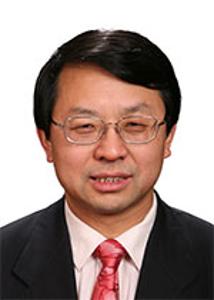 Fusuo Zhang (张福锁)合作论文数Shanxi Agricultural University;China Agricultural University82
 Jianhao Sun合作论文数57
 Weiping Zhang (张炜平)合作论文数College of Resources and Environmental Sciences, China Agricultural University36Xingguo Bao合作论文数35
 Ruilian Jing (景蕊莲)合作论文数Institute of Crop Sciences, Chinese Academy of Agricultural Sciences30
 Jingyi Wang (王景一)合作论文数28Chaonan Li合作论文数25
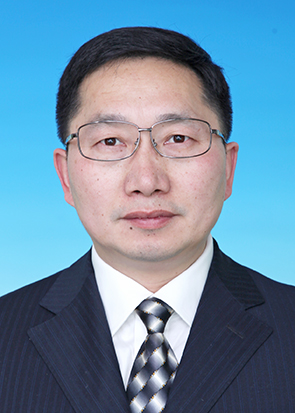 Xinguo Mao (毛新国)合作论文数Institute of Crop Science, Chinese Academy of Agricultural Sciences25
 Ruipeng Yu (于瑞鹏)合作论文数College of Resources and Environmental Sciences, China Agricultural University20
 Hao Yang (杨浩)合作论文数School of Geography, Nanjing Normal University18
 Hans Lambers合作论文数School of Biological Sciences, University of Western Australia;Institute of Agriculture, University of Western Australia;National Academy of Agriculture Green Development, China Agricultural University17
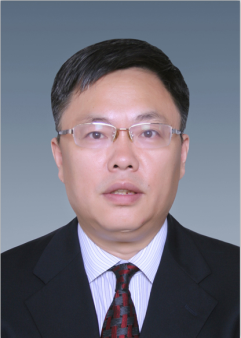 Fengzhong Wang (王凤忠)合作论文数College of Laboratory Medicine, Chengdu Medical College;Institute of Food Science and Technology, Chinese Academy of Agricultural Sciences;Institute of Food and Nutrition Development, Ministry of Agriculture and Rural Affairs, Chinese Academy of Agricultural Sciences15
 Bei Fan (范蓓)合作论文数中国农业科学院农产品加工研究所14
 Yankun Peng (彭彦昆)合作论文数College of Engineering, China Agricultural University14
 Peter Christie (克里斯蒂·彼得)合作论文数Institute of Soil Science, Chinese Academy of Sciences;College of Resources and Environment, China Agricultural University14
 Lizhen Zhang (张立祯)合作论文数College of Resources and Environmental Sciences, China Agricultural University;College of Resources and Environment, Xinjiang Agricultural University13Jianhua Zhao (赵建华)合作论文数12
 Ragan Callaway合作论文数Division of Biological and Biomedical Sciences, University of Montana;Center for Integrated Research on the Environment, University of Montana12
 Youliang Ye (叶优良)合作论文数河南农业大学资源与环境学院12Jiudong Zhang合作论文数11
 Yu-Ying Li (李玉英)合作论文数11Huasen Xu合作论文数11
 Liang Guo (郭亮)合作论文数National Key Laboratory of Crop Genetic lmprovement, College of Plant Science & Technology, Huazhong Agricultural University11
 Dario A. Fornara合作论文数Department of Ecology, Evolution and Behavior, University of Minnesota11
 Matthew Reynolds合作论文数CIMMYT11
 Yuanmei Zuo (左元梅)合作论文数College of Resources and Environmental Sciences, China Agricultural University10
 Yi Xing合作论文数9Sicun Yang (杨思存)合作论文数甘肃省农业科学院9
 Xiaolin Li (李晓林)合作论文数College of Resources and Environmental Sciences, China Agricultural University9
 Jianbo Shen (申建波)合作论文数College of Resources and Environmental Sciences, China Agricultural University;National Academy of Agriculture Green Development, China Agricultural University9
 Wopke Van Der Werf合作论文数Centre for Crop Systems Analysis, Wageningen University & Research9Jin-Pu Wu合作论文数8
 Xiao-Fei Li合作论文数8
 Ye Su合作论文数8YanBo Xiao (肖焱波)合作论文数8
 Yongyu Li (李永玉)合作论文数College of Engineering, China Agricultural University8
 Caixian Tang合作论文数Centre for AgriBioscience, La Trobe University;College of Science, Health and Engineering, La Trobe University8
 Haiyong Xia合作论文数College of Agronomy, Qingdao Agricultural University7ChangBing Yu (余常兵)合作论文数7Xu Cheng (程序)合作论文数7ShuMin Li (李淑敏)合作论文数7
 Chunjie Li (李春杰)合作论文数College of Resources and Environmental Sciences, China Agricultural University7Gui Lin-guo合作论文数6Fang-Fang Zhang合作论文数6Lili Yang合作论文数6PeiPei Mei (梅沛沛)合作论文数6ChengBao Wang (王成宝)合作论文数6Zengguo Fang (房增国)合作论文数青岛农业大学资源与环境学院6
 Junling Zhang (张俊伶)合作论文数College of Resources and Environmental Sciences, China Agricultural University6




