N6-methyladenosine (m6A) methylation, a dynamic and reversible modification of eukaryotic mRNAs, plays critical roles in diverse cellular processes. Although METTL3-mediated m6A deposition has been implicated in cellular senescence, the mechanisms controlling METTL3 stability and activity during senescence remain poorly defined. Here, we demonstrate that both m6A levels and METTL3 protein abundance are significantly reduced in replication-induced and stress-induced senescence models. METTL3 depletion promotes senescence by inducing telomere dysfunction via diminished expression of shelterin components TRF2 and POT1. Mechanistically, we identify PRKN (Parkin) as a senescence-associated E3 ubiquitin ligase that promotes METTL3 proteasomal degradation through K48-linked polyubiquitination at lysine 164. Genetic PRKN inhibition in pre-senescent cells rescues METTL3 expression, restores TRF2/POT1 levels, reduces telomere dysfunction-induced foci (TIFs), and attenuates senescence-associated β-galactosidase (SA-β-gal) activity. Crucially, PRKN overexpression accelerates telomere dysfunction and senescence in wild-type METTL3-expressing cells but not in cells expressing the ubiquitination-resistant K164R METTL3 mutant. Our findings establish METTL3 ubiquitination as a pivotal regulator of telomere integrity and senescence progression, unveiling a therapeutic target for age-related pathologies.
BackgroundDeep infiltrating endometriosis (DIE) is a highly fibrotic and deeply invasive subtype of endometriosis that causes severe pelvic pain, infertility and marked impairment of quality of life. Metabolic, microbial and immune disturbances have been reported in women with endometriosis, but whether these systemic perturbations causally contribute to DIE and which lesion-level molecular mediators connect them to pelvic pathology remains unknown.MethodsWe performed two-sample Mendelian randomization (MR) to assess the causal effects of circulating metabolites, gut microbiota (GM) traits and immune cell phenotypes on DIE risk using genome-wide association data from FinnGen and large exposure GWAS. Bayesian colocalization was applied to identify protein-coding genes with shared causal variants between exposures and DIE. Colocalized genes were integrated with RNA-sequencing data from GSE141549 (normal endometrium, n = 43; DIE lesions, n = 88) to evaluate differential expression and immune-cell associations inferred by CIBERSORT-like deconvolution. Machine-learning-based feature selection was used to derive a multigene logistic model, and protein expression of feature genes was validated by immunohistochemistry in independent specimens.ResultsMR revealed putative causal associations between multiple circulating metabolites, GM taxa and immune phenotypes and DIE susceptibility, including risk-increasing bile acid-related and acylcarnitine species, specific bacterial taxa, and monocytic/dendritic-cell traits, and protective lipid species, short-chain-fatty-acid-linked genera and CD45RA-CD4+ T-cell subsets. Colocalization identified 324 protein-coding genes, of which 42 were differentially expressed between DIE and controls and enriched in inflammatory and extracellular matrix remodeling pathways. A five-gene panel—HDC, GADD45B, CDK5, AHNAK and RASGRP2—was prioritized, showed structured correlations with B-cell, NK-cell and CD4+ memory T-cell subsets, and showed excellent within-cohort discrimination between DIE lesions and normal endometrium (AUC = 0.999). Immunohistochemistry confirmed upregulation of HDC, GADD45B, AHNAK and RASGRP2 and downregulation of CDK5 in DIE lesions.ConclusionThis multi-omics MR framework supports a putative gut-immune-pelvic pathway in DIE and identifies a biologically plausible five-gene tissue-level signature consistent with lesion-associated fibrotic and immune-inflammatory remodeling.
Endometrial fibrosis is a repair process of the endometrium that is commonly associated with trauma to the endometrium from surgical procedures, primarily curettage, and these dysfunctions lead to embryo implantation dysfunction and consequent infertility or spontaneous abortion. However, the underlying molecular mechanisms and genetic determinants driving endometrial fibrosis are largely unknown. Here, we conducted a systematic drug screen using an epigenetic compound library to investigate the epigenetic mechanism essential for endometrial fibrosis, and identified an epigenetic reader, bromodomain adjacent to zinc finger 2B (BAZ2B), from the bromodomain family, as a novel regulator of endometrial fibrosis. We found that BAZ2B knockdown or Baz2-specific inhibitor GSK2801 significantly attenuated TGFβ1-induced myofibroblast activation and extracellular matrix (ECM) production, while BAZ2B overexpression promoted these effects. Further, transcriptomic assay showed that BAZ2B knockdown reduced the expression of myofibroblast activation-related genes. The combination analysis of RNA-seq and CUT&Tag-seq assays uncovered that BAZ2B knockdown reduced the enrichment of H3K4me3 on the promoter of myofibroblast activation-associated genes, leading to down-regulation of ECM-related genes in myofibroblasts. More importantly, in a mouse intrauterine adhesions model, using GSK2801 treatment promoted endometrial regeneration and attenuated collagen deposition after mechanical injury. Collectively, these findings reveal a central role of BAZ2B in endometrial fibrosis and imply that BAZ2B is a potential therapeutic target to treat endometrial fibrotic disease.
The current coronavirus disease 2019 (COVID-19) pandemic caused by severe acute respiratory syndrome coronavirus (SARS-CoV-2) remains a threat to pregnant women. However, the impact of early pregnancy SARS-CoV-2 infection on the maternal-fetal interface remains poorly understood. Here, we present a comprehensive analysis of single-cell transcriptomics and metabolomics in placental samples infected with SARS-CoV-2 during early pregnancy. Compared to control placentas, SARS-CoV-2 infection elicited immune responses at the maternal-fetal interface and induced metabolic alterations in amino acid and phospholipid profiles during the initial weeks post-infection. However, subsequent immune cell activation and heightened immune tolerance in trophoblast cells established a novel dynamic equilibrium that mitigated the impact on the maternal-fetal interface. Notably, the immune response and metabolic alterations at the maternal-fetal interface exhibited a gradual decline during the second trimester. Our study underscores the adaptive immune tolerance mechanisms and establishment of immunological balance during the first two trimesters following maternal SARS-CoV-2 infection.
ObjectiveTo examine whether a history of hysteroscopic adhesiolysis (HA)-treated intrauterine adhesions (IUAs) was associated with an increased risk of adverse obstetrical outcomes in subsequent pregnancies.DesignRetrospective cohort study.SettingA tertiary-care hospital in Shanghai, China.PopulationA cohort of 114 142 pregnant women who were issued an antenatal card and received routine antenatal care in Shanghai First Maternity and Infant Hospital, between January 2016 and October 2021.MethodsFrom the cohort of 114 142 pregnant women, each woman with a history of HA-treated IUA prior to the current pregnancy (n = 780) was matched with four women without a history of IUAs (n = 3010) using propensity score matching. The matching variables were maternal age and parity, mode of conception, pre-pregnancy body mass index and prior history of abortion.Main outcome measuresPregnancy complications, placental abnormalities, postpartum haemorrhage and adverse birth outcomes.ResultsCompared with women with no history of IUAs, women with a history of HA-treated IUAs were at higher risk of pre-eclampsia (RR 1.69, 95% CI 1.23-2.33), placenta accreta spectrum (RR 4.72, 95% CI 3.9-5.73), placenta praevia (RR 4.23, 95% CI 2.85-6.30), postpartum haemorrhage (RR 2.86, 95% CI 1.94-4.23), preterm premature rupture of membranes (RR 3.02, 95% CI 1.97-4.64) and iatrogenic preterm birth (RR 2.86, 95% CI 2.14-3.81). Those women were also more likely to receive cervical cerclage (RR 5.63, 95% CI 3.95-8.02) during pregnancy and haemostatic therapies after delivery (RR 2.17, 95% CI 1.75-2.69). Moreover, we observed that the RRs of those adverse obstetrical outcomes increased with the increasing number of hysteroscopic surgeries.ConclusionsThis study found that a history of HA-treated IUAs, especially a history of repeated HAs, was associated with an increased risk of adverse obstetrical outcomes.
Per- and polyfluoroalkyl substances (PFAS) are persistent environmental pollutants linked to reproductive disruptions. This study investigated the relationship between PFAS exposure and missed miscarriage in a hospitalbased, case-control study in Shanghai, China. There were 393 women in our research, including 198 cases and 195 controls. Concentrations of 30 PFAS in plasma were quantified using HPLC-MS/MS, and 15 PFAS were detected at a rate greater than 90 percent. PFOA, L-PFOS, and PFOS isomers were significantly higher in the cases than those in the controls. 13 PFAS showed significant positive associations with miscarriage risk after adjustment for confounders, particularly PFOA (OR: 2.99, 95 % CI: 1.96-4.68) and various PFOS isomers. BKMR analysis confirmed higher overall PFAS levels were associated with increased miscarriage risk. These findings highlight the potential reproductive toxicity of PFAS and underscore the need for further investigations and regulatory actions to mitigate PFAS exposure in pregnant women.
During pregnancy, germline development is vital for maintaining the continuation of species. Recent studies have shown increased pregnancy risks in COVID-19 patients at the perinatal stage. However, the potential consequence of infection for reproductive quality in developing fetuses remains unclear. Here, we analyze the transcriptome and DNA methylome of the fetal germline following maternal severe acute respiratory syndrome coronavirus 2 (SARS-CoV-2) infection. We find that infection at early gestational age, a critical period of human primordial germ cell specification and epigenetic reprogramming, trivially affects fetal germ cell (FGC) development. Additionally, FGC-niche communications are not compromised by maternal infection. Strikingly, both general and SARS-CoV-2-specific immune pathways are greatly activated in gonadal niche cells to protect FGCs from maternal infection. Notably, there occurs an “in advance” development tendency in FGCs after maternal infection. Our study provides insights into the impacts of maternal SARS-CoV-2 infection on fetal germline development and serves as potential clinical guidance for future pandemics.
Histone modifications play critical roles in regulating gene expression and present dynamic changes during early embryo development. However, how they are reprogrammed during human prenatal germline development has not yet been elucidated. Here, we map the genome-wide profiles of three key histone modifications in human primordial germ cells (hPGCs) from weeks 8 to 23 of gestation for the first time by performing ULI-NChIP-seq. Notably, H3K4me3 exhibits a canonical promoter-enriched pattern, though with relatively lower enrichment, and is positively correlated with gene expression in globally hypomethylated hPGCs. In addition, H3K27me3 presents very low enrichment but plays an important role in not only dynamically governing specific bivalent promoters but also impeding complete X chromosome reactivation in female hPGCs. Given the activation effects of both global DNA demethylation and H3K4me3 signals, repressive H3K9me3 and H3K27me3 marks are jointly responsible for the paradoxical regulation of demethylation-resistant regions in hPGCs. Collectively, our results provide a unique roadmap of three core histone modifications during hPGC development, which helps to elucidate the architecture of germ cell reprogramming in an extremely hypomethylated DNA environment.
ObjectivePostpartum hemorrhage (PPH) is the leading cause of maternal morbidity and mortality. Identifying women who are at high risk of PPH is crucial for implementing early preventive and interventive strategies. This study aimed to examine whether there is an association between the use of in vitro fertilization (IVF) /intracytoplasmic sperm injection (ICSI) and increased risk of PPH.MethodThis retrospective cohort study was conducted using medical record data from women who delivered at a tertiary hospital in Shanghai, China, between January 1, 2013 and April 30, 2019. Logistic regression analysis was used to estimate the associations between the use of IVF/ICSI and the risk of PPH.ResultsA total of 153,765 pregnant women were included, of which 6,484 conceived through IVF/ICSI and147,281 conceived naturally. The incidence of PPH was 1.9% in this cohort. The incidence of PPH in women who conceived through IVF/ICSI was significantly higher than those in women who conceived naturally (3.4% vs. 1.7%, p < 0.01). The use of IVF/ICSI was associated with an increase in the amount of postpartum blood loss. Compared to women who conceived naturally, the average amount of postpartum blood loss increased by 42.1 mL (β = 42.1, 95% CI, 38.2–46.0) for women who conceived through IVF/ICSI. In addition, women who conceived through IVF/ICSI were at higher risk of maternal PPH. The adjusted odds ratio (OR) of PPH in women who conceived through ART was 2.7 (OR = 2.7, 95% CI, 2.3–3.1).ConclusionOur findings demonstrated that women who conceived through IVF/ICSI were at higher risk of PPH and suggested to obstetricians and midwives to identify and implement early preventative strategies for PPH among pregnant women who conceived through IVF/ICSI.
Objective: To examine whether women with a history of hysteroscopic adhesiolysis (HA)-treated intrauterine adhesions (IUAs) were at higher risk of adverse obstetrical outcomes in subsequent pregnancies. Design: Retrospective cohort study. Setting: A tertiary-care hospital in Shanghai, China. Population: 114,142 pregnant women who were issued an antenatal card and received routine antenatal care in Shanghai First Maternity and Infant Hospital between January 2016 and October 2021. Methods: From the cohort of 114,142 pregnant women, women with history of HA-treated IUAs before this pregnancy (N=780) were compared with 4 women with no history of IUAs (N=3010) matched on propensity score, maternal age and parity, mode of conception, pre-pregnancy BMI and prior history of abortion. Main outcome measures: Pregnancy complications, placental abnormalities, postpartum hemorrhage and adverse birth outcomes. Results : Compared with women with no history of IUAs, women with a history of HA-treated IUAs were at higher risks of preeclampsia (RR=1.69, 95% CI, 1.23, 2.33), placenta accreta spectrum (RR=4.72, 95% CI, 3.9, 5.73) and previa (RR=4.23, 95% CI, 2.85, 6.30), postpartum hemorrhage (RR=2.86, 95% CI, 1.94, 4.23), preterm premature rupture of membranes (RR=3.02, 95% CI, 1.97, 4.64) and iatrogenic preterm birth (RR=2.86, 95% CI, 2.14, 3.81) . Those women were also more likely to receive cervical cerclage (RR=5.63, 95% CI, 3.95, 8.02) during pregnancy and hemostatic therapies after delivery (RR=2.17, 95% CI, 1.75, 2.69). Moreover, we observed that the RRs of those adverse obstetrical outcomes increased with the increasing number of hysteroscopic surgeries. Conclusion: Our findings suggest that pregnant women with a history of HA-treated IUAs, especially those with a history of repeat HAs, are at higher risk of adverse obstetrical outcomes. Key words: hysteroscopic adhesiolysis, obstetrical outcomes, propensity score matching, cohort study
>Dear Editor,Since the COVID-19 pandemic, the potential risks associated with maternal SARS-CoV-2 infection and its effect on fetal development have been a subject of considerable public concern. Previous studies have shown that SARS-CoV-2 infection during pregnancy may increase the incidence of adverse outcomes,
母胎界面免疫耐受在维持妊娠期发挥着重要作用,而母体免疫功能异常是导致流产的原因之一.程序性死亡-1(programmed death 1,PD-1)及程序性死亡配体-1(programmed death ligand 1,PD-L1)不仅是免疫检查点,也是当下维持妊娠期调控免疫平衡的研究热点之一.该文就PD-1和PD-L1及其相关因子在维持妊娠及复发性流产中的研究进展进行阐述,为预防流产和维持妊娠免疫耐受的相关研究提供新的参考.
Abstract Background Researchers have found that macrophages are the predominant cells in the peritoneal fluid (PF) of endometriosis patients. CSF-1 has been found to accumulate in the lesions and PF of endometriosis patients, and CSF-1 induces THP-1-derived macrophages to polarize toward a CD169+ DC-SIGN+ phenotype. Does the cytokine CSF-1 induce monocytes to differentiate into macrophages with a DC-SIGN+ phenotype in endometriosis? Methods The level of CSF-1 in the endometrium of control subjects, and the eutopic, and ectopic endometrium of endometriosis patients was evaluated by real-time polymerase chain reaction (qRT–PCR) and was determined by enzyme-linked immunosorbent assay (ELISA) in the PF of control and endometriosis patients. CSF-1 expression was examined with a MILLIPLEX MAP Mouse Cytokine/Chemokine Magnetic Bead Panel. DC-SIGN+ macrophages were detected by immunohistochemical staining of tissues and flow cytometric analysis of the PF of control subjects (N = 25) and endometriosis (N = 35) patients. The phenotypes and biological activities of CSF-1 -induced macrophages were compared in an in vitro coculture system with peripheral blood lymphocytes from control subjects. Results In this study, we found that the proportion of DC-SIGN+ CD169+ macrophages was higher in the abdominal immune microenvironment of endometriosis patients. CSF-1 was primarily secreted from ectopic lesions and peritoneum in mice with endometriosis. In addition, CSF-1 induced the polarization of macrophages toward a DC-SIGN+ CD169+ phenotype; this effect was abolished by the addition of an anti-CSF-1R antibody. CSF-1 induced the generation of DC-SIGN+ macrophages, leading to a depressed status of peripheral blood lymphocytes, including a high percentage of Treg cells and a low percentage of CD8+ T cells. Similarly, blockade with the anti-CSF-1R antibody abrogated this biological effect. Conclusions This is the first study on the role of DC-SIGN+ macrophages in the immune microenvironment of endometriosis. Further study of the mechanism and biological activities of CSF-1-induced DC-SIGN+ macrophages will enhance our understanding of the physiology of endometriosis. Graphical Abstract
Normal motor activity of the fallopian tube is critical for human reproduction, and abnormal tubal activity may lead to ectopic pregnancy (EP) or infertility. Progesterone has an inhibitory effect on tubal contraction; however, the underlying mechanisms remain unclear. Small-conductance calcium-activated K+ channel 3 (SK3) is abundantly expressed in platelet-derived growth factor receptor α positive (PDGFRα+) cells and was reported to be important for the relaxation of smooth muscle. The present study aims to explore the expression of SK3 in the human fallopian tube and its role in progesterone-induced inhibition of tubal contraction. We collected specimens of fallopian tubes from patients treated by salpingectomy for EP (EP group) and other benign gynecological diseases (Non-EP group). The expression of SK3 was detected by quantitative real-time polymerase chain reaction, western blot, immunocytochemistry, and immunohistochemistry analyses. Isometric tension experiments were performed to investigate the role of SK3 in progesterone-induced inhibition of tubal contraction. The baseline amplitude and frequency of human fallopian tube contraction were both statistically lower in the EP group compared with the non-EP group. The expression levels of SK3 in different portions of fallopian tubes from the non-EP group were significantly higher than in those from the EP group. Progesterone had an inhibitory effect on tubal contraction, mainly on the amplitude, in both groups, and SK3 as well as other calcium-activated K+ channels may be involved. SK3-expressing PDGFRα (+) cells were detected in the human fallopian tube. The expression of SK3 is lower in the EP group, and SK3 is involved in the progesterone-induced inhibition of human fallopian tube contraction.
目的:探究未婚人工流产女性生殖健康知识知晓现状,并分析其影响因素.方法:随机选取2018年3月~2021年5月期间在同济大学附属第一妇婴保健院计划生育科终止妊娠的未婚女性486例作为研究对象.其中,拒绝调查者21例,实际调查465例,应答率95.68%(465/486),数据清理后有效问卷459份,有效率为98.71%(459/465).调查未婚人工流产女性生殖健康知识知晓现状,未婚人工流产女性生殖健康知识知晓情况的危险因素采用单因素及多因素Logistic回归分析.结果:研究对象中,女性生殖健康知识知晓总分最低分17分,最高分为92分,平均(65.74±10.82)分;得分大于80分者179例,优良率为39.00%(179/459).得分在80分及其以下的女性280例.未婚人工流产女性生殖健康知识知晓情况与年龄、女方文化程度、父母婚姻状况、流产次数、工作性质、居住地、恋爱经历、男方文化程度有关(P<0.05).而与家庭月收入、更换工作次数无关(P>0.05).年龄、男方文化程度工作性质、居住地、女方文化程度、流产次数、父母婚姻状况是未婚人工流产女性生殖健康知识知晓情况的影响因素(P<0.05).结论:未婚人工流产女性生殖健康知识知晓水平一般,受到年龄、女方文化程度、父母婚姻状况等多种因素影响,应针对其影响因素特点加强生殖健康知识的宣教,以降低人工流产的风险.
Professor Yong Zhao was the Dean of School of Life Sci-ences at Sun Yat-sen University and a renowned biologist whose studies focused on the role of telomeres and telom-erase in cancer and aging.
Background CSF-1 was found to be accumulated in the lesions and peritoneal fluid of endometriosis patients, and CSF-1 induced THP-1-derived macrophages to polarize toward a suppressive phenotype. Researchers found that macrophages were the predominant cells in the peritoneal fluid (PF) of endometriosis patients, and the primary consensus is that the immune status in the PF of endometriosis patients exhibits a depressed state. Does the cytokine CSF-1 induce monocytes to differentiate into macrophages with a DC-SIGN + suppressive phenotype in endometriosis? Methods The level of CSF-1 in control endometrium (N=11), eutopic endometrium (N=17), and ectopic (N=39) endometrium of endometriosis patients was evaluated by real-time polymerase chain reaction and in the PF of control (N=25) and endometriosis (N=35) patients by enzyme-linked immunosorbent assay. CSF-1 was examined by a MILLIPLEX MAP Mouse Cytokine/Chemokine Magnetic Bead Panel in an in vivo study. DC-SIGN+ suppressive macrophages were detected by immunohistochemical staining of tissues and flow cytometric analysis of the PF of control (N=25) and endometriosis (N=35) patients. The phenotypes and biological activities of the resulting macrophages derived from THP-1 cells induced by CSF-1 were compared by an in vitro coculture system with peripheral blood lymphocytes from normal subjects. Results In this study, we found the proportion of DC-SIGN + suppressive macrophages was larger in the abdominal immune microenvironment of endometriosis patients. CSF-1 was primarily secreted from the ectopic lesions and peritoneum of mice with endometriosis. And, CSF-1 induced the polarization of macrophages toward a DC-SIGN + suppressive phenotype; this effect was abolished by the addition of anti-CSF-1R. CSF-1 induced DC-SIGN + macrophages, leading to a depressed status of peripheral blood lymphocytes, including a high percentage of Treg cells and a low percentage of CD8 + T cells. Similarly, blockade with anti-CSF-1R abrogated this biological effect. This is the first study on the predominant role of DC-SIGN + suppressive macrophages in the depressed immune status of endometriosis patients. Conclusions This is the first study on the predominant role of DC-SIGN+ suppressive macrophages in the depressed immune status of endometriosis patients. Further study of the mechanism and biological activities of CSF-1-induced DC-SIGN+ suppressive macrophages will enhance our understanding of the physiology of endometriosis and indicate new directions for further study.
患者安全文化测评有助于评估医疗机构的安全状况.美国医疗健康研究与质量机构(AHRQ)发布的HSOPSC是患者安全文化测评工具的典型代表.2019年,AHRQ根据相关意见和建议修订完成了HSOPSC 2.0版,在保留1.0版优势的基础上精简了维度和条目数量,具有良好的信度和效度,可以作为我国医疗机构患者安全文化测评的有效工具.但由于测量结果的定量特征,建议辅以定性研究对潜在文化价值和更深层次文化假设进行深入分析,同时思考如何将测评结果与干预措施结合起来,以更好地评估干预效果.
Background Assisted reproductive technology (ART) might induce adverse pregnancy outcomes and increase the risk of metabolic diseases in offspring’ later life with unknown reasons. Here we evaluated the global methylation level and methylation profile of fetal tissue from elective terminations of pregnancy (ETP) after natural conception and multifetal pregnancy reduction (MFPR) after in vitro fertilization and embryo transfer (IVF-ET). Results Global methylation levels were comparable between the fetal tissue of ETP after natural conception group and MFPR after IVF-ET group. The methylation levels were lower in the hypermethylated regions of the MFPR group than in the ETP group, while the methylation levels were higher in the hypomethylated regions of the MFPR group. Heatmap visualization and hierarchical clustering of the candidate differentially methylated regions (DMRs) showed differences between the DMRs in the ETP and MFPR samples. We identified 196 differentially methylated regions that matched 164 genes between the ETP and MFPR groups. In the Gene Ontology (GO) and Kyoto Encyclopedia of Genes and Genomes (KEGG) pathway analyses, skeletal system morphogenesis and diabetes mellitus ranked first. Ingenuity Pathway Analysis (IPA) revealed 8 diseases and functional annotations associated with IVT-ET. In the MFPR group, the final validation showed lower methylation levels in gene bodies of bone morphogenetic protein 4 (BMP4), higher methylation levels in the 1st exon and 5′UTR of thyroid peroxidase (TPO), and higher methylation levels in TSS1500 and TSS200 of interleukin 1 beta (IL1B). Conclusions ART does not alter global DNA methylation level, but influences DNA methylation variation in specific regions of human fetus in the early stage of life. Further studies are warranted to clarify the potential role of DNA methylation alterations in the gene expression profile.
The dorsal and ventral human telencephalons contain different neuronal subtypes, including glutamatergic, GABAergic, and cholinergic neurons, and how these neurons are generated during early development is not well understood. Using scRNA-seq and stringent validations, we reveal here a developmental roadmap for human telencephalic neurons. Both dorsal and ventral telencephalic radial glial cells (RGs) differentiate into neurons via dividing intermediate progenitor cells (IPCs_div) and early postmitotic neuroblasts (eNBs). The transcription factor ASCL1 plays a key role in promoting fate transition from RGs to IPCs_div in both regions. RGs from the regionalized neuroectoderm show heterogeneity, with restricted glutamatergic, GABAergic, and cholinergic differentiation potencies. During neurogenesis, IPCs_div gradually exit the cell cycle and branch into sister eNBs to generate distinct neuronal subtypes. Our findings highlight a general RGs-IPCs_div-eNBs developmental scheme for human telencephalic progenitors and support that the major neuronal fates of human telencephalon are predetermined during dorsoventral regionalization with neuronal diversity being further shaped during neurogenesis and neural circuit integration.
 Bei-Ying Wang合作论文数17
 Fuju Tian (田福举)合作论文数School of Medicine, Tongji University;Obstetrics and Gynecology Hospital of Tongji University11Zhiping Wu合作论文数7
 Haiying Liu (刘海英)合作论文数School of Life Sciences, Sun Yat-Sen University5
 Shaorong Gao (高绍荣)合作论文数School of Life Sciences and Technology, Tongji University5Qing-jing SHENG (盛青菁)合作论文数4
 Cizhong Jiang (江赐忠)合作论文数School of Life Sciences and Technology, Tongji University4
 Jiayu Chen (陈嘉瑜)合作论文数School of Life Sciences and Technology, Tongji University4Shu Wu (伍姝)合作论文数4
 Yi Lin (林羿)合作论文数Shanghai Sixth People’s Hospital;Shanghai Jiao Tong University4Haoxian Zhou合作论文数3Xiang-Jie Yin合作论文数3
 Yin Jiqing合作论文数3Xiao-Ling Ma合作论文数3Zepeng Zhang合作论文数3Ying CHE (车映)合作论文数3
 Shijun Shen (沈仕君)合作论文数School of Life Sciences and Technology, Tongji University;Obstetrics and Gynecology Hospital of Tongji University3
 Hong Wang (王洪)合作论文数河北中医学院3Feng Sun (孙峰)合作论文数School of Ocean and Civil Engineering, Shanghai Jiao Tong University3
 Wenqiang Liu (刘文强)合作论文数School of Life Sciences and Technology, Tongji University3Yuanlong Ge (葛远龙)合作论文数3
 Yong Zhao (赵勇)合作论文数School of Life Sciences, Sun Yat-sen University3
 Feng Jin (金风)合作论文数Dpartment of Head and Neck Oncology, The Affiliated Hospital of Guiyang Medical College, Guizhou Cancer Hospital3Xiao-Rui Liu合作论文数3Ben Xu合作论文数2Shanru Yi合作论文数2Minghong Yin合作论文数2Zhenzhen Zheng合作论文数2Jin-Hong Chen合作论文数2Yan Zhang合作论文数2Chuan-Mei Qin合作论文数2Mengting Wang合作论文数2
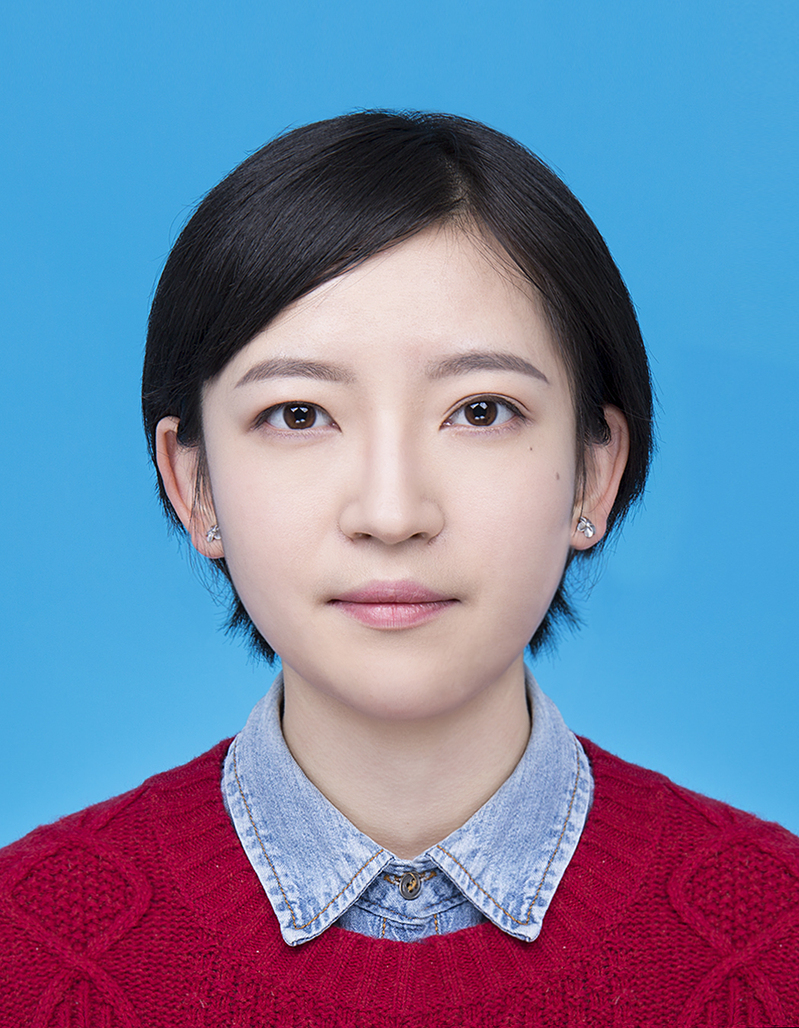 Dandan Bai (柏丹丹)合作论文数School of Life Sciences and Technology, Tongji University;Obstetrics and Gynecology Hospital of Tongji University2Ying-jie GE (葛颖杰)合作论文数2Yanyan Hou合作论文数2
 Qianshu Zhu合作论文数Tongji Univ, Sch Life Sci & Technol, 1239 Siping Rd, Shanghai 200092, Peoples R China2
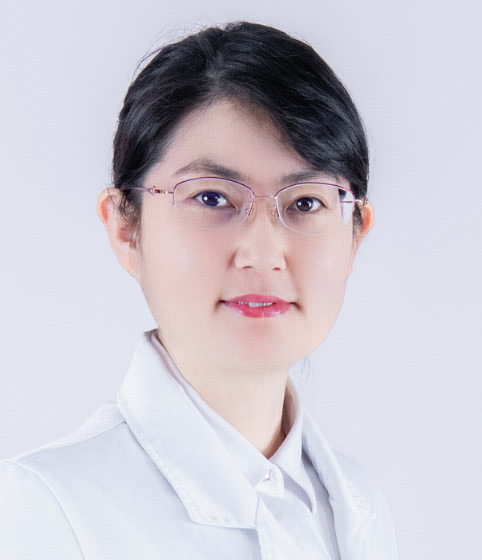 Li Wu (吴丽)合作论文数School of Life Sciences and Technology, Tongji University;Obstetrics and Gynecology Hospital of Tongji University2Yumei Wang合作论文数2Liping Wang合作论文数Key Lab Spine & Spinal Cord Injury Repair & Regen, Tongji Univ2Xiao-ying HE (何晓英)合作论文数2
 Yiding Yang合作论文数2YuMei Wang (王玉楣)合作论文数2
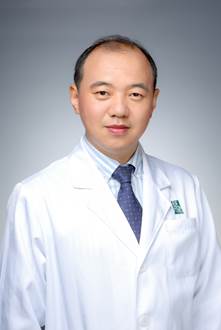 Shuangdi Li (李双弟)合作论文数School of Medicine, Tongji University;Shanghai First Maternity and Infant Hospital Affiliated to Tongji University2
 Jianxia Fan (范建霞)合作论文数Shanghai Key Laboratory of Embryo Original Diseases;International Peace Maternity & Child Health Hospital, Shanghai Jiao Tong University School of Medicine2
 Zheng Tian合作论文数Northwestern Polytechnical University, Northwestern Polytechnical Univ2
 Jian Zhang (张健)合作论文数International Peace Maternity & Child Health Hospital, School of Medicine, Shanghai Jiao Tong University2Du Yanhua合作论文数2Tan Ya-Jing合作论文数2Yao Gong合作论文数2




