目的:分析脑淀粉样血管病相关炎症(CAA-ri)患者的临床资料,总结其临床、影像学特征及治疗预后等方面的异质性.方法:选择脑淀粉样血管病相关炎症患者6例,均行头颅核磁检查,其中3例行脑脊液相关检查,2例行APOE基因型检测,2例行病理活检.分析患者的临床资料.结果:该病好发于老年男性,临床异质性包括病程多样性以及症状体征多样性,可为急性、亚急性或慢性病程,亦可为少见的发作性病程;认知障碍、肢体无力、言语障碍和精神行为异常等症状临床出现频次较高.影像学具有共性的不对称白质病变及微出血、含铁血黄素沉积等特征,但病灶范围、程度差异巨大.治疗及转归亦呈高度异质性,激素等免疫相关治疗对重症患者有效,轻症患者可呈自限性病程,但易复发.结论:CAA-ri具有高度临床异质性,但其影像学表现的共性特征可高度提示诊断,激素等治疗有效协助进一步临床确诊.
Background: Bilateral striatal necrosis (BSN) is characterized by symmetrical degeneration, predominantly of the caudate and putamen nucleus, in the basal ganglia. It is associated with numerous acquired and hereditary neuro-developmental and motor dysfunction-related pathological conditions. BSN results in high morbidity and mortality among infants and children, and its diagnosis is clinically challenging due to several overlapping disease phenotypes. Therefore, a precise genetic diagnosis is urgently needed for accurate genetic counseling and improved prognostic outcomes as well. Objective: To identify novel missense mutations in the NDUFAF5 gene as a cause of childhood BSN in members of a Chinese family and summarize the clinical characteristics of patients with the NDUFAF5 gene mutations. Methods: This study included a large family living in a remote northwestern area of China. Three siblings developed a neurological disorder characterized by generalized dystonia within the first decade of their lives. Cerebral computed tomography (CT) and magnetic resonance imaging (MRI) showed bilateral lesions of the putamen. Biochemical and genetic approaches were used to identify the cause of BSN. Results: Sequence analysis showed no pathogenic variation in PANK2, SLC25A19, SLC19A3, and NUP62 genes and in the entire mitochondrial genome as well. Whole-exome sequencing revealed compound heterozygous mutations consisting of NDUFAF5:c.425A > C(p.E142A) and c.836T > G (p.M279R). The father, a healthy sister, and a healthy brother of the affected siblings carried the c.836T > G mutation, and the mother carried the c.425A > C mutation. These variants were absent in 100 ethnically matched non-BSN controls. In silico analysis demonstrated that the E142A and M279R mutations in NDUFAF5 protein significantly perturbed the normal conformation of the protein due to alterations in the hydrogen bonding patterns around the evolutionarily conserved catalytic domains, leading to its loss of function in the early stage of mitochondrial complex I assembly. Conclusions: We identified a novel compound heterozygous mutation (c.425A > C and c.836T > G) in the NDUFAF5 gene as the potential cause of autosomal recessive childhood BSN, which extended the pathogenic variation spectrum of the NDUFAF5 gene. This study provides substantial evidence for further improvement of genetic counseling and better clinical management of BSN affected individuals.
目的 探讨单纯性动眼神经麻痹(ONP)患者的临床特征并进行病因分析.方法 分析单纯性ONP的82例患者的临床资料,总结其临床特征、病因及前3位病因的临床特征差异.结果 82例单纯性ONP的患者中,累及眼外肌的为60例(73.2%),表现为复视的13例(15.9%),上睑下垂的5例(6.1%),上睑下垂伴复视的42例(51.2%);同时累及眼外肌和眼内肌的为22例(26.8%);患者可伴随头痛、眼痛、头晕症状.病因:糖尿病40例(48.8%)、Tolosa-Hunt综合征14例(17.1%)、颅内动脉瘤11例(13.4%)、脑干梗死3例(3.7%)、颅内占位2例(2.4%)、非特异性硬脑膜炎1例(1.2%)、梅毒1例(1.2%)和不明原因10例(12.2%).前3位病因组患者中,是否为眼外肌和眼内肌同时受累、是否为上睑下垂伴复视、是否伴头痛、是否伴眼痛,在各组差异有统计学意义.结论 单纯性ONP患者以累及眼外肌为主,糖尿病是导致单纯性ONP的首要原因,其次为Tolosa-Hunt综合征及颅内动脉瘤.前3位病因组患者主要症状和体征中是否为眼外肌和眼内肌同时受累、是否为上睑下垂伴复视,伴随症状中是否伴头痛、是否伴眼痛,差异有统计学意义(P<0.05).根据患者的临床特征,进行相应检查,有助于尽早明确诊断及治疗.
Objective To investigate the clinical presentation, imaging features, diagnosis and therapy of CAA-TFNE. Methods The clinical data of 3 patient who were diagnosed with CAA-TFNE were studied retrospectively,and the related literatures were reviewed. Results The three cases were diagnosed as CAA-TFNE by clinical manifestations and MRI examination. 2 cases present with recurrent numbness and weakness,case 3 present with recurrent sensory aphasia,all three patients showed cSS and/or cSAH on MRI-SWI. 2 Patient has cognition decline,the other 1 patient showed normal on MMSE and MOCA test. All three of them showed positive repose to antiepileptic drug. Conclusion CAA-TFNE is rare clinically,with transient,repeat,stereotype as clinical feature. It is really important to recognize this disease and avoid of se-lection of antithrombotic strategies to prevent future cerebral hemorrhage stroke.
目的 探讨在小鼠缺血性脑卒中模型中,磷脂酶D1(PLD1)在自噬和神经损伤中的作用.方法 将6只6~8周龄成年雄性C57鼠采用随机数字表法分为两组,sham组和stroke组,每组各3只.sham组小鼠给予缺血性脑卒中处理但不进行大脑中动脉结扎,stroke组小鼠给予缺血性脑卒中处理.观察两组小鼠脑神经元内PLD1的变化.然后构建条件性基因敲除小鼠,将小鼠采用随机数字表法分为3组:sham PLD1fl/fl组12只,缺血性脑卒中后PLD1fl/fl组(stroke PLD1fl/fl组)12只,缺血性脑卒中后PLD1-KO组(stroke PLD1-KO组)12只,然后利用免疫荧光染色、Western blotting、TTC染色法观察sham PLD1fl/fl组小鼠,缺血性脑卒中后PLD1fl/fl小鼠和缺血性脑卒中后PLD1-KO小鼠神经元自噬(LC3-Ⅱ)的情况及自噬对梗死面积的影响,明确PLD1的作用机制.结果 在缺血性脑卒中后24 h,缺血半暗带的神经元中,stroke组较sham组PLD1表达明显增多.在条件性敲除小鼠中,stroke PLD1fl/fl组较sham PLD1fl/fl组自噬重要标志物LC3-Ⅱ明显升高(P<0.05),而条件性敲除神经元内PLD1后,stroke PLD1-KO组较stroke PLD1fl/fl组LC3-Ⅱ明显降低(P<0.05),同时,梗死面积也明显缩小(P<0.0001).结论 缺血性脑卒中后神经元内PLD1表达升高,LC3-Ⅱ增多,抑制P L D 1引起的过度自噬可以有效改善缺血性脑卒中后的神经损伤.
Objective To investigate the incidence, risk factors and clinical symptoms of peripheral artery disease (PAD) complicated by intra-/extractranial artery stenosis. Methods A total of 155 patients with PAD from July 2016 to July 2017 were selected and the clinical data of the patients were collected for the study. The clinical symptoms of PAD were classified according to Fontaine classification: stage Ⅰ, without symptoms; stage Ⅱ, intermittent claudication, stage Ⅲ, resting pain; stage Ⅳ, toe ulcers and gangrene. The degree of intra-/extracranial artery stenosis was divided into non-stenosis, mild to moderate stenosis (<70%), and severe stenosis or occlusion (≥70%) by TCD. The incidence and the risk factors of intra-/extracranial artery stenosis in PAD patients, and the correlation between lower limb ischemia and intra-/extracranial artery stenosis were analyzed. The effect of intra-/extracranial artery stenosis on the occurrence of perioperative stroke was elucidated.Results A total of 99 (63.9%) PAD patients had intracranial and/or extracranial artery stenosis,including 66 cases (42.6%) of extracranial artery stenosis and 67 cases (43.2%) of intracranial arterystenosis, respectively. 27 PAD patients (17.4%) had severe stenosis or occlusion of extracranialartery, and 4 PAD ones (2.6%) with severe stenosis or occlusion of intracranial artery. Age (OR 1.041,95%CI 1.004-1.080, P =0.030) and smoking (OR 2.728, 95%CI 1.125-6.619, P =0.026) were riskfactors for PAD patients with extracranial artery stenosis. Diabetes (OR 2.196, 95%CI 1.079-4.470,P =0.030) was a risk factor for PAD patients with intracranial artery stenosis. Smoking (OR 3.57,95%CI 1.078-11.411, P =0.037) was a risk factor for PAD patients with severe stenosis of intra-/extracranial artery. Severe ischemic symptoms of lower extremity (stage Ⅱ and Ⅲ), were morelikely to occur in PAD patients with intracranial artery stenosis (P =0.032). Comparing with mildto moderate extracranial artery stenosis, PAD patients with severe stenosis or occlusion were moreprone to occurring perioperative stroke (P =0.006).Conclusion The incidence of intra-/extracranial artery stenosis in PAD patients is relatively high.The clinical symptoms of PAD patients with intracranial artery stenosis were more serious. Severestenosis or occlusion of extracranial artery may increase the incidence of perioperative stroke.
The use of adjunct rasagiline in levodopa-treated patients with Parkinson’s disease and motor fluctuations is supported by findings from large-scale clinical studies. This study is to investigate the efficacy and safety of adjunct rasagiline in Chinese patients with Parkinson’s disease, as a product registration study.
A cascade of pathological processes is triggered in the lesion area after ischemic stroke. Unfortunately, our understanding of these complicated molecular events is incomplete. In this investigation, we sought to better understand the detailed molecular and inflammatory events occurring after ischemic stroke. RNA-seq technology was used to identify whole gene expression profiles at days (D1, D3, D7, D14, D21) after focal cerebral ischemia in mice. Enrichment analyses based on Gene Ontology (GO) and Kyoto Encyclopedia of Genes and Genomes (KEGG) terms for the differentially expressed genes (DEGs) were then analyzed. Inflammation-related genes that were significantly expressed after stroke were selected for analysis and the temporal expression patterns of pro-inflammatory and anti-inflammatory genes were reported. These data illustrated that the number of DEGs increased accumulatively after cerebral ischemia. In summary, there were 1967 DEGs at D1, 2280 DEGs at D3, 2631 DEGs at D7, 5516 DEGs at D14 and 7093 DEGs at D21. The significantly enriched GO terms also increased. 58 GO terms and 18 KEGG pathways were significantly enriched at all inspected time points. We identified 87 DEGs which were functionally related to inflammatory responses. The expression levels of pro-inflammation related genes CD16, CD32, CD86, CD11b, Tumour necrosis factor α (TNF-α), Interleukin 1β (IL-1β) increased over time and peaked at D14. Anti-inflammation related genes Arginase 1 (Arg1) and Chitinase-like 3 (Ym1) peaked at D1 while IL-10, Transforming growth factor β (TGF-β) and CD206, which were induced at 1 day after cerebral ischemia, peaked by 7 to 14 days. These gene profile changes were potentially linked to microglia/macrophage phenotype changes and could play a role in astroglial activation. This study supplies new insights and detailed information on the molecular events and pathological mechanisms that occur after experimental ischemic stroke.
Objective To have a profound understanding of anti-N-methyl-D-aspartic receptor (anti-NMDAR) encephalitis,through the clinical analysis of 5 cases of anti-NMDAR encephalitis,and literature review.Methods This is a retrospective analysis.Five cases of anti-NMDA receptor encephalitis treated from May 2010 to June 2015,in the Department of Neurology,Beijing Friendship Hospital affiliated to Capital Medical University,were included in this study.The clinical data,including clinical manifestation,past history,radiological features,serum and cerebral spinal fluid examinations,treatment and prognosis,were analyzed.Results Among the 5 cases,3 young female and 2 middle-to old-aged male.The clinical features of the onset was mental and behavior disorder,as well as seizure and extrapyramidal features,like facial and limbic involuntary movements or tremor.Coma and hypopnea was severe in 3 young female cases,needing assistance of mechanical ventilator,while the manifestation of 2 male patients was much mild,need not assisted respiration.1 case had teratoma of ovary,1 case had Vogt-Koyanagi-Harada syndrome.The anti-NMDA receptor antibody was positive in cerebraospinal fluid of all 5 cases,but in serum of 3 cases,serum and CSF Epstein-Barr virus (EBV) IgM antibody was positive in 1 case,while herpes simplex I virus (HSV-1) IgM antibody positive in another case,and anti-myelin oligodendrocyte glycoprotein (MOG) antibody was seen in serum and CSF in 1 case.The time interval from the onset to treatment was 10-37 d (18.8 ± 9.8 d).IVIG was used in all of the 5 cases,glucocoticoid in 4 cases,and plasma exchange in 3 cases.One case with Vogt-Koyanagi-Harada syndrome,having a long time before diagnosis and treatment,died,while the other 4 cases had good prognosis,and had no relapse.Conclusions Mental and behavior disturbance is common at onset of anti-NMDAR encephalitis.The radiological and lab examination may be normal.It may be accompanied with HSV-1 or EBV infection,anti-MOG antibody may be positive in this disease.Active treatment is important.
Background: Disease-modifying therapy is the standard treatment for patients with multiple sclerosis (MS) in remission. The primary objective of the current analysis was to assess the efficacy and safety of two teriflunomide doses (7 mg and 14 mg) in the subgroup of Chinese patients with relapsing MS included in the TOWER study. Methods: TOWER was a multicenter, multinational, randomized, double-blind, parallel-group (three groups), placebo-controlled study. This subgroup analysis includes 148 Chinese patients randomized to receive either teriflunomide 7 mg ( n = 51), teriflunomide 14 mg ( n = 43), or placebo ( n = 54). Results: Of the 148 patients in the intent-to-treat population, adjusted annualized relapse rates were 0.63 (95% confidence interval [ CI ]: 0.44, 0.92) in the placebo group, 0.48 (95% CI : 0.33, 0.70) in the teriflunomide 7 mg group, and 0.18 (95% CI : 0.09, 0.36) in the teriflunomide 14 mg group; this corresponded to a significant relative risk reduction in the teriflunomide 14 mg group versus placebo (−71.2%, P = 0.0012). Teriflunomide 14 mg also tended to reduce 12-week confirmed disability worsening by 68.1% compared with placebo (hazard ratio: 0.319, P = 0.1194). There were no differences across all treatment groups in the proportion of patients with treatment-emergent adverse events (TEAEs; 72.2% in the placebo group, 74.5% in the teriflunomide 7 mg group, and 69.8% in the teriflunomide 14 mg group); corresponding proportions for serious adverse events were 11.1%, 3.9%, and 11.6%, respectively. The most frequently reported TEAEs with teriflunomide versus placebo were neutropenia, increased alanine aminotransferase, and hair thinning. Conclusions: Teriflunomide was as effective and safe in the Chinese subpopulation as it was in the overall population of patients in the TOWER trial. Teriflunomide has the potential to meet unmet medical needs for MS patients in China. Trial Registration: ClinicalTrials.gov, NCT00751881; https://clinicaltrials.gov/ct2/show/NCT00751881?term=NCT00751881&rank=1
BACKGROUND:Disease-modifying therapy is the standard treatment for patients with multiple sclerosis (MS) in remission. The primary objective of the current analysis was to assess the efficacy and safety of two teriflunomide doses (7 mg and 14 mg) in the subgroup of Chinese patients with relapsing MS included in the TOWER study. METHODS:TOWER was a multicenter, multinational, randomized, double-blind, parallel-group (three groups), placebo-controlled study. This subgroup analysis includes 148 Chinese patients randomized to receive either teriflunomide 7 mg (n = 51), teriflunomide 14 mg (n = 43), or placebo (n = 54). RESULTS:Of the 148 patients in the intent-to-treat population, adjusted annualized relapse rates were 0.63 (95% confidence interval [CI]: 0.44, 0.92) in the placebo group, 0.48 (95% CI: 0.33, 0.70) in the teriflunomide 7 mg group, and 0.18 (95% CI: 0.09, 0.36) in the teriflunomide 14 mg group; this corresponded to a significant relative risk reduction in the teriflunomide 14 mg group versus placebo (-71.2%, P = 0.0012). Teriflunomide 14 mg also tended to reduce 12-week confirmed disability worsening by 68.1% compared with placebo (hazard ratio: 0.319, P = 0.1194). There were no differences across all treatment groups in the proportion of patients with treatment-emergent adverse events (TEAEs; 72.2% in the placebo group, 74.5% in the teriflunomide 7 mg group, and 69.8% in the teriflunomide 14 mg group); corresponding proportions for serious adverse events were 11.1%, 3.9%, and 11.6%, respectively. The most frequently reported TEAEs with teriflunomide versus placebo were neutropenia, increased alanine aminotransferase, and hair thinning. CONCLUSIONS:Teriflunomide was as effective and safe in the Chinese subpopulation as it was in the overall population of patients in the TOWER trial. Teriflunomide has the potential to meet unmet medical needs for MS patients in China. TRIAL REGISTRATION:ClinicalTrials.gov, NCT00751881; https://clinicaltrials.gov/ct2/show/NCT00751881?term=NCT00751881&rank=1.
Objective To set up a congenital EDNRB defect rat model,and to investigate the effect of EDNRB defect in the neural prolif-eration in hippocampus. Methods This experiment use the congenital endothelin receptor( EDNRB)genetic defect model rat,RTQ-PCR ge-netic testing would be used two days after birth. According to the results of genetic testing,all rats divided into heterozygote groups( + /sl),ho-mozygous group( sl/sl)and wild group( + / +);2 days after birth,brain tissue specimens will be gained after the menstruation phosphate buffer solution heart perfusion. The brain tissue will be collected after the injection of Brdu 2 h. Brain section will be frozen,after tissue specimens and fixed on the slice. The cell proliferation in hippocampal section was detected under the microscopic. The results were statistically analyzed. Re-sults Spotting lethal rat has reduced neural proliferation in hippocampal formation,including area CA1,CA3 and dentate gyrus. Conclusion Compared with the heterozygote and wild rats,the neural proliferation were decreased in hippocampus area CA1,CA3and dentate gyrus in rat with EDNRB gene defect.
Hemorrhagic stroke is a devastating disease that lacks effective therapies. In the present investigation, we tested 6-bromoindirubin-3′-oxime (BIO) as a selective glycogen synthase kinase-3β (GSK-3β) inhibitor in a mouse model of intracerebral hemorrhage (ICH). ICH was induced by injection of collagenase IV into the striatum of 8- to 10-week-old C57BL/6 mice. BIO (8 μg/kg, IP) was administered following either an acute delivery (0–2 h delay) or a prolonged regimen (every 48 h starting at 3 days post-ICH). At 2 days post-ICH, the acute BIO treatment significantly reduced the hematoma volume. In the perihematoma regions, BIO administration blocked GSK-3β phosphorylation/activation, increased Bcl-2 and β-catenin levels, and significantly increased viability of neurons and other cell types. The prolonged BIO regimen maintained a higher level of β-catenin, upregulated VEGF and BDNF, and promoted neurogenesis and angiogenesis in peri-injury zones at 14 days after ICH. The BIO treatment also promoted proliferation of neural stem cells (NSCs) and migration of nascent DCX+ neuroblasts from the subventricular zone (SVZ) to the lesioned cortex. BIO improved functional outcomes on both the neurological severity score and rotarod tests. The findings of this study corroborate the neuroprotective and regenerative effects of BIO and suggest that the Wnt/GSK-3β/β-catenin pathway may be explored for the treatment of acute or chronic ICH.
Objective To investigate the role of the activation and oxidative stress of cultured human umbilical vein endothelial cells (HUVEC) after HCMV infection.Methods HUVECs were divided into four groups:control,HCMV(+),after HCMV AD169 infection,and the supernatant of the culture was extracted,and the cells were lysed.The levels of vascular cellular adhesion molecule-1 (VCAM-1) in HUVEC were measured by real-time PCR.And the content of nitrogen nonoxide (NO) of the supernatant was detected by nitrate reductasemethod accordingly.Results Twenty-four hours after infection,the mRNA expression of VCAM-1 in HUVECs of HCMV infected group increased obviously compared to control,and NO quantity increased accordingly and time-dependently.There was significant difference between groups(P<0.01).Conclusions HCMV increases the mRNA expression of VCAM-1 and quantity of NO,which may contribute to the formation of AS.
Objective To explore the clinic significance and the correlation between the serum homocystein (Hcy) and blood coagulation index in cerebral hemorrhage. Methods A total of 146 patients with cerebral hemorrhage receiving treatment in the hospital from 2010 to 2014 were selected as the study subjects and contemporaneous 158 healthy individuals of physical examination were taken as the control group. The patients in two groups were divided into the youth group, middle age group, elderly age group and the longevity group by age. The Hcy anomaly detection rate of cerebral hemorrhage group were analyzed, and the linear correlation analysis between homocysteine and age was also made. The values of serum Hcy, D-Dimer, prothrombin time (PT), prothrombin time activity (PTA), international standardization ratio (INR), activated partial prothrombin time (APTT), fibrinogen (Fbg) level of above mentioned subgroups were compared and performed with logistic regression analysis. Results ①104 cases of cerebral hemorrhage group had increased Hcy with the abnormal rate of 71.2% while male patients increased more obviously with the abnormal rate 83.3%. Compared with the control group, there was a significant statistical difference. ②The serum Hcy, Fbg levels in hemorrhage group were higher than those in the control group, and the difference was statistically significant. PTA value level increased in middle age group and elderly age group, which had significant difference with the control group. D-Dimer levels in the longevity group were obviously higher than those in the control group. ③Logistic regression analysis showed that Hcy, D-Dimer, Fbg were independent risk factors for cerebral hemorrhage. Conclusion Hcy is a risk factor for cerebral hemorrhage. Therefore, in the strategy of prevention and treatment for cerebral hemorrhage, more importance should be attached to the intervention of homocysteine levels.
Background To determine the efficacy of low-dose, immediate-release tacrolimus in patients with myasthenia gravis (MG) with inadequate response to glucocorticoid therapy in a randomized, double-blind, placebo-controlled study. Methods Eligible patients had inadequate response to glucocorticoids (GCs) after ⩾6 weeks of treatment with prednisone ⩾0.75 mg/kg/day or 60–100 mg/day. Patients were randomized to receive 3 mg tacrolimus or placebo daily (orally) for 24 weeks. Concomitant glucocorticoids and pyridostigmine were allowed. Patients continued GC therapy from weeks 1–4; from week 5, the dose was decreased at the discretion of the investigator. The primary efficacy outcome measure was a reduction, relative to baseline, in quantitative myasthenia gravis (QMG) score assessed using a generalized linear model; supportive analyses used alternative models. Results Of 138 patients screened, 83 [tacrolimus (n = 45); placebo (n = 38)] were enrolled and treated. The change in adjusted mean QMG score from baseline to week 24 was −4.9 for tacrolimus and −3.3 for placebo (least squares mean difference: –1.7, 95% confidence interval: −3.5, −0.1; p = 0.067). A post-hoc analysis demonstrated a statistically significant difference for QMG score reduction of ⩾4 points in the tacrolimus group (68.2%) versus the placebo group (44.7%; p = 0.044). Adverse event profiles were similar between treatment groups. Conclusions Tacrolimus 3 mg treatment for patients with MG and inadequate response to GCs did not demonstrate a statistically significant improvement in the primary endpoint versus placebo over 24 weeks; however, a post-hoc analysis demonstrated a statistically significant difference for QMG score reduction of ⩾4 points in the tacrolimus group versus the placebo group. This study was limited by the low number of patients, the absence of testing for acetylcholine receptor antibody and the absence of stratification by disease duration (which led to a disparity between the two groups). ClinicalTrials.gov identifier: NCT01325571
Glycogen synthase kinase 3β (GSK3β) was originally identified as a regulator for glycogen metabolism and is now an important therapeutic target for a variety of brain disorders including neurodegenerative diseases due to it's pivotal role in cellular metabolism, proliferation and differentiation. In the development of stroke therapies focusing on tissue repair and functional recovery, promoting neurogenesis is a main approach in regenerative medicine. In the present investigation, we explored the effects of a GSK3β specific inhibitor, 6-Bromoindirubin-3′-oxime (BIO), on regenerative activities of neuroblasts in the subventricular zone (SVZ) and functional recovery after focal cerebral ischemia. Adult C57/BL mice were subjected to occlusion of distal branches of middle cerebral artery (MCA) supplying the sensorimotor barrel cortex. Three days later, BIO (8.5μg/kg, i.p.) was administered every 2days until sacrificed at 14 or 21days after stroke. The BIO treatment significantly increased generation of neuroblasts labeled with BrdU and BrdU/doublecortin (DCX) in the SVZ. Comparing to vehicle controls, increased number of neuroblasts migrated to the peri-infarct region where they differentiate into mature neurons. Along with the elevated BDNF expression at the peri-infarct area, the number of newly formed neurons was significantly increased. BIO treatment significantly enhanced sensorimotor functional recovery after the focal ischemia. It is suggested that the GSK3 signaling may be a potential therapeutic target for regenerative treatment after ischemic stroke.
Objective To analyze the incidence of post-stroke depression (PSD) and its related factors.Methods Sixty-eight patients with acute stroke were assessed by self-designed questionnaire,Zung Self-Rating Depression Scale (SDS),Hamiton Depression Rating Scale (HAMD),Mini-Mental State Examination (MMSE),Scandinavian Stroke Scale (SSS),National Institutes of Health Stroke Scale (NIHSS),Barthel Index (BI) and Modified Rankin Scale (mRS).A multiple factor analysis with logistic regression method was carried out to analyze all related factors in these data.Results The incidence of PSD was 32.4%,including 27.9% mild patients,2.9% moderate patients and 1.5% severe patients.Patients had been divorced,lost spouse or live alone had an introvert nature,numerous or large lesions,associated with coronary artery disease or high level of CRP,neurological deficits or disability had higher possibility for PSD.Conclusion PSD is a common complication with many related factors after stroke,the most of PSD in patients are mild and moderate,and this kind of disease may be caused by biological-psychological and social factors.
Previous investigations suggest that DL-3-n-butylphthalide (NBP) is a promising multifaceted drug for the treatment of stroke. It is not clear whether NBP can treat traumatic brain injury (TBI) and what could be the mechanisms of therapeutic benefits. To address these issues, TBI was induced by a controlled cortical impact in adult male mice. NBP (100 mg/kg) or saline was intraperitoneally administered within 5 min after TBI. One day after TBI, apoptotic events including caspase-3/9 activation, cytochrome c release from the mitochondria, and apoptosis-inducing factor (AIF) translocation into the nucleus in the pericontusion region were attenuated in NBP-treated mice compared to TBI-saline controls. In the assessment of the nuclear factor kappa-light-chain-enhancer of activated B (NF-κB) pathway, NBP ameliorated the p65 expression and the p-IκB-α/IκB-α ratio, indicating reduced NF-κB activation. Consistently, NBP reduced the upregulation of proinflammatory cytokines such as tumor necrotizing factor-alpha (TNF-α) and interleukin-1beta (IL-1β) after TBI. In sub-acute treatment experiments, NBP was intranasally delivered once daily for 3 days. At 3 days after TBI, this repeated NBP treatment significantly reduced the contusion volume and cell death in the pericontusion region. In chronic experiments up to 21 days after TBI, continues daily intranasal NBP treatment increased neurogenesis, angiogenesis, and arteriogenesis in the post-TBI brain, accompanied with upregulations of regenerative genes including brain-derived neurotrophic factor (BDNF), vascular endothelial growth factor (VEGF), endothelial-derived nitric oxide synthase (eNOS), and matrix metallopeptidase 9 (MMP-9). The NBP treatment significantly improved sensorimotor functional recovery and reduced post-TBP depressive behavior. These new findings demonstrate that NBP shows multiple therapeutic benefits after TBI.
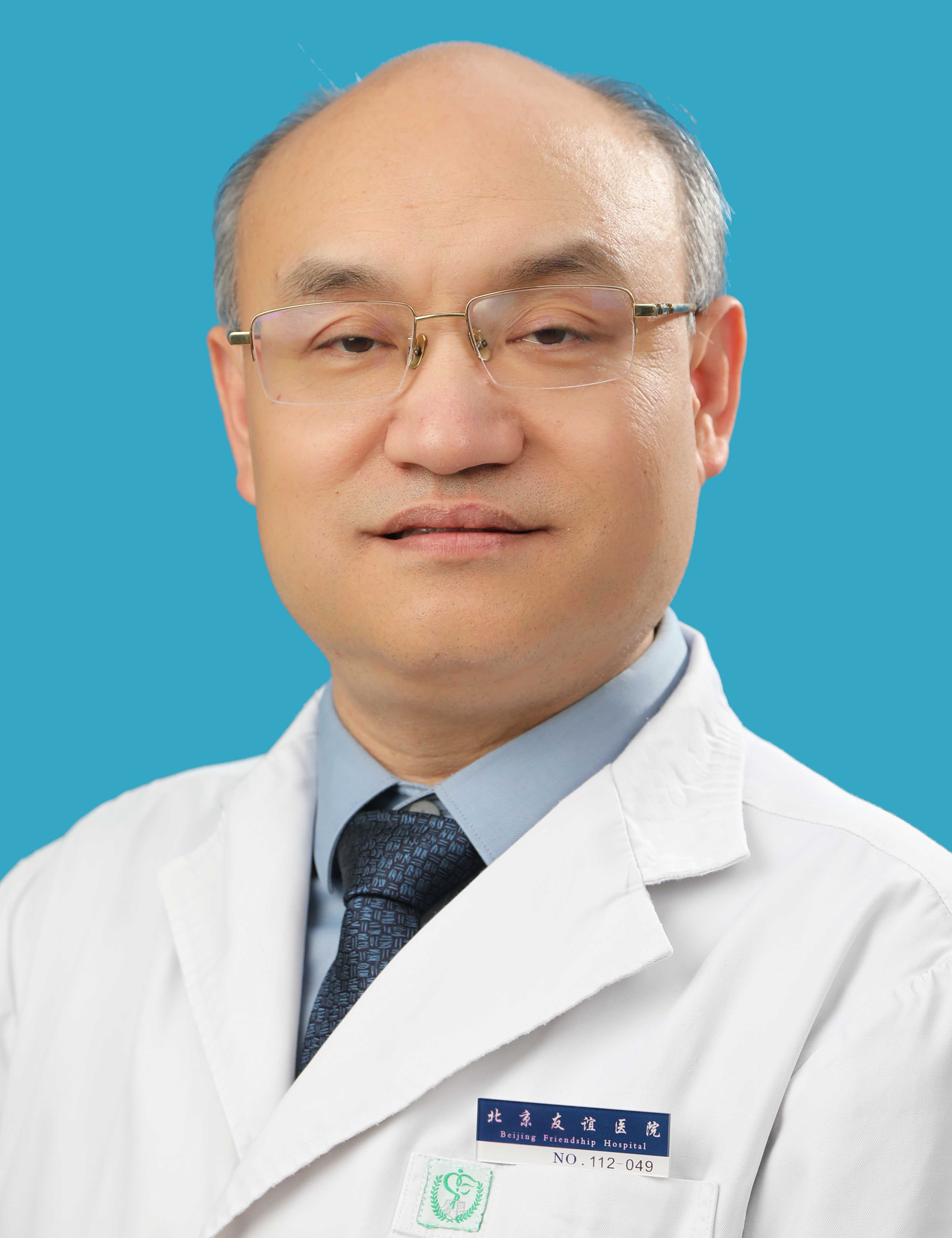 Yongbo Zhang (张拥波)合作论文数Beijing Friendship Hospital, Capital Medical University63
 DeXin Wang (王得新)合作论文数35WeiQin Zhao (赵伟秦)合作论文数26ZhongBao Xu (徐忠宝)合作论文数24RuiZhu Tang (唐睿珠)合作论文数21
 Jiawei Wang (王佳伟)合作论文数Beijing Tongren Hospital, CMU21
 Houzhen Tuo (脱厚珍)合作论文数Beijing Friendship Hospital, Capital Medical University20
 Chunling Xu (许春伶)合作论文数Beijing Friendship Hospital, Capital Medical University17QinQin Wang (王秦秦)合作论文数16Ping Hao (郝萍)合作论文数15ChunLing Zhang (张春玲)合作论文数15
 Ling Wei合作论文数Emory University15ZhiMin Kang (康智敏)合作论文数13HongYan Bi (毕鸿雁)合作论文数13Kui Chen (陈葵)合作论文数13
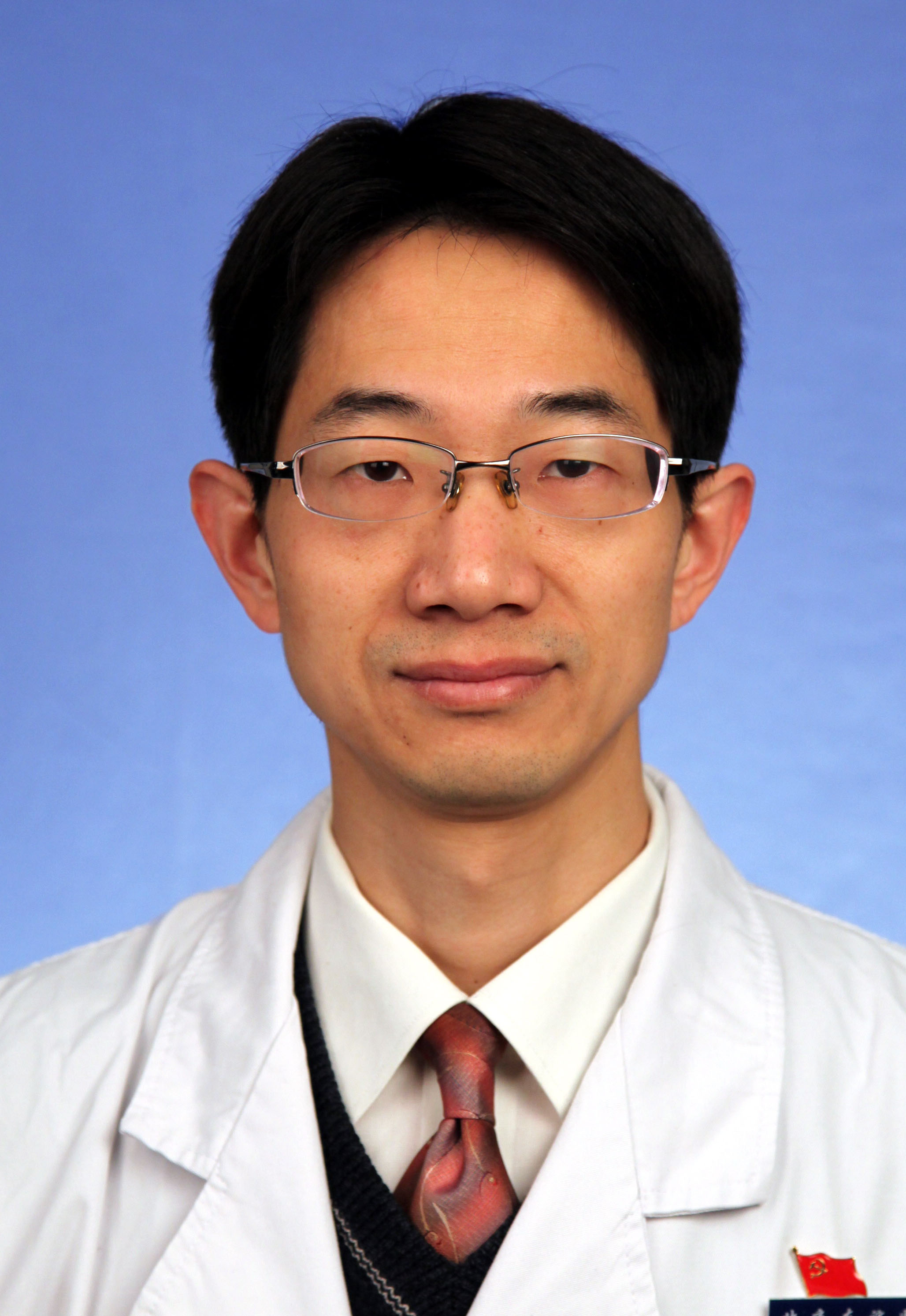 Yanchen Xie (谢琰臣)合作论文数Beijing Friendship Hospital, Capital Medical University13
 Shan Ping Yu合作论文数Neuroscience Division, Department of Anesthesiology, School of Medicine, Emory University13YaMing Zhao (赵亚明)合作论文数12FengLing Gao (高凤玲)合作论文数12
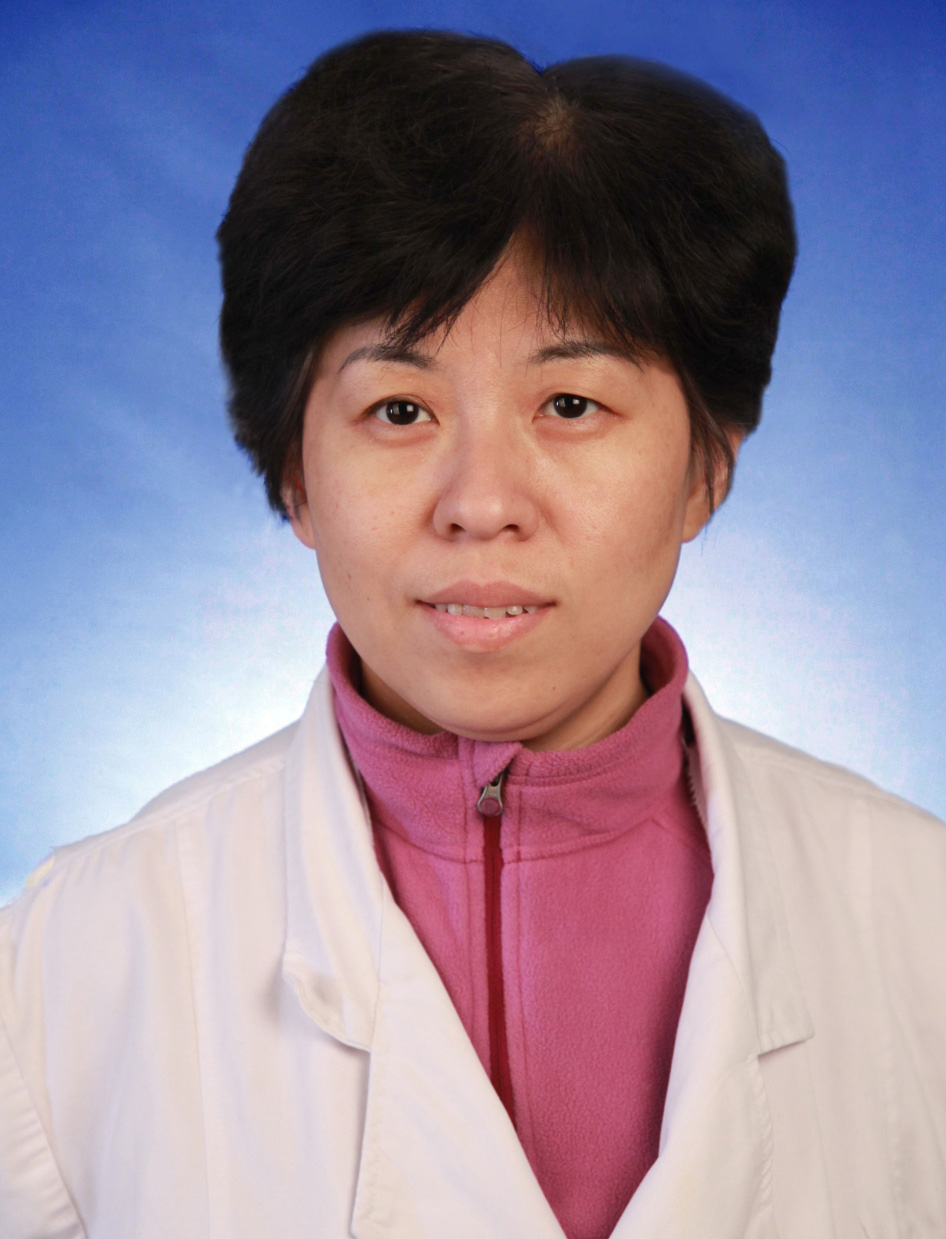 Yanjun Guo (郭燕军)合作论文数Beijng Friendship Hospital, Capital Medical University12
 Zhandong Liu (刘占东)合作论文数Beijing Friendship Hospital, Capital Medical University11ShuHui Wang (王淑辉)合作论文数9JinMei Sun (孙金梅)合作论文数9Qin Zhang (张芹)合作论文数9Ping JIANG (姜平)合作论文数8ShanShan Qiao (乔杉杉)合作论文数8ChunLai Zhou (周春来)合作论文数7YuFang Sun (孙玉芳)合作论文数7YingYing Zhao (赵莹莹)合作论文数7Dan Xie合作论文数6ChunHai Li (李春海)合作论文数6Xin-ming CHEN (陈新明)合作论文数5Honglian Duan合作论文数5huigang wang (王会刚)合作论文数5QingHong Cui (崔庆宏)合作论文数5ChunWei Wu (吴春薇)合作论文数5Gu Xiaohuan合作论文数5
 Wenqing Wu (伍文清)合作论文数Beijing Friendship Hospital, Capital Medical University5Jiang Bin合作论文数4Li-ya SUN (孙丽亚)合作论文数4Mei-yun LIU (刘美云)合作论文数4QiMing Xue (薛启蓂)合作论文数4Li Yi (易立)合作论文数4YanFei Han (韩燕飞)合作论文数4HongMei Fu (付红梅)合作论文数4Bin Chen (陈彬)合作论文数4Fang Guo (郭芳)合作论文数4
 Molly E Ogle合作论文数Department of Anesthesiology, Emory University4
 Zheng Zachory Wei合作论文数Neuroscience Research Institute, Peking University;School of Basic Medical Sciences, Peking University;Key Laboratory for Neuroscience, Peking University;Key Laboratory for Neuroscience, Peking University;Peking University, Peking University4




