Objective To evaluate the association between hypomagnesemia and in-hospital all-cause mortality in elderly patients with sepsis. Methods A retrospective analysis was performed on elderly patients (60–80 years old) with sepsis admitted to the Department of Critical Care Medicine of our hospital from August 2022 to July 2024. Eligible patients were divided into the hypomagnesemia group (serum magnesium < 1.46 mg/dL) and the normal magnesium group based on their serum magnesium levels at admission. The mortality difference between the two groups was compared, and univariate analysis was first conducted followed by multivariate Logistic regression to identify independent risk factors for in-hospital mortality. Results A total of 255 elderly patients were included, with 99 in the hypomagnesemia group. The mortality rate of the hypomagnesemia group was 34.3%, which was significantly higher than that of the normal magnesium group (9.0%), with a statistically significant difference (p < 0.05). High Sequential Organ Failure Assessment (SOFA) score, mechanical ventilation, and hypomagnesemia were independent risk factors for in-hospital all-cause mortality in elderly patients with sepsis (OR = 2.63, 2.14, 3.01, all p < 0.05). Conclusion Hypomagnesemia is an independent risk factor for in-hospital all-cause mortality in elderly patients with sepsis. Attention should be paid to maintaining normal serum magnesium levels during the management of these patients.
Lyme disease is rarely considered in critically ill patients from regions not routinely recognised as endemic. Severe presentations including septic shock, central nervous system involvement, and bone marrow suppression may therefore be difficult to recognise, particularly when laboratory confirmation is incomplete. A 60-year-old man from an inland province of northern China was admitted to the intensive care unit with four months of relapsing fever, acute delirium, respiratory distress, and septic shock. During admission, he developed recurrent high-grade fever with migratory erythematous rashes. Collateral history revealed a tick bite approximately 15 months earlier, followed by an expanding erythematous lesion compatible with erythema migrans. Cerebrospinal fluid showed markedly elevated opening pressure (>30 cmH2O), lymphocytic pleocytosis, elevated protein, and a normal CSF-to-serum glucose ratio, consistent with aseptic meningitis. Bone marrow aspiration showed pure red cell aplasia and megakaryocyte maturation arrest. Blood, urine, and cerebrospinal fluid cultures were negative, and metagenomic next-generation sequencing did not identify alternative pathogens. Lyme serology showed isolated IgM positivity with IgG negativity. Confirmatory two-tier testing and CSF Borrelia antibody testing were unavailable in our centre. This patient was therefore classified as clinically diagnosed Lyme disease with probable neuroborreliosis. Treatment with ceftriaxone and doxycycline was followed by defervescence and haematological recovery. At follow-up several weeks after discharge, the patient was afebrile, fully alert, and oriented. This case highlights an unusual severe presentation of clinically diagnosed Lyme disease with probable neuroborreliosis, intracranial hypertension, septic shock, and bone marrow suppression. Geographic origin should not preclude diagnostic consideration. In critically ill patients with unexplained fever, cytopenias, and dynamic cutaneous lesions, careful tick exposure history and bedside dermatological assessment may prove decisive where laboratory testing is inconclusive.
PURPOSE:This study aimed to evaluate the training outcomes and early transfer of ultrasound to the clinical environment of a simulation-based longitudinal ultrasound training program for critical care physicians in a single-center intensive care unit. MATERIALS AND METHODS:We designed a simulation-based longitudinal ultrasound training for emergency and intensive care residents. The course lasts for 6 months per session, including theoretical classes, practice with simulators and real human models, learning of critical care ultrasound processes and protocols, and finally clinical application. A total of 164 physicians have received training through this program. We evaluated learner satisfaction, theoretical knowledge and practical performance both before and after training, as well as process-based indicators of clinical application and transfer of ultrasound skills into the clinical environment. RESULTS:Across all 10 survey items, 81.3% to 100% of trainees responded "agree" or "strongly agree," with the highest ratings observed for the usefulness of theoretical courses and the relevance of content to clinical work. Post-training assessments showed significant improvements in theoretical examination (median difference=24, 95% CI [23.3, 26.6], W=13,366), abnormal image interpretation (median difference=36, 95% CI [32.7, 36.7], W=13,041), and operational skills (median difference=30, 95% CI [28.7, 31.3], W=13,366) (all P <0.05). Median scores significantly improved post-training compared with baseline: clinical case assessment scores increased from 48 (IQR: 38, 55) to 76 (IQR: 72 to 84); case analysis from 11 (IQR: 8 to 15) to 21 (IQR: 17 to 26); and image interpretation from 4 (IQR: 2 to 7) to 16 (IQR 13 to 18) (all P <0.05). During clinical practice, a total of 956 critical care ultrasound examinations were performed. Of these, 415 examinations (43.41%) provided additional diagnostic clarification. Overall, 789 examinations (82.53%) generated ultrasound findings that supported, refined, or contextualized ongoing diagnostic assessment or clinical decision-making. CONCLUSIONS:Our longitudinal ultrasound training program strengthens foundational knowledge and enhances clinical application of critical care ultrasound. However, this single-center study lacks a comparator arm and long-term patient outcome evaluation. Future multicenter studies should validate these findings, compare training methodologies, and assess the impact of critical care ultrasound on patient morbidity and mortality.
Although the Shock–Lactate Index (SLI) has been increasingly explored as a composite physiological indicator, its association with outcomes in patients with sepsis-associated acute kidney injury (SA-AKI) remains unclear. This retrospective observational study included 9,873 patients with SA-AKI from the MIMIC-IV database (2008–2019). Sepsis and AKI were defined according to Sepsis-3 and KDIGO criteria, respectively. The association between SLI and 28-day all-cause mortality was evaluated using Kaplan–Meier survival analysis and multivariable Cox proportional hazards models. Restricted cubic splines with four knots were applied to explore potential non-linear relationships. Models were adjusted for clinically relevant covariates, including Sequential Organ Failure Assessment (SOFA) score, APACHE II score, organ support measures, and selected laboratory variables. Prespecified subgroup analyses were conducted to assess effect modification across clinically relevant strata. Among patients with SA-AKI, higher SLI levels were significantly associated with increased 28-day all-cause mortality (P < 0.001). Kaplan–Meier analysis demonstrated progressively lower survival rates across increasing SLI quartiles, with the highest quartile exhibiting the poorest survival (log-rank P < 0.0001). In multivariable Cox models, elevated SLI remained independently associated with higher mortality risk. Restricted cubic spline analysis indicated a non-linear association between SLI and mortality (P for non-linearity < 0.001). Subgroup analyses showed generally consistent associations across patient subgroups, with significant interactions observed in strata defined by age, pneumonia, chronic kidney disease, ischemic heart disease, SOFA score and APACHE II score (all P for interaction < 0.05). Higher SLI levels are independently associated with increased 28-day mortality in patients with sepsis-associated acute kidney injury. SLI shows promise as a prognostic tool for assessing mortality risk in SA-AKI patients, providing clinicians with more accurate information to optimize treatment strategies and improve patient outcomes.
Objective: To evaluate the efficacy and safety of electroacupuncture as an adjunct to standard intensive care unit (ICU) care for gastrointestinal recovery in patients with grade II-III acute gastrointestinal injury (AGI). Methods: This single-center, randomized, sham-controlled trial enrolled 60 ICU patients with grade II or III AGI. Participants were randomly assigned in a 1:1 ratio to a treatment group or a control group. The control group received standard care plus sham electroacupuncture, whereas the treatment group received standard care plus electroacupuncture at bilateral Zusanli (ST36), Shangjuxu (ST37), and Tianshu (ST25) for 7 consecutive days. The primary outcome was the change in intestinal peristaltic frequency from day 1 to day 7, assessed by abdominal ultrasonography. Results: The treatment group showed a significantly greater increase in intestinal peristaltic frequency from day 1 to day 7 than that in the control group (1.9 +/- 0.6 vs 0.9 +/- 0.3 counts/2 min, P < 0.001). Compared with the control group, the treatment group showed significantly greater improvements on days 3 and 7 in inflammatory biomarkers, stress hormone levels, abdominal ultrasonographic indices, and contrast-enhanced gastrointestinal ultrasonographic parameters (all P < 0.05). No significant between-group differences were observed in vital signs at any time point (all P > 0.05). The incidence of adverse events was comparable between the two groups (P = 0.704). Conclusion: Electroacupuncture, when added to standard ICU care, safely and effectively promotes gastrointestinal motility recovery in patients with grade II-III AGI.
With the rapid advancement of hemodynamic indices and monitoring technologies, their classification methods and application processes have become increasingly complex. Currently, no unified standard hasbeen established, making it difficult to fully meet the clinical requirements for hemodynamic management. To assist in hemodynamic monitoring assessment and therapeutic decision-making in critically ill patients, the Critical Hemodynamic Therapy Collaborative Group, in conjunction with the Critical Ultrasound Study Group, has jointly developed the Standard for the Application of Hemodynamic Monitoring Techniques in Critical Care. The first part of this standard systematically categorizes hemodynamic indicators into flow indicators, pressure and its derivative indicators, and tissue perfusion indicators, while elaborating on the clinical application of each. The second part establishes a standardized clinical implementation pathway for hemodynamic monitoring. It proposes a tiered monitoring strategy-comprising basic, advanced, indication-specific, and special scenario monitoring-tailored to different clinical settings. It emphasizes the central role of critical care ultrasound across all levels of monitoring and establishes hemodynamic assessment standards for organs such as the brain, kidneys, and gastrointestinal tract. This standard aims to provide a unified framework for clinical practice, teaching, training, and research in critical care medicine, thereby promoting standardized development within the discipline.
Residual pulmonary hypertension (RPH) is a major postoperative complication after pulmonary endarterectomy (PEA) in patients with chronic thromboembolic pulmonary hypertension (CTEPH) and is associated with worse recovery and prognosis. This study evaluated the predictive value of the preoperative tricuspid annular plane systolic excursion to systolic pulmonary artery pressure (TAPSE/sPAP) ratio, a non-invasive surrogate of right ventricular-pulmonary arterial (RV-PA) coupling, for early RPH. We retrospectively analyzed 183 consecutive patients with CTEPH who underwent PEA at a high-volume national center between December 2017 and September 2025. Early RPH was defined as a postoperative mean pulmonary artery pressure (mPAP) > 30 mmHg. Independent predictors were identified using multivariable logistic regression. Predictive performance and model improvement were evaluated in the complete-case cohort using the area under the receiver operating characteristic curve (AUC), the likelihood ratio test, integrated discrimination improvement (IDI), and continuous net reclassification index (NRI). Internal validation was performed using 1,000 bootstrap resamples. Early RPH occurred in 48 patients (26.23
Purpose: This study aimed to evaluate the training outcomes and early transfer of ultrasound to the clinical environment of a simulation-based longitudinal ultrasound training program for critical care physicians in a single-center intensive care unit. Materials and Methods: We designed a simulation-based longitudinal ultrasound training for emergency and intensive care residents. The course lasts for 6 months per session, including theoretical classes, practice with simulators and real human models, learning of critical care ultrasound processes and protocols, and finally clinical application. A total of 164 physicians have received training through this program. We evaluated learner satisfaction, theoretical knowledge and practical performance both before and after training, as well as process-based indicators of clinical application and transfer of ultrasound skills into the clinical environment. Results: Across all 10 survey items, 81.3% to 100% of trainees responded “agree” or “strongly agree,” with the highest ratings observed for the usefulness of theoretical courses and the relevance of content to clinical work. Post-training assessments showed significant improvements in theoretical examination (median difference=24, 95% CI [23.3, 26.6], W=13,366), abnormal image interpretation (median difference=36, 95% CI [32.7, 36.7], W=13,041), and operational skills (median difference=30, 95% CI [28.7, 31.3], W=13,366) (all P <0.05). Median scores significantly improved post-training compared with baseline: clinical case assessment scores increased from 48 (IQR: 38, 55) to 76 (IQR: 72 to 84); case analysis from 11 (IQR: 8 to 15) to 21 (IQR: 17 to 26); and image interpretation from 4 (IQR: 2 to 7) to 16 (IQR 13 to 18) (all P <0.05). During clinical practice, a total of 956 critical care ultrasound examinations were performed. Of these, 415 examinations (43.41%) provided additional diagnostic clarification. Overall, 789 examinations (82.53%) generated ultrasound findings that supported, refined, or contextualized ongoing diagnostic assessment or clinical decision-making. Conclusions: Our longitudinal ultrasound training program strengthens foundational knowledge and enhances clinical application of critical care ultrasound. However, this single-center study lacks a comparator arm and long-term patient outcome evaluation. Future multicenter studies should validate these findings, compare training methodologies, and assess the impact of critical care ultrasound on patient morbidity and mortality.
Current guidelines make no recommendation regarding appropriate fibrinogen replacement thresholds for non-traumatic massive bleeding. We aimed to determine the optimal post-treatment fibrinogen level associated with survival in critically ill patients with non-traumatic massive bleeding. This multicenter retrospective cohort study enrolled adult ICU patients with non-traumatic massive bleeding and hypofibrinogenemia (fibrinogen <2.0 g/L) from 12 centers in China (2018–2025). Maximum fibrinogen level (FIBmax) achieved during treatment within 3 Days of hemorrhage onset was the primary predictor. We used the Boruta algorithm for variable selection, multivariable logistic regression to assess the independent association between FIBmax and hospital mortality, restricted cubic splines to examine dose-response relationships, and pairwise group comparisons with Bonferroni correction to identify the optimal threshold. Among 358 patients (median age 59 years; 62.6
Non-traumatic splenic rupture is an uncommon, life-threatening event and may be the first sign of an unrecognized hematological malignancy. We describe a 60-year-old man who presented with hemorrhagic shock due to splenic rupture. Emergency splenectomy controlled the bleeding and provided the diagnostic specimen. Histology supported diffuse large B-cell lymphoma, not otherwise specified (DLBCL, NOS), with a non-germinal-center B-cell phenotype by the Hans algorithm and a Ki-67 index of approximately 90%. Epstein-Barr virus-encoded RNA was negative. Because fluorescence in situ hybridization for MYC, BCL2, and BCL6 rearrangements was unavailable, high-grade B-cell lymphoma with rearrangements could not be excluded. Staging was incomplete; the case is therefore described as DLBCL with dominant splenic presentation rather than primary splenic DLBCL. The post-operative course was complicated by severe pneumonia. Pulmonary aspergillosis was clinically diagnosed based on the overall host profile, bronchoscopic findings, serum galactomannan positivity, BALF mNGS results, and subsequent culture. BALF mNGS detected Aspergillus fumigatus and Pseudomonas aeruginosa before culture confirmation. Voriconazole was started, but the patient died on post-operative day 11, about 24 h later. Splenic rupture was therefore the first manifestation of DLBCL, and BALF mNGS served as supportive, rather than standalone, evidence for pulmonary aspergillosis in a critically ill immunocompromised patient.
BACKGROUND:Plasma adiponectin (APN) levels might be affected by age. In this study we aimed to study the association between plasma APN levels and age and the effects of APN levels on mortality in age-stratified septic patients. METHODS:We conducted this single-center, retrospective study with 173 patients with sepsis and 57 controls. Physical and demographic characteristics were recorded, and blood samples were collected to measure plasma APN levels. Using this data, we determined the association between plasma APN levels and age, and the effect of plasma APN levels on mortality in age-stratified septic patients. RESULTS:We stratified patients into three age groups: < 60 years (middle age); 60-80 years (advanced age); and elderly (≥ 80 years). Plasma APN levels increased with increasing age in both the control group and the sepsis group. Mortality also increased with age: 12.3% in the < 60 group; 24.6% in those 60-80 years of age; and 36.2% in elderly patients >80 years (P<0.001). In middle-aged and advanced-age patients, APN levels were found to be associated with 28-day mortality based on the receiver operating characteristic curve analysis. Furthermore, APN levels remained independently associated with 28-day mortality in patients < 80 years. However, in elderly patients the APN levels showed no significant association with 28-day mortality. CONCLUSION:We found a positive association between plasma adiponectin levels and age in septic patients. Low circulating levels of APN were associated with 28-day mortality in septic patients < 80 years of age. We found no significant association between APN and mortality in sepsis patients who were > 80 years of age.
(3-Lactam/(3-lactamase inhibitors (BL/BLIs) are widely used in critically ill patients. Recent research has shown the importance of therapeutic drug monitoring (TDM) of BLs, but few studies have highlighted the importance of detecting BLIs in critically ill patients. In our laboratory, we have developed and validated a simple and robust method for the determination of ceftazidime, cefoperazone, piperacillin, avibactam, sulbactam and tazobactam in human plasma by ultra-high performance liquid chromatography-tandem mass spectrometry (UPLC-MS/MS). Sample preparation was by protein precipitation of 100 mu L of sample, followed by chromatographic separation on an ACQUITY UPLC (R) BEH C18 column (2.1 x 50 mm, 1.7 mu m) and mass spectrometric detection using a SHIMADZU 8050CL in multiple reaction monitoring (MRM) mode. The method was fully validated for selectivity, carry-over, linearity, lower limit of quantification, matrix effect, extraction recovery, stability and dilution integrity. The results of the TDM could provide feedback to clinicians and allow timely adjustment of dosing regimens in critically ill patients. The method is suitable for routine TDM and has been successfully applied to the clinical determination of 81 plasma concentrations in 44 patients.
Critically ill patients are at high risk for hospital acquired infections, which can significantly increase the mortality rate and treatment costs for these patients. Therefore, in the process of treating the primary disease, strict prevention and control of new hospital infections is an essential component of the treatment for critically ill patients. The treatment of critically ill patients involves multiple steps and requires a concerted effort from various aspects such as theory, management, education, standards, and supervision to achieve effective prevention and control of hospital infections. However, there is currently a lack of unified understanding and standards for hospital infection prevention and control. To address this, in March 2024, a group of experts in critical care medicine, infectious diseases, and hospital infection from China discussed the current situation and issues of hospital infection control in the intensive care unit together. Based on a review of the latest evidence-based medical evidence from both domestic and international sources, 2024 Expert Consensus on Hospital Acquired Infection Control Principles in the Department of Critical Care Medicine was formed, aiming to provide a basis for the development of hospital infection prevention and control strategies in the field of critical care medicine.
The evolution of critical care medicine is inextricably linked to the development of critical care procedures. These procedures not only facilitate diagnosis and treatment of critically ill patients, but also provide valuable insights into disease pathophysiology. While critical care interventions offer undeniable benefits, the potential for iatrogenic complications necessitates careful consideration. The recent surge in critical care ultrasound (US) utilization is a testament to its unique advantages: non-invasiveness, real-time bedside availability, direct visualization of internal structures, elimination of ionizing radiation exposure, repeatability, and relative ease of learning. Recognizing the need to optimize procedures and minimize complications, critical care utrasound study group of Beijing critical care ultrasound research assocition convened a panel of critical care experts to generate this consensus statement. This document serves as a guide for healthcare providers, aiming to ensure patient safety and best practices in critical care.
Background The widespread use of critical care ultrasound (CCUS) for the management of patients in intensive care units (ICUs) requires effective training. The effectiveness of long-term, specialized CCUS training courses is unclear. This study describes a simulation-based, 6-month CCUS training program and evaluates its efficacy. Methods Seven consecutive CCUS courses, totaling 164 participants, were studied. The 6-month CCUS training comprised didactic lectures, pathological image interpretation, hands-on modules with stimulators/live models, and clinical CCUS use, including performing CCUS on needed patients and case analysis. Echocardiography and pulmonary, renal, vascular and craniocerebral ultrasound were performed. Satisfaction, theoretical/operational performance, comprehensive ultrasound application in clinical practice, and the influence of ultrasound training on clinical outcomes were assessed pre- and post-training by the Kirkpatrick Level 4 Model. Results More than 90% of the trainees reported “agree” or “strongly agree” to all survey questions. After ultrasound training, all the trainees significantly improved their theoretical examination, abnormal image interpretation and operational skills (all P < 0.05). The trainees' practical ultrasound application ability significantly improved (case assessment: 76 (72, 84) vs. 48 (38, 55); case analysis score: 21 (17, 26) vs. 11 (8, 15); image interpretation: 16 (13, 18) vs. 4 (2,7); all P < 0.05). Of 956 CCUSs, 415 yielded new diagnoses, 374 confirmed previous diagnoses, and treatment changes were made, impacting clinical decision-making by 82.53%. Conclusions Learners demonstrated significant improvements in the theoretical knowledge and practical skills of CCUS. In addition, they demonstrated clinical application ability, as evidenced by their high case analysis ability. This 6-month course is an effective method for training critical care clinicians in the skills requisite and clinical application of CCUS.
OBJECTIVE:To analyze the factors affecting the quality of cardiopulmonary resuscitation (CPR) performed by medical staff in hospital and to explore the training methods to enhance their in-hospital emergency response capabilities. METHODS:A cross-sectional study was conducted, involving medical staff of intensive care unit (ICU) and general internal medicine wards in China-Japan Friendship Hospital in December 2021. The American Heart Association (AHA) resuscitation quality improvement (RQI) model was used to evaluate the skills of the subjects in performing external chest compressions and bag-mask ventilation on adult and infant simulators. While ICU subjects were undergoing RQI model objective assessment, two instructors also provided subjective scoring for their operations. The study compared the differences in RQI model objective assessment scores between ICU and general internal medicine ward subjects, between doctors and nurses, in the RQI model objective scoring for adult and infant resuscitation, in the scoring differences of different positions for chest compressions, and the differences between traditional subjective scoring and RQI objective scoring when ICU subjects were assessed for compression and ventilation. RESULTS:A total of 75 medical staffs were enrolled, consisting of 50 from the ICU (including 24 doctors and 26 nurses) and 25 from the general internal medicine wards (including 10 doctors and 15 nurses). The ICU medical staff's scores for adult resuscitation skills were significantly higher than those of the general internal medicine ward medical staff [adult compression score: 82.5 (66.0, 96.5) vs. 65.0 (52.5, 74.5), adult ventilation score: 82.0 (68.8, 98.0) vs. 61.0 (48.0, 82.0), both P < 0.01]. The nursing group's compression scores for both adult and infant were significantly higher than those of the doctor group [adult compression score: 77.0 (68.5, 89.5) vs. 63.0 (40.8, 90.3), infant compression score: 54.4±25.1 vs. 41.5±18.5, both P < 0.05]. The compression and ventilation scores for the infant were significantly lower than those for adult resuscitation [compression score: 48 (29, 65) vs. 76 (58, 90), ventilation score: 56 (42, 75) vs. 76 (60, 96), both P < 0.01]. When the rescuer was positioned on the right side of the model, the compression score for the adult significantly increased [79.0 (65.0, 92.0) vs. 65.0 (51.3, 77.0), P < 0.05]. The ICU medical staff's traditional subjective scores of compression and ventilation assessments for adult were significantly higher than the RQI model objective scores [adult compression score: 88.8 (79.4, 92.5) vs. 82.5 (66.0, 95.5), adult ventilation score: 95.0 (80.0, 98.1) vs. 82.0 (68.8, 98.0), both P < 0.01]. CONCLUSIONS:Rich experience in emergency rescue is related to the improvement of CPR skills, and performing chest compressions from the right side of the adult model is more effective. Objective scoring of resuscitation skills based on the RQI model may more accurately reflect the performance of the trainees.
With the popularization of transplantation technology, an increasing number of end-stage organ failure patients are undergoing transplantation surgery, and most of these patients need further monitoring and treatment in the department of critical care medicine. Due to immune suppression in transplant patients, the risk of hospital acquired infection is significantly increased. Therefore, for these patients, it is necessary to implement more stringent bundled management measures for the prevention of ventilator-associated pneumonia, catheter-related bloodstream infections, catheter-related urinary tract infections, and surgical site infections. At the same time, stricter institutional and personnel management is needed. This article, taking into account the guideline recommendations and the experience of our center, focuses on the prevention of hospital acquired infection in organ transplant patients, in order to provide reference for clinical practice of critical care medicine.
肺动脉内膜剥脱术(PEA)是治疗慢性血栓栓塞性肺动脉高压(CTEPH)最有效的方法.术后短期内存在循环及呼吸系统病理生理改变,需要严密的血流动力学监测,适当的机械通气设置及药物使用,从而平稳度过麻醉状态、顺利脱离呼吸机及停用血管活性药物.在此过程中,可出现呼吸、循环、中枢神经系统以及出凝血等方面的并发症,需要根据患者术前、术中及术后早期相关指标评估其风险,及早预防和发现并发症,进行有效的药物及机械辅助处理,使患者顺利的度过围手术期.
目的 探讨情景模拟案例教学联合Seminar教学法在中医学专业急危重症学科的效果.方法 选择2019年1月—2021年4月在中日医院急诊科或外科重症监护室(SICU)轮转的北京中医药大学中医学专业学生32名,随机分为实验组和对照组,各16名.实验组采用情景模拟案例教学联合Seminar教学,对照组采用传统教学法教学.通过考核成绩、教学效果反馈和学习效果评定等形式评估.结果 实验组考核成绩,包括基础理论、操作技能得分均高于对照组(P<0.05);在教学效果反馈中,实验组教学效果评价及带教老师对其学习效果评定得分也均高于对照组(P<0.05).结论 采用情景模拟案例教学联合Seminar教学模式,有利于加强中医学专业学生在急危重症临床基础理论知识和实践操作技能的掌握,并且可提高学生学习的积极性,提升临床教学培训的效果.
 Xiaolin Tong (仝小林)合作论文数Guang'anmen Hospital, China Academy of Chinese Medical Sciences26
 ShuPeng Wang (王书鹏)合作论文数19Yi-Na Wu合作论文数18Lu-Hong Cong合作论文数18DeSheng Chen (陈德生)合作论文数18ZhiYuan Zhang (张志远)合作论文数13Wenxiao Hou (侯文肖)合作论文数11Chen Li (李晨)合作论文数10Junyu Ma合作论文数9Tao Li (李涛)合作论文数8CHEN Xiao-guang (陈晓光)合作论文数7Jiatong Hou (侯佳彤)合作论文数7SiXuan Wang (王思轩)合作论文数7AiGuo Li (李爱国)合作论文数7ChuanJin Hua (华传金)合作论文数6
 Liu Dong (董柳)合作论文数Guang'anmen Hospital, China Academy of Chinese Medical Sciences6
 Yuan Xu (徐远)合作论文数China-Japan Friendship Hospital6
 Gang Li (李刚)合作论文数Qilu Hospital of Shandong University6
 Jingen Xia (夏金根)合作论文数6
 Qingyuan Zhan (詹庆元)合作论文数China-Japan Friendship Hospital6Yanan Zhen合作论文数5Yi Zhang (张怡)合作论文数5Jiejia Liang (梁杰佳)合作论文数5XiAi Wu (武曦蔼)合作论文数5Dong Zhao (赵东)合作论文数5YanMei Wang (王艳梅)合作论文数5
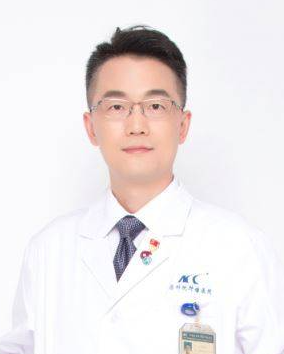 Lichao Sun (孙力超)合作论文数Cancer Hospital, Chinese Academy of Medical Sciences5Xiaoting Wang (王小亭)合作论文数5
 Liang Chen (陈良)合作论文数Guang'anmen Hospital, China Academy of Chinese Medical Sciences5Xiaoqing Wu合作论文数4Yuyue Zhao合作论文数4PeiGang Yin (尹培刚)合作论文数4TianYu Zhao (赵天豫)合作论文数4Xu Huang (黄絮)合作论文数4WenJin Chen (陈文劲)合作论文数4
 Shuiping Zhou (周水平)合作论文数Tasly Pharmaceutical Group Co.,Ltd.4Zhong Zhen (甄仲)合作论文数4Yu Zhao (赵昱)合作论文数4
 Shiyu Du (杜时雨)合作论文数China-Japan Friendship Hospital4
 Min Li (李敏)合作论文数Department of Obstetrics and Gynecology, China-Japan Friendship Hospital4
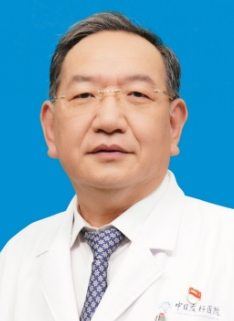 Hongchun Zhang (张洪春)合作论文数China-Japan Friendship Hospital;Beijing University of Chinese Medicine4M G Yin合作论文数3L X Liu合作论文数3Shan-Shan Zhai合作论文数3Wei-Shuo Zhang合作论文数3Qingqing CHEN (陈晴晴)合作论文数3




