Cartilage tissue engineering presents a promising strategy for generating transplantable neocartilage capable of structurally and functionally restoring damaged tissues. However, the neglect of inflammatory responses and the absence of a pro-chondrogenic microenvironment lead to suboptimal regeneration outcomes during in vivo maturation. Guided cartilage regeneration (GCR) is a promising strategy for addressing this challenge through the integration of a physical barrier, an immunomodulatory capacity, and a pro-regenerative microenvironment. In this study, we developed a novel Janus GCR membrane featuring an FGF18-loaded dopamine-modified methacrylated hyaluronic acid hydrogel as the inner layer to promote cartilage-specific extracellular matrix synthesis, combined with a curcumin-grafted oxidized bacterial cellulose nanofiber outer layer that provides both an effective physical barrier and immunomodulatory function. Subsequent proof-of-concept experiments in subcutaneous ectopic models using nude mice and rabbits demonstrated that, following in vitro pre-culture and in vivo maturation, low-seeding-density constructs encapsulated with the GCR membrane achieved robust in vivo cartilage regeneration with properties comparable to those derived from high-cell seeding densities. The GCR membrane effectively modulated the local immune microenvironment and suppressed the invasion of host fibrous connective tissue, even in an aseptic inflammatory microenvironment. More importantly, the modularly assembled toroidal cartilage encapsulated with the GCR membrane successfully matured within the highly vascularized muscle, ultimately enabling the construction of a functional biomimetic trachea for segmental tracheal defect repair. Overall, the nanofiber–hydrogel Janus membrane attenuated local inflammation and fostered an immune and regenerative milieu conducive to ectopic cartilage formation, offering an advanced biomaterial design for next-generation GCR technologies.
OBJECTIVES:The micropapillary pattern is a high-risk factor for postoperative recurrence in lung adenocarcinoma (LUAD), but the role of adjuvant chemotherapy (ACT) in stage IA LUAD with micropapillary pattern (LUADmp) after resection remains unclear. METHODS:From September 2017 to August 2020, in the phase II trial, resected stage IA LUADmp patients received ACT (pemetrexed and carboplatin), forming the ACT-group. While those meeting the trial criteria but declining ACT in the same period were designated as the SoC-group. Recurrence-free survival (RFS) was compared between groups using univariate and multivariate analyses. RESULTS:The number of patients in ACT-group and SoC-group was 81 and 75, respectively. Compared to SoC-group, patients in ACT-group were younger (60.0 years vs 64.0 years, p = 0.019), had a lower proportion of EGFR/ALK mutation (58.0% vs 78.7%, p = 0.006), and had a higher proportion of Spread Through Air Spaces (59.3% vs 40.0%, p = 0.016). At the cut-off date of January 31st 2025, the median duration of follow-up was 65.6 months. Five-year RFS in ACT-group met the prespecified primary end-point, and no significant difference was observed between ACT-group and SoC-group (ACT-group vs SoC-group: 88.9% vs 86.7%, log-rank p = 0.534). Multivariate analysis showed ACT could not predict RFS independently (HR, 0.865, 95% CI, 0.334-2.240, p = 0.765). CONCLUSIONS:ACT was not significantly associated with improved RFS for stage IA LUADmp patients postoperatively. This study was registered at ClinicalTrials.gov: NCT03351842.
BACKGROUND:The optimal treatment for stage III non-small cell lung cancer (NSCLC) patients with bulky N2 disease remains controversial. This study evaluated the efficacy of neoadjuvant chemoimmunotherapy followed by surgery or radiotherapy in these patients. METHODS:Patients diagnosed with stage III (N2) NSCLC with bulky N2 disease who received neoadjuvant chemoimmunotherapy between January 2019 and January 2023 at our institution were retrospectively reviewed. Kaplan-Meier curves and log-rank tests were used to analyze differences in event-free survival (EFS) and overall survival (OS) between the surgery and radiotherapy groups. Cox proportional hazards regression was applied to identify independent risk factors. RESULTS:Included were 65 patients without disease progression after neoadjuvant chemoimmunotherapy: 43 (66.2%) underwent surgery and 22 (33.8%) received radiotherapy. The median follow-up time was 45.3 months. The 3-year EFS and OS rates for the entire cohort were 53.7% and 81.2%, respectively. In multivariable Cox regression analyses, the surgery group showed significantly longer EFS (hazard ratio, 0.15; P = .003) and OS (hazard ratio, 0.18; P = .046) than the radiotherapy group. R0 resection rate was 100%. The major and complete pathological response rates in the surgery group were 55.8% and 27.9%, respectively. CONCLUSIONS:Surgery is a feasible and effective consolidative strategy in a carefully selected subgroup of patients with bulky N2 disease who respond favorably to neoadjuvant chemoimmunotherapy.
BACKGROUND:This study aimed to examine the risk factors for postoperative acute exacerbation (AE) and prognosis in patients with concomitant lung cancer and idiopathic pulmonary fibrosis (LC-IPF). PATIENTS AND METHODS:We retrospectively analyzed 382 patients with LC-IPF who underwent tumor resection. Clinical characteristics and outcomes were compared between patients with and without AE. Logistic regression was used to identify risk factors for AE, while Cox regression was employed to assess factors influencing overall survival (OS). RESULTS:The median age was 69.0 years (male, 87.7%). In total, 19 (5.0%) patients developed perioperative AE, with a 30-day postoperative mortality rate of 2.9%. The median follow-up time was 424 days; 67 patients experienced tumor recurrence, whereas 23 died from IPF-AE. Patients with severe IPF (> 50% of the lungs) demonstrated higher perioperative AE rates (29.4% versus 3.8%, P = 0.001). Patients who received prophylactic steroids demonstrated a lower perioperative AE incidence (6.8% versus 2.1%, P = 0.072). Univariate logistic regression revealed severe IPF and pneumonectomy as risk factors for perioperative AE, whereas prophylactic steroids was protective against AE. Multivariate Cox regression indicated that severe IPF and reduced diffusing capacity for carbon monoxide (DLCO) were associated with poorer OS, while prophylactic steroids had no significant impact on OS. CONCLUSIONS:Patients with severe IPF exhibited higher rates of perioperative AE and poorer OS. Perioperative steroid use may reduce the risk of AE but has not been associated with improved long-term outcomes. These findings highlight the need for individualized perioperative strategies in this high-risk population.
BACKGROUND:Low-dose computed tomography (CT) screening has increased early-stage lung cancer detection, leading to a higher demand for video-assisted thoracoscopic surgery (VATS) lobectomy. Overlapping surgeries optimize resources but raise safety concerns. This study evaluates the safety and efficiency of overlapping VATS lobectomies in a high-volume center. METHODS:We conducted a retrospective cohort study of patients undergoing VATS lobectomy at Shanghai Pulmonary Hospital, Tongji University between 2019 and 2021. Overlapping surgeries, defined as the principal surgeon involved in 2 simultaneous procedures, were stratified by percentage of overlap duration: <50% or ≥50%. Nonoverlapping cases served as the control group. Coarsened exact matching (CEM) was applied to adjust for confounders. The primary outcome was major complications (Clavien-Dindo grade III-IV). Secondary outcomes included 90-day mortality, minor complications, unplanned readmission, hospital length of stay, and intraoperative events. RESULTS:Among 14,352 patients, overlapping cases involved greater preoperative workload (median, 221 minutes vs 85 minutes; P < .001) and later operative start times (P < .001). After CEM, 3216 matched pairs showed no significant differences in major complications, mortality, readmissions, prolonged hospital stay, or minor complications. Intraoperative events (ie, operative time, bleeding, and conversion) showed only small statistical differences without clinical significance. Subgroup analyses confirmed similar outcomes regardless of overlap duration. CONCLUSIONS:When appropriately supervised, overlapping VATS lobectomies are safe, with outcomes unaffected by even ≥50% overlap, thus optimizing efficiency in high-volume centers. This practice enhances surgical efficiency in high-volume centers without compromising patient safety.
Aumolertinib, a third-generation epidermal growth factor receptor tyrosine kinase inhibitor (EGFR-TKI), is widely utilized for advanced EGFR-mutant non-small cell lung cancer patients (NSCLCm). This single-arm, phase II trial (NCT04685070) assessed the feasibility of neoadjuvant Aumolertinib for unresectable stage III NSCLCm. Fifty-six patients were enrolled, with 51 participants receiving neoadjuvant Aumolertinib (110 mg/day, orally) and forming the intention-to-treat population. The primary endpoint was objective response rate (ORR). Secondary endpoints included major pathological response (MPR) rate, pathological complete response (pCR) rate, complete (R0) resection rate, event-free survival (EFS), overall survival (OS), and treatment-related adverse events (TRAEs). The ORR was 70.6% (95% confidence interval: 58%-84%), meeting the pre-specified primary endpoint. Additionally, twenty-three (45.1%) participants converted into resectable disease and underwent surgery. Among them, R0 resection, MPR and pCR rates were 100%, 21.7%, and 13.0%, respectively. The median EFS and OS were not reached. While, the 1- and 2-year EFS rates were 88.2% and 58.8%, respectively. Fatigue (49.0%), alanine aminotransferase concentration elevation (39.2%), and rash (35.3%) were the most common treatment-related adverse events (TRAEs). Grade 3/4 TRAEs occurred in 5 patients (9.8%), and no grade 5 TRAE was recorded. RNA-sequencing based analysis revealed increased infiltration of CD8 + T-cells in post-treatment tumors compared to baseline, particularly in responsive and Ex19-Del mutation tumors. Collectively, neoadjuvant Aumolertinib showed promising efficacy and a surgical conversion rate with a tolerable safety profile for unresecable NSCLCm in stage III, potentially involved in the remodeling of tumor microenvironment.
Immunochemotherapy has shown promising outcomes in treating small-cell lung cancer. To explore whether surgery after immunochemotherapy benefits patients with stage I‒III small-cell lung cancer, we conducted a phase II trial (NCT04539977). Eligible patients received four cycles of anti-PD-L1 antibody (TQB2450) therapy and chemotherapy, followed by surgery or radiotherapy and one-year maintenance immunotherapy (TQB2450). Forty patients were enrolled between December 2020 and January 2023. Thirty-eight (95.0%) patients had stage III disease. We found that the objective response rate, as the primary endpoint of this study, was 92.5% (95% CI: 83.9%‒100%) in the intention-to-treat population. At a median follow-up of 25.8 months, the median event-free survival (EFS) was 16.2 months. The median overall survival (OS) was not reached. The major pathological response and pathological complete response rate of operative patients (n = 21) were 61.9% and 42.9%, respectively. The 24-month EFS and 24-month OS of operative patients were 61.9% and 85.7%, respectively. All patients with N1 disease (n = 9) underwent surgery, with the 24-month EFS of 66.7% and 24-month OS of 88.9%. The most common TQB2450-specific adverse event was rash of grade 1‒2 (12.5%). We further explored the biomarker of immunochemotherapy and molecular changes during immunochemotherapy through bulk-RNA sequencing and whole-exome sequencing. We demonstrated that PRSS8 was a potential biomarker for poor effectiveness of immunochemotherapy. In conclusion, surgery after neoadjuvant immunochemotherapy is feasible for treating patients with stage I‒III small-cell lung cancer.
The efficacy and safety of induction-immunotherapy followed by surgery for unresectable Stage III non-small cell lung cancer (NSCLC) remain challenging. In this open-label, single-center, phase II clinical umbrella trial (ChiCTR2000035367), 100 unresectable Stage III NSCLC patients are enrolled. Patients with PD-L1 expression ≥ 50% but contraindications to anti-angiogenic therapy receive immuno-monotherapy. Patients with PD-L1 expression ≥ 1% and no contraindications to anti-angiogenic therapy receive immunotherapy plus anti-angiogenesis therapy. Patients with PD-L1 expression between 1% and 49%, contraindications to anti-angiogenic therapy, or negative/unknown PD-L1 expression receive chemoimmunotherapy. The primary endpoint is the major pathological response (MPR) rate. Among 47 surgically-treated patients, the MPR rate is 61.7% (95% confidence interval [CI]: 46.4%-75.5%), achieving the prespecified endpoint. For secondary endpoints, the objective response rate for all patients is 54.0% (95% CI: 43.7-64.0). The median event-free survival is 29.9 months (95% CI: 17.0-42.7). Most common adverse event is anemia (49.0%). Exploratory transcriptomic analyses reveal Bone Marrow Stromal Cell Antigen 1 (BST1) as a promising biomarker for response to chemoimmunotherapy. Generally, for unresectable stage III NSCLC patients, anti-PD1 based induction-therapy according to PD-L1 expression and contraindication to antiangiogenic therapy followed by surgery is a feasible option. Induction-immunotherapy before surgery has been suggested for patients with unresectable stage III non-small cell lung cancer (NSCLC). Here, the authors report a phase 2 umbrella clinical trial where patients with unresectable stage III NSCLC receive anti-PD1-based induction-therapy based on PD-L1 expression and contraindications to antiangiogenic therapy.
This multicentre, two-arm, phase 2 study aimed to explore the efficacy and safety of neoadjuvant camrelizumab plus chemotherapy or apatinib in patients with initially unresectable stage II-III non-small-cell lung cancer (NSCLC). Eligible patients regardless of PD-L1 expression received neoadjuvant camrelizumab 200 mg and platinum-doublet chemotherapy every 3 weeks (arm A) or those with PD-L1-positive tumors received neoadjuvant camrelizumab and apatinib 250 mg once daily (arm B), for 2-4 cycles, followed by surgery. The primary endpoint was major pathological response (MPR) rate. Thirty patients in arm A and 21 in arm B were enrolled. Surgery rates were 50.0% (15/30) in arm A and 42.9% (9/21) in arm B, with all patients achieving R0 resections. Of these patients, the MPR and pathological complete response rates were both 20.0% (95% CI 4.3-48.1) in arm A and were 55.6% (95% CI 21.2-86.3) and 11.1% (95% CI 0.3-48.2) in arm B, respectively. The corresponding objective response rates were 33.3% (95% CI 11.8-61.6) and 55.6% (95% CI 21.2-86.3). With a median follow-up of 22.4 months (95% CI 19.0-26.0), the median event-free survival was not reached (NR; 95% CI 13.6-NR) in arm A and 16.8 months (95% CI 8.6-NR) in arm B. Grade 3 or above treatment-related adverse events occurred in eight (26.7%) patients in arm A and three (14.3%) in arm B. Biomarker analysis showed baseline TYROBP expression was predictive of treatment response in arm B. Neoadjuvant camrelizumab plus chemotherapy or apatinib exhibits preliminary efficacy and manageable toxicity in patients with initially unresectable stage II-III NSCLC.
Objectives The study objectives were to evaluate the safety, feasibility, and risk of neurologic complications with the supraclavicular approach in the operative management of cervicothoracic-junction benign neurogenic tumors. Methods Between January 2012 and April 2023, 115 patients who underwent surgical resection for cervicothoracic-junction benign neurogenic tumors were retrospectively enrolled. Patients were divided into 3 groups based on the surgical approach: supraclavicular alone (Supraclav-Alone), n = 16; Transthoracic-Alone (video-assisted thoracoscopic surgery/Open), n = 87; and supraclavicular combined with transthoracic (Supraclav + video-assisted thoracoscopic surgery/open), n = 12. Clinicopathologic variables and postoperative morbidity including neurologic complications were summarized among the groups. Logistic regression analysis was performed to identify predictors for long-term (>6 months) brachial plexus injuries. Results The cohort comprised 28 patients (24.3%) who underwent surgical resection using a supraclavicular approach. The Supraclav-Alone group portended the most cephalad location of tumor, the smallest pathologic tumor size, the shortest operative time, the least blood loss, and the least postoperative pain. The incidence of surgical complications, phrenic nerve neuropraxia, recurrent laryngeal nerve neuropraxia, or Horner’s syndrome was similar among the groups postoperatively. However, use of the supraclavicular-alone approach (adjusted odds ratio, 0.165; 95% CI, 0.017-0.775) was a predictor for long-term brachial plexus injury complications. Among patients who experienced brachial plexus injury complications, the proportion of patients achieving complete resolution was higher among those undergoing a supraclavicular approach group (Supraclav-Alone: 80.0% vs Supraclav + video-assisted thoracoscopic surgery/Open: 60.0% vs video-assisted thoracoscopic surgery/Open: 25.8%). Conclusions The supraclavicular approach may be a safe and feasible strategy in the management of cervicothoracic-junction benign neurogenic tumors that does not increase surgical complications and minimizes the severity of brachial plexus injury.
Background:Data regarding the safety and efficacy of delayed completion lobectomy (CL) following sublobar resections remain scant. We evaluated the technical difficulty and short-term outcomes of CL occurring at least 3 months following the anatomical segmentectomy or wedge resection. Methods:Consecutive non-small cell lung cancer (NSCLC) patients who underwent a second resection within the same lobe at least 3 months after their initial resection from January 2013 to December 2019 at the Shanghai Pulmonary Hospital were retrospectively included. The patients were divided into a segmentectomy group (SG group) and a wedge resection group (WR group) based on their initial resection strategy. Baseline characteristics and short-term outcomes after CL between the two groups were compared. Results:Twenty-five patients undergoing CL were included, nine in the SG group and 16 in the WR group. No deaths occurred within 30 days postoperatively, and the rate of overall postoperative complications was 28.0% (7/25). Statistically significant differences were found in rates of postoperative complications between the two groups (SG: 55.6% vs. WR: 12.5%, P=0.03) and in the use of bronchoplasty or angioplasty during the CL (SG: 33.3% vs. WR: 0.0%, P=0.04). After CL, no significant differences were found in 5-year recurrence-free survival (RFS) (WR: 66.7% vs. SG: 61.0%, P=0.31) or overall survival (OS) (WR: 93.8% vs. SG: 66.7%, P=0.06) between two groups. Conclusions:Delayed CL occurring over 3 months after sublobar resection is a safe and effective procedure, with no deaths occurring within 30 days postoperatively. As compared to a segmentectomy at the time of the index operation, a wedge resection may portend less morbidity, with a decreased risk of needing adjunctive bronchoplasty or angioplasty procedures during CL. After CL, 5-year RFS and OS were comparable between WR and SG groups.
OBJECTIVES:To provide the experience of surgical treatment for bronchiectasis-destroyed lung (BDL) and evaluate the feasibility of video-assisted thoracoscopic surgery (VATS). METHODS:BDL patients underwent surgical treatment between January 2013 and June 2018 were included. Logistic regression was performed to assess factors for major complications, and Cox's regression was performed to assess factors affected symptomatic outcome. RESULTS:Totally, 143 patients were treated by VATS (n = 64) and thoracotomy (n = 79). Nine (14.1%) cases scheduled for VATS were converted to thoracotomy for dense adhesions (n = 6) and frozen hilum (n = 3). The VATS group had a median chest tube duration, hospitalization and a time of returning to full activity of 4 days, 5 days and 1.5 months, respectively. Major complications occurred in 28 (19.6%) of all patients, 50.0% after pneumonectomy and 13.4% after lobectomy/extensive lobectomy. Multivariable analysis identified pneumonectomy [odds ratio, 3.64; 95% confidence interval (CI), 1.18-11.21] as a significant predictor for major complications. Overall, 141 (98.6%) patients benefitted from surgery (completely asymptomatic, n = 109; acceptable alleviation, n = 32). Thirty-four patients experienced relapse of the disease, including 13 with productive cough, 11 with haemoptysis and 10 with recurrent infections. Pseudomonas aeruginosa infection [hazard ratio (HR), 3.07; 95% CI, 1.38-6.83] and extent of remanent bronchiectatic areas (HR, 1.03; 95% CI, 1.00-1.05) were independent risk factors for shorter relapse free interval. CONCLUSIONS:VATS for BDL is feasible in well-selected patients. Pneumonectomy increased the risk of postoperative major complications. Removing all BDL lesions contributed to satisfactory prognosis.
OBJECTIVES:Tracheoesophageal fistula (TEF) is characterized by abnormal connectivity between the posterior wall of the trachea or bronchus and the adjacent anterior wall of the oesophagus. Benign TEF can result in serious complications; however, there is currently no uniform standard to determine the appropriate surgical approach for repairing TEF. METHODS:The PubMed database was used to search English literature associated with TEF from 1975 to October 2023. We employed Boolean operators and relevant keywords: 'tracheoesophageal fistula', 'tracheal resection', 'fistula suture', 'fistula repair', 'fistula closure', 'flap', 'patch', 'bioabsorbable material', 'bioprosthetic material', 'acellular dermal matrix', 'AlloDerm', 'double patch', 'oesophageal exclusion', 'oesophageal diversion' to search literature. The evidence level of the literature was assessed based on the GRADE classification. RESULTS:Nutritional support, no severe pulmonary infection and weaning from mechanical ventilation were the 3 determinants for timing of operation. TEFs were classified into 3 levels: small TEF (<1 cm), moderate TEF (≥1 but <5 cm) and large TEF (≥5 cm). Fistula repair or tracheal segmental resection was used for the small TEF with normal tracheal status. If the anastomosis cannot be finished directly after tracheal segmental resection, special types of tracheal resection, such as slide tracheoplasty, oblique resection and reconstruction, and autologous tissue flaps were preferred depending upon the site and size of the fistula. Oesophageal exclusion was applicable to refractory TEF or patients with poor conditions. CONCLUSIONS:The review primarily summarizes the main surgical techniques employed to repair various acquired TEF, to provide references that may contribute to the treatment of TEF.
Background:Although examinations and therapies for bronchial lung cancer, also called lung cancer (LC), have become more effective and precise, the morbidity and mortality of LC remain high worldwide. Describing the changing profile of LC characteristics over time is indispensable. This study aimed to understand the changes in real-world settings of LC and its characteristics in China. Methods:In this study, 119,785 patients were enrolled from 2012 to 2020 in the Shanghai Pulmonary Hospital. The patients' medical records were extracted from the hospital's database. Demographic characteristics, general clinicopathological information, and blood coagulation indices at the initial diagnoses were analyzed using the Kruskal-Wallis, Nemenyi, chi-squared, and Bonferroni tests. Changes in demographic characteristics during the 8-year study period, namely dynamic changes among different stages and different pathological types, were evaluated. Results:The percentages of female (from 38.50% [323/839] in 2012 to 48.29% [5112/10,585] in 2020) and non-smoking LC (from 69.34% [475/685] to 80.48% [8055/10,009]) patients increased significantly during the study period, with a trend toward a younger age at diagnosis (from 3.58% [30/839] to 8.99% [952/10,585]). Over the study period, the proportion and absolute number of lung adenocarcinoma cases increased (from 67.97% [433/637] to 76.31% [6606/8657]) while the proportion of lung squamous cell carcinoma decreased (from 21.19% [135/637] to 12.08% [1046/8657]). Comprehensive driver gene mutation examination became more common, and epidermal growth factor receptor (EGFR) mutation occurred more frequently in female vs. male (62.03% [12793/20625] vs. 29.90% [8207/27,447]) and non-smoking vs. smoking (53.54% [17,203/32,134] vs. 23.73% [3322/13,997]) patients (both P < 0.001). The distribution of the common driver genes differed among different stages of LC. EGFR mutation was detected most frequently at each stage, and other driver gene alterations were more common in advanced stages (P <0.001). The combination of chemotherapy, targeted therapy, and immunotherapy, as a comprehensive management regimen, gradually became predominant over the study period (P < 0.001). A hypercoagulable state was shown in advanced-stage LC patients and patients with the anaplastic lymphoma kinase fusion, indicated by significantly elevated levels of d-dimer, fibrinogen, and fibrinogen degradation products. Conclusions:This study comprehensively depicted the changing characteristics of Chinese LC patients over an 8-year period to provide preliminary insights into LC treatment.Trial registration: ClinicalTrials.gov, NCT05423236.
The benefit of rivaroxaban in thromboprophylaxis after oncologic lung surgery remains unknown. To evaluate the efficacy and safety of rivaroxaban, patients who underwent thoracic surgery for lung cancer were enrolled, and randomly assigned to rivaroxaban or nadroparin groups in a 1:1 ratio; anticoagulants were initiated 12-24 h after surgery and continued until discharge. Four hundred participants were required according to a noninferiority margin of 2%, assuming venous thromboembolism (VTE) occurrence rates of 6.0% and 12.6% for patients in the rivaroxaban and nadroparin groups, respectively. The primary efficacy outcome was any VTE during the treatment and 30-day follow-up periods. The safety outcome was any on-treatment bleeding event. Finally, 403 patients were randomized (intention-to-treat [ITT] population), with 381 included in per-protocol (PP) population. The primary efficacy outcomes occurred in 12.5% (25/200) of the rivaroxaban group and 17.7% (36/203) of the nadroparin group (absolute risk reduction, -5.2%; 95% confidence interval [CI], [-12.2-1.7]), indicating the noninferiority of rivaroxaban in ITT population. Sensitivity analysis was performed in the PP population and yielded similar results, confirming the noninferiority of rivaroxaban. In the safety analysis population, the incidence of any on-treatment bleeding events did not differ significantly between the groups (12.2% for rivaroxaban vs. 7.0% for nadroparin; relative risk [RR], 1.9; 95% CI, [0.9-3.7]; p = .08), including major bleeding (9.7% vs. 6.5%; RR, 1.6 [95% CI, 0.9-3.7]; p = .24), and nonmajor bleeding (2.6% vs. 0.5%; RR, 5.2 [95% CI, 0.6-45.2]; p = .13). Rivaroxaban for thromboprophylaxis after oncologic lung surgery was shown to be noninferior to nadroparin.
Management of large tracheoesophageal fistulas complicated by tracheal stenosis remains challenging as it requires an ideal replacement for the membranous defect as well as a permanent buttress to reconstruct the stenotic segment. We present the successful use of an autologous free dermal flap reinforced with a pedicled pectoralis major muscle to repair the tracheal membranous wall and a rib cartilage graft to enlarge the tracheal lumen.
Objective:To explore the sex-based heterogeneity in demographic and pathological trends of lung cancer during the past 30 years.Methods:Patients with primary lung cancer who received surgical treatment in the Department of thoracic surgery, Shanghai Pulmonary Hospital Tongji University from 1989 to 2018 were retrospectively analyzed. The differences between male and female patients in age, smoking history, pathological stage and type were compared. Mann- Kendall trend test was performed for trend analysis. Results:A total of 58 433 patients were included in this study, encompassing 30 729(52.6%) men and 27 , 704(47.4%) women. Compared with male patients, female patients were younger(56.0 years old vs. 59.7 years old), and had a higher proportion of non-smokers(98.3% vs. 52.3%), stage Ⅰ lung cancers(60.6% vs. 49.3%), and adenocarcinoma(93.7% vs. 56.1%, all P-values <0.001). Trend analyses revealed that the proportion of female patients increased year by year, and surpassed males in 2015, with the current ratio of male to female being 1∶1.5. After 2013, the age of onset in females was getting younger, and the average age decreased from 58.7 years old to 54.7 years old( P=0.02). The decrease in the proportion of smoking patients was mainly reflected by male patients(from 68.5% to 31.1%, P<0.01). Stage Ⅰ lung cancers in male and females outnumbered advanced stage in 2012 and 2010, respectively, with a much higher proportion in female patients. Among male patients, adenocarcinoma has replaced squamous cell carcinoma as the most common pathological type since 2012, while in female patients adenocarcinoma remained the most common pathological type of lung cancer, and its proportion continued to increase reaching over 98%. Conclusion:A dramatic change in gender distribution was noticed during the past 30 years. Female patients became the primary population in surgically-treated lung cancers, with a trend of getting younger. The proportion of smokers and squamous cell carcinoma decreased significantly in male patients, and adenocarcinoma has become the most common pathological type of lung cancer. The proportion of stage Ⅰ lung cancers was on a dramatic rise, with the popularization of CT screening for lung cancer.
Background: With the exception of very early-stage small cell lung cancer (SCLC), surgery is not typically recommended for this disease; however, incidental resection still occurs. After incidental resection, adjuvant salvage therapy is widely offered, but the evidence supporting its use is limited. This study aimed to explore proper adjuvant therapy for these incidentally resected SCLC cases.Methods: Patients incidentally diagnosed with SCLC after surgery at the Shanghai Pulmonary Hospital in China from January 2005 to December 2014 were included in this study. The primary outcome was overall survival. Patients were classified into different group according to the type of adjuvant therapy they received and stratified by their pathological lymph node status. Patients' survival was analyzed using a Kaplan-Meier analysis and Cox regression analysis.Results: A total of 161 patients were included in this study. Overall 5-year survival rate was 36.5%. For pathological N0 (pN0) cases (n=70), multivariable analysis revealed that adjuvant chemotherapy (ad-chemo) was associated with reduced risk of death [hazard ratio (HR): 0.373; 95% confidence interval (CI): 0.141-0.985, P=0.047] compared to omission of adjuvant therapy. For pathological N1 or N2 (pN1/2) cases (n=91), taking no adjuvant therapy cases as a reference, the multivariable analysis showed that ad-chemo was not associated with a lower risk of death (HR: 0.869; 95% CI: 0.459-1.645, P=0.666), while adjuvant chemo-radiotherapy (ad-CRT) was associated with a lower risk of death (HR: 0.279; 95% CI: 0.102-0.761, P=0.013).Conclusions: Patients who incidentally receive surgical resection and are diagnosed with limited disease SCLC after resection should be offered adjuvant therapy as a salvage treatment. For incidentally resected pN0 cases, ad-chemo should be considered and for pN1/2 cases, ad-CRT should be received.
Lung cancer is the top reason for cancer-related deaths worldwide. The 5-year overall survival rate of lung cancer is approximately 20 % due to the delayed diagnosis and low response rate to regular treatments. Microbiota, both host-microbiota and alien pathogenic microbiota, have been investigated to be involved in a complicated and contradictory relationship with lung cancer initiation, treatments, and prognosis. Disorders of certain host-microbiota and pathogen infection are associated with the risk of lung cancers based on epidemiological evidence, and antibiotics (ATBs) could dramatically impair anti-cancer treatment efficacy, including chemotherapy and immunotherapy. Moreover, probiotics and microbe-mediated drugs are potential approaches to enhance regular anti-tumor treatments. Therefore, the knowledge of the complex dual effect of microbes on lung cancer is beneficial to take their essence and remove their dross. This review offers insight into the current trends and advancements in microbiota or microbial components related to lung cancer.
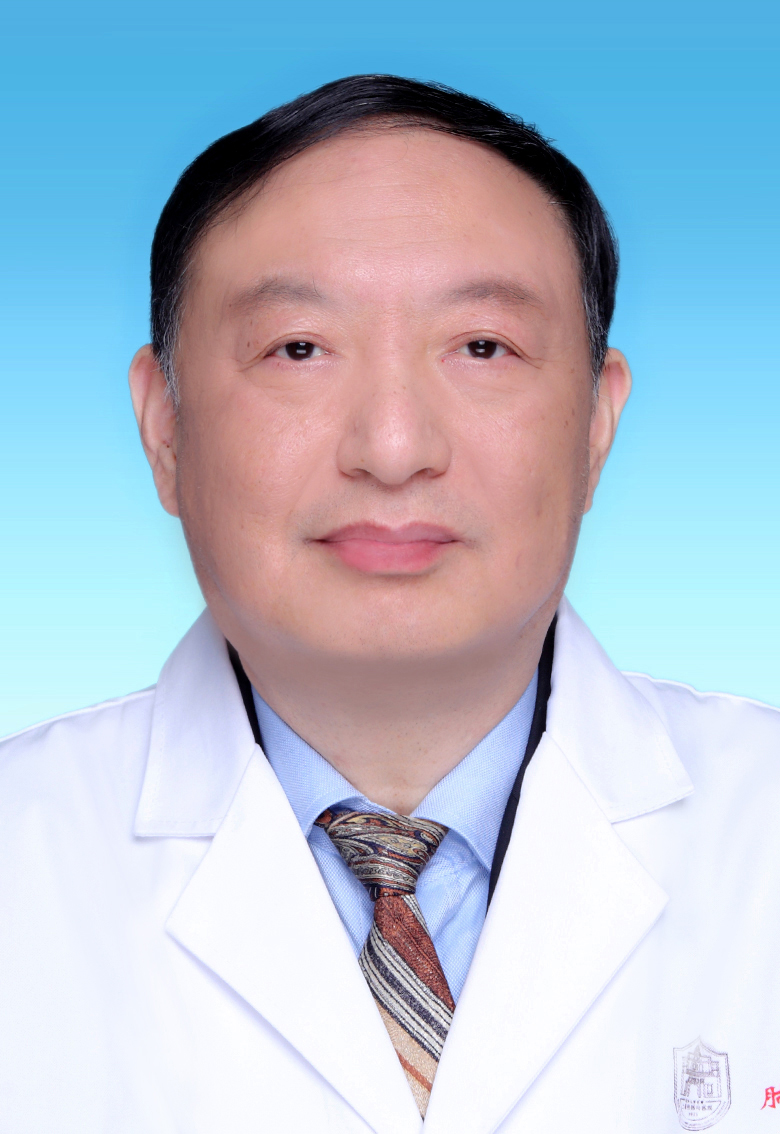 Gening Jiang (姜格宁)合作论文数Shanghai Pulmonary Hospital;School of Medicine, Tongji University37
 Jie Dai (戴洁)合作论文数Shanghai Pulmonary Hospital Affiliated to Tongji University;School of Medicine, Tongji University18
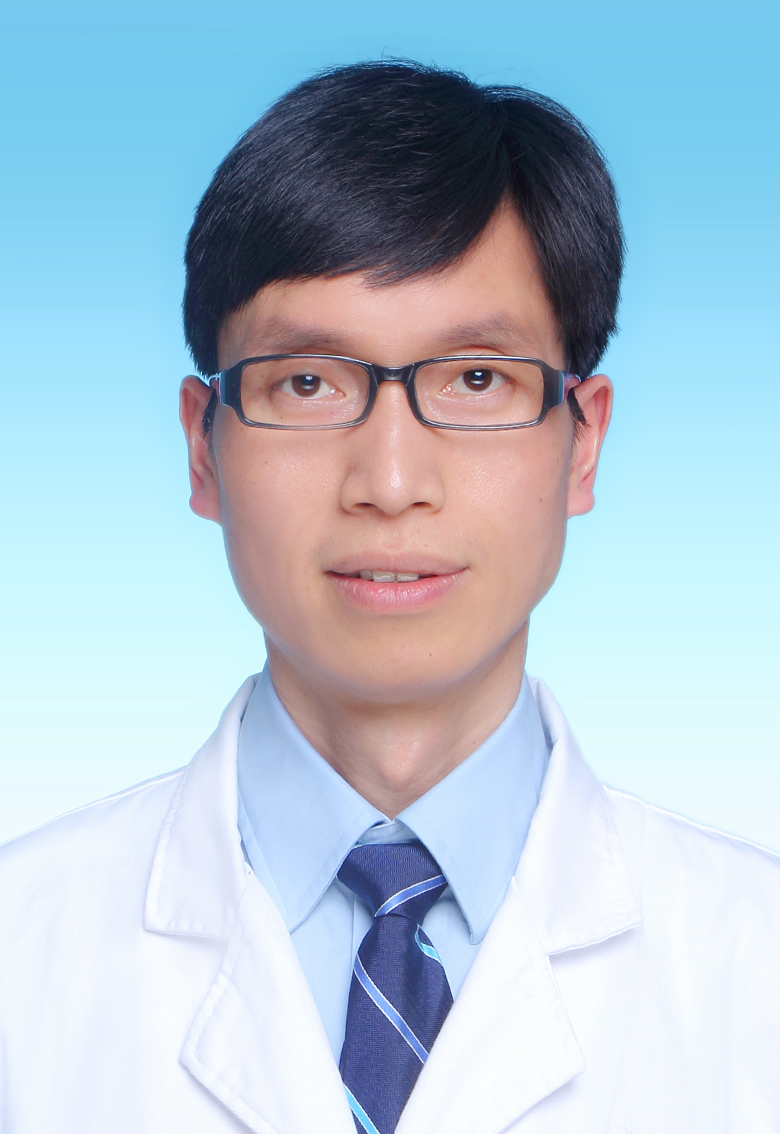 Wenxin He (何文新)合作论文数School of Medicine, Tongji University14
 Yuming Zhu (朱余明)合作论文数上海市肺科医院13
 Chang Chen (陈昶)合作论文数School of Medicine, Tongji University;Shanghai Pulmonary Hospital12
 Kaiqi Jin合作论文数10
 Peng Zhang (张鹏)合作论文数Shanghai Pulmonary Hospital;school of medicine, Tongji University9
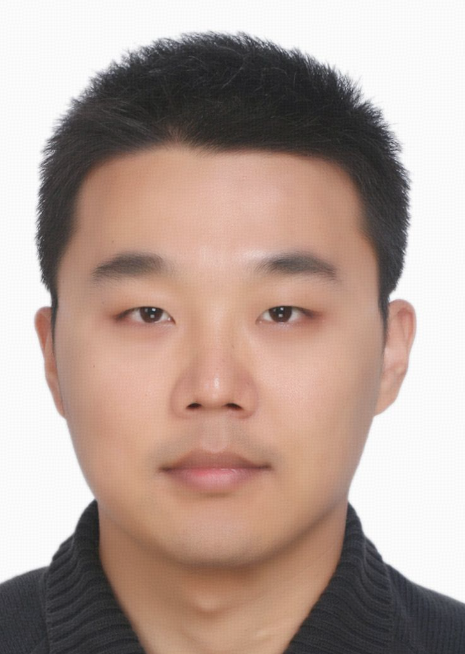 Ming Liu (刘明)合作论文数School of Medicine, Tongji University9
 Deping Zhao (赵德平)合作论文数School of Medicine, Tongji University8
 Xinnan Xu合作论文数Tongji Univ, Shanghai Pulm Hosp, Dept Thorac Surg, 507 Zhengmin Rd, Shanghai 200433, Peoples R China6
 Liang Duan (段亮)合作论文数School of Medicine, Tongji University6
 Nan Song合作论文数5Dongliang Bian合作论文数5
 Cong Ye (叶聪)合作论文数Shanghai Pulmonary Hospital Affiliated to Tongji University;School of Medicine, Tongji University5
 Xinsheng Zhu (朱新生)合作论文数School of Medicine, Tongji University;Shanghai Pulmonary Hospital Affiliated to Tongji University5
 Yang Yang (杨洋)合作论文数Shanghai Pulmonary Hospital;School of Materials Science and Engineering, Tongji University5
 Jie Yang (杨洁)合作论文数Department of Thoracic Surgery, Shanghai Pulmonary Hospital, Tongji University School of Medicine5Minwei Bao合作论文数4
 Haifeng Wang (王海峰)合作论文数Shanghai Pulmonary Hospital;School of Medicine, Tongji University4
 Dong Xie (谢冬)合作论文数School of Medicine, Tongji University;Shanghai Pulmonary Hospital4Xu Xiao-Xiong合作论文数4Lele Zhang合作论文数4Hao Wang合作论文数3Weixi Wang合作论文数3Qiuyuan Li合作论文数3
 Liangdong Sun合作论文数3Linlin Qin合作论文数3Tao Ge合作论文数3王海峰合作论文数同济大学附属肺科医院3Yu Huansha合作论文数3
 Chunyan Wu合作论文数3
 Yayi He (何雅億)合作论文数Department of Oncology, Shanghai Pulmonary Hospital, Tongji University;School of Medicine, Tongji University3Fenghuan Sun合作论文数2Minlin Jiang合作论文数2
 Chenlin Song合作论文数2Haoran Xia合作论文数2
 Mara B Antonoff合作论文数2Yi Bao合作论文数2
 Yunlang She (佘云浪)合作论文数School of Medicine, Tongji University2
 Ziyun Shen合作论文数Res Inst Pancreat Dis, Shanghai Jiao Tong Univ2
 Haoyue Guo合作论文数Tongji Univ, Sch Med, Shanghai 200092, Peoples R China2Fujun Yang合作论文数Shanghai Pulmonary Hospital, School of Medicine, Tongji University2Bin Chen合作论文数2Suyu Wang合作论文数2Junhong Guo合作论文数2Wei Huang合作论文数2Yongmei Yu (郁永梅)合作论文数2Chao Jiang合作论文数2Hui Sun合作论文数2




