INTRODUCTION:This study assessed the effects of the synthesized ACE inhibitory peptide LAP (Leu-Arg-Pro-Val-Ala-Ala) on cognitive impairment in hypertensive rats. METHODS:Rho-associated coiled-coil containing protein kinase (ROCK) activity in peripheral blood mononuclear cells (PBMCs) was initially measured in elderly patients with hypertension and cognitive impairment using western blot analysis. The effect of LAP on the ROCK pathway was studied in a human cell line with ROCK1. Sixteenweek- old male spontaneously hypertensive rats (SHR) received intragastric LAP (500 μg/week) for eight weeks. Cognitive function was assessed using the Morris water maze test, and thoracic aorta remodeling was evaluated by determining the media/lumen ratio through immunohistochemistry. Amyloid beta (Aβ), phosphorylated tau (p-tau), and apoptotic neurons in the hippocampus were examined by western blot analysis and immunohistochemistry. Protein expression and activation related to the ROCK pathway, including moesin, myosin light chain (MLC), and myosin phosphatase target subunit (MYPT), were analyzed in the aorta and hippocampus using western blot and immunohistochemistry. RESULTS:Hypertensive patients with cognitive impairment showed increased phosphorylated/total myosin-binding subunit ratios in PBMCs, indicating higher ROCK pathway activity. In vitro, LAP reduced p-moesin levels, confirming ROCK inhibition. In vivo, oral LAP lowered blood pressure and heart rate in SHR models and improved cognitive function. LAP also reduced aortic remodeling, decreased hippocampal Aβ and p-tau deposition, reduced neuronal apoptosis, and increased neuronal survival. Mechanistically, LAP inhibited ROCK pathway activation in the aorta and hippocampus, similar to the ROCK inhibitor fasudil. DISCUSSION:Hypertension contributes to neurodegenerative changes through the activation of the ROCK signaling pathway. The study found that the ACE inhibitory peptide LAP not only sustainably lowered blood pressure, but also inhibited the ROCK pathway, reducing hippocampal Aβ and p-tau deposition, thereby offering a dual therapeutic approach for hypertension-related cognitive impairment. CONCLUSION:LAP alleviated hypertension-related cognitive impairment in SHR by inhibiting the hippocampal ROCK pathway, showing therapeutic potential.
BACKGROUND:This study aimed to examine the risk factors for postoperative acute exacerbation (AE) and prognosis in patients with concomitant lung cancer and idiopathic pulmonary fibrosis (LC-IPF). PATIENTS AND METHODS:We retrospectively analyzed 382 patients with LC-IPF who underwent tumor resection. Clinical characteristics and outcomes were compared between patients with and without AE. Logistic regression was used to identify risk factors for AE, while Cox regression was employed to assess factors influencing overall survival (OS). RESULTS:The median age was 69.0 years (male, 87.7%). In total, 19 (5.0%) patients developed perioperative AE, with a 30-day postoperative mortality rate of 2.9%. The median follow-up time was 424 days; 67 patients experienced tumor recurrence, whereas 23 died from IPF-AE. Patients with severe IPF (> 50% of the lungs) demonstrated higher perioperative AE rates (29.4% versus 3.8%, P = 0.001). Patients who received prophylactic steroids demonstrated a lower perioperative AE incidence (6.8% versus 2.1%, P = 0.072). Univariate logistic regression revealed severe IPF and pneumonectomy as risk factors for perioperative AE, whereas prophylactic steroids was protective against AE. Multivariate Cox regression indicated that severe IPF and reduced diffusing capacity for carbon monoxide (DLCO) were associated with poorer OS, while prophylactic steroids had no significant impact on OS. CONCLUSIONS:Patients with severe IPF exhibited higher rates of perioperative AE and poorer OS. Perioperative steroid use may reduce the risk of AE but has not been associated with improved long-term outcomes. These findings highlight the need for individualized perioperative strategies in this high-risk population.
BACKGROUND:Neoadjuvant immunochemotherapy (neoICT) is not currently recommended for patients with stage II-IIIB non-small cell lung cancer (NSCLC) harboring oncogenic driver mutations, especially tyrosine kinase inhibitor-sensitizing epidermal growth factor receptor (EGFR) or anaplastic lymphoma kinase (ALK). This study aimed to compare the pathologic response and survival outcomes between neoICT and neoadjuvant chemotherapy (neoChT) in patients with stage II-IIIB NSCLC harboring driver mutations beyond EGFR exon 19 deletion (19del), exon 21 L858R, and ALK rearrangement. METHODS:Patients with stage II-IIIB NSCLC harboring driver mutations (EGFR 20ins/EGFR G719X/KRAS/BRAF/c-MET/HER-2/ROS1/RET/PIK3CA) who underwent neoICT or neoChT followed by curative-intent resection were retrospectively enrolled between November 2019 and August 2023. Kaplan-Meier analysis was performed to evaluate recurrence-free survival (RFS). Multivariable Cox proportional hazards regression was used to identify factors influencing survival outcomes after propensity score matching (2:1). RESULTS:A total of 52 and 24 patients received neoICT and neoChT, respectively. Kirsten rat sarcoma virus (KRAS) mutations were detected in 67.1% (51 of 76) of patients. The major pathologic response (MPR) rates were 53.8% and 4.2%, respectively. NeoICT conferred better RFS than neoChT (2-year RFS rate: 79.5% vs 49.9%; log-rank P = .012). After matching, multivariable Cox proportional hazards regression demonstrated that neoICT was associated with improved RFS compared with neoChT (hazard ratio, 0.33; 95% CI, 0.14-0.80). Similar findings were observed in both the KRAS-mutant and non-KRAS-mutant subgroups. In the neoICT group, nonadenocarcinoma histologic features and elevated programmed cell death ligand 1 levels were correlated with higher MPR rates. CONCLUSIONS:NeoICT resulted in superior pathologic response and survival compared with neoChT in both KRAS-mutant and non-KRAS-mutant subgroups.
Surgical resection is considered the most effective therapeutic method for pulmonary aspergilloma (PA), while the necessity of postoperative antifungal therapy remains controversial. Previous studies have several shortcomings such as retrospective design and inadequate follow-up durations. In this study, we aim to address these evidence gaps by evaluating the effects of postoperative antifungal therapy on both Aspergillus infection recurrence and drug-related side effects. We conducted a prospective, randomized, controlled, single-center clinical trial. Eligible patients with PA who underwent surgical resection at our institute were enrolled and randomly assigned to receive either a 3-month course of voriconazole (VRZ) tablet postoperatively or symptomatic treatment alone. Participants were evaluated for Aspergillus infection recurrence and drug-related side effects every 3 months for 2 years. Ultimately, 36 patients in the VRZ group and 14 patients in the control group were included in the analysis, with balanced baseline characteristics between groups. After a median follow-up of 27 months, no recurrence of Aspergillus infection was observed in either group. Symptomatic improvements (e.g., hemoptysis and white sputum) were comparable between groups. Although serum IgG level significantly increased by 2.22 g/L after VRZ treatment (p < 0.001), other parameters indicating immune activity (CD4+
Background:Platinum-based chemotherapy is the most common combination regimen with immune checkpoint inhibitors (ICIs) in neoadjuvant therapy for resectable non-small cell lung cancer (NSCLC), yet the multimodal strategies of neoadjuvant therapy have not been fully explored. Antiangiogenic therapy is known to modify the tumor immune microenvironment, making it a potential candidate. This study aimed to explore the pathological and survival outcomes of neoadjuvant immunotherapy (IO) combined with antiangiogenic therapy and compare the outcomes with neoadjuvant chemoimmunotherapy (IO + CT) in resectable NSCLC. Methods:The clinical and pathological characteristics of NSCLC patients who underwent neoadjuvant immunotherapy plus antiangiogenic therapy (IO + AA) or IO + CT before radical surgery at a high-volume single center between December 2019 and June 2024 were retrospectively collected. The IO + CT group was matched 4:1 with the IO + AA group by propensity score matching (PSM). The surgical and survival outcomes were systematically collected and analyzed. Results:During a nearly 6-year study period, the majority of patients (411 of 431, 95.4%) underwent neoadjuvant IO + CT, while 20 patients (4.6%) underwent neoadjuvant IO + AA. Following PSM, the major pathological response (MPR) was comparable between the two groups (66.7% vs. 63.3%, P=0.81), whereas the pathological complete response (pCR) had a trend toward reduction (13.3% vs. 38.3%, P=0.07). Meanwhile, the neoadjuvant IO + AA group did not increase the surgical complexity or the overall postoperative complications (20.0% vs. 23.3%, P=0.78). Additionally, no significant difference was observed between the two groups in terms of disease-free survival (DFS) and overall survival (OS) (P=0.16 and P=0.47, respectively). Conclusions:This finding suggests that neoadjuvant IO + AA demonstrates no superiority over neoadjuvant IO + CT in terms of pathological and survival outcomes. Although it may serve as a chemo-free alternative for selective patients, the current evidence supports IO + CT as the standard neoadjuvant strategy in resectable NSCLC.
Introduction Transurethral resection of the prostate (TURP) is the gold standard surgical treatment to lower urinary tract symptoms and benign prostatic obstruction (LUTS/BPO). Although it has been proven to have substantial efficacy in improving functional outcomes, it has shown a high incidence of complications, including transurethral resection syndrome, massive bleeding, urinary incontinence and sexual dysfunction. High-frequency irreversible electroporation (H-FIRE) is a novel non-thermal ablation technique that delivers pulsed high-voltage but low-energy electric current to the cell membrane, thereby leading to cell death. H-FIRE has been reported to be tissue-selective, which leads to fewer side effects. However, no data are available on whether H-FIRE is non-inferior compared with TURP in treating patients with LUTS/BPO regarding safety and efficacy.Methods and analysis This trial is a prospective, single-centre, randomised controlled, double-blinded and non-inferiority study in which all men with LUTS/BPO are included. This study aims to determine whether the HI-FIRE is non-inferior to TURP for achieving better functional outcomes as measured by the co-primary outcome of the change from baseline in maximal flow rate (Qmax) and the urinary symptoms by questionnaire of International Prostate Symptom Score (IPSS) scoring at 3 months after surgical treatment. The main inclusion criteria are men with prostatic volume range 30 to 100 mL, Qmax<15 mL/s and IPSS>8. A sample size of 118 participants is required, accounting for a 20% loss. All participants will be randomly allocated at a ratio of 1:1 to the H-FIRE arm (n=59) and the TURP arm (n=59). The primary outcome is to assess the change from baseline in Qmax and IPSS scoring at 3 months after surgical treatment.Ethics and dissemination Ethical approval was obtained from the ethics committee of Shanghai East Hospital, Tongji University School of Medicine, Shanghai, China. The results of the study will be disseminated and published in international peer-reviewed journals.Trial registration number ClinicalTrials.gov: NCT05306145.
This study aimed to evaluate the efficacy and safety of camrelizumab, an anti-PD-1 antibody, combined with either chemotherapy or apatinib, a VEGFR-2 inhibitor, as neoadjuvant treatment for stage IIA–IIIA NSCLC. This prospective, multicenter, dual-arm, non-randomized phase II trial enrolled participants from four hospitals in China between September 2020 and March 2022. Patients received 2–4 cycles of neoadjuvant treatment followed by surgery. Arm-AR (n = 28) included patients treated with camrelizumab (200 mg every 3 weeks) plus platinum-based chemotherapy, regardless of PD-L1 status. Arm-BR (n = 10) included PD-L1-positive patients treated with camrelizumab (200 mg every 3 weeks) plus apatinib (250 mg daily). The primary endpoint was the major pathological response (MPR) rate. Secondary endpoints included pathological complete response (pCR) rate, objective response rate (ORR), disease control rate (DCR), event-free survival (EFS), overall survival (OS), and safety profiles. In the ITT population, MPR rates were 25.0
OBJECTIVES:Although the ninth edition N descriptors have been validated in upfront surgery populations, evidence supporting their validity in prognostic stratification in the neoadjuvant setting remains sparse. The study aimed to validate the prognostic relevance of exploratory quaternary N scheme refinement relative to the ninth edition N classification in postneoadjuvant non-small cell lung cancer. METHODS:We identified 1005 patients with non-small cell lung cancer who underwent complete resection after neoadjuvant therapy from 4 centers between May 2019 and September 2022. Prognostic difference of adjacent N categories' comparison regarding recurrence-free survival (RFS) and overall survival (OS) was estimated by the log-rank test and the Cox proportional hazards model. Decision curve analysis was performed to quantify incremental survival prediction benefit. RESULTS:According to the ninth edition proposal, posttreatment pathologic (yp) N0, N1, N2a, and N2b were associated with a stepwise deterioration in prognosis, except between N1 and N2a (P = .331 for OS; P = .508 for RFS). In exploratory analyses, integration of multiple N1 station involvement subcategory (N1b) with N2a due to prognostic homogeneity and comparable adjuvant treatment benefit revealed a significant distinction from single N1 station involvement (N1a) (P = .019 for OS; P = .018 for RFS) as well as from N2b (P < .001 for both OS and RFS). Decision curve analysis indicated exploratory quaternary descriptors comprising N0/N1a/N1b+N2a/N2b yielded stronger prognostic relevance than the ninth edition classification. CONCLUSIONS:The ninth edition ypN classification was validated to demonstrate moderate prognostic discrimination in neoadjuvant population. Burden-directed and location-supplemented considerations for exploratory quaternary N scheme can provide novel insights into further ypN refinement.
This study aims to investigate the role and molecular mechanism of circRNA circDNER in lung cancer immune evasion by modulating histone lactylation modification through glutamine metabolic reprogramming to regulate PD-L1 expression. Lung cancer cell models (A549, H1975) were constructed by knocking down circDNER using shRNA (shcircDNER group) and overexpressing PD-L1 (PD-L1 group). A murine LLC xenograft model (C57BL/6, n = 8/group) was used for in vivo studies. The expression and interaction of circDNER, H3K18la, and PD-L1 were analyzed using qPCR, ChIP-qPCR, and dual-luciferase reporter assays. Metabolic reprogramming and immune evasion phenotypes were evaluated through metabolite assays (glutamate, α-KG, lactate), colony formation assays, ELISA (IL-2, IFN-γ), and immunohistochemistry (CD8 + T cells, GZMB). circDNER was significantly elevated in lung cancer tissues and cell lines. Knockdown of circDNER resulted in a 70
Download This Paper Open PDF in Browser Add Paper to My Library Share: Permalink Using these links will ensure access to this page indefinitely Copy URL Copy DOI
OBJECTIVES:To provide the experience of surgical treatment for bronchiectasis-destroyed lung (BDL) and evaluate the feasibility of video-assisted thoracoscopic surgery (VATS). METHODS:BDL patients underwent surgical treatment between January 2013 and June 2018 were included. Logistic regression was performed to assess factors for major complications, and Cox's regression was performed to assess factors affected symptomatic outcome. RESULTS:Totally, 143 patients were treated by VATS (n = 64) and thoracotomy (n = 79). Nine (14.1%) cases scheduled for VATS were converted to thoracotomy for dense adhesions (n = 6) and frozen hilum (n = 3). The VATS group had a median chest tube duration, hospitalization and a time of returning to full activity of 4 days, 5 days and 1.5 months, respectively. Major complications occurred in 28 (19.6%) of all patients, 50.0% after pneumonectomy and 13.4% after lobectomy/extensive lobectomy. Multivariable analysis identified pneumonectomy [odds ratio, 3.64; 95% confidence interval (CI), 1.18-11.21] as a significant predictor for major complications. Overall, 141 (98.6%) patients benefitted from surgery (completely asymptomatic, n = 109; acceptable alleviation, n = 32). Thirty-four patients experienced relapse of the disease, including 13 with productive cough, 11 with haemoptysis and 10 with recurrent infections. Pseudomonas aeruginosa infection [hazard ratio (HR), 3.07; 95% CI, 1.38-6.83] and extent of remanent bronchiectatic areas (HR, 1.03; 95% CI, 1.00-1.05) were independent risk factors for shorter relapse free interval. CONCLUSIONS:VATS for BDL is feasible in well-selected patients. Pneumonectomy increased the risk of postoperative major complications. Removing all BDL lesions contributed to satisfactory prognosis.
Background: There is a rapidly increasing population referring themselves for lung cancer screening in China. This study sought to investigate the clinicopathological characteristics of self-referred versus symptom-driven detection of lung cancer, and the consequences of self-referred behavior in patients ineligible for LDCT screening. Methods: A total of 58,433 patients receiving surgical treatment for primary lung cancer, between 1989 and 2018 were included, 61.2% of whom were self-referred. Overdiagnosis refers to detection of adenocarcinoma in situ (AIS) by self-referred screening. Findings: Lung cancers detected via self-referral rose from 9.5% (n=30) in 1989 to 81.2% (n=10127) in 2018, contributing to a significant decrease in tumor size (AAPC, self-referred: -3.89% versus symptom-driven: -2.72%) and a wider application of wedge resection in tumor ≤1cm (self-referred: 39.9% versus symptom-driven: 30.6%, p<0.001). Self-referred screening independently improved lung cancer survival (HR: 0.74; 95%CI: 0.71-0.78). The proportion of patients eligible for LDCT screening decreased from 41.5% to 10.2% (AAPC: -5.13%), mainly caused by self-referred screening population. Shifts in histology (adenocarcinoma) and stage (stage-I) attributed to self-referred screening were more prevalent in patients ineligible for LDCT screening. Self-referral-associated overdiagnosis rate was 22.0%, dependent on tumor size (≤1cm, 1-2cm, and 2-3cm: 50.5%, 5.3%, and 0.3%, respectively). Interpretation: Increases in self-referred screening have contributed to an early detection, less extensive resection, and improved survival of lung cancer. The favorable shift in cancer stage was more pronounced among self-referred patients who were ineligible for screening, suggesting an opportunity for improved screening protocols. However, the risk of overdiagnosis should not be disregarded. Funding: This study was supported by the National Natural Science Foundation of China (Grant No. 82172848).Declaration of Interest: René Horsleben Petersen reports speaker fee from Medtronic, AMBU, AstraZeneca and Medela and Advisory Board member: AstraZeneca, Roche and MSD. Dominique Gossot reports speaker fee from Medtronic and Johnson&Johnson, and consultant fee from Delacroix- Chevalier. Other authors have no conflicts of interest to declare.Ethical Approval: The study protocol was approved by the Institutional Review Broad of Shanghai Pulmonary Hospital, Tongji University (no. K21-377), and patients informed consent was waived because of its retrospective nature.
Prostate biopsy is the gold standard for diagnosing prostate cancer (PCa). Prostate targeted biopsy (TB) having a higher rate of detecting clinically significant PCa (csPCa) than traditional systematic biopsy (SB) is supported by high‐quality evidence. However, the TB indications and strategies are controversial. The National Cancer Center/Cancer Hospital, Chinese Academy of Medical Sciences, invited a panel of recognized urology experts in PCa to address these topics at the Panjiayuan Consensus Conference 2022. The conference results on prostate TB are presented herein. The National Cancer Center/Cancer Hospital, Chinese Academy of Medical Sciences identified 10 key areas of prostate biopsy: (1) selection of imaging examination; (2) indications of TB; (3) transperineal and transrectal prostate biopsy; (4) TB pathways; (5) TB and SB; (6) three techniques of TB; (7) the number of TB cores needed for one lesion; (8) core number for SB; (9) free‐hand TB; (10) future development of TB/prostate diagnosis. Thus, a panel of 25 recognized urologists and 2 radiologists from China were invited to attend this conference. The panel voted anonymously on 14 predetermined questions. Voting was based on the panelists' clinical practice and opinion, rather than high‐level evidence. The voting outcomes were supported by the panel unequally, and details of the voting results were reported. The voting results can help clinicians to decide on biopsy timing and proper strategies, for which guidelines are sparse. We also focused on the future development of TB and SB, such as the combined pathway of TB and SB, techniques of TB, biopsy cores, free‐hand TB, and prostate‐specific membrane antigen positron emission tomography/computed tomography.
经腹会阴直肠切除术(abdominoperinealresection,APR)是目前最常用的直肠癌手术方式之一,该手术方式可完整地切除末端结肠、直肠与肛门括约肌复合体,会遗留永久性结肠造口[1].当前诊断可疑前列腺癌的主要手段为直肠指检(digitalrectalexamination,DRE)和经直肠超声检查(transrectalultrasonography,TRUS)前列腺穿刺术,两者均需经肛门入路.临床实践中,如何对血清前列腺特异性抗原(prostate-specificantigen,PSA)水平异常或影像学检查提示存在可疑病灶的APR后患者进一步明确诊断,对接诊医师来说是一个难题.国内外学者针对这一困境提出了多种思路,包括超声引导下前列腺穿刺活检[2-4]、CT引导下前列腺穿刺活检[5-10]和MRI引导下前列腺穿刺活检[11]等单一手段引导下的穿刺方式,以及MRI与超声或CT融合引导的前列腺靶向穿刺活检[12-14].本文总结了2例APR后可疑前列腺癌患者应用MRI与CT融合引导下经会阴前列腺靶向穿刺技术的诊断过程.
目的 探究补肾健脾和胃法联合西药治疗老年顽固性便秘效果及对Wexner便秘评分、肠道菌群的影响.方法 选取2019年6月—2021年1月收治的老年顽固性便秘76例,按照治疗方法分为观察组和对照组各38例,对照组给予聚乙二醇治疗,观察组在对照组基础上予以补肾健脾和胃法治疗.比较治疗4周后2组中医证候疗效差异,比较治疗前及治疗4周后2组中医症状积分、便秘严重程度(Wexner便秘评分)、肠道菌群状态、血清学指标[P物质(SP)、血管活性肠肽(VIP)、神经肽Y(NPY)、胃动素(MOT)]变化.结果 观察组总有效率高于对照组(P<0.05).2组治疗4周后中医症状积分、Wexner便秘评分、VIP、NPY水平均较治疗前降低,且观察组低于对照组(P<0.05).2组治疗4周后SP、MOT水平均较治疗前升高,且观察组高于对照组(P<0.05);治疗4周后,观察组双歧杆菌、乳酸杆菌水平高于治疗前和对照组,大肠埃希菌、肠球菌水平低于治疗前和对照组(P<0.05).结论 补肾健脾和胃法联合西药治疗老年顽固性便秘效果较好,可降低Wexner便秘评分,有利于肠道菌群及胃肠道激素水平调节.
There is no unified thoracic surgery training system in China, neither in the trainee selection or evaluation, nor in the training curriculum or the graduation requirements. A literature review was performed for available publications regarding international thoracic surgical training. A brief comparison was made regarding the thoracic surgery residency programs in China, Japan, United States and United Kingdom, including training pathway, recruitments, training content, performance assessment and academic experience. In conclusion, there are four key aspects worth noting. Firstly, an effective residency programme is invaluable to specialty training, and effort should be made to create a unified training programme that allows trainee to progress from residency to specialty training smoothly. Secondly, flexibility and personalization should be allowed in higher specialty training, so that trainee can develop their subspecialty interests. Thirdly, a unified clinical curriculum, selection and standardized income should be promoted to minimalize the variation of training outcome between provinces. Fourthly, additional training and time should be allowed for trainee who wants to pursue an academic career, and academic outcomes should be evaluated alongside with the standard clinical training.
Background This trial aimed to analyse the safety, effectiveness and transcriptomic characteristics of neoadjuvant toripalimab plus chemotherapy in II–III non-small-cell lung cancer (NSCLC). Methods Patient eligibility mainly involved treatment-naive, clinical stage II–III and wild-type EGFR/ALK NSCLC. The patients received 2–4 cycles of toripalimab (240 mg q3w) plus carboplatin-based chemotherapy. After the second treatment cycle, all patients were re-evaluated by a multidisciplinary team. Candidates eligible for surgery underwent surgery; otherwise, patients received the remaining treatment cycles. The primary endpoints were safety and major pathological response (MPR). Secondary endpoints were R0 resection rate, progression-free survival (PFS) and overall survival (OS). RNA sequencing of baseline and post-treatment samples was conducted to explore the transcriptomic characteristics of the therapeutic response. Results In total, 50 eligible patients were enrolled, including 12 (24.0%) with resectable disease (RD) and 38 (76.0%) with potentially resectable disease (PRD). Treatment-related adverse events (TRAEs) were recorded in 48 cases (96.0%). Severe TRAEs occurred in 3 (6.0%) cases, including myelosuppression, drug-induced liver injury and death related to haemoptysis. The objective response rate (ORR) was 76.0%, with 8 (16.0%) patients having a complete response (CR), 30 (60.0%) partial response (PR), 10 (20.0%) stable disease (SD) and 2 (4.0%) progressive disease (PD). Surgery could be achieved in 12 (100%) patients with RD and 25 (65.8%) with PRD; 1 (2.0%) with PRD refused surgery. Therefore, R0 resection was performed for all 36 (100%) patients who underwent surgery; 20 (55.6%) achieved MPR, including 10 (27.8%) with a complete pathological response (pCR). The CHI3L1 (chitinase-3-like protein 1) immunohistochemistry (IHC) expression of baseline tumour samples could predict the therapeutic response (AUC=0.732), OS ( P =0.017) and PFS ( P =0.001). Increased PD-1 expression, T cell abundance and immune-related pathway enrichment were observed in post-treatment samples compared to baseline in the response group (CR+PR) but not in the non-response group (SD+PD). Conclusions Neoadjuvant toripalimab plus chemotherapy was safe and effective, with a high MPR and manageable TRAEs for II–III NSCLC, even converting initially PRD to RD. Disparate transcriptomic characteristics of therapeutic efficiency were observed, and CHI3L1 expression predicted therapeutic response and survival. Trial registration ChiCTR1900024014, June 22, 2019.
Objectives The study investigated whether wedge resection plus adequate lymph nodes resection conferred comparable survival to lobectomy for node-negative non-small cell lung cancer (NSCLC) ≤2 cm. Methods The Surveillance, Epidemiology, and End Results database was used to identify patients diagnosed with node-negative NSCLC ≤2 cm and underwent wedge resection or lobectomy (2004-2015). Patients were stratified by the procedure (wedge resection, lobectomy) and the size of NSCLC (≤1 cm, 1-2 cm). We assessed survival between patients undergoing wedge resection and lobectomy. The optimal number of lymph nodes resected which made those two procedures comparable was explored by using Kaplan-Meier analysis and Cox regression analysis. Propensity score matching was performed to minimize the effect of confounding factors. Results 7893 patients with lobectomy and 2536 patients with wedge resection were identified. Wedge resection was associated with worse survival either in the ≤1 cm or 1-2 cm NSCLC before and after matching. For lesions 1-2 cm and receiving lobectomy, more lymph nodes resected conferred statistically significant increase on survival and six nodes were optimal. For lesions ≤1 cm and receiving lobectomy, lymph nodes resection had no impact on survival. Wedge resection and lobectomy were comparable when one or more nodes for lesions ≤1 cm and six or more nodes for lesions 1-2 cm were resected. Conclusions Wedge resection was inferior to lobectomy for NSCLC ≤1 cm and 1-2 cm. Wedge resection plus adequate lymph nodes resection was comparable to lobectomy.
目的 比较肺段切除术和肺叶切除术在直径≤2 cm且术中冰冻证实微乳头和实性亚型阴性肺腺癌中的治疗效果。方法 纳入2020年6月至2021年3月多中心行肺段切除术或肺叶切除术的234例肺腺癌患者。根据随机数字表法将患者分为两组:肺段切除组(段切组)119例,男44例、女75例,年龄(56.6±8.9)岁;肺叶切除组(叶切组)115例,男43例、女72例,年龄(56.2±9.5)岁。比较两组患者临床资料。结果 两组患者术前基线资料差异无统计学意义(P>0.05)。两组患者均无围术期死亡病例。两组患者在手术时间[(111.2±30.0)min vs.(107.3±34.3)min]、术中失血量[(54.2±83.5)mL vs.(40.0±16.4)mL]、引流管拔管时间[(2.8±0.6)d vs.(2.6±0.6)d]、住院时间[(3.9±2.3)d vs.(3.7±1.1)d]和病理分期方面差异均无统计学意义(P>0.05)。叶切组患者术后半年用力肺活量(2.9 L vs. 3.1 L,P=0.014)和一秒用力呼气容积占预计值的百分比(79.2%vs. 82.0%,P=0.034)均比术前差,差异有统计学意义;段切组患者术前术后差异无统计学意义(3.1 L vs. 2.9L,P=0.131;81.8%vs. 81.4%,P=0.689)。结论 肺段切除术可有效保护患者肺功能,有望改善患者术后生活质量。
 Gening Jiang (姜格宁)合作论文数Shanghai Pulmonary Hospital;School of Medicine, Tongji University55
 Yuming Zhu (朱余明)合作论文数上海市肺科医院22
 Xu Gao (高旭)合作论文数Changhai Hospital21
 Wenxin He (何文新)合作论文数School of Medicine, Tongji University21
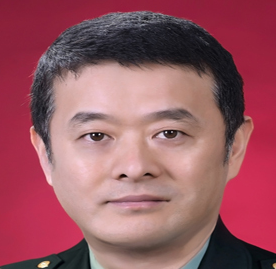 Yinghao Sun (孙颖浩)合作论文数Naval Medical University20
 Jia-an DING (丁嘉安)合作论文数19
 Chang Chen (陈昶)合作论文数School of Medicine, Tongji University;Shanghai Pulmonary Hospital18
 Peng Zhang (张鹏)合作论文数Shanghai Pulmonary Hospital;school of medicine, Tongji University18
 Dong Xie (谢冬)合作论文数School of Medicine, Tongji University;Shanghai Pulmonary Hospital17
 Yan Wang (王燕)合作论文数第二军医大学长海医院16
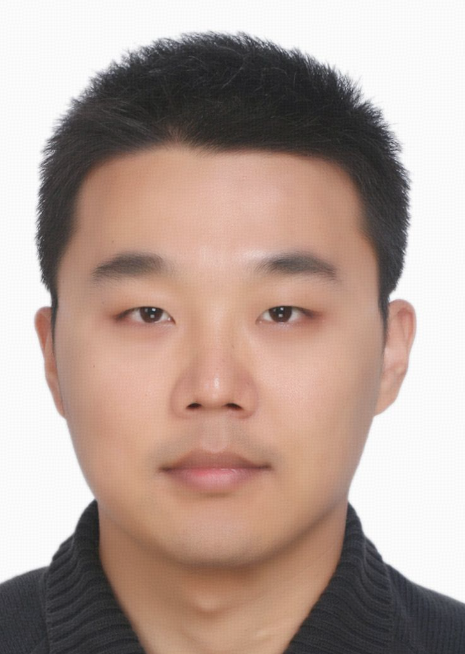 Ming Liu (刘明)合作论文数School of Medicine, Tongji University16
 Qiankun Chen (陈乾坤)合作论文数Shanghai Pulmonary Hospital Affiliated to Tongji University;School of Medicine, Tongji University12Xie Nanzi合作论文数11
 Xiao Zhou (周晓)合作论文数Shanghai Pulmonary Hospital Affiliated to Tongji University;School of Medicine, Tongji University11
 Chuanliang Xu (许传亮)合作论文数Changhai Hospital11
 Deping Zhao (赵德平)合作论文数School of Medicine, Tongji University10Chunfei Ma合作论文数9
 Nan Song合作论文数9
 Jie Dai (戴洁)合作论文数Shanghai Pulmonary Hospital Affiliated to Tongji University;School of Medicine, Tongji University9BangZhen Luo (罗帮镇)合作论文数9Xin Lu (鲁欣)合作论文数9
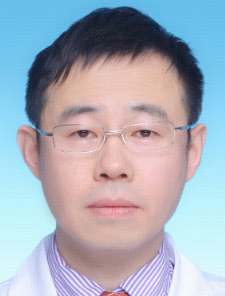 Liang Duan (段亮)合作论文数School of Medicine, Tongji University9Zhenkai Shi合作论文数8BoXiong Xie (谢博雄)合作论文数8
 Xiaofeng Chen (陈晓峰)合作论文数 Department of Thoracic Surgery,Shanghai Pulmonary Hospital Affiliated to Tongji University,Shanghai ,China8Kaiqi Jin合作论文数7YiMing Zhou (周逸鸣)合作论文数7
 Wen Gao (高文)合作论文数Huadong Hospital Affiliated to Fudan University6
 Jian Li (李健)合作论文数Tongji Hospital of Tongji University;School of Medicine, Tongji University6Hongdou Ding合作论文数5Yifan Chang合作论文数5Ting SHI (施挺)合作论文数5Xia Sheng (盛夏)合作论文数5
 Hao Wang (汪浩)合作论文数School of Medicine, Tongji University5
 Yang Yang (杨洋)合作论文数Shanghai Pulmonary Hospital;School of Materials Science and Engineering, Tongji University5Xu Xiao-Xiong合作论文数5
 Jiang Fan (范江)合作论文数Shanghai Pulmonary Hospital;Shanghai General Hospital, Shanghai Jiao Tong University5Yang Liu (刘阳)合作论文数5Biming He合作论文数4Huikang Xie合作论文数4Siming Jiang合作论文数4
 Liangdong Sun合作论文数4Yaoming Li合作论文数4
 Ming Luo (罗明)合作论文数Tongji Hospital Affiliated to Tongji University;School of Medicine, Tongji University4
 Ziyu Fang合作论文数4
 Xiaogang Liu (刘小刚)合作论文数Shanghai Pulmonary Hospital4
 Ke Fei (费苛)合作论文数School of Medicine, Tongji University4
 Hongcheng Liu (刘鸿程)合作论文数Shanghai Pulmonary Hospital4
 Zhensheng Zhang (张振声)合作论文数Cubic Defense Applications4




