Modern pretrained self-supervised automatic speech recognition models are trained on large-scale audio data to encode speech into contextualized representations. However, their training data are heavily skewed toward high-resource languages with little data from low-resource languages, raising concerns about the potential underrepresentation of typologically uncommon speech sounds such as click consonants primarily found in Khoisan languages. This leads to our central research question: Can these models recognize click consonants as accurately as other speech sounds? To address this question, we fine-tune and compare pretrained self-supervised speech models (Wav2Vec2 and HuBERT) on data from two click-rich Khoisan languages (G|ui and West !Xoon). Our results reveal that the fine-tuned models consistently recognize clicks more accurately than non-clicks, suggesting that self-supervision enables generalization across human speech sounds including rare phonemes.
We present the transformer cookbook: a collection of techniques for directly encoding algorithms into a transformer's parameters. This work addresses the steep learning curve of such endeavors, a problem exacerbated by a fragmented literature where key results are scattered across numerous papers. In particular, we synthesize this disparate body of findings into a curated set of recipes that demonstrate how to implement everything from basic arithmetic in feed-forward layers to complex data routing via self-attention. Our mise en place of formulations is for both newcomers seeking an accessible entry point and experts in need of a systematic reference. This unified presentation of transformer constructions provides a foundation for future work spanning theoretical research in computational complexity to empirical investigations in architecture design and interpretability.
Most expressivity results for transformers treat them as language recognizers (which accept or reject strings), and not as they are used in practice, as language models (which generate strings autoregressively and probabilistically). We characterize the probability distributions that transformer language models can express. We show that making transformer language recognizers autoregressive can sometimes increase their expressivity, and that making them probabilistic can break equivalences that hold in the non-probabilistic case. Our overall contribution is to tease apart what functions transformers are capable of expressing, in their most common use-case as language models.
Length generalization is a key property of a learning algorithm that enables it to make correct predictions on inputs of any length, given finite training data. To provide such a guarantee, one needs to be able to compute a length generalization bound, beyond which the model is guaranteed to generalize. This paper concerns the open problem of the computability of such generalization bounds for CRASP, a class of languages which is closely linked to transformers. A positive partial result was recently shown by Chen et al. for CRASP with only one layer and, under some restrictions, also with two layers. We provide complete answers to the above open problem. Our main result is the non-existence of computable length generalization bounds for CRASP (already with two layers) and hence for transformers. To complement this, we provide a computable bound for the positive fragment of CRASP, which we show equivalent to fixed-precision transformers. For both positive CRASP and fixed-precision transformers, we show that the length complexity is exponential, and prove optimality of the bounds.
We study conditions under which transformers using soft attention can simulate hard attention, that is, effectively focus all attention on a subset of positions. First, we examine several subclasses of languages recognized by hard-attention transformers, which can be defined in variants of linear temporal logic. We demonstrate how soft-attention transformers can compute formulas of these logics using unbounded positional embeddings or temperature scaling. Second, we demonstrate how temperature scaling allows softmax transformers to simulate general hard-attention transformers, using a temperature that depends on the minimum gap between the maximum attention scores and other attention scores.
Existing sentence representations primarily encode what a sentence says, rather than how it is expressed, even though the latter is important for many applications. In contrast, we develop sentence representations that capture style and dialect, decoupled from semantic content. We call this the task of idiolectal representation learning. We introduce IDIOLEX, a framework for training models that combines supervision from a sentence's provenance with linguistic features of a sentence's content, to learn a continuous representation of each sentence's style and dialect. We evaluate the approach on dialects of both Arabic and Spanish. The learned representations capture meaningful variation and transfer across domains for analysis and classification. We further explore the use of these representations as training objectives for stylistically aligning language models. Our results suggest that jointly modeling individual and community-level variation provides a useful perspective for studying idiolect and supports downstream applications requiring sensitivity to stylistic differences, such as developing diverse and accessible LLMs.
Low-resource automatic speech recognition (ASR) commonly relies on cross-lingual transfer, where models are adapted from higher-resource donor languages. However, selecting donors remains challenging for spontaneous speech from under-resourced language communities, due to linguistic variation, evolving orthographic conventions, and uneven resource availability. We present DonorRank, a learning-to-rank framework for predicting effective donor languages for zero-shot ASR. We evaluate DonorRank on two multilingual speech corpora of Indic and African language families. It accurately predicts donor language rankings and improves donor selection over common heuristics based on genetic similarity or high-resource languages. Beyond improving transfer, we show how DonorRank is a general framework for analyzing donor language selection itself. Our analyses show that the composition of the donor set determines which linguistic cues are useful in predicting successful transfer. We also identify transfer patterns that provide practical guidance for multilingual ASR in low-resource settings.
Dialectal variation remains a major challenge for multilingual language models. Perturbation-based continued pre-training (CPT) has emerged as a promising approach to improving robustness, yet existing work largely evaluates individual perturbation strategies in isolation and provides limited insight into why they work. We present a systematic study of perturbation-based CPT for multilingual dialect robustness in LLMs, comparing six training conditions across nine German, Italian, and Arabic dialect tasks. Perturbation-based CPT, especially character-noised CPT, consistently improves zero-shot dialect robustness while largely preserving standard variety performance. More importantly, we show that methods with similar downstream performance induce distinct mechanisms of robustness, exhibiting different patterns of language model adaptation, representational alignment, and prediction repair. Our results provide a more complete understanding of how synthetic surface variation improves robustness and offer practical guidance for selecting CPT strategies in multilingual and dialectal settings.
We conduct an empirical study of cross-lingual transfer using spontaneous, noisy, and code-mixed speech across a wide range of Indic dialects and language varieties. Our results indicate that although ASR performance is generally improved with reduced phylogenetic distance between languages, this factor alone does not fully explain performance in dialectal settings. Often, fine-tuning on smaller amounts of dialectal data yields performance comparable to fine-tuning on larger amounts of phylogenetically-related, high-resource standardized languages. We also present a case study on Garhwali, a low-resource Pahari language variety, and evaluate multiple contemporary ASR models. Finally, we analyze transcription errors to examine bias toward pre-training languages, providing additional insight into challenges faced by ASR systems on dialectal and non-standardized speech.
Language endangerment poses a major challenge to linguistic diversity worldwide, and technological advances have opened new avenues for documentation and revitalization. Among these, automatic speech recognition (ASR) has shown increasing potential to assist in the transcription of endangered language data. This study focuses on Ikema, a severely endangered Ryukyuan language spoken in Okinawa, Japan, with approximately 1,300 remaining speakers, most of whom are over 60 years old. We present an ongoing effort to develop an ASR system for Ikema based on field recordings. Specifically, we (1) construct a -hour speech corpus from field recordings, (2) train an ASR model that achieves a character error rate as low as 15%, and (3) evaluate the impact of ASR assistance on the efficiency of speech transcription. Our results demonstrate that ASR integration can substantially reduce transcription time and cognitive load, offering a practical pathway toward scalable, technology-supported documentation of endangered languages.
Most expressivity results for transformers treat them as language recognizers (which accept or reject strings), and not as they are used in practice, as language models (which generate strings autoregressively and probabilistically). We characterize the probability distributions that transformer language models can express. We show that making transformer language recognizers autoregressive can sometimes increase their expressivity, and that making them probabilistic can break equivalences that hold in the non-probabilistic case. Our overall contribution is to tease apart what functions transformers are capable of expressing, in their most common use-case as language models.
We study the sequence-to-sequence mapping capacity of transformers by relating them to finite transducers, and find that they can express surprisingly large classes of (total functional) transductions. We do so using variants of RASP, a programming language designed to help people "think like transformers,"as an intermediate representation. We extend the existing Boolean variant B-RASP to sequence-to-sequence transductions and show that it computes exactly the first-order rational transductions (such as string rotation). Then, we introduce two new extensions. B-RASP[pos] enables calculations on positions (such as copying the first half of a string) and contains all first-order regular transductions. S-RASP adds prefix sum, which enables additional arithmetic operations (such as squaring a string) and contains all first-order polyregular transductions. Finally, we show that masked average-hard attention transformers can simulate S-RASP.
Multilingual machine translation (MT) benchmarks play a central role in evaluating the capabilities of modern MT systems. Among them, the FLORES+ benchmark is widely used, offering English-to-many translation data for over 200 languages, curated with strict quality control protocols. However, we study data in four languages (Asante Twi, Japanese, Jinghpaw, and South Azerbaijani) and uncover critical shortcomings in the benchmark’s suitability for truly multilingual evaluation. Human assessments reveal that many translations fall below the claimed 90% quality standard, and the annotators report that source sentences are often too domain-specific and culturally biased toward the English-speaking world. We further demonstrate that simple heuristics, such as copying named entities, can yield non-trivial BLEU scores, suggesting vulnerabilities in the evaluation protocol. Notably, we show that MT models trained on naturalistic data perform poorly on FLORES+ while achieving significant gains on our domain-relevant evaluation set. Based on these findings, we advocate for multilingual MT benchmarks that use domain-general, named-entity-agnostic, and culturally neutral source texts to better reflect real-world translation challenges.
In this work, we present three Zenodo repositories related to the creation of digital editions for Latin texts. The first is the Notre Dame Digitized Latin Collection (ND-DLC), which contains over 550,000 words of Latin in TEI-XML. The second is the Corpus Correctum (Cor2), a dataset offering 3.4 million characters’ worth of data in TSV, PNG, and TXT formats for training optical character recognition (OCR) and post-OCR correction systems. The third is ND-DLC-Tools: a set of Python scripts for reproducing our digitization workflow. Together, these repositories make many Latin texts computationally accessible and provide resources to bolster digitization efforts.
This paper introduces three self-contained data augmentation methods for low-resource Automatic Speech Recognition (ASR). Our techniques first generate novel text–using gloss-based replacement, random replacement, or an LLM-based approach–and then apply Text-to-Speech (TTS) to produce synthetic audio. We apply these methods, which leverage only the original annotated data, to four languages with extremely limited resources (Vatlongos, Nashta, Shinekhen Buryat, and Kakabe). Fine-tuning a pretrained Wav2Vec2-XLSR-53 model on a combination of the original audio and generated synthetic data yields significant performance gains, including a 14.3
We present an interactive machine translation (MT) system designed for users who are not proficient in the target language. It aims to improve trustworthiness and explainability by identifying potentially mistranslated words and allowing the user to intervene to correct mistranslations. However, confidence estimation in machine translation has traditionally focused on the target side. Whereas the conventional approach to source-side confidence estimation would have been to project target word probabilities to the source side via word alignments, we propose a direct, alignment-free approach that measures how sensitive the target word probabilities are to changes in the source embeddings. Experimental results show that our method outperforms traditional alignment-based methods at detection of mistranslations.
We present a suite of experiments that allow us to understand the underlying challenges of language model adaptation to nonstandard text. We do so by designing interventions that approximate core features of user-generated text and their interactions with existing biases of language models. Applying our interventions during language model adaptation to nonstandard text variations, we gain important insights into when such adaptation is successful, as well as the aspects of text variation and noise that are particularly difficult for language models to handle. For instance, on text with character-level variation, out-of-the-box performance improves even with a few additional training examples but approaches a plateau, suggesting that more data is not the solution. In contrast, on text with variation involving new words or meanings, far more data is needed, but it leads to a massive breakthrough in performance. Our findings reveal that existing models lack the necessary infrastructure to handle diverse forms of nonstandard text, guiding the development of more resilient language modeling techniques. We make the code for our interventions, which can be applied to any English text data, publicly available.
It has been observed that transformers with greater depth (that is, more layers) have more capabilities, but can we establish formally which capabilities are gained with greater depth? We answer this question with a theoretical proof followed by an empirical study. First, we consider transformers that round to fixed precision except inside attention. We show that this subclass of transformers is expressively equivalent to the programming language C-RASP and this equivalence preserves depth. Second, we prove that deeper C-RASP programs are more expressive than shallower C-RASP programs, implying that deeper transformers are more expressive than shallower transformers (within the subclass mentioned above). These results are established by studying a form of temporal logic with counting operators, which was shown equivalent to C-RASP in previous work. Finally, we provide empirical evidence that our theory predicts the depth required for transformers without positional encodings to length-generalize on a family of sequential dependency tasks.
Previous work has shown that the languages recognized by average-hard attention transformers (AHATs) and softmax-attention transformers (SMATs) are within the circuit complexity class TC^0. However, these results assume limited-precision arithmetic: using floating-point numbers with O(log n) bits (where n is the length of the input string), Strobl showed that AHATs can be approximated in L-uniform TC^0, and Merrill and Sabharwal showed that SMATs can be approximated in DLOGTIME-uniform TC^0. Here, we improve these results, showing that AHATs with no approximation, SMATs with O(poly(n)) bits of floating-point precision, and SMATs with at most 2^-O(poly(n)) absolute error are all in DLOGTIME-uniform TC^0.
As transformers have gained prominence in natural language processing, some researchers have investigated theoretically what problems they can and cannot solve, by treating problems as formal languages. Exploring such questions can help clarify the power of transformers relative to other models of computation, their fundamental capabilities and limits, and the impact of architectural choices. Work in this subarea has made considerable progress in recent years. Here, we undertake a comprehensive survey of this work, documenting the diverse assumptions that underlie different results and providing a unified framework for harmonizing seemingly contradictory findings.
 Antonis Anastasopoulos合作论文数Department of Computer Science, George Mason University12
 Kevin Knight (武凯文)合作论文数Didi Global12
 Andy J Yang (杨加锋)合作论文数NLP Lab, University of Notre Dame9
 Aarohi Srivastava合作论文数Natural Language Processing Lab, University of Notre Dame9
 Kenton Murray合作论文数HLTCOE, Johns Hopkins Univ9
 Ashish Vaswani合作论文数Essential AI9
 Toan Nguyen合作论文数Economic8
 Brian DuSell (杜亦然)合作论文数Department of Computer Science, ETH Zürich7
 Chihiro Taguchi (田口智大)合作论文数Kellogg Institute for International Studies, Keough School of Global Affairs, University of Notre Dame;Department of Computer Science and Engineering, College of Engineering, University of Notre Dame7
 Michael Pust合作论文数6
 Dana Angluin合作论文数Department of Computer Science, Yale University6
 Aravind K. Joshi合作论文数Department of Computer and Information Science, University of Pennsylvania6
 Ulf Hermjakob合作论文数University of Southern California, Marina del Rey, CA6
 Liang Huang合作论文数College of Engineering, Oregon State University5
 Justin DeBenedetto合作论文数University of Notre Dame5
 Ryan Cotterell合作论文数Department of Computer Science, ETH Zurich;Department of Computer Science and Technology, University of Cambridge5
 Mark Dras合作论文数Macquarie University, Sydney, Australia5
 Adam Lopez合作论文数Institute for Language, Cognition and Computation, School of Informatics, University of Edinburgh5
 Lena Strobl合作论文数4
 Stephen Bothwell合作论文数Department of Computer Science and Engineering, University of Notre Dame4
 Tomer Levinboim合作论文数Google4
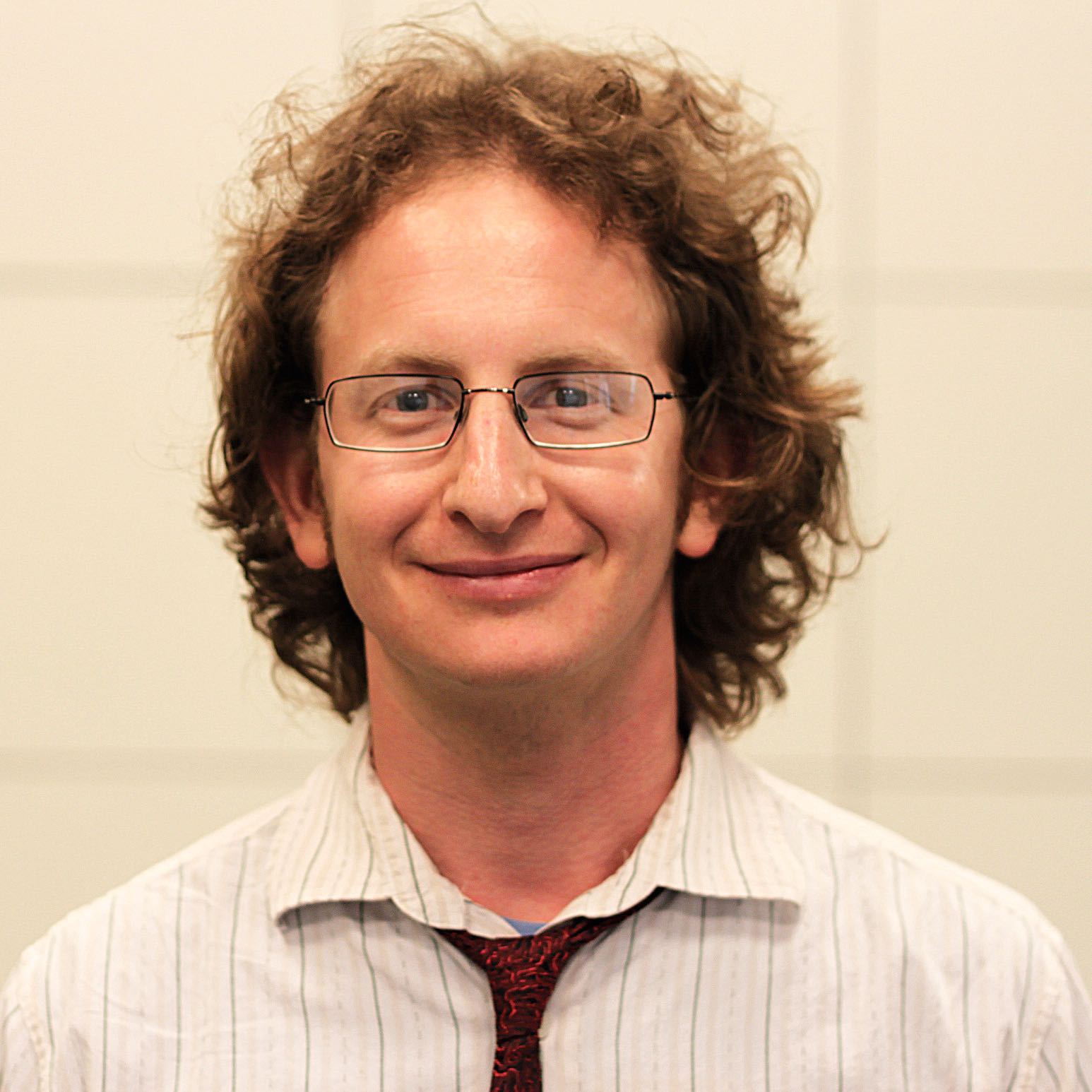 Jonathan May合作论文数Thomas Lord Department of Computer Science, Viterbi School of Engineering, University of Southern California;Amazon4
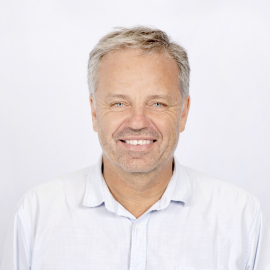 Steven Bird合作论文数Northern Institute, Charles Darwin University;Faculty of Arts & Society, Charles Darwin University4
 Trevor Cohn合作论文数School of Computing and Information Systems, Faculty of Engineering and Information Technology, The University of Melbourne;Google4Ying Lin合作论文数Apple4
 Di Lu (卢迪)合作论文数Dataminr Inc.4
 Tim Weninger合作论文数Department of Computer Science and Engineering, College of Engineering, University of Notre Dame;Lucy Family Institute for Data and Society, University of Notre Dame;Pulte Institute for Global Development, University of Notre Dame;Technology Ethics Center, University of Notre Dame4
 Graham Neubig合作论文数Language Technologies Institute, School of Computer Science, Carnegie Mellon University4
 Steve Deneefe合作论文数RWS Language Weaver4
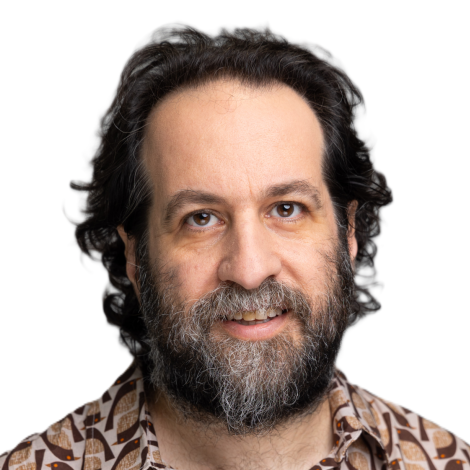 Yoav Goldberg合作论文数Department of Computer Science and Artificial Intelligence, Faculty of Exact Sciences, Bar Ilan University4
 Daniel Marcu合作论文数Amazon4
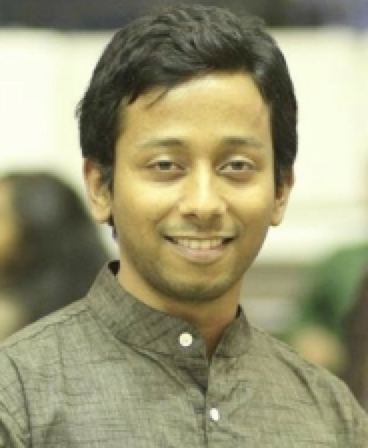 Anil Ramakrishna合作论文数Meta3
 Dan Garrette合作论文数Google Research3
 Daniel M. Bikel合作论文数Meta3
 William Merrill合作论文数Toyota Technological Institute at Chicago;Allen Institute for AI3
 Mark Hasegawa-Johnson合作论文数Department of Electrical and Computer Engineering, The Grainger College of Engineering, University of Illinois at Urbana-Champaign3
 Santosh Kesiraju合作论文数Department of Computer Graphics and Multimedia, Faculty of Information Technology, Brno University of Technology3
 Karan Singla合作论文数Whissle3
 Alexandra Butoi合作论文数Department of Computer Science, Eidgenössische Technische Hochschule Zürich3
 Jonathan Rawski合作论文数Dept Linguist & Language Dev, San Jose State Univ3arturo argueta合作论文数Univ Texas El Paso, Dept Comp Sci, El Paso, TX 79968 USA3
 Karel Beneš合作论文数Brno Univ Technol3Tim Baldwin合作论文数3Wenda Chen合作论文数3
 Murali Karthick Baskar合作论文数Brno University of Technology3
 Boliang Zhang (张伯良)合作论文数Appel AI3
 Victor Martinez合作论文数Department of Integrative Oncology, BC Cancer Research Centre3
 Nikolaos Malandrakis合作论文数SAIL, USC3
 Huadong Chen合作论文数State Key Lab Novel Software Technol, Nanjing Univ3