Background The testis has been reported to be a naturally O2-deprived organ, dimethyloxaloylglycine (DMOG) can inhibit hypoxia inducible factor-1alpha (HIF-1α) subject to degradation under normal oxygen condition in cells. Objectives The objective of this study is to detect the effects of DMOG on the proliferation and differentiation of spermatogonial stem cells (SSCs) in Bama minipigs. Methods Gradient concentrations of DMOG were added into the culture medium, HIF-1α protein in SSCs was detected by western blot analysis, the relative transcription levels of the SSC-specific genes were analyzed using quantitative reverse transcription polymerase chain reaction (qRT-PCR). Six days post-induction, the genes related to spermatogenesis were detected by qRT-PCR, and the DNA content was determined by flow cytometry. Results Results revealed that the levels of HIF-1α protein increased in SSCs with the DMOG treatment in a dose-dependent manner. The relative transcription levels of SSC-specific genes were significantly upregulated (p < 0.05) by activating HIF-1α expression. The induction results showed that DMOG significantly increased (p < 0.05) the spermatogenesis capability of SSCs, and the populations of haploid cells significantly increased (p < 0.05) in DMOG-treated SSCs when compared to those in DMOG-untreated SSCs. Conclusion We demonstrate that DMOG can promote the spermatogenesis activity of SSCs.
Spermatogonial stem cells (SSCs), a class of primitive germ cells located on the basement of the seminiferous tubules of the testes, are the only kind of adult stem cells that can pass their genetic material to offspring and are also capable of proliferation and differentiation, ensuring the efficiency of passing transgenes from parents to subsequent generations. In this research, to understand the growth characteristics of buffalo SSCs in vitro, methods for their isolation, enrichment, culture and preliminary identification were established. Testes from 3-to 6-month-old buffalos were digested with two-step enzymatic treatment to obtain isolated single cells and then enriched with a differential plating method. Isolated SSCs were cultured on STO feeder cells with SSCs culture medium (SSCM), which is serum-free. SSCs began to proliferate on the second day and quickly formed grape-like clusters that were consistent with the morphological features of SSCs. These cells were identified as positive by immunofluorescence staining. This study successfully isolated, enriched and identified buffalo SSCs and established an effective platform to explore the mechanisms of proliferation and differentiation of buffalo SSCs.
The objective of this study was to investigate the effects of different growth factors on the proliferation of Bama mini-pig spermatogonial stem cells (SSCs) in vitro. The growth factors glial cell line-derived neurotrophic factor (GDNF), leukaemia inhibitory factor (LIF), GDNF family receptor alpha-1 (GFRα1) and basic fibroblast growth factor (bFGF) were investigated. The SSCs were seeded on SIM mouse embryo-derived thioguanine- and ouabain-resistant (STO) feeder layers. Cultivation of the cells were subjected to a factorial design of the growth factors GDNF + bFGF, GDNF + bFGF + GFRα1, LIF + bFGF and LIF + bFGF + GFRα1. The SSCs could propagate for 25 passages in the medium adding GDNF + bFGF + GFRα1, 22 passages in the medium adding GDNF + bFGF, 6 passages in the medium adding LIF + bFGF, or LIF + bFGF + GFRα1. qRT-PCR analysis showed that the highest mRNA expression levels of NANOG, POU5F, DDX4, GFRα1 and UCHL1 were detected in the group adding GDNF + bFGF + GFRα1. The SSCs from the group adding GDNF + bFGF + GFRα1 also showed UCHL1-, DBA- and CDH1-positive staining. Moreover, Stra8 and Scp3 expression, and haploid peak were detected after induction of the SSCs from the group adding GDNF + bFGF + GFRα1. In conclusion, pig SSCs could be maintained for long term in the presence of GDNF, bFGF, and GFRα1.
In this study, we attempted to establish a culture system for in vitro spermatogenesis from spermatogonial stem cells (SSCs) of Bama mini-pig. Dissociated testicular cells from 1-month-old pigs were co-cultured to mimic in vivo spermatogenesis. The testicular cells were seeded in minimum essential medium alpha (alpha-MEM) supplemented with Knockout serum replacement (KSR). Three-dimensional colonies formed after 10 days of culture. The colonies showed positive staining for SSC-associated markers such as UCHL1, PLZF, THY1, OCT4, Dolichos biflorus agglutinin, and alkaline phosphatase. Induction of SSCs was performed in alpha-MEM + KSR supplemented with retinoic acid, bone morphogenetic protein 4, activin A, follicle-stimulating hormone, or testosterone. The results showed that STRA8, DMC1, PRM1, and TNP1 were upregulated significantly in the colonies after induction compared to that in testis from 1-month-old pigs, while expression levels of those genes were significantly low compared to those in 2-month-old testis. However, upregulation of ACROSIN was not significant. Replacement of alpha-MEM and KSR with Iscove's modified Dulbecco's medium and fetal bovine serum did not upregulate expression of these genes significantly. These results indicate that SSCs of Bama mini-pig could undergo differentiation and develop to a post-meiotic stage in alpha-MEM supplemented with KSR and induction factors.
1. Abstract 1.1. Objective: To survey and analyze the incidence and effect of treatment of small cell carcinoma of the esophagus in China over the past decade and to explore the future of esophageal small cell carcinoma-related problems. 1.2. Methods: We undertook a systematic review and meta-analysis of the small cell carcinoma of the esophagus incidence, evaluation of the effectiveness of various treatments and effects of cancer staging on survival. Search strategies were conducted in the China Digital Library CNKI database were identified by searching for the terms “esophagus” and “Small cell carcinoma of the esophagus”. A total of 51 articles that appeared between January 2000 and December 2012 were retrieved. A total of 1456 eligible cases were reviewed, and data from the most recent publications. 1.3. Results: A total of 1456 cases were reviewed, with patients having a median age of 57.39 ± 3.697 years and with a male to female ratio of 2.4:1. SCEC accounted for 1.14% of esophageal cancer during this period. The average length of the tumors was 5.24 ± 0.83 cm. The median overall survival for all patients was 13.42 ± 4.05 months. The average overall one-, two-, three- and five-year survival rates for the 1153 patients were 52.05%, 25.21%, 18.62% and 7.27%, respectively. Surgery combined with adjuvant chemotherapy in patients resulted in the longest median survival time of 14.94 ± 5.15 months; however, the five-year survival rate between the various treatments showed no difference (P > 0.05). TNM staging affected the five-year survival rate (P <0.05) and median survival times of 15.62 ± 3.40 and 15.49 ± 3.96 months were recorded for stage I and IIa patients, respectively. 1.4. Conclusion: The total incidence rate of esophageal small cell carcinoma did not increase significantly. Surgery combined with chemotherapy helped to extend the median survival time and early treatment was shown to improve the five-year survival rate. Our work shows that a prospective, multicenter study is the way of the future and is needed to discover new methods of diagnosis, early diagnosis and early treatment and to identify optimal treatment modalities for SCEC. 2. Keywords: Chemotherapy; Esophagus; Prognosis; Radiotherapy; Small Cell Carcinoma; Surgery
SUMMARY The ubiquitin‐proteasome pathway, involved in genetic recombination and sex‐chromosome silencing during meiosis, plays critical roles in the specification of germ‐line stem cells and the differentiation of gametes from gonocytes. Zygote‐specific proteasome assembly chaperone (ZPAC) is expressed in the early mouse embryo, where it is important for progression of the mouse maternal‐to‐zygotic transition. The role of ZPAC during spermatogenesis in the adult gonads, however, remains unknown. In this study, rapid amplification of cDNA ends was used to determine the Zpac cDNA sequence, a 1584‐bp transcript that includes a putative 1122‐bp open reading frame coding for a 373 amino acid protein. Western blot and immunohistochemistry revealed that ZPAC was specifically expressed in gonads. To further dissect the function of ZPAC during spermatogenesis, we employed PiggyBac‐based RNA interference vectors for transgenesis combined with cell transplantation to deplete Zpac during spermatogenesis. This RNAi‐mediate depletion in Zpac expression disrupted normal spermatogenesis from spermatogonial stem cells. Two independent yeast two‐hybrid screens further revealed an interaction between ZPAC and SYCE1. Together, these data suggest that ZPAC is required for normal spermatogenesis in mice. Mol. Reprod. Dev. 82: 747–755, 2015. © 2015 Wiley Periodicals, Inc .
精原干细胞的鉴定对于精原干细胞的体外研究非常重要.本研究证明1月龄巴马小型猪睾丸没有启动精子的发育,而2月龄的巴马小型猪已经启动了精子发育,在其精细小管中发现了精子细胞和精子.免疫荧光染色的结果证明1月龄巴马小型猪精原干细胞表达UCHL1,可以与植物凝集素DBA结合,个别的精原干细胞表达CDH1,但不表达C-KIT.2月龄巴马小型猪精原干细胞只表达UCHL1,不表达CDH1和C-KIT,也不能与DBA结合.这些生物标志物的发现为体外培养的精原干细胞的鉴定奠定了基础.
精原干细胞(spermatogonial stem cells,SSCs)指位于曲精细管基膜上的一类原始精原细胞,近年来因其在生产转基因动物方面有广阔的应用前景,受到了极大的关注.在胚胎发育前期,一小部分细胞分化形成原始生殖细胞(primordial germ cells,PGCs),并迁移至生殖嵴,PGCs随后增殖分化形成生殖母细胞并迁移至睾丸基底膜,随着雄性动物出生,生殖母细胞迁移至细精管并转化成SSCs.本文概述了近年来SSCs的研究进展,主要包括SSCs的分离、鉴定、体外培养体系以及SSCs诱导精子.此外,本文重点阐述了SSCs的研究前景.
动物细胞工程是生物技术专业学生的一门非常重要的必修课,为了将这门课上好,我们根据学生的实际情况,从教学内容、教学方法、考核方式等方面对动物细胞工程这么课程的教学改革进行了探讨,以提高教学质量,培养出合格的人才。
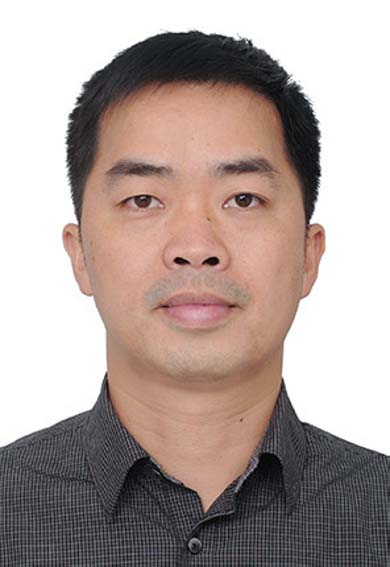 Yangqing Lu (陆阳清)合作论文数College of Animal Science and Technology, Guangxi University6
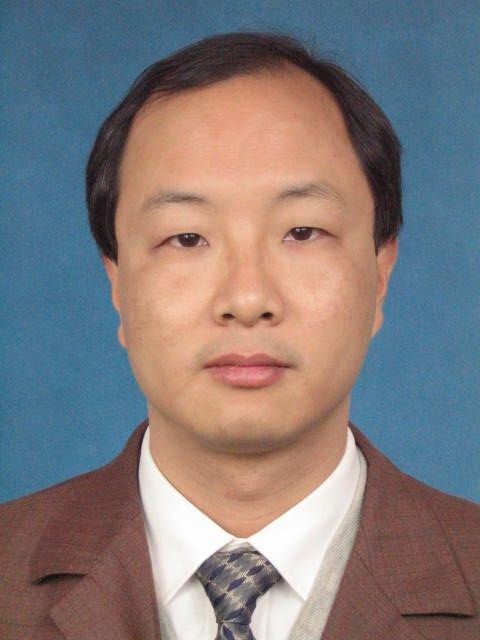 Xiaogan Yang (杨小淦)合作论文数College of Animal Science and Technology, Guangxi University6
 Kehuan Lu (卢克焕)合作论文数Guangxi University6
 Lu ShengSheng合作论文数4Huiyan Xu (许惠艳)合作论文数College of Animal Science and Technology, Guangxi University3Xingwei Liang (梁兴伟)合作论文数College of Animal Science and Technology, Guangxi University3Ting-Ting Li合作论文数2Min-xia LI (李敏霞)合作论文数2Sa Zhang (张飒)合作论文数2Xiaoyuan Zhang合作论文数1Yaqi Cao合作论文数1ZHANG Wei-wei合作论文数1
 Junyu Nie (聂骏宇)合作论文数1
 Long Xie合作论文数1Huan Yang (杨桓)合作论文数State Key Lab Marine Resource Utilizat South China, Hainan Univ1
 m u mehmood合作论文数Dept Theriogenol, Univ Vet & Anim Sci1ChengSheng Lu (卢晟盛)合作论文数1Zhu Xiangxing合作论文数1Di Li合作论文数1
 Erwei Zuo (左二伟)合作论文数Agricultural Genomics Institute at Shenzhen, Chinese Academy of Agricultural Sciences1Jianghua Shang (尚江华)合作论文数1Linlin Hu合作论文数China Academy of Engineering Physics1




