BACKGROUND:Cognitive impairment (CI) is a prevalent non-motor complication of Parkinson's disease (PD), yet accessible and reliable screening aids remain limited. This cross-sectional study aimed to quantify the strength of association and the cross-sectional classification value of routine blood indicators combined with standardized sleep questionnaires for prevalent CI in PD, using a strictly leakage-free model-development pipeline. METHODS:A total of 347 PD patients were enrolled and classified into PD-CI (n = 143) and PD-NCI (n = 204) groups based on the Montreal Cognitive Assessment (MoCA < 26). The cohort was first divided into training (70%, n = 242) and test (30%, n = 105) sets by stratified sampling; all subsequent feature selection and tuning were confined to the training data. Within the training set, 20 candidate predictors were screened using L1-penalized logistic regression with the lambda.1se criterion, yielding 10 variables. Four nested logistic regression models (baseline clinical, baseline plus blood, baseline plus sleep, and full model) were constructed alongside random forest (RF) and gradient boosting machine (GBM) classifiers. Discrimination was evaluated by the area under the receiver operating characteristic curve (AUC) with DeLong confidence intervals and between-model DeLong tests, calibration (slope, intercept, and Brier score with bootstrap intervals) and decision curve analysis; the untouched test set was scored once, and generalization was estimated by repeated 5 × 2 cross-validation. Robustness of the outcome definition was examined with education-adjusted and alternative MoCA cut-offs. RESULTS:The training-set LASSO retained 10 predictors: education, disease duration, Hoehn-Yahr stage, platelet-to-lymphocyte ratio (PLR), monocyte-to-lymphocyte ratio (MLR), homocysteine, C-reactive protein (CRP), Pittsburgh Sleep Quality Index (PSQI), Epworth Sleepiness Scale (ESS), and REM Sleep Behavior Disorder Screening Questionnaire (RBDSQ). In the untouched test set, the full logistic regression model achieved an AUC of 0.943 (95% CI: 0.896-0.990) in the test set, higher than baseline (0.844), and comparable to the baseline-plus-blood (0.937) and baseline-plus-sleep (0.889) models; the incremental gain over baseline was statistically significant (DeLong p = 0.009). Repeated cross-validation gave a more conservative AUC of 0.921 (SD = 0.029). RF (0.956) and gradient boosting (0.944) did not outperform logistic regression. Calibration was acceptable (slope 1.18, intercept 0.03; test Brier 0.086, 95% CI 0.057-0.120) and findings were stable across alternative MoCA cut-offs (AUC 0.909-0.931). CONCLUSION:Combining routine blood indicators and sleep questionnaires is cross-sectionally associated with prevalent CI in PD and adds information beyond clinical variables alone. Because the design is cross-sectional, single-center, and only internally validated, the model should be regarded as a candidate screening aid that requires external, preferably multicenter and prospective, validation before any clinical use.
Objective:To reveal the research status of fire needle by analyzing its patent applications, so as to provide reference for the development of fire needle equipment and the promotion of this therapy. Methods:By searching the incoPat global patent database, from its inception to December 29th, 2024, the patent data on fire needle was collected. The patent analysis was employed on patent application trends, geographical distribution, patent types, current legal status, applicants and inventors, overall technical composition and distribution of applicable diseases. With the help of incoPat's "shared value" evaluation model, the technical efficacy value of patent was comprehensively measured from 3 dimensions, i.e. technical stability, technological advancement and protection scope. Using SWOT analysis, the matrix of strengths, weaknesses, opportunities and threats of fire needle technique was constructed, and then its development trend was analyzed systematically. Results:A total of 346 patents were included, comprising 23 granted invention patents (6.65%), 219 utility model patents (63.29%), and 157 patents were in an effective state of validity (45.38%). The number of fire needle patent applications showed a growing trend since 2013 and peaked in 2021. The top 3 provinces and cities in terms of the number of applications were Guangdong, Beijing and Shandong. Existing patents focus on improving convenience, reducing complexity, enhancing safety and increasing efficiency; and are specialized in treatment of dermatological diseases. The results of patent research on fire needle show the application of updated materials, invention of equipment and expansion of applicable diseases. However, there are still some limitations such as technical complexity, high cost, lack of composite talents, lack of awareness of patent maintenance and insufficient international promotion. Conclusion:Multiple strategies are proposed on the development of fire needle therapy, i.e. enhancing financial support and expanding the number of diseases, giving full play to regional characteristics and advantages to promote resource sharing, deepening the integration of industry, research and education to improve the quality of patents, strengthening supervision to reduce low-quality patents, and carrying out high-level research to promote technical standardization and internationalization, and enhance global competitiveness.
Cognitive impairment is a common non-motor symptom of Parkinson's disease, significantly affecting patients' expected lifespan and quality of life, diminishing the well-being of family members, and placing an additional economic burden on society. Although some studies suggest that acupuncture may alleviate cognitive impairment, the existing research is limited in scale. This study aims to evaluate the clinical efficacy of acupuncture in treating cognitive impairment associated with Parkinson's disease. This study protocol outlines a randomized, two-arm, single-center clinical trial to be conducted at Beijing Hospital of Traditional Chinese Medicine, affiliated with Capital Medical University. 72 eligible Parkinson’s disease patients with cognitive impairment will be randomized equally to acupuncture or sham-acupuncture groups. The total duration of the study will be 20 weeks, consisting of an 8-week intervention period and a 12-week follow-up period. Participants will undergo acupuncture treatment three times per week. The primary outcome will be the score of (MoCA and PD-CRS). Secondary outcomes will include EEG assessments, the T&T olfactometer, routine blood tests, blood lipid levels, and the Health-Related Quality of Life Questionnaire (PDQ-39). Outcomes will be assessed at baseline, and at the 8th and 20th weeks. - This study offers clinical evidence supporting acupuncture as a potential therapeutic option for cognitive impairment in Parkinson's disease, potentially guiding future treatment strategies. Despite challenges such as controlling placebo effects and implementing sham-needle interventions, we aim to mitigate these biases through rigorous experimental design and standardized procedures. Chinese Clinical Trial Registry(ChiCTR)ChiCTR2400087389. Registered on 26 July 2024
OBJECTIVE: To explore the effect of electroacupuncture on skeletal muscle pain in Parkinson’s disease(PD). METHODS: A single-center randomized controlled trial was conducted with sixty patients with Parkinson’s disease with skeletal muscle pain were randomly divided into electroacupuncture group and sham acupuncture control group with 30 patients each. The electric acupuncture group was treated with electric acupuncture, while the control group was treated with Park needle pseudoacupuncture. Both groups were treated 5 times a week for a total of 4 weeks, and both groups completed 20 treatments. King’s Parkinson’s Pain Scale(KPPS) and visual analog scale(VAS) were used before and after treatment to evaluate the pain degree of patients. Realtime shear wave elastography(SWE) and modified Ashworth score(MAS) were used to evaluate the changes of muscle tone. Parkinson’s comprehensive Score Scale(MDS-UPDRS, including UPDRS Ⅱ and UPDRS Ⅲ) was used to evaluate exercise ability. Hamilton Depression Scale(HAMD) score was used to evaluate the emotional changes of patients. Spearman correlation analysis was used to explore the correlation between pain degree and muscle tone, exercise ability and emotion. RESULTS: During the study, one case fell off in the control group, and 30 cases were eventually included in the analysis and treatment group and 29 cases in the control group. After treatment, Young’s modulus of biceps and quadriceps and shear wave velocity of biceps were decreased in electroacupuncture group compared with before treatment, while KPPS score, VAS score, UPDRS Ⅱ, UPDRS Ⅲ and modified Ashworth score were decreased, with statistical significance(P < 0.05). There was no statistical significance in control group(P > 0.05). After treatment, KPPS score, VAS score, UPDRS Ⅱ and UPDRS Ⅲ, MAS, HAMD score, Young’s modulus of biceps and shear wave velocity in electroacupuncture group were significantly lower than those in control group(P < 0.05). Spearman correlation analysis showed that KPPS score was positively correlated with UPDRS Ⅲ(r = 0.414, P < 0.05). KPPS score was positively correlated with HAMD score(r = 0.576, P < 0.01). CONCLUSION: Electroacupuncture therapy can effectively improve skeletal muscle pain in patients with Parkinson’s disease, reduce the muscle hardness of patients, improve patients’ daily life ability, and improve patients’ emotional disorders. The degree of skeletal muscle pain in PD patients is correlated with motor ability and emotional disorders, but there is no significant correlation between the degree of skeletal muscle pain and the muscle tone of PD patients.
Myasthenia gravis (MG) is a long-term autoimmune disorder that affects the neuromuscular junction, causing muscle weakness and fatigue as its primary clinical features. Vitamin D is crucial for both the autoimmune response and skeletal muscle function. Here, we presented a case report documenting the substantial improvement in symptoms experienced by a patient who underwent subtotal gastrectomy for gastric cancer following high-dose Vitamin D supplementation. The patient developed generalized MG two months after the surgery and did not respond adequately to pyridostigmine therapy, experiencing a progressive deterioration of the condition. A significant reduction in vitamin D concentration was observed following subtotal gastrectomy. In response, high-dose vitamin D supplementation was administered to the patient. Within one week of treatment, swallowing symptoms improved, enabling the consumption of a small amount of liquid food. By the second week, substantial swallowing and neck function improvements were evident. After one month, the patient regained the ability to straighten the neck while walking and consumed a regular diet despite persistent difficulties chewing hard food. This case underscores the therapeutic potential of vitamin D in alleviating MG symptoms, particularly in individuals with compromised vitamin D levels following gastrectomy. The observed improvements present a new perspective on the possible involvement of vitamin D supplementation in the management of postoperative MG cases.
Vertebral artery dissection is a rare pathology that can cause ischemic stroke in young people. Cervical massage, especially improper pulling manipulation, is a cause of vertebral artery dissection. We present a case of 32-year-old woman who developed acute multiple posterior circulation ischemic cerebral infarctions as a result of left vertebral artery V4 segment dissection after receiving neck massage. She underwent emergency vertebral artery stent implantation at the site of the dissection. Symptoms were relieved the day after treatment. The patient recovered without adverse complications or endovascular restenosis in the following year.
神经源性体位性低血压常见于神经退行性疾病,中医学多辨证为肾阳虚衰.火针点刺督脉穴位及肾俞穴、志室穴,可疏通督脉气血,达到温阳通脉、益精填髓的治疗效果.报告1例老年神经源性体位性低血压患者,应用贺氏火针点刺患者以督脉为主的穴位及肾俞、志室穴,经治疗近2个月后患者站立位血压差及阳虚症状均显著改善,并对患者进行了血压监测、中医证型量表评估及肾俞区域红外成像仪检测,临床疗效确切.
血管性痴呆(vascular dementia,VD)的核心症状是认知功能障碍.大脑缺血后小胶质细胞被激活,进而诱导神经炎症反应是血管性认知功能障碍发生的关键.既往部分研究认为,小胶质细胞在病理状态下主要发挥促炎作用,但近年来越来越多的研究发现,小胶质细胞极化后的不同表型可发挥不同的作用,提示小胶质细胞极化在VD机制研究中的重要地位.白细胞介素-4(interleukin-4,IL-4)作为诱导小胶质细胞从促炎的M1表型极化到抗炎的M2表型的重要调节因子,已被证明与学习认知的病理过程密切相关.本文着重对小胶质细胞极化在血管性认知障碍中的研究进展及IL-4在小胶质细胞极化转化过程中的作用机制进行综述,以期为血管性痴呆的治疗提供新的思路.
目的 探讨"百会""四神聪"放血对颅内低灌注模型大鼠认知障碍的影响及可能作用机制.方法 30只SD大鼠随机分为实验组、模型组、空白组各10只.实验组、模型组采用双侧颈总动脉结扎法建立颅内低灌注大鼠模型.实验组造模1周后开始给予"百会""四神聪"放血,每周一、三、五放血,干预4周,共12次;模型组及空白组大鼠不做干预.各组大鼠干预4周后采用Morris水迷宫评价大鼠认知行为学改变,包括隐蔽平台实验(持续5天,记录每天逃避潜伏期时间)和空间探索实验(隐蔽平台实验结束24h后开始,记录大鼠平台象限停留时间、平台位置穿越次数、平台象限游泳距离).水迷宫实验完成后取大鼠脑组织进行HE染色,根据染色结果统计脑微梗死灶数量,观察脑白质损伤情况并分为0度、Ⅰ度、Ⅱ度;免疫组织化学法测定大鼠脑组织髓鞘碱性蛋白(MBP)、神经元型一氧化氮合酶(nNOS)、花生二烯酸(AA)、神经胶质抗原2(NG2)蛋白表达;ELISA法检测大鼠外周血清一氧化氮(NO)含量.结果 与空白组同时间比较,模型组和实验组大鼠Morris水迷宫隐蔽平台实验第5天逃避潜伏期延长(P<0.05);与模型组同时间比较,实验组大鼠第5天逃避潜伏期缩短(P<0.05).各组大鼠Morris水迷宫空间探索实验平台位置穿越次数、平台象限游泳距离比较差异无统计学意义(P>0.05);与空白组比较,模型组大鼠平台象限停留时间缩短(P<0.05);与模型组比较,实验组大鼠平台象限停留时间延长(P<0.05).与空白组比较,模型组大鼠脑组织中脑微梗死灶数量增多,脑白质损伤程度分级以Ⅱ度为多,脑组织MBP、NG2、AA蛋白表达和外周血清NO含量升高(P<0.05);与模型组比较,实验组大鼠脑白质损伤程度分级以0度和Ⅰ度为主,脑组织MBP、NG2蛋白表达和外周血清NO含量降低,AA蛋白表达升高(P<0.05);与模型组比较,实验组大鼠脑微梗死灶数量有减少趋势但两组比较差异无统计学意义(P>0.05).结论 "百会""四神聪"放血可以改善颅内低灌注模型大鼠的认知功能,减轻脑白质损伤程度,其机制可能与调节皮质神经元介导的神经血管耦合通路相关.
血管性痴呆(VD)是与血管性病因相关的痴呆类型,其核心症状是认知功能障碍.星形胶质细胞在海马区内被激活并积累,促进海马区大量神经元凋亡,是诱发认知功能障碍发生的关键.Lipocalin 2(LCN2)是一种分泌的糖蛋白,也是反应性星形胶质细胞的标志物.既往研究多认为LCN2可能是由反应性星形胶质细胞分泌的神经毒性因子,但近年来越来越多的研究发现在免疫或炎性刺激的存在下LCN2可诱导星形胶质细胞极化为有益的功能表型,提示其在VD机制研究中的重要地位.因此,本文对LCN2在血管性认知障碍中的作用及其机制,以及以LCN2为靶点治疗血管性认知障碍的研究进展进行综述.
目的 探讨针刺疗法对脑小血管病轻度认知损害(Cerebral small vessel Mild Cognitive ImPairment,SV-MCI)及患者认知功能的影响.方法 选取2021年4月 ~2021年12月期间首都医科大学附属北京中医医院门诊及住院的患者60例,将患者随机分为针刺治疗组和非穴假刺组,每组30例.每周进行2次针刺治疗,共治疗12周.治疗后比较两组患者神经心理学评分,包括蒙特利尔认知量表、听觉词语学习测验、连线测试A、连线测试B及波士顿命名测试.结果 与非穴假刺组相比,治疗12周后针刺治疗组蒙特利尔认知量表、听觉词语学习测验—再认及波士顿命名得分均显著提高(P<0.05);连线测试A、连线测试B得分显著降低(P<0.05).结论 针刺治疗组可显著改善SV-MCI患者的总体认知功能,主要表现在执行功能、再认功能以及命名功能等认知域等方面.
目的:观察针刺治疗原发性失眠的临床疗效及治疗前后受试者尿液代谢产物的改变,探究针刺治疗失眠可能的作用途径.方法:将40例原发性失眠患者随机分为针刺组与假针刺组,两组疗程均为2周,观察两组临床疗效;并同时纳入1组健康受试者作鉴定对照,分别于第0天和第14天留取各组的尿液标本,通过非靶向代谢组学检测,探究与针刺治疗失眠可能相关的代谢标志物.结果:①针刺组的失眠严重指数量表(ISI)、睡眠质量、睡眠时间、日间功能障碍评分及总分治疗前后差异均具有统计学意义(P<0.05),并较假针刺组具有统计学差异(P<0.05).②与原发性失眠相关的潜在差异代谢物有27种,与针刺治疗失眠相关的潜在差异代谢物有1种:Eletriptan N-oxide.结论:①针刺治疗能改善原发性失眠患者的睡眠质量、睡眠时间与日间功能,对原发性失眠具有疗效.②针刺疗法改善原发性失眠的作用可能与调控5-HT代谢相关.
国医大师贺普仁认为癫痫的发病既有先天肾精不足,脑髓失养,亦有积痰、肝风、郁火、暴受惊恐及头部外伤等后天诱发因素,病位在脑,与肾脏及督任二脉关系密切.急性发作期治其标,全身性发作者以人中、攒竹、合谷、内关穴为主穴,部分性发作者以百会、四神聪、颊车、承浆穴等为主穴,均用捻转泻法;间歇期标本兼治,以大椎、腰奇、肾俞穴为主穴,采用蟒针大椎穴与腰奇穴沿皮对刺并久留针的针刺方法,补虚泻实,根据具体辨证配合刺络放血拔罐或火针.
周德安教授从医50余载,首创中医病名"动证",并将梅杰综合征归为此证.梅杰综合征临证分为先天禀赋不足、气血亏虚之虚证,痰蒙清窍、化火生风之实证以及虚实夹杂之证.针灸"治动"理论是周德安教授重要学术思想特征之一,为针刺治疗梅杰综合征提供了理论依据.治疗以益气养血、滋补肝肾,开窍豁痰、清热息风,疏肝补脾、解郁安神为主要法则,灵活应用"四神方""涤痰方""鬼门十三针"等经验穴方治疗该病,疗效肯定.
We retrospectively analyzed the treatment outcomes of elderly patients (aged ≥ 60 years) with extranodal natural killer/T-cell lymphoma, nasal type (ENKTL) and investigated the prognostic factors. Fifty-two elderly patients received chemotherapy alone, radiotherapy alone, or chemotherapy followed by radiotherapy ± consolidation chemotherapy as induction therapy. Overall, 97.26% patients in stage I/II had overall response (OR) and 86.1% had complete response (CR), whereas 71.4% of patients in stage III/IV had OR and 35.7% had CR. The 3-year freedom from progression (FFP) rate and overall survival (OS) rate of patients with stage I/II were 78.2% and 85.0%, respectively, and those with stage III/IV were 23.3% and 33.3%. Following multivariate analysis of Cox regression, ECOG performance status scores of 3-4 and stage III/IV were independent prognostic factors for elderly ENKTL patients. Elderly patients with stage I/II or stage III/IV and good or poor performance status can benefit from the commonly used or personalized treatment.
目的 观察艾灸早期干预对衰老小鼠认知功能的影响,并观察艾灸对APP代谢途径相关蛋白及基因表达的影响,探讨艾灸的作用机制.方法 以快速衰老的SAMP8小鼠作为研究模型,24只SAMP8随机分为两组(每组12只):艾灸组、模型组.12只雄性SAMR1系小鼠作为空白对照.艾灸组进行8周艾灸干预,每次10min,每周5次,共8周,模型组及空白组进行假灸对照.采用Morris水迷宫法检测各组小鼠学习记忆能力,Western Blot、RT-PCR检测APP、BACE1表达.结果 Morris水迷宫检测显示,第1~4天,被动逃避实验结果显示:在第1天和第2天,模型组小鼠逃避潜伏时明显高于正常组(P=0.01,0.003),艾灸组显著低于模型组(P=0.03,0.05),第3天和第4天,各组间差异没有统计学意义(P>0.05).第5天空间探索实验结果显示,模型组小鼠穿越平台次数显著低于正常组(P=0.01),艾灸组显著高于模型组(P=0.04),平台象限游泳路程方面,模型组均明显低于正常组(P=0.02),艾灸组略高于模型组,差异没有统计学意义(P>0.05).Western Blot结果显示:与正常组小鼠相比,模型组小鼠海马APP、BACE1表达显著升高(P =0.002,P<0.001),艾灸组小鼠海马APP、BACE1表达显著低于模型组(P=0.003,P=0.02).RT-PCR结果表明:模型组APP、BACE1表达显著高于正常组(P=0.003,P=0.004),艾灸组APP、BACE1低于模型组,差异没有统计学意义(P=0.41,P=0.36).结论 艾灸早期干预对衰老小鼠认知功能的影响,此效应与调节APP代谢途径相关基因、蛋白的影响相关.
根结理论首见于《内经》,是经络学说中的重要内容,后世医家虽各有其理解及发展,但至今未被重视.本文旨在根据开阖枢理论浅谈夏寿人教授对根结理论治疗疾病的理解与应用,为针灸临床治疗提供帮助.
OBJECTIVE:To observe the effect of moxibustion on cognitive function of aging mice, to observe the effect of moxibustion on protein and gene expression of APP metabolism pathway, and to explore the mechanism of action in moxibustion.METHODS:24 SAMP8 were randomly divided into 2 groups (12 in each group): moxibustion group and model group. 12 SAMR1 mice were used as blank controls. Mice in the moxibustion group were treated with moxibustion for 8 weeks, 10 minutes each time, 5 times a week, and for a total of 8 weeks. The model group and the blank group were treated with sham-moxibustion. Behavior tests were used to detect the learning and memory ability of each group of mice. Immunohistochemical, western blot, and RT-PCR were used to detect the protein and mRNA expression of APP and BACE1. Furthermore, the expressions of miR-29 and miR-101 were observed by RT-PCR method to explore the mechanism of moxibustion at the genetic level.RESULTS:In this study, relative to normal mice, we found that aging mice showed behavioral changes consistent with the onset of AD. However, moxibustion interventions were able to mitigate these effects to some degree in aging mice. In addition, moxibustion was proved to regulate APP metabolism pathway at protein and gene level through molecular biology tests.CONCLUSION:The data suggest that the effect of moxibustion intervention on cognitive function in aging mice is related to the regulation of genes and proteins involved in APP metabolism pathway; this may be a potential target for treating Alzheimer's disease.
Background: This prospective, randomly controlled study was designed to compare the efficacy and safety of the novel SVILE regimen and the commonly used P-GemOx regimen for the patients with newly diagnosed extranodal natural killer/T-cell lymphoma, nasal type (ND-ENTKL). Methods: 103 ND-ENTKL patients were enrolled and classified into stage I/II (n = 69) and stage III/IV (n = 34). Patients were randomly assigned to three cycles of SVILE (experimental group) or P-GemOx (control group) chemotherapy followed by involved field radiotherapy (IFRT) and two to three cycles of consolidation chemotherapy. The primary endpoint was the overall response rate (ORR) and the secondary study endpoints were the complete response (CR) rate, progression-free survival (PFS), and overall survival (OS). The safety index was the incidence of adverse events in both groups. Findings: There were no significant differences in baseline characteristics between the experimental group (SVILE, n=52) and control group (P-GemOx, n=51). The ORRs in the two groups were 86.5% vs. 88.2% (P = 0.967), 91.7% vs. 97.0% for stage I/II and 75.0% vs. 72.2% for stage III/IV. The CR rate in the experimental vs. control groups was 78.8% vs. 84.3%. The CR rates in the two groups were 83.4% vs. 97.0% for stage I/II and 68.8% vs. 61.1% for stage III/IV. There were no significant differences. The median follow-up time of the experimental and control groups were 30 and 29 months, respectively. There was no significant difference between the groups on PFS and OS. The 3-year follow-up PFS and OS values for the experimental and control groups were 75.4% vs. 83.9% and 77.5% vs. 88.2%. There were no significant differences in PFS and OS among patients with stage I/II and stage III/IV. The 3-year PFS and OS of patients in the experimental and control groups with stage I/II were 88.3% vs. 93.3% and 84.9% vs. 97.0%. The 1-year follow-up PFS and OS values of patients in the experimental and control groups with stage III/IV were 46.2% vs. 65.7% and 61.1% vs. 72.2%. The main adverse events of the two groups were hematological toxicity, hypofibrinogenemia, and liver injury. Patients recovered quickly after symptomatic treatment with no treatment-related deaths. Interpretation: SVILE and P-GemOx combined with radiotherapy and consolidation chemotherapy have positive short-term and long-term effects in patients with ND-ENTKL and are well tolerated. SVILE and P-GemOx do not significantly differ in terms of ORR, making the SVILE regimen deserving of further study. Trial Registration: This study is registered with Chinese Clinical Trial Registry (CHiCTR), number CHiCTR-IPC-14005745. Funding Statement: This study was approved, funded and supervised by Beijing Municipal Science & Technology Commission. No.Z151100004015089. Declaration of Interests: No potential conflict of interest was reported by the authors. Ethics Approval Statement: This study was reviewed and approved by the ethics committee of our institute with the number of TRECKY2015-016. It complies with ethical standards.
Objective: To compare the efficacy and safety of the novel SVILE regimen with the P-GemOx regimen in patients with newly diagnosed extranodal natural killer/T-cell lymphoma, nasal type (ND-ENKTL). Methods: From April 2015 to July 2018, 103 patients with ND-ENKTL were randomly assigned to SVILE (experimental group) or P-GemOx (control group) chemotherapy followed by radiotherapy and consolidation chemotherapy. The primary endpoint was the overall response rate after 3 cycles of chemotherapy, and secondary study endpoints were complete response (CR), progression-free survival (PFS), and overall survival (OS). Safety was also evaluated. Results: There were no significant differences in baseline characteristics in the experimental vs. control groups. In experimental and control groups, respectively, the overall response rates were 91.7% vs. 97.0% for stage I/II and 75.0% vs. 72.2% for stage III/IV. The CR rates were 83.4% vs. 97.0% for stage I/II and 68.8% vs. 61.1% for stage III/IV. None of those differences were significant. There was no significant difference in PFS and OS between groups and between patients in stage I/II and stage III/IV. The 3-year PFS and OS in stage I/II were 88.3% vs. 93.3% and 88.8% vs. 97.0%, respectively. The 3-year PFS and OS in stage III/IV were 46.2% vs. 65.7% and 68.8% vs. 72.2%, respectively. The common adverse events were hematological toxicity, hepatotoxicity, and coagulation abnormalities, which were found to be reversible with supportive therapy. Conclusions: The novel SVILE regimen has comparable effects to those of P-GemOx in patients with ND-ENKTL and is well tolerated. SVILE is a therapeutic option for ND-ENKTL.
 Baixiao Zhao (赵百孝)合作论文数School of Acupuncture-Moxibustion and Tuina, Beijing University of Chinese Medicine32
 TianJun Liu (刘均天)合作论文数12
 Huanfang Xu (许焕芳)合作论文数中国中医科学院针灸研究所11
 Shao-Song Wang合作论文数10Huang Yuhai (黄玉海)合作论文数9
 Li Han (韩丽)合作论文数School of Traditional Chinese Medicine, Beijing University of Chinese Medicine9Chang Huang (黄畅)合作论文数8
 Jingwen Wang (王景文)合作论文数Beijing Tongren Hospital, Capital Medical University7Ping LIU (刘平)合作论文数6Yao Na合作论文数6
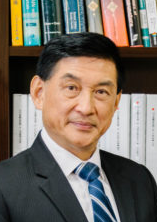 Lixing Lao合作论文数Virginia University of Integrative Medicine6Lei Yang合作论文数5Yiping Wu合作论文数5Jin Ye合作论文数5Liqiang Wei合作论文数5YaoMeng Liu (刘耀萌)合作论文数5Lve Ha (哈略)合作论文数5Jia Cong合作论文数5
 Jingqing Sun (孙敬青)合作论文数Beijing Hospital of Traditional Chinese Medicine;Graduate School, Capital Medical University5Jian Huang合作论文数4MengYun Yu (于梦芸)合作论文数4Jing Yang合作论文数4Chaxi Huang (黄茶熙)合作论文数4Jian HUANG (黄剑)合作论文数3Jia Yang (杨佳)合作论文数3Lim Min Yee合作论文数3
 Lei Wang (王磊)合作论文数Third Affiliated Hospital, Beijing University of Chinese Medicine3
 Jun Li (李军)合作论文数Modern Research Center for TCM, School of Chinese Materia Medica, Beijing University of Chinese Medicine3
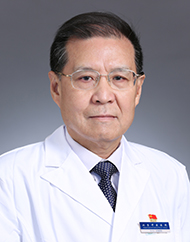 Linpeng Wang (王麟鹏)合作论文数Beijing Hospital of Traditional Chinese Medicine, Capital Medical University3Lu Liu合作论文数2Lue Ha合作论文数2Yutian Ao合作论文数2Xu Ji合作论文数2Yao Lin (林瑶)合作论文数2Yingzhu Zuo (左滢竹)合作论文数2XiaoNan Meng (孟笑男)合作论文数2JunTian Liu (刘钧天)合作论文数2LiWen Xue (薛立文)合作论文数2JunXia Hu (胡俊霞)合作论文数2Hongzhu Guo (郭洪祝)合作论文数Beijing University of Chinese Medicine2
 Guangxia Shi (石广霞)合作论文数School of Acupuncture-Moxibustion and Tuina, Beijing University of Chinese Medicine2Qianqian Li合作论文数2
 Xiaoli Li (李小黎)合作论文数Third Affiliated Hospital, Beijing University of Chinese Medicine2
 Xin Li (李欣)合作论文数Beijing Chao-Yang Hospital, Capital Medical University2Jing Ding (丁静)合作论文数Fu Xing Hospital, Capital Medical University2




