The nucleolus is the site of ribosomal RNA synthesis and ribosome biogenesis. Advances in high-resolution imaging and next-generation sequencing have unveiled unprecedented details of its intricate architecture and dynamic organization. In this Review, we focus on the dynamic organization of mammalian nucleoli, while drawing selective comparisons with other organisms to highlight conserved and divergent principles of nucleolar organization. We discuss recent progress in deciphering the multilayered compartments of nucleoli, the physical principles driving their organization and dynamics, and their functional interplay during stepwise ribosomal RNA processing, ribosome assembly and maintenance of compartment integrity. We also discuss how disruptions of nucleolar structure-function relationships can drive cellular stresses and diseases, offering new opportunities for therapeutic interventions.
Recent advances on genome-wide profiling and characterization of circular RNAs have suggested their versatile roles in diverse biological processes, yet systematic elucidation of their molecular characteristics and functional mechanisms remains challenging. Here, we introduce CIRCpedia v3 (https://bits.fudan.edu.cn/circpediav3), an expanded repository to annotate both circular RNAs from back-splicing of exons (circRNAs) and circular RNAs from intron lariats (ciRNAs) by profiling 2413 sequencing datasets across 20 species. Building upon the previous version of CIRCpedia, this release identifies >2 million circular RNAs and introduces transformative advances to facilitate circular RNA research: (i) community-recommended nomenclature with enhanced molecular profiling, enabling quantitative comparison of circular/linear isoform dynamics; (ii) an interactive platform with real-time comparative analyses of circRNAs and visualizations; and (iii) integrated toolkits to identify base-editable sites, predict circRNA subcellular localization, detect circRNA degradation signals for stability optimization, predict m6A modification sites, assess circRNA coding potential, and design divergent polymerase chain reaction primers and small interfering RNAs (siRNAs). By integrating insights from cross-species expression, molecular characterization, and functional predictions, CIRCpedia v3 empowers researchers to prioritize context-specific circular RNA candidates in biological or disease conditions and to accelerate mechanistic discovery and therapeutic development.
ABSTRACT Pathological protein misfolding and aggregation underlie many devastating human diseases, yet strategies to selectively neutralize aggregation-prone protein states without perturbing their normal functions remain limited. Here we identify loosely structured circular RNA (cRNA) aptamers, circT3 and its minimized 116-nt variant circT3-M3, as superb sub-stoichiometric RNA chaperones that suppress pathological assembly of TAR DNA-binding protein 43 (TDP-43), a defining feature of amyotrophic lateral sclerosis and frontotemporal dementia, in vitro and in cells. Rather than acting through simple stoichiometric sequestration, these cRNA aptamers engage TDP-43 transiently and iteratively through functionally and pathologically important residues in the RRM1 domain. Such interaction enables a single cRNA aptamer to promote rapid and multiple RRM1-dependent homomeric assembly, thereby stabilizing TDP-43 in a soluble oligomeric state to outcompete the C-terminal prion-like domain-driven condensation and supersaturation. Together, our findings establish cRNA aptamers as highly efficient subcellular RNA chaperones with exceptionally potent low-dose activity and highlight their promise as next-generation RNA therapeutics for certain protein-aggregation disorders.
As a major fuel source for the tricarboxylic acid cycle, lactate controls energy metabolism through cell-to-cell or tissue-to-tissue lactate shuttles via monocarboxylate transporters (MCTs). Although lactate is shown to influence macrophage functions via histone lactylation, the specific functions of MCTs in macrophages remain incompletely understood. This study discovers that MCT1 and MCT4 have contrasting effects on regulating macrophage polarization. M1 polarization is associated with increase of MCT4 while M2 polarization is accompanied with increase of MCT1. MCT1 is mainly localized in mitochondria while MCT4 is localized on the plasma membrane. M1 polarization elevates lactate efflux from the cytoplasm to extracellular space, while M2 polarization increases intracellular lactate flux to mitochondria. At cellular level, blocking MCT1 exacerbates LPS-induced M1-like polarization and impairs mitochondria function. At animal level, deletion of MCT1 in macrophages exacerbates glucose intolerance, suppresses insulin secretion and increases islet cell death in high-fat diet fed mice. Mechanistically, lactate reduces insulin secretion through GPR81-cAMP-PKA signaling pathway. These findings not only disclose that the MCT1-mediated intracellular lactate shuttle to the mitochondria plays a pivotal role in governing macrophage polarization but also uncovers a functional interplay between macrophages and β cells in maintaining glucose homeostasis.
The development of multicellular organisms requires precise coordination between cell division and differentiation. Cell division generates the necessary number of cells, while differentiation creates distinct cell identities, forming tissues and organs. The transcription factors SOX2 and PAX6 specify neuroepithelial cells, the earliest neural progenitor cells (NPCs) during brain development. How lineage specification is coordinated with the cell cycle is not fully understood. Here, we show that PAX6 expression occurs during a narrow time window––between 48 and 72 hours––after neural induction of human embryonic stem cells (ESCs). Flow cytometry analyses and time-lapse imaging further show that PAX6 expression starts during the G2 phase of the cell cycle. We identify a novel 500-bp PAX6 promoter that drives its G2-specific expression. PAX6 expression is independent of known regulators of cell-cycle-dependent transcription, suggesting the existence of a novel mechanism. S-phase block by hydroxyurea prevents PAX6 expression and differentiation into NPC. Thus, NPC fate specification is coupled to cell cycle progression and occurs after the completion of DNA replication. This post-replicative lineage commitment ensures the creation of two daughter cells of identical cell fate following cell division. ### Competing Interest Statement The authors have declared no competing interest. National Natural Science Foundation of China, 32130053 New Cornerstone Science Foundation
MDA5 is a RIG-I-like receptor (RLR) that recognizes viral double-stranded RNA (dsRNA) to initiate the innate immune response. Its activation requires filament formation along the dsRNA, which triggers the oligomerization of N-terminal caspase activation and recruitment domains. The ATPase activity of MDA5 is critical for immune homeostasis, likely by regulating filament assembly. However, the molecular basis underlying this process remains poorly understood. Here, we show that MDA5 operates as an ATP-hydrolysis-driven motor that translocates along dsRNA in a one-dimensional (1D) manner. Multiple MDA5 motors can cooperatively load onto a single dsRNA, but their movements rarely synchronize, inhibiting spontaneous filament formation and activation. LGP2, a key regulator of MDA5 signaling, recognizes MDA5 motors and blocks their movement, thereby promoting filament assembly through a translocation-directed mechanism. This unique assembly strategy underscores the role of 1D motion in higher-order protein oligomerization and reveals a novel mechanism for maintaining immune homeostasis.
Methionine restriction diet has been extensively studied for its beneficial effects on metabolic health and aging. However, the impact of methionine deprivation on glucose metabolism per se and macrophage functions remains incompletely understood. In this study, we analyzed the functional roles of methionine deprivation on glucose flux and macrophage polarization. We used metabolic flux to investigate how methionine deprivation affected glucose metabolism. The functions of methionine deficiency on macrophage polarization and the underlying mechanisms were studied at both the cellular and animal levels. We found that short-term methionine deprivation represses the tricarboxylic acid (TCA) cycle in mitochondria, accompanied by rapid phosphorylation of the E1 subunit of pyruvate dehydrogenase (PDH) complex, PDHA1. This phosphorylation by methionine deprivation is dependent on increased levels of uncharged tRNA but is independent of GCN2. Furthermore, methionine deprivation promotes M1-like polarization of macrophages, consistent with metabolic reprogramming. Notably, the proinflammatory effect of methionine deprivation on macrophages is also mediated by PDHA1 phosphorylation and increases in uncharged tRNA, but independent of GCN2. Our study not only elucidates a direct regulatory role of methionine depletion on the TCA cycle but also reveals that such a regulation is tightly linked to the modulation of macrophage polarization.
The membrane-less nuclear stress bodies (nSBs), with satellite III (SatIII) RNAs as the hallmark, are present in primates upon sensing stresses. We report that SatⅢ DNAs, SatⅢ RNAs, and 30 nSB proteins assemble into well-organized structures shortly after stresses. The activated SatⅢ heterochromatin loci rapidly expand, resulting in reduced spatial distance and enhanced expression of adjacent genes, including the transcription suppressor NFIL3, which is known to dampen proinflammatory cytokine production. Rearranging NFIL3 loci within the nSB territory enhances NFIL3 chromatin accessibility and makes NFIL3 promoters more accessible to transcription factors heat shock transcription factor 1 (HSF1) and bromodomain containing 4 (BRD4), which are also recruited to nSBs upon stresses. Human peripheral blood mononuclear cell (PBMC)-derived macrophages under heat shock plus pathogen-associated molecular pattern treatments exhibit increased SatⅢ and NFIL3 expression, the latter of which suppresses key inflammatory cytokines. Importantly, NFIL3 expression positively correlates with SatⅢ activation in septic patients, a process positively correlated to patient survival, highlighting a role of nSBs in restraining inflammatory responses.
The multilayered nucleolus is the primary site of ribosome biogenesis1,2, where successive maturation of small (SSU)3,4 and large (LSU)5 ribosomal subunit precursors occurs. However, the spatiofunctional relationship between pre-rRNA processing and nucleolar substructures and how this adapts to changing cellular physiological demands have remained incompletely understood6,7. Here our spatiotemporal analyses revealed a compartment-specific ribosomal subunit processing in human nucleoli, with SSU processomes maintained in fibrillar centre (FC)-dense fibrillar component (DFC)-periphery dense fibrillar component (PDFC) domains while LSU pre-rRNAs largely transited to PDFC-granular component regions. Slowly proliferating cells exhibited unexpected 5' external transcribed spacer (5' ETS)-centred SSU processing impairment, accompanied by structural remodelling of FC-DFC units and retarded SSU outflux. Direct 5' ETS processing perturbation at least partially recapitulated these FC-DFC unit alterations, supporting the functional interdependence between SSU processing and nucleolar architecture. Notably, anamniote bipartite nucleoli with merged FC-DFC compartments8,9 exhibited distinct 5' ETS distribution and slower pre-rRNA flux compared with multilayered nucleoli in amniotes. Introducing a FC/DFC interface to bipartite nucleoli enhanced processing efficiency, indicating that the evolutionary emergence of nested FC-DFC units may have optimized pre-rRNA processing. Collectively, depicting the spatiotemporal distribution of pre-rRNAs reveals an essential role of 5' ETS-centred processing in maintaining nucleolar substructures and suggests a possible evolutionary advantage of the multilayered structure in amniotes.
Features of circular RNAs (circRNAs) produced by back-splicing of eukaryotic exon(s) make them resistant to degradation by linear RNA decay machineries. Thus, a general circRNA degradation pathway under normal conditions has remained largely elusive. Here, we report that the endonucleolytic enzyme DIS3 is responsible for the degradation of circRNAs. Depletion of DIS3 leads to the upregulation of more than 60% of circRNAs with little effect on their linear cognates. Such DIS3-mediated circRNA degradation is conserved, occurs in the cytoplasm, and relies on DIS3's endonucleolytic activity but is independent of the RNA exosome complex. Sequence enrichment analyses suggest that DIS3 prefers to degrade circRNAs containing U-rich motifs. Correspondingly, synthesized RNA circles with or without U-rich motifs exhibit decreased or increased stabilities, respectively. Together, these findings suggest a general regulation of circRNA turnover by DIS3.
Protein Kinase R (PKR) triggers the innate immune response upon detecting double-stranded RNAs (dsRNAs). Its kinase activity is controlled by two dsRNA-binding domains (dsRBDs), yet how these dsRBDs operate during RNA ligand recognition and downstream signaling remains unresolved. Here, we uncover an unexpected interplay between the dsRBDs that orchestrates a two-step ligand sampling, ensuring accurate and efficient PKR activation. dsRBD1 surveys all RNA duplexes through one-dimensional diffusion but dissociates within milliseconds to minimize background signaling, while dsRBD2-RNA binding plays a key role in fostering kinase-kinase interactions. Upon encountering foreign dsRNAs, dsRBD2 arrests the diffusive dsRBD1, thereby establishing a scaffold essential for kinase dimerization and phosphorylation. By contrast, prevalent bulges and large internal loops in self-RNA duplexes obstruct dsRBD2 from capturing dsRBD1, creating a steeply elevated energy landscape that enables PKR to discriminate foreign RNAs from abundant self-RNAs, thus evolving a delicate strategy to achieve both high selectivity and robust signaling. ### Competing Interest Statement The authors have declared no competing interest.
In vitro-transcribed and circularized RNAs (ivcRNAs) represent a robust platform for sustained protein translation, offering promising potential for localized therapeutic delivery in joint diseases. Osteoarthritis (OA), the most prevalent degenerative joint disorder, remains a major clinical challenge due to its progressive nature and the lack of disease-modifying treatments. In this study, we identify Musashi2 (Msi2) deficiency in articular chondrocytes as a key contributor to OA pathogenesis. To evaluate the efficacy of ivcRNA-mediated protein replacement therapy, we developed a localized delivery strategy that enables high-yield and prolonged protein expression in chondrocytes. Using a destabilization of the medial meniscus (DMM) mouse model, we demonstrate that intra-articular delivery of ivcRNA encoding MSI2 effectively mitigates OA progression in male mice. Furthermore, therapeutic supplementation of SOX5, a downstream effector of MSI2, via ivcRNA delivery further validates this approach. Our findings establish ivcRNA-based protein replacement as a potential RNA therapeutic strategy for osteoarthritis.
Alzheimer disease (AD) therapy may benefit from optimized approaches to inhibit neuroinflammation. Small-molecule inhibitors of the proinflammatory molecule double-stranded RNA (dsRNA)-activated protein kinase R (PKR) have efficacy in AD models but their utility is compromised by adverse side effects. Here, we target PKR in two mouse models of AD using circular RNAs containing short double-stranded regions (ds-cRNAs), which are structurally similar to what we used previously to target PKR in psoriasis models. We show that the intrahippocampal injection of ds-cRNAs to neurons and microglia by adeno-associated virus (AAV) effectively dampens excessive PKR activity with minimal toxicity, accompanied by reduced neuroinflammation and amyloid-β plaques. We also deliver ds-cRNAs to the whole brain through intravenous injection of AAV-PHP.eB, which crosses the blood-brain barrier, resulting in neuroprotection and enhanced capability of spatial learning and memory in AD mouse models. The delivery of ds-cRNAs at different progressive stages of AD alleviates disease phenotypes, with therapeutic effects sustained for at least 6 months after a single administration.
SPAs are noncanonical long noncoding RNAs (lncRNAs) that are 5 ' small nucleolar RNA (snoRNA) capped and 3 ' polyadenylated. Two SPAs are processed from a polycistronic transcript embedded in the human 15q11-q13 region related to Prader-Willi syndrome (PWS). Once produced, SPAs accumulate at their transcription site and sequester splicing factors to form PWS bodies that are involved in alternative splicing regulation. But how the processing of SPAs is regulated has remained obscure. Here, we identified that both far upstream element-binding protein 1 (FUBP1) and myelin expression factor 2 (MYEF2) were enriched in the PWS bodies; loss of either individually impaired SPAs' expression and dampened the size of PWS bodies in H9 and PA1 cells. Specifically, FUBP1, on the one hand, enhanced the transcription of SPA-embedded polycistronic transcripts by targeting the FUSE-like sequence upstream of the promoter, and on the other hand, was required for SPA1 splicing and maturation by binding the uridine (U)-rich intronic sequences. These findings suggest a comprehensive and distinct regulation of PWS region-derived SPA lncRNAs.
 Li Yang (杨力)合作论文数Institutes of Biomedical Sciences, Fudan University84
 Chu-Xiao Liu (刘楚霄)合作论文数Center for Excellence in Molecular Cell Science, Chinese Academy of Sciences;Division of Gene, RNA and Epigenetic Regulation, Chinese Academy of Sciences29
 Gordon G. Carmichael合作论文数Department of Genetics and Genome Sciences, University of Connecticut Health Center18
 Liang-Zhong Yang合作论文数University of Chinese Academy of Sciences, Chinese Academy of Sciences16
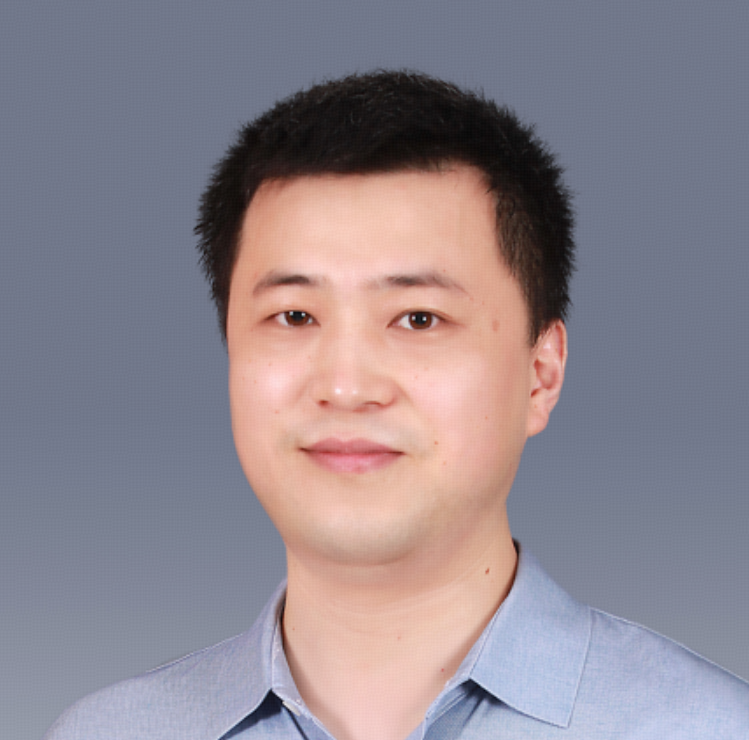 Yang Zhang (张扬)合作论文数South China Sea Institute of Oceanology, Chinese Academy of Sciences;University of Chinese Academy of Sciences15Qingfei Yin (殷庆飞)合作论文数Center for Excellence in Molecular Cell Science, Chinese Academy of Sciences13
 Run-Wen Yao合作论文数Department of Biophysics and Howard Hughes Medical Institute, University of Texas Southwestern Medical Center12
 Jianfeng Xiang (向剑锋)合作论文数Shanghai Institutes for Biological Sciences, Chinese Academy of Sciences12
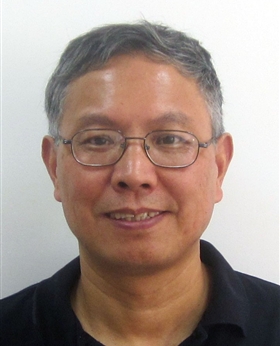 Qizhuang Ye (叶其壮)合作论文数Medical School, Shenzhen University11Xu-Kai Ma合作论文数10
 Guang Xu合作论文数10Shan Lin合作论文数10
 Yu-Hang Xing (邢宇航)合作论文数School of Life Sciences, Division of Life Sciences and Medicine, University of Science and Technology of China10
 Jun Zhang (张珺)合作论文数The College of Life Sciences, Northwest University10
 Fajun Nan (南发俊)合作论文数University of Chinese Academy of Sciences;Shanghai Institute of Materia Medica, Chinese Academy of Sciences10
 Youkui Huang合作论文数9Hao Wu合作论文数9
 Xiao-Ou Zhang (张晓鸥)合作论文数School of Life Sciences and Technology, Tongji University9
 Yan Chen (陈雁)合作论文数Shanghai Institute of Nutrition and Health, Chinese Academy of Sciences9
 Jingya Li (李静雅)合作论文数Shanghai Institute of Materia Medica, Chinese Academy of Sciences;University of Chinese Academy of Sciences9
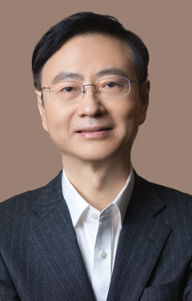 Wei Jia (賈偉)合作论文数Department of Pharmacology and Pharmacy, School of Chinese Medicine, Li Ka Shing Faculty of Medicine, The University of Hong Kong9
 Rui Dong (董瑞)合作论文数8Fang Nan合作论文数8
 Jiaquan Liu (刘珈泉)合作论文数Center for Excellence in Molecular Cell Science, Chinese Academy of Sciences;University of Chinese Academy of Sciences7Xiang Li合作论文数7
 Huang Wu合作论文数7
 Zixuan Li合作论文数Key Lab of Network Data Science and Technology, Institute of Computing Technology, Chinese Academy of Sciences7
 Yongmei Cui (崔永梅)合作论文数Department of Chemistry, College of Sciences, Shanghai University7Wei Xue合作论文数6Man Wu合作论文数Chinese Acad Sci, Tech Inst Phys & Chem, Key Lab Photochem Convers & Optoelect Mat, Beijing 100190, Peoples R China6Tian CHEN (陈田)合作论文数6
 Jeremy E. Wilusz合作论文数Department of Biochemistry and Biophysics, Perelman School of Medicine, University of Pennsylvania6
 Qunli Luo (罗群力)合作论文数School of Chemistry and Chemical Engineering, Southwest University6Yi-Feng Xu合作论文数5Shi-Meng Cao合作论文数5Si-Kun Guo合作论文数5Yijun Lin合作论文数5
 Siqi Li (李思奇)合作论文数Faculty of Electric Power Engineering, Kunming University of Science and Technology5
 Ying Wang合作论文数5
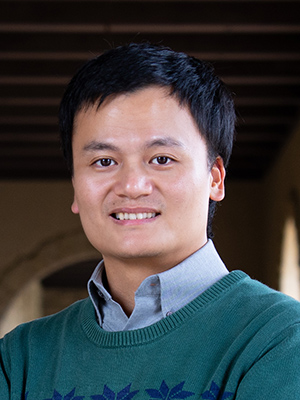 Shibin Hu (胡世斌)合作论文数Shenzhen Medical Academy of Research and Translation5
 Yang Wang (汪洋)合作论文数Institute of Cancer Stem Cell, Dalian Medical University5Meijuan Bai合作论文数4Peng-Fei Luan合作论文数4
 Chunjie Guo合作论文数Chinese Academy of Sciences4
 Zheng Luo合作论文数Key Lab Computat Biol, Univ Chinese Acad Sci4XuHua Lu (卢旭华)合作论文数4
 Jinsong Li (李劲松)合作论文数Center for Excellence in Molecular Cell Science, Chinese Academy of Sciences;University of Chinese Academy of Sciences4
 Michael O. Duff合作论文数Genetics and Genome Sciences Computational Genomics Unit4Jia-Lin Zhang合作论文数3




