Tissue-resident memory T cells (TRM), which function against tumors, infections, and non-self antigens in organ transplantation, exhibit both effector and memory functionality. However, the homeostasis and differentiation of TRM is not clear. Using a murine kidney transplant model for long-term observation, our single-cell and spatial transcriptomics showed that CD49a+PD1hi CD8+ TRM exhibited an effector phenotype with enhanced cytotoxicity at a later stage. This subset might mature from a CXCR6hi precursor-like state with proliferation capacity in tertiary lymphoid structures (TLSs) in allografts. Mechanically, BHLHE40 is required for CD49a+PD1hi CD8+ TRM differentiation and effector function, thereby driving rejection in allo-transplantation. In TLSs, TGF-β orchestrated BHLHE40 expression in TRM and effector TRM differentiation. Our findings identified an effector subset of TRM as CD49a+PD1hi CD8+ TRM, and highlighted a BHLHE40-orchestrated, resident immune component, rather than circulating cells, as a major contributor to allograft rejection.
Chronic allograft vasculopathy (CAV) is driven in part by stem-like CD4+ T cells, but how these cells sustain their progenitor programs during chronic rejection remains unclear. Here, a metabolic-epigenetic axis is identified in which Mapk13 phosphorylates Tcf1 at T289, enabling Tcf1 to activate the amino acid transporter Slc7a5 and enhance methionine uptake. This rewires one-carbon metabolism and increases H3K4me3 enrichment at the Tcf7 locus, thereby maintaining stem-like CD4+ T cells within rejecting grafts. Disruption of this circuit-via genetic deletion of Mapk13 or Slc7a5, or through dietary methionine restriction-reduces Tcf1+ CD4+ T cell stemness and prevents CAV in mouse models. These findings reveal the Mapk13-Tcf1-Slc7a5 axis as a critical metabolic dependency of pathogenic T cells and highlight one-carbon metabolism as a promising target to promote long-term graft survival.
Abstract Liver inflammation is a key driver of nonalcoholic fatty liver disease (NAFLD) and its progressive subtype, nonalcoholic steatohepatitis (NASH). Macrophages, as central players in the innate immune response, are crucial to disease pathogenesis; however, the upstream events that initiate their activation remain poorly defined. Here, we employed a cell-based chimeric receptor screening system and identified CD1d as a surface ligand for PIRA2. We subsequently demonstrated that CD1d stimulation activated macrophages both in vitro and in vivo. Co-immunoprecipitation assays further confirmed a direct interaction between CD1d and PIRA2. Using Pira2-deficient (Pira2 −/− ) mice, we observed significantly reduced hepatic inflammation and lipid accumulation compared to wild-type controls. Importantly, macrophage-specific Pira2 conditional knockout mice similarly exhibited reduced macrophage activation and inflammatory cytokine production in vivo, confirming a macrophage-intrinsic role of PIRA2. Mechanistically, CD1d-PIRA2 interaction involves the α1 and α2 domains of CD1d and the D1 and D2 domains of PIRA2, leading to FcRγ ITAM tyrosine phosphorylation and downstream inflammatory signaling-events that are impaired in Pira2 −/− macrophages. Additionally, CD1d and LILRA2 protein levels were elevated in NAFLD patients, and CD1d stimulation induced proinflammatory cytokine expression in human macrophages, which was attenuated by LILRA2 blockade. A recombinant LILRA2/Fc fusion protein effectively blocked CD1d-induced inflammatory gene expression in human macrophages, highlighting its potential as a therapeutic strategy for NAFLD. Collectively, our findings identify CD1d as a functional ligand of PIRA2 that promotes macrophage activation and inflammation, contributing to inflammatory progression in NAFLD.
Epigenetic dysregulation is associated with immune evasion and immune checkpoint blockade (ICB) resistance. Here, using in vivo CRISPR/Cas9 screens targeting epigenetics-related factors in mouse tumor models treated with ICB, we identified chromobox 4 (CBX4) as a key negative regulator of the immune tumor microenvironment (TME). Single-cell RNA-seq and spatial transcriptomics analyses of patients receiving neoadjuvant anti-programmed cell death protein 1 (anti-PD-1) therapy revealed high CBX4 expression in both tumor cells and immunosuppressive tumor-associated macrophage subpopulations, with preferential accumulation in nonresponders. Deficiency of CBX4 in macrophages or tumor cells induced robust antitumor immunity and increased infiltration and the cytotoxic activity of CD8+ T cells and NK cells, thereby heightening the sensitivity of ICB treatment. Mechanistically, CBX4 targeted H3K9me3- and H3K27me3-marked endogenous retroelements such as RLTR4-Mm-int. Loss of CBX4 derepressed retrotransposons, activating cytosolic RNA-sensing pathways and triggering the type I IFN response, ultimately leading to a robustly inflamed TME. Moreover, we uncovered a negative correlation between CBX4 expression, immune responses, and retrotransposon levels, and were able to determine the prognosis of patients with hepatocellular carcinoma (HCC) undergoing ICB therapy. Our study establishes CBX4 as an epigenetic immune checkpoint through the epigenetic silencing of retrotransposons, remodeling the immune TME and thus providing a promising therapeutic target to enhance tumor immunogenicity and overcome immunotherapy resistance.
Autologous hematopoietic stem cell transplantation (AHSCT)-based immune system reset (ISR) is conceptually distinct from donor-hematopoietic chimerism: recipient immunity is deeply depleted and rebuilt from recipient-derived hematopoietic stem/progenitor cells, without intended donor hematopoiesis. This review evaluates whether that platform could support kidney-allograft acceptance under reduced immunosuppression and, in exceptional responders, justify later testing of operational tolerance. We separate four evidence levels: mechanistic observations after AHSCT for autoimmune disease, preclinical hematopoietic-rescue models without intended donor chimerism, human partial-reset/minimization studies, and true drug-free tolerance. Autoimmune-disease data establish repertoire renewal and regulatory rebalancing, but do not prove alloantigen-specific tolerance. Experimental and early clinical transplant evidence remains limited and heterogeneous. We refine the proposed immune reconstitution-window model as a falsifiable framework in which continuous graft-derived donor-antigen exposure must coincide with a transient period of heightened immune plasticity. Donor antigen may enter this window through kidney transplantation during reconstitution after pretransplant ISR, or may already be present when ISR is applied to a stable recipient with an established allograft. Antigen presence is hypothesized to be necessary, but not sufficient, for donor-specific hyporesponsiveness. The model is linked to measurable targets: reduction of circulating and memory lymphocytes, turnover of donor-reactive clones, recovery of thymic output and naive repertoires, HLA-antibody trajectories interpreted against pretransplant donor-specific antibody status and specificity, absence of molecular or histologic graft injury, and reduced immunosuppression requirements. We also address resistant plasma cells, tissue-resident memory, pathogen-specific immunity, natural-killer-cell missing-self responses, age-dependent thymic recovery, stem-cell source, organ- and donor-type constraints, and kidney-specific safety. Current evidence supports biomarker-gated mechanistic testing in highly selected patients, not routine AHSCT or unmonitored immunosuppression withdrawal.
Mitochondrial dysfunction is a critical factor driving the exhaustion of tumor-infiltrating CD8+ T cells and impeding the efficacy of tumor immunotherapy. However, the key regulatory proteins and molecular mechanisms governing mitochondrial function in CD8+ T cells remain enigmatic. Here, we report that PARK7 is significantly enriched in the mitochondria of tumor-infiltrating CD8+ T cells. T-cell-specific PARK7 deficiency enhanced mitochondrial function in CD8+ T cells, alleviated T-cell exhaustion, and suppressed tumor growth. Mechanistically, we found that PARK7 directly interacted with the mitochondrial membrane protein ATAD3A and downregulated its lactylation level, thereby suppressing the expression of mitochondrial-related genes and ultimately promoting CD8+ T-cell exhaustion. Overall, our study not only identifies the critical role of PARK7 in regulating mitochondrial function in CD8+ T cells but also elucidates the molecular mechanism through which the PARK7-ATAD3A axis modulates mitochondrial gene expression, providing a potential therapeutic strategy for targeting PARK7 in tumor immunotherapy.
Objective Gram-negative bacterial (GNB) infections, particularly multidrug-resistant GNB (MDR-GNB), significantly affect survival after liver transplantation. This study analyzed the epidemiology, resistance profiles, and mortality risk factors for early postoperative GNB infections. Methods We retrospectively reviewed 1,115 patients undergoing liver transplantation (2015–2024); 110 developed GNB infections within 30 days. Pathogen distribution, resistance patterns, and risk factors for MDR-GNB and mortality were analyzed using logistic regression. Results The MDR-GNB infection rate was 68.2% (75/110). Among 182 isolates, Klebsiella pneumoniae (33.0%) and Acinetobacter baumannii (30.2%) predominated. Common infection sites were abdominal cavity (44.5%) and respiratory tract (37.9%). Carbapenem resistance was high (87.5%); tigecycline (21.2%) and minocycline (49.0%) showed higher susceptibility. Pre-transplant MELD score ≥ 30 independently predicted MDR-GNB infection (OR = 4.094, P = 0.040). The 30-day mortality rate was 14.5% (16/110). Independent mortality risk factors included septic shock (OR = 387.098, P < 0.001), serum creatinine ≥ 133 µmol/L (OR = 7.136, P = 0.005), lymphocyte count ≤ 0.3×10⁹/L (OR = 4.719, P = 0.026), and MELD score ≥ 30 (OR = 3.971, P = 0.041). MDR-GNB infection correlated with lower 30-day survival (Log-rank P = 0.020). Conclusion Early postoperative GNB infections were predominantly MDR with severe carbapenem resistance. Septic shock, renal dysfunction, lymphocytopenia, and high MELD score independently increased mortality, highlighting the need for enhanced infection control, tailored empiric therapy, and early intervention.
Suppressing immune responses promotes allograft survival but also favours tumour progression and recurrence. Selectively suppressing allograft rejection while maintaining or even enhancing antitumor immunity is challenging. Here, we show loss of allograft-related rejection in mice deficient in Setdb1, an H3K9 methyltransferase, while antitumor immunity remains intact. RNA sequencing shows that Setdb1-deficiency does not affect T-cell activation or cytokine production but induces an increase in Treg-cell-associated gene expression. Depletion of Treg cells impairs graft acceptance in Setdb1-deficient mice, indicating that the Treg cells promote allograft survival. Surprisingly, Treg cell-specific Setdb1 deficiency does not prolong allograft survival, suggesting that Setdb1 may function prior to Foxp3 induction. Using single-cell RNA sequencing, we find that Setdb1 deficiency induces a new Treg population in the thymus. This subset of Treg cells expresses less IL-1R2 and IL-18R1. Mechanistically, during Treg cell induction, Setdb1 is recruited by transcription factor ATF and altered histone methylation. Our data thus define Setdb1 in T cells as a hub for Treg cell differentiation, in the absence of which suppressing allograft rejection is uncoupled from maintaining antitumor immunity.
Liver organoids have been increasingly adopted as a critical in vitro model to study liver development and diseases. However, the pre-vascularization of liver organoids without affecting liver parenchymal specification remains a long-lasting challenge, which is essential for their application in regenerative medicine. Here, the large-scale formation of pre-vascularized human hepatobiliary organoids (vhHBOs) is presented without affecting liver epithelial specification via a novel strategy, namely nonparenchymal cell grafting (NCG). Endothelial and mesenchymal cells are grafted to human hepatobiliary organoids (hHBOs) at the different liver epithelial differentiation stages without supplementing with nonparenchymal culture medium and growth factors. Endothelial grafting at the stage of hepatic maturation offers an optimal integration efficiency compared to the stage of hepatic specification. Additionally, grafting with mesenchymal proves crucial in endothelial invading and sprouting into the liver epithelial cells during the establishment of vhHBOs. Ectopic liver implants into mice further displayed integration of vhHBOs into mice vascular networks. Notably, transplanted vhHBOs self-organized into native liver tissue like hepatic zone and bile ducts, indicating their potential to regenerate damaged hepatic and bile duct tissues. It is believed that nonparenchymal cell grafting will offer a novel technical route to form a high-fidelity complex in vitro model for tissue engineering and regenerative medicine.
More liver transplants (LT) are performed worldwide thanks to extended criteria donors (ECD). This is paralleled by a supposed increased risk of allograft failure (AF) at 90 and 365 days. This study has been designed to portray the LT practice worldwide and investigate models of AF prediction and the impact of risk mitigation strategies for further improving graft and patient outcomes. This is a multicenter, international, non-competitive, observational two segment study on consecutive LTs over two periods (2017–2019 and 2022–2024). A steering committee of LT experts defined the study protocol. The prospective segment will enroll 750 patients from 15 high-volume LT centers (50 per center), and the retrospective segment will enrol 4200 patients from 56 LT centers (75 per center). To provide a snapshot of the LT activity globally and to develop new algorithms for the timely prediction of AF at 90 and 365 days post-LT. The study also aims (1) to validate the existing predictive models and (2) to investigate the best time for re-transplantation, paying attention to the differences in AF and Ischemic cholangiopathy according to the donor types and mitigation strategies implemented in the various settings. Since the adoption of machine perfusion has increased in different proportions worldwide, models will be adjusted according to this parameter. Finally, retrospective and prospective data will be available for further stratifications and modelling according to the degree of decompensation at transplant, gender match, postoperative complications and their management. This protocol was approved by Fondazione Policlinico Universitario Agostino Gemelli IRCCS Ethics Committee (study ID: 4571) and the Institutional Review Board of the University of California, Los Angeles. The provisional study protocol was submitted to the main scientific international societies in the transplant field. Results will be published in international peer-reviewed journals and presented at congresses. Graphical Abstract
Due to the easier availability of transgenic mice and reagents, the mouse orthotopic liver transplantation model offers significant advantages in liver transplantation research. However, technical challenges have limited its broader application. The most challenging steps of the procedure include manual anastomosis of the suprahepatic vena cava, cuff anastomosis of the portal vein, and maintaining the anhepatic phase within 20 minutes. This study aims to provide detailed solutions to overcome these bottlenecks and introduces a modified magnetic device to facilitate safer and more efficient cuff anastomosis. We also describe the learning curve for beginners to achieve a 30-day survival rate exceeding 90% in mouse orthotopic liver transplantation. We demonstrate that mouse orthotopic liver transplantation can be mastered within 8 months of continuous practice, with 7-day and 30-day survival rates improving from 0% to 96.7% and 0% to 93.3%, respectively. The entire procedure can be completed within 80 minutes. We believe these technical improvements will provide more practical guidance for mouse liver transplantation.
OBJECTIVES:Accurate and timely assessment of liver graft function is of great significance for the survival of liver grafts and liver transplant recipients. This study aimed to investigate the correlation between the functional automated whole-liver score (FAWLS) system derived from gadoxetic acid-enhanced magnetic resonance imaging (MRI) and quantitative measurements of liver graft function. Additionally, it sought to determine the utility of FAWLS in evaluating the severity of liver graft injury and monitoring treatment response following therapy, through an association analysis with liver biopsy findings to validate its effectiveness as a non-invasive diagnostic tool. METHODS:Between July 2021 and September 2023, 172 liver transplant recipients underwent liver MRI at a 3 T system, which included T1 mapping and high-speed T2-corrected multi-echo magnetic resonance spectroscopy in this prospective cohort study. The Albumin-Bilirubin (ALBI) score was utilized to quantitatively evaluate liver graft function. T1 maps were obtained before and 20 minutes after the injection of gadoxetic acid (0.025 mmol/kg). This study assessed the relationship between the ALBI score and various MRI parameters, including pre- and post-contrast liver T1 values, FAWLS, liver volume, and functional liver imaging score (FLIS). Diagnostic performance of the FAWLS in identifying patients with an ALBI score greater than -2.6. Utilized the areas under the receiver operating characteristic curve to compare across other parameters. RESULTS:FAWLS exhibited a negative correlation with ALBI ( r = -0.72; P < 0.001). Participants with ALBI scores of -2.6 or lower showed significant differences in FAWLS, post-contrast T1 liver , and ΔT1 liver compared to those with ALBI scores greater than -2.6. FAWLS demonstrated superior performance in detecting ALBI of greater than -2.6 compared to liver volume (0.83 vs 0.59; P < 0.0001), ΔT1 liver (0.83 vs 0.76; P = 0.03), and FLIS (0.83 vs 0.65; P = 0.01). Significant alterations in FAWLS were observed between pre-treatment and post-treatment measurements. CONCLUSION:FAWLS is negatively correlated with liver function based on ALBI scores and provide good diagnostic accuracy in identifying patients with ALBI of greater than -2.6. Additionally, FAWLS is valuable for monitoring treatment response after therapy in these individuals.
In liver transplantation, the functional recovery of donor grafts following extended cold storage is a major challenge. The same obstacle applies to standard rodent models (e.g., mice and rats) for liver transplantation despite their well-established surgical protocols, thus restricting research on key topics such as post-transplantation functional recovery and host-graft immunocompatibility. Here, we successfully established a novel liver transplantation model using an obligate hibernator, the Daurian ground squirrel (DGS; Spermophilus dauricus), which demonstrates intrinsic adaptation to ultra profound hypothermia-rewarming and ischemia-reperfusion transitions. In our hands, transplantation of liver grafts following 24-h cold storage resulted in 100% survival of DGS recipients within the 7-day observation time frame, whilst the same procedure in Sprague-Dawley (SD) rats had 0% survival 24 h following the surgery. Thus, the DGS and other cold-adaptive mammalian models provide a unique and robust platform to investigate mechanisms underlying organ cold adaptation and transplantation tolerance, which can support the development of novel treatment or surgery strategies in the field of transplantation medicine.
Ischemia-reperfusion injury is a leading cause of acute kidney injury and delayed graft function following kidney transplantation. Macrophages are key mediators of ischemia-reperfusion injury-induced inflammation and tissue remodelling; however, the metabolic mechanisms underlying their activation remain poorly defined. In this study, we demonstrate that methionine restriction impaired the polarization of bone marrow-derived macrophages toward both M1 and M2 phenotypes. Mechanistically, methionine restriction led to decreasing H3K4me3 enrichment at the Irf1 promoter, thereby downregulating IRF1 expression and impairing macrophage polarization. Dietary methionine restriction reduced the infiltration of inflammatory macrophages, alleviated tubular damage, and attenuated early interstitial fibrosis in a mouse model of renal ischemia-reperfusion injury. These findings identify methionine metabolism as a key immunometabolism checkpoint in renal ischemia-reperfusion injury and suggest that dietary methionine restriction may serve as a potential therapeutic strategy to attenuate inflammation and fibrosis in ischemic kidney injury.
Liver-related diseases, such as hepatocellular carcinoma (HCC) and cirrhosis, are globally prevalent and significantly contribute to mortality rates. Despite the availability of various imaging techniques for liver evaluation, a consensus regarding the selection of an accurate and safe method remains elusive. As a non-invasive imaging approach, the effectiveness of contrast-enhanced ultrasound (CEUS) in assisting the diagnosis and treatment of liver-related diseases has been established. Compared to conventional methods, CEUS offers notable advantages, including high safety, convenience, accuracy, and cost-effectiveness. Recent advancements have demonstrated the expanded utility of CEUS in liver-related diseases. In addition to diagnosing focal liver lesions, CEUS is increasingly employed for guiding local treatments, assessing liver transplantation suitability, and planning surgical interventions. However, its application requires caution due to the high technical proficiency demanded of operators, time-sensitive imaging processes, and susceptibility to visual interference. This review summarizes the current applications and recent advancements in CEUS-assisted diagnosis and treatment of liver-related diseases, explores its future potential, and proposes possible improvements. The objective is to enhance the accuracy and versatility of non-invasive liver assessments and provide a reference for the broader and more effective utilization of CEUS in liver disease diagnosis and management.
Mucosal-associated invariant T (MAIT) cells exert multifaceted effects such as anti-microbial activity, tissue repair, and pro-fibrotic effects across various disease settings. Nonetheless, their role in liver injury and hemostasis remains debated. Here, we report a significant depletion and functional dysregulation of MAIT cells, which is associated with disease severity and accumulated bile acids in HBV-infected patients with varying degree of liver injury. Liver transplantation facilitates a gradual recovery of recipient-originated MAIT cells. Transcriptome analysis reveals enhanced MAIT cell activation, while TCR mining demonstrates clonotype overlap between circulating and hepatic MAIT cells during significant liver injury. TCR-activated MAIT cells from transplant recipients display higher protective capacity but reduced pathological potential than those from liver failure patients. Compromised recovery of MAIT cells is linked to post-transplantation complications, whereas prompt recovery predicates favorable clinical outcome. These findings underscore the intricate interplay between MAIT cells and the hepatic environment, highlighting MAIT cells as potential therapeutic targets and sensitive predictors for clinical outcome in individuals experiencing liver failure and post liver transplantation.
BackgroundLaparoscopic living donor nephrectomy (LLDN) is the preferred technique for living donor kidney transplantation, but multiple renal arteries pose challenges due to increased surgical complexity. While cases with up to seven renal arteries have been reported, the occurrence of kidneys with more than three renal arteries is extremely rare. This report presents a successful retroperitoneoscopic nephrectomy in a living donor with five renal arteries, a case not previously detailed in the literature.Case reportA 65-year-old female donor with five left renal arteries underwent retroperitoneoscopic LLDN. The kidney was reconstructed ex vivo using the recipient's internal iliac artery trunk and its branches. Vascular reconstruction was achieved by anastomosing the donor's renal arteries to the recipient's iliac artery branches, forming a single arterial ostium, which was then anastomosed to the recipient's external iliac artery. The recipient, a 33-year-old male, also underwent concurrent repair of a left inguinal hernia. Postoperative outcomes were excellent, with immediate graft function, no dialysis requirement, and stable renal function at 60 days post-transplant.ConclusionThis case demonstrates that retroperitoneoscopic LLDN for kidneys with five renal arteries is technically feasible and safe. It highlights the utility of the recipient's internal iliac artery for ex vivo reconstruction, expanding the potential for successful transplantation in complex anatomical scenarios.
Objectives:Hepatic failure is a common and severe condition among intensive care unit (ICU) patients. Its complication with acute respiratory distress syndrome (ARDS) is consistently associated with poor clinical outcomes and a significant disease burden. Early identification of high-risk patients is essential for improving clinical outcomes. This study aimed to develop and validate a machine learning (ML) model to predict 28-day mortality in ICU patients with hepatic failure complicated by ARDS. Methods:Data were extracted from the Medical Information Mart for Intensive Care IV database, focusing on patients with hepatic failure complicated by ARDS. The cohort was randomly divided into an 80% training set and a 20% validation set. Six ML algorithms were applied to analyze clinical characteristics. Shapley Additive Explanations (SHAP) were used to interpret the optimal model. Results:A total of 884 patients with hepatic failure and concurrent ARDS were included, with a 28-day mortality rate of 47.4%. Random forest models demonstrated superior performance, achieving an area under the curve of 0.823 (95% confidence interval: 0763-0.883) in the validation set. SHAP analysis identified eight clinically significant predictors of mortality, ranked by importance: age, neutrophil count, pulse transit time, direct bilirubin, heart rate, fibrinogen, serum sodium concentration, and prothrombin time. SHAP enhanced model interpretability, supporting clinical decision-making and potentially improving patient outcomes. Conclusions:ML approaches exhibited promising performance in predicting 28-day mortality among hepatic failure patients complicated by ARDS. These models may aid in guiding treatment decisions for patients with hepatic failure patients.
Ischemia-reperfusion injury (IRI) and bile salt toxicity are significant contributors to post-transplant cholangiopathy. Ferroptosis appears to play a critical role in intrahepatic bile duct injury induced by ischemia-reperfusion (I/R) and bile salt toxicity. Our study aimed to elucidate the role of ferroptosis in bile duct injuries and its potential as a therapeutic target for liver diseases. Mouse models of liver ischemia-reperfusion (I/R) and α-naphthyl isocyanate (ANIT)-induced liver cholestasis were employed to investigate the role of ferroptosis in intrahepatic bile duct injury in vivo. Hypoxia-reoxygenation (H/R) and bile salt treatment models were utilized to simulate the post-transplant bile duct injury process in vitro. In mouse models of liver I/R and cholestasis, we observed a downregulation of glutathione peroxidase 4 (GPX4) and an upregulation of lipid peroxidation levels in bile duct cells. Furthermore, the ferroptosis inhibitor Liproxstatin-1 (Lip-1) significantly attenuated intrahepatic bile duct injuries. Ferroptosis inhibitors alleviated cell death and lipid peroxide accumulation in human intrahepatic biliary epithelial cells (HiBECs) subjected to H/R or glycochenodeoxycholate (GCDCA) treatment. GCDCA treatment led to ferroptosis in HiBECs along with ferritin degradation. Inhibition of autophagy alleviated GCDCA-induced bile duct cell death. Our study suggested that ferroptosis played an important role of in the intrahepatic bile duct injury during I/R or cholestasis.
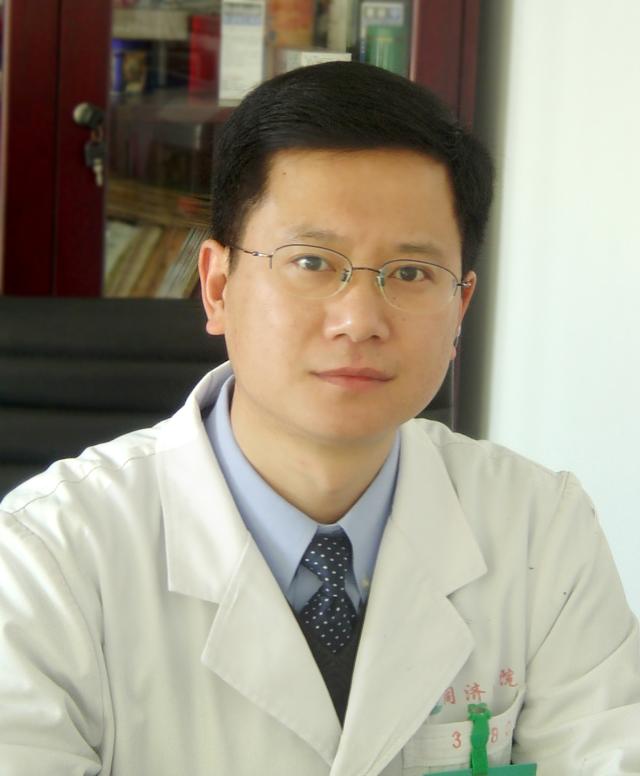 Weijie Zhang (张伟杰)合作论文数华中科技大学同济医学院附属同济医院100
 Lai Wei (魏来)合作论文数Tongji Hospital, Tongji Medical College, Huazhong University of Science and Technology96
 Changsheng Ming (明长生)合作论文数Institute of Organ Transplantation, Tongji Hospital, Tongji Medical College, Huazhong University of Science and Technology95
 Fanjun Ceng (曾凡军)合作论文数Tongji Hospital, Tongji Medical College, Huazhong University of Science and Technology90
 JiPin Jiang (蒋继贫)合作论文数87
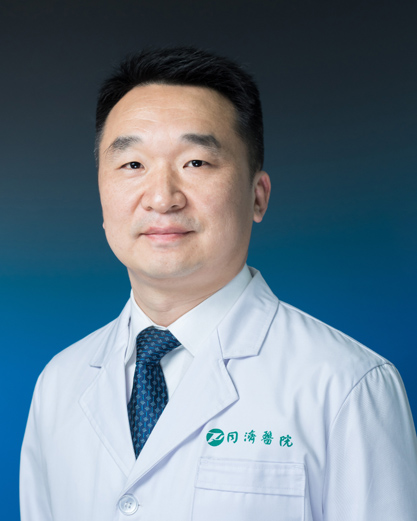 Nianqiao Gong (宫念樵)合作论文数Tongji Hospital, Tongji Medical College, Huazhong University of Science and Technology71
 Dong Chen (陈栋)合作论文数Tongji Hospital, Tongji Medical College, Huazhong University of Science and Technology61
 Dunfeng Du (杜敦峰)合作论文数Tongji Hospital, Tongji Medical College, Huazhong University of Science and Technology57
 Zhengbin Lin (林正斌)合作论文数Tongji Hospital, Tongji Medical College, Huazhong University of Science and Technology54
 Bin Liu (刘斌)合作论文数Tongji Hospital, Tongji Medical College, Huazhong University of Science and Technology54
 Yuanyuan Zhao合作论文数49
 Xiaoping Chen (陈孝平)合作论文数Tongji Hospital, Tongji Medical College, Huazhong University of Science & Technology;Interdisciplinary Institute for Medical Engineering, Fuzhou University36Bo Yang (杨波)合作论文数34
 Zhonghua Chen (陈忠华)合作论文数Tongji Hospital, Tongji Medical College of Huazhong University of Science and Technology31
 Qifa Ye (叶启发)合作论文数Zhongnan Hospital of Wuhan University30SuiSheng Xia (夏穗生)合作论文数28
 Sheng Chang (昌盛)合作论文数Tongji Hospital, Tongji Medical College, Huazhong University of Science and Technology27DunGui Liu (刘敦贵)合作论文数25
 Ping Zhou (周平)合作论文数Tongji Hospital, Tongji Medical College, Huazhong University of Science & Technology23Shi Chen (陈实)合作论文数华中科技大学同济医学院器官移植研究所23
 Fan He (何凡)合作论文数Tongji Hospital, Tongji Medical College, Huazhong University of Science and Technology23Hui Guo (郭晖)合作论文数21Chen Dai合作论文数20Bo Sha (沙波)合作论文数20
 Huibo Shi合作论文数19ZhiXiang Wen (文志向)合作论文数18Peixiang Lan合作论文数Shandong University, Shandong University18Fanjun Zeng合作论文数17
 Song Chen (陈松)合作论文数Tongji Hospital, Tongji Medical College, Huazhong University of Science and Technology17Xia Lu (卢峡)合作论文数Tongji Medical College of Huazhong University of Science & Technology16Xi Zhou合作论文数15
 Congyi Wang (王从义)合作论文数Tongji Hospital, Tongji Medical College of Huazhong University of Science & Technology;The Second Xiangya Hospital of Central South University14
 Haihao Wang (王海灏)合作论文数Tongji Hospital, Tongji Medical College, Huazhong University of Science and Technology14Meixi Wang合作论文数12Gang Chen (陈 刚)合作论文数12XiLin Chen (陈曦林)合作论文数12
 Lan Zhu (朱兰)合作论文数Tongji Hospital, Tongji Medical College, Huazhong University of Science and Technology12
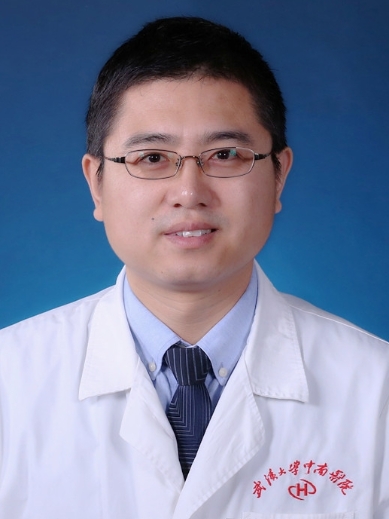 Zhao Ding (丁召)合作论文数Zhongnan Hospital of Wuhan University12XinQiang Wang (王心强)合作论文数10Li Tang (唐莉)合作论文数10
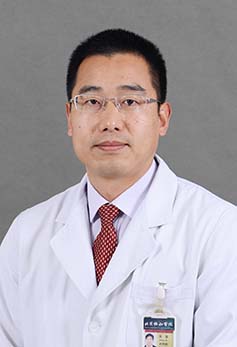 Bo Zhang (张波)合作论文数Peking Union Medical College Hospital10
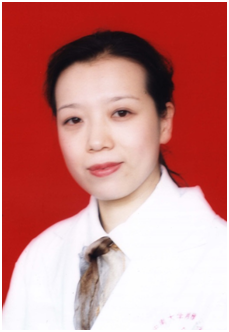 Yingzi Ming合作论文数Third Xiangya Hospital, Central South University10Rumeng Tan合作论文数9Junbo Li合作论文数9Wang Lu合作论文数9Shu Zhang合作论文数9Jing Xu (徐晶)合作论文数9




