目的 探讨后路寰枢椎融合术后下颈椎前凸曲度降低的影响因素.方法 选择2016 年4 月~2018 年4 月本院收治的84 例寰枢椎脱位患者为研究对象,均采用后路寰枢椎融合术治疗,随访2 年,根据术前、术后的下颈椎前凸角变化设为降低组以及不变或增加组,比较两组患者年龄、性别、术前枕颈角、下颈椎前凸角、颈椎矢状面轴向垂直距离(C2-7 sagittal vertical axis,C2-7 SVA)、T1 倾斜角(T1 slope,T1S)、术后C1-2 角等临床资料,采用Logistic回归分析法调查术后下颈椎前凸曲度降低的独立影响因素.结果 术后下颈椎前凸曲度降低者 26 例,不变或增加者 58 例.两组患者年龄、术前枕颈角、下颈椎前凸角、C2-7 SVA、术后C1-2 角差异有统计学意义(P<0.05);两组患者性别、术前T1S差异无统计学意义(P>0.05).Logistic回归分析显示,年龄≥60 岁、术前下颈椎前凸角>20°、术前枕颈角>20°、术后C1-2 角>20°,均是术后下颈椎前凸曲度降低的独立影响因素.结论 后路寰枢椎融合术后下颈椎前凸曲度降低与术前下颈椎前凸角、术前枕颈角、年龄以及融合角度过大有关.
Osteosarcoma is a common primary bone cancer that there are currently no effective treatment strategies for. Forkhead box M1 (FoxM1) is key in the development of osteosarcoma, and microRNA (miR)-216b serves an antitumor role by targeting FoxM1. Moreover, thiostrepton (TST), a natural thiazole antibiotic, induces antitumor effects and specifically targets FoxM1. Therefore, the present study investigated whether thiostrepton and miR-216b synergistically inhibited osteosarcoma cells by targeting FoxM1. The MTT assay, reverse transcription-quantitative PCR, a dual-luciferase reporter assay and flow cytometry were performed. Compared with the human osteoblast cell line hFOB1.19, miR-216b expression was significantly downregulated in the osteosarcoma cell lines U2OS, MG63 and Saos-2. By contrast, FoxM1 expression was significantly upregulated in osteosarcoma cell lines compared with the hFOB1.19 cell line. The results indicated that miR-216b targeted the 3'-untranslated region of FoxM1. Moreover, the results suggested that miR-216b cooperated with TST to decrease cell cytotoxicity and increase cell apoptosis. In addition, miR-216b cooperated with TST to increase Bax expression and decrease Bcl-2 expression. In conclusion, the combination of TST and miR-216b synergistically promoted osteosarcoma cell cytotoxicity and apoptosis by targeting FoxM1. Therefore, the present study suggested that the combination of TST and miR-216b may serve as a promising therapeutic strategy for osteosarcoma.
目的 检测载万古霉素介孔二氧化硅纳米颗粒(MSNs)复合硫酸钙人工骨,延长万古霉素释放时间及其抑菌作用.方法 分别制备相同载万古霉素量的Van-MSNs-CaSO4和Van-CaSO4颗粒,按0.1g/mL比例浸泡于PBS溶液中,37℃恒温浸提,按不同时间点取浸提液,全量和半量更换新鲜PBS溶液,分别检测两种颗粒浸提液中的万古霉素含量,并取浸提液行抑菌试验,测量抑菌环大小,比较两种载药颗粒的持续释药时间及相同时间点浸提液的抑菌能力.结果 全量更换PBS组Van-MSNs-CaSO4的释药时间为4d,Van-CaSO4的释药时间为2d;半量更换PBS组释药时间达35d,Van-CaSO4的释药时间为14d.抑菌环直径检测释出药物有抑菌作用.结论 Van-MSNs-CaSO4复合材料较Van-CaSO4可以明显延长万古霉素释放时间并具有抑菌活性.
We previously reported that PlncRNA-1, a long non-coding RNA that is up-regulated in prostate cancer (PCa), affects the proliferation and apoptosis of PCa cells. However, the molecular mechanisms underlying these effects remain largely unknown. In this study, we demonstrated that long non-coding RNA PlncRNA-1, whose expression is promoted by Androgen Receptor (AR), protects AR from microRNA-mediated suppression in PCa cells. PlncRNA-1 knockdown resulted in the up-regulation of a series of AR-targeting microRNAs, among which miR-34c and miR-297 were found to regulate both AR and PlncRNA-1 expression at the post-transcriptional level. Functional analysis revealed that miR-34c and miR-297 overexpression down-regulated AR expression and inhibited the expression of downstream AR targets and that PlncRNA-1 overexpression rescued these effects. The association of PlncRNA-1 with tumor progression was also evaluated in mouse xenograft models, PCa tissues (16 paired samples), and blood samples (35 biopsy-negative and 37 biopsy-positive). Together, the data generated in this study indicate that PlncRNA-1 sponges AR-targeting microRNAs to protect AR from microRNA-mediated down-regulation and that these events form a regulatory feed-forward loop in the development of PCa. These findings suggest that PlncRNA-1 might potentially serve as a novel biomarker in PCa and that PlncRNA-1 might warrant further investigation to determine its potential role as a promising therapeutic target in PCa.
Cervical epidural spinal abscess (C1-3) followed by intracranial infection is an extremely rare entity and life-threatening disease. For the very first time, we reported our clinical experience of managing such a life-threatening and tortuous case. A 58-year-old woman with neck pain was admitted to our hospital with the suspect of cervical tumor. Enhanced magnetic resonance (MRI) image demonstrated C1-3 suspected multiple abscess as well as extended inflammation of upper cervical and intracranial meninges. We conducted an urgent surgery with decompression, canaloplasty as well as debridement of the focus and then the patient was transferred to Surgical Intensive Care Unit. Head pain remained, but the intracranial infection was initially excluded. Subsequent MRI demonstrated extended endocranium lesions of middle and posterior fossa, as well as multifocal epidural abscesses. Multidisciplinary consultation was called and therapy plan was made by spine surgeons, neurosurgeons, ophthalmologists, cardiologists and infection physicians. After intrathecal injection of vancomacin for 14 + 7 days, as well as two-month administrations of a sequential order of antibiotics amoxicillin/sulbactam, levofloxacin, and fosfomycin. The patient was then successfully cured and discharged.
Background: Platelet-rich plasma (PRP) is used as an innovative clinical therapy, especially for arthroscopic rotator cuff repair. The current literature about PRP for arthroscopic repair rotator cuff tears provides ample but inconsistent data. The purpose of our meta-analysis was to appraise the efficacy and clinical outcomes of PRP use in patients which undergoing arthroscopic rotator cuff repair. Material and method: We carefully searched the Cochrane Library, PubMed, Web of Science, Google Scholar and EMBASE major medical databases for all possible randomized controlled trials which comparing clinical outcomes of arthroscopic rotator cuff repair with or without PRP. Two reviewers selected all studies for inclusion, then assessed methodologic quality of all articles, finally extracted data. Data included outcome scores and re-tears diagnosed with imaging studies. Dichotomous variables were all presented as risk ratios (RRs) with their 95% confidence intervals (CIs), also continuous data were all measured as mean differences with their 95% CIs too. Results: Fifteen randomized controlled trials about PRR use in arthroscopic rotator cuff repair were included in our study, with the patient number ranging from 28 to 88. For all included studies overall methodological quality was high enough. Random-effects analysis showed that the differences were not significant between the PRP and Placebogroups in final re-tear rate (RR, 0.65; 95% CI, 0.40 to 1.06; P=0.08), Constant Scale (WMD, 2.49, 95% CI, -1.58 to 6.57; P=0.23), and University of California at Los Angeles (UCLA) score (WMD, 0.92; 95% CI, -1.29 to 3.13; P=0.41). Conclusions: Our study does not support the use of PRP in arthroscopic repair of full thickness rotator cuff tear, because the re-tear rates and clinical efficacy weresimilar when compared with that of no use PRP. Level of Evidence: Level II, meta-analysis of Level I and Level II studies.
The aim of this study was to evaluate the in vitro and in vivo biocompatibility of artificial bone based on vancomycin loaded mesoporous silica nanoparticles and calcium sulfate composites. In vitro cytotoxicity tests by cholecystokinin octapeptide (CCK-8) assay showed that the 5 % Van-MSN-CaSO4 and Van-CaSO4 bone cements were cytocompatible for mouse osteoblastic cell line MC3T3-E1. The microscopic observation confirmed that MC3T3-E1cells incubated with Van-CaSO4 group and 5 % Van-MSN-CaSO4 group exhibited clear spindle-shaped changes, volume increase and maturation, showing that these cements supported adhesion of osteoblastic cells on their surfaces. In addition, the measurement of alkaline phosphatase activity revealed the osteoconductive property of these biomaterials. In order to assess in vivo biocompatibility, synthesized cements were implanted into the distal femur of twelve adult male and female New Zealand rabbits. After implantation in artificial defects of the distal femur, 5 % Van-MSN-CaSO4 and Van-CaSO4 bone cements did not damage the function of main organs of rabbits. In addition, the Van-MSN-CaSO4 composite allowed complete repair of bone defects with new bone formation 3 months after implantation. These results show potential application of Van-MSN-CaSO4 composites as bone graft materials for the treatment of open fracture in human due to its mechanical, osteoconductive and potential sustained drug release characteristics and the absence of adverse effects on the body.
The influence of age on the performance of percent free prostate-specific antigen (%fPSA) in diagnosing prostate cancer (PCa) in East Asians is controversial. We tested the diagnostic performance of %fPSA in a multi-center biopsy cohort in China and identified the proper age-specific cutoff values to avoid unnecessary biopsies.Consecutive patients with a prostate-specific antigen (PSA) level of 4.0-10.0 ng/ml or 10.1-20.0 ng/ml who underwent transrectal ultrasound-guided or transperineal prostate biopsy were enrolled from 22 Chinese medical centers from Jan 1, 2010 to Dec 31, 2013. The diagnostic accuracy of PSA and %fPSA was determined using the area under the receiver operating characteristic (ROC) curve (AUC). Age-specific cutoff values were calculated using ROC curve analysis.The median %fPSA was much lower in younger patients compared with older patients with a PSA level of 4.0-10.0 ng/ml or 10.1-20.0 ng/ml. The AUC of %fPSA was higher than PSA only in older patients. In patients aged 50 to 59 years, %fPSA failed to improve the diagnosis compared with PSA in these two PSA ranges. Age-specific cutoff values were 24%, 27% and 32% for patients aged 60-69, 70-79 and ≥80 years, respectively, to reduce unnecessary biopsies in men with PSA levels of 4.0-10.0 ng/ml to detect 90% of all PCa.The effectiveness of %fPSA is correlated with age in the Chinese population. Age-specific cutoff values would help avoid unnecessary biopsies in the Chinese population.
OBJECTIVE: To explore causes of shoulder pain and propose prevention measures in treating acromioclavicular joint dislocation. METHODS: From January 2005 to January 2013, 86 patients with acromioclavicular joint dislocation (Tossy III) were treated with hook plate fixation, and were divided into two groups. Bsaed on recovery of shoulder function mostly, the patients who suffered from rest pain, motion pain were named as shoulder pain group, while the patients without pain were named as painless group. In shoulder pain group, there were 21 cases including 15 males and and 6 females ranging the age from 22 to 62 years old with an average of (40.6±11.2) years old. There were 8 cases were on the left side and 13 cases were on the right side. In painless group, there were 65 cases including 36 males and and 29 females ranging the age from 19 to 65 years old with an average of (40.0±11.3) years old. There were 33 cases were on the left side and 32 cases were on the right side. The time from injury to operation ranged from 3 h to 8 d with an average of 34.6 h. Shoulder function of all patients were normal before injuried. Postoperative pain, activity of daily living (ADL), range of motion, deltoid muscle strength were compared. Anteflexion,rear protraction, abduction and upthrow of shoulder joint were also compared. Postoperative complications between two groups were observed and compared. RESULTS: All patients were followed up from 12 to 48 months with an average of 18.5 months. Constant-Murley score were used to evaluate clinical efficacy at the least following up, and 13 cases got an excellent results, 5 moderate, 2 good and 1 poor in shoulder pain group ; while 61 cases were obtained excellent results, 3 moderate and 1 good in painless group. There were significantly differences between two groups in Constant-Murley score and activity of shoulder joint (P<0.05). In shoulder pain group, 3 cases were disconnected, 1 case occurred stress fracture, 9 cases were subacromial impingement syndrome, 5 cases occurred subluxation, 1 case occurred plate breakage and 11 cases were acromioclavicular arthritis. CONCLUSION: Chosing individual clavicular hook plate, fulfilling anatomic reset, paying attention to the repair of articular capsule ligament, and reducing hook and bone antagonism between stress is the key point of preventing and decreasing postoperative shoulder pain.
Because of the good physical and chemical properties of mesoporous silica nanoparticles( MSNs),MSNs Have broad prospect of application in disease diagnosis and treatment,but before it can be successfully applied in the human body,the biocompatibility of it must be improved. The cytotoxicity of MSNs was related to the way and quantity it can be uptaken into the cells. Those depend on the cell type and character of the MSNs. By improvement of physical and chemical methods,the biocompatibility of mesoporous silica nanoparticles can be obviously improved,and its hemolysis can be reduced too. MSNs distribute mainly in the liver,spleen,lungs,kidney,intestines,stomach,muscle and heart. The toxicity depend on the concentration. As a foreign matter,a certain extent hypersensitivity can be induced when the MSNs enter into the body( in vivo),MSNs exhibit good biocompatibility in vitro and in vivo,but the way to be adopted needs further study.
OBJECTIVE:In recent years, great effort has been made to explore new biomarkers for early detection of prostate cancer. Our previous study has demonstrated the high prevalence of TTTY15-USP9Y in prostate cancer samples from a Chinese population. Our aim was to evaluate the clinical utility of TTTY15-USP9Y in predicting the prostate biopsy outcome.MATERIALS AND METHODS:We retrospectively examined the expression of TTTY15-USP9Y in 226 qualified urine sediment samples. Total RNA was extracted from the urine sediment by using TRIzol reagent, and complementary DNA was synthesized using TransPlex Complete Whole Transcriptome Amplification Kit (WTA2). Real-time quantitative polymerase chain reaction was performed to evaluate the expression of TTTY15-USP9Y and the prostate cancer-specific antigen (PSA) level. The TTTY15-USP9Y score was calculated as 2(Ct(PSA)-Ct(TTTY15-USP9Y))× 1,000.RESULTS:The TTTY15-USP9Y score was statistically significantly higher in men with positive biopsy outcome than in men with negative biopsy outcome (P<0.001). The area under the curve was 0.828 for the TTTY15-USP9Y score in the entire patient cohort. The TTTY15-USP9Y score׳s cutoff of 90.28 provided the optimal balance between sensitivity (84.0%) and specificity (77.5%). The combination of PSA level and the TTTY15-USP9Y score significantly improved the diagnostic performance of PSA level (P = 0.001). The TTTY15-USP9Y score alone was superior to PSA level, percent free PSA, and PSA density (serum PSA/prostate volume) in the subgroup of clinical interest (PSA level: 4-10ng/ml, gray zone). Univariable and multivariable logistic analyses indicated that TTTY15-USP9Y score, PSA level, age, and prostate volume were independent predictors of PCa. Adding the TTTY15-USP9Y score in the clinical base model (PSA level, age, and prostate volume) could bring a higher net benefit and reduce more unnecessary biopsies in the defined range of interest (10%-40% threshold probability).CONCLUSION:In conclusion, our study explored the potential utility of measuring the TTTY15-USP9Y score in post-digital rectal examination urine samples to predict biopsy outcome and provided the basis for the utility of this novel gene fusion in multicenter and large cohort studies.
Percent free prostatic-specific antigen (%fPSA) has been introduced as a tool to avoid unnecessary biopsies in patients with a serum PSA level of 4.0-10.0 ng ml−1 , however, it remains controversial whether %fPSA is effective in PSA range of 10.1-20.0 ng ml−1 in both Chinese and Western population. In this study, the diagnostic performance of %fPSA and serum PSA in predicting prostate cancer (PCa) and high-grade PCa (HGPCa) was analyzed in a multi-center biopsy cohort of 5915 consecutive Chinese patients who underwent prostate biopsy in 22 hospitals across China from January 1, 2010 to December 31, 2013. The indication for biopsy was PSA>4.0 ng ml−1 or/and suspicious digital rectal examination. Total and free serum PSA determinations were performed by three types of electrochemiluminescence immunoassays with recalibration to the World Health Organization standards. The diagnostics accuracy of PSA, %fPSA and %fPSA in combination with PSA (%fPSA + PSA) was determined by the area under the receivers operating characteristic curve (AUC). %fPSA was more effective than PSA in men aged ≥60 years old. The AUC was 0.584 and 0.635 in men aged ≥60 years old with a PSA of 4.0-10.0 ng ml−1 and 10.1-20.0 ng ml−1 , respectively. The AUC of %fPSA was superior to that of PSA in predicting HGPCa in patients ≥60 years old in these two PSA range. Our results indicated that %fPSA is both statistically effective and clinical applicable to predict prostate biopsy outcome in Chinese patients aged ≥60 years old with a PSA of 4.0-10.0 ng ml−1 and 10.1-20.0 ng ml−1 .
Objective To investigate the clinical results, neurological scores, radiographic changes and complications for patients with 4-level cervical spondylotic myelopathy (4-level CSM) who underwent anterior decompression and fusion surgery.Methods All the medical records of anterior cervical surgery in our hospital between September 2006 and March 2014 were collected.Among them, thirty-two consecutive patients with 4-level CSM underwent the anterior decompression and fusion procedures were retrospectively investigated.Neurological function was measured at different times using Japanese Orthopedic Association (JOA) scores.The visual analogue score (VAS) was recorded for neck-shoulder pain evaluation.X-rays were conducted before and after surgery for cervical lordosis and fusion rate.Complications such as iliac pain, dysphonia, C5 palsy, cerebral fluid leakage, axial neck pain and temporary dysphagia were recorded and analyzed as well.Results All the operations were performed uneventfully.The mean operative time was 136± 18min and mean blood loss was 67±16ml.The overall follow-up period of the patients ranged from 1-8 years (average 3.6± 1.7years).The VAS score significantly decreased from 7.3± 1.2 preoperatively to 3.6±0.8 at 12 months postoperatively.The JOA score was 9.2± 1.6 preoperatively, and 9.6±2.2, 12.5±3.3, 13.2±3.2, 13.7±3.4 at 1 week, 3 months, 6 months and 12 months postoperatively.Autologous iliac bone grafts were used in 4 patients, whose fusion rate was 100% at 6 months postoperatively.Titanium meshes were used in 28 patients, whose fusion rate was 85.7% at 6 months postoperatively and 100% at 12 months postoperatively.No hardware-related complications such as screw pull-out or plate bending occurred during the short-or long-term follow-up.Complications included iliac pain (3 cases), dysphonia (1 case), C5 palsy (1 case), cerebral fluid leakage (2 cases), axial neck pain (5 cases) and temporary dysphagia (1 case).Conclusion Anterior approach for 4 -level CSM is a challenging surgical technique.The choice of corpectomy levels should depend on the characteristics of cord compression.C4 and C6 discontinuous corpectomy with titanium mesh graft fusion and plate fixation is recommended procedure.This technique will be safe and effective if proper decompression and steady fixation are guaranteed.
OBJECTIVE:To test the diagnostic performance of percent free prostate-specific antigen (%fPSA) in predicting any prostate cancer (PCa) and high-grade prostate cancer (HGPCa) in a retrospective multi-center biopsy cohort with a PSA level of 4.0-10.0 ng/mL in China. METHODS:Consecutive patients with a PSA of 4.0-10.0 ng/mL who underwent transrectal ultrasound-guided biopsy were enrolled at 16 Chinese medical centers from January 1st, 2010 to December 31st, 2013. Total and free serum PSA determinations were performed using three types of electro-chemiluminescence immunoassays recalibrated to the World Health Organization (WHO) standard. The diagnostic accuracy of PSA, %fPSA, and %fPSA in combination with PSA (%fPSA + PSA) was determined using the area under the receiver operating characteristic (ROC) curve (AUC). RESULTS:A total of 2310 consecutive men with PSA levels between 4.0 and 10.0 ng/mL were included, and the detection rate of PCa was 25.1%. The AUC of %fPSA and %fPSA + PSA in predicting any PCa was superior to PSA alone in men aged ≥60 years (0.623 vs. 0.534, p < 0.0001) but not in men aged 40-59 years (0.517 vs. 0.518, p = 0.939). Similar result was yield in predicting HGPCa. CONCLUSION:In a clinical setting of Chinese men with 4.0-10.0 ng/mL PSA undergoing initial prostate biopsy, adding %fPSA to PSA can moderately improve the diagnostic accuracy for any PCa and HGPCa compared with PSA alone in patients ≥60 but not in patients aged 40-59 years.
Study Design: The clinical study was conducted on 145 patients who received either a novel guidance method or a conventional fluoroscopic method for the percutaneous pedicle screw placement in the lumbar spine. Objective: The aim of this study was to introduce a novel guidance method for percutaneous pedicle screw placement and to compare it with the conventional fluoroscopic method. Summary of Background Data: Conventional fluoroscopic method was associated with a long screw placement and a more fluoroscopy time. The novel guidance system effectively minimized the insertion and the radiation exposure times. Methods: A total of 145 patients were divided into 2 groups. A total of 65 patients (group A) underwent 152 percutaneous pedicle screw fixation by conventional fluoroscopic method. A total of 80 patients (group B) underwent 185 percutaneous pedicle screw fixation by a novel guidance method. Age, body mass index, and sex ratio were comparable between the 2 groups (P>0.05). The time of insertion, radiation exposure, and accuracy of the screw placement between the 2 groups were compared. Results: The mean time for a single pedicle screw placement was found to be 15.11±3.32 minutes in group A and 10.35±2.82 minutes in group B, respectively. The average radiation exposure was 9.06±2.15 s in group B and 13.07±3.06 s in group A, respectively. The differences were statistically significant for both screw placement and radiation exposure times (P<0.05). A total of 131 screws (86.2%) in group A and 163 screws (88.1%) in group B were perfectly located within the pedicle. The statistical difference was not significant (&khgr;2=0.277, P=0.598). Conclusions: The novel guidance system significantly reduced the insertion time and radiation exposure, provided the screw placement was accurately performed when compared with the conventional method.
BACKGROUND:Screw fixation of the fractured vertebral body can share the stress of implant, increase fixing strength, and help to maintain the stability of late fracture. However, whether it can assist reduction using fracture vertebral screw, but no relevant clinical reports were found at present. OBJECTIVE:To explore the effectiveness of self-designed screw-assisted reduction of fractured vertebrae. METHODS:161 cases of thoracolumbar fracture who had been hospitalized between June 2001 and June 2009 were enrol ed in this study, including 101 males and 60 females, at the age of 22-67 years, averagely 36 years. By Denis classification, 64 cases affected burst fractures and 97 flexion-compression fractures. Fracture levels involved T11 (9 cases), T12 (63 cases), L1 (74 cases) and L2 (15 cases). The self-designed method of reduction assisted with screw insertion was used. The efficacy of this reduction method was evaluated by operation time, intraoperative bleeding, fracture union time, height ratio of anterior borders of injured and normal vertebrae, sagittal Cobb’s angle, and reduction of fragments. <br> RESULTS AND CONCLUSION:The operation time ranged from 60 to 150 minutes, averaging 80 minutes. The intraoperative bleeding ranged from 67 to 750 mL, averaging 98 mL. The fol ow-up time ranged from 16 to 42 months in 161 patients. Fracture union time ranged from 10 to 18 weeks, averaging 12.6 weeks. The ratio of anterior heights and sagittal Cobb’s angle of fractured vertebrae were significantly improved from (54.39±9.60)%and (22.55±7.90)° respectively preoperati on to (82.80±6.63)%and (8.91°±5.85)° 12 months postoperation (P<0.05). The size of spinal canal was increased by (46.5±2.6)%postoperatively. CT scan revealed satisfactory fragment reduction and no deep infection appeared. These findings suggest that our self-designed screw-assisted reduction of the fractured vertebrae can improve the reduction quality in the treatment of thoracolumbar fractures.
A novel bone cement pellet, with sustained release of vancomycin (VAN), was prepared by mixing VAN loaded mesoporous silica nanoparticle (MSN) and calcium sulfate alpha-hemihydrate (CS) together. To improve the VAN loading ability, MSN was functionalized with aminopropyltriethoxysilane (APS) to give APS-MSN. The VAN loading content and entrapment efficiency of APS-MSN could reach up to 45.91 +/- 0.81% and 84.88 +/- 1.52%, respectively, much higher than those of MSN, which were only 3.91% and 4.07%, respectively. The nitrogen adsorption-desorption measurement results demonstrated that most of the VAN were in the pores of APS-MSN. The CS/ VAN@APS-MSN composite pellet showed a strongly drug sustained release effect in comparison with CS control pellet. The in vitro cell assays demonstrated that CS/APS-MSN composite was highly biocompatible and suitable to use as bone cement Furthermore, CS/VAN@APS-MSN pellet showed no pyrogenic effect and meet the clinical requirements on hemolytic reaction. These results imply that CS/VAN@APS-MSN was an ideal candidate to replace CS bone cement in the treatment of open fractures. (C) 2014 Elsevier B.V. All rights reserved.
Purpose The purpose of this study was to compare the clinical and radiological outcomes of minimally invasive versus open transforaminal lumbar interbody fusion in two-level degenerative lumbar disease. Methods We conducted a prospective cohort study of 82 patients, who underwent two-level minimally invasive or open transforaminal lumbar interbody fusion (TLIF) from March 2010 to December 2011. Forty-four patients underwent minimally invasive transforaminal lumbar interbody fusion (MITLIF) (group A) and 38 patients underwent the traditional open TLIF (group B). Demographic data and clinical characteristics were comparable between the two groups before surgery (p > 0.05). Peri-operative data, clinical and radiological outcomes between the two groups were compared. Results The mean follow-up period was 20.6 ± 4.5 months for group A and 20.0 ± 3.3 months for group B (p > 0.05). No significant difference existed in operating time between the two group (p > 0.05). X-ray exposure time was significantly longer for MITLIF compared to open cases. Intra-operative blood loss and duration of postoperatively hospital stay of group A were significantly superior to those of group B (p < 0.05). On postoperative day three, MITLIF patients had significantly less pain compared to patients with the open procedure. No statistical difference existed in pre-operative and latest VAS value of back pain (VAS-BP) and leg pain (VAS-LP), pre-operative and latest ODI between the two groups. The fusion rate of the two groups was similar (p < 0.05). Complications included small dural tear, superficial wound infection and overlong screws. When comparing the total complications, no significant difference existed between the groups (p > 0.05). Conclusions MITLIF offers several potential advantages including postoperative back pain and leg pain, intra-operative blood loss, transfusion and duration of hospital stay postoperatively in treating two-level lumbar degenerative disease. However, it required much more radiation exposure.
腰椎椎间盘突出症是脊柱微创技术应用最为活跃的疾病之一.近年来,各种新的脊柱微创技术,如椎间孔镜技术、椎间盘镜技术、微创小切口技术、微创经皮椎弓根螺钉技术等,纷纷运用于腰椎椎间盘突出症的治疗,并且取得了良好的效果.但由于腰骶椎变异较多,病理改变复杂,选择合适的微创手术方法对于L5/S1椎间盘突出症的治疗有更为重要的意义.本文将2009年8月~2011年2月,82例L5/S1椎间盘突出症患者的临床资料进行总结,并结合经验对微创技术治疗L5/S1椎间盘突出症的适应证进行探讨.
AIM We conducted a novel classification system of degenerative lumbar spinal stenosis (DLSS) based on clinical manifestations and imaging (computed tomography and magnetic resonance imaging) features. We chose different minimally invasive surgical procedures according to our system. Clinical parameters and radiological findings will be assessed in the article. MATERIAL AND METHODS A retrospective study was conducted on 96 patients undergoing minimally invasive surgery for DLSS. We chose different surgical procedures according to our novel classification system based on clinical manifestations, imaging features, and concurrence with other spinal diseases. Clinical parameters and radiological findings were assessed pre- and postoperatively. RESULTS The mean follow up period was 24 months (range, 15~36 months). There was a statistically significant improvement in the Visual Analogue Scale (VAS) score of low back pain and leg pain after surgery (p < 0.05). According to the Japanese Orthopaedic Association (JOA) scores, the operation efficacy was excellent in 57 cases, good in 36 cases, and fair in 3 cases. According to Bridwell's criterion, the fusion rate was 96% (48/50) in patients who underwent fusion surgery. There were no cages or pedicle screws related complications. CONCLUSION Minimally invasive surgical treatment of DLSS has satisfactory outcomes according to the novel classification, but further long-term, prospective, randomized controlled studies involving a larger study group are needed to validate the long-term efficacy.
 QiuLin Zhang (张秋林)合作论文数15Hao Tang (唐昊)合作论文数15
 Qiugen Wang (王秋根)合作论文数Shanghai General Hospital12Dake Tong合作论文数12
 Shisheng He (贺石生)合作论文数School of Medicine, Tongji University10ZiMin Wang (汪滋民)合作论文数8
 Hailong Zhang (张海龙)合作论文数Tongji University School of Medicine8
 Fang Ji (纪芳)合作论文数Shanghai Ninth People’s Hospital, School of Medicine, Shanghai Jiao Tong University8Guangfei Gu (顾广飞)合作论文数8Qingsong Fu合作论文数6JiSheng Gu (顾继生)合作论文数6Lei Cao (曹磊)合作论文数6
 Fang Wang (汪方)合作论文数School of Medicine, Tongji University6YingSheng Deng (邓迎生)合作论文数5
 Jingfeng Li (栗景峰)合作论文数Changhai Hospital5JianHong Wu (吴剑宏)合作论文数5Gu Xin合作论文数5
 Fubo Wang (王富博)合作论文数Changhai Hospital, Second Military Medical University5
 Shancheng Ren (任善成)合作论文数Department of Urology, Shanghai Changzheng Hospital5
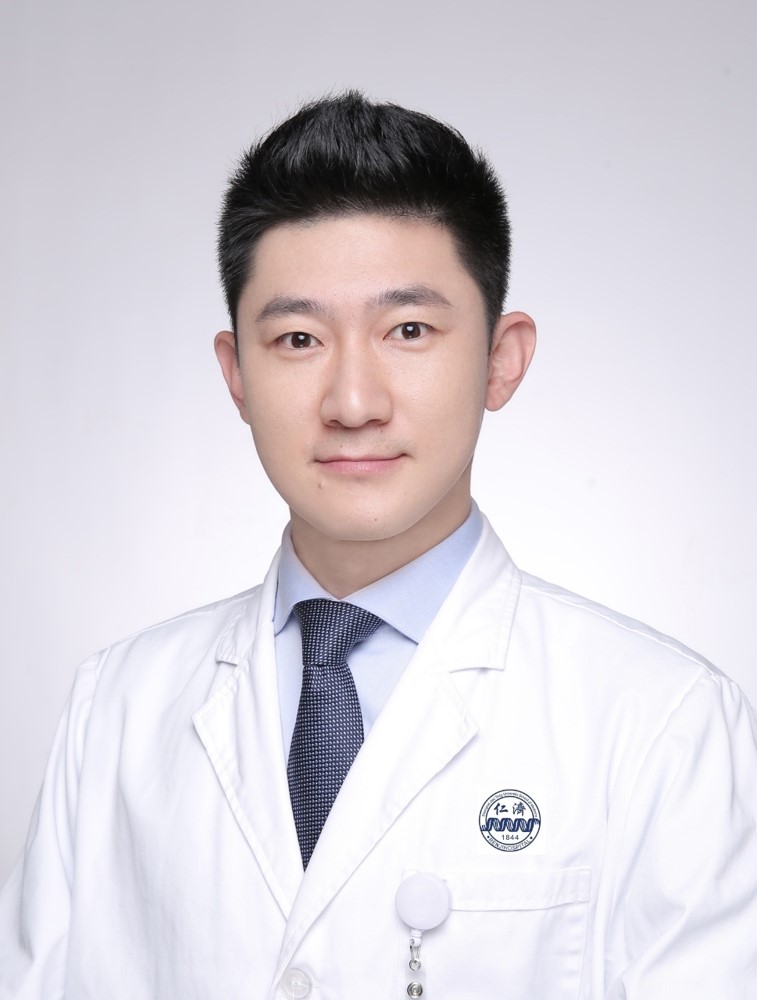 Rui Chen (陈锐)合作论文数Renji Hospital, Shanghai Jiao Tong University School of Medicine5
 Yinghao Sun (孙颖浩)合作论文数Naval Medical University5
 Chuanliang Xu (许传亮)合作论文数Changhai Hospital5Xu Zhou (旭洲)合作论文数4ZhangYong Tan (谭章勇)合作论文数4Jun Tan (谭军)合作论文数4
 Wei Hu (胡薇)合作论文数中国人民解放军第二军医大学4Kaiwei Han合作论文数Changzheng Hospital4
 Baoqing Yu (禹宝庆)合作论文数Department of Orthopaedics,Changhai Hospital,Second Military Medical University,Shanghai ,China4
 Lianshun Jia (贾连顺)合作论文数Shanghai Changhai Hospital4
 Xu Gao (高旭)合作论文数Harbin Medical University4Guoxin Fan合作论文数3ManTang Qiu (邱满堂)合作论文数3XuRi Tang (汤旭日)合作论文数3RuiXing Tan (谭瑞星)合作论文数3TieSheng Hou (侯铁胜)合作论文数3
 Jianlin Yuan (袁建林)合作论文数Air Force Medical University3
 Danfeng Xu (徐丹枫)合作论文数Ruijin Hospital, Shanghai Jiao Tong University School of Medicine3
 Zhangqun Ye (叶章群)合作论文数Tongji Hospital, Tongji Medical College of Huazhong University of Science and Technology;The First Affiliated Hospital of Xiamen University3
 Yiran Huang (黄翼然)合作论文数Renji Hospital, School of Medicine, Shanghai Jiao Tong University3Zhanyu Wu (吴展羽)合作论文数3
 Lulin Ma (马潞林)合作论文数Peking University Third Hospital3
 Chunxiao Liu (刘春晓)合作论文数Zhujiang Hospital, Southern Medical University3
 Chuncai Zhang (张春才)合作论文数Department of Orthopaedics,Changhai Hospital,Second Military Medical University,Shanghai ,China3
 Kexin Xu (许克新)合作论文数Peking University People's Hospital3
 Dingwei Ye (叶定伟)合作论文数Institutes of Biomedical Sciences, Fudan University;Fudan University Shanghai Cancer Center3
 Jianquan Hou (侯建全)合作论文数The First Affiliated Hospital of Soochow University3
 Liqun Zhou (周利群)合作论文数Peking University First Hospital3
 Dalin He (贺大林)合作论文数The First Affiliated Hospital of Xi’an Jiaotong University;Xi'an Jiaotong University3




