Large Language Models (LLMs) are increasingly used for question answering over scientific research papers. Existing retrieval augmentation methods often rely on isolated text chunks or concepts, but overlook deeper semantic connections between papers. This impairs the LLM's comprehension of scientific literature, hindering the comprehensiveness and specificity of its responses. To address this, we propose Central Entity-Guided Graph Optimization for Community Detection (CE-GOCD), a method that augments LLMs' scientific question answering by explicitly modeling and leveraging semantic substructures within academic knowledge graphs. Our approach operates by: (1) leveraging paper titles as central entities for targeted subgraph retrieval, (2) enhancing implicit semantic discovery via subgraph pruning and completion, and (3) applying community detection to distill coherent paper groups with shared themes. We evaluated the proposed method on three NLP literature-based question-answering datasets, and the results demonstrate its superiority over other retrieval-augmented baseline approaches, confirming the effectiveness of our framework.
Long Chain-of-Thought (LCoT), achieved by Reinforcement Learning with Verifiable Rewards (RLVR), has proven effective in enhancing the reasoning capabilities of Large Language Models (LLMs). However, reasoning in current LLMs is primarily generated as plain text, where performing semantic evaluation on such unstructured data creates a computational bottleneck during training. Despite RLVR-based optimization, existing methods still suffer from coarse-grained supervision, reward hacking, high training costs, and poor generalization. To address these issues, we propose the Graph Reasoning Paradigm (GRP), which realizes structured and symbolic reasoning, implemented via graph-structured representations with step-level cognitive labels. Building upon GRP, we further design Process-Aware Stratified Clipping Group Relative Policy Optimization (PASC-GRPO), which leverages structured evaluation to replace semantic evaluation, achieves process-aware verification through graph-structured outcome rewards, and mitigates reward hacking via stratified clipping advantage estimation. Experiments demonstrate significant improvements across mathematical reasoning and code generation tasks. Data, models, and code will be released later.
The increasing context window greatly extends the capabilities of large language models, but on the other hand, it incurs an unaffordable memory overhead and computational latency due to the increasing Key-Value (KV) cache size. Recent KV cache compression methods manage to reduce the cache size by dropping irrelevant KVs. However, these methods often fail to identify crucial KVs for generation while excluding others accurately, resulting in severe information loss. To address this gap, we propose **IntentKV**, an intention-aware KV cache eviction method that identifies and retains crucial KVs according to the attention distribution of intention, which semantically reflects the user’s goal and determines which part of the context is relevant. The consistency between the semantics and attention distribution is further substantiated through meticulously designed experiments. On this basis, IntentKV first distinguishes intention tokens from the vanilla context tokens based on their attention distribution distances. Then, the block-wise cumulative attention is calculated via aggregating the intention token attention. Finally, blocks that acquire high cumulative attention are picked and stored in KV cache. We evaluate our method across diverse long-context tasks and models. Results demonstrate that IntentKV can effectively maintain the model performance while reducing the KV cache size from 128K to 2K, leading to a 6.3x increase in decoding speed and 7.8x enhancement in memory efficiency compared to the default setting.
Relational Triple Extraction (RTE) mines factual knowledge components as relational triples from unstructured text. However, most triples tested in current datasets are already duplicated in the training set, leading past studies to rely more on memorization than on genuine discovery. In response to this, we suggest a novel benchmark ENT to assess the model’s capability to Extract New Triples, which aligns more closely with the practical objective of RTE such as automatic knowledge graph construction (The dataset is available at https://github.com/Kast-Nora/ENT-Dataset ). We developed the dataset by instructing the large language model to perform text expansion based on preprocessed knowledge graph segments, followed by rule-based and semantic check. The ENT dataset, boasting over 300,000 unique relational triples, encompasses a broad spectrum of knowledge. The proportion of new triples in the test set exceed 60
Existing LLM-based theorem provers have achieved impressive results on formal mathematics benchmarks, yet they remain confined to acting as autonomous agents that prove a stated proposition. In this paper, we propose MathCoPilot, a human-in-the-loop system that embodies a new human–AI symbiotic paradigm for mathematical research, in which the mathematician steers the high-level mathematical direction while AI agents carry out the detailed formalization and proof work under continuous human guidance. MathCoPilot unifies three core capabilities: (1) an interactive workbench where the mathematician and AI agents collaborate through a living proof blueprint that decomposes a proof into navigable steps the human can directly inspect, direct, and refine; (2) automated proving skill orchestration with adaptive knowledge base search and Lean-integrated iterative verification; and (3) topic-driven paper retrieval and automated formalization into a verified Lean knowledge base. Using MathCoPilot, we systematically compare four state-of-the-art LLMs, including Gemini 3.1 Pro, GPT-5.4, and Claude Opus 4.7, on a FormalMATH subset and on two real PDE theorems requiring deep domain expertise, evaluating their ability to produce verified Lean 4 proofs and to identify errors in deliberately incorrect proofs. Our results show that while current models can handle undergraduate-level problems with high success rates under favorable autoformalization conditions, substantial challenges remain for domain-specific theorems requiring genuine mathematical understanding.
In recent years, sparse arrays have made considerable strides in resolving uncorrelated sources. However, the ubiquitous coherent sources across various emerging applications pose unique challenges for direction-of-arrival (DOA) estimation with sparse arrays. In this work, based on insight into the structure of the source covariance matrix, we first propose an effective strategy to achieve decorrelation by partitioning the diagonal and off-diagonal elements in the source covariance matrix. Then, we introduce two Toeplitz matrix reconstruction programs tailored for DOA estimation with sparse arrays. On one hand, we directly implement the decorrelation operation on the covariance matrix of sparse arrays, and further construct a Toeplitz matrix reconstruction program via virtual array interpolation for enhanced DOA estimation. On the other hand, we relate the sparse array to the hypothetical uniform linear array (ULA) through the compressed matrix, and perform decorrelation operation on the covariance matrix of the hypothetical ULA. Following this, a Toeplitz matrix reconstruction program via physical array interpolation is formulated for DOA estimation. Unlike the prevailing decorrelation techniques, the proposed algorithms can precisely estimate coherent sources without losing degrees of freedom and array aperture. Moreover, the Cram & eacute;r-Rao bound pertinent to this problem is derived. Numerical simulations demonstrate that the proposed algorithms outperform their competitors in estimating coherent sources.
Large language models (LLMs) are known to suffer from severe hallucination issues. One of the main causes lies in the knowledge misalignment between the pre-training stage and the supervised fine-tuning stage. The unfamiliar knowledge encountered during fine-tuning may encourage LLMs to generate facts that are not grounded in parametric knowledge. To address this, we propose Seal, a novel training objective with an abstention mechanism, in which the model learns to selectively reject tokens that misalign with the desired knowledge distribution via a special [REJ] token. This allows the model the option of acknowledging the insufficiency of knowledge rather than blindly assigning high probability to all ground-truth answers. We further propose a regularized decoding objective that penalizes uncertain predictions during inference by using the [REJ] probability learned during training. Extensive experiments on six short-form and long-form QA datasets with three LLMs of different sizes demonstrate that our method effectively alleviates hallucinations caused by knowledge misalignment. Further analysis highlights the adaptations of our method in answer refusal scenarios and its ability to effectively maintain the model’s instruction-following capabilities.
Multimodal scientific reasoning remains a significant challenge for large language models (LLMs), particularly in chemistry, where problem-solving relies on symbolic diagrams, molecular structures, and structured visual data. Here, we systematically evaluate 40 proprietary and open-source multimodal LLMs, including GPT-5, o3, Gemini-2.5-Pro, and Qwen2.5-VL, on a curated benchmark of Olympiad-style chemistry questions drawn from over two decades of U.S. National Chemistry Olympiad (USNCO) exams. These questions require integrated visual and textual reasoning across diverse modalities. We find that many models struggle with modality fusion, where, in some cases, removing the image even improves accuracy, indicating misalignment in vision-language integration. Chain-of-Thought prompting consistently enhances both accuracy and visual grounding, as demonstrated through ablation studies and occlusion-based interpretability. Our results reveal critical limitations in the scientific reasoning abilities of current MLLMs, providing actionable strategies for developing more robust and interpretable multimodal systems in chemistry. This work provides a timely benchmark for measuring progress in domain-specific multimodal AI and underscores the need for further advances at the intersection of artificial intelligence and scientific reasoning.
The emerging sparse arrays achieve enhanced direction of arrival (DOA) estimation by flexibly deploying sensors and fully extracting the structural information contained in the incident sources. However, the existing DOA estimation algorithms for sparse arrays typically yield satisfactory performance only in ideal or single nonideal scenarios. In this work, we address the issue of DOA estimation for sparse arrays under the coexistence of gain-phase errors and nonuniform noise. The analysis of the negative impact of these two types of nonidealities on virtual array processing motivates us to develop new algorithm. Specifically, with the perturbation of gain-phase errors, a least squares optimization program is first constructed to solve the nonuniform noise power. Then, based on the initial gain errors obtained by exploiting the diagonal entries in the denoised covariance matrix, we implement the iterative estimation of DOAs and gain-phase errors with the aid of the eigenstructure-based subspace approach. To improve the DOA estimation accuracy, we formulate the difference coarray interpolation problem and introduce the truncated nuclear norm minimization to recover the missing information. The developed algorithm can overcome the effects of gain-phase errors and nonuniform noise simultaneously. Numerical simulations demonstrate that the developed algorithm outperforms its competitors.
Ensuring contextual faithfulness in retrieval-augmented large language models (LLMs) is crucial for building trustworthy information-seeking systems, particularly in long-form question-answering (LFQA) scenarios. In this work, we identify a salient correlation between LFQA faithfulness and retrieval heads, a set of attention heads responsible for retrieving contextual information. Leveraging this insight, we propose RHIO, a framework designed to teach LLMs to explicitly discriminate between faithful and unfaithful generations. RHIO first augments unfaithful samples that simulate realistic model-intrinsic errors by selectively masking retrieval heads. Then, these samples are incorporated into joint training, enabling the model to distinguish unfaithful outputs from faithful ones conditioned on control tokens. Furthermore, these control tokens are leveraged to self-induce contrastive outputs, amplifying their difference through contrastive decoding. Additionally, to facilitate the evaluation of contextual faithfulness, we also introduce GroundBench, a comprehensive benchmark compiled from five existing LFQA datasets. Extensive experimental results on GroundBench demonstrate that RHIO significantly improves faithfulness, even outperforming GPT-4o.
Recent advancements in Retrieval-Augmented Generation (RAG) have revolutionized natural language processing by integrating Large Language Models (LLMs) with external information retrieval, enabling accurate, up-to-date, and verifiable text generation across diverse applications. However, evaluating RAG systems presents unique challenges due to their hybrid architecture that combines retrieval and generation components, as well as their dependence on dynamic knowledge sources in the LLM era. In response, this paper provides a comprehensive survey of RAG evaluation methods and frameworks, systematically reviewing traditional and emerging evaluation approaches, for system performance, factual accuracy, safety, and computational efficiency in the LLM era. We also compile and categorize the RAG-specific datasets and evaluation frameworks, conducting a meta-analysis of evaluation practices in high-impact RAG research. To the best of our knowledge, this work represents the most comprehensive survey for RAG evaluation, bridging traditional and LLM-driven methods, and serves as a critical resource for advancing RAG development.
Pre-trained language models, such as GPT, BERT, have revolutionized natural language processing tasks across various fields. However, the current multi-head self-attention mechanisms in these models exhibit an “over self-confidence” issue, which has been underexplored in prior research, causing the model to attend heavily to itself rather than other tokens. In this study, we propose a simple yet efficient solution: discarding diagonal elements in the attention matrix, allowing the model to focus more on other tokens. Our experiments reveal that the proposed approach not only consistently improves upon vanilla attention in transformer models for diverse natural language understanding tasks, particularly for smaller models in resource-limited conditions, but also exhibits faster convergence in training speed. This effectiveness generalizes well across different languages, model types, and various natural language understanding tasks, while requiring almost no additional computation. Our findings challenge previous assumptions about multi-head self-attention and suggest a promising direction for developing more effective pre-trained language models.
Large language models (LLMs) have demonstrated remarkable performance on various medical benchmarks, but their capabilities across different cognitive levels remain underexplored. Inspired by Bloom's Taxonomy, we propose a multi-cognitive-level evaluation framework for assessing LLMs in the medical domain in this study. The framework integrates existing medical datasets and introduces tasks targeting three cognitive levels: preliminary knowledge grasp, comprehensive knowledge application, and scenario-based problem solving. Using this framework, we systematically evaluate state-of-the-art general and medical LLMs from six prominent families: Llama, Qwen, Gemma, Phi, GPT, and DeepSeek. Our findings reveal a significant performance decline as cognitive complexity increases across evaluated models, with model size playing a more critical role in performance at higher cognitive levels. Our study highlights the need to enhance LLMs' medical capabilities at higher cognitive levels and provides insights for developing LLMs suited to real-world medical applications.
Research is a fundamental process driving the advancement of human civilization, yet it demands substantial time and effort from researchers. In recent years, the rapid development of artificial intelligence (AI) technologies has inspired researchers to explore how AI can accelerate and enhance research. To monitor relevant advancements, this paper presents a systematic review of the progress in this domain. Specifically, we organize the relevant studies into three main categories: hypothesis formulation, hypothesis validation, and manuscript publication. Hypothesis formulation involves knowledge synthesis and hypothesis generation. Hypothesis validation includes the verification of scientific claims, theorem proving, and experiment validation. Manuscript publication encompasses manuscript writing and the peer review process. Furthermore, we identify and discuss the current challenges faced in these areas, as well as potential future directions for research. Finally, we also offer a comprehensive overview of existing benchmarks and tools across various domains that support the integration of AI into the research process. We hope this paper serves as an introduction for beginners and fosters future research.
Coprime array (CA) is a highly regarded sparse geometry for direction-of-arrival (DOA) estimation because it offers heightened degrees of freedom (DOF) and alleviated mutual coupling (MC) effect. Nevertheless, the appearance of holes in the difference coarray (DCA) of CA extremely shortens the continuous DOF (cDOF) available for the spatial smoothing technique. To cope with this deficiency, we develop an augmented CA (ACA) in this article by deploying a uniform subarray and one sensor at the left end and right end of the CA, respectively. The placement of these additional sensors is determined by the analytical expressions and a 2-D representation that account for all the holes in the DCA of CA. The precise mathematical expressions for the attainable DOF and the first three weight functions of ACA are further derived, which show that ACA achieves the equivalent quantity of cDOF as the hole-free (super) nested arrays, while retaining a comparable level of MC effect to CA. Moreover, in comparison to the majority of advanced sparse array geometries, the devised ACA proves more effective at striking a balance between the quantity of cDOF and MC effect. Numerical examples are provided to confirm the outstanding characteristics of our designed ACA and its remarkable efficacy in DOA estimation.
Cells in the human body are regulated by sophisticated networks of gene regulation, which allows them to fulfill their cellular destiny and function. Inspired by the advancements in large language models, there have been several attempts focusing on constructing foundation models with single-cell transcriptomic data to decipher gene regulatory networks. However, these models tend to impose a sequential structure on genes within each cell, which may omit intrinsic biological characteristics and lack the utilization of other available prior knowledge. In this paper, we introduce Cell-GraphCompass (CGCompass), the pioneering foundation model that employs graph pre-training to model genes and cells. We use three types of gene-related information as node features for constructing cell graphs and collect data from three perspectives depicting relationships between genes as edge features. We pre-trained the model with over 50 million human cells and then fine-tuned it to a broad spectrum of tasks, such as batch integration, cell type annotation, single-cell gene perturbation and in silico gene knockout predictions, achieving commendable performance. Overall, CGCompass provides a practical architecture for leveraging graph pre-training to incorporate prior knowledge in constructing a foundation model for single-cell analysis.
Coprime array motions are known to improve direction of arrival (DOA) estimation due to the synthetic aperture technique and the concept of difference coarray (DCA) are combined to achieve an increased number of degrees of freedom (DOFs). In this paper, an improved moving scheme for coprime array is presented, where the array spans a carefully designed large displacement. The benefit by doing this is that the overlapping lags induced by the original DCA and the shifted DCA can be avoided as much as possible, thereby significantly enhancing the number of consecutive DOFs (cDOFs). Then, the closed-form expressions of the displacement, cDOFs, and DOFs are derived. We also prove that the synthetic array has the same robustness against mutual coupling as the original array. It shows that the proposed moving scheme is more attractive than the other existing schemes. Finally, numerical examples are provided to demonstrate the superiority of the proposed moving scheme in both the absence and presence of mutual coupling.
In this article, we employed an Expanded Nested Array (ENA) to construct the multiple input and multiple output (MIMO) radar, which efficiently avoid the mutual coupling between dense sensors compared to the Nested Array (NA) and its existing modifications. What's more, the degrees of freedom (DOFs) of ENA is larger than the conventional co-prime array (CPA), which is regarded as an effective way to reduce the mutual coupling. Next, the article appointed the method of a double-iteration Toeplitz matrix reconstruction technique to address the problem of single snapshot signal. Drawing upon this technology, we can construct a novel virtual covariance matrix with minimal computational load. Based on the covariance matrix obtained quickly, this article establishes an efficient and optimized tensor model guided by the maximum number of detectable targets to improve the parameter estimation accuracy and identification ability of methods. Numerous simulation experiments have demonstrated the effectiveness of the proposed algorithm, profit from the ingenious array layout and perfect tensor signal model.
Zero-shot cross-lingual information extraction(IE) aims at constructing an IE model for some low-resource target languages, given annotations exclusively in some rich-resource languages. Recent studies based on language-universal features have shown their effectiveness and are attracting increasing attention. However, prior work has neither explored the potential of establishing interactions between language-universal features and contextual representations nor incorporated features that can effectively model constituent span attributes and relationships between multiple spans. In this study, a syntax-augmented hierarchical interactive encoder (SHINE) is proposed to transfer cross-lingual IE knowledge. The proposed encoder is capable of interactively capturing complementary information between features and contextual information, to derive language-agnostic representations for various IE tasks. Concretely, a multi-level interaction network is designed to hierarchically interact the complementary information to strengthen domain adaptability. Besides, in addition to the well-studied syntax features of part-of-speech and dependency relation, a new syntax feature of constituency structure is introduced to model the constituent span information which is crucial for IE. Experiments across seven languages on three IE tasks and four benchmarks verify the effectiveness and generalization ability of the proposed method.
 Junpeng Shi合作论文数Natl Univ Def Technol, Coll Elect Countermeasure, Hefei 230037, Peoples R China42
 Hao Zhou (周颢)合作论文数School of Computer Science and Technology, University of Science and Technology of China40
 Shijin Wang (王士进)合作论文数iFLYTEK Co., Ltd.;School of Artificial Intelligence and Data Science, University of Science and Technology of China37
 Ting Liu (刘挺)合作论文数Faculty of Computing, Harbin Institute of Technology31
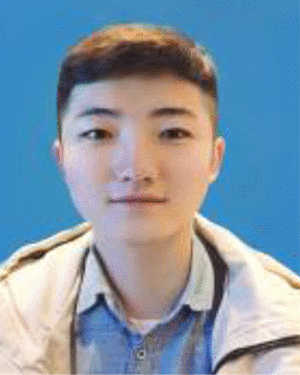 Yule Zhang合作论文数28
 Yiming Cui (崔一鸣)合作论文数IFLYTEK Co., Ltd.24
 Qi Liu (刘淇)合作论文数School of Data Science, University of Science and Technology of China;State Key Laboratory of Cognitive Intelligence, School of Computer Science and Technology, University of Science and Technology of China;Anhui Province Key Laboratory of Big Data Analysis and Application, School of Computer Science and Technology, University of Science and Technology of China23
 En-Hong Chen (陈恩红)合作论文数Anhui Province Key Laboratory of Big Data Analysis and Application, School of Computer Science and Technology, University of Science and Technology of China22
 Chenghong Zhan合作论文数20
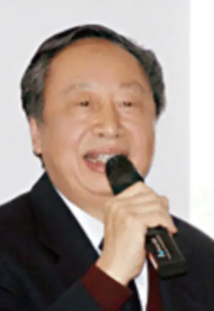 Renhua Wang (王仁华)合作论文数Department of Electronic Engineering and Information Science, University of Science and Technology of China20
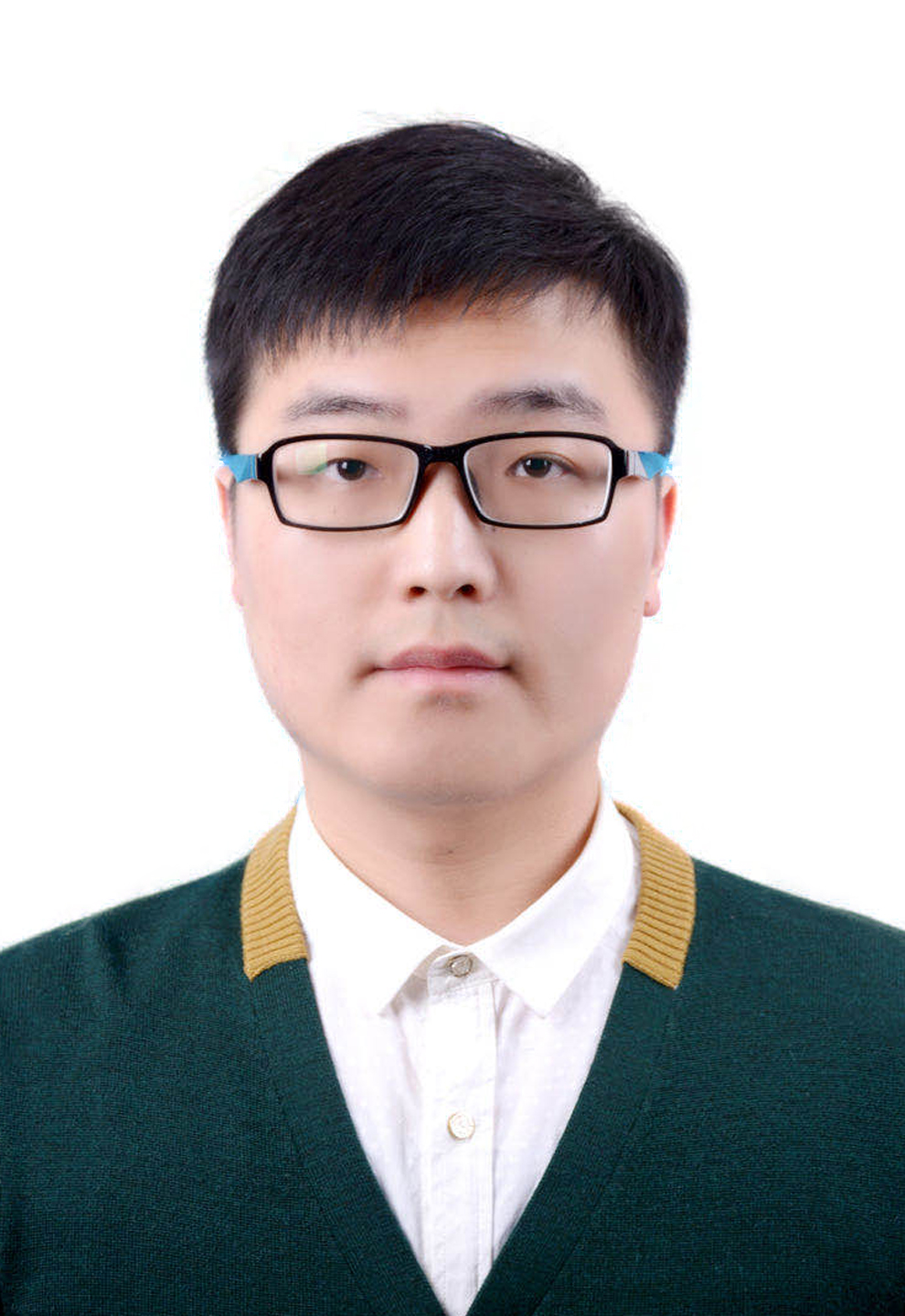 Zhenya Huang (黄振亚)合作论文数School of Computer Science and Technology, University of Science and Technology of China;School of Data Science, University of Science and Technology of China17
 Mingming Zhu合作论文数15
 Wanxiang Che (车万翔)合作论文数School of Computer Science and Technology, Harbin Institute of Technology;Research Center for Social Computing and Information Retrieval, Harbin Institute of Technology;Institute for Artificial Intelligence, Harbin Institute of Technology15
 Guimei Zheng合作论文数Air Force Engineering University14
 Yu Su (苏煜)合作论文数14
 Fangzheng Zhao合作论文数13
 Baoxin Wang (王宝鑫)合作论文数Research Center for Social Computing and Information Retrieval, Harbin Institute of Technology12
 Si Wei (魏思)合作论文数IFlytek Research and Development Institute;Anhui Institute of Information Technology12Ziang Feng合作论文数Air Force Engn Univ, Air & Missile Def Coll, Xian, Shaanxi, Peoples R China11
 Zhenhua Ling (凌震华)合作论文数Department of Electronic Engineering and Information Science, School of Information Science and Technology, University of Science and Technology of China;Institute of Advanced Technology, University of Science and Technology of China11
 Zhipeng Chen合作论文数Gaoling School of Artificial Intelligence, Renmin University of China10
 Lirong Dai (戴礼荣)合作论文数National Engineering Laboratory for Speech and Language Information Processing, University of Science and Technology of China;Department of Electronic Engineering and Information Science, University of Science and Technology of China10
 Zhigang Chen (陈志刚)合作论文数iFLYTEK Co., Ltd10Shuhan Guo合作论文数9Shiqiang Wang (王世强)合作论文数西安空军工程大学9
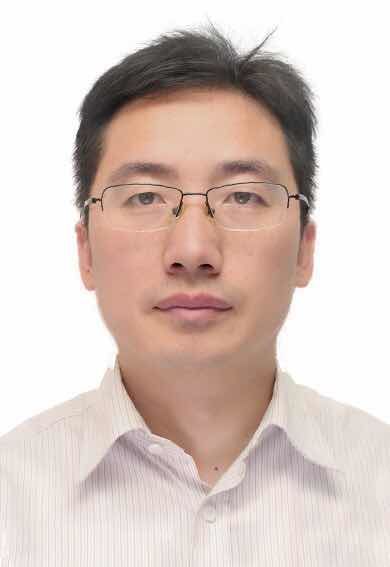 Xiaofei Zhang (张小飞)合作论文数College of Electronic and Information Engineering, Nanjing University of Aeronautics and Astronautics9
 Bing Qin (秦兵)合作论文数Social Computing and Interactive Robotics Center, Harbin Institute of Technology;School of Computer Science and Technology, Harbin Institute of Technology9
 Wentao Ma (马文涛)合作论文数School of Mathematics and Statistics, Ningxia University9Shijie Yue合作论文数8
 Yuwei Song合作论文数8
 Yu Hu (胡郁)合作论文数iFLYTEK Co., Ltd.;Center for Technology and Business Ecosystem, Hong Kong University of Science and Technology;University of Science and Technology of China8Zhiyuan You合作论文数7
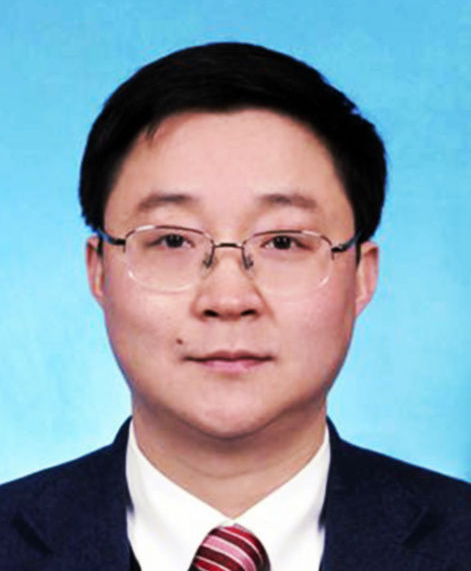 Qingfeng Liu (刘庆峰)合作论文数Iflytek Co.,Ltd7Dayong Wu合作论文数6Mingjian Ren (任明健)合作论文数6LIN Bin (林斌)合作论文数6Mengbo LIU (刘梦波)合作论文数6ZeGui Huang (黄泽贵)合作论文数6
 Runze Wu (吴润泽)合作论文数User Profiling Group, Fuxi AI Lab, NetEase Games6
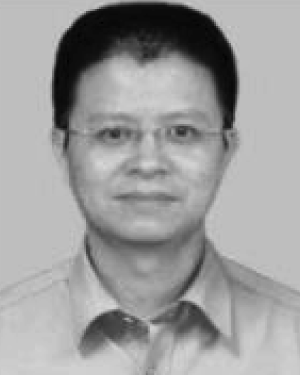 Chuangming Tong (童创明)合作论文数5
 Weinan Zhang (张伟男)合作论文数Faculty of Computing, Harbin Institute of Technology5
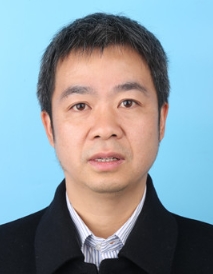 Wu Guo (郭武)合作论文数School of Cyber Science and Technology, University of Science and Technology of China;Department of Electronic Engineering and Information Science, University of Science and Technology of China5
 Ziqing Yang合作论文数State Key Laboratory of Cognitive Intelligence, iFLYTEK Research5Cong Liu合作论文数Anhui USTC iFLYTEK Co5
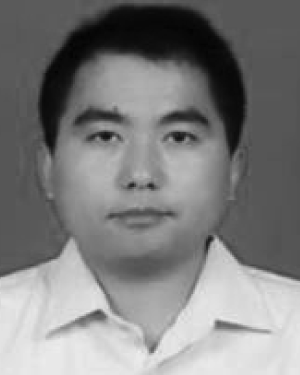 Fenggang Sun合作论文数5
 Ruiji Fu (付瑞吉)合作论文数iFlytek5Siliang Tang (汤斯亮)合作论文数College of Computer Science and Technology, Zhejiang University4




