Here we report long-term outcomes of adjuvant metronomic capecitabine in patients with locoregionally advanced nasopharyngeal carcinoma. In this multicenter, open-label, parallel-group, randomized, controlled, phase 3 trial, 406 patients who had completed definitive chemoradiotherapy were randomly assigned (1:1) to receive either adjuvant metronomic capecitabine (650 mg m-2 twice daily for 1 year) or observation. The primary endpoint was failure-free survival; secondary endpoints included overall survival (OS), distant failure-free survival, locoregional failure-free survival, and safety, as reported in this analysis. The trial met its primary endpoint. With a median follow-up of 71.3 months, metronomic capecitabine significantly improved OS (hazard ratio = 0.53, 95% confidence interval, 0.31-0.91, P = 0.019). Grade 3 adverse events occurred in 35 (17%) of 201 patients in the metronomic capecitabine group and 11 (6%) of 200 in the observation group; one (<1%) grade 4 neutropenia was reported. In a post hoc analysis, completion of the 1 year course was associated with improved OS, whereas dose reductions and relative dose intensity showed no association with OS. Patients with a higher post-radiotherapy neutrophil-to-lymphocyte ratio derived greater benefit from metronomic capecitabine. These findings support the long-term therapeutic benefit of adjuvant metronomic capecitabine in locoregionally advanced nasopharyngeal carcinoma. ClinicalTrials.gov identifier: NCT02958111 .
Background: Various studies support the use of programmed cell death protein 1 (PD -1) blockades, also known as immune checkpoint inhibitors (ICIs), to treat head and neck cancer (HNC). Tislelizumab is a humanised immunoglobulin G4 (IgG4) monoclonal antibody with a high affinity and specificity for PD -1. However, the "real -world" clinical evidence of tislelizumab for HNC is limited. Methods: In this study, the medical records of 39 patients with head and neck squamous cell carcinoma (HNSCC) or nasopharyngeal carcinoma (NPC) who received tislelizumab between January 2021 and March 2022 were reviewed retrospectively. Tislelizumab was administered to 15 patients during neoadjuvant therapy (Group 1), five patients during adjuvant therapy (Group 2), 14 patients during consolidation therapy (Group 3), and five patients during salvage therapy (Group 4). The Kaplan -Meier method was used to calculate progression -free survival (PFS) and overall survival (OS). Results: The median age of enrolled patients was 55 (range, 28-83) years. The median follow-up time was 27.1, 26.1, 28.6, and 20.9 months for Groups 1, 2, 3, and 4, respectively. The mean PFS and OS of Groups 1, 2, 3, and 4 were 21.5 and 22.8; 24.1 and 24.2; 26.9 and 28.1; and 13.9 and 17.1 months, respectively. In Groups 1 and 4, the objective response rate (ORR) was 86.7% and 60%, respectively. Meanwhile, except for one (2.6%) patient with grade 4 enteritis, the other observed non -haematological adverse events (AEs) were <= grade 2. Conclusions: Tislelizumab demonstrated promising efficacy and tolerability in patients with HNSCC or NPC in a real -world setting, consistent with previous reports.
BACKGROUND:The present meta-analysis aimed to evaluate the efficacy and safety of adding nimotuzumab to radiotherapy (RT) or chemoradiotherapy (CRT). METHODS:Prospective randomized controlled studies at EMBASE, PubMed, and the Cochrane Library from January 1, 2010, to October 1, 2022, were searched. Data on the overall survival (OS), progress-free survival (PFS), disease-free survival (DFS), complete response rate (CRR), objective response rate (ORR), and all grade adverse events were collected from the enrolled publications. OS was the primary measurement indicator. Pooled analysis was performed with relative risks (RRs), hazard risks (HRs), and their corresponding 95% confidence intervals (CIs) in the software Stata SE 16.0. RESULTS:Six randomized controlled studies were included in the analysis of the overall pooled effect. As compared to the control group, the nimotuzumab intervention group exhibited improved OS by 21% (pooled HR=0.79,95% CI: 0.64-0.98, P=0.028), along with PFS up to 31% (HR=0.69, 95% CI: 0.55-0.86, P=0.001) and DFS up to 29% (HR=0.71, 95% CI: 0.56-0.91, P=0.006), increased CRR as 50% (RR=1.50, 95% CI:1.09-2.04; P=0.012), and ORR as 35% (RR=1.35, 95% CI:1.04-1.73; P=0.022). Regarding safety, nimotuzumab in combination with RT or CRT did not increase the incidence of all grade adverse events (pooled-RD=-1.27, 95% CI:-2.78-0.23, P=0.099). CONCLUSION:The present meta-analysis has demonstrated that nimotuzumab, in combination with RT or CRT, could provide survival benefits and increase response rates. Its safety profile has been found to be controllable.
Background Adult head and neck rhabdomyosarcoma (HNRMS) is an exceptionally rare malignancy, and there is a paucity of data and research dedicated to understanding its characteristics and management in adult populations. This study aimed to assess the outcomes and identify survival predictors in adult HNRMS. Methods We retrospectively evaluated 42 adult patients (> 16 years) with HNRMS who received radiotherapy (RT)-based treatment at our institute between 2008 and 2022. We analysed the clinical characteristics and prognosis of these patients, including the locoregional recurrence-free survival (LRFS), progression-free survival (PFS), and overall survival (OS), using the Kaplan–Meier method. The chi-square and Fisher’s exact tests were used to analyse differences between groups for dichotomous and categorical variables, respectively. Survival rates were calculated using the Kaplan–Meier method. Prognostic variables were assessed through univariate Cox analyses. Results The median patient age was 28 years (range, 16–82 years). Alveolar RMS was the most common histological type, observed in 21 patients (50.0%), followed by embryonal in 16 patients (38.1%). The anatomic sites of origin were orbital in one (2.4%), parameningeal in 26 (61.9%), and non-orbital/non-parameningeal in 15 (35.7%) patients. Nineteen patients (45.2%) had regional lymph node metastasis, and five patients (11.9%) presented with distant metastatic disease. Distant metastasis ( n = 17) was the primary cause of treatment failure. At a median follow-up of 47.0 months, the 5-year LRFS, PFS, and OS rates were 69.0%, 39.7%, and 41.0%, respectively. Univariate analysis revealed that tumour size, lymph node involvement, and the local treatment pattern (surgery and RT vs. RT alone) were significant predictors of survival. Conclusions The main failure pattern in patients with HNRMS receiving RT-based treatment was distant metastasis. Tumour size > 5 cm and lymph node involvement were predictors of worse LRFS. Multimodality local treatment, combining surgery and RT, is effective and provides survival benefits.
This study investigate the changes of white matter injury induced by radiation after radiotherapy in patients with nasopharyngeal carcinoma (NPC) and its association with cognitive dysfunction using multiple MRI methods. A total of 42 patients with NPC who underwent radiotherapy at xxx Hospital between December 2018 and June 2021 were included. The patients were randomly divided into 4 groups based on the timing of radiotherapy. Superparamagnetic iron oxide nanoparticles were used as MRI contrast agents. DTI and MRS scans were conducted to measure FA, ADC, NAA/Cho, Cho/Cr, and NAA/Cr ratios in the hippocampus of both temporal lobes. A cognitive assessment was performed using the MoCA and MMSE scales. After radiotherapy, patients experienced a decline in cognitive scores, which stabilized after 6 months. White matter changes were observed in the hippocampus, with decreased FA and increased ADC values that gradually returned to normal levels. Cho value increased and NAA value decreased initially but eventually returned to pre-treatment levels. No significant changes occurred in the Cr value. Metabolite ratios decreased within 3 months post-radiotherapy but gradually increased thereafter, remaining lower than pre-treatment levels at 6 months. Higher radiation doses did not significantly affect FA and ADC values but decreased white matter metabolite ratios. In conclusion, we reveal that the dosage and duration of radiotherapy can influence the degree of brain injury in patients with NPC and highlights the cognitive decline, white matter changes, and changes in metabolite ratios after radiotherapy for NPC, providing insights into the effects of radiation on brain structure and function.
PURPOSE:To analyze the impact of sarcopenia and obesity on overall survival (OS) in patients with head and neck cancer (HNC) receiving radiotherapy (RT). METHODS:This prospective longitudinal study recruited 494 patients using convenient sampling. Weight and body composition were assessed before RT (T1), and at the end of RT (T2) using bioelectrical impedance analysis (BIA). The appendicular skeletal mass index was used to define sarcopenia, while the body mass index and fat mass index were used to define obesity. Patient OS was followed and described using Kplan-Meier analysis. Cox proportional hazard regression was used to analyze influencing factors of OS. RESULTS:The median follow-up time was 26.2 months (IQR: 18.4-34.4 months). Multivariable models indicated that sarcopenia/obesity type assessed at T1 was not significantly associated with OS. Multivariable models involving body composition at T2 showed that age (P < 0.001), tumor site (P = 0.003), tumor stage (P = 0.024), and sarcopenia/obesity type (P = 0.040) were significantly associated with OS, while sarcopenic patients without obesity at T2 had worse OS. CONCLUSIONS:Patients with sarcopenia and no obesity at the end of RT might have worse OS. Healthcare professionals should enhance HNC patients' management during RT, helping them maintain a certain amount of muscle mass and fat mass to improve their survival.
PURPOSE:Mucosal melanoma of the nasal cavity and paranasal sinuses (NPMM) is a highly aggressive disease. The role of postoperative adjuvant radiation therapy is controversial. METHODS AND MATERIALS:A total of 300 patients with NPMM treated between March 2009 and January 2020 were divided into surgery alone (SA; 158 patients) and surgery plus radiation therapy (SR; 142 patients) groups. Postoperative radiation therapy was recommended, with a total dose of 65 to 70 Gy/30 to 35 fractions to the gross tumor volume and 60 Gy/30 fractions to the clinical target volume. The primary endpoint was relapse-free survival. Secondary endpoints included local recurrence-free survival, distant metastasis-free survival, and overall survival. RESULTS:At a median follow-up of 50.0 months, relapse-free survival in the SA and SR groups was 9.8 and 15.2 months (hazard ratio [HR], 0.714; 95% CI, 0.546-0.933; P = .014). Distant metastasis-free survival in the SA and SR groups was 23.8 and 21.3 months (HR, 0.896; 95% CI, 15.7-31.9 vs 13.3-29.3; P = .457). Overall survival in the SA and SR groups was 31.0 and 35.1 months (HR, 0.816; 95% CI, 25.7-36.3 vs 27.1-43.2; P = .178). For patients with stage IVA NPMM, radiation therapy reduced the incidence of relapse by 0.43-fold. CONCLUSIONS:Postoperative radiation therapy played a crucial role in the local control of resected NPMM, especially in patients with stage T4a or IVA disease.
e18035 Background: Neoadjuvant chemotherapy (NCT) combination with PD-1 inhibitor has a significant efficacy and approved indications in the first-line treatment of R/M head and neck squamous cell carcinoma (HNSCC), but the efficacy of the combination therapy in locally advanced hypopharyngeal squamous cell carcinoma (HPSCC) remains unexplored. This study aimed to explore the efficacy and safety of NCT with PD-1 inhibitor for laryngeal preservation in patients with HPSCC. Methods: Patients with cT1N1-3M0 or cT2-3N0-3M0 (AJCC 8th) were eligible after multidisciplinary team (MDT) discussion. All patients received 2 cycles of intravenous docetaxel (60mg/m2 on d1), cisplatin (60mg/m2 on d1), fluorouracil (600mg/m2 per day as a continuous 120h infusion on d1-5) and toripalimab (240mg on d1) every 21 days. And the MDT underwent efficacy evaluation according to RECIST 1.1. Patients with complete response (CR)/partial response (PR) of the primary lesion(P) and no progressive disease (PD) in neck lymph nodes (LN) received definitive radiotherapy (RT) combined with toripalimab. Patients with stable disease (SD)/PD of P and no PD in LN or with PD in LN underwent surgery. Patients completed the third cycle of neoadjuvant therapy(NAT) before RT or surgery. The primary endpoint was the CR rate at 3 months (3m-CR) after NAT and definitive RT, and the secondary endpoints were the objective response rate (ORR) of NAT, laryngeal preservation rate, and adverse effects(AE). The sample size was calculated by the Simon-II-stage method: 27 patients in first stage (if ≥9 patients got 3m-CR, second stage started) , and a cumulative total of 81 patients in second stage. Results: From October 2020 to August 2023, 23 patients (median age:59, range:51-69, male:100%, stage II/III/IVA/IVB:4.3%/4.3%/26.1%/65.2%) were enrolled. After NAT, the ORR of primary tumor was 78.3% (18/23, including 2 CR), the ORR of lymph node was 65.2%% (15/23, including 9 CR), and the overall ORR was 70.0% (16/23). Fifteen patients received non-surgical treatment after NAT, and 8 patients underwent surgery (6 underwent laryngeal preservation surgery). At 3 months after RT or surgery, 18 patients completed evaluation. The CR rate was 77.8%, and the laryngeal preservation rate was 88.9%. In 13 evaluable patients who received NAT followed by definitive RT, 10 patients (76.9%) had an overall response of 3m-CR. During the NAT, 43.5% (10/23) of patients experienced grade 3-4 AEs, with grade 3-4 leukopenia or neutropenia in 30.4% (7/23) and grade 3 immune enteritis in 13.0% (3/23). Conclusions: NCT combination with PD-1 inhibitor may improve the ORR of HPSCC, potentially further increasing the laryngeal preservation rate, with manageable treatment-related AEs. The study results are pending publication after completion of the enrollment. Clinical trial information: NCT04624308 .
Background/purpose:Dental management prior to radiotherapy is often time-critical, and there are no studies on whether manipulations such as tooth extraction influence the risk of severe radiation-induced oral mucositis (ROM) during radiotherapy. Therefore, the aim of this study was to describe the relationship between dental management and the incidence of severe ROM. Materials and methods:A retrospective analysis was conducted on 144 head and neck cancer (HNC) patients who received dental management before radiotherapy at Peking University Cancer Hospital, from January 2016 to December 2017. Demographic characteristics, primary tumor features, cancer treatment characteristics, and severity of oral mucositis during radiotherapy were recorded. Univariate analysis and logistic regression analysis were used to explore factors associated with severe radiation-induced oral mucositis. Results:The incidence of grade 3 mucositis was 14.5% (22/144); univariate analysis showed that the number of extracted teeth (OR = 1.313; 95%CI = 1.012-1.702; P = 0.040) and patients with primary oral cancer had a higher risk of developing grade 3 mucositis (OR = 3.848; 95% CI = 1.508-9.822; P = 0.005). No statistical correlation was found between pre-radiation therapy prophylaxis, dental restoration, endodontic treatment, and grade 3 mucositis (P > 0.05). Logistic regression analysis showed that the number of extracted teeth (OR = 1.421, 95%CI = 1.071-1.885, P = 0.015) and primary tumor location in the oral cavity (compared with other head and neck cancers) (OR = 5.165, 95%CI = 1.636-16.311, P = 0.005) were significantly associated with grade 3 mucositis. Conclusion:In HNC patients undergoing radiotherapy, the primary site located in the oral cavity and a higher number of teeth extracted are independent risk factors for the development of severe mucositis.
The present study aimed to investigate the clinical features, prognosis, and treatment of advanced-stage non-nasal type extranodal natural killer/T-cell lymphoma (ENKTCL). This real-world study retrospectively reviewed 56 newly diagnosed advanced-stage non-nasal type ENKTCL patients from two large-scale Chinese cancer centers in the last 10–15 years and screened 139 newly diagnosed advanced-stage nasal type ENKTCLs admitted during the same period for comparison. The non-nasal type ENKTCLs exhibited significantly higher Ki-67 expression levels compared to nasal type disease (P = 0.011). With a median follow-up duration of 75.03 months, the non-nasal group showed slightly inferior survival outcomes without statistically significant differences compared to the nasal group (median overall survival (OS): 14.57 vs. 21.53 months, 5-year OS: 28.0
临床药师参与 1 例左上颚腺样囊性癌复发患者全身化疗联合靶向治疗后出现口腔颌面部及颈部间隙感染严重并发症的治疗过程.通过查阅文献资料,分析多间隙感染的危险因素、病原菌分布,结合患者临床表现和感染指标,确定急性期亚胺培南西司他丁联合克林霉素的方案以及稳定期莫西沙星联合磷霉素的方案.临床医生采纳意见并实施,使患者得到有效的控制,病情好转出院.临床药师通过会诊,协助医师制定个体化治疗方案,为患者安全、有效、合理使用抗菌药物提供参考.
The study investigated the treatment and prognosis of advanced‐stage extranodal natural killer/T‐cell lymphoma (ENKTL). With a median follow‐up of 75.03 months, the median overall survival (mOS) for the 195 newly diagnosed stage III/IV ENKTL patients was 19.43 months, and estimated 1‐, 2‐, 3‐ and 5‐year OS were 59.5%, 46.3%, 41.8% and 35.1%, respectively. Chemotherapy (CT) + radiotherapy (RT) compared to CT alone ( P = .007), and hematopoietic stem cell transplantation (HSCT) compared to non‐HSCT ( P < .001), both improved OS. For patients ≤60 years and ineligible for HSCT, other therapies with complete remission led to comparable OS ( P = .141). Nine patients ever treated with chidamide achieved a median progression‐free survival (mPFS) and mOS of 53.63 (range, 3.47‐92.33) and 54.80 (range, 5.50‐95.70) months, and four with chidamide maintenance therapy (MT) achieved a mPFS and mOS of 55.83 (range, 53.27‐92.33) and 60.65 (range, 53.70‐95.70) months, possibly providing an alternative option for non‐HSCT patients. Non‐anthracycline (ANT)‐ compared to ANT‐, asparaginase (Aspa)‐ compared to non‐Aspa‐ and gemcitabine (Gem)‐ compared to non‐Gem‐based regimens, prolonged PFS ( P = .031; P = .005; P = .009) and OS ( P = .010; P = .086; P = .003), respectively. Multivariate analysis demonstrated that Gem‐based regimens improved PFS (HR = 0.691, P = .061) and OS (HR = 0.624, P = .037). Gem + Aspa combinations slightly improved PFS and OS compared to regimens containing Gem or Aspa alone ( P > 0.05). First‐line “intensive therapy,” including CT (particularly Gem + Aspa regimens), RT, HSCT and alternative chidamide MT, was proposed and could improve long‐term survival for advanced‐stage ENKTLs. Ongoing prospective clinical studies may shed further light on the value of chidamide MT.
BACKGROUND:Evidence supporting predictive effects of pretreatment nutritional risk and nutritional status on nutrition impact symptom (NIS) clusters during radiotherapy in patients with head and neck cancer (HNC) is insufficient. METHODS:At baseline (T1 ), we collected severity and interference of NIS (Head and Neck Patient Symptom Checklist), nutritional risk, and nutritional status. During (T2 ) and at the end of radiotherapy (T3 ), we re-evaluated NIS. Symptom clusters were identified by exploratory factor analysis using mean scores of NIS severity at T2 and T3 . Predictive effects were explored by generalized estimating equations. RESULTS:Five hundred thirty-seven patients were recruited and 334 of them completed. Four clusters were identified; the oropharyngeal symptom cluster was the most severe and had the greatest interference with diet. Patients with pretreatment nutritional risk or malnutrition experienced more severe oropharyngeal symptom cluster. CONCLUSIONS:Pretreatment nutritional risk or malnutrition could predict the oropharyngeal symptom cluster in patients with HNC undergoing radiotherapy.
Clinical trials frequently include multiple end points that mature at different times. The initial report, typically on the based on the primary end point, may be published when key planned co-primary or secondary analyses are not yet available. Clinical Trial Updates provide an opportunity to disseminate additional results from studies, published in JCO or elsewhere, for which the primary end point has already been reported. We previously reported significantly improved failure-free survival using gemcitabine plus cisplatin induction chemotherapy in locoregionally advanced nasopharyngeal carcinoma. Here, we present the final overall survival (OS) analysis. In this multicenter, randomized trial, patients were assigned to be treated with concurrent chemoradiotherapy alone (standard therapy, n = 238) or gemcitabine and cisplatin induction chemotherapy before concurrent chemoradiotherapy (n = 242). With a median follow-up of 69.8 months, the induction chemotherapy group had a significantly higher 5-year OS (87.9% v 78.8%, hazard ratio, 0.51 [95% CI 0.34 to 0.78]; P = .001) and a comparable risk of late toxicities (≥ grade 3, 11.3% v 11.4%). Notably, the depth of the tumor response to induction chemotherapy correlated significantly and positively with survival (complete response v partial response v stable/progressive disease, 5-year OS, 100% v 88.4% v 61.5%, P = .005). Besides, patients with a low pretreatment cell-free Epstein-Barr virus DNA load (< 4,000 copies/mL) might not benefit from induction chemotherapy (5-year OS, 90.6% v 91.4%, P = .77). In conclusion, induction chemotherapy before concurrent chemoradiotherapy improved OS significantly in patients with locally advanced nasopharyngeal carcinoma, without increasing the risk of late toxicities. Tumor response to induction chemotherapy and pretreatment cell-free Epstein-Barr virus DNA might be useful to guide individualized treatment.
Body composition may influence the prognosis of head and neck cancer (HNC) patients. To find out the most crucial factors in this relationship, we explored the association between body composition and survival.
Objective:To evaluate the survival outcomes of radiotherapy in patients with newly-diagnosed metastatic head and neck squamous cell carcinoma (HNSCC) based on data from the Surveillance, Epidemiology and End Results (SEER) database.Methods:A total of 1226 patients newly-diagnosed with metastatic HNSCC between 2010 and 2015 were selected from the SEER database. There were 762 patients (62.1%) in the radiotherapy group and 464 patients (37.9%) in the non-radiotherapy group. Kaplan-Meier method was used to calculate the cancer-specific survival (CSS) and overall survival (OS). The effect of radiotherapy on survival was assessed by Cox multivariate regression and Propensity score-matched analyses (PSM). According to the results of multivariate analysis, the patients were further divided into low-, intermediate- and high-risk groups, and the effect of radiotherapy on survival was analyzed in different risk groups.Results:The median CSS and OS time of the whole group was 11.0 months and 10.0 months, respectively. For patients in the radiotherapy group and non-radiotherapy group, the median CSS time was 13.0 months and 6.0 months, and the median OS time was 12.0 months and 6.0 months, respectively. Multivariate analysis showed that age (CSS, P=0.045;OS, P=0.002), primary tumor site (CSS, P=0.021;OS, P<0.001), T stage (CSS, P=0.001;OS, P=0.002), N stage (CSS, P=0.002;OS, P<0.001), number of metastatic organs (CSS, P<0.001;OS, P<0.001), surgery (CSS, P<0.001;OS, P<0.001), radiotherapy (CSS, P<0.001;OS, P<0.001), and chemotherapy (CSS, P<0.001;OS, P<0.001)were the independent prognostic factors. After PSM, patients with and without radiotherapy in the low-,intermediate-,and high-risk groups, the 3-year CSS rates were 62.5% vs 23.5%( P=0.008), 22.4% vs 15.7%( P=0.001)and 10.5% vs 9.6%( P=0.203), respectively; the 3-year OS were 58.0% vs 20.8%( P=0.002), 19.8% vs 12.7%( P=0.001)and 7.0% vs 6.1%( P=0.166), respectively. Conclusion:Radiotherapy significantly improves CSS and OS in the low- and intermediate-risk groups, but patients in the high-risk group do not benefit from radiotherapy.
Objective:To retrospectively analyze the failure patterns and outcomes of patients with locally advanced hypopharyngeal squamous cell carcinoma (HPSCC) after undergoing induction chemotherapy (IC) followed by definitive radiotherapy.Methods:For patients with locally advanced HPSCC who were treated with IC and definitive radiotherapy from August 2008 to December 2019, their data were collected from the medical records system, and their clinical characteristics, failure patterns, and survival were retrospectively analyzed.Results:A total of 116 eligible patient with squamous cell carcinoma were included in this study. with a median age of 59 (39-79), and 3, 3, 60, and 50 of them had stage Ⅱ, Ⅲ, Ⅳ A, and Ⅳ B HPSCC, respectively. Among these patients, 81 received 1~2 cycles of IC, and 35 received 3-4 cycles of IC. After treatment with IC, 54, 13, and 49 patients received concurrent chemoradiotherapy, radiotherapy combined with targeted therapy, and radiotherapy alone, respectively. The median follow-up was 34.6 months (95% CI: 28.7-40.5 months). The 3-year local recurrence-free survival (LRFS), regional recurrence-free survival (RRFS), metastasis-free survival (MFS), progression-free survival (PFS), and overall survival (OS) of all the patients were 63.5%, 82.8%, 75.2%, 47.3%, and 43.1%, respectively. Median PFS and OS were 26.1 and 28.0 months, respectively. Treatment failure was reported in 59 patients, of whom 22, 5, 12, 10, 3, 6 and 1 experienced local, regional, distant only, local-regional, regional-distant, local-distant, and local-regional-distant failure, respectively. The objective response rate (CR+ PR) of patients after IC was 55.2% (64/116). The LRFS, RRFS, PFS, and OS of IC responders (CR+ PR) were better than those of IC non-responders (SD+ PD) ( χ2 = 12.52, 5.16, 13.19, 11.72, all P< 0.05). Conclusions:IC combined with radical radiotherapy has efficacy to a certain extent in the treatment of locally advanced HPSCC, and locoregional recurrence predominates the failure patterns. The prognosis of IC responders is significantly better than that of IC non-responders.
This study aimed to identify whether the platelet-to-lymphocyte ratio (PLR) correlated with the prognosis of patients with locally advanced hypopharyngeal squamous cell carcinoma (LA-HPSCC) undergoing radiotherapy combined with chemotherapy. This study enrolled 103 patients diagnosed with LA-HPSCC and treated with radiotherapy combined with chemotherapy between 2008 and 2021. The optimal PLR cut-off value was chosen from the receiver operating characteristic (ROC) curve analysis. According to the cut-off value of PLR, patients were divided into two groups: a low PLR group (< 133.06) and a high PLR group (≥ 133.06). Propensity score matching (PSM) was used to balance the confounding factors between the two PLR groups. Univariate and multivariate Cox proportional hazard regression models, the Kaplan–Meier curve by the log-rank test, and univariate and multivariate Fine-Gray competing risk models were all used for assessment. After PSM, 27 pairs were left, and the high PLR group correlated with higher local failure (sHR 6.91, 95
Studies regarding malnutrition in patients with nasopharyngeal carcinoma (NPC) using the Global Leadership Initiative in Malnutrition (GLIM) criteria are still limited. Our study aimed to investigate the prevalence of malnutrition using the GLIM criteria in NPC patients receiving radiotherapy and explore the relationship between pre-radiotherapy (pre-RT) malnutrition and survival. A total of 113 NPC patients were enrolled for nutritional assessment using the GLIM criteria at different radiotherapeutic time points, and related toxicities were graded. Regarding the results, 19 patients (16.8%) were malnourished before radiotherapy and 103 patients (91.2%) were malnourished at the end of radiotherapy. Among the phenotypic GLIM criteria, low fat-free muscle index (FFMI) before radiotherapy was associated with mucositis and radiodermatitis (p < 0.05). Importantly, patients with malnutrition before radiotherapy had significantly poorer 2-year progression free survival (PFS) than the patients being well-nourished (62.1% vs. 88.9%, p = 0.015). From the multivariate Cox regression model, being-well nourished before radiotherapy was the protective factor for PFS (HR: 0.27; 95%CI: 0.089-0.85; p = 0.023) and male was the risk factor for PFS (HR: 7.25; 95%CI: 1.548-34.00; p = 0.012). In conclusion, malnutrition according to the GLIM criteria is common in NPC patients undergoing radiotherapy, and pre-RT malnutrition is correlated with survival. Supplemental data for this article is available online at .
Objective Patients with head and neck cancer (HNC) receiving radiotherapy (RT) are at high risk of weight loss (WL) due to a variety of nutrition impact symptoms (NIS). This study aimed to describe the NIS through the Head and Neck patient Symptom Checklist and body weight over time and further explore the impact of NIS on WL in patients with HNC undergoing RT. Methods This was a prospective, longitudinal observational study. NIS and body weight of 117 participants were assessed at baseline, mid-treatment and post-treatment of RT. Generalised estimation equations (GEE) were used to conduct repeated measures analysis of NIS interference score and body weight at each time point and estimate the impact of NIS interference score on WL. Results All participants experienced a substantial increase in the mean number of NIS during RT, with each patient having eight to nine NIS at mid-treatment and post-treatment. Marked increases were noted in almost each NIS score during RT. Compared with their baseline body weight, 97 (82.9%) and 111 (94.9%) participants experienced WL at mid-treatment and post-treatment, with the mean WL of 2.55 +/- 1.70 kg and 5.31 +/- 3.18 kg, respectively. NIS of dry mouth (beta=-0.681, p=0.002, 95% CI -1.116 to -0.247), difficulty swallowing (beta=-0.410, p=0.001, 95% CI -0.651 to -0.169) and taste change (beta=-0.447, p=0.000, 95% CI -0.670 to -0.225) impacted WL significantly in GEE multivariate model. Conclusions Patients with HNC experience a variety of NIS which have significant impact on WL during RT. Assessment of NIS, especially dry mouth, difficulty swallowing and taste change, should be given more considerable attention in the supportive care of patients with HNC.
 Shaowen Xiao合作论文数31
 Dan Zhao (赵丹)合作论文数Nanjing Stomatological Hospital21
 Weihu Wang (王维虎)合作论文数Beijing Cancer Hospital20Xiaolong Xu合作论文数18Weixin Liu合作论文数14
 Qian Lu (路潜)合作论文数School of Nursing, Peking University Health Science Center14
 Yujie Wang合作论文数12
 Lichuan Zhang合作论文数12
 Sanli Jin (金三丽)合作论文数School of Nursing, Health Science Center, Peking University12
 Bing Zhuang合作论文数10
 Tong Zhang合作论文数Tencent Inc10LiQing Gong (龚丽青)合作论文数9Meng Wan (万猛)合作论文数7
 Zhou Huang (黄舟)合作论文数Institute of Remote Sensing and Geographic Information System, Peking University7
 Yan-Ping Mao合作论文数6Sun Yan (孙艳)合作论文数6Yu Fang (方玉)合作论文数6
 Guoqing Hu (胡国清)合作论文数Tongji Hospital, Tongji Medical College, Huazhong University of Science and Technology6Fangyun Xie合作论文数6
 Guoxian Long (龙国贤)合作论文数Tongji Hospital, Tongji Medical College, Huazhong University of Science and Technology6Ying Guo (郭颖)合作论文数6
 Jun Ma (马骏)合作论文数Guangzhou Key Laboratory of Nasopharyngeal Carcinoma Multidisciplinary Clinical Diagnosis and Therapy, Sun Yat-sen University Cancer Center6
 Linglong Tang (唐玲珑)合作论文数Sun Yat-Sen University Cancer Center6Yanli Wang合作论文数5
 Xiaodong Zhu (朱小东)合作论文数Guangxi Medical University Cancer Hospital5
 Lei Chen (陈磊)合作论文数Eastern Hepatobiliary Surgery Hospital;Fudan University Cancer Institute5
 Jingao Li (李金高)合作论文数Jiangxi Cancer Hospital5
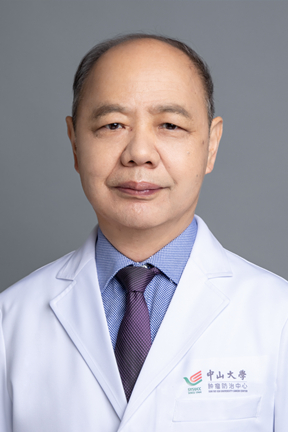 Mengzhong Liu (刘孟忠)合作论文数Sun Yat-sen University Cancer Center5
 Xiaozhong Chen (陈晓钟)合作论文数Zhejiang Cancer Hospital5ZhiBin Cheng (程志斌)合作论文数4Siyang Wang合作论文数4Ning Zhang合作论文数4
 Chaosu Hu (胡超苏)合作论文数Fudan University Shanghai Cancer Center4
 Yuanyuan Chen (陈媛媛)合作论文数Sun Yat-sen University Cancer Center4Rui Sun (孙蕊)合作论文数4
 Wen-Fei Li (李文斐)合作论文数4
 Weihan Hu (胡伟汉)合作论文数Sun Yat-sen University Cancer Center4
 Yuming Chen (陈裕明)合作论文数School of Public Health, Sun Yat-Sen University4
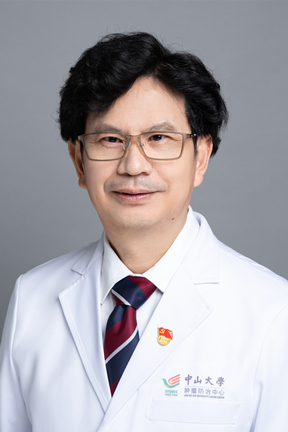 Haoyuan Mo (莫浩元)合作论文数Sun Yat-Sen University Cancer Center4
 Shao-Bo Liang合作论文数4Hongmei Li合作论文数3ShuKui Han (韩树奎)合作论文数3Mei Shi (石梅)合作论文数第四军医大学西京医院放疗科3
 Yan Sun (孙燕)合作论文数Cancer Hospital, Chinese Academy of Medical Sciences3
 Yuqin Song (宋玉琴)合作论文数Beijing Cancer Hospital, Peking University3
 Guangying Zhu (朱广迎)合作论文数China-Japan Friendship Hospital3Yuce Wei合作论文数2




