BackgroundChronic Obstructive Pulmonary Disease (COPD) is a major cause of morbidity and mortality, particularly among critically ill patients. Despite the well-established role of inflammation in COPD pathogenesis, the prognostic significance of the systemic immune-inflammatory index (SII) in these patients remains unclear. This study aimed to investigate the relationship between SII and mortality risk in critically ill patients with COPD.MethodsThis retrospective observational cohort study utilized data from 3,291 COPD patients extracted from the Medical Information Mart for Intensive Care-IV (MIMIC-IV 2.2) database. The participants were divided into quartiles based on their SII values. The primary endpoint was in-hospital mortality. The primary endpoint was compared across the four quartiles using Kaplan–Meier analysis. The relationship between the SII and mortality was analyzed using Cox proportional hazards models. Subgroup analyses and interaction tests were conducted to assess the robustness of the findings.ResultsA total of 3,291 patients with COPD were included in the study. The in-hospital, 90-day, and 1-year mortality rates were 15.1, 27.9, and 39.4%, respectively. The results of the multivariate Cox regression analysis revealed that an elevated SII was significantly associated with in-hospital mortality (HR: 1.17; 95% CI: 1.07–1.27; p < 0.001), mortality at 90 days (HR: 1.26; 95% CI: 1.17–1.34; p < 0.001), and mortality at 1 year (HR: 1.19; 95% CI: 1.13–1.26; p < 0.001). Furthermore, patients in the higher quartiles of SII demonstrated an increased risk of in-hospital mortality, as well as mortality at 90 days and 1 year. The trend test across quartiles showed a statistically significant positive association between higher SII levels and increased mortality risk in all models. Stratified analysis and interaction tests demonstrated that the association between SII and in-hospital mortality remained stable.ConclusionOur study demonstrates that a high SII is independently associated with an increased risk of mortality in critically ill COPD patients. SII may serve as a risk stratification and prognostication tool in patients with COPD. Larger prospective studies are needed to validate these findings.
The dynamic characteristics of cardiorespiratory fitness during high-altitude acclimatization and deacclimatization are not well elucidated, and whether ubiquinol exerts beneficial effects on cardiorespiratory fitness remains debated. In this trial, 41 volunteers were randomized to receive oral ubiquinol or placebo administration, 14 days before departure to highlands. All individuals were carried to 3900 m by air and then returned to 300 m after 7 days. Cardiopulmonary exercise testing was performed at baseline, on the third day after arrival in the highlands, and on the seventh day after return. This trial revealed the dynamic characteristics of cardiorespiratory fitness during the entire high-altitude acclimatization and deacclimatization process. The short-term journey to the highlands did not significantly affect cardiorespiratory fitness or physical performance capacity after the return. Cardiovascular and respiratory recoveries were desynchronized after returning from the highlands. Ubiquinol supplementation maintained the physical performance capacity in the highlands and facilitated acclimatization to hypoxia. Trial registration: The Chinese Clinical Trial Registry, ChiCTR2200059900, http://www.chictr.org.cn/ChiCTR2200059900.
AimsVascular calcification is strongly linked to the development of major adverse cardiovascular events, but effective treatments are lacking. Sodium-glucose cotransporter 2 (SGLT2) inhibitors are an emerging category of oral hypoglycemic drugs that have displayed marked effects on metabolic and cardiovascular diseases, including recently reported vascular medial calcification. However, the roles and underlying mechanisms of SGLT2 inhibitors in vascular calcification have not been fully elucidated. Thus, we aimed to further determine whether SGLT2 inhibitors protect against vascular calcification and to investigate the mechanisms involved.Methods and ResultsA computed tomography angiography investigation of coronary arteries from 1554 patients with type 2 diabetes revealed that SGLT2 inhibitor use was correlated with a lower Agatston calcification score. In the vitamin D3 overdose, 5/6 nephrectomy chronic kidney disease -induced medial calcification and Western diet-induced atherosclerotic intimal calcification models, dapagliflozin (DAPA) substantially alleviated vascular calcification in the aorta. Furthermore, we showed that DAPA reduced vascular calcification via Runx2-dependent osteogenic transdifferentiation in vascular smooth muscle cells (VSMCs). Transcriptome profiling revealed that thioredoxin domain containing 5 (TXNDC5) was involved in the attenuation of vascular calcification by DAPA. Rescue experiments showed that DAPA-induced TXNDC5 downregulation in VSMCs blocked the protective effect on vascular calcification. Furthermore, TXNDC5 downregulation disrupted protein folding-dependent Runx2 stability and promoted subsequent proteasomal degradation. Moreover, DAPA downregulated TXNDC5 expression via amelioration of oxidative stress and ATF6-dependent endoplasmic reticulum stress. Consistently, the class effects of SGLT2 inhibitors on vascular calcification were validated with empagliflozin in intimal and medial calcification models.ConclusionsSGLT2 inhibitors ameliorate vascular calcification through blocking endoplasmic reticulum stress-dependent TXNDC5 upregulation and promoting subsequent Runx2 proteasomal degradation, suggesting that SGLT2 inhibitors are potentially beneficial for vascular calcification treatment and prevention.
Sodium–glucose cotransporter-2 inhibitors (SGLT2i) have been proven to prevent decline in kidney function and failure. Whether SGLT2i affect the risk of contrast-associated acute kidney injury (CA-AKI) remains uncertain. Use of SGLT2i was assessed in consecutive diabetics undergoing coronary angiography (CA) or percutaneous coronary intervention (PCI) from January 2020 to May 2023 at a tertiary hospital in Chongqing, China. Propensity-matched analysis was used to adjust for baseline variables. CA-AKI was defined by the Acute Kidney Injury Network (AKIN) as creatinine increase ≥ 0.3 mg/dl (26.4 μmol/l), or a percentage increase in the serum creatinine level of ≥ 50
BACKGROUND:High-altitude exposure changes the electrical conduction of the heart. However, reports on electrocardiogram (ECG) characteristics and potent prophylactic agents during high-altitude acclimatization and de-acclimatization are inadequate. This study aimed to investigate the effects of ubiquinol on electrophysiology after high-altitude hypoxia and reoxygenation. METHODS:The study was a prospective, randomized, double-blind, placebo-controlled trial. Forty-one participants were randomly divided into two groups receiving ubiquinol 200 mg daily or placebo orally 14 days before flying to high altitude (3900 m) until the end of the study. Cardiopulmonary exercise testing was performed at baseline (300 m), on the third day after reaching high altitude, and on the seventh day after returning to baseline. RESULTS:Acute high-altitude exposure prolonged resting ventricular repolarization, represented by increased corrected QT interval (455.9 ± 23.4 vs. 427.1 ± 19.1 ms, P < 0.001) and corrected Tpeak-Tend interval (155.5 ± 27.4 vs. 125.3 ± 21.1 ms, P < 0.001), which recovered after returning to low altitude. Ubiquinol supplementation shortened the hypoxia-induced extended Tpeak-Tend interval (-7.7 ms, [95% confidence interval (CI), -13.8 to -1.6], P = 0.014), Tpeak-Tend /QT interval (-0.014 [95% CI, -0.027 to -0.002], P = 0.028), and reserved maximal heart rate (11.9 bpm [95% CI, 3.2 to 20.6], P = 0.013) during exercise at high altitude. Furthermore, the decreased resting amplitude of the ST-segment in the V3 lead was correlated with decreased peak oxygen pulse (R = 0.713, P < 0.001) and maximum oxygen consumption (R = 0.595, P < 0.001). CONCLUSIONS:Our results illustrated the electrophysiology changes during high-altitude acclimatization and de-acclimatization. Similarly, ubiquinol supplementation shortened the prolonged Tpeak-Tend interval and reserved maximal heart rate during exercise at high altitude. REGISTRATION:URL: www.chictr.org.cn; Unique identifier: ChiCTR2200059900.
Previous studies have reported a high occurrence of contrast-associated acute kidney injury (CA-AKI) in myocardial infarction (MI) patients undergoing primary percutaneous coronary intervention (PCI). However, the data on CA-AKI in MI patients who underwent elective PCI are limited. To evaluate the incidence of CA-AKI in MI patients undergoing elective PCI. The data were sourced from the Iodixanol-AKI Registry of MI patients scheduled to undergo elective PCI in 8 medical centers from May 2020 to November 2021. The participants were divided into three groups: acute, prior, and multiple MI. The outcomes measured were CA-AKI and the composite endpoint of major adverse renal and cardiovascular events (MARCE). The incidence of CA-AKI was 4.46
Download This Paper Open PDF in Browser Add Paper to My Library Share: Permalink Using these links will ensure access to this page indefinitely Copy URL Copy DOI
AimsExisting research indicates that patients with heart failure (HF) may have restricted access to guideline-directed medical therapy (GDMT) when their blood pressure (BP) is comparatively low. However, recent clinical trials suggest that HF patients with low BP could still benefit from certain HF medications, which have a minimal impact on BP. This systematic review and meta-analysis was conducted to determine whether this applies to all GDMT.Methods and resultsA systematic search of MEDLINE and EMBASE was conducted for studies published from inception to 10 January 2024. Randomized controlled trials were selected if they reported on the longitudinal change of systolic BP (SBP) due to GDMT, or the risks of cardiovascular events in HF patients based on SBP categories. Weighted mean difference (WMD), hazard ratio or relative risk, and corresponding 95% confidence intervals (CI) were pooled for meta-analysis where possible. Data from 20 studies, encompassing information on 84 782 individuals, were analysed. Overall, GDMT is associated with lower SBP (WMD, -2.16; 95% CI -2.86 to -1.46), with no significant difference between baseline low and non-low BP subgroups (interaction p = 0.810). However, SBP of the treatment group increased by 5.8 mmHg from baseline in the low SBP subgroup during follow-up, while it decreased by 4.0 mmHg in the baseline non-low SBP subgroup. GDMT demonstrated similar cardiovascular benefits and risk of hypotension between low and non-low SBP subgroups (interaction p = 0.318 and 0.903, respectively).ConclusionsGuideline-directed medical therapy is associated with a negligible decrease in SBP, but can provide similar cardiovascular benefits in both low and non-low SBP HF patients, with no significant interaction with SBP as to hypotension. Therefore, GDMT should be initiated and maintained in HF patients with low BP. Impact of guideline-directed medical therapy (GDMT) on systolic blood pressure (SBP) and cardiovascular outcomes in patients with heart failure (HF) and low blood pressure. Additional icons provided from . BL, baseline; HHF, hospitalization for heart failure; HR, hazard ratio; RCT, randomized controlled trial; TRT, treatment. dagger image
To evaluate iodixanol-associated acute kidney injury (AKI) and prognosis in patients undergoing elective percutaneous coronary intervention (PCI). Patients undergoing elective PCI and iodixanol administration were prospectively enrolled in 8 centers between May 2020 and November 2021. The primary endpoint was AKI, defined as an increase in SCr of ≥ 0.3 mg/dL (26.4 μmol/L) or relative elevation ≥ 50
AbstractBackgroundAtrial fibrillation (AF) is associated with an increased risk of thrombosis of the left atrial appendage (LAA). However, the molecular mechanisms underlying this site‐specificity remain poorly understood. Here, we present a comparative single‐cell transcriptional profile of paired atrial appendages from patients with AF and illustrate the chamber‐specific properties of the main cell types.MethodsSingle‐cell RNA sequencing analysis of matched atrial appendage samples from three patients with persistent AF was evaluated by 10× genomics. The AF mice model was created usingTbx5knockout mice. Validation experiments were performed by glutathione S‐transferase pull‐down assays, coimmunoprecipitation (Co‐IP), cleavage assays and shear stress experiments in vitro.ResultsIn LAA, phenotype switching from endothelial cells to fibroblasts and inflammation associated with proinflammatory macrophage infiltration were observed. Importantly, the coagulation cascade is highly enriched in LAA endocardial endothelial cells (EECs), accompanying the up‐regulation of a disintegrin and metalloproteinase with thrombospondin motifs 1 (ADAMTS1) and the down‐regulation of the tissue factor pathway inhibitor (TFPI) and TFPI2. Similar alterations were verified in an AF mouse model (Tbx5+/−) and EECs treated with simulated AF shear stress in vitro. Furthermore, we revealed that the cleavage of both TFPI and TFPI2 based on their interaction with ADAMTS1 would lead to loss of anticoagulant activities of EECs.ConclusionsThis study highlights the decrease in the anticoagulant status of EECs in LAA as a potential mechanism underlying the propensity for thrombosis, which may aid the development of anticoagulation therapeutic approaches targeting functionally distinct cell subsets or molecules during AF.
Hereditary spherocytosis (HS) is one of the most common hereditary haemolytic disorders. Here, two unrelated families with the probands displaying typical manifestations of HS were enrolled. Our study aimed to characterize the effect of two novel variants in HS patients on gene splicing to help minimize the rate of misdiagnosis of HS and enhance clinicians’ understanding of the disease. A retrospective review was conducted. Peripheral blood samples were collected from all the family members, and genomic DNA was extracted for genetic diagnostics. First, high-throughput sequencing technology was used for the preliminary screening of candidate causative variants. Thereafter, the variants were verified via Sanger sequencing. Furthermore, a pathogenicity analysis of the detected variants was performed including in silico prediction and in vitro experiments. We constructed matched wild-type and mutant-type minigene plasmid of ANK1 based on HEK293T cells to address the effects of variants on mRNA splicing. The c.1305 + 2 T > A (family1) and c.1305 + 2del (family2) variants were detected in the ANK1 gene. These two de novo mutations described by us which have not been reported prior to this study. Moreover, the validation results of splicing reporter systems revealed that the intronic mutations resulted in abnormal pre-mRNA splicing. Specifically, the minigene plasmid expressing the c.1305 + 2 T > A variant transcribed the two aberrant transcripts: r.1305_1306ins1305 + 1_1305 + 229 and r.1305_1306ins1305 + 1_1305 + 552. The minigene plasmid expressing c.1305 + 2del transcribed the two aberrant transcripts: r.1305_1306ins1305 + 1_1305 + 228 and r.1305_1306ins1305 + 1_1305 + 551. The two de novo variants identified in the ANK1 gene were the genetic etiology of the probands with HS in our study. Our findings further enrich the HS genotype database and provide a basis for genetic counselling and molecular diagnosis.
Glucose phosphate isomerase (GPI) deficiency is an extremely rare autosomal recessive disorder caused by mutations in the GPI gene. In this research, the proband displaying typical manifestations of haemolytic anaemia and his family members were recruited to analyse the pathogenicity of the detected variants. Peripheral blood samples were collected from the family members and genomic DNA was extracted and targeted for capture and sequencing. The effect of the candidate pathogenic variants on splicing was further investigated using the minigene splicing system. The computer simulation was also used for further analysis of the detected data. The proband carried the compound heterozygous variants c.633 + 3 A > G and c.295G > T in the GPI gene, which have never been reported before. In the genealogy, co-segregation of the mutant genotype with the phenotype was established. The minigene study showed that intronic mutations resulted in abnormal pre-mRNA splicing. Specifically, the two aberrant transcripts: r.546_633del and r.633 + 1_633 + 2insGT were transcribed by the minigene plasmid expressing the c.633 + 3 A > G variant. The missense mutation c.295G > T in exon 3 resulted in altering glycine at codon 87 to cysteine which was predicted to be pathogenic in an in silico analysis. Deeper analyses revealed that the Gly87Cys missense mutation led to steric hindrance. Compared to the wild-type, the mutation G87C led to a significant increase in intermolecular forces. Overall, the novel compound heterozygous variants in the GPI gene contributed to the etiology of the disease. Genetic testing can assist in the diagnosis. The novel gene variants identified in the present study has further expanded the mutational spectrum of GPI deficiency, which can better guide family counselling.
Hypobaric hypoxia (HH) is the primary challenge at highland. Prolonged HH exposure impairs right cardiac function. Mitochondria-associated membrane (MAM) plays a principal role in regulating mitochondrial function under hypoxia, but the mechanism was unclear. In this study, proteomics analysis identified that PACS2, a key protein in MAM, and mitophagy were downregulated in HH. Metabolomics analysis indicated suppression of glucose and fatty acids aerobic oxidation in HH conditions. Cardiomyocyte Pacs2 deficiency disrupted MAM formation and endoplasmic reticulum (ER)-mitochondria calcium flux, further inhibiting mitophagy and energy metabolism in HH. Pacs2 overexpression reversed these effects. Cardiac-specific knockout of Pacs2 exacerbated mitophagy inhibition, cardiomyocyte injury, and right cardiac dysfunction induced by HH. Conditional knock-in of Pacs2 recovered HH-induced right cardiac impairment. Thus, PACS2 is essential for protecting cardiomyocytes through ER-mitochondria calcium flux, mitophagy, and mitochondrial energy metabolism. Our work provides insight into the mechanism of HH-induced cardiomyocyte injury and potential targets for maintaining the right cardiac function at the highland.
High altitude brings a great physiological change in human beings, both during short-term exposure and in lifelong residents, especially in the cardiovascular system. Hypoxia notably induces pulmonary vasoconstriction, thus resulting in a moderate increase in pulmonary arterial pressure. Acclimatized inhabitants exhibit lower pulmonary pressure and better exercise capacity than lowlanders during short-term high-altitude exposure. Rapid ascent to high altitude without adequate acclimatization can cause high-altitude pulmonary edema in susceptible individuals, with a rapid increase in pulmonary pressure. Cardiac output increases initially following acute high-altitude exposure and returns to normal as at sea level after a few days of acclimatization. Ventricular volumes at high altitude change consistently with decreases in plasma volume. Left ventricular systolic function is enhanced after acute high-altitude exposure and during chronic acclimatization. However, there are controversies on whether right ventricular systolic function is preserved or decreases after high-altitude exposure, probably due to variable hypoxic pulmonary vasoconstriction. High altitude induces altered ventricular diastolic patterns. Recently, a new perspective has emerged, whereby ventricular intrinsic relaxation is not impaired, as assessed by untwisting through speckle-tracking imaging. Persistent hypoxic pulmonary hypertension probably induced right ventricular dilation and hypertrophy, and even right heart failure, described as high-altitude heart diseases. Descent to lower altitude should be the best treatment for them, and potential pharmacological agents majorly focus on the inhabitation of pulmonary vasoconstriction, such as phosphodiesterase-5 inhibitors and endothelin receptor antagonists. Evidence on the risks of high-altitude exposure for patients with previous cardiovascular diseases is limited, and thus they should be prudent when ascending to high altitude. Further randomized large-scale studies are needed to explore cardiac performance at high altitudes and provide more evidence for the prevention and clinical management of medical complications at high altitude.
<p>Supplementary Fig.1.Increased MDSCs levels in peripheral blood and tumor from OC patients.Supplementary Fig.2.Characterization of phenotype and immunosuppressive activity of MDSCs in OC patients.Supplementary Fig.3.Phenotypic analysis of MDSCs following metformin treatment.</p>
Overexpression or knockdown of MAEL increased or decreased tumorigenesis in ESCC cells.
Background Exercise tolerance plays a vital role in the process of cardiac rehabilitation in patients undergoing percutaneous coronary intervention (PCI). The study sought to determine the characteristics, risks and correlates of post-PCI exercise tolerance in patients with coronary artery disease (CAD). Methods We analyzed clinical data of 299 CAD patients undergoing elective PCI and completing cardiopulmonary exercise testing (CPET). According to the Weber classification, post-PCI exercise tolerance was evaluated by peak oxygen uptake (VO 2 peak). We assessed the impact of 34 predefined clinical features, cardiac functional parameters, and blood biochemistry data on exercise tolerance by univariate analysis and logistics regression analysis. Results Of 299 patients, 74.92% were men and average age was 60.90 ± 10.68 years. VO 2 peak in the entire population was 17.54 ± 3.38 ml/kg/min, and 24.41% ( n = 73) were less than 16 ml/kg/min, who were considered to have exercise intolerance. Multivariate logistics regression results showed that sex, diabetes mellitus, number of stents, left atrial diameter (LAD), end-diastolic volume (EDV), and hemoglobin influenced the peak oxygen uptake of CAD patients undergoing elective PCI. (All p < 0.05). Conclusions Nearly one quarter of CAD patients have exercise intolerance in the early post-PCI period. Female, diabetes mellitus, number of stents, LAD, EDV might negatively impacted post-PCI exercise tolerance, which need further warrant by large scale cohort study.
Background Cardiorespiratory fitness plays an important role in coping with hypoxic stress at high altitudes. However, the association of cardiorespiratory fitness with the development of acute mountain sickness (AMS) has not yet been evaluated. Wearable technology devices provide a feasible assessment of cardiorespiratory fitness, which is quantifiable as maximum oxygen consumption (VO2max) and may contribute to AMS prediction. Objective We aimed to determine the validity of VO2max estimated by the smartwatch test (SWT), which can be self-administered, in order to overcome the limitations of clinical VO2max measurements. We also aimed to evaluate the performance of a VO2max-SWT–based model in predicting susceptibility to AMS. Methods Both SWT and cardiopulmonary exercise test (CPET) were performed for VO2max measurements in 46 healthy participants at low altitude (300 m) and in 41 of them at high altitude (3900 m). The characteristics of the red blood cells and hemoglobin levels in all the participants were analyzed by routine blood examination before the exercise tests. The Bland-Altman method was used for bias and precision assessment. Multivariate logistic regression was performed to analyze the correlation between AMS and the candidate variables. A receiver operating characteristic curve was used to evaluate the efficacy of VO2max in predicting AMS. Results VO2max decreased after acute high altitude exposure, as measured by CPET (25.20 [SD 6.46] vs 30.17 [SD 5.01] at low altitude; P<.001) and SWT (26.17 [SD 6.71] vs 31.28 [SD 5.17] at low altitude; P<.001). Both at low and high altitudes, VO2max was slightly overestimated by SWT but had considerable accuracy as the mean absolute percentage error (<7%) and mean absolute error (<2 mL·kg–1·min–1), with a relatively small bias compared with VO2max-CPET. Twenty of the 46 participants developed AMS at 3900 m, and their VO2max was significantly lower than that of those without AMS (CPET: 27.80 [SD 4.55] vs 32.00 [SD 4.64], respectively; P=.004; SWT: 28.00 [IQR 25.25-32.00] vs 32.00 [IQR 30.00-37.00], respectively; P=.001). VO2max-CPET, VO2max-SWT, and red blood cell distribution width-coefficient of variation (RDW-CV) were found to be independent predictors of AMS. To increase the prediction accuracy, we used combination models. The combination of VO2max-SWT and RDW-CV showed the largest area under the curve for all parameters and models, which increased the area under the curve from 0.785 for VO2max-SWT alone to 0.839. Conclusions Our study demonstrates that the smartwatch device can be a feasible approach for estimating VO2max. In both low and high altitudes, VO2max-SWT showed a systematic bias toward a calibration point, slightly overestimating the proper VO2max when investigated in healthy participants. The SWT-based VO2max at low altitude is an effective indicator of AMS and helps to better identify susceptible individuals following acute high-altitude exposure, particularly by combining the RDW-CV at low altitude. Trial Registration Chinese Clinical Trial Registry ChiCTR2200059900; https://www.chictr.org.cn/showproj.html?proj=170253
 Shiyong Yu (于世勇)合作论文数111
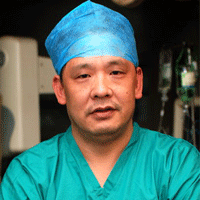 Yaoming Song (宋耀明)合作论文数重庆新桥医院心血管内科97
 Mingbao Song (宋明宝)合作论文数ChongQing Western Hospital91
 Xiaohui Zhao (赵晓辉)合作论文数Xinqiao Hospital, Army Medical University89
 Xiaojing Wu (武晓静)合作论文数Shenzhen University General Hospital80
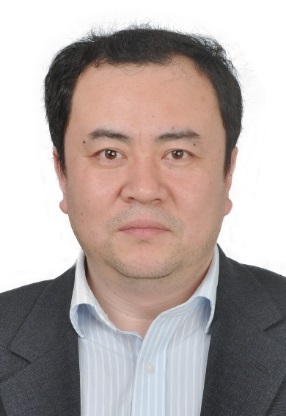 Jun Jin (晋军)合作论文数The Second Affiliated Hospital, Army Medical University;School of Medicine, Chongqing University75Jihang Zhang (张继航)合作论文数75Jun Tan (覃军)合作论文数67Xubin Gao (高旭滨)合作论文数61Jie Yu (余洁)合作论文数56Jianfei Chen合作论文数56Bin Cui (崔斌)合作论文数50ZhaoHua Geng (耿召华)合作论文数47YinPin Zhou (周音频)合作论文数45XueJun Yu (于学军)合作论文数45Shizhu Bian (卞士柱)合作论文数43Jie Yang合作论文数41Gang Zhao (赵刚)合作论文数40Chuan Liu合作论文数39
 Hu Tan (谭虎)合作论文数中国人民解放军第三军医大学新桥医院38Yangguang Yin合作论文数38
 Guozhu Chen合作论文数35Dehui Qian合作论文数35Qin Jun (覃军)合作论文数33YuQiang Fang (方玉强)合作论文数31Li Jiabei合作论文数31Xiaohan Ding合作论文数27Zhexue Qin合作论文数26ChunMei Lin (林春梅)合作论文数25Mengyang Deng (邓梦杨)合作论文数25Jingbin Ke (柯景彬)合作论文数24Yuanqi Yang合作论文数24GuangXu Zhu (朱光旭)合作论文数24Hong Wang (王红)合作论文数Third Military Medical University of Chinese P.L.A.24Po Zhang (张坡)合作论文数23Aimin Li (李爱民)合作论文数Beijing Luhe Hospital, Capital Medical University23Hongmei Dong (董红梅)合作论文数Cardiovascular Disease Research Center, Xinqiao Hospital, Third Military Medical University23Chen Zhang合作论文数22Rongsheng Rao合作论文数21Yang Yu (喻杨)合作论文数21ZuoYun He (何作云)合作论文数21Huakang Li合作论文数21Pan Gao合作论文数20Chunyan He合作论文数17Fangzhengyuan Yuan合作论文数16Renzheng Chen合作论文数16
 Guo Wenyun合作论文数16




