Subsequently to the publication of the above paper, the authors drew to the attention of the Editorial Office that they had assembled the data shown for the cell migration assay experiments in Fig. 4F (on p. 8), incorrectly; essentially, the 'Control' data panel had inadvertently been copied across for the '10 μg/ml' data panel. The revised version of Fig. 4, showing the correct data panel for the '10 μg/ml' experiment in Fig. 4F, is shown on the next page. Note that the replacement of the erroneous data does not affect either the results or the conclusions reported in this paper, and all the authors agree to the publication of this Corrigendum. The authors are grateful to the Editor of Molecular Medicine Reports for granting them this opportunity to publish a Corrigendum, and apologize to the readership for any inconvenience caused. [Molecular Medicine Reports 27: 88, 2023; DOI: 10.3892/mmr.2023.12975].
Anemone flaccida Fr. Schmidt, a Traditional Chinese Medicine, has been used in the treatment of rheumatoid arthritis (RA) for numerous years. However, the specific mechanisms remain to be elucidated. Thus, the present study aimed to investigate the main chemical constituents and potential mechanisms of Anemone flaccida Fr. Schmidt. The ethanol extract obtained from Anemone flaccida Fr. Schmidt (EAF) was analyzed using mass spectrometry to determine the main components and the therapeutic effects of EAF on RA were verified using a collagen-induced arthritis (CIA) rat model. Results of the present study demonstrated that synovial hyperplasia and pannus of the model rats were significantly improved following EAF treatment. Moreover, the protein expression levels of VEGF and CD31-labeled neovascularization were significantly reduced in the synovium of CIA rats following treatment with EAF, compared with those of the untreated model group. Subsequently, in vitro experiments were carried out to verify the impact of EAF on synovial proliferation and angiogenesis. Results of the western blot analysis revealed that EAF inhibited the PI3K signaling pathway in endothelial cells, which is associated with anti-angiogenesis. In conclusion, results of the present study demonstrated the therapeutic effects of Anemone flaccida Fr. Schmidt on RA and preliminarily revealed the mechanisms of this drug in the treatment of RA.
Dermatomyositis (DM) is a severe autoimmune disease of the connective tissue characterized by inflammatory and degenerative changes in the skin and muscle. However, the lack of experimental models of DM represents a challenge for the development of effective drugs. The aim of the present study was to establish a pharmacodynamic rat model of DM that would recapitulate the clinical manifestation seen in patients. The DM model was established using membrane antigen-induced autoimmune injury, followed by toxin-induced subcutaneous calciphylaxis. The rats were divided into five groups and were subcutaneously injected with membrane antigen. Of these, four antigen-immunized groups then received dihydrotestosterone (DHT), iron-dextrin (Fe-Dex), polymyxin (PMX) either individually or in combination to induce cutaneous calciphylaxis. The clinical manifestation score, ratio of infiltrated lymphocytes, ratio of arteriole calcified nodules in skeletal muscles, serum antibody levels [anti-histidyl tRNA synthetase (Jo-1) and anti-melanoma differentiation-associated protein 5 (MDA5)] and serum cytokine levels [tumor necrosis factor-α (TNF-α) and interferon-γ (IFN-γ)] were then detected. The results demonstrated that all five autoimmune groups displayed local cutaneous swelling and weakness, increased serum antibody and cytokine levels, and T lymphocyte infiltration in perimysial and perivascular sites. Moreover, pathological changes indicative of calciphylaxis were observed in the PMX and DHT + Fe-Dex + PMX. Among all groups, the rats in the PMX and DHT + Fe-Dex + PMX displayed characteristics most closely resembling those of DM pathogenesis in patients. In conclusion, membrane antigen immunization combined with toxin-induced calciphylaxis can be used as a DM model in rats. This model may be used for the development of effective drugs for DM treatment.
Portal hypertension (PHT) is a complication of liver diseases. Increased intrahepatic vascular resistance is attributed to reduced bioavailability of vasodilator substances. The macrophage activation and superoxide dis-mutase 3 (SOD3) involve in the pathogenesis of PHT. Diammonium glycyrrhizinate (DG) is the salt form of glycyrrhizin derived from Radix glycyrrhizae, exerting anti-oxidant activities and be beneficial for liver injury. Here, we aimed to investigate effects of DG on PHT and explore its underlying mechanisms on regulation of macrophages and SOD3. The carbon tetrachloride induced PHT rats received administration of liposome-encapsulated clodronate for hepatic macrophage depletion, or PBS liposomes for matched control. DG (25 mg/kg) or vehicle was gavaged. Portal pressure in vivo, and serum biomarkers of macrophage activation were measured. The nitric oxide (NO) and prostacyclin (PGI2) bioavailability was evaluated in the isolated portal perfused rat livers. Liver tissues were collected to evaluate cirrhosis, macrophage oxidation, and SOD3 activity. Depletion of hepatic macrophages decreased portal pressure, increased bioavailability of NO and PGI2, and restored SOD3 activity. DG effectively decreased portal pressure, relieved cirrhosis, inhibited macrophage activation. DG increased bioavailability of NO and PGI2 to relax portal veins. DG relieved portal macrophage oxidation through decreasing nicotinamide adenine dinucleotide phosphate oxidase 2 and inducible NO synthase expressions, elevated SOD3 activities and increased SOD3 expressions at portal triads. These findings indicated that DG restored SOD3 activity, against portal macrophage oxidation, protected bioavailability of NO and PGI2, thereby reduced portal pressure. It suggested a potential use of DG for PHT treatment.
目的:根据不同提取方法制备的交泰丸治疗大鼠失眠焦虑心肾不交证的量效关系,筛选最佳工艺.方法:采用每天随机束缚3 h且每周分别随机3次禁食禁水(24 h/次),连续21 d,建立大鼠失眠焦虑心肾不交证模型.d22动物分组,灌胃给予梯度剂量8种不同工艺交泰丸(1.86~186.7 mg·kg-1·d-1,k=1.77),连续10周;d77采用戊巴比妥钠睡眠协同实验检测睡眠时间,高架十字迷宫(EPM)和旷场实验(OFT)观察焦虑相关行为学变化;d102处死动物,苏木精-伊红(HE)染色观察海马CA3区病理变化,形态计量神经元细胞个数;ELISA检测血清五羟色胺(5-HT)、去甲肾上腺素(NE)含量;Graphpad Prism 5软件非线型可变斜率回归不同制剂工艺交泰丸的半数有效剂量(ED50).结果:不同工艺制备的交泰丸治疗后,可不同程度延长大鼠睡眠时间,缓解焦虑行为,升高血清5-HT,降低NE水平,减轻海马CA3区病理改变;其量效曲线呈"S"型.优选出交泰丸最佳提取工艺为:黄连、肉桂水提两次(4 h/次),药液合并后减压干燥.结论:本实验通过治疗失眠焦虑心肾不交证量效实验,优选了交泰丸制备工艺,为后续药物研发与临床应用提供了依据.
目的:通过皮下注射甲状腺膜抗原,制备Graves病大鼠模型,用于候选药物的药效评价.方法:提取SD大鼠甲状腺膜蛋白,与弗氏完全佐剂以1:1的比例乳化制备膜抗原.SD雌性大鼠分为对照组和9个致敏-发敏梯度时间间隔的造模组,造模组大鼠四肢皮下注射膜抗原,3次致敏,3次发敏.d110进行症状评分,d115进行心电图检测,ELISA检测血清总三碘甲腺原氨酸(T3)、总甲状腺素(T4)、促甲状腺激素受体抗体(TRAb)和干抗素-γ(IFN-γ),HE染色观察甲状腺和脾脏病理变化;GraphPad Prism 5软件计算回归时效方程,确定致敏和发敏时间间隔的半数有效时间(ET50).结果:指标效能与对数间隔时间回归所得时效曲线呈"S"型,方程为Y=0.03+0.69/[1+10(7 71x-2135)],ET50=587.10 h.结论:本实验通过确定膜抗原致敏与发敏的最适时间间隔,制备了 Graves病药效模型,该模型符合临床表现与发病机制,可用于候选药的药效评价.
目的 观察氯膦酸二钠脂质体清除肝内巨噬细胞对CCl4诱导的慢性肝损伤大鼠门脉高压的影响.方法 随机将48只Wistar大鼠分为对照组和模型组,每组24只.采用皮下注射橄榄油和四氯化碳(CCl4)法制备肝损伤模型.在实验d70,再将每组分为2个亚组,分别经尾静脉注射磷酸盐缓冲液脂质体(PL)或氯膦酸二钠脂质体(CL)处理.在实验d105,使用BL-420F生理机能实验系统测定大鼠肝脏在体门静脉压力,采用ELISA法检测血sCD163水平,采用免疫组化法检测肝组织CD163和诱导型一氧化氮合酶(iNOS)蛋白表达.结果 在对照组内,CL处理大鼠血清sCD163水平为(798.6±61.9)pg/L,显著低于PL处理组[(848.3±26.2)pg/L,P<0.05];在模型组内,CL处理大鼠肝脏指数和门静脉压力分别为(4.7±0.8)和(10.6±2.0)mmHg,显著低于PL处理组[分别为(5.6±1.3)和(12.4±2.7)mmHg,P<0.05];模型组CL处理大鼠血清ALT、AST和sCD163水平分别为(69.9±21.4)U/L、(202.8±14.2)U/L和(980.1±122.3)pg/L,与PL处理大鼠比,均有显著性差异[分别为(97.8±39.6)U/L、(290.6±168.1)U/L和(1083.2±97.2)pg/L,P<0.05];免疫组化结果显示,CL处理大鼠肝组织CD163和iNOS蛋白阳性表达较PL处理大鼠有不同程度的减弱.结论 巨噬细胞参与门脉高压的发生和发展.清除巨噬细胞可降低门静脉压力.
目的 揭示腺苷酸基琥珀酸(盐)(S-AMP)的生物学新功能.方法 以AMP活化蛋白激酶(AMPK)的天然底物AMP为参照,应用表面等离子共振研究S-AMP和AMPK的相互作用特征.分别构建脂质蓄积和糖蓄积的HepG2细胞模型,通过特定浓度的S-AMP和对照药物作用后测定HepG2细胞内甘油三酯浓度和葡萄糖浓度,研究S-AMP和AMP降脂和降糖的作用规律.用Western blot研究S-AMP作用HepG2细胞后提高AMPK磷酸化水平及其下游糖、脂质代谢通路中关键蛋白质的表达量变化规律,提出S-AMP的作用机制.最后利用饮食诱导的糖尿病和高血脂症金黄地鼠模型研究S-AMP促进糖脂代谢的药效.结果 S-AMP和AMPKγ亚基形成复合体后提高AMPK磷酸化水平,提高AMPK下游的甘油三酯脂肪酶和乙酰辅酶A羧化酶的表达量和磷酸化.促进葡萄糖分解的PFKFB3(6-phosphofructo-2-kinase/fructose-2,6-biphosphatase 3 enzyme)蛋白和转化为糖原的蛋白质糖原合成酶的表达量没有明显变化,S-AMP显示出的降脂活性高于同等浓度的洛伐他汀.结论 发现了S-AMP降低脂质蓄积的作用机制.
Saikosaponin A (SSa) is isolated from the dried root of Radix Bupleuri, an herb widely used in traditional Chinese medicine, exerting antitumor activities. The T helper cell type 1(Th1)/Th2 balance is associated with antitumor immunity in breast cancer. The present study aimed to investigate the effects of SSa on Th1/Th2 balance in breast cancer and to explore the underlying mechanisms. Breast cancer in rats was induced by intragastrical administration of 7,12-dimethyl-benz[a] anthracene once (100 mg/kg). At d(91), the rats suffering from tumors were randomly divided into three groups and treated with vehicle solution (control group), tamoxifen (TAM group), and SSa (SSa group) daily for 56 days, respectively. The tumor volume reduction ratio and tumor cell proliferation were detected to assess the antitumor effect of SSa. The positive staining numbers of CD8+ and CD4+ T cells infiltrated in breast tumors were measured by immunohistochemistry to evaluate the antitumor immunity of SSa. Cytokine levels in serum secreted by Th1 cells [interferon gamma (IFN-gamma), interleukin (IL)-12] and Th2 cells (IL-4, IL-10) were detected to evaluate Th1/Th2 balance. The related molecules of IL-12/signal transducers and activators of transcription 4 (STAT4) pathway were detected by immunohistochemistry staining, RT-PCR, and Western blot to explore the mechanisms of SSa. The results showed that, compared with the control group, SSa significantly inhibited tumor growth and tumor cell proliferation. SSa enhanced antitumor immunity, which was demonstrated as increased CD8+ T cells and CD4+ T cells infiltrated in tumors. SSa shifted Th1/Th2 balance toward Th1, which was confirmed as increased serum IFN-gamma and IL-12 levels, while decreased serum IL-4 and IL-10 levels. SSa increased IL-12, IL-12 receptor, and phosphorylated STAT4 expressions to promote Th1 differentiation. In conclusion, the present work suggested that SSa could inhibit breast cancer growth by shifting Th1/Th2 balance toward Th1. The underlying mechanism may involve activation of the IL-12/STAT4 pathway that induced Th1 differentiation.
目的 实现腺苷酸基琥珀酸(盐)(S-AMP)的大规模合成,为开展药物学等研究提供原料.方法 以pET-28-a为表达载体,利用大肠杆菌表达古细菌Pyrococcus horikoshii OT3来源的腺苷酸基琥珀酸合成酶(PhAdSS),利用Ni-NTA层析柱纯化后作为催化剂在实验室内开展这种微生物体内合成S-AMP的反应.用Bradford法测定纯化后PhAdSS的浓度.利用硅胶薄层层析检测反应进度.用硅胶柱层析法和重结晶法纯化S-AMP,利用质谱法测定合成品中S-AMP的分子量,利用紫外分光光度法测定合成品内S-AMP的含量及回收率.结果 经纯化后从1 L的自动诱导培养基中至少获得20 mg的His-tagged-PhAdSS.将含有10 mmol/L肌苷酸、11 mmol/L L-天冬氨酸、20 mmol/L鸟苷三磷酸、4 mmol/L MgCl2、2.9μmol/L的His-tagged-PhAdSS溶液于常压环境中,70℃恒温6 h以上可以实现IMP完全转化为S-AMP.纯化后可得到S-AMP的单晶体,利用紫外分光光度法测定的纯度为94%,收率为17%.结论 实现了PhAdSS为催化剂的S-AMP的大量合成.
目的:探讨地乌配伍增效加味逍遥丸治疗大鼠皮肌炎的量效关系.方法:膜抗原与毒素诱导建立大鼠皮肌炎模型(膜抗原d0,d7致敏,d28,d31,d35,d38发敏;d56给药二氢睾酮、右旋糖酐铁、多黏菌素),灌胃给予梯度剂量地乌生药2.81~27919.42 mg?kg-1?d-1,k=3.16,加味逍遥丸生药(1.83~18173.79 mg?kg-1?d-1,k=3.16),加味逍遥丸加地乌生药(2.11~20969.76 mg?kg-1?d-1,k=3.16).苏木精-伊红(HE)染色观察肌肉病理变化,形态计量T淋巴细胞浸润体积比;钙化结节染色观察皮肤钙化,形态计量钙化结节体积比;免疫组化显示肌肉组织foxp3及IL-17RA表达并形态计量其阳性表达量;各指标用Graphpad Prism 5软件非线型可变斜率回归不同药物的半数有效剂量(ED50),确定量效关系,观察地乌对加味逍遥丸方剂的配伍增效作用.结果:各给药组防治皮肌炎呈剂量依赖趋势,量效曲线呈"S"型.其中方剂加地乌组疗效最优,以加味逍遥丸剂量为标识进行回归,方剂加地乌组在逆转T淋巴细胞浸润体积比、钙化结节体积比、IL-17RA表达量、Foxp3表达量的ED50分别是方剂组的0.43倍、0.72倍、0.71倍、0.68倍;以地乌剂量为标识,方剂加地乌组改善各病变ED50分别是方剂组的0.70倍、0.44倍、0.74倍、0.81倍.结论:加味逍遥丸能有效治疗大鼠皮肌炎,地乌具有配伍增效该方剂的作用.
目的:观察希望液对衰老模型大鼠皮肤脂褐素沉积的影响及延缓皮肤衰老的药效.方法:采用吸入臭氧法复制大鼠衰老模型,各给药组分别灌胃给予阳性对照药(维生素E,13.5 mg·kg-1)及低、中、高剂量(225,450,900 mg·kg-1)希望液,模型组和正常对照组给予等量蒸馏水.检测大鼠血清总超氧化物歧化酶(T-SOD)、过氧化氢酶(CAT)、谷胱甘肽过氧化物酶(GSH-PX)、丙二醛(MDA)含量;HE染色显示皮肤病变,形态计量表皮角质层体积比;三氯化铁-铁氰化钾染色显示皮肤脂褐素,形态计量表皮脂褐素沉积体积比.结果:与正常对照组比较,模型组大鼠血清T-SOD、CAT、GSH-Px水平及皮肤表皮角质层体积比显著降低(P<0.05),MDA水平和脂褐素沉积显著升高(P<0.05或P<0.01).与模型组比较,希望液能升高大鼠血清T-SOD、CAT、GSH-Px水平及皮肤表皮角质层体积比,降低MDA水平和脂褐素沉积;其中希望液各剂量组的T-SOD、MDA水平及脂褐素沉积、中、高剂量组的CAT水平、高剂量组的GSH-Px水平及皮肤表皮角质层体积比与模型组比较差异有统计学意义(P<0.05或P<0.01).结论:希望液通过抑制氧化应激损伤,减少表皮脂褐素沉积,延缓皮肤衰老.
Objective:To develop a HPLC method for the determination of the concentration of Pae in rat plasma,and to study the pharmacokinetics of Pae in different stages of hepatic precancerous lesion model.Methods:Rats were successful modeling after given diethylnitrosamine(DEN),given single Pae by oral,blood taken from orbital at different time points,determined concentration of Pae by UPLC,the pharmacokinetic parameters were calculated by WinNonlin software;the expression of Estrogen Sulfate Transferase (EST) protein in liver and kidney were detected by immunohistochemistry.Results:Low dose group of Pae:from d000-d028-d056-d112,AUC,Cmax increased in turn,CL,V,MRT decreased in turn;middle dose group of Pae:from d000-d028-d056-d112,AUC,Cmax increased in turn,V,MRT decreased in turn,from d000-d028-d056,CL decreased in turn,from d056-d112,CL increased;high dose group of Pae:from d000-d028-d05 6-d112,AUC,Cmax increased in turn,CL,V,MRT decreased in turn.EST increased in liver endothelial cells and renal epithelial cells,decreased in liver cells.Conclusion:A simple and specific HPLC method for the analysis of Pae was successfully developed and applied to a pharmacokinetic study in rat plasma.
Objective: To study the dose-effect relationship of Yuning ointment and its decomposed recipes in the treatment of oleic acid induced acne in mice. Methods: Oleic acid was administrated to the back (2 cm ×2 cm) of the mice (once a day) for 21 days to induce acne. At d22, the gradient dosage of Anemone flaccida crude drug (1. 06-1 060. 23 mg?kg-1?d-1,k=3. 16), Yuning oint-ment without Anemone flaccida crude drug (4. 73-1 767. 75 mg?kg-1?d-1, k=3. 16) and Yuning ointment (2. 84-2 827. 28 mg?kg-1?d-1, k=3. 16) was respectively administrated to the back of mice for 14 days. The pathological changes of skin were observed by hematoxylin-eosin (HE) staining. The diameter of sebaceous glands and the ratio of follicular keratinization area were morphomet-rically analyzed. The serum levels of IL-1, IL-6 and TNF-α were detected by ELISA assay. The median effective dosages (ED50) of A-nemone flaccida in the three prescriptions were regressed by Prism 5. 01 software to determine the prescription dose-effect. Results: All the therapy groups were with significantly relieved pathological changes of sebaceous glands hypertrophy and follicular keratinization, and decreased serum levels of IL-1, IL-6 and TNF-α in a dose-dependent manner. The dose-response curves showed an "S" shape. A-mong the three therapy groups, the effect of Yuning ointment was the best. The ED50of Yuning ointment regressed by Anemone flaccida dose was 0. 28-fold for improving sebaceous glands hypertrophy, 0. 14-fold for inhibiting follicular keratinization, and 0. 15-, 0. 49-and 0. 24-fold for decreasing serum levels of IL-1, IL-6 and TNF-α. . Regressed by Yuning ointment without Anemone flaccida, the ED50of Yuning ointment was lower than Yuning ointment without Anemone flaccid in terms of improving pathological changes and inhibiting the secretion of cytokines. Conclusion: Yuning ointment can prevent and treat acne through regulating immune function. And the prescrip-tion compatibility can enhance the effects of Anemone flaccida.
Objective:To investigate the dose-effect relationship of Xianfu ointment and its decomposed recipes the 1-chloro-2,4-dini-trochlorobenzene(DNCB) induced chronic eczema in mice, and confirm the median effective dose (ED50) of each formula and the synergetic effect by compatibility. Methods:DNCB was used to induce chronic eczema in C57 mice. The mice were treated with gradient dosages of the Xianfu ointment (11.71-11 662.50 mg?kg-1?d-1,k = 0.316), Anemone flaccid (0.53-530.12 mg?kg-1?d-1,k = 0.316), Xianfu ointment without Anemone flaccid (11.18-11 132.40 mg?kg-1?d-1,k =0.316),respectively. The pathological features were observed after hematoxylin-eosin staining. The volume ratio of epidermides and the number of lymphocyte infiltrated in dermis were analyzed with morphometry. The serum levels of IL-2,IFN-γ,IL-4,and IL-13 were detected by ELISA assay. The ED50was calculated by non-linear regression with various slope using Prism-5.0 software.Results:The effects of Xianfu ointment and its decomposed recipes on chronic eczema showed a dose-dependent tendency. The dose-response curves showed"S"shape. The efficacy of Xianfu ointment on chronic eczema was the most significant among the three formulas, which was demonstrated by decreased epidemical thicknes (ED50= 377.90 mg?kg-1?d-1), reduced infiltrated lymphocyte number(ED50= 153.20 mg?kg-1?d-1), increased serum IL-2(ED50=608.90 mg?kg-1?d-1) and IFN-γ (ED50= 205.50 mg?kg-1?d-1) levels, and decreased serum IL-4(ED50= 198.70 mg?kg-1?d-1) and IL-13 levels (ED50= 117.60 mg?kg-1?d-1). And the dose-effect curves of Anemone flaccid and Xianfu ointment without Anemone flaccid groups were both right shift when compared with that of Xianfu ointment. Conclusion:Xianfu ointment and its decomposed recipes can effectively treat chronic eczema. Anemone flaccid has obvious compatibility synergy in the whole formula. The effects of Xianfu ointment is most significant.
目的 探究杞红液对臭氧吸入联合冰水浴诱导大鼠血管纤维化的影响.方法 运用臭氧复合冰水浴造模法,制作寒凝血瘀衰老大鼠模型,检测血清NOS、MPO活力,ET-1含量;运用Masson染色和免疫组化来观察杞红液对动脉血管纤维沉积的影响.结果 与对照组比较,模型组NOS活力降低(P<0.05),MPO活力升高(P<0.05),ET-1含量降低(P<0.05),血管纤维沉积增加(P<0.05),TGF-β1表达量升高(P<0.05).与模型组比较,杞红液低、中、高剂量对上述指标、胶原纤维沉积、TGF-β1表达量有不同程度改善(P<0.05).结论 杞红液可能是通过调节大鼠NOS和ET-1的表达含量,调节机体应激反应,改善血管内皮功能及改善血管纤维化来实现对血管的保护作用.
OBJECTIVE:To evaluate vitality principle in breast cancer rats by pharmacologically developing a model for anticancer surveillance.METHODS:The breast cancer in rats was replicated with 7,12-Dimethylbenz[a]anthracene (DMBA, i.g., 100 mg/kg) at d001. The anticancer surveillance was defined as the intervals between the primary sensitization and the first challenge stirred with complete Freund's adjuvant (CFA), the various intervals (k = 0.80) were dominated from d025 (600.00 h) to d095 (2288.82 h). The optimal surveillant status was confirmed with the median effective interval (EI50) from tumor volume regressive curve, for developing the pharmacodynamic model. The tumor and tumor infiltrating lymphocyte histopathology was used to confirm the immune surveillance being affected with CFA in breast cancer tumorigenesis. The availability of this model was confirmed with Shugan Liangxue prescription (SLP), from the vitality principle, and assured further from interleukin-12 levels.RESULTS:The regressive curve was set up between the intervals and tumor volumes, the EI50 in SLP-treated rats (1475.00 h, YSLP = 0.1026 + 0.8780/[1 + 10(27.1425-8.565x)]) was postponed, which was 1.87 multiple of the EI50 in CFA rats (791.40 h, y = -0.0525 + 0.9452/[1 + 10(30.4870-10.52x)], so did prepone the curve between the intervals and the immunological biomarker, serum interleukin-12 levels, the EI50 in SLP-treated rats (744.90 h, YSLP = -0.0145 + 0.7455/[1 + 10(52.09636-18.13x)]) be 0.78 multiple of the EI50 in CFA rats (960.10 h, YCFA = 0.2460 + 0.7270/[1 + 10 (-67.1546 + 22.52x)]), this immunological action being mediated the anticancer prognosis. Tumor histology was confirmed the more tumor infiltrating lymphocytes activated in SLP rats with CFA stirred immunity than rats only received CFA.CONCLUSION:The model for anticancer surveillance was pharmacologically established as the optimal interval (791.40 h) between the primary sensitization and the first challenge stirred with complete Freund's adjuvant. This available model was confirmed with SLP, from the vitality principle, for evaluating immunological effects against breast cancer.
目的:文献分析慢性湿疹临床证候的脏腑传变.方法:检索中国知网数据库,纳入1990年至2015年(25年)慢性湿疹文献;依据脏腑辨证,确定患病人群的病机定位;遵循五行生克,确定湿疹病程脏腑定位的传变规律.结果:1 311例湿疹患者的脏腑定位为肝(35.69%),脾(25.25%),心(22.12%),肾(13.80%),肺(3.13%).结合患者体质特征,提示湿疹发病为“先天肾虚与后天脾虚”双驱动;即湿疹立法“温肾阳治本,渗脾湿治标”,肝阴虚为桥联本标的常见表象,以佐药治之.结论:遵循脏腑传变,慢性湿疹病机源于肾虚,症见脾湿,联在肝阴虚;传变动力是立法遣药的客观依据.
ETHNOPHARMACOLOGICAL RELEVANCE:Vascular dementia (VaD) is the common cognitive disorder derived mainly from lacunar stroke (LS). The oxidative stress induced neurovascular coupling (NVC) dysfunction involves in the pathogenesis of VaD. Currently, there is no specific drug for VaD. Ling-Yang-Gou-Teng -Decoction (LG), a well-known traditional Chinese formula, has been used for preventing VaD in clinic. AIM OF THE STUDY:In this study, we aimed to investigate the underlying mechanism of LG on VaD in rats. MATERIALS AND METHOD:VaD was replicated with autologous micro-thrombi against the background of hypercholesterolemia induced with high fatty diet. PTX (68.90 mg/kg/day), LG with three dosages (2.58, 8.14, 25.80 g/kg/day) was orally administrated to VaD rats, respectively. The NVC sensitivity was defined as the ratio of the microcirculative cerebral blood velocity (CBV) to the electroencephalograph (EEG) before and after penicillin stimulation. Behavioral performance, pathological changes of brain and oxidation related molecules were detected to assess the effects of LG on VaD. RESULTS:LG exhibited beneficial effects on the VaD, which was demonstrated as improved exploratory, learning and memory abilities, relieved vascular or neural pathological changes in cerebral cortex or hippocampus. LG maintained NVC sensitivity, which was confirmed as significantly increased ΔCBV and the elevated ratio of ΔCBV/ΔqEEG. The underlying mechanisms of LG was associated with antioxidant effects, which was confirmed as significantly decreased nicotinamide adenine dinucleotide phosphate oxidase 2 (NOX2) expression, and increased superoxide dismutase 3 (SOD3) expression. LG also reduced iNOS, increased nNOS and eNOS expression to restore NO bioavailability. CONCLUSIONS:The results suggested that LG prevented VaD may associate with inhibiting oxidative stress, protecting NO bioavailability, and then maintaining NVC sensitivity.
Vascular dementia (VaD) is the common cognitive disorder derived mainly from lacunar stroke. The neurovascular coupling (NVC) dysfunction involves in its pathogenesis. VaD lacks suitable animal models for developing preventive therapies. This study aimed to confirm a model for preventing VaD via maintaining NVC sensitivity in rats. The model was replicated with autologous microthrombi against the background of hypercholesterolemia. A phosphodiesterase inhibitor (pentoxyfylline) was preventively administrated to confirm the role of NVC sensitivity. Cognitive function was evaluated as exploratory, learning and memorizing abilities. NVC sensitivity was defined as the ratio of microcirculative cerebral blood flow (∆CBF) to the quantitative electroencephalograph (∆qEEG) before and after penicillin stimulation. The pathogenesis of NVC dysfunction was explored as expressions of neuronal (nNOS), inducible (iNOS) and endothelial nitric oxide synthase (eNOS) in cerebral cortex. The model rats showed cognitive impairment, microvascular edema (2.54 ± 0.30%, P < 0.01), neuronal edema (1.24 ± 0.48%, P < 0.01) and nissl body loss (0.03 ± 0.003%, P < 0.01) in cerebral cortex, and neuronal necrosis in hippocampal CA1 region (neuronal cell number 41.76 ± 10.04 cells, P < 0.01) compared with sham group. The NVC dullness in model rats was confirmed as significantly decreased ratio of ∆CBF/∆qEEG (0.05 ± 0.02%, P < 0.01) compared with sham group (0.20 ± 0.06%). The underlying mechanism of NVC dysfunction was found as imbalanced NOS expressions (decreased nNOS and eNOS, while increased iNOS levels in cerebral cortex). The NVC dullness was significantly relieved in pentoxyfylline administrated rats (0.12 ± 0.06%, P < 0.01). It indicated that this model was suitable to evaluate candidates for preventing VaD via maintaining NVC sensitivity.
 Xin Zhao (赵欣)合作论文数中国医学科学院北京协和医院35
 Yueqi Wang (王玥琦)合作论文数School of Traditional Chinese Medicine, Beijing University of Chinese Medicine21
 Lili Feng (冯丽莉)合作论文数School of Traditional Chinese Medicine, Beijing University of Chinese Medicine14
 Shijun Yang (杨仕军)合作论文数14
 Xiang Wang (王湘)合作论文数School of Traditional Chinese Medicine, Beijing University of Chinese Medicine12Shasha Ge (葛莎莎)合作论文数11QiFu Huang (黄启福)合作论文数10WenTong Zhang (张文通)合作论文数9RunMei Yang合作论文数9Jinyu Liu (刘金玉)合作论文数8BingHua Tang (唐炳华)合作论文数8YuLin Lin合作论文数8
 Baochun Zhang (张保春)合作论文数School of Traditional Chinese Medicine, Beijing University of Chinese Medicine8Cheng-Zhe Zu (祖承哲)合作论文数8
 Guozhang Li (李国彰)合作论文数Beijing University of Chinese Medicine8
 Zhongmei Zou (邹忠梅)合作论文数Institute of Medicinal Plants, Chinese Academy of Medical Sciences7Xueyan Xu (徐雪雁)合作论文数7
 Pengtao Li (李澎涛)合作论文数Dongzhimen Hospital, Beijing University of Chinese Medicine7wenhong tian (田文红)合作论文数6Qiuting Wang合作论文数6Yuxue Mu (穆玉雪)合作论文数6Xuanye FENG (冯玄烨)合作论文数6genmei ye (叶根梅)合作论文数6ZhenFa Chen (陈振发)合作论文数6JiaJun Mei (梅家俊)合作论文数6
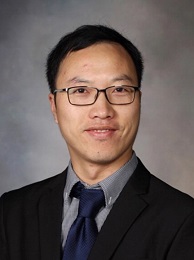 Yong Wang (王勇)合作论文数School of Traditional Chinese Medicine, Beijing University of Chinese Medicine6Dongxing Zhang (张东星)合作论文数6Yufeng Jiang (蒋玉凤)合作论文数6Rui Zhang (张睿)合作论文数5JinE Peng (彭金娥)合作论文数5NanNan Gao (高南南)合作论文数5LinLin Liu (刘琳琳)合作论文数5Tingxiu Zhao (赵婷秀)合作论文数Guangzhou University of Chinese Medicine5Gang Zhao (赵刚)合作论文数5
 Jiachun Chen (陈家春)合作论文数School of Pharmacy, Tongji Medical College, Huazhong University of Science and Technology5
 Yan Sun (孙燕)合作论文数School of Traditional Chinese Medicine, Beijing University of Chinese Medicine5
 Yuetao Liu (刘月涛)合作论文数School of Chemistry and Chemical Engineering, Shanxi University5hongya wang (王宏雅)合作论文数4Xiaoyu Wu (武晓玉)合作论文数4heping wang (王和平)合作论文数4Shuang Li合作论文数4Lin Peng (彭琳)合作论文数4LiJian Liu (刘礼剑)合作论文数4XiaoTing Liu (刘晓婷)合作论文数4孙丽萍合作论文数Jiang Su Key Laboratory of Drug Design and Optimization, China Pharmaceutical University4
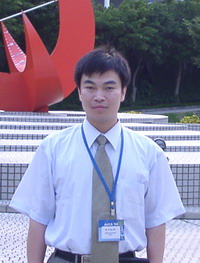 Yong Xie (谢勇)合作论文数The Institute of Medicinal Plant Development, Chinese Academy of Medical Sciences & Peking Union Medical College4Zhang Tao-Tao合作论文数4Hanqing Tang (唐汉庆)合作论文数4




