为了研究解钾菌肥是否具有抗光亏缺的作用,模拟自然条件,在培养箱的弱光照(66%)条件下,用解钾菌参与活化的钾长石肥料与其他肥料在相同养分水平下进行玉米盆栽试验.结果表明,在弱光条件下,两种解钾菌处理都能够促进玉米生长.其中,以T1(菌Q22)的效果最明显,且差异显著.显示了微生物肥料具有抗光亏缺的独特优势,值得深入研究.这不仅可为高产栽培提供新的技术支撑,还可为微生物肥料开拓广阔的应用场景.
Water-soluble harmful components that remained in SAPs pose potential risks to crop growth, resulting in decreased seed germination rate, reduced yield, and inhibited root system growth. These factors restrict its widespread use in agriculture and forestry. In this study, a new type of super absorbent polymers (AD-SAP) with low residual acrylic acid and sodium ions was synthesized by using ammonia solution instead of strong alkali sodium hydroxide for neutralization and adding modified diatomaceous earth to improve the grafting efficiency. The prepared samples were characterized by Fourier transform infrared spectroscopy (FTIR), X-ray diffraction (XRD), and energy-dispersive X-ray spectroscopy (EDS), and the influence of the dosage of acrylic acid and ammonia solution used for preparation on the residual content of water-soluble harmful components in AD-SAPs was investigated. When 28% of acrylic acid, 24% of ammonia solution, and 5% of diatomaceous earth were used for synthesis, the residual acrylic acid content in AD-SAP was 0.03%, and the sodium ion content was reduced to 0.12 g/kg, which is much lower than the three commercially available SAPs. However, its water-absorption capacity has not decreased and its salt resistance has improved. The water absorption ratio of AD-SAP is 578g/g, and the salt-absorption ratio is 87 g/g. Pot experiments showed that AD-SAP eliminated the adverse effects of commercial SAPs on crop growth. The research provided technical support for the production of SAPs, and offer scientific guidance for how to mitigate the adverse effects of SAPs on crop growth.
阐述磷肥产业面临的挑战,提出构建矿-肥温和反应体系替代矿-酸-肥激烈反应体系,介绍活化磷温和反应体系的技术原理及优势.活化磷制备反应温和、碳耗低、不消耗硫酸,可利用w(P2O5)≥18%的低品位磷矿,无须选矿,无废渣排放,产品呈中性,抗淋溶、抗固定能力强,养分利用率高,肥效高效持久,利润高,经济效益和环境效益显著.分析活化磷技术的发展前景,并提出发展建议.
采用解钾菌和活化剂联用技术,研究不同用量活化剂和处理方式对钾长石的活化效果,通过X射线衍射和玉米盆栽试验探究生物-化学联用的活化机理及其肥效.结果表明,不同解钾菌(YC602、YC605和YC606)与活化剂QN联用对钾长石中水溶性钾和有效钾的释放均有效果,YC602提升效果最佳.选定YC602与QN进行优化试验,其中T1处理(5%QN+100℃烘干+YC602)和T3处理(3%QN+水浸泡+200℃烘干+YC602)活化效果较好,提高活化剂用量有利于水溶性钾和有效钾的释放.培养时间对于有效钾的释放影响不大,而水溶性钾含量以培养24 h效果最佳.盆栽试验结果表明,减少50%氯化钾施用的条件下,联用技术T2A处理组可有效促进玉米生长.淋溶试验表明,联用技术可有效减少钾素淋溶流失,肥效较持久.联用活化技术在常温常压条件下就可提高钾长石的有效性,明显降低活化成本,并可大幅减少氯化钾用量,具有减量增效和绿色环保的优势.
施用保水剂是提高作物抗旱能力的有效措施,但其用量稍多即导致种子发芽率下降、产量减少、根系生长受阻等不利影响.究其原因,既可能是保水剂与作物竞争"土壤水分"、降低土壤"通气性"等间接影响,也可能是保水剂对作物生长的直接抑制作用.农用保水剂中不可避免地残留着丙烯酸、钠等水溶性成分,丙烯酸对动物具有生物毒性,其在正常水分条件下,可以很快降解.但是,如果保水剂在土壤中吸水形成凝胶,就会大大降低丙烯酸的降解速率,可能对作物造成伤害.由于绝大多数研究都是在常规土壤水分条件下进行得到的结果,因此,在干旱条件下安全有效使用保水剂还需从机理和技术两方面开展研究,主要研究内容包括:不同保水剂在干旱条件下的安全阈值研究;聚合物单体成分在干旱条件下的降解特征及其降解产物对动植物的生物毒性;保水剂中有害组分在不同土壤条件下的降解、稀释扩散特征,有害组分对作物生长不同时期不利影响的发生与其降解动态的关系.另外,在应用技术方面,现行"农林保水剂"行业标准对单体残留量尚无限制,还缺乏对安全使用保水剂的指导.在以上研究基础上,今后应筛选单体生物毒性低的聚合物,优化单体合成参数,减少单体残留,以实现保水剂的安全高效使用.
为充分开发利用我国难溶性钾矿资源,在降低煅烧温度的情况下,开展了活化剂种类和用量、研磨时间等对钾长石活化效果的研究.化学有效性分析结果表明:活化剂CM的活化效果优于QN的;随着活化剂用量增加或研磨时间延长,水溶性钾和速效钾的含量有所上升.盆栽试验结果表明:CM添加质量分数3%,研磨8 min,200℃烘干12 min的处理效果较理想,玉米地上部鲜质量和干质量最高,而且能有效提高土壤碱解氮和速效钾的含量.淋溶试验结果表明:各活化钾长石处理的第20天钾淋溶损失均低于纯氯化钾处理的,能够有效减少淋溶导致的钾素流失.应用活化剂有望进一步降低钾长石的煅烧温度,实现钾长石的高效低碳利用.
腐植酸的促长、抗旱等功能在生产实践中已广为应用.如果从化学反应的角度分析,对腐植酸功能的认识深度和广度还会有新的提升.它不仅在物质层面上有有机营养的功能,而且在能量层面还有对冲光亏缺的效果.此外,它在新型肥料制造方面的应用,也显示了节能减碳的明显优势.
腐植酸具有活化矿物磷的功能,可用于活化磷肥的开发.化学检测与肥效试验表明,与一般的有机活化剂相比,腐植酸中分子量较小的黄腐酸可在2%的添加量下发挥更大的磷活化效能.因黄腐酸活化磷肥第1次与第3次浸提溶出的水溶磷含量差别不超过20%,表明该活化磷肥连续释磷更加平稳,更符合作物不同生长期的养分需求,因而获得更高的肥效.
Based on the long-term research on chemical and biological activation of potassium feldspar in China, experiments on the biochemical synergistic activation of potassium feldspar are carried out. In the experiment, the content of water-soluble potassium and available potassium is taken as the index to optimize and evaluate the bacteria, activator and their combination, and then the fertilization effect is verified through maize pot experiment. The results show that the combination of potassium bacteria Q22 as well as activator CM and potassium feldspar being activated by biochemical synergism for 8-12 hours at room temperature can replace 50% of potassium chloride and obtain obvious yield increase effect.
Promotion of crop yield by compost application is generally thought to be ascribed to a better supply of macro and micronutrients, however the importance of compost DOM on plant growth has not been well demonstrated. In this study, composting of chicken manure, spent mushroom and sawdust was conducted under aerobic or anaerobic condition to determine the effects of compost DOM on plant growth. It was found that dissolved organic matter (DOM) first increased and then decreased in compost, and DOM of anaerobic compost was slightly higher than that of aerobic compost. When compost extract was applied to maize, among N, P, K and DOM content, it was DOM content that was most significantly and strongly related to plant biomass (r = 0.843, p<0.001). Compost DOM was also strongly related to soil properties, the improvement of which can also promote plant growth. Compost application confirmed that higher compost DOM results in greater plant biomass. In order to facilitate compost DOM accumulation, we designed a novel composting process which combined aerobic and anaerobic treatments, and the resulting compost (A-Ana compost) with the highest amount of DOM displayed the best performance in promotion of plant growth. A-Ana compost was able to increase maize biomass by 32.71% and 12.40% compared with only anaerobic or aerobic compost, respectively. Therefore, DOM is a critical factor determining compost quality and it is feasible to manipulate composting oxygen supply condition to increase compost DOM, which will lead to increased plant yield.
为解决日益严峻的磷矿资源短缺问题,本文应用机械化学力原理,研发成功无酸活化磷技术,用低品位磷矿为原料,加入适量活化剂研磨加工制成活化磷.新产品可明显降低被铁、铝、钙固定率,从而大幅提高有效性,可通过连续抽提法进行动态测定.采用XRD和IR从微观角度分析了活化磷的活化机理.无酸活化磷突破了磷肥的经典有效性概念和现有技术框架,在原料、工艺和产品方面均有所创新,具有节酸节能、成本低、肥效高、可激活常规技术所不能利用的低品位磷矿资源.该技术应用前景广阔,在"一带一路"倡议中有重要意义.
为探寻适合广东省典型镉(Cd)污染稻田土壤镉生物有效性测定方法及其管控阈值,以广东韶关、清远和广州三种典型Cd污染稻田土壤为供试土壤,系统比较了四种有效Cd提取方法(CaCl2法、HCl法、EDTA法和DTPA法)对土壤Cd的浸提能力,并分析两个品种水稻对Cd的累积吸收量与土壤有效Cd含量的相关性,探讨糙米Cd超过食品安全标准时各测定方法的风险管控值.结果表明,四种化学提取剂对土壤Cd的提取能力大小依次为0.1 mol·L-1 HCl>0.05 mol·L-1 EDTA>0.005 mol·L-1 DTPA>0.1 mol·L-1 CaCl2;外源添加条件下土壤Cd有效性高,土壤总Cd和各提取态Cd均与糙米Cd极显著相关(P<0.01),四种有效Cd测定值与水稻Cd累积量的相关系数均超过0.9,其中CaCl2提取态Cd与水稻Cd含量的相关性更强,但自然污染型土壤全Cd含量与水稻Cd累积量的相关性最弱;根据各方法测定值与糙米Cd相关性计算获得了广东Cd污染稻田的风险管控值.采用四种有效Cd测定方法评价广东酸性稻田土壤Cd的生物有效性优于土壤全Cd的方法,其中CaCl2提取法测定的结果与稻米Cd含量相关性最高,进一步深入研究可确立基于0.1 mol·L-1 CaCl2提取态Cd含量的稻田Cd污染风险管控阈值.
耐盐性不高是目前保水剂推广的关键技术瓶颈,为解决这一技术难点,本研究从工农业废弃物中筛选有机及无机成分,制成保水构件,与市售保水剂(聚丙烯酰胺)进行保水和耐盐性系列比较试验.结果显示,新型保水材料的耐盐力和保水保肥性均优于市售保水剂,而且成本较低,应用于农林业的前景广阔.
为解决新会陈皮加工产生的大量废渣(液)污染环境的问题,以陈皮加工废渣(液)为原料制成复方柑液有机碳肥,并进行系列盆栽、大田肥效试验.试验结果表明:施用有机碳肥后,叶菜类(小白菜、油麦菜等)增产18.6%~71.0%;除了大田玉米复方柑液有机碳肥A3处理外,其他处理玉米增产12.9%~14.2%;作物的叶绿素含量升高,有利于促进光合作用.叶菜类蔬菜施用C/N(质量比)为3.2~3.5的复方有机碳肥效果较好,谷物类施肥C/N在2.1~3.2为宜;有机碳的肥效与作物种类、肥料的C/N有关.这为农产品加工废物的治理提供了资源化利用的新途径.
针对尾矿及工业副产废渣制肥的原料养分含量低、选矿能耗高等问题,开发出了节能低碳的矿物活化技术.该技术不需要选矿,不排放尾矿、磷石膏、氧化镁渣等,可以用于处理各类尾矿及工业副产废渣.添加活化剂可以使各类尾矿和工业副产废渣转化成活化磷、钾、硅等系列中微肥产品和土壤调理剂.对尾矿和工业副产废渣活化的技术原理、工艺、产品肥效及市场前景等进行了较为详细的探讨,以期为我国堆存数量巨大的各类尾矿及工业副产废渣的综合开发利用提供参考.
[目的]针对水土流失造成的肥料养分流失及部分地区干旱缺水的问题,进行节水保肥的系列研究,阐明保水构件的保水保肥效果及其应用前景.[方法]利用保水剂加工成各种形状的保水构件,并使其获得的保水保肥效果优于把保水剂和土混匀的常规方法.[结果]在同等淋水量的情况下使用保水构件可减少65%的水分流失,N,P,K养分流失可减少89%以上;盆栽试验中,在干旱胁迫情况下,保水构件可使玉米增产155%;大田试验显示,自然降雨条件下,保水构件可使玉米增产26%,甘蔗增产10.5%且糖度增加.同时N,P,K养分下渗流失减少而对养分的吸收增加.[结论]系列试验说明保水构件可提高作物产量、质量和对养分的吸收.
21世纪以来,施肥增产的模式从增量向增效转折,资源短缺,环境压力严峻,急需技术突破,新型肥料应运而生.主要介绍突破经典矿质营养理论框架的有机碳肥和突破传统有效性及其技术框架的活化磷肥两种新型肥料的研发和应用,包括有机碳的概念、功能优势及生产技术实例,活化磷肥的技术优势及肥效.提出在新型肥料的创新实践中,要突破惯性框架,开拓创新思维.
现代化肥的发展已经突破传统的矿质营养学说的理论框架,迫切需要进行理论思考,而多年来化肥新产品的研发实践为植物营养理论发展提供了大量的研究素材和科学依据,其中有机碳是植物营养的重大研究领域.介绍了有机碳营养的独特优势,澄清了有机肥、有机氮与有机碳的区别,指出除了"靠天补碳(CO2)"之外,开拓施肥补碳的高产新途径具有重要的理论意义和实用价值.
Four promoted-release materials (W,Y,QW,and FS) were chosen to activate the mixture of phosphate rock and calcined magnesium oxide.Type Ⅰ and type Ⅱ mixtures of promoted-release phosphate rock and calcined magnesium oxide were added to 3% and 5% promoted-release materials,respectively.Next,promoted-release mixed phosphate and magnesium substrates for herbaceous flowers were prepared,whereas a leaching experiment and a pot experiment were conducted to study the release characteristics of water-soluble P and Mg and their effects on growth and flowering of Torenia fournieri and Catharanthus roseus.The results were summarized as follows:1) As compared with the substrate without adding any promoted-release materials,the water-soluble P contents of promoted-release P-Mg substrates added with W,Y,QW,and FS were significantly increased by 15.42% ~27.10% (P<0.05),whereas the water-soluble Mg content in treatments added with W,Y,QW,and FS showed no significant differences (P>0.05).2) Promoted-release P-Mg substrates added with W Ⅰ increased the number of flowers of T.fournieri and the crown diameter,branch number,and above-ground biomass of C.roseus;substrates added with FS-Ⅱ promoted the accumulation of above-ground biomass of T.fournieri,but adding Y-Ⅰ showed no positive effects on the growth of T.fournieri or C.roseus.Generally,promoted-release W-Ⅰ and FS-Ⅱ showed positive effects on substrates of herbaceous flowers and the appropriate addition ratios were 3.09 and 3.16 kg · m-3,respectively.
Carbon is listed on the first of the 17 necessary nutrient elements for plants.For a long time,however,there is little researche on carbon nutrition,even worse on the role of organic carbon in supplementation of plant carbon requirement.Plants are capable of acquiring carbon nutrition from atmosphere through photosynthesis and transferred CO2 to organic carbon compounds for physiological metabolism and growth,which could only meet about 1/5 of plant demand in theory,and plants often suffer from carbon hunger actually.Some researches have proved the supplementary C nutrition through fertilization an effective way for increasing yield and quality of crops.The production of efficient carbon-containing fertilizers has offered a new opportunity for modern fertilizer industry.The concept of organic nutrition is proposed in this paper,and the features and importance of organic C fertilizer and its application in balanced fertilization are discussed.Organic C might become the frontier of new fertilizer and modern plant nutrient theory in research and development.
 Xiaoyun Mao (毛小云)合作论文数College of Natural Resources and Environment, South China Agricultural University76
 KeXing Liu (刘可星)合作论文数47
 Dehan Wang (王德汉)合作论文数College of Natural Resources and Environment, South China Agricultural University25
 Jianjun Du (杜建军)合作论文数College of Resources and Environment, Zhongkai University of Agriculture and Engineering20
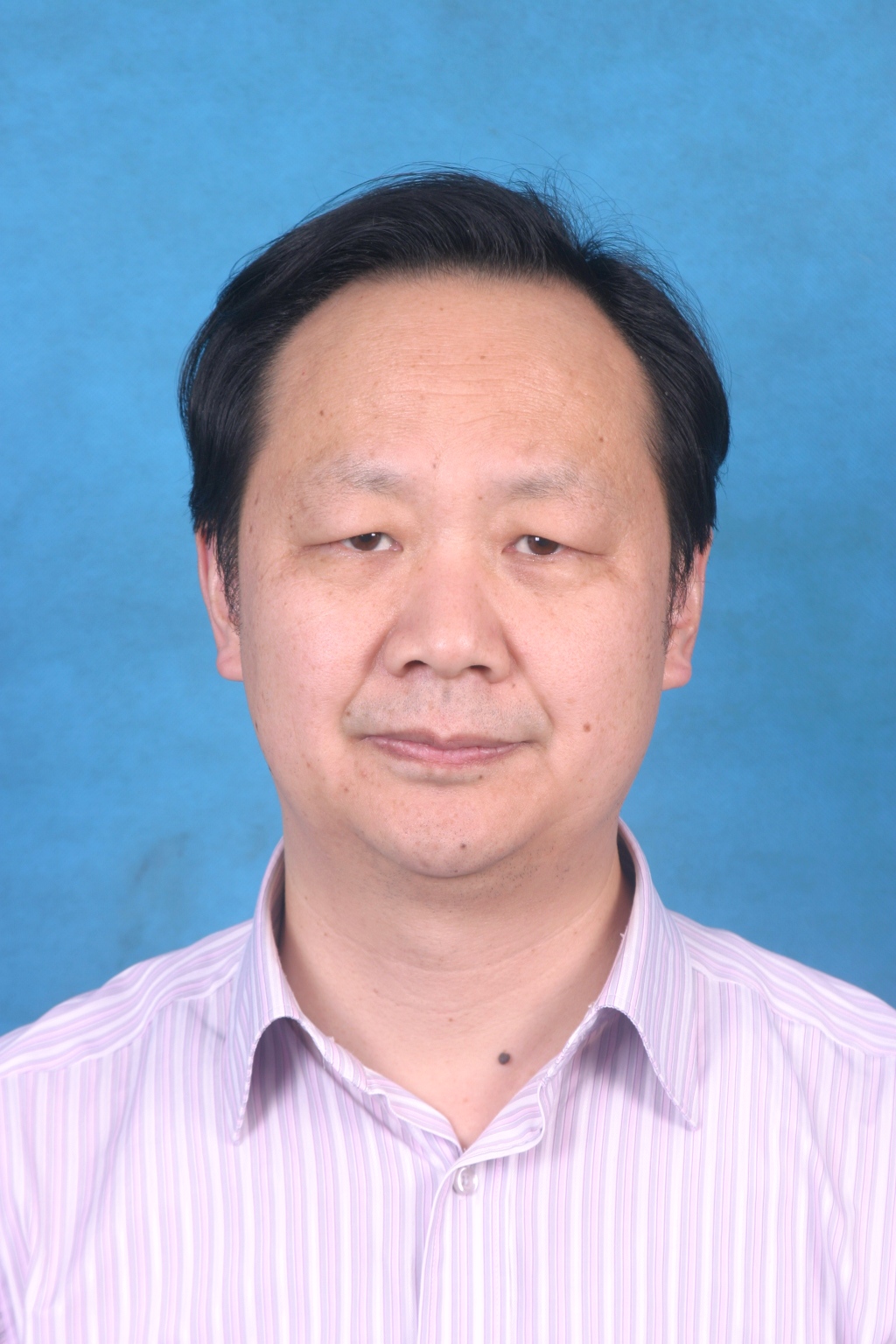 QiMing Lu (卢其明)合作论文数华南农业大学材料与能源学院15KeJun Sun (孙克君)合作论文数13
 Yanfei Cai (蔡燕飞)合作论文数College of Natural Resources and Environment, South China Agricultural University12Pingxiao Wu (吴平霄)合作论文数华南理工大学环境与能源学院11
 Xian Chen (陈娴)合作论文数College of Natural Resources and Environment, South China Agricultural University10YouMing Wei (卫尤明)合作论文数10AnXun Liu (刘安勋)合作论文数10Xin Feng (冯新)合作论文数10JunJie Peng (彭俊杰)合作论文数8JunTao Zhang (张俊涛)合作论文数7Yujiang Cao (曹玉江)合作论文数7Zhao-hua ZHU (朱兆华)合作论文数6Peizhao Huang (黄培钊)合作论文数Shenzhen Batian Ecotypic Engineering Co.,Ltd.6RenShan Ge (葛仁山)合作论文数6ZhongWen Tan (谭中文)合作论文数6
 Chao Zheng (郑超)合作论文数School of Materials Science & Engineering, Shandong University6
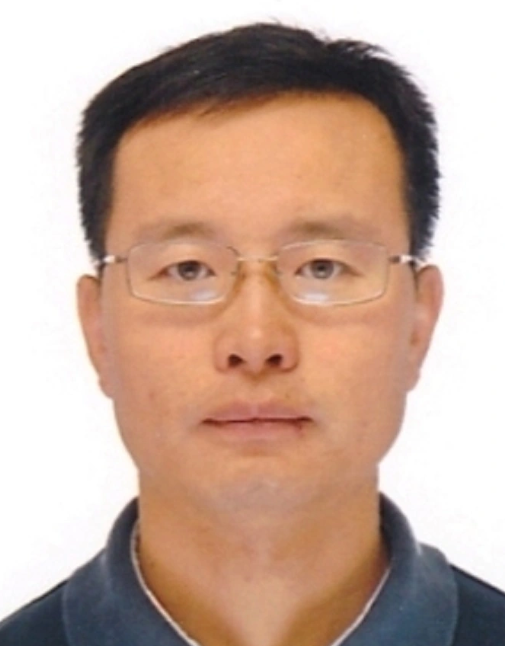 Weidong Kong (孔维栋)合作论文数College of Life Sciences, Capital Normal University6ZhaoZan Tan (谭兆赞)合作论文数5Jun Wang (王俊)合作论文数5WU Yaoyao (吴瑶瑶)合作论文数4HUANG Lei (黄雷)合作论文数4Xiao Xiongshi (肖雄师)合作论文数4SHEN Yanxi (沈彦汐)合作论文数4Zhenghui Wang合作论文数4Jun WANG (王君)合作论文数4LI Hong-bo (李洪波)合作论文数4bo song (宋波)合作论文数4HuiDong Lin (林辉东)合作论文数4XiangZheng Xiao (肖相政)合作论文数4XinAi Wang (王新爱)合作论文数4HeRong Guo (郭和蓉)合作论文数4
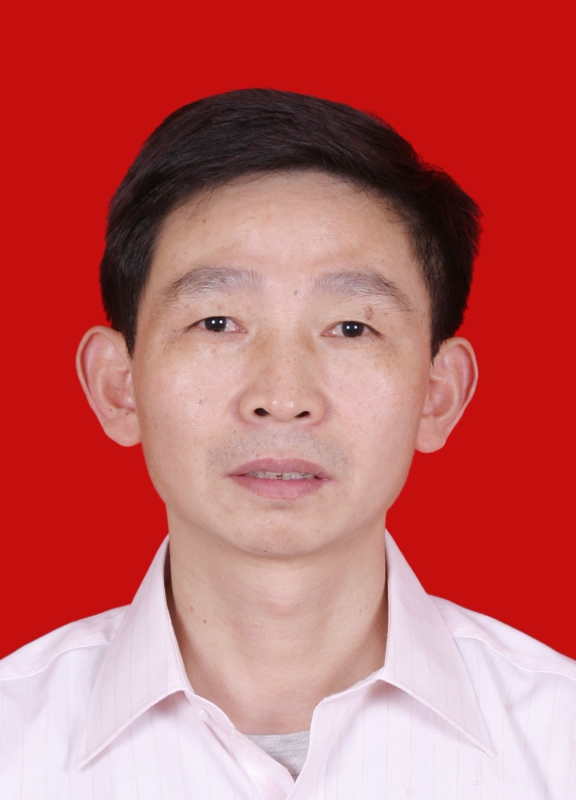 Xueyi Le (乐学义)合作论文数College of Materials and Energy, South China Agricultural University4Xusheng He (何绪生)合作论文数Northwest A&F University4QIAO Kai (乔凯)合作论文数3mao jinglin合作论文数3Fengwen LEI (雷锋文)合作论文数3Jun-tao ZHANG (张俊涛)合作论文数3Aiping JIA (贾爱萍)合作论文数3Li-ping GU (谷丽萍)合作论文数3DAI Ming (代明)合作论文数3HaiYin Yan (鄢海印)合作论文数3JiXian Duan (段继贤)合作论文数3Lin Ruan (阮琳)合作论文数3Xiaorong Chen (陈晓蓉)合作论文数3Shikun Li (李世坤)合作论文数3




