Trans-1,3,3,3-tetrafluoropropene (R1234ze(E)) and trans-1,1,1,4,4,4-hexafluoro-2-butene (R1336mzz(E)), along with their mixtures, represent a new generation of low-global-warming-potential working fluids with significant promise. This study aimed to measure the gaseous speed of sound using Cylindrical Fixed-Path Interferometry. The core component, the cylindrical resonator, had its length and radius precisely calibrated using argon. Combining the calibrated dimensions with the measured resonance frequency, we determined the speed of sound of R1234ze(E) in the temperature range of 313.15 K similar to 363.15 K and the pressure range of 50 kPa similar to 1030 kPa with a relative extended uncertainty (k = 2) of 0.029 %. Our comparison with the available speed of sound data revealed that the multiparameter equation of state for R1234ze(E) exhibits a systematic positive bias in the pressure range of 0 similar to 1000 kPa for speed of sound calculation. From the measured speed of sound of R1234ze(E), we calculated its ideal-gas heat capacity and acoustic second virial coefficients. These coefficients were subsequently regressed to obtain molecular parameters for the hard-core square-well molecular potential model, enabling the derivation of the density second virial coefficients. Furthermore, the speed of sound of R1234ze(E)+R1336mzz(E) binary mixture was measured in the temperature range of 313.15 K similar to 363.15 K and the pressure range of 59 kPa similar to 800 kPa with a relative extended uncertainty (k = 2) of 0.064 %. By integrating the mixture speed of sound with the pure component properties, we determined the acoustic second virial coefficients of R1234ze(E)+R1336mzz(E). These results provide essential data support for developing a specialized thermodynamic model for the mixture.
In nucleate pool boiling, the microlayer represents a crucial yet controversial mechanism, with reported contributions varying significantly across different experimental measurement methods. In this paper, the growth process of a single bubble during saturated water boiling is simulated using the Volume of Fluid (VOF) method coupled with a subgrid microlayer-transition model based on Landau–Levich theory. This approach enables the real-time calculation of the spatio-temporal distribution of the microlayer and transition region, as well as the initial microlayer thickness, without reliance on empirical formulas. The simulation results show excellent agreement with experimental measurements, predicting the initial microlayer thickness with a deviation of less than 6%. The study numerically verifies the existence of the transition region, elucidates the wall heat flux slope observed in experiments, and validates the mechanism of microlayer formation. Furthermore, a sensitivity analysis is conducted to investigate the effects of the transition region slope and wall superheat on bubble growth. The results indicate that the transition region slope significantly influences the evaporation within that region. Under different wall superheats, while the individual evaporation contributions of the microlayer and transition region vary, their combined contribution remains relatively stable at approximately 45%. This finding clarifies the reason for the conflicting conclusions regarding the microlayer contribution drawn from different measurement methods in previous experiments; the discrepancy stems from whether or not the transition region is included in the definition of the microlayer.
Dilute-gas viscosity is a fundamental transport property governed by binary molecular collisions and is widely used as a reference term in dense-fluid viscosity models. In this work, a physics-constrained symbolic regression framework is developed for predicting dilute-gas viscosity through the conventional Chapman–Enskog framework and a new reduced Boyle-scaled collision integral. Instead of correlating viscosity directly, the viscosity data are transformed into a dimensionless collision integral using the Boyle temperature and Boyle length derived from the second virial coefficient. A comprehensive database containing 87 fluids and 11,263 dilute-gas viscosity data points was constructed by combining high-accuracy ab initio data with carefully screened and zero-density-extrapolated experimental data. The collision-integral model was formulated as a decomposed correlation consisting of a spherical reference term, a nonpolar correction term, and a polar correction term, with additional empirical extensions for quantum and associating fluids. Symbolic regression was used to identify the analytical expression of each term considering accuracy, numerical stability, and physical consistency. The resulting model gives an overall AARD of 2.00
Abstract Binary mixtures of difluoromethane (R32) with hydrofluoroolefins (HFOs) possess excellent thermodynamic performance and low global warming potential, supporting the reduction of hydrofluorocarbons (HFCs) usage. In this work, the gaseous speed of sound was measured for R32 + trans-1,3,3,3-tetrafluoropropene (R1234ze(E)) and R32 + hexafluoropropylene (R1216) at temperatures (303.15 to 363.15) K and pressures up to 1063 kPa, with relative expanded uncertainties (k = 2) of 0.022% and 0.026%, respectively. For R32 + R1234ze(E), comparisons with two dedicated models revealed opposite trends: one model systematically overpredicted the speed of sound (positive bias), whereas the other underpredicted it (negative bias). This implies that both models require refinement for gas-phase thermodynamic properties, especially for the gaseous speed of sound. A universal acoustic truncation virial equation was developed using critical parameters and molecular structure parameters. For R32 + R1234ze(E), within the experimental range, this acoustic equation outperformed the two dedicated models. For R32 + R1216, deviations between the acoustic virial equation and experimental data increased with pressure, suggesting inaccuracies in the critical parameters and molecular structure parameters of R1216. Finally, acoustic virial coefficients were derived from the experimental speed of sound. These results provide essential benchmarks for developing and improving dedicated models for these mixtures.
The mixture of carbon dioxide (CO2) and environmentally friendly refrigerant 2,3,3,3-tetrafluoropropylene (R1234yf) has excellent environmental performance, low critical temperature, and excellent thermal performance. It is expected to be used as a substitute for refrigerants with high global warming potential in automotive air conditioning and medium-low-temperature thermal systems. The pvTx property is one of the most fundamental thermophysical properties of mixtures, and transcritical experimental data is crucial for the application of supercritical mixtures. This work conducted the experimental measurements of transcritical pvTx property for CO2+R1234yf mixture by using an improved variable-volume-constant Burnett apparatus, and obtained experimental data for two CO2 mole fractions of x(1)=0.4558 and 0.8324. The corresponding density ranges were from low-density gas to the highest densities of 898 kg/m(3) and 712 kg/m(3), respectively. The temperature range was from 311.15 K to 423.15 K, and the highest pressure was up to 10 MPa. The expanded measurement uncertainties (k = 2) for temperature, pressure, density, and mole fraction were no >14 mK, 0.03%, 0.20%, and 0.0036, respectively. A total of 166 single-phase pvTx data and 71 vapor-liquid coexistence data were obtained. Reliable near-critical bubble points and dew points data of CO2+R1234yf were obtained based on the pvTx property. The crossover volume-translation Peng-Robinson equation of state was established to correlate and describe the transcritical pvTx properties, and its calculation performance was compared with that of other equations of state.
To achieve carbon neutrality, integrating renewable energy with hydrogen and derivative industries is vital. Research often isolates power systems from chemical processes and emphasizes steady-state analysis, leaving a gap in understanding integrated dynamic performance and energy management. This work develops a dynamic model that incorporates renewable generation/storage, electrolytic hydrogen production, and methanol synthesis, adopting an integrated approach. It examines dynamic responses of key modules and evaluates impacts of carbon-source supply, energy management, and electricity storage configurations. Case studies show that system performances are strategy-dependent: a constant H2/CO2 mass-flow ratio yields 55.7% system energy efficiency with a peak temperature fluctuation of 1.8 degrees C; a strategy aimed at maintaining minimum operation can reduce grid electricity use by 18.6%. With the proposed storage configuration, increasing the battery-to-renewable capacity ratio raises methanol output by 7.5% while further lowering grid consumption. This study provides a reference for dynamic operation of green hydrogen-based methanol synthesis systems.
The vapor pressure equation is an effective tool for describing the pressure-temperature relationship along the liquid-vapor coexistence curve. However, most existing equations are merely used to correlate experimental data, but lack reliability when extrapolating beyond the experimental temperature range. Based on the thermodynamic characteristics of vapor pressure, this study summarizes the mathematical constraints of vapor pressure equation, and proposes a new, accurate and reliable vapor pressure equation with four fitting parameters for the correlation and extrapolation of experimental data. The new equation is compared with the Park equation and Wagner equation in terms of correlation and extrapolation performance using experimental data of 62 fluids from the triple point to the critical point. Results show that the new equation matches or slightly outperforms the Park equation and Wagner equation in correlation accuracy, while it has more regular fitting parameters. In terms of extrapolation, the new equation significantly outperforms the Park equation and Wagner equation without parameter constraints, especially towards low-temperature and low-pressure region. And the new equation presents stable extrapolation across different data ranges, achieving a balance between correlation accuracy and extrapolation ability through rigorously validated function forms and reasonably set fitting parameters.
The U-shaped closed-loop geothermal system (U-CLGS) has emerged as a promising technology for deep geothermal energy extraction using underground closed heat exchangers with horizontal wellbores; however, its thermal performance remains poorly understood in fractured reservoirs where low-velocity matrix seepage coexists with high-velocity fracture-dominated flow. In this study, a coupled fracture-reservoir thermal-hydraulic model is developed to systematically investigate how fracture-seepage interactions reorganize flow and heat transfer around the horizontal wellbore. By resolving three-dimensional velocity fields and heat flux orientations, the effects of fracture azimuth magnitude and azimuthal orientation on local and integrated heat extraction performance are quantified under seepage conditions parallel and perpendicular to the wellbore. A spatially resolved thermal-flux framework is introduced to reveal the directional coupling between seepage flow and heat transfer mechanisms. The results reveal that fractures fundamentally alter near-wellbore heat transfer mechanisms by redirecting reservoir seepage pathways and reorienting heat flux vectors. Fracture-seepage alignment promotes convective enhancement under seepage parallel to the wellbore, increasing the heat extraction power of the wellbore horizontal section by up to 38%, whereas direction misalignment under perpendicular seepage suppresses heat transfer, leading to reductions of heat extraction power of up to 15%. These findings demonstrate that the impact of fractures on wellbore heat extraction performance is highly direction-dependent, and provide practical design guidelines for the placement of horizontal geothermal wellbores in fractured deep reservoirs.
trans-1,1,1,4,4,4-hexafluoro-2-butene (R1336mzz(E)) is a hydrofluoroolefin with 4 carbon atoms and low global warming potential. It is suitable for application as a refrigerant, but its thermophysical properties need further investigation. In this work, experimental measurements for R1336mzz(E) of the vapor pressure from 303.17 K to the critical point and the pvT property up to 850 kg/m3 from 323.15 K to 423.15 K were conducted by using the Burnett method. An improved Burnett apparatus with variable volume constants has evolved from the classical two-chamber apparatus, and the 2,3,3,3-tetrafluoroprop-1-ene (R1234yf) as a typical hydrofluoroolefin was used to validate the improved variable-volume-constant Burnett method. The vapor pressure of R1234yf was measured from 313.15 K to 367.15 K and the pvT property was measured up to 800 kg/m3 from 325.00 K to 403.15 K. The expanded measurement uncertainties (k = 2) of temperature, pressure and density are 0.014 K, 0.2-0.4 kPa and 0.0014 & sdot;rho for the classical two-chamber Burnett apparatus, and are 0.014 K, 0.2-0.5 kPa and 0.0020 & sdot;rho for the improved Burnett apparatus, respectively. The experimental data is compared with the literature data and the existing equations of state. For R1336mzz(E), the experiment measured the near-critical region and updated the critical pressure at the critical temperature of 403.37 K to be 2.7788 MPa. A new critical isochore method for critical density measurement is proposed and verified in this work and the critical density of R1336mzz(E) is measured to be 513 kg/m3.
Layered three-dimensional (3D) van der Waals (vdW) structure, as a highly anticipated candidate for next-generation chip cooling solutions, shows extraordinary properties such as high-temperature resistance and high in-plane thermal conductivity (TC). However, the cross-plane TC is greatly limited by weak vdW interactions, making chip-level integration challenging. Here, a strategy of molecular bridge (MB) assembling 3D vdW structure is reported to significantly enhance cross-plane TC. An over 20-fold enhancement is realized through molecular dynamics simulations in multilayer graphene assembled by MB. Through phonon hybridization at the interface between MB and graphene, a novel continuous phonon transmission channel (around 50 THz) is triggered compared with the regular interrupted channel (below 5 THz) induced solely by vdW interactions. In addition, ballistic-diffusive phonon transport is observed with changing lengths of the MB connected to graphene layers. Our work presents an efficient strategy for designing 3D vdW structures with high thermal efficiency and tunable heat conduction through MB.
Modeling the directional emissivity of rough surfaces is of critical importance for thermal radiation control. Existing ray-tracing and electromagnetic models are computationally intensive. As a result, they are difficult to apply in practical engineering scenarios. In contrast, explicit models typically rely on empirical corrections derived from experimental data, which limits their generality. Data-driven machine learning approaches can achieve high prediction accuracy; however, their black-box nature makes it challenging to uncover the underlying physical mechanisms. In this work, a modeling framework for rough-surface emissivity is proposed by integrating geometric ray tracing with symbolic regression from interpretable machine learning. This framework not only yields high-accuracy models but, more importantly, enables the automatic construction of explicit physical formulations, thereby breaking the long-standing paradigm in which physical equations are predominantly derived from researchers’ experience. Based solely on numerical data combined with physical boundary constraints, the framework successfully discovers the Fresnel equations for oblique incidence on smooth surfaces. For rough surfaces, a class of explicit directional emissivity models is obtained that exhibits high accuracy, strong physical interpretability, ease of use, and broad generality. For materials within the training set and those outside the training set, the mean absolute errors are below 0.015 and 0.02, respectively. Compared with classical models, the prediction errors are significantly reduced. The mean discrepancy between the model predictions and experimental measurements is less than 0.02, representing a reduction of more than 75% relative to conventional models. This study provides a new pathway for investigating the radiation mechanisms of complex surface structures.
Aiming at shortcomings in existing dry centrifugal granulation technology, such as insufficient waste heat cascade utilization and a lack of system coupling research, this study proposes a Rankine cycle-dual pressure organic Rankine cycle (RC-DPORC) coupling system. Through a three-level energy recovery strategy, multi-grade waste heat is collaboratively utilized. A comprehensive evaluation model integrating slag thermophysical properties, energy/exergy analysis, economic cost, and environmental impact is established to analyze the effects of droplet diameter (d), granulation chamber discharge slag temperature (Tslag,out1), and fluidized bed discharge slag temperature (Tslag,out2) on system performance. The non-dominated sorting genetic algorithm II (NSGA-II) and the technique for order preference by similarity to an ideal solution (TOPSIS) are used to obtain optimal solutions for different objective functions, providing diverse feasible schemes for engineering applications. The results indicate that, within the investigated parameter range, smaller d, Tslag,out1, and Tslag,out2 enhance the performance of the RC-DPORC system by improving radiant heat transfer. Under optimal efficiency conditions (ht = 33.42%, hr = 96.81%, hex = 41.54%), the payback period (PBP) ranges from 5.02 to 5.34 years with AER of 2.81-2.92 & times; 109 kg, the crucial optimization parameters include d = 1.97-2.26 mm and Tslag,out1 = 1073-1082 K. While these results are obtained under modeling conditions and require practical validation, the proposed methodology is extendable to other metallurgical slags for waste heat recovery analysis.
Solar-driven thermochemical water splitting cycle systems are promising for clean, efficient, and large-scale hydrogen production. Few studies focus on optimizing the heat source input temperature (Thot) and output temperature (Tcold) of the integrated systems. On the one hand, the thermochemical cycles have stepped heat absorption curves with multiple pinch points, bring the constraint of the optimization. On the other hand, coupled with the solar part and power cycle, results in the deviations of the system from individual cycles. Additionally, heat is provided to both the thermochemical cycle and the power cycle, resulting a competitive relationship, and the maximum system efficiency does not always correspond to maximum hydrogen production. Therefore, a "feasible heating-coupled optimization" method is proposed. Based on the feasible heating boundary of an individual thermochemical cycle, the constraint relationship between Thot and Tcold is clarified, and the effect of Thot and Tcold under the coupling of each unit and the optimal heating design is determined by analyzing performance on and deviating from the feasible heating boundary. For the solar copper-chlorine cycle, the optimal Thot and Tcold are 520 degrees C and 469.83 degrees C, with energy and exergy efficiencies of 19.75% and 22.27%. With power cycle integration, there is a trade-off between "electricity gain" and "hydrogen loss". Heating away from the feasible heating boundary increases system efficiency but decreases the hydrogen production. When Thot and Tcold are 520 degrees C and 290 degrees C, energy efficiency increases to 28.17%, while hydrogen production decreases to 21.90% of that on the feasible heating boundary.
The capacity configuration optimization of green hydrogen systems via water electrolysis, a key technology for decarbonization, has been extensively studied for economic performance. However, research on operational reliability remains limited, primarily focusing on energy management while neglecting predictive dynamic strategies that account for electrolyzer start-stop counts. Existing approaches often overlook practical modular factors, such as unit heterogeneity, and lack standardized evaluation metrics. To address these gaps, this study first develops a model of an actual modular system. A dynamic start-stop/weighted power allocation combined strategy is then proposed for multi-objective capacity optimization; this strategy utilizes future power predictions to mitigate fluctuations and reduce start-stop events. Uniform indicators, including start-stop intensity and relative frequency coefficient, are established as reliability criteria. Results demonstrate that the proposed strategy significantly enhances operational reliability and slightly improves economy relative to conventional methods. Under the baseline configuration, it reduces the unit start-stop intensity to 11.37 (t/h)(-1).d(-1), compared to 28.77 and 17.05 for the one-by-one adjustment and instant start-stop strategies, respectively, while lowering the levelized cost of hydrogen to 18.36 CNY.kg(-1). Optimal configurations adapt effectively to scenarios involving policy relaxation, technological progress, and cost reduction. This study offers valuable insights for the design and operation of efficient and stable green hydrogen systems.
Mixture working fluids are key energy carriers in emerging energy and power systems. The speed of sound and its derived properties underpin thermodynamic analysis and flow-related-component design. However, traditional semi-empirical modeling methods struggle to characterize speed of sound that contains thermodynamic differential relationships, while merely data-driven machine-learning approaches also fall short for mixture properties with diverse physical constraints, causing narrow applicability in current sound-speed mixing models. This work attempts to develop a data-to-function machine-learning method with physical guidance, where mixture-related thermodynamic constraints are embedded into the symbolic regression framework in several aspects, forming a comprehensive model-exploration workflow and visually algebraic statistical mechanism. Taking the ideal mixing rule as a baseline and regularized thermodynamic parameters as algebraic elements, the nonpolar and polar characteristics were described stepwise by the symbolic regression algorithm based on limited experimental data, and a universally predictive mixing model is established for commonly used or highly potential mixture working fluids. The model only relies on basic physical parameters and exhibits a relative root mean square deviation of only 0.3 % in predicting 2552 experimental data points of 17 pairs of mixtures across a wide quasi-gaseous region. Notably, the prediction deviations are reduced by 1 similar to 2 orders of magnitude compared to existing universal mixing models in high-density gaseous regions, indicating significant expansion of the available range. The mathematical robustness, physical significance, and error controllability of the model are quantitatively analyzed, supporting the extrapolation to mixtures or thermodynamic regions beyond the training range and verifying some inaccurate data. Taking the speed of sound as the example, the proposed method reveals the usability of interpretable machine learning in explicit modeling of thermodynamic properties for mixtures, forming a new research perspective that can be applied to other similar properties. The results can provide data and modeling techniques for conveniently characterizing thermodynamic properties for new mixture working fluids, thus supporting reliable thermodynamic analysis in pre-studies of novel thermodynamic cycles.
This research focuses on the low recovery efficiency of waste heat and pressure energy during gas-quenching dry granulation of slag. Taking the vortex tube as the key element, three integrated systems, the reheated Rankine cycle and the dual-pressure organic Rankine cycle (RRC-DPORC-I, II, and III), are proposed to explore their functions and layout optimization for concurrent recovery of waste heat and pressure energy. Specifically, RRCDPORC-I serves as the baseline system, solely employed for waste heat recovery. RRC-DPORC-II is an enhanced system that incorporates the vortex tube to enable the simultaneous recovery of waste heat and pressure energy. RRC-DPORC-III is a high-efficiency system that further optimizes the layout and parameter configuration of the vortex tube to boost the efficiency of energy cascade utilization. The 5E analysis framework encompassing energy, exergy, exergoeconomy, economy, and exergoenvironment is used to comprehensively assess the influence of the gas rapid cooling flow rate (cf) and vortex tube cold flow ratio (beta) on system performance. Multi-objective optimization is performed using the NSGA-II and TOPSIS methods to determine the optimal operating conditions. Results show that the integrated vortex tube systems (II and III) can boost thermal efficiency (up to 37.36 %) and exergy efficiency (up to 80.86 %), and shorten the payback period to 4.47 years, but also increase exergy cost and exergoenvironmental impact. Optimizing the vortex tube layout (system III) further enhances thermodynamic matching and reduces compressor power consumption. The system attains its optimal performance at a cf of 420 m/s. An increase in beta marginally decreases efficiency and elevates costs. The Pareto front derived from multiobjective optimization offers effective guidance for reconciling energy, exergoeconomic, and exergoenvironmental objectives. This accomplishment applies to the medium- and high-pressure exhaust gas domain, providing a theoretical foundation and methodological support for the recovery of exhaust gas pressure energy.
Alkaline water electrolysis is widely used for hydrogen production because of its low cost, technological maturity, and robust operation. Bubble-induced gas-liquid two-phase flow increases the electrode potential, yet the parameter dependence of non-uniform gas distribution and its contribution to individual overpotentials remain insufficiently quantified. Here, a two-way coupled Eulerian-Lagrangian model was developed for bubbly flow in the cathode channel of a parallel-plate alkaline electrolyzer and validated against outlet void fraction measurements. Simulations showed a persistent bubble-rich layer near the electrode and gas depletion in the core, distorting the liquid flow field. Higher current density, lower inlet velocity, or larger electrode-diaphragm spacing intensified gas-distribution non-uniformity. Electrochemical evaluation based on the simulated phase fields showed that as the outlet-averaged void fraction increased from 0.67% to 4.73%, the relative additional potential rose from 3.5% to 13%, dominated by activation loss, followed by ohmic and concentration contributions.
Abstract Accurate characterization of the vaporization enthalpy from the triple point to the critical point is often limited by scarce experimental data. Existing equations are typically optimized for data fitting and may lose their reliability when extrapolated beyond the fitted range. This work develops a simple three-parameter corresponding-state equation based on the thermodynamic characteristics of the vaporization enthalpy. Evaluated using reference data for 38 fluids and experimental data for 8 representative fluids, the proposed equation reproduces fitted data with deviations below 0.5%, comparable to or better than existing equations and generally within experimental uncertainty. It also exhibits stable extrapolation under unconstrained fitting. Furthermore, a partial parameter-fixing strategy based on sensitivity analysis reduces the dependence on the fitting range and improves robustness under data-limited conditions, lowering the average extrapolation deviation below 5%. Overall, the proposed equation provides a simple, accurate, and reliable framework for the vaporization enthalpy correlation and extrapolation.
 Zhen Yang (杨震)合作论文数145
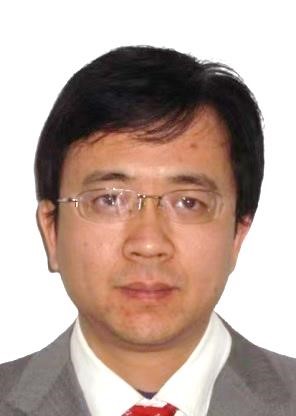 Xiaodong Wang (王晓东)合作论文数Technical Institute of Physics and Chemistry, Chinese Academy of Sciences;University of Chinese Academy of Sciences58Qiang Liu (刘强)合作论文数43
 Jian Li合作论文数41Hong Lin (林鸿)合作论文数41Mingshan Zhu (朱明善)合作论文数Tsinghua University32
 Lin Shi (史琳)合作论文数Department of Energy and Power Engineering, Tsinghua University29Qi Min (闵琪)合作论文数24Lizhong Han (韩立中)合作论文数23C. Q. Deng合作论文数22N. Yu. Muchnoi合作论文数22J. J. Cui合作论文数22N. Kalantar-Nayestanaki合作论文数22I. Denysenko合作论文数22E. Bianco合作论文数22R. E. de Boer合作论文数22P. Egorov合作论文数22S. M. Chen合作论文数22d v dedovich合作论文数22X. X. Ding合作论文数22Z. H. Duan合作论文数22
 Bing Ding合作论文数22Alaa Dbeyssi合作论文数22M Ye合作论文数22I. R. Boyko合作论文数22Denig A合作论文数22Gueorgui Chelkov合作论文数22J. F. Shangguan合作论文数21M. Berlowski合作论文数21A. Brueggemann合作论文数21C. M. Du合作论文数21W. X. Fang合作论文数21N. Berger合作论文数21Baolin An (安保林)合作论文数21Ziyan Deng (邓子艳)合作论文数21A. Bortone合作论文数INFN21F. Cossio合作论文数21Fufang Yang (杨富方)合作论文数21
 Fabrizio Umberto Bianchi合作论文数Dipartimento di Fisica, Università Degli Studi Di Torino21
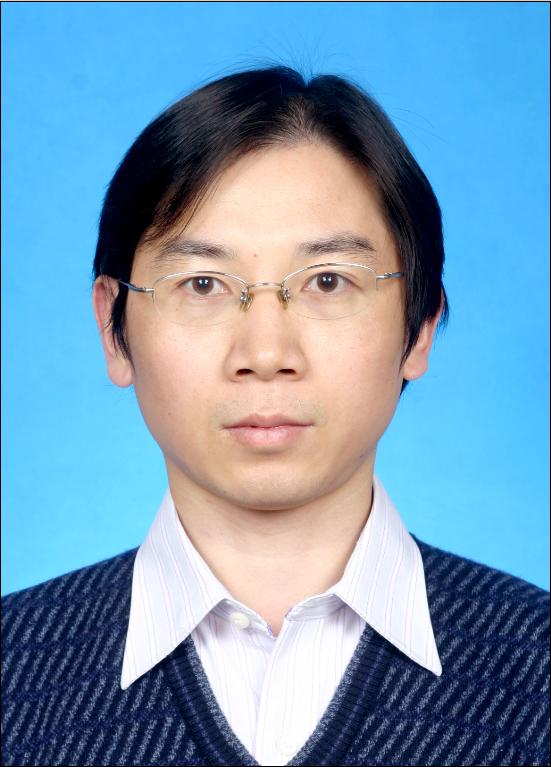 Mingyi Dong (董明义)合作论文数University of Chinese Academy of Sciences21S.-K. Choi合作论文数Gyeongsang National University21Feng Liu合作论文数Huazhong Normal University21G. Cibinetto合作论文数INFN-Ferrara, Università di Ferrara21F. De Mori合作论文数21X. B. Gao合作论文数20F. Feldbauer合作论文数20JF Chang合作论文数20G. R. Che合作论文数20




