Type III CRISPR systems generate cyclic oligoadenylate (cOA, 3 to 6 AMPs) messengers upon detecting viral RNA, activating downstream effectors to defend against viral infection. Although cOA-activated effectors have been extensively characterized, the effectors specific to cA5-one of the most abundant cOA species produced during phage infection-have remained unexplored. Here, we report that the CRISPR ribonuclease Csm6 (Csm6-2) from Actinomyces procaprae selectively employs cA5 as its activator. Csm6-2 utilizes its HEPN domain, rather than the CARF domain, to mediate self-limiting cleavage of cOA activators. Cryo-EM structural analyses reveal that Csm6-2 functions as a homotetramer, and disruption of tetramer formation significantly reduces its ribonuclease activity. Although cA6 and cA5 bind Csm6-2 with comparable affinity, only cA5 induces CARF domain closure, stabilizes the tetramer, and remodels the active site in the HEPN domain. In contrast, the sixth AMP of cA6 imposes significant steric hindrance on CARF domain movement, preventing its closure and subsequent allosteric activation. These findings expand our understanding of the cOA signaling diversity and specific cOA recognition mechanisms in type III CRISPR immunity.
The synthetic lethal interaction between poly(ADP-ribose) polymerase (PARP) inhibition and homologous recombination (HR)-deficiency, particularly in BRCA1/2-mutant tumors, has emerged as an effective strategy for cancer therapy. GEN1, a structure-selective endonuclease that resolves Holliday junctions (HJs) during HR, represents an attractive antitumor target. However, effective small-molecule GEN1 inhibitors have yet to be reported. Here, we established a fluorescence resonance energy transfer (FRET)-based high-throughput screening platform and identified the natural flavonoid scutellarin (SCU) as a specific inhibitor of human GEN1. SCU selectively inhibited GEN1 endonuclease activity against both 5'-flap and HJ DNA substrates, with no effect on other tested structure-selective endonucleases, such as SLX1-SLX4 and MUS81-EME1. Mechanistic studies showed that SCU does not disrupt GEN1-DNA binding but instead binds to the catalytic center of GEN1, thereby inhibiting its endonuclease activity. In HCT116 cells, SCU acted in synergy with the PARP inhibitor olaparib to markedly impair DNA double-strand break (DSB) repair, increase γH2AX accumulation, induce G2/M cell cycle arrest, and suppress cell migration. Notably, the SCU/olaparib combination produced robust synthetic lethality in both HCT116 and HeLa cells, resulting in substantial inhibition of cell viability and colony formation. Our study identifies SCU as a novel selective GEN1 inhibitor, and suggests a new therapeutic strategy that combines GEN1 inhibitors with PARP inhibitors for cancer treatment.
The type VI CRISPR-Cas systems are widely employed for programmable RNA editing, and the ultra-compact Cas13bt3 ribonuclease offers particular advantages for cellular delivery due to its minimal molecular size. However, its therapeutic potential is hindered by nonspecific collateral RNA cleavage activity and the lack of small-molecule inhibitors to enable spatiotemporal regulation of its function. Here, we performed a high-throughput screen for Cas13bt3 inhibitors using a fluorescence resonance energy transfer (FRET)-based RNA cleavage assay. From a library of 17,760 compounds, we identified Closantel as a specific Cas13bt3 inhibitor, with an IC50 of 7.48 µM. Biochemical assays confirmed that Closantel abrogates both on-target and collateral RNA cleavage by Cas13bt3, while exerting negligible inhibitory activity against Cas13a, a closely related Cas13 ortholog. Combined molecular docking and electrophoretic mobility shift assay (EMSA) analyses further revealed that Closantel binds to the cavity of Cas13bt3 that accommodates the direct repeat region of crRNA, thereby competitively interfering with crRNA-Cas13bt3 binding. Finally, to minimize nonspecific RNA cleavage of Cas13bt3, we engineered a K748A mutant that retains robust on-target RNA cleavage activity with reduced collateral activity in vitro. Our findings provide a selective small-molecule chemical probe for Cas13bt3 and an optimized variant with improved targeting precision, collectively advancing the utility of Cas13bt3 for precise RNA editing applications.
Photodynamic therapy (PDT) is a minimally invasive treatment that utilizes a photosensitizer, specific light wavelengths, and oxygen to generate reactive oxygen species (ROS), causing oxidative damage and tumor cell death. However, the effectiveness of PDT can be reduced by the intrinsic antioxidant and DNA repair mechanisms of tumor cells. Artemis (SNM1C/DCLRE1C) is an endonuclease essential for repairing DNA double-strand breaks (DSBs) via non-homologous end-joining (NHEJ). Herein, we conducted a high-throughput small-molecule screening and identified Punicalagin (PUG), a natural polyphenol from pomegranate, as a novel Artemis inhibitor with an IC50 value of 296.1 nM. We also investigated the effects of PUG combined with PDT in tumor treatment, using the pentalysine β-carbonylphthalocyanine zinc (ZnPc5K) as the photosensitizer. In HeLa cells, ZnPc5K-based PDT induced significant DSBs, which could be repaired by the intrinsic DNA repair mechanisms within 12 h. Co-treatment with PUG compromised DNA repair, promoted cell apoptosis, inhibited cell invasion, and suppressed the growth of various tumor cells. Furthermore, in a mouse xenograft model, the combination of PUG and ZnPc5K-PDT effectively inhibited tumor growth with minimal side effects. These findings suggest that PUG, as an Artemis inhibitor, can enhance the therapeutic efficacy of PDT in tumor suppression by impairing DNA repair through the NHEJ pathway.
Type III CRISPR systems generate cyclic oligoadenylate (cOA, 3 to 6 AMPs) messengers upon detecting viral RNA, activating downstream effectors to defend against viral infection. Although cOA-activated effectors have been extensively characterized, the cA5-specific effectors remained unexplored despite cA5 being among the most abundant cOA species produced during phage infection. Here, we report that Actinomyces procaprae Csm6 (ApCsm6) selectively employs cA5 as its activator. Unlike other characterized Csm6 proteins, ApCsm6 self-limits its ribonuclease activity by degrading cOAs via its HEPN domain, rather than relaying on the CARF domain. Cryo-EM structures of ApCsm6 and its complexes with cA5 and cA6 reveal a homotetrameric assembly, where each monomer binds a single cOA within a composite pocket formed by two tandem CARF-HEPN domains. Binding of cA5, but not cA6, enhances tetramerization and induces large conformational shifts in CARF, which in turn allosterically activates ssRNA cleavage in HEPN. These findings advance our understanding of ligand discrimination and signaling regulation in type III CRISPR immunity. Highlights ### Competing Interest Statement The authors have declared no competing interest. National Natural Science Foundation of China, 32471255, 32271258 Natural Science Foundation of Fujian Province, 2024J02006
The DdmDE antiplasmid system, consisting of the helicase-nuclease DdmD and the prokaryotic Argonaute (pAgo) protein DdmE, plays a crucial role in defending Vibrio cholerae against plasmids. Guided by DNA, DdmE specifically targets plasmids, disassembles the DdmD dimer, and forms a DdmD-DdmE handover complex to facilitate plasmid degradation. However, the precise ATP-dependent DNA translocation mechanism of DdmD has remained unclear. Here, we present cryo-EM structures of DdmD bound to single-stranded DNA (ssDNA) in nucleotide-free, ATPγS-bound, and ADP-bound states. These structures, combined with biochemical analysis, reveal a unique "gate-clamp" mechanism for ssDNA translocation by DdmD. Upon ATP binding, arginine finger residues R855 and R858 reorient to interact with the γ-phosphate, triggering HD2 domain movement. This shift repositions the gate residue Q781, causing a flip of the 3' flank base, which is then clamped by residue F639. After ATP hydrolysis, the arginine finger releases the nucleotide, inducing HD2 to return to its open state. This conformational change enables DdmD to translocate along ssDNA by one nucleotide in the 5' to 3' direction. This study provides new insights into the ATP-dependent translocation of DdmD and contributes to understanding the mechanistic diversity within SF2 helicases.
Review Targeting Cellular DNA Damage Response in Cancer and Bacterial Infections: Current Progress, Challenges, and Opportunities Ranxun Lin 1, Xu Zhang 1, Qinwei Zhu 1, Xuening Chen 1, Lin Dai 1, Longheng Li 1, Zuoan Li 2, and Zhonghui Lin 1,* 1 College of Chemistry, Fuzhou University, Fuzhou 350108, China 2 Shengli Clinical Medical College of Fujian Medical University, Department of Emergency, Fujian Provincial Hospital, Fuzhou University Affiliated Provincial Hospital, Fujian Provincial Key Laboratory of Emergency Medicine, Fuzhou 350108, China * Correspondence: zhonghui.lin@fzu.edu.cn Received: 20 November 2024; Revised: 30 December 2024; Accepted: 21 February 2025; Published: 3 April 2025 Abstract: Effective cancer treatment remains challenging due to the genomic instability of tumors and the frequent emergence of resistance. Traditional approaches such as radiotherapy, chemotherapy, and immunotherapy face limitations in addressing tumor heterogeneity and resistance mechanisms. Targeting the DNA damage response (DDR) pathway has emerged as an innovative strategy, either as monotherapy or in combination with conventional treatments. DDR-targeted therapies, including poly-ADP-ribose polymerase (PARP) inhibitors, have shown promise in reducing tumor growth and enhancing patient outcomes. Emerging targets such as ATM, ATR, CHK1/2, WRN, and PARG, coupled with cutting-edge technologies like CRISPR and proteolysis-targeting chimeras (PROTACs), have opened new avenues for precise and effective cancer treatment. Furthermore, combining DDR inhibitors with established therapies, such as immune checkpoint inhibitors, has demonstrated synergistic benefits, improving therapeutic efficacy and overcoming resistance. Beyond cancer, DDR inhibitors also offer the potential to combat bacterial pathogens by exploiting vulnerabilities in microbial DNA repair systems. This review focuses on the major advantages, challenges, and future directions of DDR-targeted therapies in cancer and bacterial infections. We also discuss the integration of these therapies with traditional approaches, highlighting their potential to enhance therapeutic outcomes across diverse applications.
In the type III CRISPR system, cyclic oligoadenylate (cOA) molecules act as second messengers, activating various promiscuous ancillary nucleases that indiscriminately degrade host and viral DNA/RNA. Conversely, ring nucleases, by specifically cleaving cOA molecules, function as off-switches to protect host cells from dormancy or death, and allow viruses to counteract immune responses. The fusion protein Csx1-Crn2, combining host ribonuclease with viral ring nuclease, represents a unique self-limiting ribonuclease family. Here, we describe the structures of Csx1-Crn2 from the organism of Marinitoga sp., in both its full-length and truncated forms, as well as in complex with cA4. We show that Csx1-Crn2 operates as a homo-tetramer, a configuration crucial for preserving the structural integrity of the HEPN domain and ensuring effective ssRNA cleavage. The binding of cA4 to the CARF domain triggers significant conformational changes across the CARF, HTH, and into the HEPN domains, leading the two R-X4-6-H motifs to form a composite catalytic site. Intriguingly, an acetate ion was found to bind at this composite site by mimicking the scissile phosphate. Further molecular docking analysis reveals that the HEPN domain can accommodate a single ssRNA molecule involving both R-X4-6-H motifs, underscoring the importance of HEPN domain dimerization for its activation.
Proper chromosome segregation during cell division relies on the timely dissolution of chromosome cohesion. Separase (EC3.4.22.49), a cysteine protease, plays a critical role in mitosis by cleaving the kleisin subunit of cohesin, thereby presenting a promising target for cancer therapy. However, challenges in isolating active human separase suitable for high-throughput screening have limited the identification of effective inhibitors. Here, we conducted a high-throughput screening of small-molecule inhibitors using the protease domain of Chaetomium thermophilum separase (ctSPD), which not only shares significant sequence similarity with human separase but is also readily available. After conducting a primary screening of a library containing 9,172 compounds and subsequent validation using human separase, we identified walrycin B and its analogs, toxoflavin, 3-methyltoxoflavin, and 3-phenyltoxoflavin, as potent inhibitors of human separase. Subsequent microscale thermophoresis assays and molecular dynamics simulations revealed that walrycin B binds to the active site of separase and competes with substrates for binding. Additionally, cell-based studies showed that walrycin B and its analogs effectively induce cell cycle arrest at the M phase, activate apoptosis, and ultimately lead to cell death in mitosis. Finally, in a mouse xenograft model, walrycin B exhibited significant antitumor efficacy with minimal side effects. Together, these findings highlight the therapeutic potential of walrycin B for cancer treatment and its utility as a chemical tool in future studies involving separase.
The emergence of chemoresistance poses a significant challenge to the efficacy of DNA-damaging agents in cancer treatment, in part due to the inherent DNA repair capabilities of cancer cells. The Ku70/80 protein complex (Ku) plays a central role in double-strand breaks (DSBs) repair through the classical non-homologous end joining (c-NHEJ) pathway, and has proven to be one of the most promising drug target for cancer treatment when combined with radiotherapy or chemotherapy. In this study, we conducted a high-throughput screening of small-molecule inhibitors targeting the Ku complex by using a fluorescence polarization-based DNA binding assay. From a library of 11,745 small molecules, UMI-77 was identified as a potent Ku inhibitor, with an IC50 value of 2.3 μM. Surface plasmon resonance and molecular docking analyses revealed that UMI-77 directly bound the inner side of Ku ring, thereby disrupting Ku binding with DNA. In addition, UMI-77 also displayed potent inhibition against MUS81-EME1, a key player in homologous recombination (HR), demonstrating its potential for blocking both NHEJ- and HR-mediated DSB repair pathways. Further cell-based studies showed that UMI-77 could impair bleomycin-induced DNA damage repair, and significantly sensitized multiple cancer cell lines to the DNA-damaging agents. Finally, in a mouse xenograft tumor model, UMI-77 significantly enhanced the chemotherapeutic efficacy of etoposide with little adverse physiological effects. Our work offers a new avenue to combat chemoresistance in cancer treatment, and suggests that UMI-77 could be further developed as a promising candidate in cancer treatment.
Stromal antigen 1 and 2 (STAG1 and STAG2) are two mutually exclusive components of the cohesin complex that is crucial for centromeric and telomeric cohesion. Beyond its structural role, STAG2 also plays a pivotal role in homologous recombination (HR) repair and has emerged as a promising therapeutic target in cancer treatment. Here, we employed a fluorescence polarization (FP)-based high-throughput screening and identified KPT-6566 as a dual inhibitor of STAG1 and STAG2. Biochemical and biophysical analyses demonstrated that KPT-6566 directly binds to STAG1 and STAG2, disrupting their interactions with SCC1 and double-stranded DNA. A metaphase chromosome spread assay showed that KPT-6566 causes premature chromosome separation and induces chromosome damages in HeLa cells. Furthermore, KPT-6566 also impairs DNA damage repair, leading to the accumulation of double-strand breaks and cell apoptosis. Finally, KPT-6566 can sensitize HeLa and HepG2 cells to PARP inhibitor Olaparib and the NHEJ inhibitor UMI-77, exhibiting a synergistic effect in suppressing cell proliferation. Our findings highlight the potential of STAG1/2 as promising therapeutic targets in cancer treatment, particularly when they are targeted in combination with other DNA damage response inhibitors.
Holliday junction (HJ) is a four-way structured DNA intermediate in processes of homologous recombination and DNA double-stranded break (DSB) repair. In bacteria, HJs are processed via either the RuvABC or RecG-dependent pathways. In addition, RecG also plays a critical role in the reactivation of stalled replication forks, making it an attractive target for antibacterial drug development. Here, we conducted a high-throughput screening targeting the RecG helicase from a common opportunistic pathogen Pseudomonas aeruginosa (Pa). From a library containing 7920 compounds, we identified Ebselen and TPI-1 (2',5'-Dichloro-[1,1'-biphenyl]-2,5-dione) as two potent PaRecG inhibitors, with IC50 values of 0.31 ± 0.02 μM and 1.16 ± 0.06 μM, respectively. Further biochemical analyses suggested that both Ebselen and TPI-1 inhibited the ATPase activity of PaRecG, and hindered its binding to HJ DNA with high selectivity. These compounds, when combined with our previously reported RuvAB inhibitors, resulted in more severe DNA repair defects than the individual treatment, and potently enhanced the susceptibility of P. aeruginosa to the DNA damage agents. This work reports novel small molecule inhibitors of RecG, offering valuable chemical tools for advancing our understanding of RecG's function and mechanism. Additionally, these inhibitors might be further developed as promising antibacterial agents in the fight against P. aeruginosa infections.
Holliday junction resolution is a crucial process in homologous recombination and DNA double-strand break repair. Complete Holliday junction resolution requires two stepwise incisions across the center of the junction, but the precise mechanism of metal ion-catalyzed Holliday junction cleavage remains elusive. Here, we perform a metal ion-triggered catalysis in crystals to investigate the mechanism of Holliday junction cleavage by MOC1. We capture the structures of MOC1 in complex with a nicked Holliday junction at various catalytic states, including the ground state, the one-metal ion binding state, and the two-metal ion binding state. Moreover, we also identify a third metal ion that may aid in the nucleophilic attack on the scissile phosphate. Further structural and biochemical analyses reveal a metal ion-mediated allosteric regulation between the two active sites, contributing to the enhancement of the second strand cleavage following the first strand cleavage, as well as the precise symmetric cleavage across the Holliday junction. Our work provides insights into the mechanism of metal ion-catalyzed Holliday junction resolution by MOC1, with implications for understanding how cells preserve genome integrity during the Holliday junction resolution phase. The precise mechanism of metal-ion catalysis in Holliday junction resolution remains elusive. Here, the authors describe a metal ion-mediated nick and counter-nick mechanism of Holliday junction cleavage by MOC1.
Type III CRISPR systems are innate immune systems found in bacteria and archaea, which produce cyclic oligoadenylate (cOA) second messengers in response to viral infections. In these systems, Csm6 proteins serve as ancillary nucleases that degrade single-stranded RNA (ssRNA) upon activation by cOA. In addition, Csm6 proteins also possess cOA-degrading activity as an intrinsic off-switch to avoid degradation of host RNA and DNA that would eventually lead to cell dormancy or cell death. Here, we present the crystal structures of Thermus thermophilus (Tt) Csm6 alone, and in complex with cyclic tetra-adenylate (cA 4 ) in both pre- and post-cleavage states. These structures establish the molecular basis of the long-range allosteric activation of TtCsm6 ribonuclease by cA 4 . cA 4 binding induces significant conformational changes, including closure of the CARF domain, dimerization of the HTH domain, and reorganization of the R-X 4-6 -H motif within the HEPN domain. The cleavage of cA 4 by the CARF domain restores each domain to a conformation similar to its apo state. Furthermore, we have identified hyperactive TtCsm6 variants that exhibit sustained cA 4 -activated RNase activity, showing great promise for their applications in genome editing and diagnostics.
Holliday junction (HJ) is a four-way structured DNA intermediate in homologous recombination. In bacteria, the HJ-specific binding protein RuvA and the motor protein RuvB together form the RuvAB complex to catalyze HJ branch migration. Pseudomonas aeruginosa (P. aeruginosa, Pa) is a ubiquitous opportunistic bacterial pathogen that can cause serious infection in a variety of host species, including vertebrate animals, insects and plants. Here, we describe the cryo-Electron Microscopy (cryo-EM) structure of the RuvAB-HJ intermediate complex from P. aeruginosa. The structure shows that two RuvA tetramers sandwich HJ at the junction center and disrupt base pairs at the branch points of RuvB-free HJ arms. Eight RuvB subunits are recruited by the RuvA octameric core and form two open-rings to encircle two opposite HJ arms. Each RuvB subunit individually binds a RuvA domain III. The four RuvB subunits within the ring display distinct subdomain conformations, and two of them engage the central DNA duplex at both strands with their C-terminal β-hairpins. Together with the biochemical analyses, our structure implicates a potential mechanism of RuvB motor assembly onto HJ DNA.
The MUS81-EME1/2 structure-specific endonucleases play a crucial role in the processing of stalled replication forks and recombination intermediates, and have been recognized as an attractive drug target to potentiate the anti-cancer efficacy of DNA-damaging agents. Currently, no bioactive small-molecule inhibitors of MUS81 are available. Here, we performed a high-throughput small-molecule inhibitors screening, using the FRET-based DNA cleavage assay. From 7920 compounds, we identified dyngo-4a as a potent inhibitor of MUS81 complexes. Dyngo-4a effectively inhibits the endonuclease activities of both MUS81-EME1 and MUS81-EME2 complexes, with IC50 values of 0.57 μM and 2.90 μM, respectively. Surface plasmon resonance (SPR) and electrophoretic mobility shift assay (EMSA) assays reveal that dyngo-4a directly binds to MUS81 complexes (KD ∼ 0.61 μM) and prevents them from binding to DNA substrates. In HeLa cells, dyngo-4a significantly suppresses bleomycin-triggered H2AX serine 139 phosphorylation (γH2AX). Together, our results demonstrate that dyngo-4a is a potent MUS81 inhibitor, which could be further developed as a potentially valuable chemical tool to explore more physiological roles of MUS81 in the cells.
The cyclic oligoadenylates (cOAs) act as second messengers of the type III CRISPR immunity system through activating the auxiliary nucleases for indiscriminate RNA degradation. The cOA-degrading nucleases (ring nucleases) provide an 'off-switch' regulation of the signaling, thereby preventing cell dormancy or cell death. Here, we describe the crystal structures of the founding member of CRISPR-associated ring nuclease 1 (Crn1) Sso2081 from Saccharolobus solfataricus, alone, bound to phosphate ions or cA4 in both pre-cleavage and cleavage intermediate states. These structures together with biochemical characterizations establish the molecular basis of cA4 recognition and catalysis by Sso2081. The conformational changes in the C-terminal helical insert upon the binding of phosphate ions or cA4 reveal a gate-locking mechanism for ligand binding. The critical residues and motifs identified in this study provide a new insight to distinguish between cOA-degrading and -nondegrading CARF domain-containing proteins.
The human MUS81-EME1 & 2 complexes are structure-selective endonucleases that play important roles in DNA damage repair. Here, we describe a protocol to determine the endonuclease activities of MUS81-EME1 & 2 complexes toward various DNA structures. We co-express MUS81 with EME1 or EME2 and purify the complexes with high purity, and determine their activities on the cleavages of 3' flaps, 5' flaps, nicked double-stranded DNAs, and Holliday junctions. This protocol can also be used for the determination of substrate preferences of other structure-selective endonucleases. For complete details on the use and execution of this protocol, please refer to Hua et al. (2022).
Herein, we fabricate a multifunctional molecular prodrug BAC where the chemotherapeutical agent camptothecin (CPT) is linked with a boron dipyrromethene (BODIPY)-based photosensitizer by an azobenzene chain which is sensitive to over-expressed azoreductase in hypoxic tumor cells. This prodrug was further loaded into biodegradable monomethoxy poly(ethylene glycol)-b-poly(caprolactone) (mPEG-b-PCL) to improve its solubility and tumor accumulation. The formed BAC nanoparticles (BAC NPs) can destroy aerobic tumor cells with relatively short distance from blood vessels by photodynamic therapy (PDT) under illumination. The PDT action inevitably leads to consumption of O2, and subsequently acute hypoxia which can induce cleavage of azobenzene linkage to boost release of CPT killing the other hypoxic interior tumor cells survived from PDT. Both in vitro and in vivo studies have verified that BAC NPs possess remarkable antitumor activity by a synergistic action of PDT and chemotherapy.
Holliday junction (HJ) is a four-way structured DNA intermediate in homologous recombination. In bacteria, the HJ-specific binding protein RuvA and the motor protein RuvB together form the RuvAB complex to catalyze HJ branch migration. Here, we describe the cryo-Electron Microscopy (cryo-EM) structure of RuvAB complex from Pseudomonas aeruginosa (Pa) bound to HJ DNA. The structure shows that two RuvA tetramers sandwich HJ at the junction center and disrupt base pairs at the branch points of RuvB-free HJ arms. Eight RuvB subunits are recruited by the RuvA octameric core and form two open-rings to encircle two opposite HJ arms. Each RuvB subunit individually binds a RuvA domain III. The four RuvB subunits within the ring displays distinct subdomain conformations, and two of them engage the central DNA duplex at both strands with their C-terminal β-hairpins. Our work provides important implications for the mechanism of RuvB motor assembly, which is crucial for ultimate understanding of how RuvAB complex catalyzes homologous recombination.
 Xingguo Mo (莫兴国)合作论文数Institute of Geographic Sciences and Natural Resources Research, Chinese Academy of Sciences;University of Chinese Academy of Sciences24
 Suxia Liu (刘苏峡)合作论文数12
 Mingdong Huang (黄明东)合作论文数College of Chemistry, Fuzhou University9
 Liyang Du合作论文数6
 Cai Yuan (袁彩)合作论文数College of Biological Science and Engineering, Fuzhou University6Danping Zhang合作论文数5Lin Dai合作论文数5
 Lihong Hu (胡立宏)合作论文数Nanjing University of Chinese Medicine5
 Jinyu Li (李金宇)合作论文数College of Chemistry, Fuzhou University5Shi Hu (胡实)合作论文数5
 Zebin Hong合作论文数4
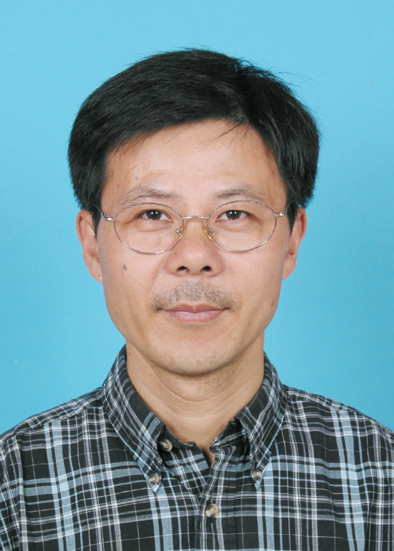 Xu Shen (沈旭)合作论文数School of Pharmacy, East China University of Science and Technology;School of Medicine, Nanjing University of Chinese Medicine4
 Zhipu Luo (罗智璞)合作论文数School of Life Sciences, Suzhou Medical College, Soochow University4
 Demin Han (韩德民)合作论文数Beijing Tongren Hospital, Capital Medical University;Beijing Institute of Otolaryngology;School of Public Health, Capital Medical University4Cheng-Miao Luo合作论文数3Jingying Ye合作论文数3Qianqian Fang (方倩倩)合作论文数3Zhengkang Hua合作论文数3Lian Lu合作论文数3De-Chao Yang合作论文数3
 Jianyong Liu (刘见永)合作论文数College of Chemistry, Fuzhou University3
 Hualiang Jiang (蒋华良)合作论文数Shanghai Institute of Materia Medica, Chinese Academy of Sciences3
 Yu Zhang (张余)合作论文数Center for Excellence in Molecular Plant Sciences, Chinese Academy of Sciences3
 Jun Xia (夏军)合作论文数School of Water Resources and Hydropower Engineering, Wuhan University3
 Hongtao Yu (于洪涛)合作论文数School of Life Sciences, Westlake University3
 Peter Andreasen合作论文数Department of Molecular Biology and Genetics, University of Aarhus3Yuhua He合作论文数2Yulin Chao合作论文数2
 Xuelian Luo (罗雪莲)合作论文数School of Life Sciences, Westlake University2Lihu Gong合作论文数2Huiqiao Yao合作论文数2Juhong Wu合作论文数2Zheng Liu合作论文数2Lin-Feng Wen合作论文数2Zixuan Zhou合作论文数State Key Laboratory of Bioorganic and Natural Products Chemistry, Shanghai Institute of Organic Chemistry, University of Chinese Academy of Sciences, Chinese Academy of Sciences, 345 Lingling Road, Shanghai 200032, People’s Republic of China2YueQin Xiang (项月琴)合作论文数2HongXuan Li (李宏轩)合作论文数2QiuZhen Li (李秋珍)合作论文数2XueJun Chen (陈学军)合作论文数2Chang Shu (舒畅)合作论文数2Chun Liu (刘春)合作论文数College of Biological Science and Engineering, Fuzhou University2
 Chang-Ming Liu (刘昌明)合作论文数Institute of Geographic Sciences and Natural Resources Research, Chinese Academy of Sciences;School of Environment, Beijing Normal University2
 Lili Chen (陈莉莉)合作论文数中国科学院上海药物研究所2
 Xu Zhang (张许)合作论文数Innovation Academy for Precision Measurement Science and Technology, Chinese Academy of Sciences;University of Chinese Academy of Sciences2
 Qianhui Qu合作论文数2
 Bruce Furie合作论文数Division of Hemostasis and Thrombosis, Department of Medicine, Beth Israel Deaconess Medical Center, Harvard Medical School2
 Longguang Jiang (江龙光)合作论文数College of Chemistry, Fuzhou University2
 Jun Wang (王军)合作论文数Beijing Tongren Hospital, Capital Medical University2




