ObjectiveTo investigate the interventional effect of cultured mycelia of Cordyceps sinensis on a mouse model of CCl4-induced liver fibrosis and its effect on the Toll-like receptor 4 (TLR4)/nuclear transcription factor-κB (NF-κB) pathway and angiopoietin-like protein 4 (ANGPTL4). MethodsA total of 60 specific pathogen-free male C57/BL6J mice were randomly divided into normal group, model group, Fuzheng Huayu group, and low-, middle-, and high-dose Cordyceps sinensis groups, with 10 mice in each group. The mice in the model group and each medication group were intraperitoneally injected with 15% CCl4-olive oil for 6 weeks of modeling, and drug intervention was started on the first day of week 4 and lasted for 3 consecutive weeks. Blood biochemistry was used to measure the serum level or activity of alanine aminotransferase (ALT), aspartate aminotransferase (AST), and total bilirubin (TBil); HE and SR staining was used to observe liver histopathology; alkaline hydrolysis was used to measure the content of hydroxyproline (HYP) in liver tissue; PCR was used to measure the mRNA expression of alpha-smooth muscle actin (α-SMA) and collagen type Ⅰ (Col-Ⅰ), immunohistochemistry was used to measure the protein expression of α-SMA, Col-Ⅰ, and ANGPTL4 in liver tissue, and Western blot (WB) was used to measure the protein expression of α-SMA, ANGPTL4, TLR4, NF-κB/phosphorylated NF-κB (P-NF-κB), and CD163. A one-way analysis of variance was used for comparison of continuous data between multiple groups, and the LSD-t test was used for further comparison between two groups. ResultsCompared with the normal group, the model group had significant increases in the serum levels of ALT, AST, and TBil (all P<0.01), and compared with the model group, the high-dose Cordyceps sinensis group had a significant improvement in the degree of liver fibrosis and significant reductions in the serum levels of ALT, AST, and TBil (all P<0.05). HE staining revealed that the high-dose Cordyceps sinensis group had a significant reduction in inflammatory cell infiltration in liver tissue, and SR staining showed that high-dose Cordyceps sinensis significantly alleviated collagen deposition in the liver tissue. Compared with the normal group, the model group had significant increases in HYP content and Sirius red-positive area ratio in liver tissue (both P<0.01), and compared with the model group, the high-dose Cordyceps sinensis group had significant reductions in HYP content and Sirius red-positive area ratio (both P<0.05). Compared with the normal group based on the results of immunohistochemistry, PCR, and WB, the model group had significant increases in the mRNA and protein expression levels of α-SMA and Col-Ⅰ in liver tissue (all P<0.01), and compared with the model group, the high-dose Cordyceps sinensis group had significant reductions in the expression levels of α-SMA and Col-Ⅰ(P<0.05). Compared with the normal group, the model group had significant increases in the protein expression of ANGPTL4, TLR4, P-NF-κB/NF-κB, and CD163 in liver tissue (all P<0.01), and compared with the model group, the high-dose Cordyceps sinensis group had significant reductions in the protein expression of ANGPTL4, TLR4, P-NF-κB/NF-κB, and CD163 in liver tissue (all P<005). ConclusionCordyceps sinensis mycelia have a marked therapeutic effect on CCl4-induced liver fibrosis in mice, possibly by regulating the TLR4/NF-κB signaling pathway and inhibiting ANGPTL4 expression in liver tissue.
目的:采用UHPLC-Q-Orbitrap HRMS法对桃仁化学成分进行分析鉴定,并建立快速测定桃仁中苦杏仁苷和野黑樱苷含量的方法.方法:采用ACQUITY UPLC HSS T3(100 mm×2.1mm,1.8 μm)色谱柱,以0.1%甲酸水-乙腈为流动相,梯度洗脱;采用正负离子Full MS/dd-MS2模式,通过化合物的一级、二级质谱信息,结合对照品比对确认,进行桃仁主要化学成分的快速、精准识别.采用负离子Full MS-SIM模式,建立快速测定桃仁中苦杏仁苷和野黑樱苷含量的UHPLC-Q-Orbitrap HRMS方法,并测定10批次焯桃仁中苦杏仁苷和野黑樱苷的含量.结果:共鉴定出桃仁中47种化学成分,包括14种氨基酸类成分、12种核苷酸类成分、12种糖苷类成分、3种氰苷类成分以及6种其他成分.成功建立一种4 min完成桃仁中苦杏仁苷和野黑樱苷含量测定的UHPLC-Q-Orbitrap HRMS方法,2种成分在3.28~2000.00 ng·mL-1范围内均线性关系良好(r≥0.9994);精密度、重复性及稳定性良好(RSD≤9.57%);加样回收率在104.01%~104.64%,RSD≤4.52%.10批次样品中苦杏仁苷含量范围为15.62~46.92mg,g-1、野黑樱苷含量范围为0.18~1.66 mg·g-1.结论:运用UHPLC-Q-Orbitrap HRMS方法实现了桃仁化学成分的快速、准确分析.建立的定量方法分析时间短、灵敏度高、准确性好,方法学考察结果均符合含量测定的要求,可用于桃仁中苦杏仁苷和野黑樱苷含量的快速测定,可为其质量评价提供部分科学参考.
目的:观察三仁汤各提取部位对高脂饮食诱导的非酒精性脂肪性肝病(non-alcoholic fatty liver disease,NAFLD)小鼠的作用.方法:使用水提醇沉、石油醚萃取技术获得三仁汤提取部位1,2,3,以三仁汤整方和过氧化物酶体增殖物激活受体α/γ激动剂Saroglitazar作为对照药物.将小鼠分为正常组,模型组,三仁汤提取部位1,2,3组,三仁汤对照组及Saroglitazar对照组,每组9只.正常组予对照饮食,其余各组予高脂饮食,第13周开始灌胃给药,16周末取材.观测小鼠体质量、进食量、空腹血糖、空腹血清胰岛素、胰岛素抵抗指数、血清谷丙转氨酶(alanine aminotransferase,ALT)、肝脏病理、肝脏甘油三酯(tri-glyceride,TG)及肝脏 γ-谷氨酰转移酶(γ-glutamyl transferase,GGT).结果:三仁汤各提取部位均显著降低NAFLD小鼠体质量和空腹血清胰岛素,改善肝脏病理、肝脏TG和GGT.提取部位2、3还可显著降低NAFLD小鼠空腹血糖和胰岛素抵抗指数.提取部位1、2还可显著降低NAFLD小鼠血清ALT.结论:三仁汤各提取部位均不同程度改善高脂饮食诱导的小鼠NAFLD,其中提取部位2的作用最接近整方.
目的 建立UHPLC-Q-Exactive Orbitrap HRMS法同时测定大黄-桃仁药对中16种成分的含量,并探讨不同配比药对中其溶出规律.方法 分析采用BEH C18色谱柱(100mmx2.1mm,1.7 μm);流动相0.1%甲酸-乙腈,梯度洗脱.质谱采用电喷雾离子源,一级负离子全扫模式.测定单煎液、大黄-桃仁药对不同配比合煎液中,以及单药组、药对组温浸不同时间16种成分的含量.结果 16种成分在各自范围内线性关系良好(r≥0.999 4),加样回收率95.39%~104.90%,RSD≤4.14%,单煎液和不同配比大黄桃仁药对煎液中16种成分的溶出量差异明显.大黄总蒽醌苷类和桃仁氰苷类成分的含量随着大黄占比减少具有先增加后降低的趋势.在温浸试验中,除没食子酸、番泻苷B、番泻苷A、大黄素外,其他12种成分含量在单药组与药对组的组间差异显著.结论 该方法可用于快速、准确测定大黄-桃仁药对中16种成分的含量.大黄-桃仁药对中的糖苷及相对应苷元含量受到大黄占比的影响.
ObjectiveTo investigate the intervention effect of GDC-0449, a hedgehog signaling pathway inhibitor, on rats with liver fibrosis induced by carbon tetrachloride (CCl4) combined with 2-acetylaminofluorene (2-AAF). MethodsA total of 18 female Fisher344 rats were randomly divided into normal group, CCl4/2-AAF group, and GDC-0449 group, with 6 rats in each group. The rats in the CCl4/2-AAF group and the GDC-0449 group were given subcutaneously injected 30% CCl4-olive oil solution at a dose of 2 mL/kg twice a week for 6 weeks to induce liver fibrosis; since week 7, in addition to the injection of CCl4-olive oil solution, the rats in these two groups were given 2-AAF (100 mg/kg/d) by gavage, and the rats in the GDC-0449 group were given GDC-0449 (25 mg/kg/d) by gavage, while those in the normal group were given an equal volume of olive oil solution by injection and normal saline by gavage. All rats were sacrificed at the end of week 9, and related samples were collected. HE staining and sirius red (SR) staining were used to observe the changes in liver histopathology and collagen deposition, and the semi-quantitative analysis of SR-positive area and Ishak score were used to evaluate fibrosis degree; the alkaline hydrolysis method was used to measure the level of hydroxyproline (Hyp) in liver tissue; immunohistochemistry, Western blot, and qRT-PCR were used to measure the expression of α-smooth muscle actin (α-SMA), type I collagen (Col-I), type IV collagen (Col-IV), cytokeratin 19 (CK19), cytokeratin 7 (CK7), the epithelial cell adhesion molecule Epcam, and the hedgehog signaling pathway in liver tissue; double immunofluorescence staining was used to observe the colocalization of CK19 and the oval cell marker OV6. A one-way analysis of variance was used for comparison of continuous data between multiple groups, and the least significant difference t-test was used for further comparison between two groups. ResultsCompared with the normal group, the CCl4/2-AAF group had marked inflammatory cell aggregation and collagen deposition in liver tissue, with the formation of a pseudolobular structure, as well as significant increases in Hyp level and collagen positive area ratio in liver tissue (P<0.05), Ishak score (P<0.05), and the expression of α-SMA, Col-I, Col-IV, Epcam, CK19, CK7, the transmembrane transporter Smoothened (Smo), Hedgehog ligand Desert Hedgehog (Dhh), the Indian Hedgehog membrane-binding receptor Patched (Ptch2), and glioma-related oncogenes Gli1, Gli2, and Gli3 (all P<0.05); double immunofluorescence staining showed that CK19-positive cells also expressed OV6 in the liver tissue of rats in the CCl4/2-AAF group, with a significant increase compared with the normal group. Compared with the CCl4/2-AAF group, the GDC-0449 group had significant reductions in inflammatory cell aggregation and collagen deposition in liver tissue, Hyp level and collagen positive area ratio in liver tissue (P<0.05), Ishak score (P<0.05), and the expression of α-SMA, Epcam, CK19, CK7, Smo, Ptch2, Gli1, Gli2, and Gli3 (all P<0.05); double immunofluorescence staining showed a significant reduction in the number of cells with co-expression of OV6 and CK19 in liver tissue. ConclusionThe Hedgehog signaling pathway inhibitor GDC-0449 can significantly inhibit the progression of liver fibrosis induced by CCl4/2-AAF in rats, possibly by inhibiting hepatic stellate cell activation, collagen deposition, activation and proliferation of hepatic progenitor cells, and differentiation of hepatic progenitor cells into biliary epithelial cells.
Objective:To investigate whether the overexpression of Numb gene can effectively intervene the progression of cholestatic liver fibrosis (CLF) in adult liver.Methods:Twenty-four SD rats were randomly divided into sham operation (Sham, n=6), common bile duct ligation (BDL, n=6), empty vector plasmid (Numb-EV, n=6) and numb gene overexpression group (Numb-OE, n=6). The CLF model was prepared by common bile duct ligation. Simultaneously, the model was established, and the adeno-associated virus (AAV) carrying the cloned numb gene was injected into the rats' spleens. Samples were collected at the end of four weeks. Serum alanine aminotransferase (ALT), aspartate aminotransferase (AST), albumin (Alb), serum total bilirubin (TBil), serum total bile acid (TBA), liver histopathology, liver tissue hydroxyproline (Hyp) content, and alpha smooth muscle actin (α-SMA), cytokeratin (CK) 7, and CK19 expression conditions were determined in liver tissue. An analysis of variance was used to compare the means of multiple groups. Results:Compared with the Sham group, the Numb mRNA level in the rat liver tissue was significantly decreased in the BDL group (0.872±0.237 vs. 0.452±0.147, P=0.003). Compared with the Numb-EV group, the Numb mRNA level in the liver tissue was significantly increased in the Numb-OE group (0.487±0.122 vs. 1.094±0.345, P<0.01). Compared with the Sham group, the Hyp content (μg/L) (288.46±49.49 vs. 901.98±271.85, P<0.01) and the α-SMA mRNA level (0.858±0.234 vs. 8.976±1.398, P<0.01) were significantly higher in the BDL group. Compared with the Numb-EV group, the Hyp content (864.32±113.54 vs. 580.44±171.77, P=0.039), the α-SMA mRNA level (6.138±1.443 vs. 1.322±0.859, P<0.01) and the protein levels were significantly reduced in the Numb-OE group. Compared with the Sham group, the serum ALT, AST, TBil, and TBA levels were significantly increased in the BDL group ( P<0.01), and the ALB content was significantly decreased ( P<0.01). Compared with the Numb-EV group, AST and TBil levels were significantly reduced in the Numb-OE group ( P<0.01), as were the ALT and TBA levels ( P<0.05); however, the ALB content was significantly increased ( P<0.01), and the differences were statistically significant. Compared with the Sham group, the mRNA expression levels of CK7 and CK19 were significantly increased in the BDL group (1.40±0.42 vs. 43.78±7.56; 1.11±0.51 vs. 363.81±134.84, P<0.01). The mRNA expression levels of CK7 and CK19 were significantly reduced in the OE group (343.19±81.22 vs. 3.22±2.34; 40.53±14.02 vs. 15.68±9.36, P<0.01). Conclusion:Overexpression of the Numb gene can inhibit CLF progression in the adult liver, which may become a new target for CLF therapy.
终末期肝病是各种急慢性肝病的晚期阶段,病死率高,严重危害人民健康.目前有效的治疗方法是肝移植,但囿于供体短缺、费用高昂等因素极大地限制了其临床应用.近年来临床与基础研究表明,骨髓间充质干细胞及其外泌体在治疗终末期肝病上具有良好的临床应用前景.本文就骨髓间充质干细胞及其外泌体在终末期肝病治疗中的作用机制与临床应用研究概况作一综述,期冀为进一步研究提供参考.
ObjectiveTo investigate the effect of Xuefu Zhuyu decoction on nonalcoholic fatty liver disease (NAFLD) and its material basis. MethodsIn experiment 1 for exploring the effect of Xuefu Zhuyu decoction on mice with NAFLD induced by high-fat diet, 50 healthy male C57BL/6J mice were randomly divided into normal group, model group, high- and low-dose Xuefu Zhuyu decoction groups, and obeticholic acid control group, with 10 mice in each group. The mice in the normal group were given control diet, and those in the other groups were given high-fat diet. Gastric administration was started at week 13, and related samples were collected at the end of week 16. Food intake and body weight were recorded, enzyme-linked immunosorbent assay was used to measure the serum level of fasting insulin, fasting blood glucose was measured, and insulin resistance index was calculated. HE staining and NAFLD activity score (NAS) were used to observe liver histopathology in mice, oil red O staining was used to observe lipid deposition, and triglyceride (TG) level in liver tissue and serum alanine aminotransferase (ALT) level were measured. In experiment 2 for exploring the effect of different extracts of Xuefu Zhuyu decoction on mice with NAFLD induced by high-fat diet, the methods of water decocting, water extraction and alcohol precipitation, and petroleum ether extraction were used to obtain the extracts 1, 2, and 3 of Xuefu Zhuyu decoction, and 54 healthy male C57BL/6J mice were randomly divided into normal group, model group, Xuefu Zhuyu decoction extract 1, 2, and 3 groups, and Xuefu Zhuyu decoction control group, with 9 mice in each group. The mice in the normal group were given control diet, and those in the other groups were given high-fat diet. Gastric administration was started at week 13, and related samples were collected at the end of week 16. Food intake and body weight were recorded, and enzyme-linked immunosorbent assay was used to measure the serum level of fasting insulin, fasting blood glucose was measured, and insulin resistance index was calculated. HE and NAS were used to observe liver histopathology in mice, oil red O staining was used to observe lipid deposition, and the levels of TG and gamma-glutamyl transpeptidase (GGT) in liver tissue and the serum level of ALT were measured. The t-test was used for comparison of normally distributed continuous data between two groups; a one-way analysis of variance was used for comparison between multiple groups, and the least significant difference t-test was used for further comparison between two groups. The Kruskal-Wallis H test was used for comparison of non-normally distributed continuous data between multiple groups and further comparison between two groups. ResultsIn experiment 1, compared with the model group, the high- and low-dose Xuefu Zhuyu decoction groups and the obeticholic acid control group had significant reductions in body weight, insulin resistance index, the distribution of vacuolar lipid droplets in liver tissue, intralobular inflammation, the ballooning degeneration of hepatocytes, NAS score, the level of TG in liver tissue, and the serum level of ALT (all P<0.05). Compared with obeticholic acid, high- and low-dose Xuefu Zhuyu decoction had a significantly better effect in reducing body weight, insulin resistance index, and total NAS score (all P<0.05), and low-dose Xuefu Zhuyu decoction had a significantly better effect in improving serum ALT (P<0.05). In experiment 2, compared with the model group, the Xuefu Zhuyu decoction extract 1, 2, and 3 groups had significant reductions in fasting blood glucose, insulin resistance index, the distribution of lipid droplets in liver tissue, intralobular inflammation lesions, the ballooning degeneration of hepatocytes, total NAS score, and the level of TG in the liver (all P<0.05). Compared with the model group, the extract 1 group had a significant reduction in body weight (P<0.05); the extract 2 and 3 groups had a significant reduction in the serum level of ALT (P<0.05); the extract 2 group had a significant reduction in the level of GGT in liver tissue (P<0.05). The extract 2 of Xuefu Zhuyu decoction had the closest effect to compound Xuefu Zhuyu decoction. ConclusionXuefu Zhuyu decoction and its extracts can help to achieve varying degrees of improvement in NAFLD induced by high-fat diet in mice, and the extract 2 of Xuefu Zhuyu decoction might be the main material basis for Xuefu Zhuyu decoction.
从临床研究、基础研究两个方面综述一贯煎治疗慢性肝病的研究进展.一贯煎对肝纤维化及肝硬化、原发性肝癌、病毒性肝炎、非酒精性脂肪性肝病等慢性肝病均有疗效,能有效缓解患者的临床症状、改善肝脏相关指标及并发症.在作用机制方面,一贯煎可以调控机体多种信号通路,如核因子活化B细胞κ轻链增强子(NF-κB)信号通路、Notch信号通路、Wnt信号通路、酪氨酸激酶1/信号转导和转录活化因子1(JAK1/STAT1)信号通路、胞外信号调控激酶(ERK)信号通路、磷脂酰肌醇三激酶-丝氨酸/苏氨酸激酶(PI3K-Akt)信号通路,以及肿瘤坏死因子(TNF-α)相关蛋白表达,进而多环节、多靶点地发挥作用.
背景:蛋氨酸-胆碱缺乏饮食模型是国际上被广泛使用的诱发代谢相关脂肪性肝病的动物模型,现有的相关研究数据中缺少该模型小鼠胆汁酸谱的动态变化,而胆汁酸的调节是干预肝脏脂质代谢的重要途径之一,因此有必要明晰该模型体内胆汁酸谱的变化.目的:探讨蛋氨酸-胆碱缺乏饮食诱导的代谢相关脂肪性肝病小鼠模型血清及肝脏中胆汁酸谱的变化.方法:将60只雄性C57/BL6J小鼠给予普通饲料适应性饲喂1周后随机分成2组,每组30只,其中一组为对照组给予蛋氨酸-胆碱充分饲料,另一组为模型组给予蛋氨酸-胆碱缺乏饲料喂养,自由摄食、饮水.分别于造模第4,6,8周末从两组中各随机抽取10只小鼠,收集小鼠血清和肝组织,检测各组小鼠血清谷丙转氨酶、谷草转氨酶活性及肝组织中三酰甘油含量,肝脏组织切片分别作苏木精-伊红、油红O和天狼猩红染色进行病理学评估,采用超高效液相串联质谱法对血清及肝脏中18种胆汁酸含量进行测定.结果与结论:①不同造模时间动物样品检测结果发现,与同时期蛋氨酸-胆碱充分组相比,蛋氨酸-胆碱缺乏组小鼠血清谷丙转氨酶、谷草转氨酶活性及肝内三酰甘油含量显著升高(P<0.05),蛋氨酸-胆碱缺乏组小鼠肝组织出现广泛肝细胞脂肪变性,窦周胶原纤维增加,非酒精性脂肪性肝病活性评分显著升高;②血清及肝脏胆汁酸谱检测结果发现,与同时期蛋氨酸-胆碱充分组相比,蛋氨酸-胆碱缺乏组小鼠血清中总游离型和总结合型胆汁酸以及除牛磺脱氧胆酸外的胆汁酸含量均呈上升趋势,胆酸/鹅去氧胆酸值显著升高;③与同期蛋氨酸-胆碱充分组相比,蛋氨酸-胆碱缺乏组肝脏中总游离型胆汁酸以及胆酸、甘氨胆酸、甘氨鹅去氧胆酸、牛磺胆酸含量呈上升趋势,鹅去氧胆酸、熊去氧胆酸、猪去氧胆酸、牛磺熊去氧胆酸、牛磺石胆酸、牛磺鹅去氧胆酸、牛磺脱氧胆酸含量呈下降趋势,甘氨脱氧胆酸含量随着造模时间延长呈先下降后上升趋势,脱氧胆酸、牛磺猪去氧胆酸含量基本不变,胆酸/鹅去氧胆酸值显著升高;④结果说明,蛋氨酸-胆碱缺乏饮食诱导的代谢相关脂肪性肝病小鼠模型血清与肝脏胆汁酸谱发生显著变化,尤其胆酸/鹅去氧胆酸比值的增高可能起到关键作用;提示蛋氨酸-胆碱缺乏模型引起代谢相关脂肪性肝病的进展与体内胆汁酸谱的变化及其毒性可能有密切关系.
通过系统梳理一贯煎的中医古籍及现代临床文献,对其出处、组成、基原、炮制要求、剂量、制法用法、功能主治、方义衍变等历史沿革进行考证,明晰一贯煎的历史沿革和临床应用研究概况.在充分考虑经典名方制剂开发实际需求及现代临床实践使用习惯的基础上,提出可行的开发建议.清朝钱敏捷《医方絮度》所载一贯煎由6味药物组成,其组方药物基原及药用部位选用与2020年版《中华人民共和国药典》(简称《中国药典》)收载品种保持一致,所选药物皆为生品,并参照2020年版《中国药典》收载方法炮制.该方药物参考剂量以《医方絮度》所载为准,按照一钱相当于今3.73 g折算,北沙参、麦冬、当归各5.60 g,枸杞子、生地黄各11.19 g,川楝子7.46 g;水煎服;古医籍记载一贯煎功效为滋阴疏肝,主治肝肾阴虚,肝气郁滞证,证见胸脘胁痛,吞酸吐苦,咽干口燥,舌红少津,脉细弱或虚弦及疝气瘕聚.本研究明确了一贯煎的出处与组成、药物基原、药物炮制、剂量用法、功能主治与方义衍变及现代临床应用,可为该经典名方的开发与应用提供文献参考依据.
目的:探析黄芪总苷抑制肝星状细胞活化的作用机制.方法:①以转化生长因子β1(TGF-β1,2.5 ng/ml)诱导人肝星状细胞株LX-2细胞活化,并给予不同浓度黄芪总苷(1.25、2.5、5、10、20、30、40 μg/ml).药物作用24 h后,Edu掺入法检测细胞增殖,筛选适合的药物浓度.②将LX-2细胞分为对照组、TGF-β1(2.5 ng/ml)组、TGF-β1+黄芪总苷(20 μg/ml)组、TGF-β1+SB431542(10 μmol/L)组.各组给予相应干预24 h后,PCR检测α-平滑肌肌动蛋白(α-SMA)、Ⅰ型胶原(Col Ⅰ)、TGF-β1、miRNA-744基因表达;Western blot检测Col Ⅰ、TGF-β 受体Ⅰ(TβR Ⅰ)、Smad2、p-Smad2、Smad7的蛋白表达;免疫荧光检测纤维状肌动蛋白(F-actin)表达.③取细胞分别加入miRNA-744激动剂(50 nmol/L)、miRNA-744拮抗剂(100 nmol/L)或阴性对照试剂,构建相应的转染细胞.在3种体系的转染细胞,将细胞分为对照组、TGF-β1(2.5 ng/ml)组、TGF-β1+黄芪总苷(20 μg/ml)组、黄芪总苷(20μg/ml)组.各组给予相应干预24 h后,Edu掺入法检测细胞增殖,免疫荧光检测F-actin表达.结果:①20、30和40 μg/ml黄芪总苷可显著抑制TGF-β1诱导的LX-2细胞增殖,选用20 μg/ml的剂量进行后续实验.②TGF-β1组细胞F-actin、α-SMA、Col Ⅰ、TGF-β1和TβR Ⅰ的表达以及p-Smad2/Smad2蛋白表达比值较对照组显著升高(P<0.05,P<0.01);而与TGF-β1组相比,TGF-β1+黄芪总苷组细胞F-actin、α-SMA、Col Ⅰ、TGF-β1和TβR Ⅰ的表达以及p-Smad2/Smad2蛋白表达比值显著降低(P<0.05,P<0.01).TGF-β1组细胞Smad7和miRNA-744的表达较对照组显著降低(P<0.05,P<0.01),而TGF-β1+黄芪总苷组细胞Smad7和miRNA-744的表达较TGF-β1组显著升高(P<0.01).③与阴性对照组相比,miRNA-744拮抗剂作用可显著升高LX-2细胞的Edu阳性染色细胞占比和F-actin表达(P<0.05),且对TGF-β1诱导的LX-2细胞具有相似效应.在miRNA-744拮抗剂构建的转染细胞,给予黄芪总苷协同干预后,Edu阳性染色细胞占比和F-actin表达显著降低(P<0.05,P<0.01).结论:黄芪总苷通过上调miRNA-744表达,抑制TGF-β/Smad信号通路,进而抑制肝星状细胞活化.
ObjectiveTo investigate the effect of polarized bone marrow-derived macrophage (BMDM) transplantation on the progression of CCl4-induced liver fibrosis in rats. MethodsRat BMDMs were isolated and induced to differentiate into M1 phenotype (M1-BMDM) by lipopolysaccharide (5 ng/mL) or M2 phenotype (M2-BMDM) by the supernatant of L929 cells. A rat model of liver fibrosis was established by subcutaneous injection of 30% CCl4 for 6 weeks, and at week 7, the model rats were randomly divided into model control group (M group), M1-BMDM group, and M2-BMDM group and were given a single injection of normal saline, M1-BMDM, and M2-BMDM, respectively, via the caudal vein, and subcutaneous injection of 30% CCl4 was given until the end of week 9. Related indices were observed, including liver function, liver histopathology, hydroxyproline (Hyp) content in liver tissue, hepatic stellate cell activation, liver fibrosis, and expression of inflammatory cytokines. The continuous data were expressed as mean±standard deviation; an analysis of variance was used for comparison between multiple groups, and the SNK-q test was used for further comparison between two groups. ResultsCompared with the M group, both M1-BMDM and M2-BMDM significantly inhibited liver inflammation and liver fibrosis progression and significantly reduced serum alanine aminotransferase and aspartate aminotransferase activities (P<0.01) and Hyp content in liver tissue (P<0.05). M1-BMDM and M2-BMDM significantly inhibited the activation of hepatic stellate cells and significantly reduced the mRNA expression levels of TGF-β, Col1A1, and Col4 (all P<0.05). Both M1-BMDM and M2-BMDM significantly increased the expression level of CD163 protein in liver tissue (P<0.01), and the M2-BMDM group had a significantly higher level than the M1-BMDM group (P<0.05); both M1-BMDM and M2-BMDM significantly reduced the mRNA expression levels of MMP-2 and TIMP-1 in liver tissue (P<0.05) and significantly increased the mRNA expression level of MMP-13 (P<0.01); in addition, M2-BMDM significantly reduced the expression level of CD68 protein in liver tissue (P<0.01). Both M1-BMDM and M2-BMDM significantly increased the mRNA expression levels of IL-6 and IL-10 and the protein expression level of albumin in liver tissue (all P<0.05), and the above indices in the M2-BMDM group were significantly higher than those in the M1-BMDM group (all P<0.05). ConclusionBoth M1-BMDM and M2-BMDM can effectively inhibit the progression of CCl4-induced liver fibrosis in rats, possibly by inhibiting the activation of hepatic stellate cells and promoting the activation of anti-inflammatory macrophages. Moreover, M2-BMDM can also inhibit the activation of pro-inflammatory macrophages and thus has a better comprehensive intervention effect than M1-BMDM.
扶正化瘀方由上海中医药大学研制,具有活血化瘀,养精益肝功效,是治疗慢性病毒性肝炎、非酒精性脂肪性肝病、肝纤维化、肝硬化及肝癌等慢性肝病的有效验方.该方已临床应用多年,在缓解临床症状、改善肝纤维化程度及并发症等方面疗效显著.近年来,不少学者对扶正化瘀方治疗慢性肝病的临床效果和作用机制开展了深入研究,并取得满意成果,现作一总结,为后续研究提供参考.
目的 探讨黄芪汤(HQD)对肝纤维化模型小鼠骨形成蛋白和激活素跨膜抑制剂(BAMBI)的作用.方法 以10% CCl4橄榄油溶液2 g/kg腹腔注射建立C57BL/6小鼠肝纤维化模型;于第4周起将造模组小鼠随机分为模型组(M)和黄芪汤组(HQD),每组12只,干预3周;检测各组小鼠的肝功能、肝组织BAMBI及相关胶原基因表达.体外培养LX-2细胞,观察HQD有效组分黄芪总皂苷(AS)和甘草酸(GA)对转化生长因子-β(TGF-β)信号传导和基因表达的影响.结果 与模型组比较,HQD组血清丙氨酸氨基转移酶、门冬氨酸氨基转移酶活性显著降低(P<0.01);肝组织炎症坏死、胶原沉积均显著减轻(P<0.01);肝组织Ⅰ型胶原(Col1a1)和基质金属蛋白酶-12 mRNA水平显著降低(P<0.05),而Bambi mRNA表达显著增加(P<0.01).体外实验结果表明,AS和GA可显著抑制TGF-β1诱导的LX-2细胞活化和胶原合成;显著降低脂多糖诱导LX-2细胞的肿瘤坏死因子-α表达(P<0.01),且显著增加LX-2细胞BAMBI表达(P<0.01).结论 黄芪汤抗肝纤维化的作用机制可能与抑制肝脏炎症反应及上调BAMBI表达有关.
目的 基于均匀设计法探索扶正化瘀方(Fuzheng Huayu,FZHY)有效成分组合及配伍效应.方法 以扶正化瘀方提取物中含量最高的丹参化合物成分F-01及主要入血桃仁活性成分F-02及五味子成分F-03为研究对象,运用均匀设计法,以肝组织羟脯氨酸(hydroxyproline,Hyp)含量和天狼猩红(Sirius red,SR)染色胶原半定量为筛选指标,采用四氯化碳(carbon tetrachloride,CCl4)和胆管结扎(bile duct ligation,BDL)诱导大鼠肝纤维化模型,经回归分析获得"最佳配方",并进行再验证.结果 ①均匀设计方案中的JY5组合可显著降低CCl4和BDL诱导的肝纤维化大鼠血清丙氨酸氨基转移酶(alanine aminotransferase,ALT)和天冬酸氨基转移酶(aspartate aminotransferase,AST)活性,提高血清白蛋白(albumin,ALB)含量,降低肝组织羟脯氨酸(hydroxyproline,Hyp)含量及胶原面积半定量;其回归方程则提示配方P(F-01(32 mg·kg-1)+F-02(0.5 mg·kg-1)+F-03(0.5 mg·kg-1))是三者降低CCl4肝纤维化大鼠肝组织Hyp含量和BDL肝纤维化大鼠肝组织胶原沉积从而发挥抗肝纤维化作用的最佳配比.②验证实验表明配方P对CCl4和BDL肝纤维化大鼠血清ALT、AST、ALB及肝组织Hyp含量及胶原面积半定量并无显著改善作用,而JY5的抗肝纤维化作用在CCl4和BDL肝纤维化大鼠实验中均得到再证实.结论 ①F-01(16 mg·kg-1)+F-02(0.5 mg·kg-1)+F-03(2 mg·kg-1)组合可显著改善CCl4和BDL大鼠肝纤维化,疗效与FZHY原方相当.②均匀设计对量效关系呈非线性的中药复方效应成分的研究可能有其一定局限性.
目的:探讨下瘀血汤及其组分对蛋氨酸-胆碱缺乏(MCD)饮食诱导的小鼠非酒精性脂肪性肝炎(NASH)的治疗作用及潜在机制.方法:40只C57/BL6J雄性小鼠随机分为对照组、模型组、下瘀血汤全方组(3.03 g/kg)、下瘀血汤组分组(乙酸乙酯部位萃取液,0.65 g/kg)及吡格列酮组(10 mg/kg),每组8只.对照组小鼠给予蛋氨酸-胆碱充分(MCS)饲料,其他组小鼠给予MCD饲料诱导NASH模型,连续6周.造模第4周起,各药物组灌胃给予相应药液,连续3周.末次给药后,收集肝组织,分离血清.试剂盒检测血清丙氨酸氨基转移酶(ALT)、天冬氨酸氨基转移酶(AST)水平以及肝组织三酰甘油(TG)含量.HE染色和油红0染色分别观察肝组织形态学变化及脂滴沉积.PCR检测肝组织脂质代谢[二酰甘油酰基转移酶(Dgat)1、Dgat2、脂滴包被蛋白2(PLIN2)、诱导细胞凋亡的DFF45样效应因子C(CIDEC)、白细胞分化抗原簇36(CD36)、脂肪酸转运蛋白3(FATP3)、脂酰辅酶A氧化酶(ACO)、长链脂酰辅酶A脱氢酶(LC4D)]、炎症[F4/80、CD11b、CD11c、肿瘤坏死因子-α(TNF-α)、转化生长因子-β(TGF-β)]、血管新生[血管内皮生长因子(VEGF)、血管内皮生长因子受体2(VEGFR2)、血管性血友病因子(vWF)、血小板/内皮细胞黏附分子(PECAM-1/CD31)、CD34、内皮糖蛋白(ENG/CD105)、E-选择素(E-sele)、血管细胞黏附分子(VCAM)]相关因子的mRNA表达水平.结果:①与对照组相比,模型组小鼠血清ALT、AST水平及肝脏TG含量显著增加(P<0.05,P<0.01);HE染色发现,模型组小鼠肝组织可见肝细胞脂肪变,大量脂肪空泡,肝细胞气球样变以及炎症细胞浸润,且NAS积分>4分;油红0染色发现,模型组小鼠肝细胞内有大量红色脂滴沉积.与模型组相比,下瘀血汤组分组小鼠血清ALT水平显著下降(P<0.05),下瘀血汤全方组及组分组小鼠血清AST水平及肝组织TG含量均显著降低(P<0.05,P<0.01),两组肝组织脂肪变、炎症浸润以及脂滴沉积明显改善,且NAS积分和油红0染色阳性表达面积占比均显著降低(P<0.01).组分组ALT和AST水平、全方组AST水平较吡格列酮组明显降低(P<0.05,P<0.01).②与对照组相比,模型组小鼠肝组织脂质代谢相关基因Dgatl、PLIN2、CIDEC、CD36、FATP3的mRNA表达水平明显升高(P<0.01),而ACO与LCAD 的mRNA 表达水平显著降低(P<0.05,P<0.01);炎症相关基因F4/80、CD11b、CD11c、TNF-α 及TGF-β的mRNA表达,以及血管新生相关基因VEGF、VEGFR2、vWF、CD31、CD34、E-sele、VCAM的mRNA表达均显著上调(P<0.05,P<0.01).与模型组相比,脂质代谢方面,下瘀血汤全方组与组分组Dgatl、Dgat2、PLIN2、CIDEC、CD36及FATP3的mRNA表达显著降低(P<0.05,P<0.01),LCAD的mRNA表达显著上调(P<0.01);下瘀血汤全方组ACO mRNA表达亦明显升高(P<0.01);炎症方面,下瘀血汤全方组及组分组F4/80、CD11b、CD11c及TNF-α的mRNA表达显著降低(P<0.05,P<0.01),组分组TGF-3 mRNA表达亦明显下调(P<0.01);血管新生方面,下瘀血汤全方组及组分组VEGF、VEGFR2、vWF、CD31、CD34、E-sele、VCAM、CD105的mRNA 表达均显著降低(P<0.05,P<0.01).结论:下瘀血汤及其乙酸乙酯部位组分可有效治疗MCD诱导的小鼠NASH,其作用机制可能与改善肝脏脂质代谢、炎症反应及血管新生有关.
目的:探讨不同剂量栀子苷对大鼠肝脏的毒性,以及对其血清、肝组织及粪便中胆汁酸的影响.方法:60只SD大鼠,雌雄各半,按体质量随机分成空白组及栀子苷(50,100,200,400 mg·kg-1)组,共5组,每组12只,每天灌胃给药 1次,连续7 d,于第8天收集大鼠血清、肝组织和盲肠内容物.检测各组大鼠血清丙氨酸氨基转移酶(ALT),门冬氨酸氨基转移酶(AST),碱性磷酸酶(ALP)活性,白蛋白(ALB),总胆红素(TBIL),总胆汁酸(TBA),肌酐(Crea),尿素(Urea)含量,肝脏组织切片分别作苏木素-伊红(HE)染色,免疫组化检测细胞角蛋白7(CK7),细胞角蛋白19(CK19)蛋白表达,蛋白免疫印迹法(Western blot)测定肝组织CK7,CK19蛋白表达,实时荧光定量聚合酶链式反应(Real-time PCR)检测胆固醇7α-羟化酶(CYP7A1),胆固醇27α-羟化酶(CYP27A1),胆固醇12α-羟化酶(CYP8B1)mRNA表达情况,采用超高效液相色谱-串联质谱(UPLC-MS)测定血清、肝脏及盲肠内容物中18种胆汁酸含量.结果:与空白组比较,各剂量栀子苷组TBIL水平显著升高(P<0.01);400mg·kg-1栀子苷组ALT,AST活性和TBA含量明显升高(P<0.05,P<0.01);HE染色表明,与空白组比较,栀子苷200,400 mg·kg1组肝组织的汇管区有胆管反应,胆管周围有炎症细胞的浸润,尤以栀子苷400 mg·kg1毒性明显.栀子苷400mg·kg-1栀子苷组肝组织中CK7,CK19表达较空白组明显增加(P<0.05,P<0.01).与空白组比较,400 mg·kg-1栀子苷组肝组织中甘氨熊脱氧胆酸(GUDCA),甘氨猪去氧胆酸(GHDCA)含量明显下降(P<0.05,P<0.01),牛磺鹅去氧胆酸(TCDCA),猪去氧胆酸(HDCA),胆酸(CA),鹅去氧胆酸(CDCA)含量显著升高(P<0.01),甘氨胆酸(GCA),甘氨鹅去氧胆酸(GCDCA),甘氨脱氧胆酸(GDCA),甘氨石胆酸(GLCA),牛磺熊去氧胆酸(TUDCA),GUDCA,GHDCA,熊去氧胆酸(UDCA),牛磺石胆酸(TLCA)的含量占比降低,TCDCA,HDCA,CA,CDCA,脱氧胆酸(DCA)的占比增加;血清中GHDCA,石胆酸(LCA)含量显著下降(P<0.01),牛磺猪去氧胆酸(THDCA),牛磺胆酸(TCA),GCA,TCDCA,UDCA,CA,CDCA,DCA 含量明显增加(P<0.05,P<0.01),CA/DCA显著升高(P<0.01),且CA与CDCA含量占比分别上升19.60%和4.63%;与空白组比较,400 mg·kg-1栀子苷组盲肠内容物中所有的胆汁酸含量均下降,其中GCA,UDCA,HDCA,GCDCA,GDCA,TLCA,GLCA,CDCA,DCA,LCA含量明显下降(P<0.05,P<0.01).Real-time PCR结果显示,与空白组比较,400 mg·kg-1栀子苷组肝组织中CYP7A1,CYP27A1 mRNA表达明显增加(P<0.05,P<0.01).结论:400 mg·kg-1栀子苷灌胃,可导致大鼠明显的肝损伤,其肝脏、血清与粪便中胆汁酸发生显著改变,且同一种胆汁酸在肝脏、血清与粪便中的变化不尽相同.然而,由栀子苷所导致的肝损伤与体内胆汁酸变化间的因果关系尚不清楚,仍有待后续进一步研究给予阐明.
目的 观察一贯煎对野百合碱诱导的急性肝窦阻塞综合征( hepatic sinusoidal obstruction syndrome,HSOS)大鼠模型的干预作用并探析其部分作用机制.方法 24 只雄性SD大鼠随机分为正常对照组、模型组及一贯煎组,每组8 只.采用野百合碱90 mg/kg灌胃,制备大鼠HSOS模型.一贯煎组大鼠在造模后6小时及30小时予以浓度为1. 139 g/kg一贯煎灌胃,造模48小时后处死取材.检测血清丙氨酸氨基转移酶、天冬氨酸氨基转移酶活性,采用扫描电镜及苏木素—伊红染色观察肝组织病理变化,微板法检测肝组织匀浆谷胱甘肽S转移酶、总谷胱甘肽、丙二醛含量,TUNEL法检测细胞凋亡,实时荧光定量聚合酶链式反应法检测肝组织肿瘤坏死因子α、血红加氧酶1、炎症小体NLRP3及白介素1β的mRNA表达,免疫组化法检测肝组织巨噬细胞标志物F4/80表达,Western Blot法检测肝组织肿瘤坏死因子 α、细胞凋亡相关 B 淋巴细胞瘤-2 ( B-cell lymphoma-2,Bcl2)和Bcl-2相关X蛋白( Bcl-2 associated X,Bax)的蛋白表达.结果 (1)与正常对照组相比,模型组血清谷丙转氨酶和谷草转氨酶活性显著升高(P<0. 01),苏木素—伊红染色可见大量肝细胞坏死、炎性细胞浸润及红细胞淤积,电镜观察可见肝血窦扩张,窦内皮窗孔扩大,"筛状"结构消失,甚至脱落,Disse空间暴露. (2)模型组肝组织丙二醛含量显著增高(P<0. 05),巨噬细胞标志物F4/80及肿瘤坏死因子α的蛋白表达显著增加( P<0. 01),肿瘤坏死因子α、血红加氧酶-1、炎症小体及白介素1β的mRNA表达显著增加(P<0. 01),而一贯煎用药可降低肝组织丙二醛含量(P<0. 05),下调F4/80及肿瘤坏死因子 α蛋白表达( P<0. 01)及肿瘤坏死因子 α、血红加氧酶1 (P<0. 001)、炎症小体及白介素1β(P<0. 05)的mRNA表达. (3)TUNEL检测模型组肝组织凋亡细胞显著增加,Bcl2/Bax比值显著下降(P<0. 05).结论 一贯煎可有效改善野百合碱诱导的急性肝窦阻塞综合征,可显著降低模型大鼠血清谷丙转氨酶及谷草转氨酶的活性,改善肝组织坏死及肝窦内皮损伤,并减少肝组织细胞凋亡.其作用机制可能与抗过氧化、抗炎性损伤、抑制肝细胞凋亡有关.
山药为薯蓣科植物薯蓣(Dioscorea opposita Thunb.)的干燥根茎,具有补脾养胃、生津益肺、补肾涩精的功效.现代研究表明山药主要化学成分包括多糖、氨基酸、脂肪酸、山药素类化合物、尿囊素、微量元素、淀粉等.具有降血糖、降血脂、抗氧化、调节脾胃、抗肿瘤、免疫调节等药理作用.通过查阅近年来国内外山药的研究报道,综述山药在种属来源、真伪鉴别、化学成分及药理作用方面的研究进展,以期为其药效物质基础、质量标准及药理活性的深入研究提供参考.
 JiaMei Chen (陈佳美)合作论文数22
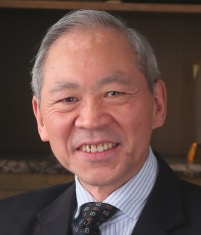 Ping Liu (刘平)合作论文数Institute of Interdisciplinary Integrative Medicine Research, Shanghai University of Traditional Chinese Medicine21DingQi Zhang (张定棋)合作论文数13
 Yongping Mu (慕永平)合作论文数Shuguang Hospital, Shanghai University of Traditional Chinese Medicine13Ying Xu (徐莹)合作论文数10YongLi Wang (王永丽)合作论文数8Gaofeng Chen (陈高峰)合作论文数8Hai-lin YANG (杨海琳)合作论文数6Congcong Zhang合作论文数6Hua Zhang (张华)合作论文数6
 Xiaoning Wang (王晓柠)合作论文数Institute of Interdisciplinary Integrative Medicine Research, Shanghai University of Traditional Chinese Medicine5
 Yonghong Hu (胡永红)合作论文数College of Food Science and Light Industry, Nanjing Tech University5Zhun Xiao合作论文数3Cheng Xue-mei合作论文数3
 Yadong Fu合作论文数3LIANG Yue (梁悦)合作论文数3
 Guixin Chou (侴桂新)合作论文数Institute of Chinese Materia Medica, Shanghai University of Traditional Chinese Medicine3
 Yiyang Hu (胡义扬)合作论文数Shuguang Hospital Affiliated to Shanghai University of Traditional Chinese Medicine3Qi Shenglan合作论文数3
 Xiaohui Wei (尉小慧)合作论文数Institute of Chinese Materia Medica, Shanghai University of Traditional Chinese Medicine3
 Chenghai Liu (刘成海)合作论文数Shanghai University of Traditional Chinese Medicine3Yixiao Yin (尹艺晓)合作论文数2Sen-Miao Zhao合作论文数2Linzhang Zhang合作论文数2Siqi Gao合作论文数2Yan-Nan Xu合作论文数2JIAN Xun (简迅)合作论文数2Xiao-li HE (贺晓立)合作论文数2Tao Yang (杨涛)合作论文数2T. Zheng合作论文数2Jing-Hua Peng合作论文数Shuguang Hospital, Shanghai University of TCM Institute of Liver Diseases2GUAN Xi (关茜)合作论文数1Xiaoyuan Shi合作论文数1LIN Chao-ying (林超颖)合作论文数1Qiang Ji合作论文数1W Xu (胥文)合作论文数1FANG Yi (方怡)合作论文数1Wei JIANG (蒋微)合作论文数1WANG Jun (王君)合作论文数1TANG Hao (唐浩)合作论文数1Jiaqi ZHENG (郑嘉琦)合作论文数1Yu Liu (刘毓)合作论文数1WANG Danyang (王丹阳)合作论文数1LIU Ping (刘平)合作论文数1P Liu (刘平)合作论文数1Jun Wang合作论文数1Shili Jiang合作论文数1Huiyan Qu合作论文数1




