The purpose of the present study was to describe the longitudinal outcomes of acute repair of extra-articular structure and anatomical reconstruction of cruciate ligament for knee dislocations (KDs) III and IV multiligamentous knee injuries. Forty-seven patients with an acute KD III or IV were treated with one-stage management within 9.2 days. Forty-five KDs III and IV with a follow-up at a mean of 53.2 months were evaluated. The mean International Knee Documentation Committee (IKDC) score, Lysholm score, and Tegner score were 81.5 +/- 0.7, 89.6 +/- 1.2, and 6.8 +/- 0.5, respectively. Comparing preoperative data with those at the latest follow-up, significant improvements in IKDC score ( p < 0.01), Lysholm score ( p < 0.01), and Tegner score ( p < 0.01) were noted in all groups. Comparing contralateral knee stability, no statistical differences were found including the varus/valgus (0 degree/30 degrees) and Telos stress radiography. So, acute repair of extra-articular structure and anatomical reconstruction of cruciate ligament resulted in satisfactory outcomes for KDs III and IV multiligamentous knee injuries.
Although the fates of microplastics (0.1-5 mm) in marine environments and freshwater are increasingly studied, little is known about their vector effect in wastewater treatment plants (WWTPs). Previous studies have eval-uated the accumulation of antibiotic resistance genes (ARGs) on microplastics, but there is no direct evidence for the selection and horizontal transfer of ARGs on different microplastics in WWTPs. Here, we show biofilm for-mation as well as bacterial community and ARGs in these biofilms grown on four kinds of microplastics via incubation in the aerobic and anaerobic tanks of a WWTP. Microplastics showed differential capacities for bacteria and ARGs enrichment, differing from those of the culture environment. Furthermore, ARGs in micro-plastic biofilms were horizontally transferred at frequencies higher than those in water samples in both tanks. Therefore, microplastics in WWTPs can act as substrates for horizontal transfer of ARGs, potentially causing a great harm to the ecological environment and adversely affecting human health.
A radial tear of the meniscus can lead to significant loss of meniscus function, resulting in deleterious cartilage changes. Repair of radial meniscus tears has several challenges, including suture pull-out, which can reduce healing success. We present an arthroscopic repair technique in a complete radial lateral meniscus tear using vertical reinforced bars (rebar) of suture tapes to reduce suture pull-out and approximate the radial tear.
The purpose of this study is to develop and validate a novel patient-specific navigational template for unicompartmental knee arthroplasty (UKA). A total of 120 patients who underwent UKA were randomized and divided into the conventional method and navigational template groups. In the navigational template group, patient-specific navigational templates were designed and used intraoperatively to assist 60 patients with UKA. Information on operation time and blood loss was recorded by an independent operating room nurse. After surgery, the positions of the prostheses were evaluated using X-rays. All navigation templates were found to fit its corresponding biomodel appropriately without any free movement. The navigational template exhibited significantly better accuracy than the conventional method. Statistically significant differences in the femoral prosthesis flip angle, femoral prosthesis flexion angle, and tibial plateau varus and valgus angle were observed between the two groups ( p =0.022, 0.042, 0.043, respectively). In addition, the mean operation time was statistically and significantly lower in the navigational template group than in the conventional group ( p =0.035). This study introduces a novel navigational template to UKA, the accuracy of which is proven by clinical operation. This is a Level III, therapeutic study.
This study evaluated clinical results of tension band wire fixation technique in the arthroscopic treatment of anterior cruciate ligament (ACL) tibial avulsion fracture. This study included 148 cases of ACL tibial avulsion fracture treated using arthroscopic tension band wire fixation technique. Patients were followed up for 25 to 36 months with an average of 27 months and evaluated in accordance with the International Knee Documentation Committee (IKDC) and Lysholm knee scoring scale. Fractures were united within 3 months after surgery in all cases. During the last follow-up, the anterior drawer, Lachman, and pivot shift tests showed negative, except for eight patients who had a 1-degree positive anterior drawer test. KT-1000 knee stability test showed no anterior instability exceeding 2 mm in 132 patients and 4 mm in 8 patients. In accordance with the IKDC scale, the knees of 132 patients were graded normal, whereas 8 other patients were nearly normal. Lysholm scores before surgery and during the last follow-up were 72.4 ± 3.2 and 97.5 ± 2.2, respectively. Statistically significant differences were observed among the Lysholm scores (p < 0.05). The Tegner scores were 6.5 ± 0.9 before injury and 6.4 ± 0.7 at the last follow-up (p > 0.05). No statistically significant differences between the preinjury and postoperative activity level were observed. All patients were satisfied with the outcomes of operation. Arthroscopic treatment of ACL tibial avulsion fracture by using tension band wire fixation technique ensures fracture healing and restores the stability and function of the joint in most patients. The level of evidence for this study is III.
Objective To investigate the accuracy of the positioning of the prosthesis of the femur and tibia by the individual navigation template assisted Oxford unicompartmental arthroplasty and to evaluate of the value of navigation template in unicompartmental arthroplasty.Methods Twenty cadaveric legs were randomly divided into two groups (n=10),group 1 for navigation template and 2 for conventional method.ACT scan was performed preoperatively on the lower limb for navigational group.Geomagic software was used to process the CT data.A navigational template was constructed as the inverse of the distal femur and proximal tibia surface with an osteotomy gap.Two drills were used to define the rotational alignment of the femur in the computer.The navigational templates were produced using a rapid prototyping (RP) technique to assist UKA.The traditional method group was guided by the tibial extramedullary localization and the femoral intramedullary localization for the osteotomy and prosthesis placement.Both groups were performed according to the same standard.The position of the single condyle was evaluated by the anteroposterior X-ray films of the knee joint.The vertical relationship between the osteotomy surface and its mechanical axis was evaluated by CT.The parallel relationship between the central placement of femoral prosthesis and the posterior femoral cortex was also evaluated.Results The navigation template was close to the femoral condyle and tibial plateau without obvious movement.The mean operative duration of the navigation template group were 50.75 ±2.3 min and the traditional method group were 58.57 ± 1.5 min (P>0.05).The postoperative femoral prosthesis flip angles of the navigation template group and the traditional group were 2.5° ±-0.65° and-7.8°± 3.26° respectively (P<0.05).The femoral prosthesis flexion angles were-2.9° ±4.18° and -6.5°±4.25° (P<0.05),and the tibial prosthesis varus and valgns angles were-1.5°±0.50° and-5.8°±3.15° respectively (P<0.05).The tibial implant posterior inclination angles were 4.50°±1.55°and 3.05°±3.63° respectively (P<0.05).The average angles between navigational group distal femoral osteotomy surface and mechanical shaft were 89.5o±2.3° (range 87.5°-91.8°).The average angle between the proximal tibial resected surface and the mechanical axis was 90.3°±0.5° (range 89.4°-90.7°).There were 17 specimens of central column of femoral prosthesis parallel with the posterior femoral cortex.However,the angle of remaining 3 samples were less than 5°.In the traditional method group,the osteotomy surface and its mechanical axis were all angled.The deviation of distal femur distal surface in 7 specimens from the mechanical axis was larger than 10°,while that in 5 specimens was larger than 5°.Conclusion The navigation template can improve the accuracy of the femoral prosthesis localization,orientation and tibial prosthesis implants in the direction of valgus and valgus.However,there was no significant effect on the tibial prosthesis in the direction of posterior inclination.
Objective To investigate the early diagnosis and minimally invasive treatment of knee dislocation.Methods Retrospective analysis of 90 cases of traumatic knee dislocation from July 2011 to October 2015 were performed.Arthroscopic reconstruction of the ligament was performed,the joint capsule was not repaired and the popliteal artery was repaired for 3 weeks.If the calf muscles have necrosis,then the tibialis tendon or Achilles tendon was used for ligament reconstruction nerve exploration,release or suture surgery was carried out.Lysholm knee score was adopted for evaluation of the knee function before and after surgery.Results Of the 90 patients,78 were followed up for an average of 18 months (9 to 24 months).The Lysholm score for the last follow-up knee function was 78 to 91,with an average of 85.6 points.75 cases of drawer test and Lachman test was Ⅰ ° positive,and all of the intemal and extemal tests were negative;3 cases of calf muscle underwent necrosis caused by popliteal artery injury:a Ⅱ ° relaxation in 1 case,Ⅲ °relaxation in 2 cases.Conclusion Physical and imaging examinations have a positive effect on the diagnosis of traumatic knee dislocation.The one-stage reconstruction of knee ligament injury is feasible,which can lead to a satisfactory short-term curative effect.
Objective: Explore the advantages and disadvantages of different knee replacement, knee replacement in the future outlook. Methods: Knee Replacement of existing methods of analysis, summarize the problems and shortcomings of its existence, to find the best type of knee replacement surgery. Results: With the integrated use of the development of science and technology, interdisciplinary, digital, fine medical applications in knee replacement will become the focus of future scientific development of bone. Conclusion:The individual digital navigation templates knee replacement applications require in-depth study.
Objective To investigate activity range after the tibiofibular connection and the influence of different internal fixation on tibiofibular connection. Methods 8 fresh frozen adult leg specimens underwent room temperature thawing, amputation at the ankle and removal of skin, muscle and other soft tissue with the upper and lower tibiofibular joints and the interosseous membrane being kept intact. The processed specimens were then mounted on to a SWD10 universal material experiment machine to measure the physiological activity of tibiofibular activity. In the second step, the fibiotibial connection were completely severed and reestablished with ordinary screws, lag screws, "U"-shaped nail, after which the activity was measured. Results The normal physiological activity of tibiofibular connection is (1.83±0.38) mm in the anterior-to-posterior direction, (1.89±0.38) mm in a posterior-to-anterior direction, (1.42±0.34) mm in a lateral-to-medial direction, and (1.36 ± 0.65) mm in a medial-to-lateral direction. After fixation with ordinary screws and lag screws, the activities of the external ankle was significantly limited. Though the lag screws are firmer in fixation, there was no significant difference in terms of activity when compared to that of normal screws fixation. With "U"-shaped nail fixation, no significant compromise in activity was noticed when compared with that of physiological connection. Conclusions Tibiofibular connection if is an elastic structure of a certain activity and activity will decrease significantly after internal fixation with screws. Using the tibiofibular link hook or"U"-shaped nail for elastic fixation may retain the physiological activities.
This study develops and validates a novel patient-specific navigational template for total knee arthroplasty (TKA). A total of 70 patients who underwent TKA were randomized and divided into conventional method group and navigational template group. In the navigational template group, the patient-specific navigational templates were designed and used intraoperatively to assist 35 patients with knee arthroplasty. Information on operation time and blood loss was recorded. After surgery, the positions of the prosthesis were evaluated using CT scan and X-rays. Analysis showed significant differences in errors between the two techniques. In addition, mean operation time and mean blood loss were statistically and significantly lower in the navigational template group than in the conventional group. Overall, the navigational template method showed a high degree of accuracy and efficacy.
医学虚拟技术迅猛发展,已广泛应用于临床实际操作,但人工膝关节置换手术时,均通过术前影像学检查评估患者术中截骨情况,不能实现术前准确评估术后患者置换疗效,且随着尸源量的不断匮乏,膝关节置换相关研究实验面临标本量的限制.因此,如何结合现代影像学技术,实现膝关节置换的虚拟化操作和科研研究,基于逆向工程技术对人工膝关节假体进行了反求,采用新的扫描方法对假体表面实施数据采集,得到准确度和光顺度极高的人工膝关节假体曲面,为临床及科研研究奠定了理论基础.
The purpose of this study is to design a new fixation method to treat tibial eminence fractures and assess its stability compared with conventional fixation methods.
目的 探讨关节镜诊断膝关节内软骨损伤及辅助手术治疗的作用.方法 对膝关节内软骨损伤67例行关节镜下辅助手术治疗.结果 47例获得3个月~3年随访,平均13个月.儿童17例完全恢复,无后遗症;成人30例,早期治疗14例评分91分,晚期治疗16例评分62~84分,后遗疼痛不适.结论 关节镜检是诊断膝关节内骨软骨损伤的重要手段,关节镜下辅助手术可以完成切开手术同样的效果,且损伤小、恢复快,临床效果满意.
Current techniques for total knee arthroplasty have certain drawbacks, including violation of the intramedullary canals and limited accuracy. The aim of this research was to develop and validate the accuracy of a new computer-assisted preoperative planning concept for the creation of patient-specific navigational templates to replace conventional instruments. Volumetric computerized tomography (CT) scanning was performed on 30 cadaveric knees, and a three-dimensional reconstruction model of each knee was generated from the scan data. Using a reverse-engineering technique, optimal lower-limb alignment and rotational alignment were determined. A navigational template was also designed with a surface that matched the distal femur and proximal tibia. This template, with its corresponding femur and tibia, was manufactured using a rapid-prototyping technique and tested for violations. The navigational template was then used intraoperatively to assist with an arthroplasty in each of the 30 cadaveric knees. Following surgery, the positions of the prostheses were evaluated with X-rays and CT scans. The method showed a high degree of accuracy and reproducibility. In all cases, placing the template manually on the lamina of the femur and tibia was relatively easy. Twenty-eight prostheses were considered to be positioned entirely accurately, whereas two prostheses were considered to have a 1–2° malpositioning. This study thus introduces a novel navigational template for total knee arthroplasty. Preliminary cadaveric trials have demonstrated that this design can improve the accuracy of osteotomy in the surgical procedure.
Objective To investigate the accuracy and feasibility of total knee arthroplasty assisted by the navigation templates in clinic.Methods Twenty patients(8 male,12 female) with knee arthritis requiring arthroplasty were recruited.Volumetric MRI scan was performed on each desired lower limb and a3 D reconstruction model was generated from the scan data.Using reverse engineering technique,anavigational template is designed with a surface that matches the distal femur and proximal tibia.The templatewas manufactured using rapid prototyping technique for clinical use.The operation was designed by the same doctor with experience in joint replacement.The compatibility of the navigation template with tibial and femoral condyles was examined preoperatively.After surgery,the positions of the prosthesis were evaluated using CT scan.Results Each navigational template was found to fit its corresponding biomodel appropriately,and there was no significant free motion of the template.All the cut surfaces were nearly perpendicular to the mechanical alignment,the rotating axis was located accurately and resection of posterior surface was parallel to the transepicondylar axis.Conclusion Total knee replacement assisted digital navigation template is safe and feasible,simple in operation,and accurate in osteotomy
Objective To report the short-term efficacy of unicompartment knee arthroplasty(UKA) for knee disease, and to discuss the indications and surgical pitfalls.Methods From March 2006 to January 2009,44 patients underwent UKA.Of them,there were 6 males(6 knees) and 38 females(39 knees) with an average age of 58.7 years.Before the operation,Xray and MRI were used for each knee joint examination.Femorotibialangle(FTA) and the range of motion were measured and pre-operative and post-operative HSS were recorded.Results All the 44 patients were followed up for 12 month to 48 months,and the average time was 26 months.There were obviously statistical differences of FTA,joint motion and HSS between preperation and postoperation(P<0.005,P<0.025,P<0.001).Conclusion Unicompartment knee arthroplasty is less invasive and can make joint function recover well,but the indications are not unified.
滑膜骨软骨瘤病又称滑膜软骨化生,是一种非常少见的关节疾病,系滑膜良性肿瘤,病因尚不明确,可能与外伤、感染、胚胎发育异常等有关.笔者于2009-10对1例诊断不明确的膝关节疼痛进行关节镜探查术,现报告如下.
In this article,the influencing factor of medical model chaning and countermeasures for the problems were discussed by means of analyzing the changement of medical model,medical concept and the dialectic relationship between medical science and philosophy from the definition of health.
膝关节作为人体最大、最复杂的关节,支撑了人体约90%的重力.它的平衡性与稳定状态主要是由周围的韧带及肌腱进行加固.过去膝关节损伤相对较少,因此对于膝关节解剖结构、韧带的生物力学特点、功能及损伤后的治疗等解剖研究相对较少.
 Jing Ding (丁晶)合作论文数17Yongqing Xu (徐永清)合作论文数12Sheng Lu (陆声)合作论文数4ChunLin Hou (侯春林)合作论文数3
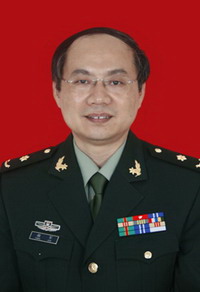 Jun Yang (杨军)合作论文数Department of Stomatology,Southwest Hospital,Third Military Medical University3Yijun Zhang合作论文数2Wenxiao Jiang合作论文数2Jian Zhuang合作论文数2Yong Sha (沙勇)合作论文数2Jiang Wu (邬江)合作论文数2
 Dachuan Xu (徐达传)合作论文数School of Basic Medical Sciences, Southern Medical University2Yong-Qing Xu合作论文数1Zhi-wei HUANG (黄志伟)合作论文数1Hai-long LIU (刘海龙)合作论文数1Stefan J Hanish合作论文数1
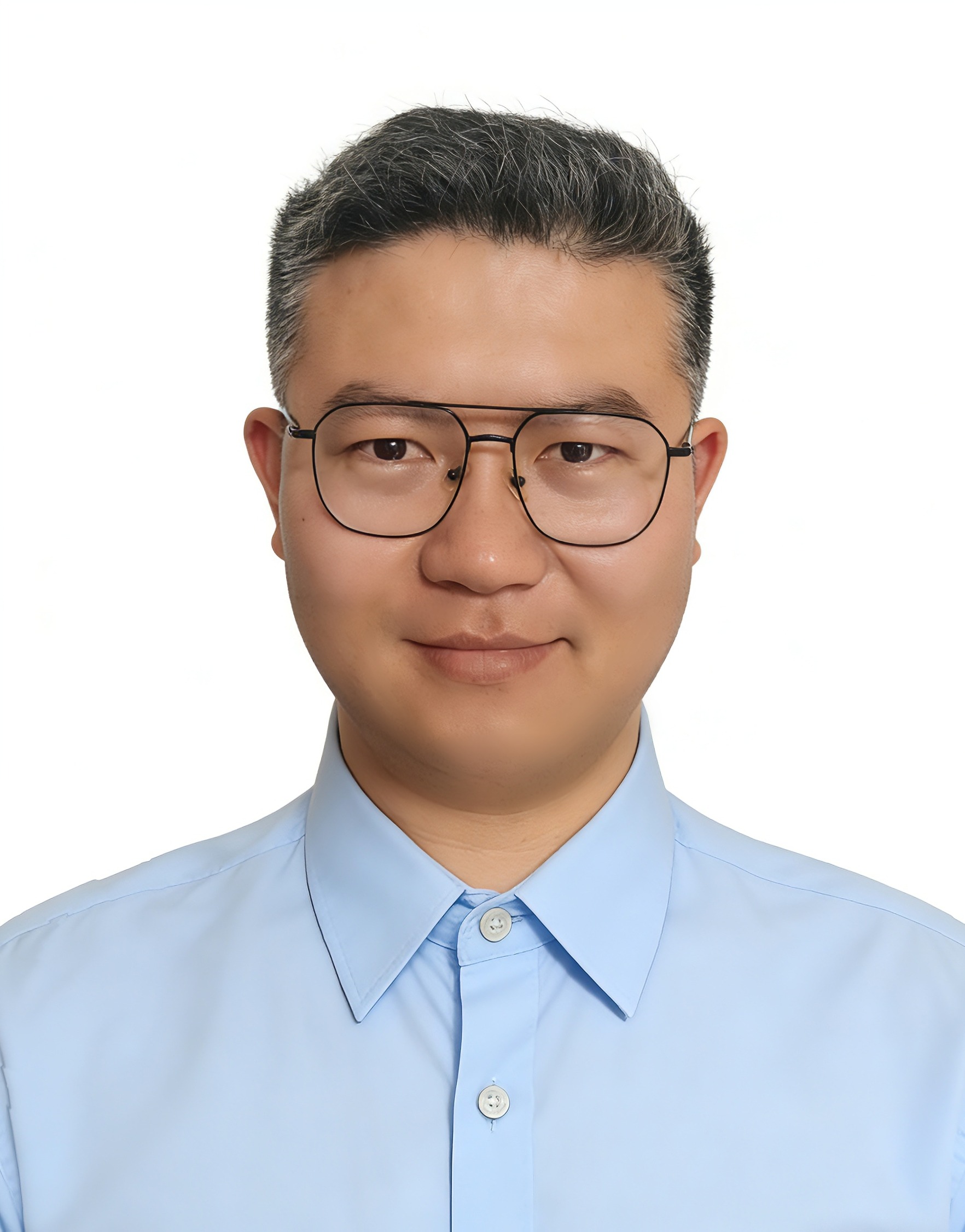 Jian-Lu Duan (段建鲁)合作论文数School of Environmental Science and Engineering, Shandong University1
 Kevin Patrick Feltz合作论文数1Jia-Wen Sun合作论文数1
 Li-Juan Feng合作论文数Hebei Key Laboratory of Wetland Ecology and Conservation1
 Qian Wang合作论文数1Xinyue XIAO (肖信约)合作论文数1Yue Feng合作论文数1Xiao-Dong Sun合作论文数School of Environmental Science and Engineering, Shandong University1Xiangwei Li合作论文数1LianPing Wan (万连平)合作论文数1YongGang Zhao (赵永刚)合作论文数1XiuQiong Zhang (张秀琼)合作论文数1
 Xianzheng Yuan (袁宪正)合作论文数School of Environmental Science and Engineering, Shandong University1Sun Wei合作论文数1Ma Richard合作论文数1Zhenghua Yue (岳正华)合作论文数1Jinguang Li (李金光)合作论文数1
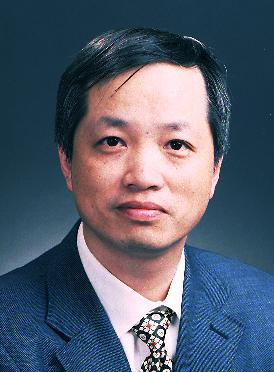 Dichen Li (李涤尘)合作论文数Institute of Advanced Manufacturing Technology, School of Mechnical Engineering, Xi'an Jiaotong University;State Key Laboratory for Manufacturing System Engineering, Xi'an Jiaotong University1Chunlin Hou合作论文数1Yueliang Zhu (朱跃良)合作论文数1




