Two wheat genotypes, Jing 411(J411, a high-yield cultivar cultivated around Beijing area) and Xiaoyan 54 (X54, a wheat cultivar formed by crossing Triticum aestivum L. with Elytrigia elongatiformis), were found to give different responses of photosynthesis to treatment with low concentration of sodium bisulfite (NaHSO3). Bisulfite 1 mmol/L increased net photosynthetic rate (Pn) in wheat J411 under CO2 concentrations of both 350 and 900 μL/L, but there was no significant enhancement of Pn in wheat X54 under either condition. In previous studies the effects of bisulfite in increasing Pn in wheat J411 and rice have been shown to be similar to that of PMS, both through an increase in the supply of ATP and this has been confirmed and investigated in the present study in wheat J411. In parallel with the increases in Pn and ATP content, the post-illumination transient increase in chlorophyll fluorescence was enhanced and the half-time of re-reduction of P700+ after illumination with far-red light was significantly shortened in leaves of wheat J411 after treatment with bisulfite 1 mmol/L, indicating that cyclic electron flow around PSI and the coupled photophosphorylation (PSP) were accelerated. In contrast, bisulfite had no effect on either the post-illumination transient increase in chlorophyll fluorescence or the half-time of re-reduction of P700+ after a far-red light in wheat X54. It was also found that the intensity of the post-illumination transient increase in chlorophyll fluorescence was much higher, and the half-time of re-reduction of P700+ was much shorter in wheat X54 than those in J411, suggesting that wheat X54 had higher intrinsic cyclic electron transport around PSI than that in J411. Basing on these results, it is suggested that the enhancement of Pn in higher plants by low concentrations of bisulfite solution might be due to the stimulation of cyclic electron flow around PSI and hence the PSP coupled to it. The difference in response to bisulfite between the two wheat genotypes could be attributed to the significant difference in rate of intrinsic cyclic electron transport around PSI between them.
低温胁迫使温州蜜柑叶片的净光合速率(Pn)、光系统Ⅱ的光化学效率(Fv/Fm)及光合电子传递速率(ETR)下降,反映跨膜质子动力势的叶绿素毫秒延迟发光(ms-DLE)减弱,叶片中的ATP含量降低.低温胁迫前,用NaHSO3 5 mmol/L涂于叶片表面,可使处理植株叶片的Pn和Fv/Fm分别少下降了11.5%和11.6%,ETR和ATP含量几乎没有下降,ms-DLE的下降幅度减少.可见,在柑橘上施用NaHSO3能够减轻短期低温对光合机构及光合作用的影响.
Offspring of wheat cultivars Jing 411 (J411) and Xiaoyan 54 (X54) were compared with parent plants in photosynthetic rates of flag leaves at grain filling stage. Higher photosynthetic rate (10% higher than that of parent plants) in a line 1-15 (F_(3) generation) plants was observed and this higher photosynthetic capacity was also observed in F_(4) generation. Based on our preliminary experiments, the possibility of taking higher photosynthetic capacity as an important criterion in breeding of wheat varieties and its practical difficulties were discussed.
Attention has been paid to the phenomenon that bisulfite at low concentrations could increase photosynthetic rate and the mechanisms involved. After collecting and analyzing the relevant literature, it is proposed that the enhancement of photosynthesis by bisulfite at low concentrations could be probably attributed to the enhancement of cyclic photophosphorylation and thereby the supply of more ATP, the amount of which often limits the operation of the photosynthetic apparatus,but could not be due to the inhibition of photorespiration, the stimulation of stomatal opening, or supplementing sulphur as a nutrient necessary for the development or functioning of the photosynthetic apparatus.
用DEAE纤维素(DE-52)从菠菜叶片的抽提液中吸附蛋白,再以NaCl分级洗脱得到含铁氧还蛋白(Fd)的分部。此Fd制剂具有特征性的Fd氧化还原吸收光谱和催化离体叶绿体光还原NADP的活性。
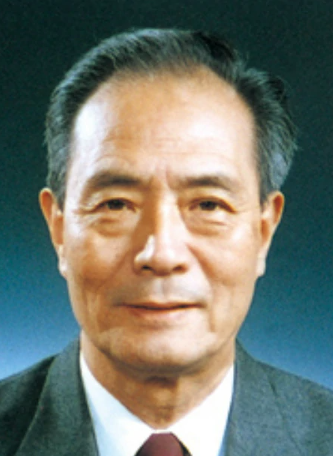 Yungang Shen (沈允钢)合作论文数Institute of Plant Physiology and Ecology, Chinese Academy of Sciences4
 Yong DENG (邓勇)合作论文数1Ming LI (李鸣)合作论文数1qike wei (魏其克)合作论文数1Zhang Ximei (张锡梅)合作论文数1jijun zhang (张吉军)合作论文数1LiangCheng Zhang (张良诚)合作论文数1Bin Li (李滨)合作论文数1
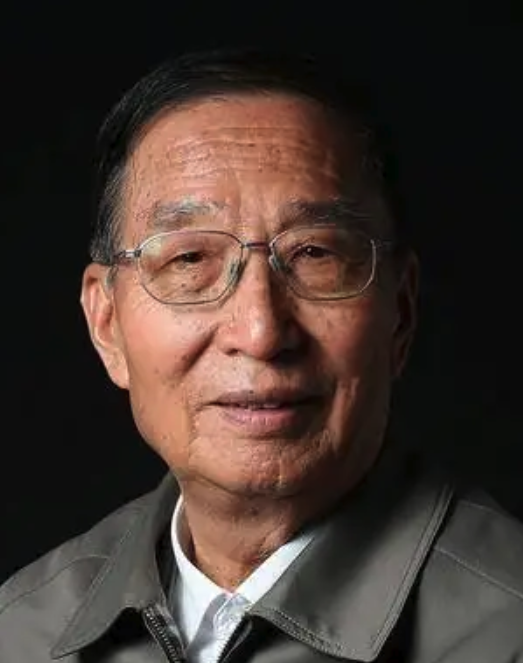 Zhensheng Li (李振声)合作论文数Institute of Genetics and Developmental Biology, Chinese Academy of Sciences;University of Chinese Academy of Sciences1
 Xiaobing Shi合作论文数Department of Epigenetics, Van Andel Institute1
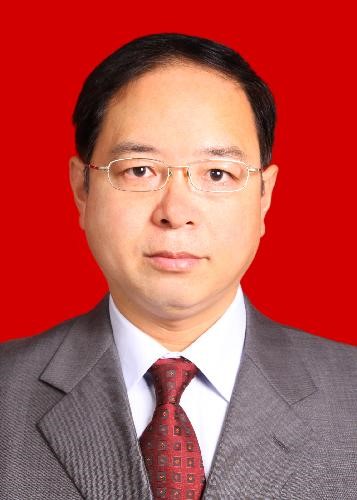 Yanping Guo (郭延平)合作论文数College of Horticulture, Northwest A&F University1Jiyu Ye合作论文数1




