目的 观察穴位贴敷与推拿治疗脑梗死后便秘的 效果。方法 筛选脑梗死后便秘的患者78例,分为对照组、穴位贴敷组(贴敷组)和推拿组(推拿组),三组患者人数分别为22例、31例和25例。对照组采用常规中西医治疗及护理;在此基础上,贴敷组患者采中药神阙穴贴敷;推拿组患者采用穴位推拿手法。干预2周,每日观察三组患者的排便情况,于治疗第7和14天对比三组患者的排便频率。采用Barthel指数(BI)评价患者日常生活活动能力。结果 治疗第1周,贴敷组患者排便频率高于推拿组和对照组,差异有统计学意义(P<0.05);治疗第2周,贴敷组患者排便频率高于同期的对照组(P<0.05);三组治疗第2周排便频率均较第1周均升高。三组患者出院时BI均较入院时均升高。结论 穴位贴敷治疗和推拿手法治疗能改善脑梗死后便秘患者排便频率,其中穴位贴敷治疗效果更明显。
Objective To investigate the effect of Traditional Chinese Medicine (TCM) ointment rubbing on in the treatment of hypermyotonia after cerebral infarction. Methods Totally 92 patients with hypermyotonia after cerebral infarction were selected and randomly divided into control group (n = 46) and treatment group (n = 46). Both groups were treated with basic medical treatment, acupuncture and moxibustion, physiotherapy, rehabilitation and other routine treatment for cerebral infarction, and the treatment group was treated with TCM ointment rubbing in addition to the comprehensive treatment. The two groups were treated for 2 months, and the modified Ashworth Scale of Muscle Spasticity (MMAS), NIHSS, Fugl-Meyer Assessment (FMA) and Barthel Activity of Daily Living Scale (BI) were compared before and after treatment and between the two groups. Results The score of NIHSS decreased in both treatment group and control group after intervention (P<0. 05), and score of NIHSS in the treatment group was lower than that in the control group (P<0. 05). Patients in the treatment group had a lower degree of MMAS compared with those in the control group after intervention(P<0. 05). The scores of FMA and BI increased in both treatment group and control group after intervention (P<0. 05), and scores of FMA and BI in the treatment group were higher than those in the control group (P<0. 05). Conclusion TCM ointment rubbing is potentially effective to relieve the hypermyotonia of patients with cerebral infarction, improve limb function, and improve the activity of daily living.
Objective To investigate the effect of Traditional Chinese Medicine (TCM) nursing in prevention of pulmonary infection in patients with hypertensive cerebral hemorrhage. Methods Totally 120 patients with hypertensive cerebral hemorrhage were divided into control group (n = 60) and observation group (n = 60) according to different types of nursing care. Patients in the control group received routine care, and those in the observation group received TCM nursing on basis of routine care. The effective rate of nursing intervention between two groups was analyzed and compared. Results The total effective rate of nursing intervention in the observation group was higher than that in the control group (96. 67% vas. 73. 33%, P<0. 01). Conclusion In nursing management of patients with hypertensive cerebral hemorrhage, the TCM nursing intervention is potentially effective to prevent the pulmonary infection and improve the nursing efficiency.
Sleep disorder is a common complication of stroke in elderly patients with a high prevalence, and can aggravate the condition, affect the prognosis, and reduce the quality of life of patients.Chinese traditional medicine nursing has unique characteristics in the prevention and treatment of post-stroke sleep disorders.This article reviews related research and summarizes the current research status of the theory, the prevention and treatment and the nursing characteristics technology of Chinese traditional medicine nursing in post-stroke sleep disorders.This article provides a reference for the development of related research and clinical nursing care.
目的 评价科室配置的中药含漱液干预恶性血液病患者化疗并发口腔溃疡的疗效.方法 以恶性血液病化疗并发口腔溃疡的患者80例为观察对象,采用随机数字表法,将符合纳入标准的患者随机分为治疗组、对照组.其中,治疗组40例给予中药汤剂含漱,对照组40例给予生理盐水含漱,每天三餐后和睡前各1次,每次30~50 ml,含漱3~5 min/次,漱口后半小时内禁食禁饮,14 d为一个疗程.结果 治疗组、对照组口腔溃疡总有效率分别为90.0%、62.5%,治疗组疗效优于对照组(P<0.05).治疗第5天、第9天、第14天,治疗组患者疼痛缓解率优于对照组(P<0.05).结论 使用科室配置的中药含漱液既能促进恶性血液病化疗引发的口腔溃疡愈合,又可减轻患者痛苦,值得推广应用.
目的 通过促进以患者为中心的学习,提高脑卒中后便秘患者的健康教育效果,促进其便秘症状改善,提升患者满意度.方法 选取我院脑病科两个病区脑卒中便秘患者67例,一病区35例,设为对照组予常规宣教;二病区32例,设为对照组应用L.E.A.R.N.S模式实施健康教育,比较两组患者便秘症状改善情况、护患关系改善情况及两个病区护理人员健康教育能力改善情况.结果 试验组患者便秘症状自评得分较对照组显著改善(P<0.05),患者生活质量明显优于对照组(P<0.05);试验组护患关系信任度和患者满意度均高于对照组(P<0.05);试验组护理人员健康教育能力得到显著提高(P<0.05).结论 应用L.E.A.R.N.S模式对脑卒中便秘患者实施健康教育可以改善患者便秘症状,提高生存质量,提升患者满意度,促进护患和谐,提高护理健康教育服务能力.
克雅氏病(Creutzfeldt-Jakob disease,CJD)又称皮质-纹状体-脊髓变性,是由朊蛋白传播的致命性中枢神经系统变性疾病[1],具有传染性和100%的病死率[2].现已证实克雅氏病与疯牛病(即牛海绵状脑病)关系密切[3,4].由于该病病情变化快,诊断困难,传播途径多且隐匿,并发症发生率高,预后极差,无有效治疗方法,主要采取对症治疗,所以临床护理难度大[5,6].东直门医院脑病科于2017年4月-2018年5月收治2例确诊的克雅病患者,现将治疗护理体会总结如下.
目的 观察化湿通窍方辨证加味治疗耳石症复位后残余症状的临床疗效.方法 入组耳石复位后有残留症状患者60例,随机分为2组,每组各30例,治疗组予化湿通窍方颗粒剂,每次1袋,每日2次,对照组予甲磺酸倍他司汀片每次2片,每日3次;2组服药疗程均为2周,随访周期为半年.以2周时点头晕残留症状程度为主要评价指标(DARS量表、眩晕VAS评分),2周时点眩晕临床症候积分及半年时点复发率为次要评价指标.结果 与对照组相比,治疗组可改善耳石复位后残留症状,减轻眩晕程度,2周治疗后治疗组眩晕评定(DARS)量表评分、眩晕VAS评分、眩晕临床症候积分低于对照组(P<0.05);2组半年随访复发率比较,治疗组复发率6.67%,对照组复发率20.00%,但组间差异无统计学意义(P>0.05).结论 化湿通窍方辨证加减可减轻耳石复位后头晕残余症状及中医证候评分,但不能改善半年复发率.
Constipation is a common complication in elderly stroke patients. With a high incidence, it will aggravate the condition, affect the prognosis and lower the quality of life of patients. Traditional Chinese medical nursing has a unique effect on preventing and treating poststroke constipation. This paper tries to summarize the relevant research as well as the current research in traditional Chinese medical theories, Chinese medicine prevention and treatment as well as characteristic techniques in traditional Chinese medicine. Meanwhile, it also tries to reflect on the research, and offer a reference for relevant research and clinical nursing in the future.
目的:研究神经内科临床护理安全隐患及应对策略.方法:选择2015年5月-2017年5月医院神经内科收治的住院患者144例,随机分为对照组和观察组,每组患者72例.对照组患者采取神经内科常规护理,观察组患者针对临床护理安全隐患采取针对性护理.对比两组患者发生不良事件的机率.结果:观察组患者发生不良事件的机率为5.56%,对照组患者发生不良事件的机率为20.83%,二者相比有显著差异(P<0.05).结论:在神经内科护理中,存在较多的临床护理安全隐患,应采取针对性的护理措施加以解决,以减少患者不良事件的发生,提高患者的护理满意度.
癌痛几乎是所有肿瘤患者临床常见并发症,也是导致患者生存质量下降的关键因素.晚期癌症患者癌痛可达60%~90%[1].芬太尼透皮贴剂是一种新型麻醉镇痛药,在癌痛三阶梯治疗中具有重要地位,对于中、重度疼痛可通过皮肤吸收药物进而发挥疗效,能提供持续72h的镇痛效果[2].特别是对吞咽困难、限制饮食的患者,经皮肤给药更显治疗优势.但芬太尼透皮贴剂也会出现诸如恶心、呕吐、腹胀、便秘等阿片类消化道不良反应.便秘是患者感觉最痛苦的消化道症状之一[3].我们通过医护、护患密切配合,探索一套芬太尼透皮贴剂引发便秘的防治措施,并通过临床实践取得了良好效果.
目的 评价补肾化瘀糖肾方联合西药治疗糖尿病肾病Ⅳ期气阴虚夹瘀证的临床疗效.方法 将82例糖尿病肾病Ⅳ期气阴虚夹瘀证患者随机分为中药组和对照组各41例,两组均采用西医基础降糖、保肾治疗,中药组在此基础上加服补肾化瘀法中药治疗.4周为1个疗程,连续治疗3个疗程后统计两组患者临床疗效,并于治疗前后检测患者空腹血糖(FPG)、糖化血红蛋白(HbA1c)、甘油三酯(TG)、血尿酸(UA)、血肌酐(SCr)、24小时尿蛋白定量、中医症状积分,并在此基础上计算各指标治疗前后升降率.结果 中药组临床疗效总有效率为78.05%,对照组为58.54%,中药组优于对照组(P<0.01).两组患者治疗后FPG、HbA1c、TG、UA、SCr、24小时尿蛋白定量、中医症状积分均较治疗前显著改善(P<0.05或P <0.01).中药组FPG、HbA1c治疗前后升降率与对照组比较差异无统计学意义(P>0.05),TG、UA、SCr、24 h尿蛋白定量、中医症状积分升降率差异有统计学意义(P<0.01). 结论 补肾化瘀糖肾方联合西药治疗糖尿病肾病Ⅳ期气阴虚夹瘀证疗效确切,在控制血糖的同时具有保护肾功能、改善脂代谢和临床症状等优势.
 zhe hu (胡哲)合作论文数6Hai-jiao GUO (果海姣)合作论文数6JunXing Yang (杨俊行)合作论文数5Xiaoxu Ma (马晓旭)合作论文数3Jingna FU (付景娜)合作论文数3QingWen Geng (耿庆文)合作论文数3HaiLing Guo (郭海玲)合作论文数3
 Dayong Ma (马大勇)合作论文数Dongzhimen Hospital, Beijing University of Chinese Medicine3Xinjuan Liu合作论文数2QiuYue Fan (范秋月)合作论文数2GanLu Liu (刘甘露)合作论文数2
 Jie Li (李杰)合作论文数Dongzhimen Hospital, Beijing University of Chinese Medicine2Menghao LAN (兰梦好)合作论文数1Chen Chen合作论文数1Jie Xu (许洁)合作论文数1Shui-xian MAO (毛水先)合作论文数1shengzhe liu (刘胜哲)合作论文数1Yong'e Yuan (袁永娥)合作论文数1Chang-Yu LIU (刘常玉)合作论文数1TAN Xin (谭欣)合作论文数1Juan Shen (沈娟)合作论文数1XiaoBo Dong (东潇博)合作论文数1BaiLong Cao (曹柏龙)合作论文数1RunXi Tian (田润溪)合作论文数1TianQi Zhang (张天琦)合作论文数1YingPing Zhou (周颖萍)合作论文数1CuiLian Zhang (张翠莲)合作论文数1
 Cen Liu (刘岑)合作论文数Dongzhimen Hospital, Beijing University of Chinese Medicine1
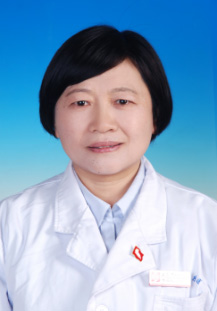 Guizhen Miao (苗桂珍)合作论文数Dongzhimen Hospital, Beijing University of Chinese Medicine1
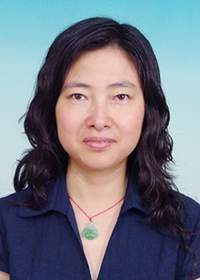 Yufang Hao (郝玉芳)合作论文数School of Nursing, Beijing University of Chinese Medicine1Chao Liang (梁超)合作论文数1
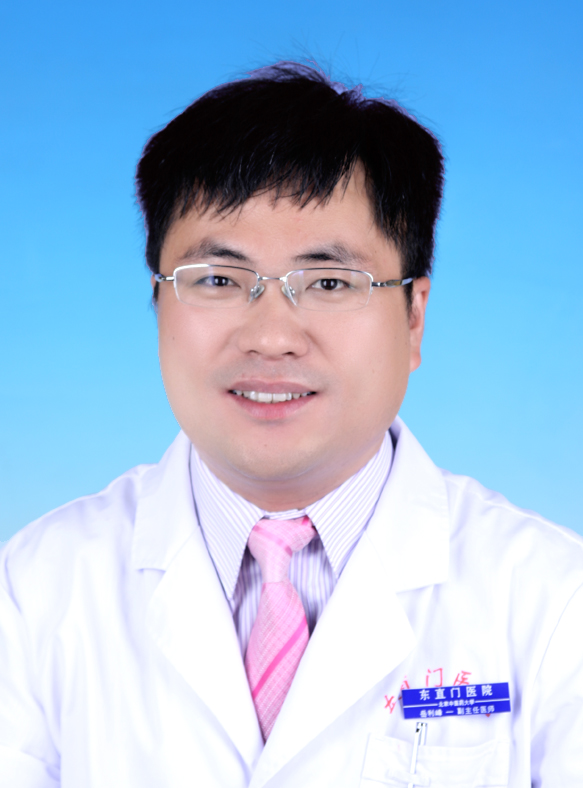 Lifeng Yue (岳利峰)合作论文数Dongzhimen Hospital, Beijing University of Chinese Medicine1
 Hongming Ma (马洪明)合作论文数Dongzhimen Hospital, Beijing University of Chinese Medicine1
 Baolin Yang (杨保林)合作论文数Dongzhimen Hospital, Beijing University of Chinese Medicine1
 Fang Wang (王芳)合作论文数Dongzhimen Hospital, Beijing University of Chinese Medicine1
 Bing Zhang (张冰)合作论文数Department of Radiology, The Affiliated Drum Tower Hospital, Medical School, Nanjing University1




