急性主动脉夹层(acute aortic dissection,AAD)是严重影响人类生命健康的大血管疾病,其临床治疗方案选择是住院医师培训的重点和难点.案例教学法(case-based learning,CBL)是指以案例为教材,在教师的指导下,运用多种方式启发学生独立思考,从而达到教学目的的一种教学方法.现从教学目标的确定、教案的设计、教学实施、教学评价及移动学习课程5个方面介绍了CBL教学法在AAD疾病教学工作中的初步探索过程.
主动脉夹层指主动脉腔内血液从主动脉内膜撕裂处进入主动脉中膜,使中膜分离,沿主动脉长轴方向扩展形成主动脉壁的真假两腔分离状态,发病时间<14 d为急性期.本病虽少见,但死亡率甚高[1].如不及时治疗,2周内死亡率达90%以上.急性主动脉夹层(AAD)临床表现多样,病情变化复杂,误诊率和漏诊率高,导致大多数患者得不到及时有效的治疗[2].
目的 探讨急诊冠状动脉旁路移植术(CABG)对危重症患者的近远期疗效.方法 回顾性分析2008至2013年于首都医科大学宣武医院行急诊CABG的冠状动脉粥样硬化性心脏病(冠心病)患者157例,根据术前心电图及高敏肌钙蛋白I(hs-cTnI)是否升高分为急性冠脉综合征组(A组,n=116)和非急性冠脉综合征组(N组,n=41),根据发病至手术时间,将急性冠脉综合征组分为大于12 h组(n=33例),小于12 h组(n=83例).统计围手术期临床资料及术后2年的随访情况,行组间比较.结果 入组患者男性120例,女性37例,平均年龄(68.51±10.45)岁,两组基线资料比较差异无统计学意义(P>0.05),围术期A组死亡13例,死亡率11.2%,N组死亡1例,死亡率2.4%,两组差异有统计学意义(P<0.05).在围术期监护室入住时间、术后住院天数上N组短于A组,两组差异有统计学意义(P<0.05),N组生存率优于A组,但两者无统计学差异.A组亚组比较,大于12 h组在术后死亡率及ICU天数,术后住院天数上显著升高(P≤0.05).结论 掌握好适应证,急诊CABG作为一种抢救性治疗是安全、有效的,越早手术,术后疗效越好.
Objective To report a case of atrial septal defect (ASD) with congenital fibrinogen deficiency (CFD), and review the literature. Methods A case of secondary ASD with CFD treatment in Xuanwu Hospital of Capital Medical University was reported, and the defect was repaired under CPB on beating heart. The management experience of cardiac surgery under CPB in patients with CFD was summarized by means of PubMed database and literature analysis. Results This patient was female, 30 years old. She was admitted to the hospital with the complaint that ASD was found for 8 months after physical examination. On admission, echocardiography showed that the atrial septum was interrupted by about 34 mm. Color Doppler flow imaging (CDFI) detection indicated systolic left to right shunt, the pressure difference of tricuspid regurgitation was 66 mmHg, systolic pulmonary artery pressure (SPAP) was 76 mmHg, ejection fraction (EF) was 64%. Coagulation function: Prothrombin time was >120 s, thrombin time >240 s, activated partial thrombin time >180 s, and fibrinogen 1.5 g. Three days later ASD repair was performed under CPB on beating heart. Infusion of fibrinogen 2 g was performed by venous injection during operation, and another fibrinogen 2 g was given after heparin was neutralized by protamine. Operation time was 3.5 hours, and CPB time was 45min. Fibrinogen 4 g per day was supplemented postoperatively for 5 days. At the 3rd day chest drainage tube was removed. The patient was discharged at the 7th day. There were no hemorrhage and thrombosis complications. After 3 months, outpatient follow-up showed the surgical incision healed well, echocardiography showed no residual shunt in the atrial septum, and EF value was 67%. A total of 8 English literatures were obtained after searching PubMed database and manually screening, including 875 patients with hypofibrinogenemia after CPB cardiac surgery. Among them, 604 were males (69.0%) and 271 were females (31.0%). There were 6 case reports, including 1 infant (5 days old, weight 2.5 kg) and 5 adult cases, and they were all male. Patients with abnormal afibrinogenemia may have both bleeding and thromboembolic symptoms. Patients with fibrinogen deficiency who undergo CPB cardiac surgery need to be supplemented with fibrinogen, cryoprecipitation or fresh frozen plasma during the perioperative period to prevent severe postoperative bleeding complications. Conclusion Patients with fibrinogen deficiency should be given a individualized perioperative management plan according to the quantitative and other coagulation indexes of fibrinogen in plasma for cardiac surgery under CPB. DOI: 10.11855/j.issn.0577-7402.2021.03.07
目的:探讨心外膜左心耳夹闭在心房颤动外科治疗中的安全和有效性,为心房颤动治疗提供临床选择.方法:回顾性分析2019年1月至2020年12月,首都医科大学宣武医院心脏外科收治的单组心心房颤动动病例的临床资料,其中男15例,女15例,年龄39~86岁,平均年龄(63.7±9.5)岁.阵发性心房颤动22例,持续性心房颤动8例,其中长期持续性心房颤动5例.入组患者中,孤立性心房颤动7例,合并冠心病18例,瓣膜病2例,房间隔缺损1例,同时合并冠心病和瓣膜病2例.所有患者均接受心外膜左心耳夹闭治疗及其他相应手术.患者出院前均行头颅磁共振及心脏CTA检查,以评估左心耳闭合效果、心耳夹移位情况以及有无心房颤动相关脑卒中.结果:所有患者行心外膜左心耳夹闭术,其中单纯行左心耳夹闭7例,同期联合单纯冠状动脉移植术18例,联合冠状动脉旁路移植术和二尖瓣置换术1例,联合冠状动脉移植术、二尖瓣成形和射频消融术1例,联合房间隔缺损修补和三尖瓣成形1例,联合二尖瓣成形和置换术各1例.16例患者采用传统胸骨正中切口,14例采用小切口技术,其中左侧肋间小切口 12例,胸骨倒"L"型小切口 2例.7例孤立性心房颤动患者采用电视胸腔镜下左侧肋间小切口技术,手术时间44~66 min,平均(56.0±7.9)min.围手术期死亡患者2例,死因均为心力衰竭继发多脏器衰竭.术后随访6~10个月,平均(6.8±1.4)个月;随访期间,1例患者因长期营养不良、肺部和手术切口感染并发呼吸衰竭和败血症死亡;所有随访患者无心房颤动相关卒中症状及体征,头颅磁共振检查未见新发脑梗死病灶;心脏CTA显示左心耳血流沟通及左心房血栓形成,无心耳夹移位、变形表现.结论:心外膜左心耳夹闭是治疗心房颤动安全可行的外科方案,可作为临床外科医师治疗心房颤动的新策略.
1 病例 患者男性,49岁,主因"发现心脏内占位病变1 d"入我院,患者于1周前左髋关节痛疼伴活动受限入住首都医科大学宣武医院骨科,1 d前行心脏超声检查示左心室内异常回声,以"心脏内异常占位"转入我科.体征:血压160/100 mmHg(1 mmHg=0.133 kPa),窦性心率78 次/min,律齐,二尖瓣听诊区可闻及Ⅱ级收缩期杂音,右下肢萎缩,左侧肢体长于右侧约5 cm,左侧髋关节可见屈曲、外旋、外展受限,左腹股沟中点压痛明显,无骨擦感,纵行叩击痛阳性,足背动脉搏动良好.既往有小儿麻痹症病史49年,现遗留右下肢行动不便;高血压病史10年,未规律服药,血压控制欠佳.心脏超声提示:左心室内可见长梭形异常回声,呈等回声,约6.8×1.8 cm,随心动周期活动,附着点位于心尖(图1A),提示血栓可能性大,粘液瘤不除外?二尖瓣轻度返流,左室舒张末内径55 mm,左心室收缩功能减低,射血分数48%.心脏CT示左心室内占位病变,有蒂附着于心尖部,呈均匀密度,周围与瓣膜无粘连,游离端位于左室流出道(图1B).头颅MRI+DWI提示右侧小脑半球、脑桥及双侧顶叶、右侧额叶皮下见斑点状异常信号T1WI上为低信号,T2WI上为高信号,FLAIR上低信号.心电图及冠状动脉造影检查未见异常.化验检查:尿酸偏高619 μmol/L(参考值155~428 μmol/L),其它化验指标均未见明显异常.术前诊断:①左心室占位病变;②左侧股骨头坏死;③高血压病Ⅲ级;④陈旧性脑梗塞;⑤痛风;⑥小儿麻痹后遗症.
目的:探究血浆微小RNA-29b(miR-29b)与急性冠脉综合征患者细胞外基质(ECM)蛋白含量的关系及其诊断价值.方法:选择2019年2月至2019年7月我院诊治的80例急性冠脉综合征患者作为观察组,另选择同期我院体检的80例健康志愿者作为对照组.检测两组受试者血浆miR-29b、透明质酸(HA)、层黏连蛋白(LN)和Ⅰ型前胶原蛋白(PCⅠ)水平,采用Pearson相关性分析血浆miR-29b与HA、LN和PC Ⅰ水平的相关性,采用受试者工作特征(ROC)曲线分析血浆miR-29b、HA、LN和PC Ⅰ对急性冠脉综合征的诊断价值.结果:与对照组相比,观察组的血浆miR-29b水平明显下降(P<0.05),而血浆HA、LN和PC Ⅰ水平明显升高(P<0.05).血浆miR-29b水平与血浆HA、LN和PC Ⅰ水平均呈负相关关系(P<0.05),ROC曲线分析结果显示,血浆miR-29b单独检测的敏感性和特异性分别为79.10%、71.60%,优于ECM三个指标的单独检测,且四项指标联合检测的敏感性和特异性高于单项检测.结论:急性冠脉综合征患者血浆miR-29b水平下调,且与ECM蛋白水平呈负相关,在急性冠脉综合征临床诊断中具有一定的价值.
目的 探讨高龄因素对冠状动脉旁路移植术(CABG)治疗安全性的影响及围术期管理.方法 收集2016年1月至2019年2月于首都医科大学宣武医院接受CABG治疗冠状动脉(冠脉)病变70岁以上高龄患者共71例,其中男性48例,女性23例,发病年龄为(70~83)岁,平均为(74.23±6.8)岁.按照手术方法的不同,分为停跳和不停跳两组,比较两组患者的术前、围手术期以及住院死亡的情况.结果 高龄患者中,53例实施了停跳CABG治疗,18例实施了不停跳CABG治疗.高血压和糖尿病病史多见于停跳CABG治疗的患者,差异有显著统计学意义(P<0.01),其他合并症两组间均无统计学差异(P>0.05).冠脉三支病变患者接受停跳CABG治疗比例高于不停跳CABG患者,差异有统计学意义(P<0.01).在CABG中,使用左侧乳内动脉和完全血管重建多见于停跳CABG治疗中,差异有统计学意义(P<0.01).胸腔积液多见于不停跳CABG治疗后的患者,差异有统计学意义(P<0.05),其他术后并发症两组之间均无统计学差异(P>0.05).总住院时间为(19.1±7.3)d,住院死亡率为5.6%,两组之间均无统计学差异(P>0.05).结论 术前全面详尽检查,术中严密监测生命体征、维持血流动力学稳定,及早发现并处理并发症,对于高龄患者行CABG具有重要意义.
Objective To improve the diagnosis and treatment of coronary heart disease with carotid stenosis, explore synchronous hybrid treatment for coronary heart disease with severe carotid stenosis and review of literature. Methods A case of one-stop carotid artery stenting (CAS) and coronary artery bypass grafting (CABG) hybrid surgical treatment of coronary heart disease with severe carotid stenosis was reported in present paper. Searching the China National Knowledge Infrastructure (CNKI) and PubMed databases, several literatures were retrieved and analyzed to summarize the experience of diagnosis and treatment of coronary heart disease with severe carotid stenosis. Results A 64-year-old male patient was admitted to our hospital due to intermittent chest tightness for more than one month. Imaging examination, including coronary angiography, carotid ultrasound and cerebral vessel angiography, showed that severe coronary heart disease with bilateral carotid stenosis and obvious cerebral ischemia in the right brain hemisphere. Operation for right carotid artery was first performed under local anesthesia, and then the off-pump CABG was carried on under general anesthesia. Operation procedure was going well, and the recovery was good. The patient was followed up 3 months after operation, and there was no chest tightness and head-neck discomfort. Fourteen articles were obtained through database retrieval, and a total of 590 patients were reported including 427 male cases (72.4%) and 163 female cases (27.6%). All of them were treated at same stage with first CAS and sequential CABG. The interval between CAS and CABG was less than 24 hours. Findings indicated that postoperative stroke in 21 cases (3.5%), perioperative myocardial infarction in 11 cases (1.8%) and in-hospital death in 26 cases (4.4%). The follow-up results were satisfactory. Conclusion One-stop CAS and CABG hybrid treatment is one of good therapeutic options for patients with coronary heart disease and carotid stenosis, but this operation needs to be carried out in the hybrid operation room, and the technical requirements for the surgeons are relatively high. DOI: 10.11855/j.issn.0577-7402.2019.11.10
目的 探讨组织蛋白酶L(CatL)及超敏C反应蛋白(hs-CRP)水平对冠脉搭桥患者术后短期猝死风险及血清乳酸水平的影响.方法 将2015年1月至2017年10月该院心血管内科就诊并接受冠脉搭桥手术的140例患者纳入研究,按照接受冠脉搭桥的患者是否发生术后短期(术后24 h内)猝死将所有纳入研究者分为短期猝死组和非短期猝死组.分别于患者接受冠脉搭桥手术前24 h(测定血清CatL、hs-CRP)及手术前48 h(测定血清乳酸)对受试者进行生物采样.血清CatL、hs-CRP、乳酸水平检测均采用ELISA法.数据分析采用SPSS22.0.结果 短期猝死组的血清CatL、hs-CRP、乳酸水平均显著高于非短期猝死组(P<0.05);短期猝死组的心脏射血分数低于非短期猝死组,差异有统计学意义(P<0.05);两组冠状动脉病变程度:中冠状动脉主支近端 、冠状动脉主支远端及冠状动脉分支的直径 、狭窄程度以及病变长度比较,差异均有统计学意义(P<0.05),且短期猝死组比非短期猝死组的管径狭窄程度更严重 、病变长度更长;术前CatL及hs-CRP水平与术后血清乳酸水平的相关性分析结果显示,CatL与hs-CRP水平 、CatL水平与血清乳酸水平 、hs-CRP水平与血清乳酸水平均呈正相关(P<0.05).结论 冠脉搭桥患者术后出现血清CatL、hs-CRP、乳酸水平增高往往提示预后状况不加,需及时对患者采取干预.
Objective To summarize the treatment outcomes of antegrade sequential anastomosis of great saphenous veins in off-pump coronary artery bypass grafting for coronary atherosclerotic heart disease.Methods A total of 116 patients with coronary atherosclerotic heart diseases underwent off-pump coronary artery bypass grafting from January 2013 to June 2015 in our hospital.There were 63 males and 53 females with a mean age of 42-80 (64.26±9.67) years.Left internal mammary artery was anastomosed to left anterior descending artery.The rest of the target vessels received antegrade sequential anastomosis of great saphenous veins with the order of proximal ascending aorta,diagonal branch,circumflex branch,obtuse marginal branch,left ventricular branch and posterior descending artery.Results All patients were performed off-pump coronary artery bypass grafting successfully without death or perioperative myocardial infarction.A total of 436 grafts were adopted with 3.75±0.53 in each patient.Three patients suffered low cardiac output syndrome,and were cured after administration ofvasoactive drugs combined with the intra-aortic balloon pump.One patient suffered tardive pericardial tamponade and one acute renal failure,who were cured with disappearance of angina symptoms and increase of activities without discomfort.Conclusion Antegrade sequential anastomosis,as a safe and effective method,can reduce aortic stoma,save the length of grafts,shorten operative time and quickly restorate blood supply of myocardium in off-pump coronary artery bypass grafting.
 YanHui Liu (刘燕晖)合作论文数9HongLi Li (李洪利)合作论文数9XueBin Shang (尚学斌)合作论文数8Lei Feng (冯磊)合作论文数8Ruitian Ding (丁瑞田)合作论文数6
 Yang Li (李杨)合作论文数北京市眼科研究所6Chao Li (李超)合作论文数Beijing Hospital Traditional Chinese Medicine 6Po WANG (王坡)合作论文数2PiShan Wang (王丕杉)合作论文数2Chuang Shi (师闯)合作论文数2QiLin Jin (金琪琳)合作论文数2
 Yuehua Wang (王悦华)合作论文数Xuanwu Hospital Capital Medical University2
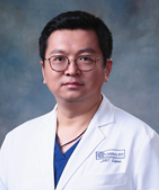 Liqun Jiao (焦力群)合作论文数Xuanwu Hospital Capital Medical University1




