原发性肾病综合征(PNS)是小儿常见的肾系疾病之一,传统单纯西医治疗存在诸多不足与弊端,近年来中西医结合治疗成果颇丰,笔者通过分析总结郑健教授治疗小儿PNS临床经验,以期为儿童肾病的临床治疗提供思路.自宋代钱乙提出"肾主虚,无实"思想以来,肾无实证之风于历代医家中盛行不衰,然肾实证在古代医籍中的记载早已有之,在《黄帝内经》《金匮要略》《脉经》等著作中均不乏见论,郑健教授认为钱氏之观点多可解为"肾多主虚,亦有实证"之意.基于此思想,郑教授总结小儿PNS中医病机主要是以肾虚为本,但在病程中,亦可有因风邪、瘀血、湿热等邪致实的症候表现,又因本病在临床上常具有本虚标实、虚实夹杂、病情反复、迁延难愈等特点,临证时需要以病程分期来辨肾病之虚实主次,治疗上主以顾护肾虚的同时,又要兼顾祛风、除湿、清热、化瘀等,可以益肺、健脾、温肾、清肝、扶正降浊等法来调理诸脏阴阳,郑教授从医30余年,运用此法于治疗小儿PNS时每获良效,并附病案一则,以资验证.
目的 探寻慢性肾衰竭患者长期深静脉置管维持血透出现导管相关性感染的影响因素,病原菌特点等,为临床经验性治疗提供帮助.方法 抽取某院2013年01月至2017年5月期间慢性肾衰竭长期置管血透并发感染病例54例,行手术操作者、置管部位、置管时间、感染部位、体温监测、病原菌培养、抗菌药物选择、治疗结果等几个方面分析讨论.结果 大部分深静脉置管在三级甲等医院操作,置管后前3个月感染病例约占到59.3%,股静脉置管感染率33.3%高于颈内静脉17.9%.以导管相关性血流感染者为主占87%,且大部分出现在血透过程,以中高热为主,平均39℃.致病菌中G+占69%,G-占28.6%,同时兼有G+和G-占2.4%.经验性治疗中抗G-占59.5%,抗G+占38.1%,同时兼有抗G+和G-占2.4%,与病原菌培养结果相违背,是导致35.2%病例治疗失败原因之一.结论 深静脉置管、护理、血透过程等做到严格无菌操作,减少感染因素.出现感染能较准确判断致病菌,经验性治疗以抗G+为主,其次是抗G-.危重病人或免疫功能低下等应考虑耐药及合并感染可能,可以考虑经验性联合用药,最后根据药敏结果调整方案.选择肾毒性小的抗菌药,严格按照其说明书中肌酐清除率调节剂量.
Objective:To observe the effect of serum containing total flavonoids of Ajuga (TFA) on p38 mitogen activated protein kinase/nuclear factor κB (p38MAPK/NF-κB) signal pathway of glomerular mesangial cells (GMCs),and to explore the possible protective mechanism of TFA on kidney.Methods:Rat GMCs were cultured in vitro.The proliferation of rat GMCs was induced by lipopolysaccharide (LPS),then intervened by the serum containing TFA.The content of interleukinl beta (IL-1 β),tumor necrosis factor α (TNF-α) in the cell supernatant was detected by ELISA method.NF-κB mRNA and inhibitory κB (IκB) mRNA were detected by RT-PCR.p-p38 MAPK protein was detected by Western Blot.Results:After intervention with the serum containing TFA for 24 hours and 48 hours,the supernatant content of IL-1β and TNF-α were significantly lower than those of LPS group (P<0.05,P<0.0 1).After 48 hours of the intervention,the expression of IκB mRNA increased significantly than those of LPS group,where as the expression of NF-κB mRNA and p-p38MAPK protein were significantly decreased (P<0.05,P<0.01).Conclusion:The kidney protection of TFA might be related to the regulation of p38MAPK/NF-κB signaling pathway,and then with the low expression of related down stream inflammatory factor such as IL-1 β,TNF-α.
Gualou Guizhi decoction (GLGZD) is effective for the clinical treatment of limb spasms caused by ischemic stroke, but its underlying mechanism is unclear. Propidium iodide (PI) fluorescence staining, terminal deoxynucleotidyl transferase-mediated dUTP-biotin nick end labeling (TUNEL), immunohistochemistry, western blot, and real-time qPCR were used to observe the axonal regeneration and neuroprotective effects of GLGZD aqueous extract on organotypic cortical slices exposed to oxygen-glucose deprivation (OGD) and further elucidate the potential mechanisms. Compared with the OGD group, the GLGZD aqueous extract decreased the red PI fluorescence intensity; inhibited neuronal apoptosis; improved the growth of slice axons; upregulated the protein expression of tau and growth-associated protein-43; and decreased protein and mRNA expression of neurite outgrowth inhibitor protein-A (Nogo-A), Nogo receptor 1 (NgR1), ras homolog gene family A (RhoA), rho-associated coiled-coil-containing protein kinase (ROCK), and phosphorylation of collapsin response mediator protein 2 (CRMP2). Our study found that GLGZD had a strong neuroprotective effect on brain slices after OGD injury. GLGZD plays a vital role in promoting axonal remodeling and functional remodeling, which may be related to regulation of the expression of Nogo-A and its receptor NgR1, near the injured axons, inhibition of the Rho-ROCK pathway, and reduction of CRMP2 phosphorylation.
目的 通过新生大鼠氧糖剥夺(OGD)海马脑片模型,观察芍药苷对OGD损伤后的海马脑片中NLRP3炎症小体组成蛋白及其所介导的细胞凋亡的影响. 方法 将培养14d的海马脑片随机分为5组:空白对照组、OGD组、芍药苷低剂量组(1μM)、芍药苷中剂量组(10μM)、芍药苷高剂量组(100 μM).除空白对照组外,其他各组海马脑片均吸弃脑片培养液后,加入1 mL PBS,并置于三气培养箱中孵育45 min后,给予相应的药物干预.24 h后取各组海马脑片分别采用TUNEL法检测细胞凋亡率;RT-qPCR法检测NLRP3炎症小体组成蛋白mRNA的表达情况. 结果 OGD组较空白对照组NLRP3炎症小体组成蛋白mRNA的表达量和细胞凋亡率均明显增高(P<0.01),芍药苷干预后NLRP3炎症小体组成蛋白的mRNA表达量和细胞凋亡率均明显低于OGD组(P<0.01). 结论 芍药苷可通过下调OGD海马脑片中NLRP3炎症小体组成蛋白的表达,从而产生抗细胞凋亡的作用.
目的 观察筋骨草总黄酮对大鼠肾小球系膜细胞增殖的影响. 方法 LPS诱导大鼠肾小球系膜细胞增殖,筋骨草总黄酮含药血清干预24、48 h后,用MTT法检测肾小球系膜细胞增殖情况,硝酸还原酶法、Elisa法分别检测培养液上清中NO、iNOS、MCP-1的含量. 结果 LPS能明显诱导肾小球系膜细胞增殖,培养液上清中NO、iNOS、MCP-1的含量明显高于正常对照组(P<0.05或0.01).10%、5%筋骨草总黄酮含药血清干预后OD值及培养液上清中NO、iNOS、MCP-1的含量均明显减少(P<0.05或0.01). 结论 筋骨草总黄酮能抑制LPS诱导的肾小球系膜细胞异常增殖和炎症介质NO、iNOS、MCP-1的释放.
目的 观察栝楼桂枝汤对氧糖剥夺损伤皮层脑片的神经保护作用.方法 将培养t4d的皮层脑片行氧糖剥夺损伤45min后,药物干预3d,采用碘化丙啶(PI)染色法检测皮层脑片损伤程度,微量酶标法检测脑片培养液上清中LDH的释放量.结果 与空白对照组比较,模型对照组PI荧光强度、LDH释放量明显升高,栝楼桂枝汤干预后,PI荧光强度、LDH释放量明显减少,呈剂量依赖性.结论 栝楼桂枝汤对皮层脑片氧糖剥夺后的神经损伤具有较好的保护作用.
目的 观察不同时长的氧糖剥夺对SD乳鼠器官型海马脑片的影响,探讨制备氧糖剥夺(OGD)模型的最佳时长. 方法 对海马脑片进行碘化丙啶染色,用微量酶标法检测培养液上清中LDH的释放量. 结果 培养13d后的脑片逐渐变薄,海马结构逐渐清晰,生长情况逐渐稳定,无特异性荧光信号,LDH释放各组无明显差异性;与造模前24 h相比,随着缺氧缺糖时间的增加,海马脑片碘化丙啶染色的荧光信号强度与LDH释放量增加,以45、60 min时长最为明显(P<0.05或P<0.01),但氧糖剥夺60 min脑片的损伤更为严重,表现出无法恢复的趋势. 结论 制备SD乳鼠海马脑片氧糖剥夺模型的最佳时长为45min.
The bioactive glucoside, paeoniflorin, has been shown to have an anti-inflammatory effect on ischemic brain injury. In this study, we aimed to investigate the ability of paeoniflorin to regulate the expression of NLRP1 and NLRP3 inflammasomes in rat hippocampal slices. Different concentrations of paeoniflorin were applied to oxygenglucose- deprived organotypic hippocampal slice cultures. Neuronal cell death was measured by propidium iodide staining, and the expressions of the components of NLRP1 and NLRP3 inflammasomes and their downstream protein were detected using western blotting and the enzyme-linked immunosorbent assay. Paeoniflorin exhibited a neuroprotective effect against oxygen-glucose deprivation (OGD)-induced neuronal cell death and demonstrated the ability to downregulate the levels of the components of NLRP1 and NLRP3 inflammasomes (NLRP1, NLRP3, ASC, and caspase-1) as well as their downstream proteins (interleukin [IL]-18, IL-1 beta, and caspase-3) in hippocampal slices. Our findings suggest that paeoniflorin has the ability to attenuate neuronal injury in ischemic stroke by downregulating the expression of NLRP1 and NLRP3 inflammasomes.
目的 通过比较雷公藤生品及不同炮制品的半数致死量(LD50)和抗炎作用,观察不同炮制方法对雷公藤的急性毒性及药效的影响.方法 采用改良寇氏法测定雷公藤生品及不同炮制品的LD50.筛选出毒性较低的3种炮制品,采用二甲苯致小鼠耳肿胀实验、角叉菜胶致大鼠足趾肿胀实验和大鼠棉球肉芽肿实验,观察并比较雷公藤生品及不同炮制品的抗炎作用.结果 雷公藤生品LD50为111.45g/kg,酒炙品LD50为112.32g/kg,清炒品LD50为113.64g/kg,醋炙品LD50为121.29g/kg,蒸制品LD50为121.83 g/kg,甘草炮制品LD50为127.92g/kg,莱菔子炮制品LD50为155.37 g/kg.通过LD50的测定结果筛选出毒性较低的雷公藤蒸制品、甘草炮制品、莱菔子炮制品进行抗炎实验,结果显示这3种炮制品对二甲苯所致小鼠耳肿胀、角叉菜胶致大鼠足趾肿胀及大鼠棉球肉芽肿的生成均有明显抑制作用(P<0.01或P<0.05),其中莱菔子炮制品的抗炎作用优于雷公藤生品.结论 雷公藤经过不同方法炮制后,具有减毒保效作用,其中尤以雷公藤莱菔子炮制品的毒性降低最为明显,且抗炎作用最佳.
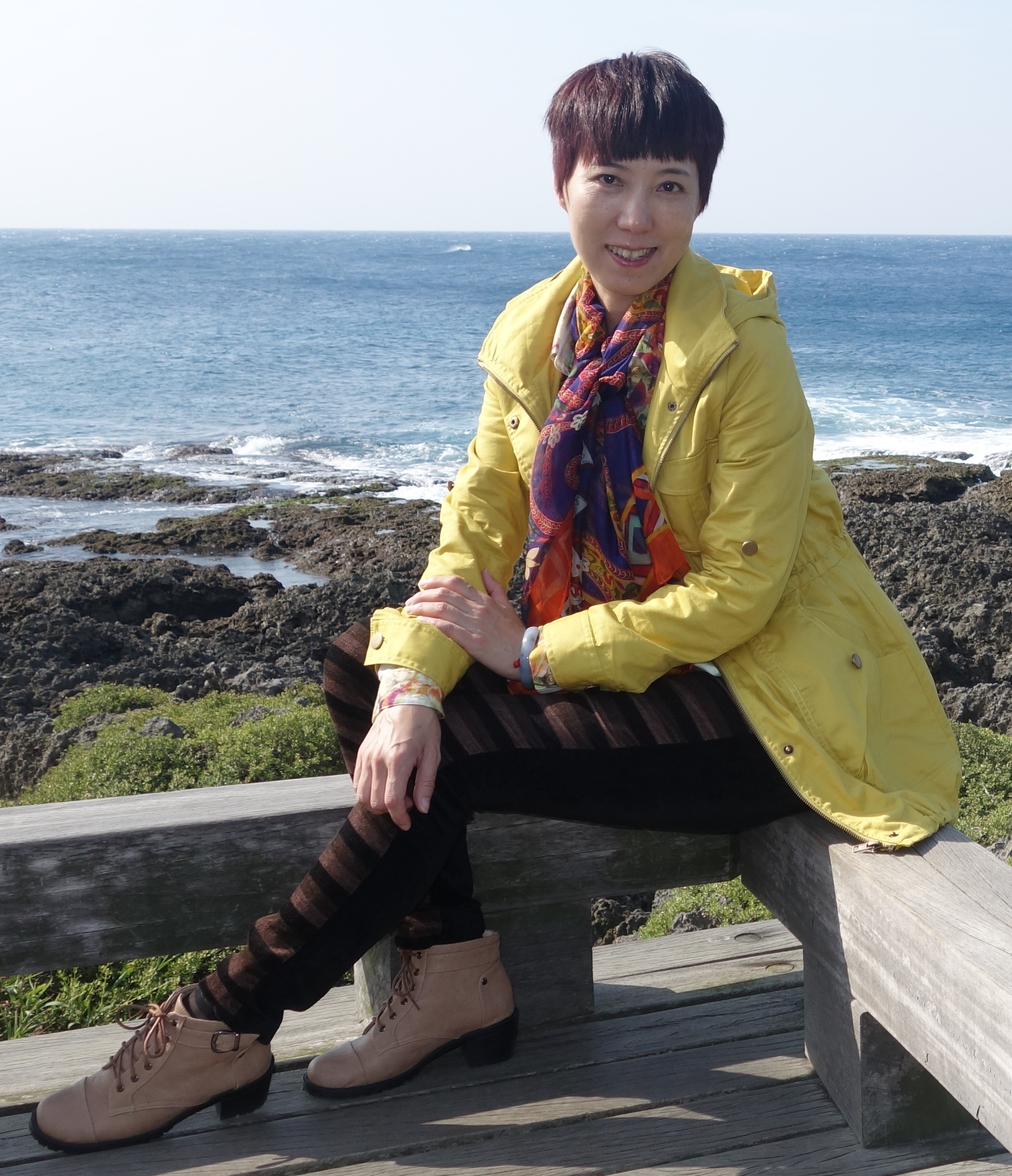 Mei Huang (黄枚)合作论文数福建中医药大学药学院7
 Lihong Nan (南丽红)合作论文数福建中医药大学药学院7Yi-bo HE (何一博)合作论文数6
 Yanfang Zheng合作论文数6Huang Li (李煌)合作论文数5QingQing Xie (谢晴晴)合作论文数4
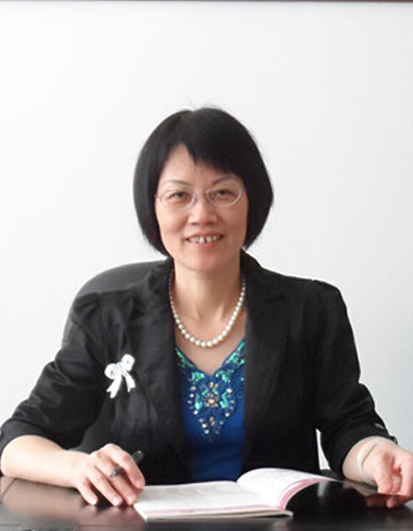 Kedan Chu (褚克丹)合作论文数福建中医药大学药学院2Zheming Chen合作论文数1Xu Wei合作论文数1Shuiping YAN (颜水平)合作论文数1Xiang-li ZHUANG (庄翔莉)合作论文数1Jian Zheng合作论文数1GUO Bin (郭斌)合作论文数1WenFang Lai (赖文芳)合作论文数1Ru Jia (贾铷)合作论文数1
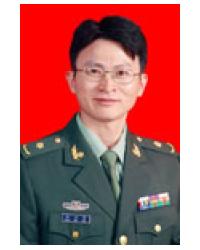 Weihua Peng (彭卫华)合作论文数南京军区福州总医院1
 Wei Xu (徐伟)合作论文数福建中医药大学药学院1Huangcai Su (苏煌财)合作论文数1Zeling Mao (毛泽玲)合作论文数1




