脓毒症属中医"外感热病"范畴,毒邪侵袭是引起脓毒症的原因,邪正交争、毒损脏腑是其核心病机.剧烈邪正交争是脓毒症产生严重机体损伤的原因,毒损脏腑是脓毒症的结局,若病邪不能得到及时清除则易引起正虚衰败之证.通腑清热活血法治疗外感热病历史悠久,伤寒学派立通下法祛邪外出,河间学派择清热法清解热邪,温病学派以活血法祛瘀通络,通腑—清热—活血的治疗思路成熟连贯.后"截断扭转"的思想为脓毒症的治疗所引入,并在机制及临床研究中得到验证.治疗脓毒症的关键在于截断扭转病势,减轻脏腑受损,抓住干预时机是实现截断扭转的关键,毒邪侵袭,正邪交争而正气尚充之时是截断扭转病势的最佳干预时机,脏损正气未脱仍有逆转病势的机会.通腑清热活血法是实现脓毒症截断扭转的主要手段,临床需根据病机、表现不同审证治之.
目的 观察吴茱萸热敷联合耳穴压丸辅助治疗脓毒症胃肠功能障碍的临床疗效及对血清胃蛋白酶原(PG)、胃泌素-17(G-17)水平的影响.方法 选取2018年7月—2020年12月在北京中医药大学东直门医院EICU病房住院的脓毒症合并胃肠功能障碍患者128例,采用随机数字表分为对照(A)组、吴茱萸热敷(B)组、耳穴压丸(C)组、联合治疗(D)组,各32例.A组患者采用常规脓毒症治疗方法,B、C、D组在A组治疗基础上分别给予吴茱萸热敷法、耳穴压丸法及吴茱萸热敷联合耳穴压丸法治疗.4组疗程均为2周.对比各组临床疗效及治疗前后APACHE Ⅱ评分、血清胃蛋白酶原(PG)I、PGⅡ、胃泌素(G)-17.结果 治疗后,B、C、D组总有效率均高于A组(P<0.05),其中D组有效率高于B、C组(P<0.05),B组与C组有效率差异无统计学意义.治疗后,B、D组APACHE Ⅱ评分低于治疗前及C组(P<0.05),且D组APACHE Ⅱ评分低于A、B组(P<0.05).治疗后,B、C、D组血清PG Ⅰ、PG Ⅱ、G-17均较治疗前升高(P<0.05),且均高于A组(P<0.05),但3组间比较,差异无统计学意义(P>0.05).各组均未观察到不良反应发生.结论 吴茱萸热敷联合耳穴压丸可改善脓毒症患者临床症状,促进胃肠道功能障碍的恢复.
Objective:To compare the efficacy of conventional Western medicine alone and acupuncture combined with acupoint application in treating intestinal dysfunction secondary to mechanical ventilation in elderly patients with emergency sepsis.Methods:A retrospective analysis was performed on 111 elderly patients with mechanical ventilation for sepsis admitted to the emergency department of Dongzhimen Hospital of Beijing University of Chinese Medicine from January 2019 to June 2021. They were divided into two groups according to the time of admission: Western medicine treatment group alone (patients from January 2019 to December 2019, n=47) and acupuncture combined with acupoint application group (patients from January 2020 to June 2021, n=64). Acupuncture combined with acupoint application group was treated with acupuncture combined with acupoint application on the basis of conventional Western medicine. The intestinal dysfunction score, abdominal circumference and mortality after 4 weeks were compared between the two groups. Results:The abdominal circumference and intestinal dysfunction score in acupuncture combined with acupoint application group were significantly lower than those before treatment [(100.56±9.34)cm vs (106.25±9.74)cm; (0.92±0.72)point vs (2.31±0.69)point, all P< 0.05], while there was no significant difference in the above indexes before and after treatment in the Western medicine treatment group (all P>0.05). The abdominal circumference, intestinal dysfunction score and mortality after 4 weeks in the acupuncture combined with acupoint application group were significantly lower than those in the Western medicine treatment group [(100.56±9.34)cm vs (108.09±10.52)cm; (0.92±0.72)point vs (2.43±0.62)point; (29.7%, 19/64) vs (48.9%, 23/47), all P<0.05]. Conclusions:The curative effect of acupuncture combined with acupoint application in the treatment of intestinal dysfunction secondary to mechanical ventilation in elderly patients with sepsis in emergency is better than that of routine treatment of Western medicine alone. The gastrointestinal function and prognosis of patients have been significantly improved, which is worthy of clinical promotion.
慢性阻塞性肺疾病(chronic obstructive pulmonarydisease,COPD)简称慢阻肺,是一种慢性的炎症性疾病,气道、肺实质及肺血管的慢性炎症是COPD的特征性改变 [1],通常是由于明显暴露于有毒颗粒或气体引起的气道和(或)肺泡异常所导致。COPD是许多炎症通路介导的复杂病理过程,也是成年人发病及病死的主要原因之一 [2]。越来越多的研究表明:COPD患者存在免疫缺陷,免疫反应在COPD发病的过程中有重要地位 [3],其中程序性死亡蛋白1/程序性死亡蛋白配体1(PD-1/PD-L1)轴与炎症反应受损、急性加重风险提高密切相关,有研究表明阻断PD-1/PD-L1轴可调节免疫反应并改善免疫状态,结合常规药物可提高COPD总体治疗效果 [4]。故研究PD-1与PD-L1免疫分子在COPD中的影响有重要意义,目前针对COPD相关免疫因子与中医证候之间的研究较少,值得进一步研究。本研究旨在探讨PD-1、PD-L1、IgE等免疫指标在COPD患者中的表达特点以及在不同证型中的变化特点,具体报道如下。
姜良铎教授认为外感咳喘存在单纯性的外感咳喘和内伤基础上的外感咳喘两种情况,临床诊治时不可混而同治.外感因素中寒邪居多,单纯性的外感咳喘治宜祛寒宣肺、解痉平喘,方用桂枝加厚朴杏子汤临证加减;内伤基础上的外感咳喘则病情复杂,脏腑相关、内外影响,姜老认为内伤基础上的外感咳喘诊治尤其注重肝肺关系.在外感咳喘的辨证上姜老注重"望咽喉"及判断"有无肺燥".现将其经验总结如下,并附典型病例说明.
目的 基于数据挖掘技术探究中药复方治疗脓毒症的用药规律.方法 以中国方剂数据库为检索库,检索治疗外感热病、温毒、走黄及内陷的所有中药方剂,建立中药复方治疗脓毒症的方剂数据库,采用中医传承辅助平台(V2.5)软件挖掘用药规律.结果 筛选出符合要求的中药复方120个,中药名称共267个,高频中药(频次≥6)共58个;清热解毒药、补气药、发散风热药和行气血药最为常用;四气以寒、温为主,五味以苦、辛、甘为主;得到29个常用药对,12个核心组合,新处方5个.结论 治疗脓毒症时,常用药物为黄芩、大黄、连翘、人参、麝香等,基本治法为清热解毒、泻下通腑、开窍醒神,同时兼以扶正.
Objective To explore the relationship between serum procalcitonin and pathogenic microorganisms.Methods From December 2012 to November 2015,clinical data from 275 cases of hospitalized patients in Dongzhimen Hospital,Beijing University of Chinese Medicine were selected retrospectively and the general information of the patients (the level of PCT>0.5 ng/mL) with positive microbial cultivation of sputum,urine,blood,pus or throat swab and the department,level of PCT,collection site and distribution of the microbial culture,microbiological classification were analyzed.The relationship between serum procalcitonin and pathogenic microorganisms was anylyzed.Results The clinical departments was mainly in the blood oncology department,intensive care unit and emergency department;the collection site of the microbial culture were mainly from sputum and urine,accounted for 80.73%;Gram-positive bacteria mainly includes Staphylococcus aureus,Enterococcus faecium,Enterococcus faecalis and Gram-negative bacteria mainly includes Acineto-bacter baumannii,Escherichia coli,Pseudomonas aeruginosa,most of the Fungi were Candida albicans,Candida glabrata,Candida tropicalis.The level of PCT in fungi positive culture was lower than that of bacterial positive culture,with statistically significant difference (P < 0.05).There was no statistically significant difference between Grampositive bacteria and Gram-negative bacteria in the level of PCT (P > 0.05).Conclusions The level of PCT has significant meaning for predicting pathogenic microorganisms.Bacterial infections are significantly higher than those of the fungus.But due to the research conditions,there is no positive findings in the prediction of Gram-positive bacteria and Gram-negative bacteria.It needs further research.
Objective:To explore the impact of qiguiyin decoction on IL-1βin serum of multi-drug resistant pseudomonas aerugi-nosa infection rats.Methods:SD rats were randomly divided into blank group , model group, western medicine control group , qigu-iyin decoction group , and integrated Traditional Chinese Medicine and western medicine group .Level of IL-1βin rats was detected by ELISA, and then the differences between groups were compared .Results:The level of IL-1βin model group was significantly higher than that of blank group , with statistically significant difference (P<0.01).The levels of IL-1βin western medicine con-trol group, qiguiyin decoction group , and integrated Traditional Chinese Medicine and western medicine group at 3 h、8 h、24 h were significantly higher than those of blank group , and the difference was statistically significant (P<0.01).The levels of IL-1βin western medicine control group , qiguiyin decoction group , and integrated Traditional Chinese Medicine and western medicine group at 72 h、5 d showed no statistically significant difference when comparing with those of blank group (P>0.05).The levels of IL-1βin control group at 72 h、5 d were lower than model group, the difference was statistically significant(P<0.01).The level of IL-1βin qiguiyin decoction group at 24 h was significantly higher than that of model group , and the difference was statistically significant(P<0.05).The level of IL-1βin qiguiyin decoction group at 5 d was lower than that of model group , and the differ-ence was statistically significant(P<0.01).The level of IL-1βin integrated Traditional Chinese Medicine and western medicine group at 24 h was significantly higher than model group , and the difference was statistically significant (P<0.01).The level of IL-1βin integrated Traditional Chinese Medicine and western medicine group at 72 h、5 d were lower than model group , and the difference was statistically significant (P<0.01).Conclusion:Compared with antibiotics ,qiguiyin decoction increased the release of pro-inflammatory medium in early inflammatory response .The efficacy of antibiotics combined with qiguiyin decoction was more obvious , which removed bacteria and toxins while the release of pro-inflammatory medium dropping rapidly over time to keep nor-mal inflammatory response level for repairing damage .And it indicated Chinese medicine theories , yin and yang in equilibrium , to achieve balance.
 GUAN Ying-zhi (管迎芝)合作论文数3WANG Jian (王健)合作论文数3Linqin Ma (马林沁)合作论文数3MinMin Dan (单敏敏)合作论文数3
 Tengxiao Liang (梁腾霄)合作论文数Dongzhimen Hospital, Beijing University of Chinese Medicine3
 Nan Guo (郭楠)合作论文数Dongzhimen Hospital, Beijing University of Chinese Medicine3Zhiyuan NIE (聂智源)合作论文数2ZHENG Guang-ming (郑广明)合作论文数2xiaofen hu (胡晓芬)合作论文数2JI Dong-mei (纪冬梅)合作论文数2YANG Zhe (杨喆)合作论文数2Li TIAN (田丽)合作论文数2Yawen Xu (徐亚文)合作论文数2Jia-qi ZHANG (张佳琪)合作论文数2YueFeng Fu (付跃峰)合作论文数2Qian Ma (马乾)合作论文数2
 Caijun Wu (吴彩军)合作论文数Dongzhimen Hospital, Beijing University of Chinese Medicine2
 Lingbo Kong (孔令博)合作论文数Dongzhimen Hospital, Beijing University of Chinese Medicine2
 Jun Yan (晏军)合作论文数Dongzhimen Hospital, Beijing University of Chinese Medicine/Zaozhuang Hospital, Beijing University of Chinese Medicine2Wenjing Xue合作论文数1CHEN Jiayue (陈嘉悦)合作论文数1Li Li合作论文数1Li LI (李莉)合作论文数1xuedong yang (杨雪冬)合作论文数1Yuou TENG (滕羽鸥)合作论文数1Fang LI (李芳)合作论文数1jiaying liu (刘佳莹)合作论文数1XiaoLu Pei (裴晓璐)合作论文数1HaiFeng Guo (果海凤)合作论文数1Xu Jiang (姜旭)合作论文数1Jin Liu (刘锦)合作论文数1
 Yi Liu (刘艺)合作论文数School of Chinese Materia Medica, Tianjin University of Traditional Chinese Medicine1
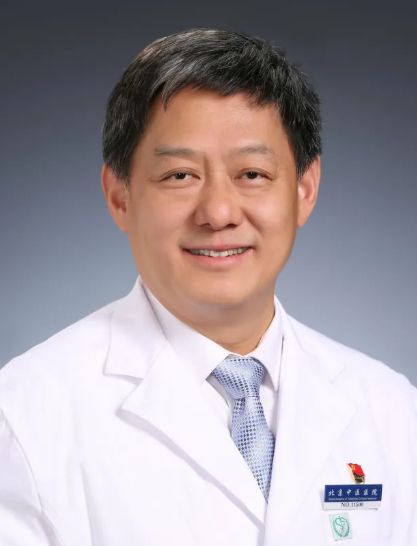 Qingquan Liu (刘清泉)合作论文数Beijing Hospital of Traditional Chinese Medicine, Capital Medical University1
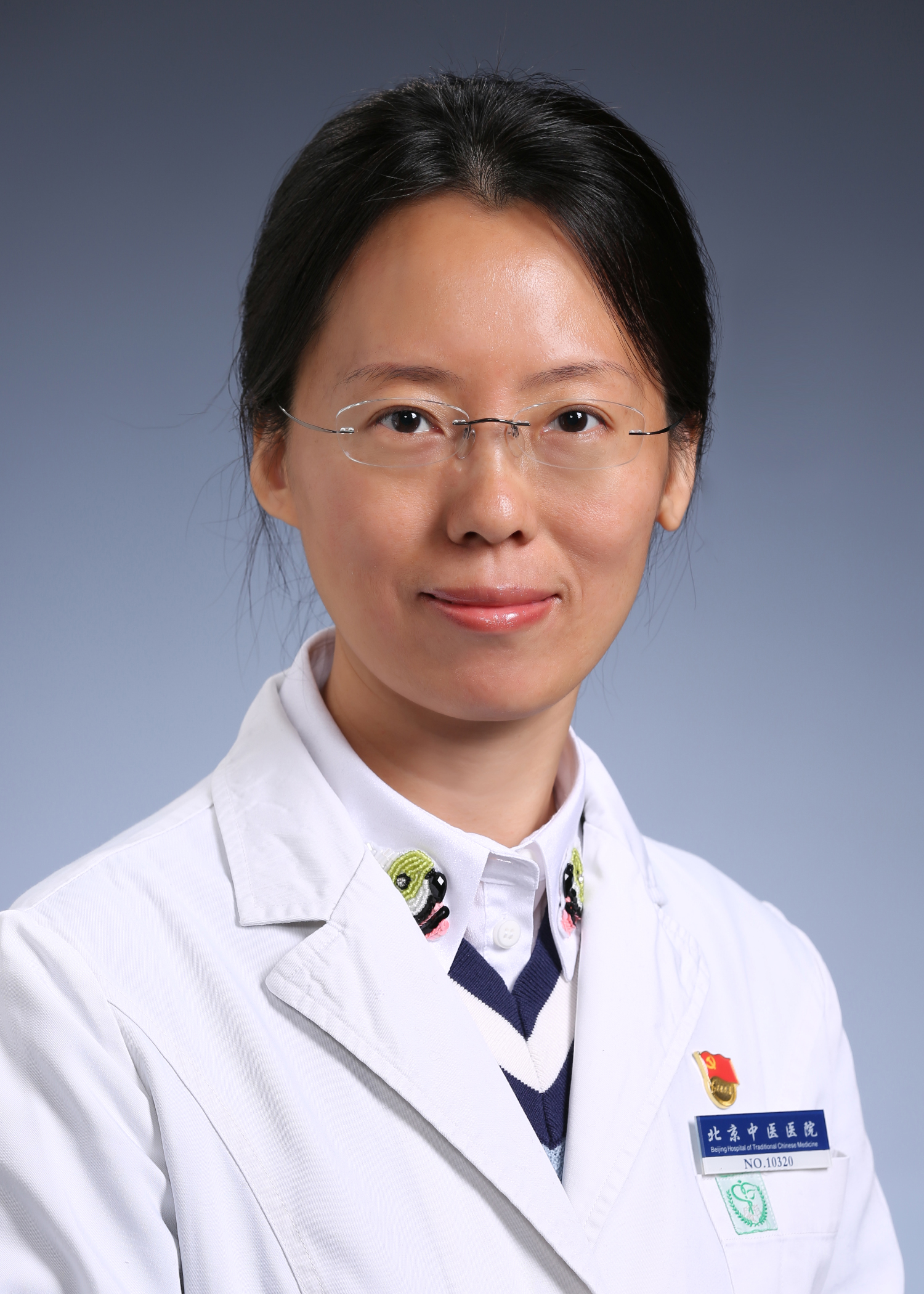 Yuhong Guo (郭玉红)合作论文数Beijing Hospital of Traditional Chinese Medicine, Capital Medical University1Liu Jin合作论文数1Yang Liu (刘洋)合作论文数Beijing Chest Hospital, Capital Medical University1
 Lan Wang (王兰)合作论文数Dongzhimen Hospital, Beijing University of Chinese Medicine1




