Precise control over the metal-support interfacial structure plays a critical role in enhancing the activity and selectivity of iron-based catalysts for syngas conversion. Using silicon nitride as the starting precursor of silicon support, a series of SiNxOy supports with different oxidation degree were constructed via controlled oxidation under air, enabling modulation of the Fe-Si interfacial environment. A systematic comparison between silicon nitride-derived supports and conventional silica support revealed significant differences in structural evolution and catalytic behavior of iron catalysts. Spectroscopic characterizations including FTIR, solid-state NMR, XPS, XRD, and Mössbauer spectroscopy demonstrated that the unique interfacial structure formed during the oxidation of Si3N4 stabilizes the active iron species (carbides) and suppresses the formation of undesired phases (Fe3O4), thereby reducing CO2 selectivity. These findings underscore the critical influence of support precursors on interfacial chemistry and reaction pathways, providing new insights and strategies for the rational design of Fe-based catalysts.
Enabling high-energy-density silicon anodes for operation in demanding cold environments remains a critical challenge due to severe interfacial degradation. Introducing a temperature-triggered ion-pairing strategy, we design an electrolyte that dynamically reconfigures solvation clusters in response to cold stress. It concurrently stabilize solution structures and solid electrolyte interphases (SEI) on Si/C anode. This electrolyte design is engineered for practical low-temperature functionality: Upon cooling, solvent clusters autonomously contract to enrich contact ion pairs over 84 %, expelling methyl trifluoroacetate (MTFA) from Li+ coordination shells, activating a selective decomposition pathway that spontaneously forms a highly stabilized, LiF-rich SEI layer. This smart ion-pairing regulation enables Si/C & Vert;NCM811 cells to deliver 119.6 mAh g(-1) at -10 degrees C with near-zero capacity decay over 300 cycles and 20.76 Omegacm(2) minimal impedance growth. Critically, the minimal increase in interfacial impedance confirms robust, stable interfaces under operational stress. Furthermore, the system achieves stable cycling exceeding 100 cycles even at the extreme temperature of -20 degrees C. This work presents a practically viable electrolyte engineering strategy that unlocks reliable, high-energy-density lithium-ion batteries capable of operating under demanding cold conditions.
In order to monitor the temperature of the highpower coupler ceramic window in real-time and accurately, and to effectively protect the high-power coupler, the paper conducts a detailed engineering design for the infrared temperature measurement system of the high-power coupler ceramic window used in the superconducting accelerator high-frequency system, covering aspects such as the overall system, main technical parameters, detection device selection, hardware circuits, and host computer software. Furthermore, the developed infrared temperature measurement system for the high-power coupler ceramic window undergoes performance testing. Experimental results show that all parameters meet the design specifications, enabling rapid and accurate real-time monitoring of the temperature of the coupler ceramic window.
For supported metal catalysts, the support either disperse the active phase or modulate the electronic properties of active metals to regulate the catalytic activity and selectivity. This work focuses on the electronic effect of supports in Fischer-Tropsch synthesis (FTS) by using Fe, Fe/MgO, Fe/MnO, Fe/Si3N4, and Fe/SiO2 catalysts. The different supports were selected according to Sanderson's electronegativity equilibrium principle. It is found that the electron density of iron and the CO adsorption strength are enhanced with the decrease of the support electronegativity. Furthermore, FTS results show that, except for the Si3N4 support, the selectivity towards heavy hydrocarbons and carbon dioxide gradually increases as the electronegativity of the supports decreases, while the selectivity towards light hydrocarbons decreases. The Fe/Si3N4 catalyst exhibits the lowest CO2 and the highest heavy hydrocarbon selectivity among all the catalysts. This work provides us with a fundamental understanding of the electron-donating or accepting effect of support materials in the FTS reaction.
The Shanghai high repetition rate XFEL and extreme light facility linear accelerator employs two 3.9 GHz third harmonic cryomodules. The 3.9 GHz fundamental power coupler is one of the key components of the cryomodule and is designed to handle 2 kW of continuous-wave rf power, meeting operational requirements with a beam current of 0.3 mA and cavity gradient of 13.1 MV/m. A key innovation of the 3.9 GHz coupler is the incorporation of an adjustable antenna insertion depth, which enables online external quality factor (Q_{ext}) tuning and eliminates the need for a three-stub tuner, reducing system complexity and cost. Two 3.9 GHz coupler prototypes were fabricated and underwent comprehensive rf testing. The couplers achieved excellent performance with an insertion loss of −0.16 dB and return loss of −43.22 dB at 3.9 GHz after structural optimization. High-power rf conditioning demonstrated stable operation at 2 kW in traveling wave mode and 1 kW in standing wave mode. Sixteen production 3.9 GHz couplers were manufactured and integrated into two third harmonic cryomodules, which achieved maximum total cavity voltages of 63.6 and 59.8 MV, respectively, with average usable accelerating gradients of 23.0 and 21.6 MV/m. The cryomodules have been installed in the tunnel and initial beam commissioning has been completed successfully.
One-step CO hydrogenation to value-added chemicals represents a prominent yet challenging research objective for conventional catalysis processes in chemical industry. Herein, we report a rationally designed Ni-doped Zn-NC catalyst embedded within an N-doped carbon matrix for one-step CO hydrogenation to dimethyl ether (DME), demonstrating superior CO conversion compared to the pristine Zn-NC catalyst (25.9% vs. 20.6%) while both maintaining high DME selectivity (>93%). Structural characterization revealed that Ni atoms existed in a bimetallic coordination environment, which is crucial for the promoting effect of Ni. In contrast, Ni nanoparticles incorporated into Zn-NC (nanoNi-Zn-NC) reduced CO conversion to less than 17% despite retaining high DME selectivity (>92%). Besides, control catalysts containing either Ni-only or Ni/Zn nanoparticles supported on carbon support exhibited limited catalytic activity and mainly produced hydrocarbons. This work provides valuable insights into the active sites of the bimetallic Ni-Zn-NC catalysts and elucidate the structural effects of bimetallic systems for CO conversion to DME. Furthermore, this study offers a feasible framework for optimizing Zn-based bimetallic catalysts.
Highly dispersed bimetallic atomic-scale catalysts have garnered significant attention in syngas conversion filed due to the synergistic effects of the precisely structured bimetallic site, which facilitate the effective activation of CO. Despite their potential, synthesizing these catalysts to meet the specific application requirements remains challenging. Herein, various bimetallic catalysts were synthesized through the pyrolysis of the bimetallic ZIF precursors which were prepared by in situ doping of different metals (Mn, Fe, Co, Ni and Cu) into the ZIF-8 structure. In the presence of a highly dispersed and highly loaded Zn, the doping content in the ultimate second metallic catalysts varied between 0.15-1.20 wt % for different metals. The catalysts were systematically characterized using XRD, BET, TEM, XPS, Raman, ICP, and H2-TPD techniques. Among them, the Zn-NC regulated with Cu or Ni exhibited superior catalytic performance. Notably, the Cu-Zn-NC catalyst showed the highest activity, achieving a CO conversion of 32.8 % and optimal DME selectivity approaching 95.2 % in CO hydrogenation reactions. These enhanced performance metrics were attributed to the synergetic effects of bimetallic components. The incorporation of Cu not only preserved the original Zn-N structure but also preserved the catalytic performance unchanged. This preparation strategy is expected to filter out new research targets to use in diverse catalytic applications.
Background The nickel carbonylation reaction is of great significance for nickel extraction and the application of nickel-based materials. Previous studies have mostly been conducted on nickel without load. However, the ores used in industrial nickel extraction contain various oxides, and the size of nickel can affect the reaction. Ni/Al2O3 catalysts are common, and it is appropriate to study the influence of various parameters on the formation kinetics of Ni(CO)4 on them.Results Temperature, pressure and particle size have different effects on the carbonylation reaction of Ni in Ni/Al2O3. Specifically, the reaction rate is the fastest when the temperature is 80 degrees C. Increasing pressure can rapidly accelerate the carbonylation reaction process. When the particle size is within 8.1-9.1 nm, the carbonylation reaction rate reaches the highest.Conclusion The study revealed that the carbonylation rate of Ni is accelerated significantly with the increase of temperature and pressure. Through the in-depth analysis of the first derivative of Ni conversion of the model sample, it is found that the reaction process of Ni with CO can be clearly divided into two stages: the first stage occurs quickly due to a large number of highly active Ni atoms contacting with CO; the second stage is accompanied by the increase of internal defects, cracks and grooves in Ni particles, and these structural changes make more Ni sites exposed. In addition, small size of Ni exhibited higher initial activity than large size of Ni, but could have a lower reaction degree after sufficient reaction time. (c) 2025 Society of Chemical Industry (SCI).
Fe基催化剂是费托合成反应的常用催化剂,然而费托过程中的高水分压容易导致催化剂活性相氧化失活,因此及时将生成的水从催化剂表面移除,是防止活性相氧化、进而延长催化剂使用寿命的关键。本工作将疏水剂多孔聚二乙烯基苯与催化剂Fe 2 N物理混合,利用多孔聚二乙烯基苯的疏水性,加速了水的迁移过程。此策略有效平衡催化剂表面水分吸附与释放,减少水分对活性位点的占据,促进合成气高效转化。未添加多孔疏水剂的Fe 2 N在费托反应中,CO转化率仅为34.8%,且反应后存在活性相被氧化的现象;而添加了多孔疏水剂的F e2 N,其CO转化率高达80.2%,同时反应后并未观测到活性相被氧化的情况。实验结果表明,疏水性聚合物在优化催化剂微环境、提升反应效率及产物选择性方面具有优异效果,为合成气转化提供了新策略。
Ni‐based catalysts are considered to be promising candidates for moderate‐low temperature (200−400 °C) reverse water‐gas shift (MLT‐RWGS) as an important CO 2 reduction pathway. However, their high activation properties for CO inevitably lead to severe methanation at high CO 2 conversion, creating an activity‐selectivity trade‐off and unsatisfactory CO yields. Here, a novel supported Ni‐based catalyst is deveolped, consisting of abundant Ni δ+ atoms anchored in situ on ultrathin Ni‐phyllosilicate nanosheet (a‐Ni δ+ −PSNS(400), 0< δ ≤1). The a‐Ni δ+ −PSNS(400) break activity‐selectivity trade‐off and achieve high CO selectivity (92%) toward at a formation rate of 21.0 mmol CO h −1 gcat −1 , outdistancing those of all prevailing Ni‐based catalysts for MLT‐RWGS. Such catalytic performance is attributed to unique geometric/electronic effects of a‐Ni δ+ −PSNS(400), i.e., exposed monodisperse Ni δ+ atoms with low electron density on ultrathin Ni‐phyllosilicate nanosheet. The ultrathin nanosheet enables anchored Ni δ+ atoms to fully expose and disperse, boosting atom‐utilization efficiency and atom‐synergistic effects, endowing them with high catalytic activity; while low electron density of Ni δ+ atoms extremely weakens their chemical adsorption of CO, preventing further CO hydrogenation into CH 4 , which ensures their high CO selectivity. This work provides new insights into the design of active microstructures of high‐performance Ni‐based catalysts for synchronous high activity‐selectivity.
Constructing thermally durable single-atom catalysts resembling mononuclear homogeneous catalysts for the hydrosilylation industry is usually challenging. Herein, a stable single-atom catalyst with Pt single atoms anchored on a nonreducible and industrially fundamental gamma-Al2O3 support (Pt1/gamma-Al2O3) was fabricated using atomic layer deposition technology. The catalyst enabled anti-Markovnikov hydrosilylation under room-temperature and solvent-free conditions and exhibited activity exceeding that of the homogeneous Karstedt's catalyst. The Pt1/gamma-Al2O3 catalyst not only afforded a broad substrate scope in high yields, encompassing various alkenes and alkynes, but also exhibited robust stability and recyclability. Extended X-ray absorption fine structure and X-ray absorption near-edge structure analyses confirmed that the Pt atoms were stabilized by bonding with oxo ligands, forming a PtO4 moiety embedded in gamma-Al2O3 lattices with coordination geometries resembling those of mononuclear homogeneous catalysts. Density functional theory calculations revealed that the unexpected catalytic performance could be attributed to the partially positively charged and atomically dispersed Pt atoms in the Pt1/gamma-Al2O3 catalyst, which arose from metal-support interaction through oxo ligands, resulting in an elevated d-orbital energy and an upshift in the d-band center away from the Fermi level. This electronic effect facilitated the easier dissociation of phenylethyl and promoted its coupling with the dimethylphenylsilyl group on the catalyst surface, ultimately leading to the desired product.
The catalytic production of hydrogen (H2) through the decomposition of ammonia (NH3) using non-noble metal catalysts with small nanoparticles and high electronegativity at elevated loadings is considered a promising approach for efficient on-site H2 production. However, excessive loading may undermine the interactions between the metal and the support, resulting in sintering and deactivation of the active components in catalysts at high temperatures. Herein, a layered nickel (Ni) phyllosilicate with varying Ni content was successfully synthesized using amorphous silicon nitride (Si3N4) as the silica source through a straightforward deposition-precipitation method. The characterization of Si3N4-derived Ni phyllosilicate indicates that it is more thermally stable than fumed SiO2-derived Ni phyllosilicate when used as a catalyst precursor. Upon 700 degrees C reduction of Si3N4-derived Ni phyllosilicate containing 20.0 wt% Ni, small-sized (4.2 nm) and highly dispersion Ni nanoparticles were formed and embedded within the unreduced Ni Phyllosilicate matrix (NiPS-Red700). More importantly, the NiPS-Red700 is presented for efficient catalytic activity and stability for NH3 decomposition at 700 degrees C with a gas hourly space velocity (GHSV) of 60,000 mL/gcat/h, being much superior to Ni/SiO2 catalysts prepared from the same synthesis method. The exceptional catalytic performance of NiPS-Red700 arises from the synergy of highly dispersed and electron-rich Ni nanoparticles, which facilitate the dissociation of the N-H bond and promote the combination of surface N* for N2 associative desorption, ultimately enhancing the decomposition of NH3.
The development of a stable and selective catalyst for CO hydrogenation is of utmost importance for the chemical industry. Single-atom materials have recently received attention owing to their distinct atomic and electronic properties compared with nanoparticle counterparts. Herein, we report a Zn-NC single-atom catalyst derived from the pyrolysis of ZIF-8, featuring a high loading of Zn in a N-doped amorphous carbon matrix, used for one-step transformation of CO to dimethyl ether (DME). The Zn-NC single-atom catalyst presents highly exposed active sites in favor of the overall activity, reaching a site time yield of 32.4 mmol(CO)/g(Zn)/h during the reaction, 2-4 times higher than the common activated carbon-supported ZnO catalyst (ZnO/AC). With the Zn-N-3 structure dominating in the catalyst demonstrated by EAXFS, the catalyst exhibits a DME selectivity of 95.6%, while the byproducts of methane/ethane are less than 5%. A comprehensive reaction mechanism has been put forward based on the active site of Zn-N-3 by using DFT calculations, and the coupling reaction of CH3O + CHO has been found as the key step in the direct formation of DME. The terminal O atom is captured by CO to form CO2. The two-step route of methanol formation followed by dehydration is not favored kinetically in this catalyst, which accounts for the considerable release of CO2 instead of H2O as the byproduct.
A catalytic strategy based on the structural evolution of cobalt species successfully reconcile catalytic efficiency and facile active metal recovery.
Fe-SiO2 interaction is a critical issue in the study of Fischer-Tropsch Fe/SiO2 catalyst. It has been advanced that the formation of Fe-O-Si bond is related to Fe-SiO2 interaction and responsible for dispersing iron particles and stabilizing active phases. This work formulates studying the relationship and interconversion between Fe-O-Si bond and Fe2SiO4 phase, and further concludes that Fe2SiO4 is another form of Fe-SiO2 interaction. A well mixing of Fe-O and Si-O domains in the catalyst precursor benefits the distribution of extensive Fe-O-Si bond, which in turn facilitates the formation of Fe2SiO4 during the catalyst reduction process. High ramp rate and diluted H-2 favor the transition of discrete Fe-O-Si to Fe2SiO4 kinetically and thermodynamically, respectively. During the transition, amorphous Fe2SiO4 initially forms before undergoing a rapid crystallization process, at ca. 560 +/- 10 degrees C, to transform to large crystals detectable by XRD. In addition, the amorphous nature of Fe2SiO4 requires the combination of characterization techniques capable of detecting short-range ordered structures, e.g., XAFS, MES, and magnetometer.
Lithium-sulfur (Li-S) batteries hold great promise for substituting current energy-storage technologies owing to their exceptional advantage in energy density. The main challenge in developing practical Li-S batteries is the lack of efficient sulfur host which can simultaneously suppress the shuttle effect and improve the redox kinetics. Polar host materials manifest chemisorptive properties for localizing the mobile polysulfide intermediates, being promising in inhibiting the shuttle effect; however, their poor intrinsic conductivity hinders their role in enhancing the redox kinetics of subsequent conversion reactions. In this regard, a conductive polar host material is highly desirable for efficient and long-life Li-S batteries. Herein, we design and develop a free-standing sulfur host consisted of carbon nanofibers decorated with titanium carbides nanoparticles (TiC/CNFs) for high performance Li-S batteries. Benefiting from the intrinsic chemical polarity and high electric conductivity of TiC, the chemisorption and conversion kinetics of lithium polysulfides are simultaneously promoted, leading to the greatly enhanced battery performance. For example, the S@TiC/CNFs composite cathode retains a high capacity of 672 mA h g � 1 after 1000 cycles and an excellent rate performance of 938 mA h g � 1 at 5 C. Impressively, even at a super high sulfur loading of 7 mg cm � 2, the TiC/CNFs can retain a capacity of 5 mA h (630 mA h g � 1) after 100 cycles, highlighting the advantages of the polar conductive sulfur host design for efficient conversion of lithium polysulfides.
简述了用于分析多胞超导射频腔场平坦度调节的微扰理论,推导了场平坦度的理论计算方法.针对超导腔微小范围内的纵向拉伸/挤压,进行理论计算分析与结构-电磁多物理场模拟计算以求得变形前后腔体场平坦度及其变化趋势,所得结果表明:理论分析结果与仿真计算结果基本一致,进一步深入验证了该微扰理论的有效性.在多胞超导射频腔的加工制造、运行过程中的关键环节,国际上广泛采用的两种方法——包括预调谐过程中的"先单胞后整腔"和运行时腔体调谐过程中"整腔拉伸/挤压"方法,基于分析结果,这两种方法正确性和合理性均在理论上得以验证.在超导射频腔腔型设计的第一阶段——单胞优化设计过程中加入结构-电磁多物理场分析,可使腔型优化设计过程更加高效,结果表明:优化后的单胞(包括端胞和中间胞)的频率敏感度应尽可能接近或相等,以保证在腔变形期间始终保持较好的场平坦度.
Promoting the interfacial Li + transport and suppressing detrimental lithium dendrites are the main challenges for developing practical solid‐state lithium metal batteries. In this respect, interface rationalizing to synergize the enhancement of ion transport and suppression of lithium dendrites is of paramount significance. Herein, a novel strategy is demonstrated to address those issues by a designed multifunctional composite interlayer. The photocrosslinkable polymer is introduced in a scalable elastic skeleton, which promotes the migration and diffusion of Li + . Moreover, adding perfluoropolyether in the interlayer benefits to regulating the formation of LiF‐rich interface, sufficiently suppress the growth of lithium dendrites. Benefitting from the elasticity, high Li + conductivity and the lithium dendrites suppression capability, the interlayer can significantly improve the interfacial performance of the solid electrolyte/lithium interface, thus leading to the greatly enhanced electrochemical performance of solid‐state lithium metal batteries. A high critical current density of 3.6 mA cm −2 and a long cycling life at 1.0 mA cm −2 for >400 h are achieved for the symmetric cells. Besides, when used in a pouch‐type full cell coupled with LiNi 0.6 Co 0.2 Mn 0.2 O 2 cathode, a high charged capacity of 3.25 mAh cm −2 can be maintained through 20 cycles, demonstrating its great potentials for practical application.
The low level radio frequency (LLRF) system for booster accelerator at Shanghai Synchrotron Radiation Facility (SSRF) was upgraded by a digital controller based on field programmable gate array (FPGA) technology. Parameters of voltage, frequency and field flatness in the two 5-cell cavities are controlled to meet the requirements of booster. In this article, the ramping curve of cavity voltage, amplitude and phase control loop with vector sum of the two 5-cell cavities, tuning loop and field flatness loop are analyzed and discussed in detail. A different method in tuning loop is adopted due to the limitations of ADC channels. The function realizes energy ramping of electron beam from 150 MeV to 3.5 GeV with a repetition rate of 2 Hz. With the new LLRF controller, the phase stability at ramping mode in 10 hours long operation is improved from +/- 1.5 degrees (RMS) with open loop to +/- 0.15 degrees (RMS) with close loop, while the detuning phase and field flatness are maintained to within +/- 2 degrees and +/- 1%, respectively.
 Xiang Zheng合作论文数14Kai XU (徐凯)合作论文数14
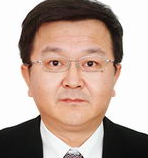 Yongwang Li (李永旺)合作论文数Institute of Coal Chemistry, Chinese Academy of Sciences14
 Chenghua Zhang合作论文数14
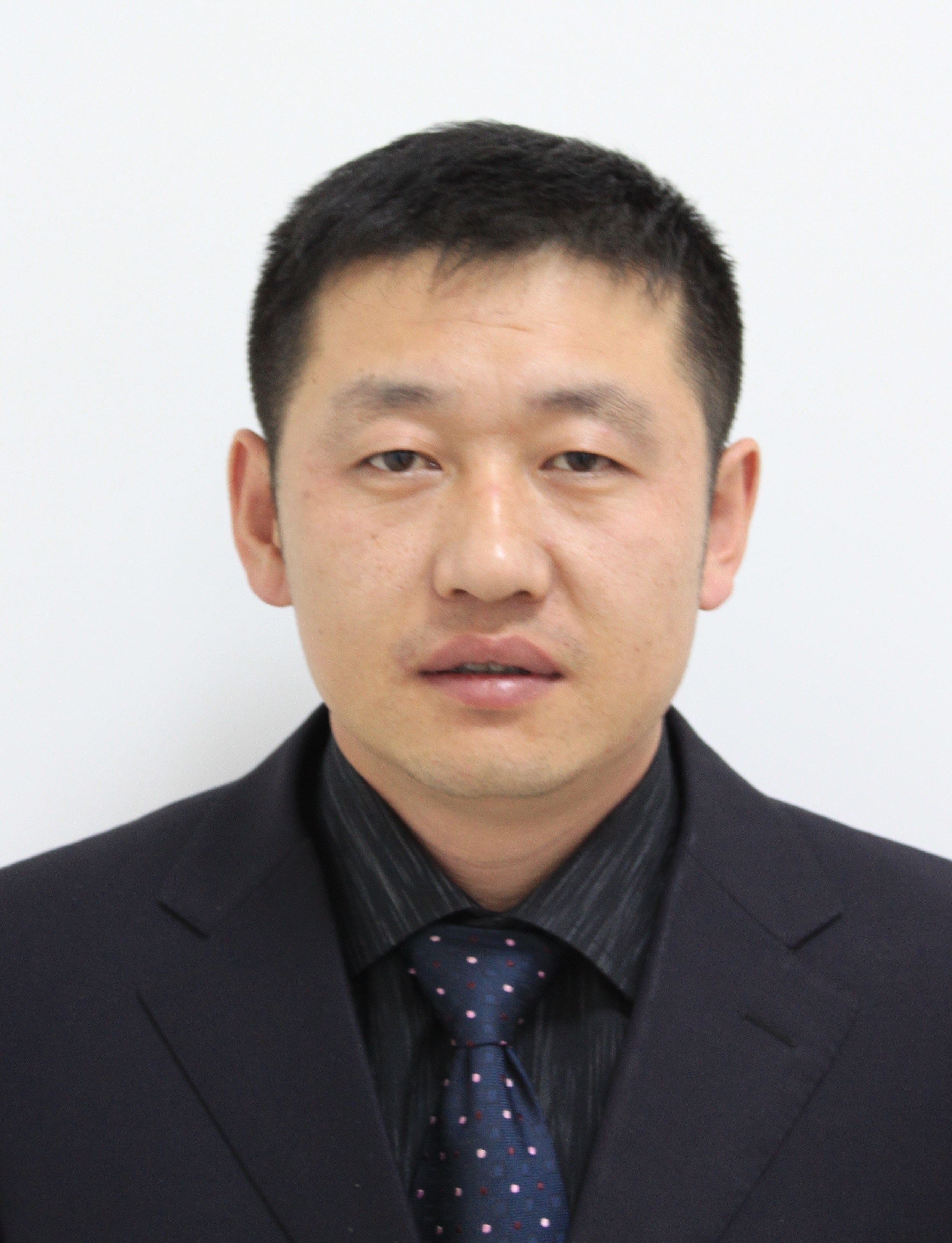 Yong Yang (杨勇)合作论文数Institute of Coal Chemistry, Chinese Academy of Sciences12Shenjie Zhao (赵申杰)合作论文数12
 Binyu Zhao (赵彬钰)合作论文数Qinghai Institute of Salt Lakes, Chinese Academy of Sciences;University of Chinese Academy of Sciences9Yuxue Wei合作论文数8Zhen-Yu Ma (马震宇)合作论文数8
 Zhigang Zhang (张志刚)合作论文数Shanghai Cancer Institute8Hongtao Hou合作论文数8
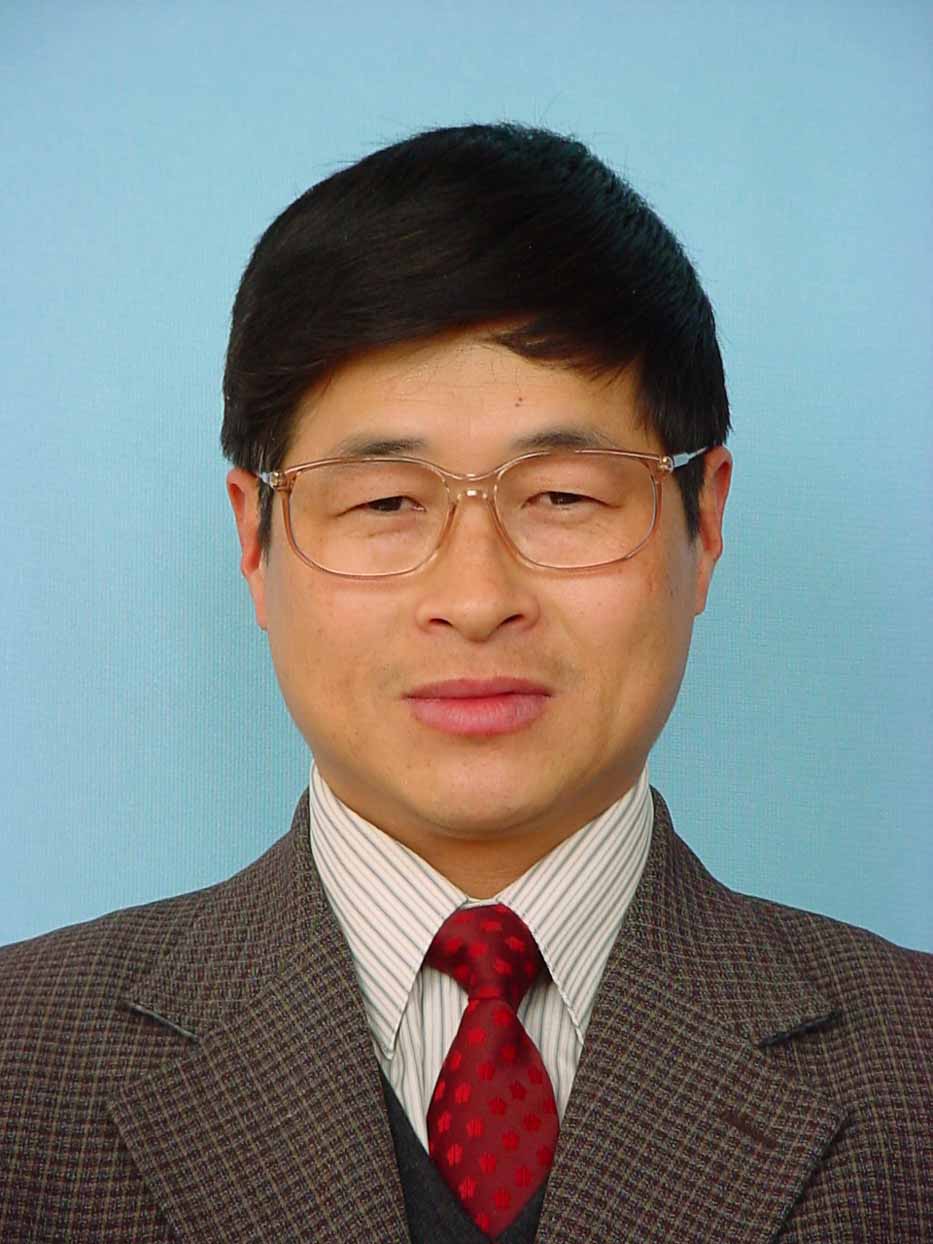 Zhaoyin Wen (温兆银)合作论文数Shanghai Institute of Ceramics, Chinese Academic of Sciences6
 Fei Wang合作论文数5
 Jianfei Liu (刘建飞)合作论文数Shanghai Institute of Applied Physics, Chinese Academy of Sciences;University of Chinese Academy of Sciences5Yan Wang合作论文数4
 Ke Li (李科)合作论文数School of Information and Artificial Intelligence, Anhui Agricultural University4
 Xiaodong Wen (温晓东)合作论文数State Key Laboratory of Coal Conversion, Institute of Coal Chemistry, Chinese Academy of Sciences4
 Dan Liu (刘丹)合作论文数School of Chemical Engineering and Technology, Tiangong University4
 Hongwei Xiang (相宏伟)合作论文数Institute of Coal Chemistry, Chinese Academy of Sciences4
 Song Sun (孙松)合作论文数College of Chemistry & Chemical Engineering, Anhui University4Hong-Ru Jiang合作论文数3Ajin Cheruvathur合作论文数Synfuels China Technol Co Ltd, SynCat Beijing3Chunqiu Zhao合作论文数3Pengpeng GONG (宫鹏鹏)合作论文数3Xianzhou Wang合作论文数3Xue-fang HUANG (黄雪芳)合作论文数3
 Chengwei Liu (刘成伟)合作论文数School of Chemistry and Chemical Engineering, Shanghai Jiao Tong University3Yifeng Yun合作论文数3
 Alex T. Kuvarega合作论文数College of Engineering, Science and Technology, University of South Africa3Ming Qing合作论文数3
 Yan Lu (鹿燕)合作论文数Shanghai Institute of Ceramics, Chinese Academy of Sciences3
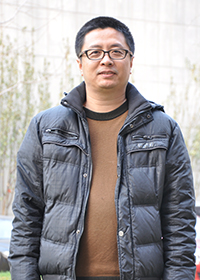 Zheng Li (李政)合作论文数Beijing National Laboratory for controlled matrix physics, Beijing Institute of physics, Chinese Academy of Sciences3
 Bhekie Mamba合作论文数College of Engineering, Science and Technology, University of South Africa3Yuechao Yu合作论文数2Xu-Ming Liu合作论文数2
 Jun Jin (靳俊)合作论文数University of Chinese Academy of Sciences;Shanghai Institute of Ceramics, Chinese Academy of Sciences2Xiao-Yun Pu合作论文数2Wang Xiaoping合作论文数2YANG Wenfeng (杨文峰)合作论文数2Caiping Ma合作论文数2Zi-Gang Zhang合作论文数2Yangyang XIA (夏洋洋)合作论文数2MeiFen Wu (吴梅芬)合作论文数2
 Jifan Li (李吉凡)合作论文数School of Chemistry & Chemical Engineering, Shaanxi Normal University2Zhentang Zhao (赵振堂)合作论文数2Sen Sun合作论文数2
 Fangfang Xu (许钫钫)合作论文数Shanghai Institute of Ceramics, Chinese Academy of Sciences;University of Chinese Academy of Sciences2
 Lirong Zheng (郑黎荣)合作论文数Institute of High Energy Physics, Chinese Academy of Sciences;University of Chinese Academy of Sciences2




