采用镁盐改性和煅烧改性的方法制备改性凹凸棒土颗粒(Mg-TAP),利用正交试验确定了最优改性条件:MgCl2质量分数为40%,煅烧温度500℃,颗粒粒径1.0~2.0 mm.通过XRF、XRD、FTIR等手段对制备的产品进行了表征,并结合等温吸附试验探讨了Mg-TAP对磷的吸附机理.结果表明,镁盐改性可以增加凹凸棒土晶体中碱金属离子含量,提高离子交换能力;高温煅烧可使凹凸棒土脱除部分结晶水,增加比表面积,并形成MgO和CaO等活性金属氧化物,其与水中磷酸根可形成MgHPO4和Ca3(PO4)2沉淀;Mg-TAP对磷的吸附为单分子层吸附,最大平衡吸附量为16.41 mg/g.
针对深隧工程运营日常管理监测、调度需求,设计了合适的智能深隧控制系统,以满足深隧运行的智能调度、精细化管理、内部结构的精准探测、深隧模型的三维仿真需求,确定深隧控制系统总体架构,对控制系统及数据传输方式进行选择,明确了开发平台、硬件需求及系统功能逻辑.通过物联网的感知技术,计算机协同工作技术(数据集成、流程集成、界面集成),实现资源共享、系统与系统之间的协同运行.通过模型技术以及计算机的数据分析、处理能力,对感知的基础数据进行了整理、加工、分析,将数据转化成有用的信息,帮助管理者作出快速而正确的决策.最终实现了物联网、计算机协同工作和智能化技术的理念在水务领域的深度结合.
Abstract At present, there are few cases about the implementation of environmental protection dredging project in China’s environmentally sensitive areas, and there is a serious lack of relevant project implementation experience. This paper combines the basic characteristics of environmental dredging in environmentally sensitive areas, and takes Xiangyang City’s moat dredging project as an example to analyze the difficulties in the implementation of the project, mainly including the control of construction impact, compliance with schedule, prevention of secondary pollution, and sludge. In order to solve these problems, the project mainly adopts targeted measures to minimize the impact of project construction; in order to realize the scheduled implementation of the sludge disposal mode using 6000m3 of daily dredging and dredging combined with the industrialization mode; The project successfully prevented potential secondary pollution risks during construction through the use of environmentally friendly cutter heads, integrated ultra-magnetic separation equipment and specialized sludge conditioning agents; finally, the combined use of soil improvement soil outside the mud cake and landfill for external transportation successfully solved the silt digestion problem of the project. At the same time, through the pilot test of sludge resource utilization, two major soils for mud cake production engineering and landscaping were developed Process products lay a solid foundation for the multi-channel comprehensive utilization of sludge.
对武汉紫阳湖的沉水植物种植工程实施后的物种多样性的变化特征进行了分析,探讨了沉水植物种植工程中物种的恢复情况.结果表明:种植工程是沉水植物生物量不断增加的过程,首先导致种植区内特有种的出现,其次为稀有种.从生活型来看,多年生沉水植物受种植工程的影响最大,而一年生沉水植物可存活种植于工程区的内部与外部,在种植工程区内沉水植物物种的绝灭速率小于定居速率.这表明在湖泊种植沉水植物,首先,必须要有一定的保护区域;其次,种植沉水植物群落是需要经历一定时间与空间的重组过程.
经过多次实地调研考察并采样检测,得到武汉经济开发区北太子湖水质现状及实际入湖污染量,并以此估算了湖泊降解系数,参照吉奈尔-狄龙(Kirchner-Dillon)模型计算得到了湖泊的水环境容量,化学需氧量(COD)水环境容量为322.19 t/a,总氮水环境容量为38.29 t/a,总磷水环境容量为1.09 t/a.水环境容量表示水体可容纳污染量的上限,也可作为其净化及稀释能力的度量.北太子湖的污染物需削减量如下:化学需氧量为0t/a,未超出水体自净能力;总磷为2.16t/a,超出水体自净能力198%;总氮为0.26 t/a,超出水体自净能力6.7%.北太子湖水体总磷排放量严重超标,需放在污染治理的首位.
 Shaoming Mei (梅劭明)合作论文数2ShengHua Hu (胡胜华)合作论文数2Shanyuan Tong (童山原)合作论文数1Shenghua Hu (胡胜华)合作论文数1XIA Yunfeng (夏云峰)合作论文数1lu feng (冯璐)合作论文数1Dingding Tang合作论文数1ZHAO Huang (赵皇)合作论文数1HaiJun Zhu (朱海军)合作论文数1Xiong Qin (秦雄)合作论文数1
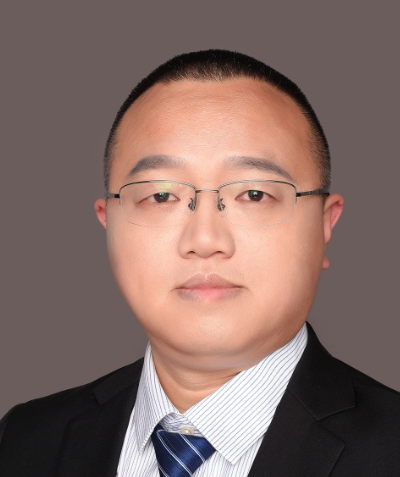 Xiaohui Wu (吴晓晖)合作论文数School of Environmental Science & Engineering, Huazhong University of Science and Technology1
 Juan Mao (毛娟)合作论文数School of Environmental Science and Engineering, Huazhong University of Science and Technology1
 Xiejuan Lu (陆谢娟)合作论文数School of Environmental Science and Engineering, Huazhong University of Science and Technology1




