ABSTRACTObjectiveThe study evaluated the effectiveness and safety of single‐stage versus multistage endovascular treatment in subarachnoid hemorrhage patients with Mirror Aneurysms.Materials and MethodsOur research team performed a prospective study, focusing on the radiographic and clinical data of patients diagnosed with subarachnoid hemorrhage, specifically those who presented with Mirror Aneurysms upon admission to our institutions. According to the different endovascular treatment stages, these patients were grouped into the multistage cohort and the single‐stage cohort.ResultA total of 216 aneurysms were identified among the 108 patients, with every patient having one ruptured aneurysm. The duration of follow‐up was 2 years in both groups. In the single‐stage cohort, all 114 aneurysms in 57 patients were managed during a single session. During the 2‐year follow‐up, it was observed that 49 patients achieved a modified Rankin Scale score ≤2. Five complications were encountered, including cerebral vasospasm in three patients, cerebral hemorrhage in one patient, and thromboembolism in one patient. In the multistage cohort, only the ruptured aneurysm (amounting to 51 in total) received treatment at the initial occurrence, while the remaining 51 aneurysms were addressed subsequently. Throughout the 2‐year follow‐up period, 46 subjects exhibited a modified Rankin scale score ≤2. Overall, four complications were documented, including cerebral vasospasm in two patients, a subarachnoid hemorrhage in one patient, and thromboembolism in one patient.ConclusionThe safety and effectiveness of both endovascular treatment groups have been verified for patients with Mirror Aneurysms suffering from subarachnoid hemorrhage. If feasible, single‐stage embolization should be considered a viable treatment option for these patients.
Choroid plexus papilloma (CPP) is a rare benign intracranial tumor origin that predominantly manifests in the lateral ventricle in children, accounting for 0.3%–0.6% of all primary intracranial tumors. It is extremely rare to have the CPP in the trigone of the lateral ventricle through the contralateral posterior interhemispheric transfalcine transprecuneus approach (PITTA). Herein, we report this rare case. A 7-year-old girl presented with headache. Magnetic resonance imaging of the brain showed periatrial lesions, and histopathological examination confirmed CPP (WHO grade I). The contralateral PITTA is a safe, effective, reasonable, and appropriate for some lesions in the trigone of the lateral ventricle. It provides a wider surgical angle (especially for the lateral extension) and reduces the risk of disturbance of the optic radiation compared with the conventional approaches. The use of multiple modern neurosurgical techniques, including interventional embolization, intraoperative navigation, microscope, and electrophysiological monitoring, make the procedure much easier and more accurate, and the neuroendoscope adds to the visualization of the microscope and can reduce surgical complications.
Abstract Background and Purpose: The Anterior Communicating Artery (ACom) is one of the common sites of intracranial aneurysms (IA), and its rupture can severely affect the patient’s life and health. This study pays extensive attention to the morphological and hemodynamic characteristics of the anterior communicating artery aneurysm (ACoA) and further evaluates the causes of ACoA rupture by analyzing these factors. Methods: This study included patient data from January 2017 to October 2023 from the Chinese Multi-central Cerebral Aneurysm Database (CMAD), which contained imaging data for 119 cases. The relationship between clinical characteristics, morphological features, hemodynamic features, and the rupture of the ACoA was explored through traditional logistic regression models, personalized analysis of restrictive cubic spline regression (RCS) models for different factors, and correlation analysis. Results: In multivariable logistics regression (MLR), a history of ischemic stroke, smoking history, aneurysm neck width, and the angle between the anterior cerebral artery A1 segment and the anterior communicating artery (A1-ACom angle) are protective factors. In contrast, the diameter of the anterior communicating artery (ACom) and blood flow velocity are independent risk factors. Correlation analysis shows that there is a significant positive correlation between WFNs score and Hunt-Hess grading, and there is also a significant positive correlation between aneurysm height and aneurysm neck width, and aneurysm height and minimum wall shear stress (WSSmin). In the single-variable restricted cubic regression, the nonlinear model of aneurysm neck width shows some significance in the total threshold. There is significance between aneurysm neck width and a single covariate and all covariates. Conclusions: Factors such as aneurysm neck width, A1-ACom angle, the diameter of the ACom, and blood flow velocity affect the risk of rupture of the ACoA. The aneurysm neck width shows specific nonlinear characteristics in ACoA rupture.
BackgroundStatistically, Anterior communicating aneurysm (ACoA) accounts for 30 to 35% of intracranial aneurysms. ACoA, once ruptured, will have an acute onset and cause severe neurological dysfunction and even death. Therefore, clinical analysis of risk factors related to ACoA and the establishment of prediction model are the benefits to the primary prevention of ACoA.MethodsAmong 1,436 cases of single ACoA patients, we screened 1,325 valid cases, classified risk factors of 1,124 cases in the ruptured group and 201 cases in the unruptured group, and assessed the risk factors, respectively, and predicted the risk of single ACoA rupture by using the logistic regression and the machine learning.ResultsIn the ruptured group (84.8%) of 1,124 cases and the unruptured group (15.2%) of 201 cases, the multivariable logistic regression (MLR) model shows hemorrhagic stroke history (OR 95%CI, p:0.233 (0.120–0.454),<0.001) and the age stratification of 60–69 years (OR 95%CI, p:0.425 (0.271–0.668),<0.001) has a significant statistic difference. In the RandomForest (RF) model, hemorrhagic stroke history and age are the best predictive factors.ConclusionWe combined the analysis of MLR, RF, and PCA models to conclude that hemorrhagic stroke history and gender affect single ACoA rupture. The RF model with web dynamic nomogram, allows for real-time personalized analysis based on different patients’ conditions, which is a tremendous advantage for the primary prevention of single ACoA rupture.Clinical trial registrationhttps://www.chictr.org.cn/showproj.html?proj=178501.
Abstract Objective The aim of the present study was to retrospectively analyze and investigate the clinical and morphological data of 204 cases of ruptured intracranial aneurysms (RIAs) and unruptured intracranial aneurysms (UIAs). The risk factors predicting aneurysm rupture were explored from the perspective of the clinical and geometric morphology of small and medium-sized(< 15mm) intracranial aneurysm (IA) .Methods The geometric morphological parameters, including the condition of the aneurysm-carrying vessels, the shape of the daughter aneurysm, the distribution and size of the aneurysm location, the height of the aneurysm, the wide diameter of the aneurysm, the width of the aneurysm neck, AR, SR, BN, and HWR. A comprehensive and detailed analysis, ROC curve analysis and multifactor logistic regression analysis, were performed to explore the risk factors for small and medium-sized aneurysm rupture, including the incidence angle, aneurysm angle.Results Multifactor logistic regression analysis suggested that there were significant differences between Groups RIA and UIA regarding age(OR 2.458), atherosclerosis, bifurcation-type IA(OR 5.523), and SR(OR 4.695) (P < 0.05).The threshold values of Age and SR were 59.5 and 0.86.Conclusions Age(< 59.5), SR(> 0.86) and aneurysm at the bifurcation could be used as risk factors for small and medium-sized(< 15mm) IA rupture.In addition, the present findings indicated that atherosclerosis have a protective effect on aneurysm rupture.
Background and Purpose: The management of older aneurysmal subarachnoid haemorrhage (aSAH) cases is a clinical challenge. This study aimed to analyse the survival and functional outcomes in older aSAH patients (age >= 70 years) to provide evidence for making treatment decisions for such patients. Methods: We performed a 2-year follow-up analysis of the Chinese Multi-Centre Cerebral Aneurysm Database for older patients suffering from aSAH from 2017 to 2020. A survival analysis was used to investigate the mean survival and hazard ratios for death. Binary logarithmic regression was performed to investigate the odds ratio for independent survival and dependent survival. Results: A total of 1,136 consecutive older patients with aSAH were assessed in this study, and 944 patients (83.1%) were followed up. The overall mean survival was 37.79 +/- 1.04 months. A total of 380 (40.25%) patients died within 2 years after aSAH. In survival analysis, the predictors of mortality were older age, intracerebral haemorrhage (ICH) history, Hunt- Hess (H-H) grade, World Federation of Neurosurgical Societies (WFNS) grade and operative treatment decreased the risk of mortality compared to conservative treatment. In binary logarithmic regression, the predictors of dependent survival were hypertension, diabetes, WFNS grade. Conclusions: The risk for 2-year mortality after aSAH increases markedly with older age, ICH history, H-H grade and WFNS grade. Risk factors for 2-year dependent survival were associated with hypertension, diabetes and WFNS grade in older patients with aSAH. Operative treatment markedly decreased mortality but did not significantly decrease the morbidity of dependent survival compared to conservative treatment.
颈动脉狭窄是缺血性卒中的重要病因,颈动脉内膜切除术(CEA)是神经外科治疗重度颈动脉狭窄的经典术式,然而国内CEA 一般在全身麻醉下进行.本研究回顾性报道2018年4月至2021年7月天津医科大学总医院神经外科在局部麻醉下行CEA治疗的6例重度颈动脉狭窄患者的临床资料.6例患者术后随访时间的中位数为24个月(3~48个月);至末次随访,患者均未发生卒中事件,颈动脉彩色多普勒超声或CT血管成像显示术侧颈动脉血流通畅,未发生再狭窄.
Objective:To alleviate the early brain injury in mice after subarachnoid hemorrhage (SAH) by regulating the function of dural lymphatics (DL), and to explore the possibility of DL as a therapeutic target after SAH.Methods:SAH model of C57BL/6J mice was induced by puncture of internal carotid artery. The sham operation group, SAH model group (SAH group) and vascular endothelial growth factor (VEGF) C intervention group (recombinant VEGF-C colloid intervention was followed by SAH model induction) were established. The morphological changes of DL after 10 days of recombinant VEGF-C colloid intervention were observed by immunofluorescence staining and compared with the colloid group (without recombinant VEGF-C). We evaluated the functional changes of DL by Evans blue drainage assay, and then cerebral blood perfusion, brain water content and neurological function injury (based on the Garcia score) of the three groups of mice after SAH were compared. Finally the expression of apoptotic protein caspase-3 in each group was determined by using Western blot method.Results:Compared with the colloid group, the DL in the VEGF-C intervention group generated more lymphatic branches and the mean lumen diameter of lymphatic vessels was significantly increased (24.8±4.8 μm vs. 31.2±3.9 μm, P<0.01). The Evans blue color in the deep cervical lymph nodes in the VEGF-C group was significantly darker than that in the colloid group. Compared with the SAH group, the recovery of cortical blood perfusion in the VEGF-C intervention group was more significant, the brain water content was lower [(76.7±1.6)% vs. (81.2±1.1)%, P<0.01], and the neurological function was less impaired [Garcia score: 10.7±1.3 points vs. 14.0±0.9 points, P<0.01). Meanwhile, the expression level of apoptosis protein caspase-3 in brain tissue was lower (0.559±0.034 vs. 0.712±0.036, P<0.01). Conclusion:Regulating the DL function can effectively reduce the early brain injury after SAH in mice.
放疗导致颅内动脉瘤形成较为罕见,但可危及生命,此类动脉瘤的破裂风险和病死率均较高。天津医科大学总医院神经外科收治2例颅内肿瘤切除术后放疗导致颅内动脉瘤形成的患者。其中1例患者曾因颅咽管瘤切除术后复发行立体定向放疗;另1例患者曾行经鼻蝶入路垂体腺瘤切除术,后期行伽玛刀治疗。2例患者分别于放疗后21、18年发现颅内动脉瘤,分别予以颈外动脉-大脑中动脉搭桥术+动脉瘤孤立术和开颅动脉瘤夹闭术,术后均好转出院。
淋巴系统在物质代谢与免疫方面起重要作用.传统观念认为,中枢神经系统(central nervous system,CNS)不含淋巴系统--脑组织产生的代谢产物进入脑脊液(cerebrospinal fluid,CSF),通过CSF循环将代谢产物排入静脉系统,实现代谢更新.然而,有研究发现CSF与脑间质液(interstitial fluid,ISF)存在交换的机制,还发现硬脑膜淋巴管(dural lymphatic vasculars,DLVs)[1].这使人们对脑淋巴系统获得重新认识.本文就脑淋巴系统的研究进展进行综述.
Objective To evaluate the improvement of superficial temporal artery⁃middle cerebral artery (STA⁃MCA) bypass combined with encephalo⁃myo⁃synangiosis (EMS) on cognitive function in patients with moyamoya disease (MMD). Methods Total 37 patients with MMD treated with STA⁃MCA+EMS in Tianjin Medical University General Hospital from July 2017 to June 2020 were reviewed. Mini⁃Mental State Examination (MMSE), Auditory Verbal Learning Test (AVLT), Trail Making Test⁃A (TMT⁃A), Trail Making Test⁃B (TMT⁃B), Verbal Fluency Test (VFT) and Rey⁃Osterrieth Complex Figure Test (ROCFT) were used to evaluate overall cognitive function, memory, attention, executive function, language function and visuospatial function in all patients one week before surgery and 6 months after surgery. Results Compared with one week before surgery, the MMSE score [24 (23, 26) score vs. 25.00 (23.50, 27.00) score; Z=⁃4.201, P=0.000] and ROCFT score [28 (23, 30) score vs. 31.00 (28.50, 32.00) score; Z=⁃3.968, P=0.004] increased, while the TMT⁃A test [69.00 (56.00, 87.50) s vs. 42 (37, 48) s; Z=⁃5.144, P=0.002] and TMT⁃B test [177 (168, 190) s vs. 138 (133, 144) s; Z=⁃5.309, P=0.001] decreased at 6 months after surgery. There was no statistic difference of AVLT⁃1R (Z=⁃1.595, P=0.113), AVLT⁃5R (Z=⁃1.573, P=0.121) and VFT (Z=⁃1.616, P=0.124) before and after surgery. Conclusions STA⁃MCA+EMS can improve the overall cognitive function, attention, executive function and visuospatial ability of patients with MMD, but has no significant effect on short⁃term memory, long⁃term memory and language function, and can improve cognitive function and the quality of life.
Cerebral ischemic reperfusion (I/R) infarction is mostly associated with serious brain injury, cognitive damage, and neurological deficits. The oxidative stress mechanisms in the neurological region lead to higher reactive oxygen species production followed by oxidative stress, inflammation of neurons, and death of brain cells. The current work aims to evaluate the effect of troxerutin (TXN) on cerebral injury stimulated by I/R-induced ischemic stroke and examines the mechanistic effect of TXN on neuroinflammation in the Sprague Dawley model. The experimental rats were randomized in to four groups: (i) sham control, (ii) I/R + vehicle, (iii) I/R + 10 mg/kg bw TXN, and (iv) I/R + 20 mg/kg bw TXN. In the TXN administration and control, groups were injected intraperitoneally 15 min before reperfusion and every day for 7 days, except the sham group. Orally administered TXN (10 and 20 mg/kg/bw) modulated the water content, lowered the infarct volume, and abrogated score defects of neuron and changes in the brain tissue sample. In our study, the TXN-stimulated cerebral injury exhibited leakage of thiobarbituric acid reactive substances (TBARS), lipid hydroperoxides (LOOH) of the neuronal sample of tissues and showed higher antioxidant enzymes superoxide dismutase, catalase, the oxidized form of glutathione peroxidase, and the reduced form of glutathione levels. This biochemical result was additionally proved by histopathological assessment. Changes were made in antioxidant and inflammatory markers expressions interleukin-6 (IL-6), IL-4, IL-10, vascular endothelial growth factor, and cerebral induced rats. The overall findings showed that TXN protected the brain tissues from neuroinflammatory oxidative stress by reducing cerebral injury in Sprague Dawley rats. Further, the messenger RNA expression of cerebral I/R-induced animal tissues down-regulated NLRP3, caspase-1, tumor necrosis factor-α, ASC, IL-1β, and Toll-like receptor 3 (TLR3). Therefore, the TXN action on TLR3 induced brain stroke is an excellent therapeutic approach for brain damage.
 Xinyu Yang合作论文数9
 Y Zhao合作论文数5Bangyue Wang合作论文数5Zhuolin Wu合作论文数3Chao Peng合作论文数3Yan Zhao (赵岩)合作论文数3Hengrui Zhang合作论文数2Quanlei Liu合作论文数2yuzhang wu (吴玉璋)合作论文数2Zhen Wang合作论文数2Li Yang (李洋)合作论文数2chao peng (彭超)合作论文数2Xiaopeng Cui合作论文数2FuGuang Hu (胡福广)合作论文数2
 Wen Li (李文)合作论文数Department of Health Statistics,School of Public Health,Tianjin Medical University2Zilin Zhao合作论文数1Changkai Hou合作论文数1Wenpeng Lu合作论文数1Shi-fei Cai合作论文数1Jiyue Wang合作论文数1Taotao Dou合作论文数1Xinbo Ge合作论文数1
 Yifan Yang合作论文数1JIA Xiao-dan (贾晓丹)合作论文数1Nai Zhang合作论文数1Liang Wang合作论文数1
 Vishnu Priya V合作论文数Department of Pharmaceutical Engineering and Technology, IIT (BHU),1Linchun Huan合作论文数1zhangkai hou (候长凯)合作论文数1Yan Chen合作论文数1Lei Chen合作论文数1Haoze Wu合作论文数1Shuai Jiang合作论文数1Chao Gao合作论文数1Zhen-bo LIU (刘振波)合作论文数1Vidya Devanathadesikan Seshadri合作论文数1Hongsheng Jiang合作论文数1JiHeng Hao (郝继恒)合作论文数1GangFeng Yin (尹港峰)合作论文数1JianZhong Cui (崔建忠)合作论文数1Chao Sun (孙超)合作论文数1Hou Peng-Fei合作论文数1
 Shuyuan Yue (岳树源)合作论文数The First Clinical School of Tianjin Medical University1
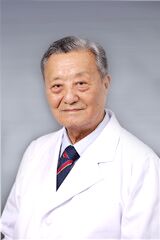 Shuyuan Yang (杨树源)合作论文数The First Clinical School of Tianjin Medical University1Jian Li合作论文数1




