Surfactants have shown broad application prospects in enhancing the hydrothermal carbonization (HTC) of biomass. Current research in this field mainly focuses on the screening and optimization of petroleum-based surfactants, and the potential application of sustainable bio-based surfactants in this field remains unexplored. Hence, this research explored the application of common bio-based surfactants in the HTC of pig manure. Two bio-based surfactants, that is, phosphatidylethanolamine (a biosurfactant, PE) and sodium cholate (a green surfactant, SC), showed superior performance in promoting the HTC of pig manure, which raised the yield of hydrochar from 54.48 wt% (no surfactant) to 66.86 wt% (PE) and 66.27 wt% (SC), respectively. The introduction of PE and SC surfactants promoted the carbonization degree and organic matter content of hydrochar, resulting in a higher calorific value (20.20-20.25 MJ/kg versus 16.85 MJ/kg). While SC improved the pyrolysis performance of hydrochar, PE enhanced its combustion performance. The application of PE enhanced the formation of acids and the migration of esters to hydrochar. In the case of SC, enhancing the formation of esters and ketones was the main pathway for promoting the formation of hydrochar. The introduction of PE/SC surfactants also mitigated the enrichment of heavy metals in hydrochar. Furthermore, the adsorption/fixation of PAHs in hydrochar was enhanced. The application of advantageous bio-based surfactants can effectively enhance the HTC of pig manure, and it is worth further optimizing the corresponding processes.
The hydro-thermal carbonization (HTC) process has been widely applied as a low-temperature treatment for biomass to produce multifunctional hydrochar. In recent years (2019-2026), surfactants have been introduced into biomass HTC systems to enhance hydrochar yield and improve its physicochemical properties. However, there remains a lack of systematic summaries and critical analyses of the common findings and existing challenges in studies on surfactant-assisted HTC of biomass. This review first elucidates the theoretical basis for the use of surfactants in biomass HTC. It then summarizes the effects of surfactants on the distribution and characteristics of HTC products, discusses the fate of potential pollutants (including heavy metals and polycyclic aromatic hydrocarbons, PAHs), and examines how process parameters influence surfactant performance. Finally, it synthesizes theoretical insights into the action mechanisms of surfactant. The interplay between gas-liquid-solid three-phase competitive reactions inherent in HTC and the amphiphilic nature of surfactants forms the primary theoretical foundation for surfactant-enhanced biomass HTC. The efficiency of surfactants depends on the physicochemical properties of the biomass, the hydrophilic-lipophilic balance of the surfactants, and process parameters such as reaction temperature and surfactant dosage. Reported effective surfactants for biomass HTC include Span 80, Tween 80, sodium dodecylbenzenesulfonate, phosphatidylethanolamine and sodium cholate, with Span 80 also demonstrating beneficial effects in mitigating pollution from heavy metals and PAHs. Overall, this review provides valuable theoretical insights and guidance for current and future research on surfactant-enhanced HTC of biomass.
In lignocellulosic biomass, monosaccharides (MSs) and aromatic alcohol monomers (AAs) constitute the basic building blocks of cellulose fibre and lignin, respectively. However, experimental analysis of monomers typically involves substantial time and financial investment. An efficient and novel machine learning (ML) approach was proposed here for predicting building block profiles, trained on datasets generated from model biomass assemblies. The ML models demonstrated excellent predictive performance for biological composition (fibre and lignin), MSs (2 blocks), and AAs (3 blocks), with average test R2 values of 0.968-0.991, RMSE of 1.35-2.74 %, and MAE of 0.64-1.80 %. Moreover, a test R2 value of 0.996 was achieved for predicting the C, H, and O contents in both fibre and lignin, due to their significant structural differences. The fibre and lignin prediction model were validated using real-world biomass data, achieving an average R2 of 0.75. The sensitivity analysis validated the effectiveness and robustness of this innovative machine learning approach. The above models hold significant potential for enhancing our understanding of lignocellulosic biomass, and the framework can be further extended to develop similar models for broader characterization.
The direct photodegradation quantum yields (Phi) of five representative aromatic carbamate pesticides - carbaryl, carbofuran, propoxur, isoprocarb, and metolcarb - were examined in both aqueous and non-aqueous solutions, the latter mimicking hydrophobic environments such as leaf surfaces. For carbaryl, carbofuran, isoprocarb, and metolcarb, the Phi values generally followed the order Phi(water) < Phi(MeOH) < Phi(n-hexane), while propoxur showed a different trend, Phi(MeOH) < Phi(n-hexane) < Phi(water). Scavenging and laser flash photolysis experiments, combined with quantum chemical calculations, were used to clarify the photodegradation mechanisms. Photodegradation is primarily initiated by the singlet excited state (S*), with the triplet state (T * ) also contributing in compounds with conjugated structures, such as carbaryl. Upon excitation, methylcarbamate aromatic esters (MCAEs) generated both radical cations (S center dot+) and phenoxyl radicals (S-O-center dot), and S center dot+ would convert to S-O-center dot subsequently. S-O-center dot is predominantly generated through the cleavage of C-O bonds in ester groups, subsequently abstracting hydrogen from solvent molecules. The reactivity of hydrogen donors in these solvents follows the order: -CH2- > -CH3 > -OH. For propoxur, the ether group also contributes to the formation of S-O-center dot, which further reacts with H2O and enhances degradation in aqueous environments. Solvent polarity had a minimal effect on photodegradation. This comparative study of degradation in aqueous and nonaqueous phases provides insights for designing and selecting pesticides that are effective during use in nonaqueous environments, such as on leaf surfaces, yet degrade rapidly in aqueous environments in the post-application phase.
Hydrothermal carbonization (HTC) is a promising technology for the coversion of swine manure (SM) for hydrochars (HCs). Currently, information on the humification of organic matter is limited during the HTC of SM, and its potential correlation with the passivation of heavy metals (HMs) remains unclear, which is crucial referece for the land application of SM-derived HCs. This study systematically investigated the humification of organic matter and the passivation of HMs during the HTC of SM and then explored their intrinsic connection. The HTC treatment can enhance the humification of organic matter, and the HCs obtained at 240 degrees C had the best humification effect, with the highest content of humus (83.84 mgg(-1) versus 41.97 mgg(-1) in SM) and humification rate (28.89% versus 15.73% in SM). Dissolved organic carbons (DOC) and readily oxidized organic carbons (ROC) were more easily degraded in the HTC of SM, and part was further converted into inactive organic carbon. HMs (Cu, Zn, Pb, and Cr) were enriched in HCs, but all HMs were largely passivated. The ecological risk of multi-HMs was reduced from moderate risk in SM to low risk in HCs. The percentages of HMs in exchangeable/acid-soluble forms were positively correlated with the contents of DOC and negatively correlated with the ratio of humic acids to fulvic acids (P < 0.05). It was inferred that the humification of organic matter promoted the passivation of HMs in the HTC of SM. This study provided deeper insights into the humification of organic matter and it's intrinsic correlation with HMs-passivation during the HTC of SM. (c) 2025 The Chemical Industry and Engineering Society of China, and Chemical Industry Press Co., Ltd. All rights are reserved, including those for text and data mining, AI training, and similar technologies.
The migration/transformation characteristics of heavy metals and polycyclic aromatic hydrocarbons(PAHs) during the co-liquefaction of pig manure and rice straw/wood sawdust were explored in this study.More than 87% of the heavy metals in feedstocks were enriched in hydrochars.The decreased proportion of active heavy metals in the hydrochars suggested partial passivation of the heavy metals.The pollution degree and risk of heavy metals were significantly mitigated from high and considerable levels in pig manure to moderate and low levels in hydrochar,respectively.Compared with commercial diesel,bio-oil products still contained an undesirable amount of heavy metals.PAHs were re-synthesized during liquefaction,with a net synthesis amount of 29.65-73.98 mg·kg -1 .Moreover,the PAHs mainly existed in bio-oils,with a content of 57.32-132.33 mg·kg -1 and a toxicity equivalent of3.25-8.19 mg·kg -1 .Compared to pig manure,the hydrochars presented a lower content of PAHs(1.76-3.53 mg·kg -1 versus 3.73 mg·kg -1 ) and a smaller toxicity equivalent(0.14-0.22 mg·kg -1 versus0.26 mg·kg -1 ).Interestingly,introducing lignocellulose(especially for rice straw) during the liquefaction of pig manure further mitigated the pollution degree/risk of heavy metals and PAHs.Overall,hydrochar reached a safe utilization level,while bio-oil products needed further clarification.
Hydrothermal liquefaction (HTL) effectively convert hyperaccumulators into valuable hydrochars and bio-oils. However, the treatment of high concentrations of heavy metals in the aqueous phase products of HTL is crucial for ensuring the sustainability of the phytoremediation industry. This study demonstrated the effects of steel slag (SS) on the immobilization, distribution, and environmental risk of heavy metals during the HTL of Pteris vittata L. (PVL). The introduction of SS in HTL resulted in maximum bio-oil yield and HHV of 25.35% and 30.27 MJ/kg, respectively, while promoting the deoxygenation of bio-oil. The steel slag-assisted HTL effectively immobilized arsenic from aqueous phase to solid phase in PVL, and the arsenic removal content reached 1584.62 mg/kg, with a maximum arsenic stabilization rate of 93.29%. Model compound experiments suggest that the mechanism of arsenic stabilization in SS involves the formation of co-precipitates by the reaction of metal oxides with arsenate and arsenite. Furthermore, the SS-assisted HTL effectively reduced the risk assessment value and bioavailability of heavy metals in PVL. Overall, this study presents a promising approach for immobilizing arsenic, increasing bio-oil production, and promoting environmentally safe treatment of As-enriched biomass and steel slag.
Treatment of swine manure by hydrothermal carbonization (HTC) with the aid of different surfactants was first explored in this study. PEG 400 (polyethylene glycol 400) and Tween 80 facilitated the formation of bio-oil. SLS (sodium lignosulfonate) and SDS (sodium dodecyl sulfate) promoted the formation of water-soluble matters/ gases. Span 80 enhanced the formation of hydrochar, which resulted in a 50.19 % mass yield, 92.39 % energy yield, and a caloric value of 28.68 MJ/kg. The hydrochar obtained with Span 80 presented a similar combustion performance to raw swine manure and the best pyrolysis performance. The use of Span 80 promoted the transfer of degradation products to hydrochar, especially hydrophobic ester and ketone compounds. Notedly, Span 80 suppressed the synthesis of PAHs during the HTC process, which was reduced to 0.92 mg/kg. Furthermore, the hydrochar produced with Span 80 contained lower contents of heavy metals. On the whole, Span 80 has shown great potential in enhancing the HTC of swine manure. The acting mechanisms of surfactants in the HTC of swine manure included adsorption, dispersion, and electrostatics repulsion.
In this study, co-treatment of swine manure (SM) and rice stalk (RS) or camphor tree woodchip (CTW) by liquefaction was explored for the synthesis of bio-oil and biochar products. Isochoric ethanol-water mixed solvent showed the best synergistic effect during the co-treatment of SM-RS/CTW. The effects of temperature, time, and feedstock/solvent mass ratio on the co-treatment of SM-RS/CTW obeyed a vulcano-type behavior, with recommended values of 230 degrees C, 30 min, and 0.1 g/mL, respectively. The use of NaOH/Na2CO3 (5 wt% of feedstock) as the catalyst improved the production of bio-oil and the devolatilization performance of biochar. Compared with that of pure SM liquefaction, co-treatment of SM-RS/CTW enhanced the production of bio-oil and the energy recovery rate. Further, co-liquefaction bio-oil contained more ketone and phenolic compounds, while co-liquefaction biochar possessed a higher content of organic matter and more macropores. Overall, the co treatment of SM-RS/CTW by liquefaction has considerable application prospects.
The focus of pKa calculations has primarily been on stable molecules, with limited studies comparing radical cations and stable cations. In this study, we comprehensively investigate models with implicit solvent and explicit water molecules, direct and indirect calculation approaches, as well as methods for calculating free energy, solvation energy, and quasi-harmonic oscillator approximation for para-substituted aniline radical cations (R-PhNH2•+) and anilinium cations (R-PhNH3+) in the aqueous phase. Properly including and positioning explicit H2O molecules in the models is important for reliable pKa predictions. For R-PhNH2•+, precise pKa values were obtained using models with one or two explicit H2O molecules, resulting in a root mean square error (RMSE) of 0.563 and 0.384, respectively, for both the CBS-QB3 and M062X(D3)/ma-def2QZVP methods. Further improvement was achieved by adding H2O near oxygen-containing substituents, leading to the lowest RMSE of 0.310. Predicting pKa values for R-PhNH3+ was more challenging. CBS-QB3 provided an RMSE of 0.349 and the M062X(D3)/ma-def2QZVP method failed to calculate pKa accurately (RMSE > 1). However, by adopting the double-hybrid functional method and adding H2O near the R substituent group, the calculations were significantly improved with an average absolute difference (ΔpKa) of 0.357 between the calculated and experimental pKa values. Our study offers efficient and reliable methods for pKa calculations of R-PhNH2•+ (especially) and R-PhNH3+ based on currently mature quantum chemistry software.
课程思政建设是践行立德树人、创新人才培养、高质量课程教学改革的关键环节.目前,高校环境专业类课程与课程思政教育未能较好融合,阻碍了高校环境专业教学的发展与专业人才的培养.针对"环境毒理学"课程的特征,以"工程教育专业认证"+课程思政需求为基础,优化该课程的教学目标,完善教学内容,创新教学方法,改进课程评价制度,为提升课程教学质量,培养具有高素质、强社会责任感的环境专业人才打下坚实基础.
Sewage sludge is generated in the treatment process of sewage (waste) water, which has great resource recovery potential, but at the same time, it also contains a certain amount of pollution components. Thus, the research, development, and practice of efficient and safe utilization technology of sewage sludge have always been the focus of attention. In recent years, the feasibility of the pyrolysis process for sewage sludge treatment has been widely studied. This chapter firstly introduces the pyrolysis mechanism of sewage sludge; secondly, the key influencing factors of the sewage sludge pyrolysis process are described; then, the co-treatment of sewage sludge with other biomass/waste by pyrolysis is discussed; next, the control effects of pyrolysis process on the heavy metal pollution in sewage sludge are introduced; finally, the formation and transformation of polycyclic aromatic hydrocarbons (PAHs) during the disposal of sewage sludge through pyrolysis are discussed. This chapter can provide a basic understanding for people to understand and carry out sewage sludge pyrolysis.
Inoculating microbial inoculants to speed up the decomposition of returning straw is currently a hot topic. Meanwhile, the soil moisture content (SMC) could change the diversity, abundance, and metabolism of the soil microbial community structure, which affects the straw degradation rate under the straw returning condition. In this research, rumen microorganisms with strong decomposing abilities in natural systems were used as inoculants to promote straw decomposing and returning to the field. The effects of the SMC on straw decomposition under rumen fluid (RF)-induced returning were investigated. Experiments were conducted for 30 days with typical paddy soil in the south of China under conditions of 30%, 70%, and 100% SMC. With an increase in the SMC within a certain range (30~100%), the decomposition rate of straw showed a trend of first rising and then falling. Treatments of 70% SMC with RF addition generally achieved the maximum rate of straw degradation. The peak value was 49.96%, which was 2.67-fold higher than the treatments of 30% SMC with RF addition (18.74%) and 24.1% higher than those of the control with 70% SMC (40.3%) (p < 0.05). Moreover, a straw structural analysis proved that at 70% SMC, microorganisms from RF favored the destruction of functional groups on the straw surface and the degradation of cellulose. Meanwhile, it was shown that RF could promote the decay of straw, leading to increments in enzyme activities and soil nutrients. The higher the soil moisture content, the higher the key soil enzyme activities. This indicates that the diversity and abundance of cellulose-degrading bacteria and fungi in soil microorganisms and rumen microorganisms were changed with different soil moisture contents. The experimental findings suggest an innovative way to further utilize rumen microorganisms.
Microplastics (MPs) in sewage pose significant threats to aquatic system. Surface flow wetland (SFW) is a common natural wetland type, and is also used as a cheap and easy-to-build sewage treatment system for small and scattered settlements. However, seasonal variation patterns of MPs in sewage removed by SFW are still limited. Therefore, a field investigation was conducted in an SFW that has been operated for 17 years. The concentration of microplastics in the influent of the SFW (CMPs, in) ranged from 56 & PLUSMN; 6 to 250 & PLUSMN; 14 items L-1. The dominant plastic types were fibers and polyethylene terephthalate (PET). CMPs, in were high in summer and winter, significantly related to the seasonal dressing habits. The removal efficiencies of MPs in SFW were 48.03-92.32 % in different seasons, and the mechanisms of MP removal were different with traditional pollutants. Before flowing out occasionally or by heavy precipitation, MPs were primarily trapped in the SFW and underwent certain oxidation. Simulation experiments demonstrated that 47.5-92.9 % of MPs would be trapped in the SFW, and plants would significantly enhance the trapping capacities. This study sheds light on the seasonal variation characteristics and patterns of MPs in actual sewage, and clarifies the fate of MPs in a long-term operation SFW.
•Distribution and formation mechanisms of N-heterocycles during HTL was reviewed.•Amino acids/monosaccharide compositions and temperature determine NH formation.•Extraction solvent and procedure have an important influence on NH distribution.•Formation mechanisms include Maillard reaction, chain scission, dimerization, etc.•Machine learning may be a promising strategy to control NH effectively.
Objectives: ApxIA and ApxIVA are the main virulence factors of Actinobacillus pleuropneumoniae (A. pleuropneumoniae). The preparation of their antibodies is of great significance for diagnosing and treating porcine pleuropneumonia. Methods: This study used chemically synthesized ApxIA and ApxIVA peptides as immunogens to prepare polyclonal antibodies against ApxIA and ApxIVA. Their titers were determined by ELISA and Dot blotting. Histopathology of apparently infected organs was carried out. Finally, the immunofluorescence method detected the distribution of antigens in the visceral tissues of mice infected with ApxIA and ApxIVA toxins. Results: The results showed that ApxIA and ApxIVA polyclonal antibodies with titer as high as 1: 200000 and 1: 50000, respectively, were successfully obtained. The immunofluorescence results showed that these polyclonal antibodies could accurately detect ApxIA and ApxIVA antigens in mouse lungs with strong specificity. Histopathologically, there were perialveolar hemorrhages, pulmonary emphysema, and sloughing of bronchiolar epithelium. There was vacuolation and infiltration of chronic inflammatory cells in the liver parenchymal tissue. Atrophy of intestinal villi and glands and sloughing of villus epithelium, and congestion. There was increased urinary space and congestion in the proximal convoluted tubules. Lymphoid follicles increased in size in the spleen, the germinal center enlarged, and congestion in surrounding lymphoid tissue were observed. Conclusion: This study laid a foundation for the research and development of a rapid detection kit for A. pleuropneumoniae and provided conditions for diagnosing and treating porcine contagious pleuropneumonia.(c) 2022 The Author(s). Published by Elsevier B.V. on behalf of King Saud University. This is an open access article under the CC BY-NC-ND license (http://creativecommons.org/licenses/by-nc-nd/4.0/).
由食品接触材料中高关注物质迁移而导致的食品安全问题已成为当今社会的重点关注领域.这些有意添加物和非有意添加物具有种类复杂、无标准谱图和标准品等特点,使其识别鉴定、定量检测与安全评估面临着众多技术挑战.发展快速、准确、灵敏的食品接触材料检测技术,实现高关注迁移物的准确定量检测是食品接触材料安全研究和管理的关键.该文简要介绍了近年来食品接触材料检测技术的新进展,包括高关注物质与非有意添加物的分析方法,以及绿色环保型食品接触材料的研究进展,并对食品接触材料检测技术未来的发展趋势进行了分析和展望,以期为食品接触材料检测技术领域的进一步发展提供参考.
 Xingzhong Yuan (袁兴中)合作论文数College of Environmental Science and Engineering, Hunan University59
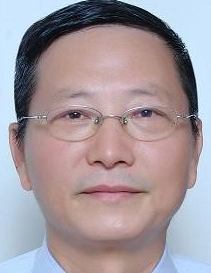 Guangming Zeng (曾光明)合作论文数College of Environmental Science & Engineering, Hunan University59
 Lijian Leng (冷立健)合作论文数School of Enery Science and Engineering, Central South University;University of British Columbia36
 Hui Li (李辉)合作论文数Hunan Academy of Forestry24
 Wang Hou合作论文数College of Environmental Science and Engineering, Hunan University20
 ChunHuo Zhou (周春火)合作论文数18Fang Hansun合作论文数17
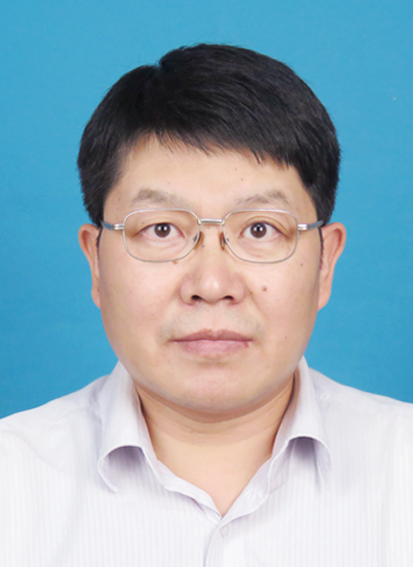 Jianping Deng (邓建平)合作论文数College of Materials Science and Engineering, Beijing University of Chemical Technology17Chun-Fei Zhou合作论文数17
 Chenglong Yu (喻成龙)合作论文数15FaYing Lai (赖发英)合作论文数14XingLin Xi (奚星林)合作论文数13Yin Xin合作论文数12Huina Zhu合作论文数12Zi-qian Pan合作论文数10Xiao-feng Xiao合作论文数10Jiangbo Xiong (熊江波)合作论文数10Kailong Cui合作论文数9Jia-xin Wang合作论文数8Xueli Wang合作论文数8HongWei Jiang (江洪炜)合作论文数8YuJuan Yu (余裕娟)合作论文数7
 Hailong Li (李海龙)合作论文数School of Energy Science and Engineering, Central South University7Danping Li合作论文数6XianHua Li (李宪华)合作论文数6
 Wenguang Zhou (周文广)合作论文数School of Resources & Environment, Nanchang University6
 Xin Peng合作论文数6Jingyu Wang合作论文数6Yanchao Chang合作论文数6Xiaokai Pei合作论文数6
 Longbo Jiang (蒋龙波)合作论文数College of Environmental Science & Engineering, Hunan University5Songqi Leng合作论文数5Jinbao He合作论文数5Xi-mei LIANG (梁惜梅)合作论文数5Jie Chen合作论文数5Wenwen Zhou合作论文数5
 Zhihua Xiao (肖智华)合作论文数5GuoRong Ni (倪国荣)合作论文数5BaoTong Li (李保同)合作论文数5Ningbo Lin合作论文数5
 Jun Li (李军)合作论文数Faculty of Architecture Civil and Transportation Engineering, Beijing University of Technology5
 Xiaohong Chen (陈晓红)合作论文数Hunan University of Technology and Business5
 Haoyi Peng (彭好义)合作论文数School of Enery Science and Engineering, Central South University5
 Jianguang Shao (邵建广)合作论文数5Qiao You合作论文数4yuandong xiao合作论文数4Lin Li合作论文数4




