The anaerobic digestion (AD) of organic waste for medium-chain carboxylic acid (MCCA) production represents a promising route for waste valorization and bio-based chemical supply. However, its industrial implementation is hindered by key process engineering challenges, including inefficient electron transfer, unstable microbial consortia, and difficulty in directing carbon flux toward target products. This review systematically examines how the synergistic integration of density functional theory (DFT) and machine learning (ML) can address these bottlenecks from a process engineering perspective. We first critically analyze the process parameters and competitive pathways limiting MCCA yields and stability. Subsequently, we evaluate the role of conductive materials (e.g., biochar, zero-valent iron) as process enhancers, not merely as additives, focusing on their impact on direct interspecies electron transfer (DIET), microbial community dynamics, and long-term reactor performance. We then demonstrate how DFT transcends traditional trial-and-error by enabling the rational design of high-performance conductive materials through electronic structure prediction. Complementarily, we highlight ML's capacity for real-time process monitoring, predictive control, and optimization of operational parameters by deciphering complex, nonlinear relationships within AD systems. The core contribution of this work is the proposal of a closed-loop, DFT-ML co-design framework tailored for AD process intensification. This framework aims to accelerate the discovery of robust conductive materials and dynamically optimize operating conditions, thereby enhancing MCCA volumetric productivity, process resilience, and economic feasibility. We conclude by critically discussing the scalability, techno-economic implications, and future research priorities for translating this computational-experimental synergy into practical water and waste treatment applications.
This study investigated the anaerobic digestion of cow manure for medium-chain carboxylic acids production, emphasizing the role of high-curvature nanobubbles in enhancing fermentation. Cow manure naturally generated lactic acid through lactic acid bacteria fermentation, while its anaerobic bacteria produced volatile fatty acids as electron acceptors. These were subsequently converted into medium-chain carboxylic acids via chain elongation. Results demonstrated that high-curvature nanobubbles increased caproic acid production by 35.01 %, achieving a peak concentration of 27.57 g chemical oxygen demand/L compared to the control. Metagenomic analysis revealed that nanobubbles enhanced electron transfer efficiency and facilitated electron dispersion within anaerobic systems, accelerating substrate degradation-particularly for recalcitrant compounds like lignin. By expanding the microenvironment surface area, nanobubbles improved interactions between electron donors and acceptor, promoting the enrichment of Caproiciproducens bacteria during chain elongation. Metagenomic data confirmed enhanced activation of fatty acid biosynthesis pathways under nanobubble conditions, particularly through the upregulated expression of FAB pathway genes (e.g., cdhD and acsD), which drove medium-chain carboxylic acids synthesis. The research highlights nanobubbles' multifunctional benefits in optimizing electron transfer, substrate utilization, and microbial metabolism for medium-chain carboxylic acids production. These findings offer a cost-effective strategy for valorizing cow manure into biochemicals while advancing sustainable Waste Manag practices. The improved process efficiency and mechanistic insights provide a foundation for scaling up bioresource recovery from agricultural waste.
Nitrogen-doped biochar materials can improve electron transfer efficiency through defects between carbon atoms. In this study, H2O2 was used to treat nitrogen-rich shrimp shell biochar to enhance its oxygen-containing functional group structure and improve the electron transfer efficiency of the anaerobic system by investigating the impact of H2O2 on caproic acid production. The results indicated that the concentration of caproic acid reached 29.7 g COD/L following the addition of 15 g/L of H2O2-modified shrimp shell biochar. These concentrations were 58.8 % and 31.4 % higher than those of the control group and the original biochar group, respectively. Mechanistic analysis revealed that H2O2-modified shrimp shell biochar (HBC) facilitated the enrichment of microorganisms linked to caproic acid production, enhanced interspecific electron transfer, and increased the abundance of enzymes related to reverse β-oxidation and fatty acid biosynthesis pathways. Ultimately, these findings pave the way for the development of more efficient processes to produce caproic acid.
This study assesses the effectiveness of two hydrochar variants-humic acid-anchored hydrochar and sodium hydroxide-modified hydrochar-in enhancing biogas production from high-solids anaerobic digestion of cow manure. The purpose of humic acid modification is that its abundant oxygen-containing functional groups promote direct interspecies electron transfer and improve microbial efficiency in anaerobic digestion. Humic acid-anchored hydrochar was prepared by anchoring humic acid to hydrochar. To further optimize the electron transfer capacity and structural properties of the hydrochar, the humic acid-anchored hydrochar was subsequently treated with sodium hydroxide to produce sodium hydroxide-modified hydrochar. The alkali modification effectively removes pore impurities and enhances the redox properties of the material, thereby improving the electron exchange between microorganisms. Experiments were conducted in 500 mL anaerobic serum bottles at a total solids content of 10 %. In the control group, high ammonia nitrogen concentrations inhibited methane production, yielding only 49.54 mL/g volatile solids. In contrast, the addition of sodium hydroxide-modified hydrochar increased cumulative methane production by 80.13 %, reaching 112.38 mL/g VS. Additionally, electron transfer system activity and coenzyme F420 levels increased 94.13 % and 96.58 %, respectively. Microbial analysis revealed an enrichment of bacteria involved in direct interspecies electron transfer and an optimized community structure. Correlation analysis demonstrated a significant positive relationship between enhanced interspecies electron transfer capacity and methane production. The incorporation of modified hydrochar enabled the anaerobic digestion system to maintain high methane yields despite elevated ammonia nitrogen levels. These findings offer valuable insights for improving livestock and poultry manure management and advancing environmental protection efforts.
In response to the escalating issue of antibiotic-microplastic co-contamination in aquatic environments, this study first investigated the performance and underlying mechanisms of microbial fuel cells (MFCs) in treating such pollutants in wastewater. The degradation of chloramphenicol (CAP), polyvinyl chloride (PVC), their combined contamination, and the combined system supplemented with the quorum sensing signal molecule 3OC8-HSL were evaluated. The results demonstrated that PVC co-occurrence enhanced the degradation of both pollutants (CAP degradation rate constant increased by 31.65% and PVC weight loss increased by 93.27%). The addition of 3OC8-HSL further facilitated CAP degradation (degradation rate constant increased by 78.14%) and electricity generation of the MFC (maximum power density enhanced by 81.05%). PVC primarily promoted pollutant removal by adsorbing CAP, thereby alleviating its acute toxicity, while increasing the abundance of the dual-functional degradation gene adhP in the anode biofilm to enhance the CAP and PVC degradation efficiencies. The addition of 3OC8-HSL increased the biomass and activity of the anode biofilm, selectively enriched the electroactive bacteria for both CAP and PVC degradation, with Achromobacter sp. M3 and Klebsiella sp. X11 identified as the key bacteria which harbor complete sets of CAP and PVC degradation genes and secret riboflavin. Furthermore, 3OC8-HSL reinforced multi-pathway CAP degradation and bioelectricity generation by enriching key genes involved in acetylation (ACAT, atoB), dechlorination (E3.8.1.2, dehH), deamidation (E3.5.1.4, amiE), ring cleavage (pcaC), β-oxidation (Paaf, echA, paaH, hbd, fadB, mmgB), and riboflavin synthesis (rutF, ushA, ribE). This study offers a novel strategy for the bioremediation of antibiotic-microplastic co-contamination in aquatic environments.
Microbial electrolytic cell combined with anaerobic digestion faces challenges such as unstable clean energy supply and inefficient cathode performance. The integration of low-cost, durable electrodes with renewable energy can enhance the microbial electrolytic cell sustainability. In this study, a metal-organic framework- modified electrode and intermittent renewable energy sources were used in the microbial electrolytic cell to treat swine wastewater. Additionally, hydrothermal carbon composite metal-organic framework were tested to reduce cathode costs and improve biocompatibility. Results showed that with 18 h of daily power from a hybrid wind- solar system, the metal-organic framework-modified cathode achieved the highest cumulative methane production of 305.11 mL/g-chemical oxygen demand and the highest net energy recovery. Increased microbial activity during the power-on period enhanced methane output and energy efficiency, making this energy supply method ideal for microbial electrolytic cells. This approach ensures efficient use of renewable energy, improving the economic feasibility of microbial electrolytic cells for wastewater treatment. The metal-organic framework- modified cathode also promoted biofilm growth, with an average thickness of 37.6 mu m and enhanced microbial activity, likely due to its lower resistance and rapid current response.
This study explored the synergistic effects of exogenous acyl homoserine lactones (AHLs) and microbial electrolysis (ME) on enhancing anaerobic digestion (AD) of low-quality biomass. The combined AHLs + ME strategy achieved a 79.50 % increase in cumulative methane production compared to the control, outperforming individual treatments. This enhancement was attributed to accelerated substrate degradation, selective enrichment of hydrogenotrophic methanogens (Methanobrevibacter, Methanobacterium, Methanofollis), and strengthened quorum sensing, electron transfer, and methane synthesis pathways. Metagenomic analysis revealed abundance upregulation of key genes involved in AHL synthesis (bjaI, rpaI, braI, rhiI) and sensing (solR, cepR, tofR), direct interspecies electron transfer (pilA, mtrC), and hydrogenotrophic methanogenesis (ftr, mvhD, vhuD, vhcD). This study offers a novel and sustainable strategy to optimize methane production from recalcitrant biomass, advancing AD-based waste-to-energy systems.
Microorganisms are a "double-edged sword" for humus (HS) formation in compost. Their degradation activity provides precursors for HS formation, but also leads to HS degradation in nutrient-limited environments. This study aimed to investigate the protective effect of chitosan (CTS) on HS stabilization in compost by inhibiting microbial degradation, taking advantage of CTS's high adsorption efficiency and antibacterial properties. Compared to the control group (CK), the HS contents in the CTSQ group (0 d) and CTSH group (8 d) increased by 9.26 mg/g and 12.91 mg/g, respectively, with the CTSH group showing a significantly better effect on HS content (P < 0.05). Furthermore, CTS significantly reduced the abundance of 18 microbial species capable of degrading aromatic compounds, including Ulvibacter and Brevibacterium, suggesting a possible mechanism by which CTS protects HS from microbial decomposition. These findings provide valuable insights for the practical application of HS stabilization technologies in composting, highlighting the potential of CTS as an effective agent for improving HS preservation.
Tremendous amounts of organic waste are produced annually worldwide, and how to utilize this organic waste with low energy consumption and high efficiency without generating secondary pollution is a valuable research direction. Black soldier fly (BSF) has saprophytic characteristics in its larvae, and can effectively convert organic waste such as crop straw, feces and kitchen waste into insect nutrition (e.g., fat and protein). Therefore, the use of BSF as an alternative animal feed source is gaining attention. The ingestion of various organic wastes by black soldier fly larvae (BSFL) reduces the discharge and accumulation of organic waste and provides various usable substances for human life. For instance, fatty acids, chitin, melanin and antimicrobial peptides in BSF are important resources in biology, medicine and the chemical industry. Hence, BSF represents a promising candidate for future biotechnological applications, with far‐reaching implications for sustainable development and future human life. Currently, much progress has been made in the application of BSF in animal feed and health products. However, literature reviews summarizing the applications of BSF in the breeding and biomedicine industries are still lacking. This review not only highlights the role of BSF in organic waste valorization but also emphasizes its significant potential in enhancing animal growth performance, as well as its promising applications in biomedicine and cosmetic industries. Moreover, this review analyzes the current problems encountered in the application of BSF and future research directions to provide reference and potential targets for the development and utilization of BSF.
The traditional hydrochar shows limited ability to promote methane production during anaerobic digestion of organic solid waste. This study explored the effect of hydrochar modified using nitrogen and iron on methane production and microbial communities during the co-anaerobic digestion (co-AD) of cow manure and corn straw. Compared with unmodified hydrochar prepared from biogas residue (BHC), iron and nitrogen-iron modified hydrochar (BHC-Fe and BHC-N) improved the specific surface area (SSA) and proportion of oxygen-containing functional groups (OCFGs) related to direct interspecies electron transfer. The results showed that, compared to the control group (without hydrochar addition), the total methane production increased by 30%, 36%, and 46% in the BHC, BHC-Fe, and BHC-N groups, respectively. The addition of modified hydrochar improved the microbial diversity and enrichment of Methanobacterium, Methanobrevibacter, and Methanosarcina spp., with BHC-N being the most effective. COD and Methanobrevibacter showed the highest explanation for methane production in AD performance indexes and archaeal genera (66.4% and 29.3%). Surface OCFGs of hydrochar had a more significant and direct effect on methane production than the SSA and archaeal genera. Therefore, the addition of BHC-N contributes more to promote methane production during the co-AD of cow manure and corn straw. This study could provide the new strategies for improving the co-AD of cow manure and corn straw performance, further promoting the resourcing and disposal of cow manure and corn straw.
Initiating aerobic fermentation under low temperature is the main challenge for winter livestock manure composting. This study aims to address this issue by applying black soldier fly larvae (BSFL) frass as a co-composting additive to enhance the low-temperature composting process. Specifically, this work explored the effects of chicken manure and BSFL frass co-composting on the temperature, humus content, and microorganisms with fresh weight ratio of 2:1, 1:1, 1:2 (w/w) at 6 degrees C. The result showed frass could rapidly rise the temperature to 50 degrees C and significantly increased the humus content by 15.6 % similar to 26.3 %. Moreover, microbial analysis revealed that Sphingobacteriaceae accelerated temperature rise via low-temperature reproduction, creating proper temperature for thermophilic bacteria (Truepera and Georgia). Additionally, Cellulomonas and other bacteria promoted organic matter degradation and participated in humus formation. This study presents a novel solution for low-temperature composting, providing practical insights for improving manure management in winter.
The acyl homoserine lactone (AHL)-based regulation strategy presents a considerable potential in improving anaerobic digestion (AD) efficiency of complex substrates. However, the reinforcement mechanisms are still unclear. In this study, the effects of different AHL types (C4-HSL, C7-HSL, C12-HSL) and different adding times (0 d, 5 d, 15 d) on AD performance of agricultural wastes (corn straw and cattle manure) were investigated. The results indicated that all types of AHLs exerted positive effects on AD, and the adding time rather than the AHL type was the key factor affecting AD processes. The C12-5d group obtained the highest accumulated methane production (310.7 +/- 2.56 mL/g VS), which increased by 47.71% than that of the Control group. The exogenous AHLs facilitated the hydrolysis and acidification of complex substrates and the utilization of released lowmolecular-weight organic acids in AD systems. Furthermore, the role of methanogenic archaea was upregulated and the dominance of bacteria was relatively weakened in AD systems, which favored the estab- lishment of their balanced and symbiotic metabolic relationship. The enriched Methanobacterium strengthened the hydrogenotrophic methanogenesis pathway. This study provides new insights into the regulation strategy of AD for agricultural waste treatment based on AHL addition.
Nanobubble water promotes the degradation of difficult-to-degrade organic matter, improves the activity of electron transfer systems during anaerobic digestion, and optimizes the composition of anaerobic microbial communities. Therefore, this study proposes the use of nanobubble water to improve the yield of medium chain carboxylic acids produced from cow manure by chain elongation. The experiment was divided into two stages: the first stage involved the acidification of cow manure to produce volatile acidic fatty acids as electron acceptors, and the second phase involved the addition of lactic acid as an electron donor for the chain elongation. Three experimental groups were established, and air, H2, and N2 nanobubble water were added in the second stage. Equal amounts of deionized water were added in the control group. The results showed that nanobubble water supplemented with air significantly increased the caproic acid concentration to 15.10 g/L, which was 55.03 % greater than that of the control group. The relative abundances of Bacillus and Caproiciproducens, which are involved in chain elongation, and Syntrophomonas, which is involved in electron transfer, increased. The unique ability of air nanobubble water supplemented to break down the cellulose matrix resulted in further decomposition of the recalcitrant material in cow manure. This effect subsequently increased the number of microorganisms associated with lignocellulose degradation, increasing carbohydrate metabolism and ATPbinding cassette transporter protein activity and enhancing fatty acid cycling pathways during chain elongation. Ultimately, this approach enabled the efficient production of medium chain carboxylic acids.
This study investigated the effect of using nanofiber membrane composites containing Prussian blue-like compound nanoparticles (PNPs) with a stainless steel mesh as the carrier (NMCs) to relieve ammonia nitrogen inhibition of rural organic household waste during high-solid (total solid content of 15 %) anaerobic digestion (AD) and increase methane production. NMCs with different PNP contents were added to high-solid AD. When NMC with 15 % PNPs was added, the concentrations of volatile fatty acids and ammonia nitrogen were lower than those of the blank control group, and the methane yield was the highest (301.31 mL/g volatile solids [VS]), at 2.8 times higher than that of the blank control group. The R2 value of the modified Gompertz equation was 0.997. During digestion, the activities of extracellular protease and coenzyme F420 were higher than those of the control group. NMCs were successfully recovered at the end of the experiment, and confocal scanning three-dimensional electron micrographs indicated that NMC with 15 % PNPs of NMCs had stronger biological activity; microbial community structure analysis indicated increased abundance of hydrogenotrophic methanogens in this group. The study provides a new solution for improving the efficiency of biogas production and the recycling of exogenously added materials.
Two novel biogas upgrading strategies that recover high-value chemicals or CO2 liquid fertilizer from biogas besides biomethane were evaluated from the view of global warming potential (GWP) through life cycle assessment in comparison with conventional approaches. Results show that the scenarios producing biomethane with nano calcium carbonate or CO2 liquid fertilizer from biogas present significantly lower GWP (-3.4 kgCO2-eq/Nm3-biogas and -4.4 kgCO2-eq/Nm3-biogas, respectively), compared to combined heat and power scenario (-2.4 kgCO2-eq/Nm3-biogas) and biogas upgrading by high pressure water scrubbing scenario (-1.3 kgCO2-eq/Nm3-biogas). The carbon sequestration and utilization from CO2-rich water significantly enhanced carbon reduction in overall biogas management. Furthermore, considering cleaner electricity in the future, strategies focusing on managing biogas for materials will align more with climate change goals than energy-focused strategies. This study provides insight for decision-makers in developing roadmaps for carbon reduction pathways in biogas-relating sectors.
The application of anaerobic digestion (AD) technology could convert rural organic waste (ROW) into renewable energy such as methane, which can help to mitigate the scarcity of fossil fuels and positively impact the global environment. However, the inhibition of ammonia nitrogen remains a significant obstacle to the methane production process with high concentrations of AD. Hence, in this study, three adsorption materials for ammonia nitrogen, namely FeMn-MOF, FeMn/MOF-CFs, and FeMn/MOF-CFC, were synthesized through distinct protocols. Their ability to mitigate the effect of ammonia nitrogen inhibition was investigated in a Continuous Stirred-Tank Reactor (CSTR) with total solid (TS) concentration of 10% under a semi-continuous operation of ROW digestion system. The results show that the addition of Metal-Organic Frameworks (MOFs) material substantially mitigated the inhibition of ammonia nitrogen and enhanced methane production. Compared with the control group, FeMn/MOF-CFC exhibited the best performance, with a 40.21% decrease in ammonia nitrogen concentration and 66.96 L/L-reactor cumulative methane production. Furthermore, the potential mechanisms underlying microbial community characteristics were explored, indicating that the addition of FeMn/MOF-CFC to AD provides the optimal enhancement of methane production. The addition of FeMn/MOF-CFC can enrich Methanosarcina, enhance the acetoclastic pathway for methane production, and increase the relative activity of coenzyme F420, achieving a 193.68% increase.
The main purpose of this article is to explore the mechanism of action of carbon-based materials in the anaerobic digestion (AD) production of medium-chain carboxylic acids (MCCA). Currently, there are various methods to increase production, but there is no review on how carbon-based materials improve MCCA. This paper first introduced the chain elongation (CE) technology, focusing on the factors affecting the production of MCCA by AD, such as pH, temperature, the ratio of electron donor (ED) to an electron acceptor (EA), substrate type, and other related factors. This article introduces the preparation and characteristics of carbon-based materials, as well as the effect and mechanism of adding carbon-based materials to AD acid production. Finally, the shortcomings of the current research were pointed out, and future research directions were prospected, aiming to provide a reference for improving the efficiency of AD of MCCA using carbon-based materials.
Solar-driven water evaporation is highly demanded in various applications. However, the pore structures of the solar evaporators are commonly randomly designed, which seriously hinder vapor diffusion and thus limit water producibility. Herein, the boundary layer inhibition effect is uncovered for the first time, and we propose that low-tortuosity channels with a reduced boundary layer thickness is adequate for breaking through the long-existing vapor diffusion limitation. As a demo, nature-inspired low-tortuosity channels are constructed for a solar evaporator. Due to elimination of the boundary layer inhibition, the vapor diffusion flux can easily escape from the evaporator, yielding an evaporation rate of 16.8 kg m-2 h-1 under a convective flow of 4.0 m s-1 and 1 sun irradiation. Moreover, the 3D radial interconnection of the channels enables stable water evaporation under an arbitrary direction of convective flow. Our work provides a promising solution to eliminate the boundary layer inhibition effect of a solar evaporator.
Anaerobic digestion (AD) is an efficient technology that can efficiently convert organic waste into biofuel, but excessive ammonia nitrogen concentration will lead to failure of AD. In this study, a metal-organic framework (MOF)-derived porous metal oxide/graphene nanocomposite (FeMn-MOF/G) was first applied in AD to inves-tigate the mitigation effect of ammonia nitrogen inhibition. Five total solids (TS) concentrations of 8 %, 10 %, 12 %, 15 % and 20 % were set up for AD experiment to investigate the effect of FeMn-MOF/G on AD. The results showed that the average ammonia nitrogen adsorption capacity of FeMn-MOF/G in AD with different TS con-centrations was 102.68 mg/g, and the ammonia nitrogen adsorption effect decreased with the increase of TS. When FeMn-MOF/G was added to AD, the ammonia nitrogen concentration of the experimental group could be reduced to 2,086.00 mg/L, and the VFAs concentration was reduced to 1,510.34 mg/L. The methane production in each experimental group increased significantly, and the experimental group MOF-8 obtained the highest cumulative methane production of 321.35 mL/gVS, indicating that FeMn-MOF/G effectively mitigated the ammonia nitrogen inhibition,which promoteed the successful operation of AD. We characterized the prepared FeMn-MOF/G. The results of the vibrating sample magnetometer show that FeMn-MOF/G has excellent super -paramagnetic properties. Magnetic recycling is a promising method for the recycling of FeMn-MOF/G materials, which provides a broad prospect for the application of FeMn-MOF/G in AD.
黑水虻Hermetia illucens作为一种新型资源环境昆虫,其幼虫可以处理餐厨垃圾、畜禽粪便、蔬菜残体等各种有机废弃物.幼虫富含蛋白质和油脂,可以作为水产饲料的蛋白来源.本研究探索黑水虻幼虫处理餐厨垃圾过程中其养分组成与消化酶活性变化之间的关系.通过黑水虻幼虫自由取食餐厨垃圾,每日采集样品用于物质养分和消化酶活性的测定.结果显示:黑水虻幼虫粗蛋白含量呈现先下降后上升的变化规律,而幼虫总糖含量呈现先上升后下降的变化规律,粗脂肪含量维持上升的趋势.幼虫处理餐厨垃圾过程中,体内蛋白酶在初期迅速上升,第6天后逐渐下降,而淀粉酶呈现出先缓慢上升再迅速上升最后下降的变化规律.脂肪酶在黑水虻幼虫处理餐厨垃圾前期保持较高的活性然后缓慢下降.同时,通过相关性分析,黑水虻幼虫粗蛋白含量变化与蛋白酶活性没有相关性,而总糖与粗脂肪含量变化分别与淀粉酶、脂肪酶有相关性.因此,部分消化酶活性变化与黑水虻幼虫养分组成具有一定的联系,本研究结果为工厂化养殖黑水虻提供一定的理论基础.
 Xiaomei Ye (叶小梅)合作论文数Jiangsu Academy of Agricultural Sciences57
 Xiangping Kong合作论文数33
 Kequan Chen (陈可泉)合作论文数College of Biotechnology and Pharmaceutical Engineering, Nanjing Tech University24Qingbo Xiao合作论文数21min jiang (姜岷)合作论文数19Yingpeng Zhang合作论文数19Yang Liu合作论文数18
 Jing Du (杜静)合作论文数School of Civil Engineering, Southeast University18
 Zhizhou Chang (常志州)合作论文数Jiangsu Academy of Agricultural Sciences15
 Ping Wei (韦萍)合作论文数College of Biotechnology and Pharmaceutical Engineering, Nanjing University of Technology14Zhaoyan Jia合作论文数13WANG Chengcheng (王成成)合作论文数12
 Hongmei Jin (靳红梅)合作论文数Institute of Agricultural Resources and Environment, Jiangsu Academy of Agricultural Sciences12Chunhui Cao合作论文数11HAN Ting (韩挺)合作论文数10Yuting Qian合作论文数8Hongzhen Lin (蔺洪振)合作论文数8Xiao-Jiang Fang合作论文数8Wen-yu Dai合作论文数7
 Rayne Zheng合作论文数Civil and Environmental Engineering Department, School of Engineering, University of California7
 Jian Wang (汪箭)合作论文数State Key Laboratory of Fire Science, University of Science and Technology of China7Yueding Xu合作论文数7
 Guangyin Chen (陈广银)合作论文数School of Ecology and Environment, Anhui Normal University6
 Hongying Huang (黄红英)合作论文数Institute of Agricultural Resources and Environment, Jiangsu Academy of Agricultural Sciences;Nanjing Forestry University;Beijing Forestry University;Jiangsu University6Rong Xu (徐蓉)合作论文数6Wu Xia-Yuan (吴夏芫)合作论文数6
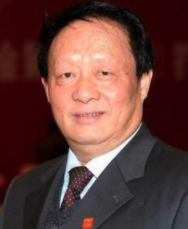 Pingkai Ouyang (欧阳平凯)合作论文数College of Biotechnology and Pharmaceutical Engineering, Nanjing Tech University6Jiangfeng Ma (马江锋)合作论文数5Zhiyang Zhang合作论文数5ZHU Fei (朱飞)合作论文数5Jiuhua Zhang合作论文数5Jian Li (李建)合作论文数5WANG Li (王莉)合作论文数4GuiZi Ye (叶贵子)合作论文数4
 Zhongbing Chen (陈忠兵)合作论文数4
 Jing Lin (蔺经)合作论文数Jiangsu Academy of Agricultural Sciences4
 Enhui Sun合作论文数3WANG Cong (王聪)合作论文数3Jing Zhang合作论文数Chinese Acad Sci, Ningbo Inst Mat Technol & Engn3Gao Di (高娣)合作论文数3Min Zhang合作论文数Natl Renewable Energy Lab, Biosci Ctr3li wang (王莉)合作论文数3
 Wenlong Xu (徐文龙)合作论文数3
 Shuang Cheng (程爽)合作论文数School of Environment and Energy, South China University of Technology3
 Weiliang Dong (董维亮)合作论文数College of Biotechnology and Pharmaceutical Engineering, Nanjing Tech University3Shanshan Sui (隋姗姗)合作论文数3
 Aiyong He (何爱咏)合作论文数3




