Samarium, a typical multivalent rare earth element, has a deposition potential beyond the electrochemical window due to its high chemical activity, which hinders its direct electrolytic extraction. Herein, we address these challenges by introducing KAlCl4 as a stable aluminum source to enable the efficient co-reduction of Sm(III) and Al(III) in a LiCl-KCl melt. The electrocrystallization mechanism was systematically investigated by electrochemical methods, revealing a progressive nucleation process where increased cathodic polarization accelerates nucleation and refines crystal size. Furthermore, time-resolved in-situ synchrotron radiation X-ray micro-computed tomography (SR-μCT) was employed to visualize the dynamic growth of the AlSm alloys, uncovering a unique flocculent morphology. Guided by these insights, potentiostatic electrolysis achieved a remarkable 99.9% extraction of Sm(III) within just 15 h, with a current efficiency of 70.7%, yielding flocculent Al2Sm-Al3Sm alloys. This study provides a promising and efficient strategy for the extraction of multivalent rare earth elements.
Covalent organic frameworks (COFs) show great potential for uranium extraction from seawater and environmental remediation, yet the low utilization of deeply buried active sites remains a critical bottleneck. Here, we first propose a synergistic building-monomer and solvent modulation strategy to successfully fabricate irreversible β‑ketoenamine‑linked COFs with a nanofibrous morphology, which efficiently exposes active sites. The resulting material exhibits a maximum uranium adsorption capacity of 471 mg g-1 at pH 8.0 and maintains stable performance over at least seven adsorption-desorption cycles. Notably, even under more aggressive pH conditions, its uptake capacity surpasses the highest reported values for similar bulk COFs by 15.4%. In natural seawater, the uranium uptake reaches 10.1 mg g-1 within 10 days. Mechanistic studies reveal that uranium capture primarily relies on synergistic coordination among the carbonyl groups in the COF backbone and the surface carboxyl/amidoxime groups. This work not only provides a novel approach for morphology control of irreversibly linked COFs, but also opens a new avenue for designing highly efficient adsorbents toward uranium resource recovery and contamination remediation.
Anaerobic treatment of industrial wastewater is limited by high variability and low biodegradability, which compromise process stability under varying industrial loads. A low-dose nanoscale zero-valent iron (nZVI)-augmented continuous-flow strategy was proposed and evaluated long-term in an on-site 3000 L reactor coupled to a full-scale expanded circulating granular sludge bed (ECSB). nZVI increased the mean chemical oxygen demand (COD) removal efficiency from 12.96% to 25.94% and reduced effluent fluctuation by 49%. Concurrently, sludge aggregation intensified, accompanied by protein enrichment in tightly bound extracellular polymeric substances (T-EPS) and a shift in dissolved organic matter (DOM) fluorescence toward humic-like hydrolytic intermediates. Metagenome-assembled genomes indicated a stable community core without structural replacement, alongside enriched iron-metabolism pathways. Incomplete electron-output pathways in key populations further suggest a possible contribution of nZVI-derived iron phases to conductive-material-mediated direct interspecies electron transfer (cDIET). Nonsynonymous single-nucleotide variant (SNV) trajectories and strain deconvolution further identified population-level selection in genes for iron homeostasis, oxidative stress, and electron transfer. These findings reposition nZVI from a reactive supplement to an interfacial stability regulator. More broadly, they provide field-scale evidence that refined nanomaterial dosing strategies can stabilize anaerobic treatment under real industrial loads by coupling interfacial reorganization with within-population adaptation.
Samarium, a typical multivalent rare earth element, has a deposition potential beyond the electrochemical window due to its high chemical activity, which hinders its direct electrolytic extraction. Herein, we address these challenges by introducing KAlCl4 as a stable aluminum source to enable the efficient co-reduction of Sm(III) and Al(III) in a LiCl-KCl melt. The electrocrystallization mechanism was systematically investigated by electrochemical methods, revealing a progressive nucleation process where increased cathodic polarization accelerates nucleation and refines crystal size. Furthermore, time-resolved in-situ synchrotron radiation X-ray microcomputed tomography (SR-mu CT) was employed to visualize the dynamic growth of the Al-Sm alloys, uncovering a unique flocculent morphology. Guided by these insights, potentiostatic electrolysis achieved a remarkable 99.9% extraction of Sm(III) within just 15 h, with a current efficiency of 70.7%, yielding flocculent Al2Sm-Al3Sm alloys. This study provides a promising and efficient strategy for the extraction of multivalent rare earth elements.
Dye sensitization offers an effective means to extend the light absorption range of wide bandgap photocatalysts, yet its applicability and mechanisms in assisting photocatalysts to treat uranium-contaminated wastewater remain poorly understood. Herein, a model system comprising Rhodamine 6G (Rh6G) sensitized onto lepidocrocite titanate (THS-T) was developed, with uranium (U) removal efficiency and dye mineralization degree as key evaluation metrics. By leveraging Rh6G sensitization to enhance the light-harvesting capacity of THS-T, the system achieved 90.2% total U(VI) removal after 8 h of full-spectrum irradiation under aerobic conditions. Mechanistic investigations identified superoxide radicals ((center dot)O2-) as the dominant reactive species. On one hand, (center dot)O2- undergoes dismutation to generate H2O2, which subsequently converts U(VI) into insoluble UO2(O2)& sdot;4H2O precipitates, enabling efficient U(VI) removal. On the other hand, (center dot)O2- primarily mediates Rh6G degradation. However, due to its limited oxidative potential, degradation largely ceases at side-chain cleavage, raising concerns over secondary pollution risks. Despite inherent limitations of the model system, this study elucidates the core mechanisms and critical factors governing dye-sensitized photocatalytic systems for uranium-containing wastewater treatment, offering optimization directions for developing more efficient and environmentally benign systems.
The ocean holds vast reserves of uranium that can sustain the long-term fuel supply for nuclear power. However, current poly(amidoxime) (PAO)-based adsorbents usually suffer from insufficient exposure of active sites. In this study, we report an aerogel network structure composed of covalent organic framework (COF) nanosheets combined with PAO for uranium extraction from seawater. Here, the COF nanosheets not only contribute additional adsorption sites but also function as "adhesive tape" to effectively disperse polymer molecular chains. After further covalent cross-linking/ionic cross-linking, the stability of the aerogel in water is significantly improved. The cross-linked aerogels demonstrate excellent efficacy in removing U(VI), as evidenced by their high adsorption capacities (CP-150: 275 mg/g and CP-Ca: 207 mg/g in 8 ppm spiked simulated seawater) and high removal rates of uranium from various water samples (> 98 %). The adsorption behavior of U(VI) on CP-150/CPCa are in good accordance with the Langmuir adsorption isotherm model and the pseudo-second-order kinetic model. The eta(2) coordination structure of the oxime group with uranyl ion has been verified through extended Xray absorption fine structure (EXAFS) analysis. This work offers new strategies for the construction of novel PAObased adsorbents and highlights the potential application of 2D COFs in uranium extraction from seawater.
The accumulation of fission products in molten salt electrolysis significantly deteriorates salt performance and reduces process efficiency. Although conventional molten salt crystallization techniques exhibit attractive purification capabilities, their application is constrained by high equipment costs and operational complexity. Herein, we present a novel approach, termed "multi-stage gradient crystallization" (MSGC), based on natural temperature gradient crystallization, for the efficient removal of fission products from molten salts. Experiments on treating LiCl salts containing 5 wt% SrCl2 demonstrated significant purification under a cooling rate of 5 degrees C/2h, achieving SrCl2 removal efficiencies of 80.1 % and 91.2 % at 80 % and 60 % salt recovery rates, respectively. Secondary crystallization further improved these efficiencies to 84.6 % and 98.3 %. The developed MSGC process not only maintains high purification efficiency but also significantly increases the single-batch treatment capacity. In addition, in-situ synchrotron radiation X-ray micro-computed tomography (SR-mu CT) revealed the dynamic mechanism of LiCl's top-down gradient crystallization and its gradual separation from SrCl2 in the LiCl-SrCl2 molten salt. This method exhibits excellent purification performance for various fission elements and molten salt systems, demonstrating broad applicability and promising potential for waste salt purification.
Advanced breast cancer still suffers a low survival rate and incurable outcome, despite the fact that targeted therapy has significantly improved the therapeutic efficacy. Clinical trials have demonstrated that the combination of immunotherapy and chemotherapy via inducing immunogenicity of tumor cell death during chemotherapy could make a difference. Thus, in this study, both bimetallic FePd nanoparticles (NPs) and 6-diazo-5-oxo-l-norleucine (DON) coloaded reactive oxygen species (ROS)-generating lipid nanoparticles (Lip@FePd-DON NPs) were prepared via the classical thin-film hydration method to enhance necroptotic chemo-immunotherapy for breast cancer treatment. Upon internalization by tumor cells, the Fenton-like performance of bimetallic FePd NPs catalyze intracellular H2O2 into toxic ROS. Then, the combination of DON and ROS could effectively induce cell necroptosis via the RIPK3/MLKL pathway. The immunogenicity of necroptotic cell death releases damage-associated molecular patterns, which act as in situ neoantigens to trigger DC maturation and T cell activation, resulting in an efficient immune response with upregulated expression of inflammatory cytokines (TNF-alpha, IFN-gamma, and IL-6). In vivo antitumor evaluation based on tumor-bearing mice displayed highly efficient tumor growth inhibition via enhancing necroptotic chemo-immunotherapy. Considering the in vivo biocompatibility, this study demonstrated ROS-generating lipid nanoparticles as potential carriers to deliver DON for enhancing necroptotic chemo-immunotherapy of breast cancer, which may promote the development of personalized nanoplatforms for breast cancer treatment.
Titanate nanomaterials have been widely explored for the effective removal of heavy metals and radionuclide ions from environmental wastewater, leveraging their high specific surface areas (SSAs) and ion exchange capacities. In this study, quantum confined, one-dimensional lepidocrocite titanate hierarchical structures (THSs) incorporating exchangeable Li+ or tetramethylammonium (TMA+), cations were prepared using an organic alkali conversion strategy suitable for large-scale production. These unique adsorbents were tested for the efficient capture and separation of thorium, Th(IV). The adsorption process is endothermic and spontaneous, and weakly dependent on ionic strength. Batch adsorption experiments revealed that the maximum adsorption capacity of THSs for Th(IV) reached 292 mg/g at pH 2.5. THSs demonstrated superior ion selectivity for Th(IV) over uranyl ions and rare earth ions, achieving a Th(IV)/U(VI) separation factor of up to 722. In the context of treating simulated rare earth ore leachates, the corresponding Th(IV) adsorption rate and Kd values were recorded at 98.4 % and 1.52 x 10⁵ mL/g, respectively. Spectroscopic analyses, including XPS and EXAFS, complemented by DFT calculations, substantiated that Th(IV) interacts stably with the oxygen-containing terminations on the surface of the THSs, primarily through the formation of inner-sphere complexations. Sintering of Th-loaded THSs led to the formation of stable ThTi2O6 phases, facilitating the complete immobilization of Th(IV) within the lattice, with a leaching rate of less than 0.05 % under highly acidic conditions. Overall, THSs demonstrate significant potential for the efficient purification of Th-containing wastewater from rare earth mines, as well as for the secure geological disposal of the resultant waste.
The extraction of lanthanides during the reprocessing of spent fuel is crucial for the development of nuclear energy. In this work, the co-reduction behaviors of Al(III) and La(III) in LiCl-KCl-LaCl3 molten salt were studied by a series of electrochemical techniques assisted by KAlCl4, and lanthanum was extracted in the form of La-Al alloy. The electrochemical signals of four La-Al intermetallic compounds were detected by means of cyclic voltammetry, square wave voltammetry, and open-circuit chronopotentiometry curves. The influence of aluminum content, electrolytic potential, and temperature on lanthanum extraction was systematically studied, thereby elucidating the underlying mechanism of electrochemical behavior on electrolytic products. When n(KAlCl4):n(LaCl3) = 1:2, the optimal extraction effect of lanthanum can be obtained by potentiostatic electrolysis (−0.50 V) at 823 K. Facilitated by the promotion effect of KAlCl4, 99.9% La(III) could be extracted within 2.5 h with an electrolytic efficiency of 92.5%, thus realizing the efficient extraction of lanthanum in the classic LiCl-KCl molten salt system.
Conventional electrolytic methods for separating chemically similar lanthanides (Ln) and actinides (An) are limited by thermodynamics and slow reaction kinetics, restricting their efficiency in rare-earth refining and nuclear fuel recycling. Herein, we report an electroextraction and oxidative back-extraction (EOB) strategy utilizing a LiCl-KCl-KAlCl4 molten salt that overcomes these limitations by leveraging divergent interfacial reactivity. The EOB process achieves an exceptional separation factor for Ln/An (> 1000), while simultaneously increasing the separation rate by at least one order of magnitude. Through in-situ synchrotron radiation X-ray micro-computed tomography (SR-μCT) and X-ray diffraction (SR-XRD), we capture selective oxidation-induced destabilization of Ln-Al alloys while actinides retain phase stability-directly visualizing the electrochemical alloy transition mechanism. This research redefines the separation of f-block elements in molten salt systems and introduces a multimodal approach to investigating transient interfacial phenomena that are usually inaccessible to conventional metallurgical diagnostics under extreme conditions.
Aluminum is an ideal cathode material for the pyrochemical reprocessing of spent nuclear fuels. However, there is a lack of large-scale experiments to further assess its performance. Here we designed several Al electrodes with sheet, rod, and porous morphologies, and employed them in separating actinides (An) from lanthanides (Ln) and purifying the waste salts in about 500 g of LiCl-KCl eutectic melt at 773 K. By applying a constant potential of -1.2 V vs. Ag/AgCl, U can be separated from Ln (La, Ce, and Nd) by forming Al-U alloys consisting of Al3U and Al4U with high separation factors and current efficiency. Among all Al electrodes used in our experiments, the porous-shaped ones show the fastest electrochemical reaction rate, and hence only 56 h were required to achieve the separation. Subsequently, the purification of the waste salts from U-Ln separation was conducted via constant potential electrolysis at -1.5 V vs. Ag/AgCl on porous-shaped Al electrodes. About 99.9 % of Ln was extracted via forming Al-Ln alloys, leaving a purified electrolyte that can be reused. In all, about 17 g of U metals and 1 kg of waste salts were successfully reprocessed in our large-scale experiments, which envisions the feasibility of applying Al electrodes in engineering-scale pyrochemical reprocessing.
RuO2 currently serves as a highly advantageous catalyst for water electrolysis. Nonetheless, unstable hypervalent Ru species during the oxidation process can lead to catalyst inactivation. Herein, we report the successful construction of pentavalent uranium-regulated U-Co-Ru ternary oxide with alterable valence states and stable coordination. The dual doping with U and Co significantly enhanced the activity for water splitting in multiple environments, such as acidic, alkaline, and seawater media. The alkaline oxygen evolution reaction could be driven by only 257 and 366 mV at 100 mA cm-2 and 1 A cm-2, respectively. The results of in situ X-ray absorption fine structure analysis revealed that the U-site could act as an interatomic spring and flexibly adapt to the electron transfer through dynamically adjusted U-O bonds and valence state variation. This work represents a path for depleted uranium utilization and, for the first time, elucidates the evolution of pentavalent uranium in the OER processes by synchrotron radiation-based in situ techniques.
The construction of novel MXene-based composites with superb abilities through functionalization is an effective strategy to enhance the potential of this emerging inorganic lamellar material for environmental adsorption applications. The present work systematically investigated the adsorption performance of Ti3C2Tx MXene modified with phosphate functional groups that facilitate the capture of uranyl ions. After introducing phosphate groups via a two-step modification of 3-aminopropyltriethoxysilane (APTES) and phytic acid (PA), the synthesized Ti3C2-APTES-PA is significantly superior to pristine Ti3C2Tx nanosheets in terms of adsorption capacity, adsorption selectivity and reusability for uranium. The maximum uptake capacity of Ti3C2-APTES-PA at pH = 5 reaches 323 mg/g, which is 2.5 times higher than that of unmodified MXene. Furthermore, the large selectivity coefficient (SU/M > 16.2) declares that Ti3C2-APTES-PA preferentially adsorbs uranium among substantial competing ions. Ti3C2-APTES-PA also shows good cycling performance that its adsorption capacity remained 92.3 % after 6 cycles. When it comes to treating simulated uranium tailings pond leachate and radioactive wastewater from mines, high U(VI) removal rates of 88.9 % and 96.8 % can be achieved by our ternary composite at a dosage of 0.05 g/L. The underlying adsorption mechanism was unraveled by spectroscopic analysis to be the formation of coordination complexes of uranyl ions with phosphate groups on PA and hydroxyl groups on Ti3C2Tx substrate, as well as the reduction of a small amount of adsorbed U(VI) to U(IV) by MXene. The overall results imply that Ti3C2-APTES-PA is an effective uranium chelating scavenger for the treatment of environmental radioactive wastewater.
2D lamellar membranes (2DLMs) are used for efficient desalination and nanofiltration. However, weak interactions between adjacent stacked nanosheets result in susceptibility to swelling that limits practical applicability. Inspired by the super adhesion of multi-point suction cups on octopus tentacles, a 2DLM is constructed from Ti 3 C 2 T x MXene supported by the macrocyclic “multi-point” molecule cucurbit[5]uril (CB5) and demonstrated for nanofiltration of methyl blue (MB) and enrichment of uranyl carbonate. Experimental results and density functional theory calculations indicate that CB5 rivets to the surface of the nanoflakes through strong stable interactions between its multiple binding sites and surface hydroxyl functional groups on MXene nanosheets. This novel 2DLM exhibits excellent nanofiltration performance (69 L m −2 h −1 bar −1 permeance with 93.6% rejection for MB) and can be recycled at least 30 times without significant degradation. The 2DLM exhibits excellent swelling resistance at high salinity, with a demonstration of selective enrichment of uranyl carbonate from artificial water and natural seawater. The results provide a new strategy for constructing highly stable 2DLMs with interlayer spacing controllable from sub-nano to nanometer scales, for size-selective sieving of molecules and ions, high-efficiency nanofiltration, and other applications.
Novel sandwich-like ZnIn2S4/Ti3C2 composites with strong interfacial coupling were prepared by a facile solvothermal approach for U(VI) photocatalytic reduction immobilization. The integration of Ti3C2 nanosheets into ZnIn2S4 hierarchical structures endowed the composite outstanding photocatalytic performance through improving the utilization of solar energy and boosting the separation of photogenerated electrons and holes, evidenced by a fast reaction rate of 0.0247 min−1, which was 3.20 times of that for pristine ZnIn2S4. The corresponding U(VI) removal efficiency of 50 ppm U(VI) solution reached 96.1
Pyroprocessing technology with molten salt electrolysis as the core is a promising technology for the reprocessing of spent fuel. In this work, the electrochemical reduction mechanism and kinetic properties of Nd3+ on various electrodes (inert W and reactive Al, Ga, Bi, Cd, Zn, Pb, and Sn electrodes) were systematically investigated and compared in LiCl-KCl eutectic melts using cyclic voltammetry (CV), electrochemical impedance spectroscopy (EIS), and Tafel techniques. The electrochemical reduction of Nd3+ was a two-step process on the W electrode including Nd3+-> Nd2+ and Nd2+-> Nd, while it became a one-step process involving three electrons on the reactive electrodes with obvious depolarization effects. Furthermore, the connections between the reduction potentials of Nd3+ on these reactive cathodes and the formation energies of the electrode-rich alloy phases (Al11Nd3, Cd11Nd, Pb3Nd, Zn17Nd2, Ga6Nd, Sn3Nd, BiNd2) were established. After evaluating the physico-chemical, depolarization and kinetic properties of these reactive electrodes, liquid Cd was considered as the most favorable material for the electrochemical extraction of Nd. In addition, Al, Cd, and Bi are also promising candidates for An / Ln separation.
Ni-based metallic foams possessing large specific surfaces and open cell structures are of specific interest as catalysts or catalyst carriers for electrolysis of water.Traditional fabrication of Nickel foam limits the element modification choices to several inert transition metals only on polymer foam precursor and subsequent preparation of foam-based catalysts in aqueous solution or organic electrolyte.To expand the modi-fication horizon,molten salt with wide electrochemical window and fast ion diffusion can achieve the reduction of highly active elements.Herein,we reported is a general and facile method to deposit directly of highly reactive element La and prepare hierarchical honeycomb LaNi5 alloy on Ni foam(ho-LaNi5/NF).This self-supporting electrode presents excellent electrical coupling and conductivity between the Ni foam and LaNi5,which provides a 3D self-supported heterostructure with outstanding electrocatalytic activity and excellent durability for the hydrogen evolution reaction(HER)and oxygen evolution reaction(OER).It exhibits excellent overpotential(1.86 V)comparable to commercial coupled IrO2//Pt/C(1.85 V)at a high current density of 100 mA cm-2.This work may pave the way for fabricating novel 3D self-supported honeycomb alloy that can be applied as electrode for usage of clean energy.
High toxicity, and long-term retention of heavy metallic ions in surface water environment pose threats to the stability of ecosystems and vitality of creatures including human beings. The well-adopted approach always facing the challenge of sustainability and energy consumption. Moreover, discharging standard is rather strict for radioactive metallic element containing water, which makes finding an appropriate and effective way for ion-removing urgent. Particularly, among various treatment approaches to remove metal ions from water, solar-driven steam generation is considered as an eco-friendly and sustainable strategy, but the removing of radioactive ions is rarely considered. In this paper, with the bottom-up synthesis approach, we fabricated the 3D graphdiyne (GDY) with hollow multishelled structure (HoMS) for the first time. Because of the advantages of HoMS, a stable evaporation rate of 2.7 kg m-2 h-1 has been achieved by GDYHoMS. Notably, owning to the interaction between sp-C of GDY and the empty orbit of metallic atoms, the heavy metallic elements were intercepted in the GDY film, resulting an ultra-efficient ion removing ability. Especially, the ion concentration was decreased by six to seven orders magnitude for Sr2+ and Cs+-contained radioactive water after treatment, reaching the national radioactive water discharge standard, while the ion concentration for U(VI) has been decreased to meet the drinkable water standard. (c) 2022 Elsevier Ltd. All rights reserved.
 Wei-Qun Shi (石伟群)合作论文数23
 Ya-Lan Liu (刘雅兰)合作论文数14
 Liyong Yuan (袁立永)合作论文数Institute of High Energy Physics, Chinese Academy of Sciences12
 Zhifang Chai (柴之芳)合作论文数The Institute of High Energy Physics, Chinese Academy of Sciences;Ningbo Institute of Materials Technology and Engineering, Chinese Academy of Sciences;University of Chinese Academy of Sciences12
 Jianming Xue (薛建明)合作论文数Institute of Heavy lon Physics, School of Physics, Peking University12
 Yugang Wang (王宇钢)合作论文数School of Physics, Peking University11Yu-Ke Zhong合作论文数Chinese Acad Sci, Inst High Energy Phys, Lab Nucl Energy Chem, Beijing 100049, Peoples R China8Zijie Li (李子杰)合作论文数8
 Wei Guo (郭维)合作论文数Technical Institute of Physics and Chemistry, Chinese Academy of Sciences;University of Chinese Academy of Sciences;Research Institute for Frontier Science, Beihang University7
 Kui Liu (刘奎)合作论文数Sino-French Institute of Nuclear Engineering & Technology, Sun Yat-sen University4Jiafeng Ouyang合作论文数4
 Yanze Wu合作论文数4
 Shilin Jiang合作论文数Chinese Acad Sci, Inst High Energy Phys, Lab Nucl Energy Chem, Beijing 100049, Peoples R China4YunDong Li (李云东)合作论文数4
 Fan Xia (夏帆)合作论文数Faculty of Materials Science and Chemistry, China University of Geoscience (Wuhan)4Tao Zhang合作论文数4
 Lei Jiang (江雷)合作论文数Key Laboratory of Bionic Materials and Interface Science, Technical Institute of Physics and Chemistry, Chinese Academy of Sciences;University of Chinese Academy of Sciences4
 Lirong Zheng (郑黎荣)合作论文数Institute of High Energy Physics, Chinese Academy of Sciences;University of Chinese Academy of Sciences4
 Yanbo Xie (谢彦博)合作论文数School of Aeronautics, Northwestern Polytechnical University4
 Liuxuan Cao (曹留烜)合作论文数College of Energy, Xiamen University4
 Taiqi Yin (尹太琪)合作论文数School of Mechanical Engineering, Shanghai Jiao Tong University3
 Jipan Yu合作论文数3
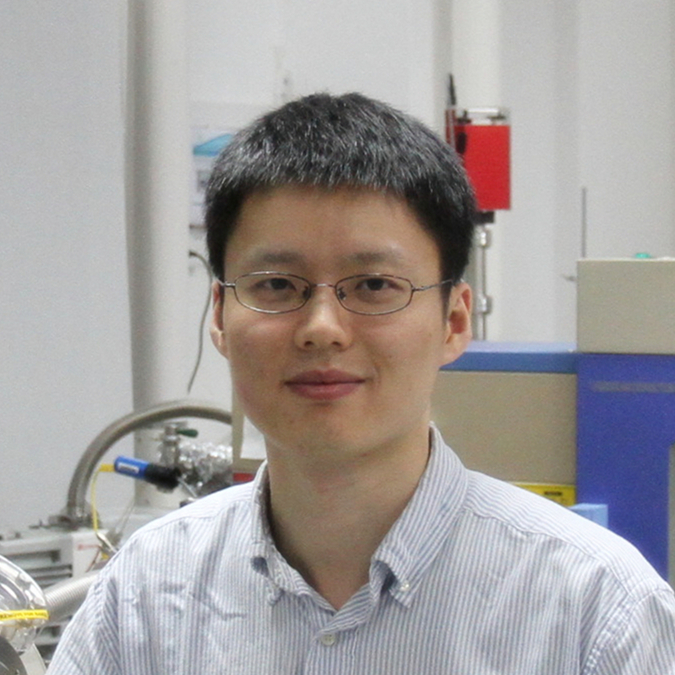 Xinwei Wang (王新炜)合作论文数Shenzhen Graduate School, Peking University3
 Xu Hou (侯旭)合作论文数College of Chemistry and Chemical Engineering, Xiamen University;State Key Laboratory of Physical Chemistry of Solid Surface, Xiamen University3Wanxia Huang (黄万霞)合作论文数3Yongde Yan (颜永得)合作论文数Key Laboratory of Superlight Materials and Surface Technology,Ministry of Education,Harbin Engineering University3Tu Haowei合作论文数2Hongwei Xia (夏红伟)合作论文数Space Control and Inertial Technology Research Center, School of Astronautics, Harbin Institute of Technology2
 Lei Mei (梅雷)合作论文数Institute of High Energy Physics, Chinese Academy of Sciences;University of Chinese Academy of Sciences2
 Jianhui Lan (蓝建慧)合作论文数Institute of High Energy Physics, Chinese Academy of Science;University of Chinese Academy of Sciences2Pengcheng Zhang合作论文数2Hongling Ye (业红玲)合作论文数2Yu Yan合作论文数2Pu MENG (孟普)合作论文数2Yang Dawei合作论文数2Pengfei An合作论文数2
 Ceming Wang合作论文数Peking University, Peking University2
 John K. Gibson合作论文数Chemical Sciences Division, Lawrence Berkeley National Laboratory2
 Long Chen (陈龙)合作论文数School of Geographic Sciences, East China Normal University2Mei Li (李梅)合作论文数College of Materials Science and Chemical Engineering, Harbin Engineering University2
 Daoben Zhu (朱道本)合作论文数Institute of Chemistry, Chinese Academy of Sciences2Degao Wang (汪德高)合作论文数2
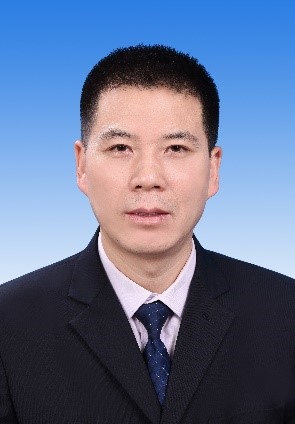 Dongdong Wang (王栋东)合作论文数School of Chemistry, Xi'an Jiaotong University2
 Qi Ouyang (欧阳颀)合作论文数Institute of Condensed Matter and Material Physics, School of Physics, Peking University2
 Zhiwei Huang (黄志威)合作论文数Lanzhou Institute of Chemical Physics, Chinese Academy of Sciences;University of Chinese Academy of Sciences2
 Kang Liu (刘抗)合作论文数School of Power and Mechanical Engineering, Wuhan University2
 Yujuan Zhang (张玉娟)合作论文数School of Materials Science and Engineering, University of Science and Technology Beijing2




