Biodiversity loss driven by climate change and human activities poses a critical global challenge. Population restoration and reintroduction programs are essential for mitigating this threat to endangered species, yet their outcomes often remain unpredictable due to poorly understood success factors, such as the inevitable inbreeding during bottleneck events. The conservation programme of the crested ibis (Nipponia nippon) marks a successful example where the population rose from just seven individuals to over 9000 in the past four decades. By developing an individual-based model that simulates the restoration process and incorporates species-specific demography and inbreeding data, we conclude that this successful restoration is largely deterministic, as our results closely mirror empirical recovery time and population-level inbreeding coefficients. To establish general guidelines for reintroduction programs, we compare how inbreeding depression influences the recovery success of two reintroduction strategies involving small founder populations. Our simulations reveal that the 'firework' approach (one-source translocations) outperforms the 'sequential' (serial translocations) approach in restoration effectiveness. Furthermore, by expanding analyses over a broad demographic space, we demonstrate that the net effect of inbreeding varies with species-specific demography and highlight the importance of considering their interaction when interpreting conservation outcomes and designing future reintroduction programs.
Reintroduction programs are critical for restoring threatened species, yet quantitative evaluations integrating vital rates across the full life cycle remain limited. Nipponia nippon (Asian Crested Ibis), once nearly extinct, has been the focus of intensive conservation efforts, including reintroduction into its historical range in central China. Here, we evaluate the success of a reintroduced N. nippon population by integrating multi-year field monitoring with population dynamics modeling. We conducted a multi-year demographic study (2023-2025) in Dongzhai National Nature Reserve, China. Based on monitoring of breeding attempts (n = 176) and GPS telemetry (n = 74 tags; maximum tracking duration 4 years), we quantified reproductive output and stage-specific mortality across 6 life stages. Mean clutch size was 3.24 +/- 0.08, and breeding pairs reared an average of 1.31 +/- 0.12 fledglings per year. Breeding failure during incubation was 32.5% (n = 425 eggs), largely due to egg infertility and nest desertion. Failure was highest during chick provisioning (34.1%, n = 287 chicks), while mortality was highest during the fledgling stage (38.6%, n = 63 individuals), mainly due to predation and starvation. In contrast, breeding failure during nest building was relatively low (9.1%), while mortality during the subadult and adult stages was 9.8% and 21.3%, respectively. A stage-structured matrix model projected sustained population growth under density-independent conditions (r = 0.046, 95% CI: 0.034-0.057), with the population projected to increase from similar to 500 to 5,286 individuals (95% CI: 2,772-8,817) over 50 years. Incorporating density dependence reduced growth but did not reverse the positive trajectory. Sensitivity analyses indicated that population growth was most strongly influenced by adult survival, highlighting the importance of maintaining high adult survival to support long-term population persistence.
Abstract Accelerating biodiversity loss highlights the urgent need for effective conservation measures, and the recovery of crested ibis (Nipponia nippon) can serve as a useful model. We analyzed a 17-year dataset from a captive population at Dongzhai National Nature Reserve, China, comprising 5,893 body mass records from 257 individuals across 9 generations. Using quantitative genetic tools (Animal Model), we found that body mass exhibited significant heritability (h2 = 0.54). As for growth curve parameters, growth time-scale parameter a (h2 = 0.30) and growth-rate coefficient b (h2 = 0.23) were also significantly heritable, while the heritability of potential maximum weight M was relatively low (h2 = 0.05). Estimated breeding values for body mass showed an increasing intergenerational trend, though this did not differ significantly from expectations under genetic drift. Importantly, the heritability of these traits enables the establishment of a personalized expected growth trend based on parents and healthy siblings. The comparison revealed that healthy offspring closely followed parental growth trajectories, whereas unhealthy individuals showed observable deviations. Considering the multiple breeding attempts throughout the lifetime of this long-lived species, cumulative historical data could help refine these family-specific baselines, providing a practical reference for monitoring individual health and allowing timely veterinary interventions.
ABSTRACT Identifying key factors influencing the survival of animals, particularly rare and endangered species, is crucial to biodiversity conservation. In birds, hatching failure is pronounced in endangered species. Accurate assessment of egg development and the ability to distinguish nonviable eggs are essential prerequisites for evaluating the impact of factors that lead to hatching failure and applying appropriate conservation practices. The crested ibis (Nipponia nippon), a flagship endangered species, has a long history of captive breeding, which has contributed to population recovery. However, little is known about the specific process and characteristics of its egg development. In this study, we provided the first comprehensive description of normal egg development in the crested ibis, including both the changes observed in unfertilized eggs during incubation and embryonic development via candling (n = 98 eggs; total = 1422 candling images; mean ± SE = 14.52 ± 1.38 images per egg), and offered a practical reference for assessing fertilization status and embryo viability. In addition, we estimated the timing of embryo mortality and found that most deaths occurred during mid‐incubation (Day 7–15) (n = 12, 60.0%) and shortly before hatching (Day 23–29) (n = 7, 35.0%), highlighting these critical periods that require particular attention. This species‐specific documentation of egg development provides a valuable reference for accurately assessing embryonic progress, evaluating environmental effects on survival, and guiding adaptive management, benefiting both captive breeding programs and field conservation efforts.
Nest complexity varies greatly, indicating that it represents a significant adaptive trait in avian evolution. However, the mechanisms underlying the evolution of nest complexity are not fully understood. Hypotheses involving environmental factors, cognitive ability, parental investment, movement ability, and brood parasitism have been proposed to explain the mechanisms that drive the evolution of nest complexity. In this study, we compiled data on the characteristics of nest structures from 5,028 bird species spanning the avian phylogeny, as well as environmental factors (including nest site, annual mean temperature, annual mean precipitation, latitude, habitat density), cognitive ability (relative brain size), parental investment (clutch size, incubation duration, and developmental mode), movement ability (migratory behavior and dispersal ability, quantified using the Hand-Wing Index), and brood parasitism (host status). We identified significant driving factors of nest complexity using Bayesian phylogenetic mixed models, and we addressed direct and indirect causal effects in the relationships among these significant driving factors using phylogenetic path analysis. Our results indicated that nest complexity was significantly correlated with nest site, annual mean precipitation, latitude, relative brain size, incubation duration, developmental mode, and Hand-Wing Index. Additionally, nest site, relative brain size, and Hand-Wing Index had a direct impact on nest complexity, suggesting that multiple mechanisms drive global bird nest complexity. Furthermore, we provide the first evidence that birds with lower dispersal ability tend to construct more complex nests on a global scale. Our findings will enhance the understanding of the evolution of nest complexity. A groundbreaking global study of more than 5,000 bird species reveals that nest complexity is driven by a confluence of factors: where birds build their nests, their relative brain size, and their dispersal capacity. Intriguingly, birds with lower dispersal ability tend to build more complex nests, offering the first-ever evidence of this link on a worldwide scale. These findings demonstrate that multiple mechanisms-from cognitive prowess to movement constraints-fuel the evolution of intricate nest architecture.
Studying the reproduction process, which is a key determinant of individual and population fitness in endangered species, is challenging but urgently needed. The crested ibis ( Nipponia nippon ), a flagship endangered species recovering from an extreme population bottleneck, provides a valuable opportunity to examine how life-history strategies shape reproductive success and inform future conservation practices. We monitored 176 breeding pairs of crested ibis over three consecutive breeding seasons and investigated the effects of three key life-history traits, namely breeding timing, clutch size, and nesting strategy (solitary versus colonial), on reproductive success (hatching and fledging success). Our analysis found that both hatching and fledging success declined significantly as breeding initiated later, and a positive association between clutch size and reproductive success in this species. These patterns were robust and repeatable across three years. Unlike other closely related species in this family, sibling competition is generally non-lethal, leading to large clutch sizes fledged in this endangered species. We consider this pattern to be a main reason underlying the rapid population recovery observed in the crested ibis. On the other hand, nesting strategy (colonial vs. solitary breeding) had no detectable effect on reproductive success. This pattern indicates the crested ibis can adopt different breeding strategies across habitats, highlighting its capacity to flexibly adjust breeding behavior in response to local environmental conditions. Our results provide an integrative assessment of how key life-history traits shape reproductive outcomes in a wild population of the crested ibis, serving as a foundation for evaluating its current status of population recovery and refining future conservation strategies for endangered avian species sharing similar life-history characteristics. ### Competing Interest Statement The authors have declared no competing interest. National Natural Science Foundation of China, 32570596 Initiative Scientific Research Program, Institute of Zoology, CAS, 2023IOZ0104, 2024IOZ0107 Joint Research Unit of Chinese Academy of Sciences, JRU CAS:152111ZYLH20250004 Swiss National Science Foundation, 211549
Sex differences in ageing and lifespan are widespread across taxa, yet their evolutionary causes remain debated. A leading hypothesis proposes that such differences arise adaptively from sex-specific life-history trade-offs, but formal theoretical support is lacking. We therefore develop a mathematical model to examine how these trade-offs shape lifespan evolution across ecological and mating system contexts. Under monogamy, individuals optimise a survival-reproduction trade-off, mediated by mating opportunities in males and offspring production in females. Varying trade-off strengths shows that male-biased longevity emerges across a wider parameter range, consistent with patterns in monogamous species. This asymmetry arises because increased female longevity reduces offspring production, lowering population size and mating rates and thereby constraining selection on female lifespan, whereas longer male lifespan evolves more readily unless mating costs are high. Incorporating density dependence shows that ecological feedbacks disproportionately reduce survival in the intrinsically longer-lived sex, potentially masking evolved differences. Beyond monogamy, we show that mating system variation shapes longevity through competition intensity, determined by the limiting sex, and demographic scaling, where female number sets reproductive output and the selective context for longevity. Overall, we highlight that life-history trade-offs and demographic feedbacks jointly determine the direction and magnitude of sex differences in lifespan.
Biodiversity loss has become a pressing issue, requiring effective conservation measures. Drawing lessons from successful examples is essential. The Crested ibis ( Nipponia nippon ), once critically endangered but now recovering through intensive conservation programs, provides an informative model for evaluating and improving conservation practices. Using 17 years of monitoring data from a captive population spanning eight generations, we applied quantitative genetic tools (Animal Model) to characterize individual growth and improve breeding success of this endangered species. We found that body weight from Day 0 to Day 42 exhibited significant heritability ( h 2 = 0.195, 95% HPD 0.139 ∼ 0.250). As for growth curve parameters, growth time-scale parameter a ( h 2 = 0.33, 95% HPD: 0.14 ∼ 0.55) and growth-rate coefficient b ( h 2 = 0.22, 95% HPD: 0.10 ∼ 0.34) were also significantly heritable, while the heritability of potential maximum weight M was relatively low ( h 2 = 0.023, 95% HPD: 0.00 ∼ 0.16). We further estimated the breeding values of these phenotypical traits to inform future breeding and selections. Intergenerational analyses showed the estimated breeding values for body weight exhibited a tendency to increase, accompanied by a slower growth rate, though trends did not differ significantly from expectations under genetic drift. Comparison of parental and offspring growth trajectories revealed that healthy offspring closely follow parental growth trajectories, whereas unhealthy individuals display reduced growth. Given the multiple breeding times of this long-lived species, this approach enables effective monitoring of individual growth and health, allowing timely veterinary interventions so to enhance conservation efficiency.
Reintroduction programs are critical for restoring endangered species, yet their success hinges on a detailed understanding of stage-specific demographic rates and the factors limiting population growth. The scientific evaluation of reintroduction programs, particularly assessments and management recommendations informed by full life-cycle monitoring, remains limited. The Crested ibis ( Nipponia nippon ), once nearly extinct, has been the focus of intensive conservation efforts, including reintroduction into its historical range. Here, we systematically evaluate the success of a Crested ibis reintroduction population by integrating long-term field monitoring with population dynamic modeling. We conducted a systematic, multi-year (2023-2025) demographic study of a reintroduced Crested ibis population in Dongzhai National Nature Reserve, China. From 2013 to 2023, a total of 133 captive Crested ibises were released in seven batches within the nature reserve. By 2025, the number of the wild population had exceeded 500. Based on the combination of field monitoring (n = 176 pairs) and GPS telemetry (n = 74 GPS tags, the longest living time lasting 4 years), we quantified reproductive output and mortality rates across six life stages: nest building, incubation, offspring provisioning, fledgling (< 1 year), subadult (1-2 years), and adult (> 2 years). The results show that the average clutch size of this population is 3.24 &[plusmn] 0.08, and each pair of parent birds can rear 1.31 &[plusmn] 0.12 nestlings to fledging each year. And we found that high mortality during the incubation (32.5%, n = 425 eggs), offspring provisioning (34.1%, n = 287 chicks), and fledgling stages (38.6%, n = 63 birds). Key causes included unfertilized eggs, predation, food shortage, and human disturbance. While in the nest building (9.1%, n = 176 pairs), subadult (9.8%, n = 28 birds) and adult stage (21.3%, n = 15 birds), the mortality rate was relatively low. Stage-structured matrix model showed a positive population growth of this reintroduced population (growth rate λ = 1.053), with the population expected to increase 13-fold over 50 years (6858 individuals). Sensitivity analysis indicated that adult survival had the strongest influence on population growth. Correspondingly, we predict that by 2075, its distribution range will expand 13-fold in tandem with population growth, exceeding 51,000 square kilometers and covering several surrounding cities. Our full life-cycle monitoring, evaluation and simulation confirms this reintroduced population is a successful establishment and a self-sustaining population. This addressed research discrepancy of scientific and systematic assessment of population reintroduction in endangered species. Moreover, we proposed key conservation practices and targeted strategies for improving population growth and maintenance: predator control, supplemental feeding, rescue of weak chicks, reducing human disturbance via public engagement, and implementing genetic management to avoid inbreeding. Our framework provides a practical model of enhancing reintroduction success and species recovery for other endangered species. ### Competing Interest Statement The authors have declared no competing interest. Institute of Zoology, Chinese Academy of Sciences, 2023IOZ0104, 2024IOZ0107 to D. Wang National Natural Science Foundation of China, General Program, Grant No. 32570596
Social network structure plays a key role in shaping processes in animal populations. However, our understanding of how individual-level social decisions scale up to population-level social structures remains limited, particularly outside mammals. Here, we used continuous, fine-scale tracking of four large captive colonies of zebra finches (Taeniopygia guttata), revealing that zebra finches consistently maintain 1-2 closest contacts, 6-7 close contacts and 22-24 intermediate contacts, with the identities of these contacts remaining stable across days. By separating spatial co-occurrence from social preferences using null models, we demonstrate that closest and close partners are maintained by social choice, while intermediate partners are shaped by spatial affinity. These results suggest that zebra finch egocentric networks are made up of at least three different tiers of consistent, differentiated relationships. Importantly, we show that these tiers-when combined across individuals-form a multitiered social structure at the colony level. Finally, we review literature on egocentric animal networks, highlighting similarities in patterns to other species, and discuss the distinctions between multitiered and multilevel societies. Our results suggest that fundamental constraints in time, cognition and spatial organization may drive common structural properties in animal social networks across taxa.
The framework of integrating passive acoustic monitoring (PAM) and deep learning algorithms with social network analysis (SNA) presents a groundbreaking approach to understanding the complex dynamics of animal societies, especially studying the social behavior and communication of elusive species or those living in inaccessible habitats. By leveraging the non-invasive nature of PAM, we could collect long-term, high-resolution audio data of animal vocalizations, which are essential for understanding social interactions. Applying deep learning algorithms to these data has significantly enhanced our ability to identify, classify, and extract subtle patterns within vocalizations, revealing social subgroups and communication networks that were once undetectable. Furthermore, this technological advancement enables the efficient processing of vast amounts of data and the integration of multi-layered information, such as movement and environmental data, to create a comprehensive view of animal social networks. The framework proposed in this review also facilitates the comparison of social networks across different species and ecological contexts, contributing to a deeper understanding of the principles governing social behavior. As technology continues to evolve, the potential of this framework to transform our capacity to study and protect animal societies is immense, offering a promising future for behavioral ecology and conservation biology.
Dogs and cats have become the most influential and successful pets through long-term domestication. People keep them for various reasons, such as their functional roles or for physical or psychological support. However, why humans are so attached to dogs and cats remains unclear. A comprehensive understanding of the current state of human preferences for dogs and cats and the potential influential factors behind it is required. Here, we investigate this question using two independent online datasets and anonymous questionnaires. We find that current human preferences for dogs and cats are relatively higher than for most other interests, such as games and music. Genetic variations, gender, age, and economic development levels notably influence these preferences for dogs and cats. Specifically, dog and cat ownership is significantly heritable (h2 = 0.43, 95%CI: 0.35 -0.51) and further analysis found that women, young people, and those with higher incomes are more likely to keep dogs and cats, and the primary reason is to gain emotional support. Our study provides insights into why humans get so attached to dogs and cats and establishes a foundation for developing co-evolutionary models.
Social network structure plays a key role in shaping processes in animal populations. These networks often show distinct patterns in humans and other large mammals, with relationship strengths organized into different tiers. Here, we used continuous fine-scale tracking of four large captive colonies of zebra finches (Taeniopygia guttata), revealing that zebra finches consistently have 1-2 closest contacts, 6-7 close contacts, and 22-24 strong contacts. The identities of these contacts remain stable across days, with strong contacts maintained by spatial affinity, while closest and close contacts are maintained by social choice. These results suggest that zebra finches' egocentric networks and social structure are composed of consistent, differentiated relationships forming a multitiered social structure. The similarities in patterns to other species suggest that fundamental principles, such as limitations in time and the ability to move through social space, could drive common structural properties in animal social networks. ### Competing Interest Statement The authors have declared no competing interest.
Bite force is an important performance indicator of individual fitness that is closely related to food acquisition, male competition, and mating selection. It is also affected by a variety of factors and different mechanisms. Therefore, it is relatively difficult to understand the evolutionary driving forces of changes in bite force. In this study, the driving factors affecting the bite force of wild-derived red junglefowl (Gallus gallus jabouillei) were investigated from the aspects of morphological indicators and physiological characteristics. Results showed that the bite force of wild-derived red junglefowl was directly related to sex, showing obvious sexual differences. However, there was no correlation between the plasma testosterone level and bite force. The bite force of males was significantly greater than that of females, and the body index (i.e., PC1 of five body measures, namely body mass, body length, wing length, tail length, and tarsus length), the grasp index (i.e., tomial length × bill width) of males were significantly greater than those of females. Sexual selection may have played a key role in the evolution of bite force in the red junglefowl. Future studies should examine other key factors affecting changes in bite force to verify the correlation between secondary sexual characteristics and bite force in red junglefowls.
Biodiversity loss driven by climate change and human activities poses a critical global challenge. Population restoration and reintroduction programs are essential for mitigating this threat, yet their outcomes are often unpredictable due to poorly understood success factors. The conservation program of the crested ibis (Nipponia nippon) marks a successful example where the population rose from seven survivors to over 9,000 in the past four decades. To learn whether this successful restoration was due to chance or largely repeatable, we developed an individual-based model that simulates the restoration process by incorporating life-history parameters from empirical data. Our simulation results closely mirror empirical findings, including the time taken to reach the current population size and population-level inbreeding coefficients. We further analyzed the model to compare the effectiveness of two reintroduction strategies and analyzed how inbreeding depression interacts with demography to influence the chance of recovery from bottlenecks. The reintroduction simulations reveal that the firework approach (one-source translocations) outperforms the stepping-stone (serial translocations) approach in restoration effectiveness. Our simulations over broad demographic parameters demonstrate that the net effect of inbreeding varies with species-specific demography, and highlight the importance of considering this interaction when interpreting conservation outcomes and designing future reintroduction programs. ### Competing Interest Statement The authors have declared no competing interest.
Dogs and cats have become the most important and successful pets through long-term domestication. People keep them for various reasons, such as their functional roles or for physical or psychological support. However, why humans are so attached to dogs and cats remains unclear. A comprehensive understanding of the current state of human preferences for dogs and cats and the potential influential factors behind it is required. Here, we investigate this question using two independent online datasets and anonymous questionnaires in China. We find that current human preferences for dog and cat videos are relatively higher than for most other interests, video plays ranking among the top three out of fifteen interests. We also find genetic variations, gender, age, and economic development levels notably influence human preferences for dogs and cats. Specifically, dog and cat ownership are significantly associated with parents’ pet ownership of dogs and cats (Spearman’s rank correlation coefficient is 0.43, 95% CI: 0.38–0.47), and the primary reason is to gain emotional support. Further analysis finds that women, young people, and those with higher incomes are more likely to prefer dog and cat videos. Our study provides insights into why humans become so attached to dogs and cats and establishes a foundation for developing co-evolutionary models.
 Wolfgang Forstmeier合作论文数Department of Ornithology, Max Planck Institute for Biological Intelligence13
 Katrin Martin合作论文数9
 Bart Kempenaers合作论文数Department of Behavioural Ecology and Evolutionary Genetics, Max Planck Institute for Biological Intelligence8
 Xiangjiang Zhan (詹祥江)合作论文数Laboratory of Population and Evolutionary Geneticss, Institute of Zoology, Chinese Academy of Sciences;University of Chinese Academy of Sciences7
 Xiang-Yi Li Richter合作论文数5
 Canwei Xia (夏灿玮)合作论文数College of Life Sciences, Beijing Normal University5
 Xiaodong Rao (饶晓东)合作论文数School of Tropical Agriculture and Forestry, Hainan University4Yifan Pei合作论文数Max Planck Inst Ornithol, Dept Behav Ecol & Evolutionary Genet, D-82319 Seewiesen, Germany3Yan Chen (陈燕)合作论文数3
 Lucy M Aplin合作论文数Department of Zoology, University of Oxford3
 Damien Farine合作论文数Division of Ecology and Evolution, Research School of Biology, Australian National University;Department of Collective Behavior, Max Planck Institute of Animal Behavior;Department of Evolutionary Biology and Environmental Studies, University of Zurich3
 Yanyun Zhang (张雁云)合作论文数College of Life Sciences, Beijing Normal University3Boye Liu合作论文数2
 Wenyuan Zhang (张文远)合作论文数School of Life Science, Nanjing University2
 Mehdi Khadraoui合作论文数2HuiYing Ma (马惠应)合作论文数2
 Thijs Janzen合作论文数2
 Malika Ihle合作论文数2
 Ulrich Knief合作论文数Department of Behavioural Ecology and Evolutionary Genetics, Max Planck Institute for Ornithology2
 Zhengwang Zhang (张正旺)合作论文数College of Life Sciences, Beijing Normal University2
 Wei Liang (梁伟)合作论文数College of Life Sciences, Hainan Normal University2
 Tomáš Albrecht合作论文数Faculty of Science, Charles University in Prague2Mihai Valcu合作论文数2
 Kylie A Robert合作论文数1
 Andre Franke合作论文数Institute of Clinical Molecular Biology, Kiel University1Qiuyang Chen合作论文数1Xiao-Hang Zhang合作论文数1Jiayu Wang合作论文数1Xiyuan Guan合作论文数1
 Angela Nava-Bolaños合作论文数Universidad Nacional Autónoma de México1
 Shengjing Song合作论文数1
 Pietro B D'Amelio合作论文数Dept Behav Neurobiol, Max Planck Inst Ornithol1
 Rafael Rueda-Hernandez合作论文数Museo Zool, Univ Nacl Autonoma Mexico1
 Shouwen Ma合作论文数1
 Shengkai Pan (潘胜凯)合作论文数Institute of Zoology, Chinese Academy of Sciences1
 Yang Chang合作论文数1
 James A. Klarevas-Irby合作论文数Ctr Adv Study Collect Behav, Univ Konstanz1Juan Zhang合作论文数1
 Jia Zheng合作论文数Groningen Institute for Evolutionary Life Sciences, University of Groningen1
 Santi Guallar合作论文数1
 Gustavo Alarcón-Nieto合作论文数Cognitive & Cultural Ecology Research Group, Max Planck Institute of Animal Behavior1
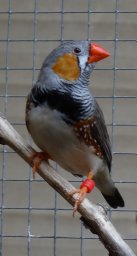 Pavlína Opatová合作论文数Czech Acad Sci, Inst Vertebrate Biol1HUANG Hua (黄华)合作论文数1HUANG Hou-kuan (黄厚宽)合作论文数1JingQing Chu (褚敬青)合作论文数1XianYou Zhao (赵贤友)合作论文数1JiaGui Zhu (朱家贵)合作论文数1JiaJia Wang (王家嘉)合作论文数1




