Rationale:The management of diabetic wound is limited by the absence of delivery systems that can dynamically respond to the complex pathological microenvironment. Herein, we have engineered a dual-functional theranostic microneedle (MN) patch for intelligent diabetic wound therapy. Methods:The patch (termed MNs@Z/CP) features a spatially designed bilayer architecture: the needle tips are loaded with a catalytic nanozyme (ZTCG) for on-demand therapy, exhibiting cascade superoxide dismutase (SOD)- and catalase (CAT)-mimetic activities to simultaneously alleviate oxidative stress and hypoxia while combating bacterial infection; the backing layer incorporates a cerium metal-organic framework (Ce-MOF)-based visual sensor for real-time monitoring of wound H2O2 levels. Results:MNs@Z/CP not only exhibited multimodal antibacterial and anti-inflammatory effects but also reprogrammed the immune microenvironment by activating the Nrf2/HO-1 pathway to shift macrophages from a pro-inflammatory (M1) to a pro-healing (M2) phenotype. In both diabetic and methicillin-resistant Staphylococcus aureus (MRSA)-infected diabetic wound models, the patch significantly accelerated wound closure, promoting angiogenesis, collagen deposition, and re-epithelialization. Conclusion:This work pioneers a theranostic platform that integrates real-time diagnostic, controlled catalytic therapy, and immunomodulatory therapy, providing a viable approach to the autonomous management of chronic wounds.
Adolescent idiopathic scoliosis (AIS) is characterized by decreased BMD, which is associated with an increased risk of skeletal fragility and poor long-term outcomes. This study explores the role of the Caspase Recruitment Domain Family, Member 14 (CARD14) gene in osteoclast (OC) differentiation and its contribution to bone metabolism dysregulation in AIS patients. RNA sequencing of peripheral blood mononuclear cells (PBMCs) from AIS patients identified significantly elevated CARD14 expression compared to controls. Functional in vitro assays demonstrated enhanced osteoclastogenesis in PBMC-derived cells from AIS patients, as evidenced by an increase in tartrate-resistant acid phosphatase (TRAP)-positive multinucleated cells and resorption pit formation. To further elucidate CARD14's role, adenoviral vectors were constructed to overexpress CARD14 in BM-derived macrophages from C57/B6 mice, leading to markedly increased OC differentiation and activity. Next, we utilized BM-specific Card14 KO mice to investigate the in vivo role of CARD14. These mice exhibited reduced OC activity, improved trabecular bone microarchitecture, and increased BMD, as evidenced by micro-CT and histological analyses. Additionally, serum biomarkers of bone metabolism further corroborated these findings. Mechanistically, CARD14 was found to interact with Myelocytomatosis viral oncogene homolog (MYC) and regulate OC differentiation through a MYC-dependent pathway, while simultaneously activating NF-κB and MAPK signaling, which are critical for osteoclastogenesis. Adolescent idiopathic scoliosis patients consistently showed lower BMD and higher OC counts than age-matched controls, establishing a link between abnormal OC function and bone loss in AIS. The results highlight that elevated CARD14 expression promotes osteoclastogenesis and bone resorption, contributing to reduced BMD in AIS. Targeting CARD14 and its associated signaling pathways may represent a novel therapeutic approach to address bone density loss in AIS patients, potentially improving their skeletal health and quality of life.
Chrysoeriol (CHE) is a naturally occurring compound with established anti-inflammatory and anti-tumor effects. This study examines its potential role in regulating osteoclast differentiation and activity, both of which are crucial for bone remodeling. Computational docking revealed high binding affinity between CHE and RANKL, specifically at the Lys-181 residue of RANKL, suggesting potential inhibitory interactions on osteoclastogenesis. In vitro assays confirmed CHE’s non-toxic profile at concentrations below 20 μM and demonstrated a dose-dependent suppression of osteoclast differentiation. Notably, CHE treatment significantly reduced TRAP activity and bone resorption capacity in a dose-dependent manner. Furthermore, CHE markedly decreased ROS production by NOX-1 expression and modulated the NRF2/KEAP1 pathway to enhance ROS clearance. The compound also showed inhibitory effects on the NF-κB and MAPK signaling pathways, which are crucial for osteoclast activation. In an ovariectomized mouse model, administration of CHE mitigated bone loss, indicating its therapeutic potential in osteoporosis. Collectively, these findings establish CHE as a promising natural therapeutic agent for treating bone disorders characterized by excessive bone resorption, underscoring the need for further clinical investigation.
Inflammatory bone resorption represents a pathological condition marked by an increase in bone loss, commonly associated with chronic inflammatory conditions such as rheumatoid arthritis and periodontitis. Current therapies primarily focus on anti-inflammatory drugs and bisphosphonates; however, these treatments are limited due to side effects, inadequate efficacy, and unpredictable long-term complications. Kurarinone (KR), a bioactive compound isolated from the traditional Chinese herb Sophora flavescens, exhibits a range of biological activities, including anti-inflammatory, anticancer, and cardiovascular protective effects. To address the limitations of existing therapies and enhance drug utilization, this study explores the potential of KR as a therapeutic agent for inflammatory bone resorption and delineates its underlying mechanisms. In vitro experiments reveal that KR notably inhibits osteoclastogenesis and reduces the expression of osteoclastic markers. Additionally, KR decreases the levels of pro-inflammatory cytokines IL-1β, IL-6, and TNF-α, while downregulating NADPH oxidase 1 (NOX1) and Kelch-like ECH-associated protein 1 (Keap1) to diminish ROS production. Furthermore, KR activates the nuclear factor erythroid 2-related factor 2 (Nrf2), which enhances the activity of heme oxygenase-1 (HO-1) and catalase (CAT), facilitating the clearance of excess ROS. The compound also hinders osteoclast formation and functionality by inhibiting the PI3K/AKT/GSK-3β signaling pathway. Lentiviral knockdown of CAT can partially reverse these effects of KR. Meanwhile, in vivo experiments indicate that KR effectively mitigates bone loss in an LPS-induced inflammatory bone resorption model. In summary, KR is a promising new star in breaking through the limitations of previous drugs and treating inflammatory bone resorption.
Naringenin (NAR), a natural flavonoid, exerts anti-inflammatory and antioxidant pharmacology. However, the pharmacological mechanisms through which NAR prevents and treats intervertebral disc degeneration (IDD) remain unclear. We utilized bioinformatics, machine learning, and network pharmacology to identify shared targets among NAR, senescence, and IDD. Subsequently, molecular docking was conducted to evaluate NAR’s binding affinity to common target. Additionally, we used IL-1β to induce senescence and degeneration in nucleus pulposus cells (NPCs) and conducted a series of cellular assays, including immunoblotting, immunofluorescence, β-galactosidase staining, cell proliferation, cell cycle analysis, and measurement of reactive oxygen species levels, to investigate NAR’s impact on IL-1β-induced senescence and degeneration of NPCs. Our study revealed that Insulin-like growth factor binding protein 3 (IGFBP3) was the only common target. IGFBP3 exhibited significant differences between the IDD and healthy groups and proved to be an effective diagnostic marker for IDD. Molecular docking confirmed the binding between NAR and IGFBP3. In vitro experiments, we observed that Igfbp3 expression increased in the senescence and degeneration groups. Igfbp3 knockdown and NAR attenuated IL-1β-induced senescence and degenerative phenotypes in NPCs. In contrast, the effect of NAR was attenuated by recombinant IGFBP3 protein. In conclusion, our findings suggest that NAR plays a preventive and therapeutic role in IDD, likely achieved through the inhibition of Igfbp3 expression.
OBJECTIVE:In this multicenter study, the authors conducted a comprehensive analysis of the safety and efficacy of posterior vertebral column resection (PVCR) for the treatment of thoracolumbar Pott's kyphosis. METHODS:The records of patients with severe thoracolumbar kyphosis (local kyphosis [LK] ≥ 90°) who underwent PVCR across 7 centers from September 2013 to August 2018 were retrospectively analyzed. The operation-related data were collected. Comparisons of spinopelvic parameters as well as American Spinal Injury Association Impairment Scale (AIS) grades were made preoperatively, postoperatively, and at the final follow-up. RESULTS:A total of 145 patients were included in this study, with an average follow-up of 105.7 months. LK decreased from 107.3° before surgery to 32.0° after surgery (p < 0.05) and slightly reverted to 37.1° at the final follow-up (p < 0.05). Thoracic kyphosis and lumbar lordosis significantly improved from 6.0° ± 6.9° and 75.8° ± 12.9° preoperatively to -12.7° ± 7.3° and 44.0° ± 9.5° postoperatively, respectively (both p < 0.05). The preoperative neurological function of 94 patients was AIS grade E, and 114 and 121 patients reached AIS grade E by 3 months postoperatively and the final follow-up, respectively. The Scoliosis Research Society-22 questionnaire score of patients at the final follow-up was significantly improved after surgery, increasing from 2.9 ± 0.3 points before surgery to 3.9 ± 0.2 points at the final follow-up (p < 0.05). Twenty-nine patients experienced early complications. Late complications occurred in 24 patients, including instrument failure in 17 cases, adjacent segment failure in 3 cases, and nonunion in 4 cases. CONCLUSIONS:PVCR is an effective surgical intervention for severe thoracolumbar kyphosis, with patients achieving significantly improved spinal alignment, neurological function, and quality of life in the long term. Care should be taken to prevent complications related to surgery and implant failure.
Multiciliated cells (MCCs) play a crucial role in various physiological processes, including cerebrospinal fluid flow, mucus clearance, and reproductive transport, by coordinating ciliary movement. Their differentiation is regulated by the Notch signaling pathway, along with its downstream targets, Gemc1 and Mcidas transcription factors. This study focuses on Zmynd10, a dynein axonemal assembly factor, to investigate its molecular mechanisms that regulate polycilia differentiation. By constructing a model of Zmynd10-specific knockdown in mouse ependymal cells (mEPCs), we found that Zmynd10 knockdown resulted in a decrease in ciliary density and significantly downregulated the mRNA and protein expression of E2f4 and Deup1. Further experiments demonstrated that E2f4 knockdown inhibited Deup1 expression and reduced cilia numbers, while Zmynd10 regulated the E2f4-Deup1 axis by activating the E2f4 promoter. This study reveals for the first time that Zmynd10 drives centriole amplification through the transcriptional regulation of the E2f4-Deup1 pathway, providing new insights into the molecular mechanisms underlying multicilia differentiation.
Background Posterior vertebral column resection (PVCR) is associated with improved spinal alignment and function in patients with severe thoracolumbar Pott deformity. However, the loads it places on spinal implants can result in those implants breaking or loosening, which can result in instability, pain, and unplanned reoperations. Identifying the controllable factors associated with implants breaking or loosening may be beneficial in the development of more effective surgical strategies. Questions/purposes What (1) radiographic and (2) clinical factors were associated with implant failure (defined as the mechanical failure of implanted spinal instrumentation) among patients who underwent PVCR surgery for severe thoracolumbar Pott deformity? Methods Between January 2013 and June 2020, we treated 168 patients who underwent PVCR for severe thoracolumbar Pott deformity. Twenty-four percent (41) of patients, however, were lost because of incomplete data, incompliance, emigration, nonsurgical-related death, less than 2-year minimum follow-up, or they had not been seen in the last 5 years, leaving 76% (127) for analysis here. There were 56% (71) males and 44% (56) females, with a mean ± SD age at surgery of 39 ± 11 years. Mean follow-up time was 45 ± 12 months. Two trained spine surgeons independently measured spinopelvic parameters, demonstrating excellent agreement (intraclass correlation coefficient = 0.99; p < 0.001). Based on the occurrence of implant failure, which we defined as a mechanical compromise of spinal instrumentation (such as screws, rods, plates, titanium mesh, or cages) resulting in loss of structural integrity, spinal instability, or neurologic deficits, participants were categorized into an implant failure group (n = 19) and a no implant failure group (n = 108). Comparative analyses were conducted on surgical-related data (such as apex location, number of resected vertebra, instrumented levels, anterior support, and use of multiple rods) and spinopelvic parameters (such as local kyphosis, residual segmental kyphotic angle [RSKA]—which we defined as the angle formed by the projection lines extending from the upper and lower endplates of the healed focal vertebra—sagittal vertical axis, and pelvic tilt). Notably, before the two-sample t-test, normality distribution and homogeneity of variance test (Levene test) were performed. Cox regression analysis was employed to determine the independent factors associated with postoperative implant failure. DeepSeek-V3 was utilized to enhance the spelling and grammatical accuracy of the writing. Results After controlling for potentially confounding variables such as age, sex, bone mineral density (BMD), BMI, and the number of instrumented levels, we found that a higher RSKA was associated with increased risk of implant failure (HR 1.15 per 1° increment [95% confidence interval (CI) 1.08 to 1.22]; p < 0.001). We also found that BMI ≥ 24 kg/m 2 was associated with an increased risk of implant failure after controlling for variables such as age, sex, BMD, and the number of instrumented levels (HR 6.61 [95% CI 1.99 to 22.00]; p = 0.002), and that use of multiple rods was associated with a decreased risk of implant failure (HR 0.19 [95% CI 0.04 to 0.90]; p = 0.04). Differences were observed between the two groups regarding BMI, instrumented levels, and whether multiple rods were used. Furthermore, there were differences in postoperative spinopelvic parameters such as local kyphosis, RSKA, and sagittal vertical axis between the two groups. However, no difference was found for other spinopelvic parameters including cervical lordosis, thoracic kyphosis, lumbar lordosis, pelvic incidence, sacral slope, pelvic tilt, and coronal balance. The results from Cox regression analysis indicated that RSKA, BMI, and the use of multiple rods are independent factors associated with postoperative implant failure. Conclusion Larger RSKA, increased BMI, and the absence of multiple-rod constructs were identified as factors associated with implant failure in severe thoracolumbar Pott deformity. PVCR requires adequate anterior column support and kyphosis correction, and multiple-rod constructs are recommended for reducing the risk of implant failure. Level of Evidence Level III, therapeutic study.
The ideal critical-sized bone repair scaffold should possess not only osteogenic capacity but also achieve integrated reconstruction of the cortical-cancellous bone structure, adaptation of anisotropic mechanical properties, and biomimetic simulation of comprehensive biological functions of natural bone. However, such comprehensively engineered scaffolds remain scarce. Herein, we developed a multifunctional loofah-inspired biomimetic scaffold. Mineralized hydroxyapatite (HAp) coating enhanced osteoconductivity, while embedded magnesiumbased metal-organic frameworks/polyvinyl alcohol (Mg-MOFs/PVA) hydrogel reinforced strength and biofunctionality, enabling integrated cortical-cancellous reconstruction. The loofah-derived hierarchical structure comprises a cortical layer with axially aligned Haversian systems and a cancellous layer featuring radially porous trabecular architecture, thereby recapitulating natural cortical-cancellous bone structure and triaxial anisotropic mechanical properties. In vitro and in vivo evaluations demonstrated spatiotemporal guidance of osteogenesis. Initial sustained release of HAp and Mg-MOFs promoted stem cell recruitment. Subsequently, the spatial architecture formed by the scaffold fibers guided their directional migration, enabling three-dimensional cellular infiltration. Coupled immunomodulation-angiogenesis-osteoinduction synergistically accelerated scaffoldtemplated mineralization and bone formation. Complete cortical coverage and cortical-cancellous reconstruction were achieved within 12 weeks post-implantation. By integrating structural, mechanical, and biochemical cues from natural bone, this study proposes a novel design strategy for advanced bone regeneration scaffolds.
Background: Patients with pre-existing cervical spinal canal stenosis (CSCS) are more likely to suffer from an extensional spinal cord injury (SCI). However, the appropriate surgical alternatives for extended cervical SCIs in individuals with pre-existing CSCS remain unknown. The purpose of this study was to evaluate the clinical efficacies of laminoplasty and posterior short-segment fusion (PSF) with laminoplasty and anterior short-segment fusion (ASF) in the treatment of these patients. Methods: The clinical data of 258 patients from six spine centers were included in this retrospective study. Patients were divided into two different groups based on the surgical approach: laminoplasty and PSF (PSF group) and laminoplasty and ASF (ASF group). ASIA grades and JOA scores were obtained before and after surgery to assess neurological function. Results: There were 116 patients in the PSF group and 142 patients in the ASF group. The average operation time, intraoperative blood loss, and hospital stay were 188 min, 298 ml, and 7.6 days, respectively, in PSF group, compared to 245 min, 366 ml, and 10.4 days in PSF group, respectively. Complete decompression was achieved in all patients, and fusion was achieved 6 months after surgery. A post-operative computed tomography scan revealed that 39/464 (8.4%) screws had perforated, but no neurovascular complications occurred. Both surgical strategies improved the ASIA grade and there was no significant difference between the two groups (P = 0.926). The JOA score improved from 6.21 ± 1.85 to 10.90 ± 3.56 in the PSF group and from 6.45 ± 2.17 to 11.48 ± 3.62 in the ASF group, but at the final follow-up, there was no significant difference between the two groups (P = 0.134). The incidence of post-operative complications in the ASF group (24/142, 16.9%) (P = 0.043) was higher than that in the PSF group (6/116, 5.17%). Conclusions: Cervical laminoplasty combined with short-segment transpedicular screw fixation is a reliable option to treat extensional cervical SCIs in patients with CSCS. This surgical strategy is beneficial for achieving sufficient cervical spinal cord decompression, preserving cervical spine stability, and avoiding extra anterior cervical decompression and fusion, thereby reducing surgery time, intraoperative blood loss volume, post-operative complication rate, and length of hospital stay. Relevance for Patients: Cervical laminoplasty combined with posterior segmental fusion (PSF) reduces operative time, bleeding, and complications and achieves adequate spinal cord decompression in the treatment of extension cervical SCI in patients with CSCS.
BACKGROUND AND OBJECTIVES: Severe rigid spinal scoliosis (SRSS) leads to severe restrictive ventilation dysfunction. Currently, the reports about the influence of preoperative halo-pelvic traction (HPT) combined with correction surgery on pulmonary function in patients with SRSS were relatively few. This study aims to investigate (1) the influence of preoperative HPT on lung volume and pulmonary function, (2) the further influence of the following correction surgery on lung volume and pulmonary function, and (3) the relationship among deformity correction, pulmonary function test outcomes, and computed tomography-based lung volume. METHODS: A total of 135 patients with SRSS who underwent preoperative HPT and followed low-grade osteotomy correction surgery were reviewed. Spinal parameters, including proximal thoracic curve, main thoracic curve (MTC), lumbar curve, coronal balance, thoracic kyphosis, lumbar lordosis, sagittal vertical axis, pulmonary function test outcomes (forced vital capacity [FVC], the percentage of predicted forced vital capacity [FVC%], forced expiratory volume in 1 second [FEV1], total lung capacity [TLC]), and lung volume (Vin), were analyzed before, after HPT and at the final follow-up, respectively. RESULTS: The mean FVC, FVC%, FEV1, and TLC increased from 1.67 L, 51.13%, 1.47 L, and 2.37 L to 1.95 L, 64.35%, 1.75 L, and 2.78 L, respectively, after HPT and further improved to 2.22 L, 72.14%, 1.95 L, and 3.15 L, respectively, at the final follow-up. The mean Vin increased from 1.98 L to 2.42 L after traction and further increased to 2.76 L at the final follow-up. The variation of MTC was correlated with the improvement of FVC (r = 0.429, P = .026), FVC% (r = 0.401, P = .038), FEV1 (r = 0.340, P = .043), and TLC (r = 0.421, P = .029) and the variation of Vin (r = 0.425, P = .015) before HPT and after surgery. CONCLUSION: Preoperative HPT can improve preoperative pulmonary function and enhance the preoperative lung volume. There were significant correlations among the variations of MTC, pulmonary function indexes, and lung volume before HPT and after surgery in patients with SRSS.
BACKGROUND:Disfunctional autophagy plays a pivotal role in Intervertebral Disc Degeneration (IDD) progression. however, the connection between Autophagy-related gene 9A (ATG9A) and IDD has not been reported.METHODS:Firstly, transcriptome datasets from the GEO and Autophagy-related genes (ARGs) from GeneCards were carried out using R. Following this, IDD-specific signature genes were identified through methods such as least absolute shrinkage and selection operator (LASSO), random forest (RF), and support vector machine (SVM) analyses. Validation of these findings proceeded through in vitro experiments, evaluation of independent datasets, and analysis of receiver operating characteristic (ROC) curves. Subsequent steps incorporated co-expression analysis, Gene Ontology (GO) analysis, Kyoto Encyclopedia of Genes and Genomes (KEGG) pathway analysis, Gene Set Enrichment Analysis (GSEA), and construction of competing endogenous RNA (ceRNA) network. The final section established the correlation between immune cell infiltration, ATG9A, and IDD utilizing the CIBERSORT algorithm and single-cell RNA (scRNA) sequencing data.RESULTS:Research identified 87 differentially expressed genes, with only ATG9A noted as an IDD signature gene. Analysis of in vitro experiments and independent datasets uncovered a decrease in ATG9A expression within the degeneration group. The area under the curve (AUC) of ATG9A exceeded 0.8 following ROC analysis. Furthermore, immune cell infiltration and scRNA sequencing data analysis elucidated the substantial role of immune cells in IDD progression. A ceRNA network was constructed, centered around ATG9A, included 4 miRNAs and 22 lncRNAs.CONCLUSION:ATG9A was identified as a diagnostic gene for IDD, indicating its viability as a effective target for therapy disease.
The incidence of preserved ejection fraction heart failure has significantly increased in persons with type 2 diabetes mellitus (T2DM). Left ventricular (LV) diastolic dysfunction is an early and important manifestation of preserved ejection fraction heart failure. The onset of heart failure in persons with diabetes is associated with diabetic neuropathy. However, the relationship among sudomotor function, which is an early manifestation of small fiber neuropathy, and LV diastolic function remains unclear. This study aimed to explore the association between sudomotor function and LV diastolic function in persons with T2DM. In total, 699 persons with T2DM were enrolled and divided into three groups according to electrochemical skin conductance (ESC) assessed using the SUDOSCAN device: “no dysfunction” group (NSF), “moderate dysfunction” group (MDF), and “severe dysfunction” group (SDF). LV diastolic function was assessed using Doppler echocardiography. To evaluate the relationship between ESC and echocardiographic parameters, Pearson’s correlation analysis was performed. Additionally, logistic regression analysis was used to determine the association between LV diastolic function and ESC. A receiver operating characteristic (ROC) curve was constructed to evaluate the performance of sudomotor function indicators in detecting impaired cardiac diastolic function. There were 301 persons (43.06
BACKGROUND AND OBJECTIVES: Few studies have been conducted to evaluate the precise impact of corrective surgery on sagittal spinal realignment and clinical outcomes in cases of delayed thoracolumbar osteoporotic fracture–related kyphosis. To assess the efficacy of corrective surgery on sagittal spinal alignment and investigate the relationship between spinal alignment and health-related quality of life (HRQoL) in patients with delayed thoracolumbar osteoporotic fracture–related kyphosis. METHODS: A total of 78 patients were enrolled. The characteristics and surgical variables were meticulously documented. The sagittal spinal parameters were measured, and the HRQoL was evaluated using Oswestry Disability Index (ODI), SF-12 Physical Component Score (SF-12 PCS), and Scoliosis Research Society-22 Patient Questionnaire (SRS-22) before and after surgery. The changes in spinal parameters and HRQoL were analyzed through the paired t -test. The Pearson correlation analysis was performed to analyze the correlation of parameters with HRQoL. Then, a multiple stepwise regression analysis was performed with HRQoL scores as the dependent variable and spinal parameters as the independent variable. RESULTS: The operative time was 185.9 ± 33.2 min, and the estimated blood loss was 782.8 ± 145.2 mL. The results of the paired t -test revealed a significant difference preoperatively and at the final follow-up in the thoracic kyphosis, thoracolumbar kyphosis (TLK), lumbar lordosis, T9 tilt, pelvic tilt, sacral slope, sagittal vertical axis, and spinosacral angle as well as the ODI, SF-12 PCS, and SRS-22 ( P < .05). Multiple stepwise regression analysis revealed that TLK and pelvic tilt, TLK and sagittal vertical axis, and TLK were the primary parameters affecting the ODI, SF-12 PCS, and SRS-22, respectively. CONCLUSION: Corrective surgery can effectively realign the global spine and improve HRQoL in patients with delayed thoracolumbar osteoporotic fracture–related kyphosis. The change of TLK is a driving factor to realign the global spine.
Objective:To investigate the clinical efficacy in one stage reconstruction of composite defects of Achilles tendon and surrounding soft tissues with a flap transfer combined with allogeneic tendon transplantation.Methods:From July 2018 to August 2022, a total of 12 patients, including 9 males and 3 females, with a mean age of 31.5(ranged 8 to 56) years old, had surgery with flap transfer combined with transplantation of allogeneic tendon in one stage reconstruction for compound defects of Achilles tendon and soft tissue at the Department of Orthopaedics of First Affiliated Hospital of Nanchang University. The defects of Achilles tendons ranged from 4.0 to 9.0 cm, and the soft tissue defects sized from 3.0 cm × 4.0 cm to 14.0 cm × 6.0 cm. Of the 12 patients, 6 received transfers of sural neurovascular flaps, 3 with peroneal perforator flaps and 3 with free anterolateral thigh flaps(ALTF). The flaps sized from 4.0 cm × 4.5 cm to 15.0 cm×7.0 cm, and in addition, allogeneic tendon grafts were used to reconstruct the defects of Achilles tendons in all patients. All the flap donor sites were either directly sutured or covered with skin grafts. Follow-up was carried out by visits of outpatient clinic or telephone or WeChat distant interviews. The flap survival and recovery of ankle function and Achilles tendon were observed.Results:During the 3 months to 2 years of follow-up, none of the patient showed obvious immunological rejection against the transplanted allogeneic tendon. All 12 flaps survived well with the colour and texture close to the surrounding skin. No ulceration occurred in both of the donor and recipient sites. There was no re-rupture of the transplanted allogeneic tendon. At the final follow-up, ankle movement was measured at 13.4°±2.6° in dorsal extension and 33.6°±3.2° in plantar flexion. According to American Orthopaedic Foot and Ankle Society (AOFAS) ankle and hind foot function score, a score of 88.7±5.6 was achieved with 7 patients in excellent, 4 in good and 1 was acceptable.Conclusion:In patients with a composite defect of Achilles tendon and surrrounding soft tissue, the application of a flap transfer combined with a homogeneous allograft tendon transplantation in an one stage surgery is a feasible surgical procedure. It can achieve a satisfactory outcome with less trauma and fewer complications.
BACKGROUND:To seek the potential therapy for spinal cord injury, Ferrostatin-1, the first ferroptosis inhibitor, was administrated in spinal cord injury mice to identify the therapeutic effect.METHODS:Spinal cord injury model was established by a modified Allen's method. Then, ferrostatin-1 was administrated by intraspinal injection. Cortical evoked motor potential and BMS were indicated to assess the neurological function rehabilitation. H&E, Nissl's staining, NeuN, and GFAP immunofluorescence were used to identify the histological manifestation on the mice with the injured spinal cord. Spinosin, a selective small molecule activator of the Nrf2/HO-1 signaling pathway, was administrated to verify the underlying mechanism of ferrostatin-1.RESULTS:Ferrostatin-1 promoted the rehabilitation of cortical evoked motor potential and BMS scores, synchronized with improvement in the histological manifestation of neuron survival and scar formation. Spinosin disturbed the benefits of ferrostatin-1 administration on histological and neurobehavioral manifestation by deranging the Nrf2/HO-1 signaling pathway.CONCLUSIONS:Ferrostatin-1 improved the rehabilitation of spinal cord injury mice by regulating ferroptosis through the Nrf2/HO-1 signaling pathway.
Purpose: Circular RNAs (circRNAs) play an critical role in the pathological processes associated with IDD. However, the potential roles of circRNAs in IDD remain largely unclear. Here, we identify the circRNAs expression profiles and elucidate the potential role of candidate circRNAs in the pathogenesis of intervertebral disc degeneration (IDD) through microarray data and bioinformatics analyses. Methods: We obtained the datasets of microarrays (GSE67566 and GSE116726) from the Gene Expression Omnibus database. The differentially expressed circRNAs and miRNAs were identified using the Limma R package. The target miRNAs and target genes of the candidate circRNAs were predicted using an online tool. Functional enrichment analyses of the target genes were performed using the clusterProfiler R package. A protein-protein interaction (PPI) network was constructed using STRING. Results: A total of 104 differentially expressed circRNAs were identified between the IDD and the control groups, including 41 upregulated circRNAs and 63 downregulated circRNAs (cutoff criteria (|log2 fold change| > 2, P < .05)). Hsa_circ_0040039, which was the most upregulated circRNA (log2 fold change = 2.95), was selected for further analysis. The regulatory circRNA-miRNA-mRNA network comprised hsa_circ_0040039, 2 target miRNAs (hsa-miR-424-5p and hsa-miR-15b-5p), and 77 target genes. Functional enrichment analysis showed that the 77 promising target genes are mainly enriched in the ubiquitin proteasome system and Wnt signaling pathway. Further, the PPI network showed that the top 3 hub genes are BRTC, SIAH1, and UBE2V1. Conclusions: A total of 104 differentially expressed circRNAs were identified between the IDD and control groups. Hsa_circ_0040039 may serve as a sponge of hsa-miR-424-5p and hsa-miR-15b-5p, to regulate the expression of downstream genes (such as BRTC, SIAH1, and UBE2V1); thus, it may be involved in IDD-associated pathological processes via the Wnt/β-catenin signaling pathway. Further studies are required to confirm the potential roles of hsa_circ_0040039 in IDD.
OBJECTIVE: Osteotomized debridement (OD) has been proved to be highly effective in treating active thoracolumbar tuberculosis (TB); however, no research has investigated how OD affects spinal alignment. The goal of this study was to explore the global alignment compensatory mechanism after lumbar OD, as well as the correlation between spinopelvic parameters and patient-reported outcomes (PROs). METHODS: Sixty-two patients with active lumbar spinal TB who underwent OD surgery were included. Spinopelvic parameters (C2-7 Cobb angle [C2-7 CA], sagittal vertical axis [SVA], proximal thoracic kyphosis, thoracic kyphosis, lumbar lordosis [LL], sacral slope [SS], pelvic tilt [PT], pelvic incidence [PI], spinosacral angle, and PI minus LL [PI-LL]) and PROs (Oswestry Disability Index [ODI] and Visual Analog Scale [VAS] score) were reviewed. The correlation between spinopelvic realignment and improved PROs was evaluated. RESULTS: Compared with preoperative measurements, C2-7 CA, proximal thoracic kyphosis, thoracic kyphosis, LL, SS, and spinosacral angle significantly increased after OD, whereas SVA, PT, and PI-LL significantly decreased. ODI and VAS score significantly improved postoperatively. The improvement of VAS was observed to be correlated with variations of C2-7 CA, SVA, LL, and PI-LL. The improvement of ODI was found to be correlated with variations of SVA, LL, and PI-LL. The multiple stepwise regression analysis showed that LL was an independent predictor for ODI and VAS score. CONCLUSIONS: The whole spine and pelvis are involved in realignment after lumbar spinal OD, which is closely related to PROs. More attention should be drawn to restoring an appropriate LL in lumbar TB surgery.
Study Design Retrospective cohort. Objectives To compare outcomes of posterior osteotomized debridement (OD) with combined anterior and posterior approach (AP) in treating thoracolumbar tuberculosis (TB). Methods This study reviewed 178 patients who were diagnosed as active thoracolumbar TB and surgically treated in our center. One hundred and two patients underwent posterior OD, interbody fusion with titanium mesh cage (TMC), and instrumentation (group A). Seventy-six patients underwent one-stage posterior instrumentation, anterior debridement, and interbody fusion with TMC (group B). Patients’ clinical outcomes were compared between the 2 groups. Results Erythrocyte sedimentation rate and C-reactive protein in all patients returned to normal levels within 3 months after surgery, and no recurrence occurred during the follow-up. Compared with AP approach, OD surgery was less invasive and with a lower cost (¥ 70 581 ± 17 645 vs ¥ 87 600 ± 27 328; P < .05). Patients treated by OD showed more significant improvements in Visual Analog Scale (VAS) and Oswestry Disability Index (ODI) than those treated by AP approach 3 months postoperatively (VAS: 3.0 ± .7 vs 3.7 ± .9; ODI: 14.7 ± 4.4 vs 20.6 ± 4.6). Two groups showed similar postoperative kyphosis correction and final follow-up correction loss ( P = .361 and P = .162, respectively). The OD method had a lower complication rate than AP approach (9.8% [10/102] vs 35.5% [27/76]; P < .05). Conclusions Posterior OD is effective in treating active thoracolumbar TB. Compared with traditional AP approach, OD surgery has less surgical invasiveness, lower complication rate, and shorter fusion time.
 Kai Cao (曹凯)合作论文数南昌大学第一附属医院骨科25
 Huading Lu (卢华定)合作论文数School of Medicine, Sun Yat-sen University;The Fifth Affiliated Hospital, Sun Yat-sen University18
 Xianghe Xu合作论文数13Jiachao Xiong合作论文数13Zhenhai Zhou合作论文数11Jie Shang合作论文数11
 Yufeng Chen合作论文数10
 Bin Wang合作论文数Institute of High Energy Physics, Chinese Academy of Science10Huizi Li合作论文数9Ning Jiang合作论文数Sun Yat-Sen University Cancer Center(State Key Laboratory of Oncology in South China,State Key Laboratory of Oncology in Southern China,Sun Yat-sen University Cancer Center,Sun Yat-Sen University Cancer Center),Guangzhou,China9Biao Wu合作论文数School of Computer Science, Guangdong University of Technology, China9Jiaquan Luo合作论文数7Shengbiao Ma合作论文数6Honggui Yu合作论文数6Yiwei Chen合作论文数6Sijian Lin合作论文数6
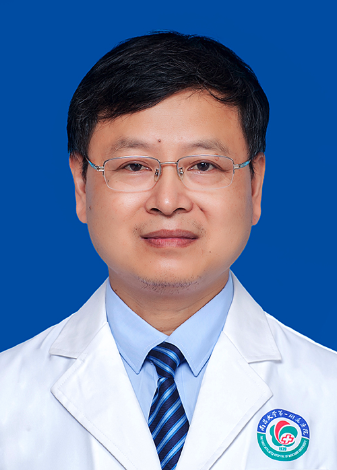 Zhimin Han (韩智敏)合作论文数The First Affiliated Hospital of Nanchang University6Hao Lv合作论文数5
 Zhimin Pan合作论文数Severance Hospital5Dawei Wang (王大为)合作论文数School of Materials Science and Engineering, Sun Yat-sen University5
 Zhiyun Li (李志云)合作论文数The First Affiliated Hospital of Nanchang University4Yoon Ha合作论文数4Mardan Mamat合作论文数3
 Shuping Zhong (钟淑萍)合作论文数School of Medicine, Sun Yat-sen University;The Fifth Affiliated Hospital, Sun Yat-sen University3Chunyang Wu合作论文数3Xuegang Li合作论文数3
 Yingsong Wang (王迎松)合作论文数3Ge Zhao-Hui (戈朝晖)合作论文数3Nan Lin合作论文数3Xiaokai Tang合作论文数2Zhongren Huang合作论文数2Faxin Zhou合作论文数2Wenbing Wan合作论文数2Qianren Xiao (肖前仁)合作论文数2Quanfei Liu合作论文数2Wenqiang Deng合作论文数2Jiangwei Chen合作论文数2Limin Yu合作论文数2Yimin Lin合作论文数2Zhiming Liu合作论文数2Xuemei Zhou合作论文数2
 Zongmiao Wan (万宗淼)合作论文数The First Affiliated Hospital of Nanchang University2
 Min Dai (戴闽)合作论文数The First Affiliated Hospital of Nanchang University2
 Fanrong Ai (艾凡荣)合作论文数Nanchang University2
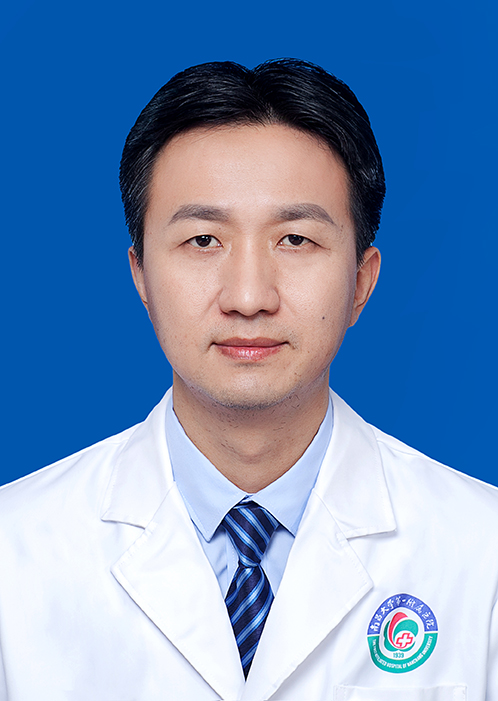 Dong Yang (杨东)合作论文数The First Affiliated Hospital of Nanchang University2Kim Keung Nyun合作论文数2
 Sheng Huang合作论文数2Xu Jiang合作论文数2Aiyong Cui合作论文数2




