Text-video retrieval tasks have seen significant improvements due to the recent development of large-scale vision-language pre-trained models. Traditional methods primarily focus on video representations or cross-modal alignment, while recent works shift toward enriching text expressiveness to better match the rich semantics in videos. However, these methods use only interactions between text and frames/video, and ignore rich interactions among the internal frames within a video, so the final expanded text cannot capture frame contextual information, leading to disparities between text and video. In response, we introduce Energy-Aware Fine-Grained Relationship Learning Network (EagleNet) to generate accurate and context-aware enriched text embeddings. Specifically, the proposed Fine-Grained Relationship Learning mechanism (FRL) first constructs a text-frame graph by the generated text candidates and frames, then learns relationships among texts and frames, which are finally used to aggregate text candidates into an enriched text embedding that incorporates frame contextual information. To further improve fine-grained relationship learning in FRL, we design Energy-Aware Matching (EAM) to model the energy of text-frame interactions and thus accurately capture the distribution of real text-video pairs. Moreover, for more effective cross-modal alignment and stable training, we replace the conventional softmax-based contrastive loss with the sigmoid loss. Extensive experiments have demonstrated the superiority of EagleNet across MSRVTT, DiDeMo, MSVD, and VATEX.
Graph Neural Networks (GNN) and Transformer-based architectures have achieved remarkable progress in graph learning, yet they still struggle to capture both global structural dependencies and model the dynamic information propagation. In this paper, we propose CTQWformer, a hybrid graph learning framework that integrates continuous-time quantum walks (CTQW) with GNN. CTQWformer employs a trainable Hamiltonian that fuses graph topology and node features, enabling physically grounded modeling of quantum walk dynamics that captures rich and intricate graph structure information. The extracted CTQW-based representations are incorporated into two complementary modules:(i) a Graph Transformer module that embeds final-time propagation probabilities as structural biases in the self-attention mechanism, and (ii) a Graph Recurrent Module that captures temporal evolution patterns with bidirectional recurrent networks. Extensive experiments on benchmark graph classification datasets demonstrate that CTQWformer outperforms graph kernel and GNN-based methods, demonstrating the potential of integrating quantum dynamics into trainable deep learning frameworks for graph representation learning. To the best of our knowledge, CTQWformer is the first hybrid CTQW-based Transformer, integrating CTQW-derived structural bias with temporal evolution modeling to advance graph learning.
By synergizing graph topology with the global expressive power of the attention mechanism, Graph Transformers (GTs) have emerged as a dominant architecture for node classification. However, existing models primarily focus on diverse topology injection mechanisms, specifically score-level and representation-level designs, yet lack a unified theoretical foundation to characterize how these mechanisms shape the representation propagation. To bridge this research gap, this paper unifies these designs under a common Graph Signal Denoising framework, revealing that denoising efficacy (\textit{i.e.}, representation quality) is fundamentally dictated by the block-diagonal structure of the propagation operator. To instantiate this prior efficiently, this paper introduces a novel Block-Diagonal GT architecture, named \textsc{BDFormer}, which enforces a block-diagonal constraint via spectral-regularized cross-attention on latent anchors. Specifically, by routing global interactions through these anchors, \textsc{BDFormer} imposes the spectral block-constraint directly on the anchor-level affinity. Crucially, the learned global affinity guides the pruning of local heterophilous edges, ensuring that both scales synergistically adhere to the target distribution. Extensive evaluations on benchmark datasets demonstrate the scalability and robustness of \textsc{BDFormer}.
Brain network classification is pivotal for diagnosing neurological disorders, yet clinical interpretability and the identification of discriminative biomarkers fundamentally rely on precise functional parcellation. However, existing graph learning models for brain network analysis typically suffer from a critical limitation termed spectral unreachability. This stems from the widely used coupled encoder-pooling architecture, where the inherent representation smoothing property of graph encoders (including Graph Neural Networks and Graph Transformers) inevitably corrupts the high-frequency topological signals essential for delineating sharp functional boundaries. To solve this issue, the Hierarchical Spectral Parcellation Network (HiSP-Net) is proposed. Adopting a philosophy, HiSP-Net structurally decouples partition learning from representation smoothing. Specifically, this model is constructed as a hierarchy of Spectral Parcellation blocks. Within each block, node (or module) representations are mapped directly via a topology-agnostic projection into a partition space to preserve high-frequency details, while a Topology-Aware Alignment mechanism enforces spatial coherence using a joint structural objective. Extensive evaluations on real-world datasets show the capability of HiSP-Net in achieving superior classification performance and extracting interpretable functional biomarkers. The source code is publicly available at https://anonymous.4open.science/r/HiSP-Net-demo-0F62/
The construction of the brain functional network often follows the hand-crafted Correlation Coefficients of blood-oxygen-level-dependent (BOLD) time series without any learnable components. Meanwhile, most efforts are made to the models, such as graph neural networks, that make predictions with the constructed brain network as input. Unfortunately, the fixed brain network may lose critical information during construction and lead to difficulty in performance improvement, even with deliberately designed graph models. From this perspective, the current situation is similar to the machine learning community, i.e., hand-crafted features and learnable predictors, before the advent of representation learning. In fact, the brain network can be regarded as a graph-structured learnable representation of the brain. By drawing on representation learning, this paper presents the Brain Representation (BRep) learning problem. To this end, the widely used linear and nonlinear correlations are enhanced to be high-order, parametric, and learnable. The flexible brain representation makes the following predictor simple and leads the framework to possess an end-to-end characteristic. The framework is implemented by combining the parametric correlation and a TopK sparsification. Theoretical analysis guarantees the model's universal approximation to any U/V-statistics. Extensive evaluations demonstrate that the proposed BRep possesses superior performance, high efficiency, and interpretability. The source code is publicly available at https://anonymous.4open.science/r/BRep-demo-1A3E/
Efficiently characterizing large quantum states and processes is a central yet notoriously challenging task in quantum information science, as conventional tomography methods typically require resources that grow exponentially with system size. Here, we introduce a structure-agnostic learning framework for noisy n-qubit quantum circuits under i.i.d. single-qubit noise. We first prove that quantum states with unital noise channels admit an efficient learnable representation in the logarithmic-depth regime. We then extend this framework to quantum process tomography under constant noise, deriving a unified protocol that applies to both unital and non-unital noisy channels and retains efficient guarantees for logarithmic-depth circuits. This process-learning formulation is input-agnostic and imposes no distributional assumptions on the input quantum states. We further study a more general regime with arbitrary noise strength. In this setting, low-weight Pauli propagation induces a terminal truncation whose threshold depends logarithmically on the inverse accuracy, leading to quasi-polynomial complexity and near-unit success probability in the average case. In contrast to the preceding two results, this arbitrary-noise guarantee does not impose any restriction on the circuit depth, and therefore covers arbitrary-depth circuits, including both the noiseless limit (γ= 0) and the strong-decoherence regime (γ= Θ(1)). Numerical simulations of two-dimensional Hamiltonian dynamics further demonstrate the accuracy and robustness of the approach, including for structured circuits beyond the random-circuit setting assumed in the theoretical analysis. These results provide a scalable and practically relevant route toward characterizing large-scale noisy quantum devices, addressing a key bottleneck in the development of quantum technologies.
Aiming to overcome distribution shift and label sparsity that hinder cross-domain generalization of Graph Neural Networks (GNNs), Unsupervised Graph Domain Adaptation (UGDA) transfers knowledge from a label-rich source to an unlabeled target graph. Yet in practice, strict privacy protocols often withhold the source graph, reducing UGDA to the more constrained Source-Free UGDA (SFUGDA) where only a pre-trained source GNN remains. In this setting, the source GNN serves as a simple, task-specific graph foundation model. Despite recent progress, existing source-free UGDA methods remain hampered by source-knowledge absence: deprived of source graphs, they lose the reference distribution needed to gauge domain shift and must lean on noisy target cues, incurring biased adaptation and catastrophic forgetting. To overcome this drawback, this paper devises Source-Free Graph foundation model Adaptation via pseudo-source Reconstruction (SFGAR), a two-stage SFUGDA framework that first generates pseudo-source graphs to recover the source distribution encoded in a frozen pre-trained GNN, then adversarially aligns these synthetic graphs with the unlabeled target. Theoretical analysis shows that this proxy alignment tightly bounds the target-domain generalization error. Extensive experiments on public benchmarks validate the state-of-the-art performance of SFGAR.
Video-based dialogue systems, such as education assistants, have compelling application value, thereby garnering growing interest. However, the current video-based dialogue systems are limited by their reliance on a single dialogue type, which hinders their versatility in practical applications across a range of scenarios, including question-answering, emotional dialog, etc. In this paper, we identify this challenge as how to generate video-driven multilingual mixed-type dialogues. To mitigate this challenge, we propose a novel task and create a human-to-human video-driven multilingual mixed-type dialogue corpus, termed KwaiChat, containing a total of 93,209 videos and 246,080 dialogues, across 4 dialogue types, 30 domains, 4 languages, and 13 topics. Additionally, we establish baseline models on KwaiChat. An extensive analysis of 7 distinct LLMs on KwaiChat reveals that GPT-4o achieves the best performance but still cannot perform well in this situation even with the help of in-context learning and fine-tuning, which indicates that the task is not trivial and needs further research.
As an essential technique for Graph Contrastive Learning (GCL), Graph Augmentation (GA) improves the generalization capability of the GCLs by introducing different forms of the same graph. To ensure information integrity, existing GA strategies have been designed to simultaneously process the two types of information available in graphs: node attributes and graph topology. Nonetheless, these strategies tend to augment the two types of graph information separately, ignoring their correlation, resulting in limited representation ability. To overcome this drawback, this paper proposes a novel GCL framework with a Joint spectrAl augMentation, named GCL-JAM. Motivated the equivalence between the graph learning objective on an attribute graph and the spectral clustering objective on the attribute-interpolated graph, the node attributes are first abstracted as another type of node to harmonize the node attributes and graph topology. The newly constructed graph is then utilized to perform spectral augmentation to capture the correlation during augmentation. Theoretically, the proposed joint spectral augmentation is proved to perturb more inter-class edges and noise attributes compared to separate augmentation methods. Extensive experiments on homophily and heterophily graphs validate the effectiveness and universality of GCL-JAM.
Scene Graph Generation (SGG) aims to detect all objects and identify their pairwise relationships existing in the scene. Considering the substantial human labor costs, existing scene graph annotations are often sparse and biased, which result in confusion training with low-frequency predicates. In this work, we design a Semi-Supervised Clustering framework for Scene Graph Generation (SSC-SGG) that uses the sparse labeled data to guide the generation of effective pseudo-labels from unlabeled object pairs, thus enriching the labeled sample space, especially for low-frequency interaction samples. We approach from the perspective of clustering, reducing the problem of confirmation bias in a self-training manner. Specifically, we first enhance the model's robustness to feature extraction via prototype-based clustering, aggregating different relationship augmented features onto the same prototype. Secondly, we design a dynamic pseudo-label assignment algorithm based on a mini-batch, which adjusts the detection sensitivity to different frequency samples from the historical assignment. Finally, we conduct joint training on the pseudo-labels and the labeled data. We conduct experiments on various SGG models and achieve substantial overall performance improvements, demonstrating the effectiveness of SSC-SGG.
The distribution shifts and the scarcity of labels prevent graph learning methods, especially graph neural networks (GNNs), from generalizing across domains. Compared to Unsupervised Domain Adaptation (UDA) with embedding alignment, Unsupervised Graph Domain Adaptation (UGDA) becomes more challenging in light of the attribute and topology entanglement in the representation. Beyond embedding alignment, UGDA turns to topology alignment but is limited by the ability of the employed topology model and the estimation of pseudo labels. To alleviate this issue, this paper proposed a Disentangled Graph Spectral Domain adaptation (DGSDA) by disentangling attribute and topology alignments and directly aligning flexible graph spectral filters beyond topology. Specifically, Bernstein polynomial approximation, which mimics the behavior of the function to be approximated to a remarkable degree, is employed to capture complicated topology characteristics and avoid the expensive eigenvalue decomposition. Theoretical analysis reveals the tight GDA bound of DGSDA and the rationality of polynomial coefficient regularization. Quantitative and qualitative experiments justify the superiority of the proposed DGSDA.
Traditional knowledge distillation (KD) transfers knowledge from a pre-trained cumbersome teacher model to a compact student model. In order to reduce the cost of pre-training, online KD removes the teacher and employs several lightweight students to learn from each other. However, existing online KD methods over-estimate the positive facilitation. We argue that over-imitation can lead to homogenization among students, while diversity is far from being explored. In this work, we propose a novel Collaboration and DIversification (CoDI) framework. Concretely, we introduce a class-wise ensemble with dynamic attention in collaboration learning. We emphasize the student identity and introduce non-target diversity to mitigate homogenization. Furthermore, to eliminate conflicts between collaboration and diversification, we bring out a truncated optimization. Experimental evaluations demonstrate the superiority of the proposed CoDI over state-of-the-art methods.
Brain network analysis plays a critical role in brain disease prediction and diagnosis. Graph mining tools have made remarkable progress. Graph neural networks (GNNs) and Transformers, which rely on the message-passing scheme, recently dominated this field due to their powerful expressive ability on graph data. Unfortunately, by considering brain network construction using pairwise Pearson’s coefficients between any pairs of ROIs, model analysis and experimental verification reveal that . Surprisingly, this paper observes the significant performance and efficiency enhancements of the Hadamard product compared to the matrix product, which is the matrix form of message passing, in processing the brain network. Inspired by this finding, a novel Brain Quadratic Network (BQN) is proposed by incorporating quadratic networks, which possess better universal approximation properties. Moreover, theoretical analysis demonstrates that BQN implicitly performs community detection along with representation learning. Extensive evaluations verify the superiority of the proposed BQN compared to the message-passing-based brain network modeling. Source code is available at .
As a pivotal architecture in Self-Supervised Learning (SSL), Graph Contrastive Learning (GCL) has demonstrated substantial application value in scenarios with limited labeled nodes (samples). However, existing GCLs encounter critical issues in the graph augmentation and positive and negative sampling stemming from the lack of explicit supervision, which collectively restrict their efficiency and universality. On the one hand, the reliance on graph augmentations in existing GCLs can lead to increased training times and memory usage, while potentially compromising the semantic integrity. On the other hand, the difficulty in selecting TRUE positive and negative samples for GCLs limits their universality to both homophilic and heterophilic graphs. To address these drawbacks, this paper introduces a novel GCL framework called GRAph learning via Self-contraSt (GRASS). The core mechanism is node-attribute self-contrast, which specifically involves increasing the feature similarities between nodes and their included attributes while decreasing the similarities between nodes and their non-included attributes. Theoretically, the self-contrast mechanism implicitly ensures accurate node-node contrast by capturing high-hop co-inclusion relationships, thereby enabling GRASS to be universally applicable to graphs with varying degrees of homophily. Evaluations on diverse benchmark datasets demonstrate the universality and efficiency of GRASS. The dataset and code are available at URL: https://github.com/YukunCai/GRASS.
Quantum process characterization is a fundamental task in quantum information processing, yet conventional methods, such as quantum process tomography, require prohibitive resources and lack scalability. Here, we introduce an efficient quantum process learning method specifically designed for short-time Hamiltonian dynamics. Our approach reconstructs an equivalent quantum circuit representation from measurement data of unknown Hamiltonian evolution without requiring additional assumptions and achieves polynomial sample and computational efficiency. Our results have broad applications in various directions. We demonstrate applications in quantum machine learning, where our protocol enables efficient training of variational quantum neural networks by directly learning unitary transformations. Additionally, it facilitates the prediction of quantum expectation values with provable efficiency and provides a robust framework for verifying quantum computations and benchmarking realistic noisy quantum hardware. This work establishes a new theoretical foundation for practical quantum dynamics learning, paving the way for scalable quantum process characterization in both near-term and fault-tolerant quantum computing.
Graph Transformers (GTs), adept at capturing the locality and globality of graphs, have shown promising potential in node classification tasks. Most state-of-the-art GTs succeed through integrating local Graph Neural Networks (GNNs) with their global Self-Attention (SA) modules to enhance structural awareness. Nonetheless, this architecture faces limitations arising from scalability challenges and the trade-off between capturing local and global information. On the one hand, the quadratic complexity associated with the SA modules poses a significant challenge for many GTs, particularly when scaling them to large-scale graphs. Numerous GTs necessitated a compromise, relinquishing certain aspects of their expressivity to garner computational efficiency. On the other hand, GTs face challenges in maintaining detailed local structural information while capturing long-range dependencies. As a result, they typically require significant computational costs to balance the local and global expressivity. To address these limitations, this paper introduces a novel GT architecture, dubbed DUALFormer, featuring a dual-dimensional design of its GNN and SA modules. Leveraging approximation theory from Linearized Transformers and treating the query as the surrogate representation of node features, DUALFormer \emph{efficiently} performs the computationally intensive global SA module on feature dimensions. Furthermore, by such a separation of local and global modules into dual dimensions, DUALFormer achieves a natural balance between local and global expressivity. In theory, DUALFormer can reduce intra-class variance, thereby enhancing the discriminability of node representations. Extensive experiments on eleven real-world datasets demonstrate its effectiveness and efficiency over existing state-of-the-art GTs.
Graph Transformers (GTs), which effectively capture long-range dependencies and structural biases simultaneously, have recently emerged as promising alternatives to traditional Graph Neural Networks (GNNs). Advanced approaches for GTs to leverage topology information involve integrating GNN modules or modulating node attributes using positional encodings. Unfortunately, the underlying mechanism driving their effectiveness remains insufficiently understood. In this paper, we revisit these strategies and uncover a shared underlying mechanism—Cross Aggregation—that effectively captures the interaction between graph topology and node attributes. Building on this insight, we propose the Universal Graph Cross-attention Transformer (UGCFormer), a universal GT framework with linear computational complexity. The idea is to interactively learn the representations of graph topology and node attributes through a linearized Dual Cross-attention (DCA) module. In theory, this module can adaptively capture interactions between these two types of graph information, thereby achieving effective aggregation. To alleviate overfitting arising from the dual-channel design, we introduce a consistency constraint that enforces representational alignment. Extensive evaluations on multiple benchmark datasets demonstrate the effectiveness and efficiency of UGCFormer.
Deep learning models excel in various applications but remain vulnerable to adversarial attacks. Previous adversarial attacks focused on the vulnerability of direct content understanding tasks such as classification and object detection. Implicit interactions play a vital role in intelligent tasks. However, limited attention has been paid to implicit interaction understanding, such as relationships and behaviours. This paper addresses this gap by investigating the vulnerability of implicit interaction understanding in the context of adversarial attacks. Specifically, we introduce a novel adversarial attack task, Interaction Attack (IA), which aims to interfere with scene interaction understanding without affecting direct instance recognition. This task presents unique challenges: (a) interactions are intrinsically tied to scene objects, making independent exploration difficult, and (b) interactions often lack explicit visual cues, complicating direct optimization processes. We propose a novel adversarial attack framework for implicit interactions, named Hard-label Black-box Adversarial Instance Attack (HB-AIA). HB-AIA comprises three key modules, including an Interaction Area Sampling module identifying vulnerable anchors for adversarial instance positioning, an Object Category Search module exploring surrogate categories with higher obfuscation scores for vulnerable anchors, and an Adversarial Instance Generation module crafting adversarial instances with targeted co-occurrence obfuscation to disrupt specific interactions in vulnerable areas. Furthermore, we establish an adversarial attack benchmark based on the Human-Object Interaction task to estimate the vulnerability of implicit interactions. Experiments demonstrate the effectiveness.
In real-world scenarios, networks (graphs) and their tasks possess unique characteristics, requiring the development of a versatile graph augmentation (GA) to meet the varied demands of network analysis. Unfortunately, most Graph Contrastive Learning (GCL) frameworks are hampered by the specificity, complexity, and incompleteness of their GA techniques. Firstly, GAs designed for specific scenarios may compromise the universality of models if mishandled. Secondly, the process of identifying and generating optimal augmentations generally involves substantial computational overhead. Thirdly, the effectiveness of the GCL, even the learnable ones, is constrained by the finite selection of GAs available. To overcome the above limitations, this paper introduces a novel unified GA module dubbed UGA after reinterpreting the mechanism of GAs in GCLs from a message-passing perspective. Theoretically, this module is capable of unifying any explicit GAs, including node, edge, attribute, and subgraph augmentations. Based on the proposed UGA, a novel generalized GCL framework dubbed Graph cOntrastive UnifieD Augmentations (GOUDA) is proposed. It seamlessly integrates widely adopted contrastive losses and an introduced independence loss to fulfill the common requirements of consistency and diversity of augmentation across diverse scenarios. Evaluations across various datasets and tasks demonstrate the generality and efficiency of the proposed GOUDA over existing state-of-the-art GCLs.
Open-Set Recognition (OSR) aims to accurately identify known classes while effectively rejecting unknown classes to guarantee reliability. Most existing OSR methods focus on learning in the spatial domain, where subtle texture and global structure are potentially intertwined. Empirical studies have shown that DNNs trained in the original spatial domain are inclined to over-perceive subtle texture. The biased semantic perception could lead to catastrophic over-confidence when predicting both known and unknown classes. To this end, we propose an innovative approach by decomposing the spatial domain to the frequency domain to separately consider global (low-frequency) and subtle (high-frequency) information, named Frequency Shuffling and Enhancement (FreSH). To alleviate the overfitting of subtle texture, we introduce the High-Frequency Shuffling (HFS) strategy that generates diverse high-frequency information and promotes the capture of low-frequency invariance. Moreover, to enhance the perception of global structure, we propose the Low-Frequency Residual (LFR) learning procedure that constructs a composite feature space, integrating low-frequency and original spatial features. Experiments on various benchmarks demonstrate that the proposed FreSH consistently trumps the state-of-the-arts by a considerable margin.
 Xiaochun Cao (操晓春)合作论文数School of Cyber Science and Technology, Sun Yat-sen University40
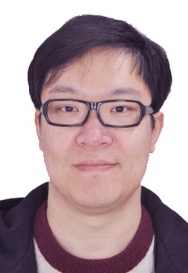 Liang Yang (杨亮)合作论文数School of Artificial Intelligence, Hebei University of Technology;School of Computer Science and Engineering, Hebei University of Technology37
 Zhen Wang (王震)合作论文数School of Artifcial Intelligence, OPtics and ElectroNics, Northwestern Polytechnical University18
 Yuanfang Guo (郭园方)合作论文数School of Computer Science & Engineering, Beihang University17
 Bingxin Niu合作论文数15
 Jiaming Zhuo (禚佳明)合作论文数School of Artificial Intelligence, Hebei University of Technology14
 Dongxiao He (何东晓)合作论文数School of Computer Science and Technology, College of Intelligence and Computing, Tianjin University11
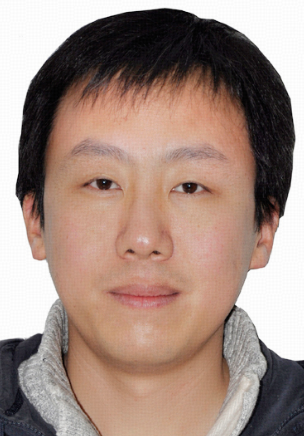 Di Jin (金弟)合作论文数College of Intelligence and Computing, Tianjin University9
 Ziyi Ma (马子艺)合作论文数School of Artificial Intelligence, Hebei University of Technology8
 Kun Fu (富坤)合作论文数School of Artificial Intellgence, Hebei University of Technology8
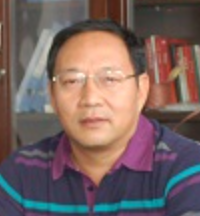 Junhua Gu (顾军华)合作论文数School of Artificial Intelligence, Hebei University of Technology8
 Zeming Liu合作论文数Research Center for Social Computing and Information Retrieval, Harbin Institute of Technology7
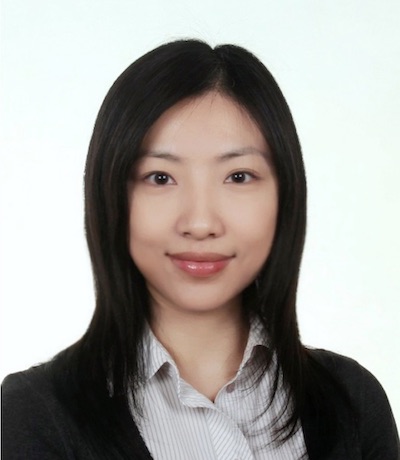 Rui Wang (王蕊)合作论文数Institute of Information Engineering, Chinese Academy of Sciences;University of Chinese Academy of Sciences4Yuwei Liu合作论文数3Yintong Lu合作论文数3Can Cui合作论文数3Runjie Shi合作论文数3Wenmiao Zhou合作论文数3
 Huazhu Fu合作论文数Institute of High Performance Computing, Agency for Science, Technology and Research3Dongsheng Wang合作论文数2Jiarui Yang合作论文数2
 Siyuan Liang合作论文数School of Computing, National University of Singapore2Jiayi Wang合作论文数2Qiuliang Zhang合作论文数2Weihang Peng合作论文数Hebei University of Technology, China2Yusen Wu合作论文数School of Artificial Intelligence, Beijing Normal University2
 Sanyi Zhang (张三义)合作论文数State Key Lab Informat Secur, Inst Informat Engn2Fan Wu合作论文数2
 Aishan Liu (刘艾杉)合作论文数School of Computer Science and Engineering, Beihang University;State Key Laboratory of Software Development Environment, Department of Computer Science and Engineering, Beihang University2
 Xiaoming Shi (施晓明)合作论文数School of Computer Science and Technology, East China Normal University2
 Hua Zhang (张华)合作论文数Institute of Information Engineering, Chinese Academy of Sciences;University of Chinese Academy of Sciences2
 Xiao Yuan (袁骁)合作论文数Center on Frontiers of Computing Studies, Peking University;School of Electronics Engineering and Computer Science, Peking University2Lijun Liu合作论文数Institute of Information Engineering, Chinese Academy of Sciences;School of Cyber Security, University of Chinese Academy of Sciences2Wenning Wu合作论文数1Zhenna Li合作论文数1Jinjing Zhao合作论文数1Shuyi Wu合作论文数1Jun Zhang合作论文数1Xin Chen合作论文数1Hui Ning合作论文数1Yukun Cai合作论文数1Jizhong Xu合作论文数1Wei Xiao Hu合作论文数1Feiyang Qin合作论文数1Jiahong Wu合作论文数1Cheng Chen合作论文数1




