In current work, we for the first time studied the antimicrobial activity of representatives of mold fungi, which occupy a rather specific ecological niche, since they are destructors of tempera painting materials. We screened 24 molds that had previously been isolated from exhibits and in the halls of the State Tretyakov Gallery and for which the ability to destroy materials used in tempera painting and scientific restoration was shown. Screening for antimicrobial activity was carried out against a panel of 16 test cultures, characteristic for identifying activities of various types. The strains exhibited activity, including against Staphylococcus aureus INA 00761 (MRSA), S. aureus FDA 209P (MSSA), Pseudomonas aeruginosa ATCC 27853, Mycobacterium smegmatis VKPM Ac-1339, M. smegmatis mc2 155 and Leuconostoc mesenteroides VKPM B-4177. Among the studied paint-degrading fungi, strains Simplicillium lamellicola STG-96, Cerarobasidium sp. STG-324, Penicillium sp. STG-327 and Penicillium sp. STG-344 turned out to be the most promising for further research related to the determination what specific highly active compounds they produce.
A new methanogenic archaeon, strain Z-7115T, was isolated from the bottom sediments of the freshwater Baikal Lake (Eastern Siberia, Russia). Morphologically, the strain was represented by non-motile coccoid cells of 0.5–3 µm, collected in packets of 2–4 and their small aggregates. The strain used methanol, mono-, di-, and trimethylamine, as well as acetate, as energy substrates for methanogenesis. The cells grew at a temperature of 15–35°C (optimum 25°C), pH 6.3–7.5 (optimum pH 7.3) and were tolerant to a NaCl concentration of <0.1 M. The G+C content of genomic DNA was 40.76 mol
A method has been developed for producing analogs of fermented milk drinks from pumpkin seed meal, which is a massive waste product from oilseed production, using new strains of lactic acid bacteria (LAB) isolated from different samples of kumiss. Based on the results of screening 50 LAB isolates capable of fermenting milk and aqueous meal extracts in a wide pH range, three strains with the best growth characteristics were selected. These strains were identified as representatives of the genus Lacticaseibacillus, most closely related to L. rhamnosus and L. casei (with 99.93 and 99.65
The taxonomic structure of microbial communities in the Late Pleistocene paleosols of different ages in the Central Russian Upland formed under contrasting climatic conditions were analyzed. The humic horizons of paleosols in the interstadial periods of the Early Valdai (105–95 kyr ago), Middle Valdai (33–24 kyr ago), Mikulino interglacial (130–117 kyr ago), and of the modern (Holocene) chernozem were considered. Microbial DNA was analyzed using quantitative PCR and 16S rRNA gene amplicon sequencing (DNA metabarcoding). The numbers of copies of archaeal, bacterial, and fungal genes gradually decreased with an increase in the soil age. All considered paleosols significantly differed from one another in the structure of their microbial communities. The Verrucomicrobia-to-Nitrospirae ratio was used as a diagnostic parameter reflecting the organic matter supply and the changes in carbon and nitrogen cycles. The Verrucomicrobia-to-Nitrospirae ratio in the interstadial soils was 140–200 times lower as compared with that in the modern soil (typical chernozem) and in the paleosols of the Mikulino interglacial. The share of gram-negative Proteobacteria and Acidobacteria increased with the soil age, whereas the share of gram-positive Actinobacteria and Firmicutes decreased. The modern chernozems and interglacial paleosols were characterized by similar values of microbial diversity, while the paleosols of the Valdai interstadial had significantly lower microbial diversity and species richness. Analysis of β-diversity showed that the paleosols of different types and ages maintained the difference in the structure and diversity of their microbial communities depending on the conditions of their formation. Thus, the microbial communities can be used as potential stratigraphic markers and indicators of different climatic conditions, under which the given paleosols were formed.
Persisters (P) are the cells surviving, but not reproducing in the presence of lethal doses of antibiotics (AB). These are the cells of a scarce (0.001–1.0%) subpopulation, emerging due to a phenotypic transition, which may be stochastic or induced by stress impacts. Growing in fresh medium, P reproduce the structure of the parent population, which is considered the cause of: (a) recurrent infections; (b) inefficiency of antibiotic treatment; and (c) development of antibiotic resistance, as was discussed in numerous articles and reviews. The goal of the present work was to investigate P formation by bacteria contaminating human skin and their properties, which have not been studied previously. Two approaches were used to measure the frequency of occurrence was determined for P in the populations of stationary-phase cultures of Staphylococcus capitis Р205-1 (UNIQEM, Russia), which is sensitive to polymyxin, Na sulfacyl, and co-trimoxazole, and Staphylococcus epidermidis 14990 АТСС, which is resistant to these antibiotics: (1) traditional, by application of lethal AB doses and (2) by using a lysis solution (LS), which killed the ordinary vegetative cells and selected the persister cells resistant to AB and LS (PAB and PLS, respectively). This is the first report on applicability of the method involving the lysis solution for determination of P abundance in strains with multidrug AB resistance (for the S. epidermidis strain). Unlike most bacterial strains retrieved from collections , the share of P in stationary-phase cultures of staphylococci inhabiting human skin was quite high: ~10% for both S. epidermidis PLS and S. capitis. Heterogeneity in resistance to the lysis solution was revealed in the PAB obtained by the standard procedure: PLS share in S. capitis was ~1% of PAB abundance. These PLS were resistant to AB cross-action. The differences in PLS abundance in the studied strains (10% for S. epidermidis and below 1.0% for S. capitis) correlated with their AB resistance. Long-term incubation (4 months) under standard conditions resulted in the cycle of staphylococci development ending by emergence of dormant forms (DF); their share for both strains was ~0.1% of the number of viable cells in the stationary-phase cultures. The DF of staphylococci had all characteristics of dormant cells: emerged in the cycle of culture development; preserved viability under nongrowth conditions; had no experimentally detectable metabolism (absence of respiration); had specific ultrastructural organization; and were heat-resistant (200‒600 times higher than the vegetative cells at 90°C for 15 min). The correlation between PLS abundance in the cultures of staphylococci and the share of heat-resistant DF confirms our earlier suggestion on persisters as DF percursors.
According to 16S rRNA gene- or genome-based phylogeny, magnetotactic bacteria (MTB) belong to diverse taxonomic groups. Here we analyzed the diversity of MTB in a sample taken from the freshwater lake Beloe Bordukovskoe near Moscow, Russia, by using molecular identification based on sequencing of the 16S rRNA gene and mamK , a specific marker gene for these bacteria. A protein encoded by the mamK gene is involved in magnetosome chain arrangement inside the cell. As a result, six operational taxonomic units (OTUs) of MTB were identified. Among them, OTUs affiliated with the phylum Nitrospirae were predominant. ‘ Ca . Etaproteobacteria’ and Alphaproteobacteria represented the minor groups of MTB. We also identified a novel MTB belonging to the family Syntrophaceae of the Deltaproteobacteria class. Using a combination of fluorescence and transmission electron microscopy, the bacteria belonging to these new MTB groups were visualized. Electron microscopy revealed that Syntrophaceae MTB were rod-shaped and synthesized elongated magnetosomes, arranged as a disorganized cluster. Among the Nitrospirae group, two groups with vibrioid cell shape and one group of ovoid-shaped bacteria were identified, all of which had elongated magnetosome crystals consisting of magnetite.
— Analysis of the aerobic heterotrophic component of bacterial communities from samples of poorly studied ancient ice wedge from the Mamontova Gora section (Central Yakutia), was carried out. The abundance of colony forming cells (CFU) of aerobic heterotrophic bacteria detected by plating of the thawed samples onto an agar nutrient media varied within 10 3 ‒10 4 CFU/mL. At the same time, the total number of intact cells was only 1−2 orders of magnitude higher. The taxonomic position of bacteria was determined by analysis of the 16S rRNA gene sequences. These bacteria were represented by three phyla: Actinobacteria , Firmicutes, and Proteobacteria . The temperature growth range of 8–20°C, which is characteristic of psychrotolerant bacteria, proved to be a specific physiological feature of the isolated strains. Most bacteria were found to be sensitive to a wide range of antibiotics.
— The community of anoxygenic phototrophic bacteria (APB) from the water column of the meromictic Lake Trekhtsvetnoe (Kandalaksha Bay, White Sea, Russia) was studied in March 2012 and 2013 and in September 2013 and 2014. The community structure below the chemocline was shown to restore during three years after partial mixing resulting from seawater admixture into the lake in autumn 2011; a dense layer (at least 10 8 cells mL –1 ) of green-colored (g/c) sulfur bacteria (GSB) was formed. During winter, development of low numbers of brown colored (b/c) GSB was observed in the upper layer of green water. During summer seasons, b/c GSB were found to be located in the oxic zone above the green water layer, which was unusual for these organisms. The APB community was found to contain purple bacteria. Four APB strains were isolated from the upper part of the sulfide zone. The b/c and g/c GSB strains were phylogenetically close to each other and to the type species Chlorobium phaeovibrioides DSM 265 (99% similarity gene sequences). One strain of purple bacteria was phylogenetically related to the brackish sulfur bacteria Thiocapsa marina , while the other was related to freshwater bacteria Rhodopseudomonas palustris . The strains of sulfur bacteria were phylogenetically close to the chemocline bacteria from the stratified Lake Kislo-Sladkoe, also located in the coastal zone of the Kandalaksha Bay, White Sea.
Magnetotactic bacteria (MTB) belong to different taxonomic groups according to 16S rRNA or whole-genome phylogeny. Magnetotactic representatives of the class Alphaproteobacteria and the order Magnetococcales are the most frequently isolated MTB in environmental samples. This bias is due in part to limitations of currently available methods to isolate MTB. Here we describe a new approach for isolation of MTB cells that does not depend on cell motility and will allow collecting bacteria both south- and north-seeking movement. We also designed a specific primer system for the gene encoding the MamK protein that effectively detects diverse MTB phylogenetic groups in any sample type. The combination of these two approaches allowed the identification of a novel MTB belonging to the family Syntrophaceae of the class Deltaproteobacteria. Moreover, we found that Nitrospirae bacteria predominated in the MTB fraction of a sample taken from Lake Beloe Bordukovskoe near Moscow, Russia. We describe the novel dominant Nitrospirae bacterium ‘Candidatus Magnetomonas plexicatena’ and propose its taxonomic name. IMPORTANCE Among magnetotactic bacteria (MTB), the members of phyla Proteobacteria, Nitrospirae and ‘Ca. Omnitrophica’ have been studied extensively using the existing approaches. However, in recent years, analyses of the metagenomic databases have revealed the presence of MTB in phylogenetic groups, which had not been previously detected using standard approaches. This finding indicates that the biodiversity of MTB is much broader than is currently known. The difficulty of identifying MTB based on comparative analysis of 16S rRNA genes lies in the existence of closely related species of non-magnetotactic bacteria. Moreover, there is an absence of 16S rRNA MTB sequences from such taxonomic groups as ‘Latescibacteria’ and Planctomycetes. In addition, the standard methods of separating MTB can benefit bacteria with high motility. Developing novel strategies for investigation offers great promise towards identifying MTB groups. We have proposed new approach to separate MTB cells from environmental samples and have also proposed a specific primer system for the MTB identification.
Land use affects physical, chemical and biological properties and processes in soil. Long-term field experiments were employed to reveal changes of soil characteristics induced by land use. Using high-throughput 16S rRNA gene amplicon sequencing and quantitative PCR, comparative analyses were conducted on prokaryotic community structure in different soil diagnostic horizons of Chernozems under forest, fallow and arable land within a long-term field experiment established by V.V. Dokuchaev in 1892. Soil organic carbon (SOC) was a more sensitive and reliable indicator of changes than microbial diversity indexes. Verrucomicrobia changed most among different prokaryotic phyla. Long-term tillage did not result in detectable changes in α-diversity of Chernozem prokaryotic communities, except for that plow pan horizon that showed a pronounced decrease in microbial diversity. The differences in prokaryotic community structure between soil horizons were more contrasting than between land uses. Analysis of β-diversity indicated that soil microbial communities at different depths formed non-overlapping clusters of A and B horizons, while microbiomes of transitional AB horizons fall in between these two clusters. The sharp decline in α-diversity in the plow pan horizon, as well as significant differences between the communities of A and B horizons indicate that the soil microbiomes are horizon-specific.
Clone libraries and morphological analysis were used to investigate cyanobacterial diversity in the cyanobacterial mat and dry crust at the bottom of the shallow, saline, alkaline Lake Khilganta (Southern Siberia, Russia). Filamentous cyanobacteria belonging to Phormidium genus and Coleofasciculus chthonoplastes were found to predominate during the dry period (2006) and the wet periods (1995 and 2012), respectively. Community composition during the dry and wet periods differed significantly. While 11 operational taxonomic units of cyanobacteria were revealed, only 3 occurred during both dry and wet periods. Occurrence of cosmopolitan C. chthonoplastes, which is common in neutral saline environments, is not typical of a continental alkaline lake and may be explained by the similarity of the dominant ions composition in lake water and in seawater.
Diversity of magnetotactic bacteria in the Moskva River at the Strogino area was studied using microscopy and phylogenetic analysis. Magnetotactic cocci were the predominant morphotype. Phylogenetic analysis of the 16S rRNA gene sequences revealed 13 OTUs of the orders Magnetococcales and Rhodospirillales, class Alphaproteobacteria. The shares of the relevant sequences were 90 and 10%, respectively. An axenic culture of magnetotactic spirilla was isolated from the studied community. According to the results of the 16S rRNA gene sequencing, the isolate was identified as a new Magnetospirillum species.
A novel strictly anaerobic, halotolerant, organotrophic bacterium, strain P3M-3(T), was isolated from a microbial mat formed under the flow of hot water emerging from a 2775 m-deep well in Tomsk region (western Siberia, Russia). Cells of strain P3M-3(T) were straight and curved rods, 0.2-0.4 µm in width and 1.5-20 µm in length. Strain P3M-3(T) grew optimally at 37 °C, pH 7.0-7.5 and in a NaCl concentration of 15 g l(-1). Under optimum growth conditions, the doubling time was 1 h. The isolate was able to ferment a variety of mono-, di- and polysaccharides, including microcrystalline cellulose. Acetate, ethanol, H2 and CO2 were the main products of glucose fermentation. The DNA G+C content was 33.4 mol%. 16S rRNA gene-based phylogenetic analysis showed that strain P3M-3(T) was a member of family Lachnospiraceae, whose representatives are also found in Clostridium cluster XIVa. 16S rRNA gene sequence similarity with Clostridium jejuense HY-35-12(T), the closest relative, was 93.9%. A novel genus and species, Mobilitalea sibirica gen. nov., sp. nov., are proposed based on phylogenetic analysis and physiological properties of the novel isolate. The type strain of the type species is P3M-3(T) ( = DSM 26468(T) = VKM B-2804(T)).
 Tatyana Tourova合作论文数Winogradsky Institute of Microbiology, Russian Academy of Sciences;Leibniz Institut DSMZ - Deutsche Sammlung von Mikroorganismen und Zellkulturen GmbH;Department of Biotechnology, Delft University of Technology28
 Boris B Kuznetsov合作论文数Bioengineering Center, Russian Academy of Sciences19
 Elizaveta A. Bonch-Osmolovskaya合作论文数Institute of Microbiology;Russian Academy of Sciences15Anatoly M Lysenko合作论文数12
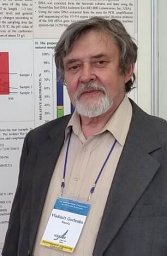 Vladimir M. Gorlenko合作论文数Winogradsky Institute of Microbiology, Russian Academy of Sciences11T. N. Zhilina合作论文数9Т. П. Турова合作论文数9
 Daria G Zavarzina合作论文数8Nadezhda a Kostrikina合作论文数8
 Eugenia Boulygina合作论文数7E. O. Patutina合作论文数6Т. Ф. Кондратьева合作论文数6
 Alexander I Slobodkin合作论文数Institute of Microbiology;Russian Academy of Sciences;Institute of Microbiology, Russian Academy of Sciences6Galina B Slobodkina合作论文数6
 Dziuba Marina V合作论文数Centre Bioengineering, Russian Academy of Sciences5
 Irina Kravchenko合作论文数5Natalia V Slobodova合作论文数Bioengineering Center, Russian Academy of Sciences5T. A. Pivovarova合作论文数5
 Ilya V Kublanov合作论文数Institute of Microbiology, Russian Academy of Sciences5Z. K. Makhneva合作论文数4Demkina E V合作论文数4Alexandr Bulaev合作论文数4V. F. Gal’Chenko合作论文数4G. I. El’-Registan合作论文数4V. S. Melamud合作论文数4
 Andrey Moskalenko合作论文数4M. V. Sukhacheva合作论文数3B. K. Bumazhkin合作论文数3A. N. Panteleeva合作论文数3E. S. Bulygina合作论文数3N. E. Suzina合作论文数3K. G. Skryabin合作论文数3
 Mikhail V. Semenov合作论文数3
 Veronika Koziaeva合作论文数Russian Acad Sci, Skryabin Inst Bioengn3
 Olga a Podosokorskaya合作论文数Winogradsky Institute of Microbiology, Russian Academy of Sciences3Georgii a Osipov合作论文数3
 Zhelezova A D合作论文数3
 Denis Grouzdev合作论文数Russian Academy of Sciences, Moscow State University3
 Dimitry Sorokin合作论文数Delft University of Technology;Winogradsky Institute of Microbiology, Federal Research Centre of Biotechnology, Russian Academy of Sciences3Zadorina E V合作论文数3Vadim V Kevbrin合作论文数3Tatyana G. Sokolova合作论文数3A. E. Ivanova合作论文数2NA Chernyh合作论文数2A. N. Antipov合作论文数2A. V. Brushkov合作论文数2M. A. Letarova合作论文数2E. M. Spiridonova合作论文数2V. V. Babenko合作论文数2




