Cardiogenic shock (CS) remains a high-mortality condition that demands rapid diagnosis, coordinated multidisciplinary management, and timely initiation of mechanical circulatory support. As more institutions implement dedicated CS teams, substantial heterogeneity has emerged in how these teams are structured, activated, and sustained. To better characterize this variability and begin defining the components of an optimal CS team, the Society of Critical Care Cardiology (SoCCC), in partnership with the Society for Cardiovascular Angiography and Interventions (SCAI), convened the Inaugural Cardiogenic Shock Teams Think Tank. Held on October 17, 2024, as a preconference program to SCAI SHOCK 2024 in Washington, DC, the meeting brought together national leaders in CS care, mechanical circulatory support, and resuscitation to identify shared challenges and propose practical solutions. This manuscript summarizes key insights from this inaugural Think Tank, which represents the first in an ongoing series of collaborative efforts aimed at informing the standardization and optimization of CS teams nationwide. Specifically, we review the ideal composition and core competencies of a CS team; the rationale and emerging evidence supporting dedicated team-based CS care; activation algorithms and operational workflows; and common barriers to establishing and sustaining such teams. We also outline future directions and opportunities to strengthen collaborative infrastructure, refine clinical pathways, and enhance the reliability, responsiveness, and effectiveness of cardiogenic shock teams across diverse healthcare settings.
As survival among patients with congenital heart disease (CHD) continues to improve, the population of adults with CHD (ACHD) is rapidly growing. These patients often present with complex anatomy, prior surgical repairs, residual hemodynamic lesions, and progressive physiologic derangements that require lifelong surveillance and specialized care. When circulatory or respiratory failure occurs, extracorporeal membrane oxygenation (ECMO) may be lifesaving; however, its use in ACHD poses unique challenges. Indications for ECMO, particularly veno-arterial (VA) support, include refractory cardiogenic shock, cardiac arrest, and postoperative low-cardiac output syndrome, while veno-venous (VV) ECMO may be indicated in select ACHD patients with respiratory failure. Complex circulations such as Fontan physiology, systemic right ventricles after atrial switch operations, and cyanotic heart disease require careful individualized planning, particularly for cannulation strategies and perfusion goals. Anatomic variations, prior surgeries, vascular access issues, and special considerations such as right-to-left shunts complicate ECMO initiation and management. Despite high reported mortality - especially in patients with Fontan circulation - ECMO can provide an effective bridge to recovery or transplant in carefully selected patients. Given the unique risks and resource demands, ACHD patients requiring ECMO support should ideally be managed in specialized centers with multidisciplinary expertise. This review outlines the anatomical and physiological considerations, indications, cannulation strategies, and outcomes associated with ECMO in the ACHD population, providing a framework for decision-making in this increasingly relevant clinical scenario.
Background: Impella CP and Impella 5.5 are commonly used catheter-based percutaneous transvalvular LVADs with differing flow support capacities and sites of placement. Impella exchanges are indicated for escalation of therapy, in cases of vascular or renal complications, and for mobility enhancement and improvement of physical conditioning. During conventional exchange, flow interruption occurs as the old device is pulled into the thoracic aorta prior to advancing the new device into the left ventricle (LV), threatening hemodynamic collapse in device-dependent cardiogenic shock patients. While “double device” uninterrupted Impella exchange has been reported, concerns remain with respect to valve damage, stroke, and entanglement with two devices concurrently in the LV. We present the largest institutional experience of simultaneous transvalvular Impella placement reported to date, demonstrating the feasibility, reproducibility and safety of the uninterrupted percutaneous LVAD exchange. Methods: 22 consecutive cardiogenic shock patients supported by an Impella (CP, 5.0 or 5.5) and requiring LVAD device replacement underwent a simultaneous transvalvular exchange procedure. The new device was advanced into the LV under transesophageal echocardiographic (TEE) and fluoroscopic guidance with the old device still in position. Flow was started on the new device as the old device was weaned, powered down and removed from the ventricle. Demographic data, etiology of illness, indication for device exchange, details of that exchange, and any postoperative complications were analyzed. Results: 95.5% (21/22) of patients were male, with average age of 54 years (32-71). 68.2% (15/22) had ischemic, whereas 31.8% (7/22) had nonischemic cardiomyopathy. Initial Impella location was the femoral artery in 90.9% (20/22) of patients. Replacement device was inserted via the right axillary artery in 90.9% (20/22) of patients. Using intraoperative TEE, 95.5% (21/22) showed no postoperative aortic insufficiency (AI), whereas 4.5% (1/22) had trace AI. No patients suffered vascular complications or suffered cardiac arrest during device exchange. One patient (4.5%) developed a hemorrhagic stroke 3 days post exchange. 59.1% (13/22) survived, with 3 patients recovering, 8 progressing to heart transplant, and 2 to durable LVAD. The ECMO-Impella patients had a survival rate of 35.7% (5/14), while the Impella-only survival was 100% (8/8). Conclusion: Based on our institutional experience, this technique is safe and reliable for escalating percutaneous LVAD device support in patients who are critically ill and cannot tolerate flow interruption. The severity of illness in this cohort is reflected in the incidence of pre-existing end-organ injury and overall mortality. By our evaluation, this “double barrel” exchange technique carries a significant advantage and minimal risk; however, larger studies will be needed to demonstrate statistical equivalency of this approach.Figure 1. Fluoroscopy demonstrating both percutaneous LVAD devices within the LV simultaneouslyFigure 2. Simultaneous Transvalvular Percutaneous LVAD Exchange
Introduction: Socioeconomic disparities impact outcomes after cardiac surgery. At our institution, cardiac surgery cases from the safety-net, county funded hospital (CH), which primarily provides care for underserved patients, are performed at the affiliated university hospital. We aimed to investigate the association of socioeconomic factors and CH referral status with outcomes after coronary artery bypass grafting (CABG). Methods: The institutional Adult Cardiac Surgery database was queried for perioperative and demographic data from patients who underwent isolated CABG between January 2014 and June 2020. The primary outcome was major adverse cardiovascular event (MACE), a composite of postoperative myocardial infarction, stroke, or death. Secondary outcomes included individual complications. Chi-square, Wilcoxon rank-sum, and logistic regression analyses were used to compare differences between CH and non-CH cohorts. Results: We included 836 patients with 472 (56.5%) from CH. Compared to the non-CH cohort, CH patients were younger, more likely to be Hispanic, non-English speaking, and be completely uninsured or require state-specific financial assistance. CH patients were more likely to have a history of tobacco and drug use, liver disease, diabetes, prior myocardial infarction, and greater degrees of left main coronary and left anterior descending artery stenosis. CH cases were less likely to be elective. The incidence of MACE was significantly higher in the CH cohort (16.3% versus 8.2%, P 1/4 0.001). There were no significant differences in 30-d mortality, home discharge, prolonged mechanical ventilation, bleeding, sepsis, pneumonia, new dialysis requirement, cardiac arrest, or multiorgan system failure between cohorts. CH patients were more likely to develop renal failure and less likely to develop atrial fibrillation. On multivariable analysis, CH status (odds ratio 2.39, 95% confidence interval 1.25-4.55, P 1/4 0.008) was independently associated with MACE. Conclusions: CH patients undergoing CABG presented with greater comorbidity burden, more frequently required nonelective surgery, and are at significantly higher risk of postoperative MACE.
Selective vascular access to the brain is desirable in metabolic tracer, pharmacological and other studies aimed to characterize neural properties in isolation from somatic influences from chest, abdomen or limbs. However, current methods for artificial control of cerebral circulation can abolish pulsatility-dependent vascular signaling or neural network phenomena such as the electrocorticogram even while preserving individual neuronal activity. Thus, we set out to mechanically render cerebral hemodynamics fully regulable to replicate or modify native pig brain perfusion. To this end, blood flow to the head was surgically separated from the systemic circulation and full extracorporeal pulsatile circulatory control (EPCC) was delivered via a modified aorta or brachiocephalic artery. This control relied on a computerized algorithm that maintained, for several hours, blood pressure, flow and pulsatility at near-native values individually measured before EPCC. Continuous electrocorticography and brain depth electrode recordings were used to evaluate brain activity relative to the standard offered by awake human electrocorticography. Under EPCC, this activity remained unaltered or minimally perturbed compared to the native circulation state, as did cerebral oxygenation, pressure, temperature and microscopic structure. Thus, our approach enables the study of neural activity and its circulatory manipulation in independence of most of the rest of the organism.
BackgroundLung transplantation (LT) demand outpaces supply. Consequently, extended criteria for donor selection are used, resulting in LT from donors with a history of substance use (SU). The aim of this study is to assess the association between donor SU and short-term LT outcomes.MethodsWe obtained recipient and donor data for LTs performed between January 2014 to January 2019 from electronic health records and the United Network for Organ Sharing (UNOS) database. We defined SU as cigarette/e-cigarette smoking, illicit SU (cannabis, cocaine, opioids, amphetamines), or heavy alcohol use (2+ alcoholic drinks per day). Our primary outcome was late high-grade primary graft dysfunction (PGD), which we defined as grade 2-3 PGD between 48-72 hours post-LT. Secondary outcomes included mechanical ventilation (MV) hours, intensive care unit (ICU) length of stay (LOS), hospital LOS, number of bronchoscopies, cumulative acute rejection (CAR) score in the first year after LT, and overall survival (OS).ResultsA total of 352 LTs were included in this study. On multivariable regression, we found that any donor cigarette smoking was associated with increased odds of late high grade PGD (p=0.021), while any donor cannabis use was associated with reduced odds of late high grade PGD (p=0.002). There was no association between any donor SU and secondary outcomes.ConclusionsDonor cigarette use was associated with higher risk for PGD. Our findings may suggest a history of donor cannabis use and other illicit SU are not associated with PGD or worse OS.
HomeCirculation: Heart FailureVol. 15, No. 4Letter by Araj and Hackmann Regarding Article, "Liberation From Venoarterial Extracorporeal Membrane Oxygenation: A Review" Free AccessLetterPDF/EPUBAboutView PDFView EPUBSections ToolsAdd to favoritesDownload citationsTrack citationsPermissions ShareShare onFacebookTwitterLinked InMendeleyReddit Jump toFree AccessLetterPDF/EPUBLetter by Araj and Hackmann Regarding Article, "Liberation From Venoarterial Extracorporeal Membrane Oxygenation: A Review" Faris G. Araj, MD and Amy E. Hackmann, MD Faris G. ArajFaris G. Araj https://orcid.org/0000-0001-9332-0561 Department of Internal Medicine, Division of Cardiology (F.G.A.), University of Texas Southwestern Medical Center, Dallas. and Amy E. HackmannAmy E. Hackmann Department of Cardiovascular and Thoracic Surgery (A.E.H.), University of Texas Southwestern Medical Center, Dallas. Chief of ECMO and Temporary Mechanical Support, University of Texas Southwestern Medical Center and Parkland Health and Hospital System, Dallas (A.E.H.). Originally published14 Jan 2022https://doi.org/10.1161/CIRCHEARTFAILURE.121.009079Circulation: Heart Failure. 2022;15Other version(s) of this articleYou are viewing the most recent version of this article. Previous versions: January 14, 2022: Ahead of Print To the Editor:We read with interest the review by Brahmbhatt et al1 and agree that the process of liberation from venoarterial extracorporeal membrane oxygenation (ECMO) is a critical decision point in the patient's course, especially when considering that <50% of patients survive to discharge.1 To ensure adequate systemic oxygen delivery and organ perfusion while weaning from venoarterial ECMO, current protocols and Extracorporeal Life Support Organization guidelines emphasize the use of echocardiography-derived variables to predict weaning success, using surrogates of cardiac output such as aortic or left ventricular outflow tract velocity time integral with less emphasis on invasive methods of cardiac output estimation such as the pulmonary artery catheter.1,2 The noninvasive nature of echocardiogram is beneficial; however, it is highly dependent on sonographer availability, accuracy of measurement, image, and Doppler signal quality. Can we improve on this?During short-term mechanical circulatory support, the concept of the physiological examination (defined as observing multiple parameters on a monitor in real time) is as important, if not more important, than the role of the classic physical examination.3,4 Part of this physiological examination that can be improved upon is the use of a minimally invasive, real-time, continuous, beat-to-beat cardiac output estimation, which can be trended as interventions are made and does not rely on the availability of a cardiac sonographer or adequacy of echocardiographic windows.4Systemic arterial pulsatility is one of the most important physiological examination findings when considering liberation from mechanical circulatory support.1,2 Arterial pulse contour analysis is a technology based on sound physiological principles, and its bedside application can be clinically important.3,5 Pulse contour analysis is based on the principal that aortic pulse pressure is proportional to stroke volume and, therefore, estimates systemic stroke volume from an arterial pressure waveform signal. It is practical in that it only requires an arterial catheter (which is uniformly present in venoarterial ECMO–supported patients) and provides a real-time beat-to-beat assessment of stroke volume based on the contour of the arterial waveform. Coupled with the pulse rate, this produces an estimate of left sided systemic flow to the body, rather than right sided flow estimates obtained by a pulmonary artery catheter.5 During an ECMO ramp down study, these data are updated in real time, and changes or trends in the data can be seen immediately. Furthermore, cardiac output estimates are not affected by the presence of tricuspid or pulmonic valve regurgitation, continuous renal replacement therapy, or hypothermia, and data acquisition is independent of patient body size and operator skill and measurements of the left ventricular outflow tract velocity time integral.As with all methods of cardiac output estimation, pulse contour analysis is not without its limitations.3,5 Data are most accurate in the presence of a good arterial waveform (ie, not over- or underdamped), stable respirations, and sinus rhythm and less accurate in the presence of aortic regurgitation or an intra-aortic balloon pump.3,5Incorporating pulse contour analysis as a pillar of the physiological examination may be a promising way to increase the confidence of decision-making before and success of venoarterial ECMO and other short-term mechanical circulatory support liberation attempts. We encourage further studies in this arena.Article InformationDisclosures Dr Hackmann serves on the advisory board for Medtronic and serves as a consultant and speaker for Abbott. The other author reports no conflicts.FootnotesFor Disclosures, see page 419.References1. Brahmbhatt DH, Daly AL, Luk AC, Fan E, Billia F. Liberation from venoarterial extracorporeal membrane oxygenation: a review.Circ Heart Fail. 2021; 14:e007679. doi: 10.1161/CIRCHEARTFAILURE.120.007679LinkGoogle Scholar2. Lorusso R, Shekar K, MacLaren G, Schmidt M, Pellegrino V, Meyns B, Haft J, Vercaemst L, Pappalardo F, Bermudez C, et al. ELSO interim guidelines for venoarterial extracorporeal membrane oxygenation in adult cardiac patients.ASAIO J. 2021; 67:827–844. doi: 10.1097/MAT.0000000000001510CrossrefMedlineGoogle Scholar3. Cecconi M, Malbrain ML. Cardiac output obtained by pulse pressure analysis: to calibrate or not to calibrate may not be the only question when used properly.Intensive Care Med. 2013; 39:787–789. doi: 10.1007/s00134-012-2802-yCrossrefMedlineGoogle Scholar4. Asber SR, Shanahan KP, Lussier L, Didomenico D, Davis M, Eaton J, Esposito M, Kapur NK. Nursing management of patients requiring acute mechanical circulatory support devices.Crit Care Nurse. 2020; 40:e1–e11. doi: 10.4037/ccn2020764CrossrefMedlineGoogle Scholar5. Headley JM. Arterial pressure-based technologies: a new trend in cardiac output monitoring.Crit Care Nurs Clin North Am. 2006; 18:179–187. doi: 10.1016/j.ccell.2006.01.004CrossrefMedlineGoogle Scholar Previous Back to top Next FiguresReferencesRelatedDetails April 2022Vol 15, Issue 4 Advertisement Article InformationMetrics © 2022 American Heart Association, Inc.https://doi.org/10.1161/CIRCHEARTFAILURE.121.009079PMID: 35026954 Originally publishedJanuary 14, 2022 PDF download Advertisement
AIM:Extracorporeal cardiopulmonary resuscitation (ECPR) has emerged as a promising resuscitation strategy for select patients suffering from refractory out-of-hospital cardiac arrest (OHCA), though limited data exist regarding the best practices for ECPR initiation after OHCA.METHODS:We utilized a modified Delphi process consisting of two survey rounds and a virtual consensus meeting to systematically identify detailed best practices for ECPR initiation following adult non-traumatic OHCA. A modified Delphi process builds content validity and is an accepted method to develop consensus by eliciting expert opinions through multiple rounds of questionnaires. Consensus was achieved when items reached a high level of agreement, defined as greater than 80% responses for a particular item rated a 4 or 5 on a 5-point Likert scale.RESULTS:Snowball sampling generated a panel of 14 content experts, composed of physicians from four continents and five primary specialties. Seven existing institutional protocols for ECPR cannulation following OHCA were identified and merged into a single comprehensive list of 207 items. The panel reached consensus on 101 items meeting final criteria for inclusion: Prior to Patient Arrival (13 items), Inclusion Criteria (8), Exclusion Criteria (7), Patient Arrival (8), ECPR Cannulation (21), Go On Pump (18), and Post-Cannulation (26).CONCLUSION:We present a list of items for ECPR initiation following adult nontraumatic OHCA, generated using a modified Delphi process from an international panel of content experts. These findings may benefit centers currently performing ECPR in quality assurance and serve as a template for new ECPR programs.
Advanced heart failure (AHF) is associated with increased morbidity and mortality, and greater healthcare utilization. Recognition requires a thorough clinical assessment and appropriate risk stratification. There are persisting inequities in the allocation of AHF therapies. Women are less likely to be referred for evaluation of candidacy for heart transplantation or left ventricular assist device despite facing a higher risk of AHF-related mortality. Sex-specific risk factors influence progression to advanced disease and should be considered when evaluating women for advanced therapies. The purpose of this review is to discuss the role of sex hormones on the pathophysiology of AHF, describe the clinical presentation, diagnostic evaluation and definitive therapies of AHF in women with special attention to pregnancy, lactation, contraception and menopause. Future studies are needed to address areas of equipoise in the care of women with AHF.
Studies indicate that the recovery from coronavirus disease 2019 (COVID-19)-associated acute respiratory distress syndrome may be slower than other viral pneumonia. There are limited data to guide decisions among patients who need extracorporeal membrane oxygenation (ECMO) support, especially the expected time of recovery and considering lung transplantation (LT).This was a retrospective chart review of patients with COVID-19-associated acute respiratory distress syndrome placed on ECMO between March 1, 2020, and September 15, 2021 (n = 20; median age, 44 y; range, 22-62 y; male:female, 15:5). We contrasted the baseline variables and clinical course of patients with and without the need for ECMO support >30 d (ECMO long haulers, n = 10).Ten patients met the criteria for ECMO long haulers (median duration of ECMO, 86 d; range, 42-201 d). The long haulers were healthier at baseline with fewer comorbidities but had worse pulmonary compliance and higher partial pressure of CO2. They had a significantly higher number of membrane oxygenator failures, changes to their cannulation sites, and suffer more complications on ECMO. One of the long hauler was bridged to LT while another 6 patients recovered and were discharged. Overall survival was better among the ECMO long haulers (70% versus 20%; 9.3, 1.2-73; P = 0.03).Despite worse pulmonary physiology, frequent complications, and a tortuous hospital course that may appear to portend a poor prognosis, ECMO long haulers have the potential to recover and be weaned off ECMO without the need for LT. A customized approach comprising a more conservative timeline for the consideration of LT may be prudent among these patients.
PurposeThe donor pool for lung transplantation (LT) may be expanded by procuring from donors with substance abuse (SA) history. Scant data exists on the early course of recipients of these lungs. We assessed the association between donor SA and perioperative outcomes.MethodsWe reviewed LTs at our center from Jan. 2014-Jan. 2019 and donor data from the United Network for Organ Sharing. SA was defined as reported use of illicit substances (cannabis, cocaine, amphetamines, opioids)/tobacco 1+ times/month or positive post-mortem screen, or consumption of 2+ alcoholic drinks/day. The primary outcome was late high-grade PGD due to its risk for chronic lung allograft dysfunction (CLAD). Late high-grade PGD was defined as PGD 2-3 at 48-72 hours. Secondary outcomes were ventilator hours (VH), initial intensive care unit (ICU) hours, initial hospital length of stay (LOS), 30-day mortality, and first year FEV1% predicted trends.Results350 LT patients were included in this study. 198/350 (57%) patients received SA donor lungs, while 152/350 (43%) patients received non-SA donor lungs. 82/198 (42%) in the SA donor group developed late high-grade PGD vs. 61/152 (42%) in the non-SA donor group. On multivariable logistic regression (Figure 1), late high-grade PGD was not associated with donor SA (OR 1.11, 95% CI 0.67-1.85, p=0.687). Bivariate comparison found no association between donor SA and VH, ICU hours, and LOS. 30-day survival was 98.99% (n=196) in the SA donor group vs. 98.68% (n=150) in the non-SA donor group. The log rank test detected no difference in 30-day survival between the groups (p=0.789). An estimating equation model and analysis found no evidence that donor SA had an effect on FEV1% predicted over time (p=0.907).ConclusionDonor SA does not impact risk for late high-grade PGD, perioperative outcomes, 30-day survival, or first-year FEV1% predicted. Lungs from donors with history of SA may be considered for use in transplant to help reduce waitlist mortality. The donor pool for lung transplantation (LT) may be expanded by procuring from donors with substance abuse (SA) history. Scant data exists on the early course of recipients of these lungs. We assessed the association between donor SA and perioperative outcomes. We reviewed LTs at our center from Jan. 2014-Jan. 2019 and donor data from the United Network for Organ Sharing. SA was defined as reported use of illicit substances (cannabis, cocaine, amphetamines, opioids)/tobacco 1+ times/month or positive post-mortem screen, or consumption of 2+ alcoholic drinks/day. The primary outcome was late high-grade PGD due to its risk for chronic lung allograft dysfunction (CLAD). Late high-grade PGD was defined as PGD 2-3 at 48-72 hours. Secondary outcomes were ventilator hours (VH), initial intensive care unit (ICU) hours, initial hospital length of stay (LOS), 30-day mortality, and first year FEV1% predicted trends. 350 LT patients were included in this study. 198/350 (57%) patients received SA donor lungs, while 152/350 (43%) patients received non-SA donor lungs. 82/198 (42%) in the SA donor group developed late high-grade PGD vs. 61/152 (42%) in the non-SA donor group. On multivariable logistic regression (Figure 1), late high-grade PGD was not associated with donor SA (OR 1.11, 95% CI 0.67-1.85, p=0.687). Bivariate comparison found no association between donor SA and VH, ICU hours, and LOS. 30-day survival was 98.99% (n=196) in the SA donor group vs. 98.68% (n=150) in the non-SA donor group. The log rank test detected no difference in 30-day survival between the groups (p=0.789). An estimating equation model and analysis found no evidence that donor SA had an effect on FEV1% predicted over time (p=0.907). Donor SA does not impact risk for late high-grade PGD, perioperative outcomes, 30-day survival, or first-year FEV1% predicted. Lungs from donors with history of SA may be considered for use in transplant to help reduce waitlist mortality.
Lung transplantation is an established treatment for patients with end-stage lung disease. However, a shortage of donors, low lung utilization among potential donors, and waitlist mortality continue to be challenges. In the last decade, ex vivo lung perfusion (EVLP) has expanded the donor pool by allowing prolonged evaluation of marginal donor lungs and allowing reparative therapies for lungs, which are otherwise considered not transplantable. In this review, we describe in detail our experience with EVLP including our workflow, setup, operative technique, and protocols. Our multidisciplinary EVLP program functions with the collaboration of surgeons, pulmonologists, and EVLP nurses who run the pump. EVLP program has been a valuable addition to our program. Since Food and Drug Administration (FDA) approval in 2019, we experienced incremental increased lung transplant volume of 12% annually.
The impact of remote patient monitoring platforms to support the postoperative care of solid organ transplant recipients is evolving. In an observational pilot study, 28 lung transplant recipients were enrolled in a novel postdischarge home monitoring program and compared to 28 matched controls during a 2-year period. Primary endpoints included hospital readmissions and total days readmitted. Secondary endpoints were survival and inflation-adjusted hospital readmission charges. In univariate analyses, monitoring was associated with reduced readmissions (incidence rate ratio [IRR]: 0.56; 95% confidence interval [CI]: 0.41-0.76; P < .001), days readmitted (IRR: 0.46; 95% CI: 0.42-0.51; P < .001), and hospital charges (IRR: 0.52; 95% CI: 0.51-0.54; P < .001). Multivariate analyses also showed that remote monitoring was associated with lower incidence of readmission (IRR: 0.38; 95% CI: 0.23-0.63; P < .001), days readmitted (IRR: 0.14; 95% CI: 0.05-0.37; P < .001), and readmission charges (IRR: 0.11; 95% CI: 0.03-0.46; P = .002). There were 2 deaths among monitored patients compared to 6 for controls; however, this difference was not significant. This pilot study in lung transplant recipients suggests that supplementing postdischarge care with remote monitoring may be useful in preventing readmissions, reducing subsequent inpatient days, and controlling hospital charges. A multicenter, randomized control trial should be conducted to validate these findings.
BACKGROUND:Many online resources currently provide healthcare information to the public. In 2015, the Society of Thoracic Surgeons (STS) created a multimedia web portal (ctsurgerypatients.org) to educate the public regarding cardiothoracic surgery and provide an informative tool to which cardiothoracic surgeons could refer patients.METHODS:A patient education task force was created, and disease-specific content was created for 25 pathological conditions. After launching the website online, a marketing campaign was initiated to make STS members aware of its availability. Website visits were monitored, and an online survey for public users was created. An email survey was sent to STS members to evaluate awareness and content. Surveys were analyzed for effectiveness and utilization by both public users and STS member surgeons.RESULTS:From 2016 to 2018, the website had more than 1 million visits, with visits increasing yearly. Surveyed user ratings of the website were positive regarding quality and utility of the information provided. STS member response was poor (379 responses of 6347 emails), and 78.3% of responders were unaware of the website. Surgeon responders were positive about the content, though many still refrain from referring patients.CONCLUSIONS:Online education for cardiothoracic surgery is seeing increased public use, with high ratings for content and utility. Despite aggressive marketing to STS members, most remain unaware of this website's existence. Those who are aware approve of its content, but adoption of referring patients to it has been slow. Improved strategies are necessary to make surgeons aware of this STS-provided service and increase patient referrals to it.
Re-expansion pulmonary oedema following the drainage of pleural fluid is rare. We report a patient with 1 lung who developed life-threatening re-expansion pulmonary oedema following thoracentesis and was rescued with venovenous (VV) extracorporeal membrane oxygenation (ECMO), surviving to discharge 28 days later. An aggressive early rescue therapy with VV ECMO should be pursued for all types of acute lung injury regardless of patient age, comorbidities or transplant candidacy, given the likelihood of native lung recovery following ECMO support.
To examine neonatal and pediatric veno-arterial extracorporeal membrane oxygenation (VA ECMO) complications over a 20-year period. We hypothesize a significant decrease in complication rates can serve as a benchmark for quality improvement and aid in development of ECMO protocols in pediatric hospitals.
Background. Controversy exists regarding the optimal extent of repair for type A aortic dissection. Our approach is to replace the ascending aorta, and only replace the aortic root or arch when intimal tears are present in those areas. We examined intermediate outcomes with this approach to acute type A aortic dissection repair. Methods. Between March 2005 and October 2016, 195 patients underwent repair of acute type A aortic dissection. Repair was categorized by site of proximal and distal anastomosis and extent of repair. Mean follow-up was 31.0 +/- 30.9 months. Kaplan-Meier analysis was used to assess survival. Multiple variable Cox proportional hazards modeling was utilized to identify factors associated with overall mortality. Results. Overall survival was 85.1%, 83.9%, 79.1%, and 74.4% at 6, 12, 36, and 60 months, respectively. Eight patients required reintervention. The cumulative incidence of aortic reintervention at 1 year with death as a competing outcome was 3.95%. Multiple variable regression analysis identified factors such as age, preoperative renal failure, concomitant thoracic endograft, postoperative myocardial infarction and sepsis, and need for extracorporeal membrane oxygenation as predictive of overall mortality. Neither proximal or distal extent of repair, nor need for reintervention affected overall survival (proximal: hazard ratio 1.63, 95% confidence interval: 0.75 to 3.51, p = 0.22; distal: hazard ratio 1.12, 95% confidence interval: 0.43 to 2.97, p = 0.81; reintervention: hazard ratio 0.03, 95% confidence interval: 0.002 to 0.490, p < 0.01). Conclusions. A selective approach to root and arch repair in acute type A aortic dissection is safe. If aortic reintervention is needed, survival does not appear to be affected. (C) 2018 by The Society of Thoracic Surgeons
Non-adherence to medications or instructions post lung transplant may result in graft loss/death with interventions to increase compliance having varying rates of success.
Background. The use of extracorporeal life support (ECLS) worldwide has increased exponentially since 2009. The patient requiring ECLS demands an investment of hospital resources, including personnel. Educating bedside nurses to manage ECLS circuits broadens the availability of trained providers.Methods. Experienced cardiothoracic intensive care unit (CTICU) nursesunderwent trainingtomanageECLScircuits, including volume assessment, treatment of arterial blood gas values, the physiology of ECLS, and recognition of common emergencies. In addition to lectures and a written examination, simulation using water circuits and an ICU model allowed assessment of skills and understanding of concepts. Performance assessments were completed regularly at the bedside, and skills revalidation occurred every 6 months. A sequential cohort of 40 patients was tracked over 1 year.Results. Despite doubling the census of ECLS patients in 1 year, management by specially trained CTICU nurses has positively affected patient care and outcomes. At a single institution, 40 patients had a median of 6 days (interquartile range, 2 to 226 days) of support in 2014, leading to 767 patient-days of support. Survival to hospital discharge increased to 45% in 2014. Most survivors were weaned from support. Neurologic injury was the most common cause of death, followed by failure to qualify for advanced therapies.Conclusions. With on-going education and assessment, including crisis training, physiology, and cannulation strategies, CTICU nurses can safely operate ECLS circuits and can increase the availability of appropriately trained providers to accommodate the exponential increase in ECLS occurrences without negatively affecting outcomes and generally at a lower cost. (C) 2017 by The Society of Thoracic Surgeons
 Vaughn A. Starnes合作论文数Department of Surgery, Keck Medicine of USC;USC Norris Cancer Hospital9
 Michael E. Bowdish合作论文数Keck School of Medicine, University of Southern California-Los Angeles7
 Cohen Robbin G合作论文数6
 Mark Lee Barr合作论文数Transplantation Institute, Department of Surgery, Keck School of Medicine, University of Southern California6
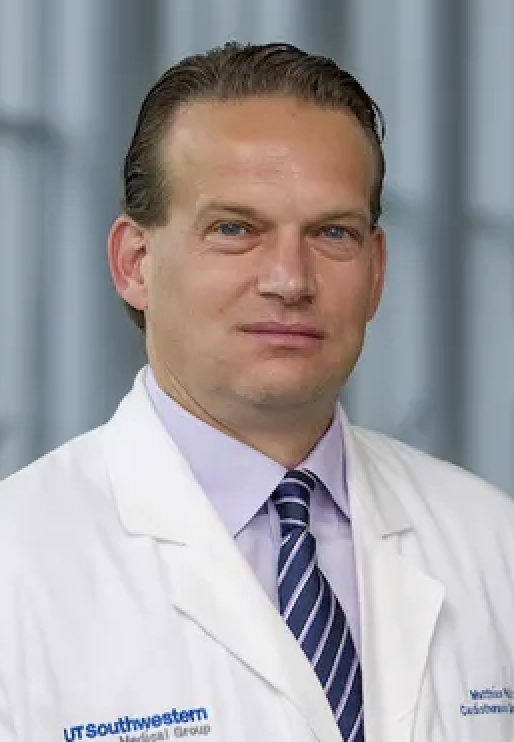 Matthias Peltz合作论文数Department of Cardiovascular & Thoracic Surgery, UT Southwestern Medical Center5
 Michael Jessen合作论文数Department of Cardiovascular & Thoracic Surgery, Medical School, The University of Texas Southwestern Medical Center5Craig J. Baker合作论文数5
 Michael Wait合作论文数5
 Fernando Fleischman合作论文数4Mark J. Cunningham合作论文数4
 Christopher Heid合作论文数Dept Cardiovasc & Thorac Surg, Univ Texas Southwestern Med Ctr Dallas3
 Wendy Jean Mack合作论文数Department of Preventive Medicine, Keck School of Medicine, University of Southern California3Amit Banga合作论文数Department of Medicine, All India Institute of Medical Sciences3
 John Curci合作论文数School of Medicine, Washington University3
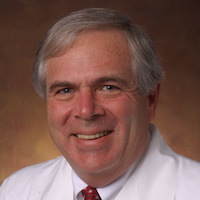 W Steves Ring合作论文数Department of Cardiovascular & Thoracic Surgery, Medical School, University of Texas Southwestern Medical Center3Jonathan Praeger合作论文数2Serge Kobsa合作论文数2S Ram Kumar合作论文数2Raymond Lee合作论文数2Jessica S Clothier合作论文数2William Hampton Gray合作论文数2James M. Tatum合作论文数2
 Lauren C. Kane合作论文数2C. Liu合作论文数Sch Med, UT Southwestern2Dhillon Anahat合作论文数2Wiggins Luke M合作论文数2Schenkel Felicia A合作论文数2Pruszynski Jessica E合作论文数***Division of Biostatistics, Medical College of Wisconsin2
 Lynn Huffman合作论文数2
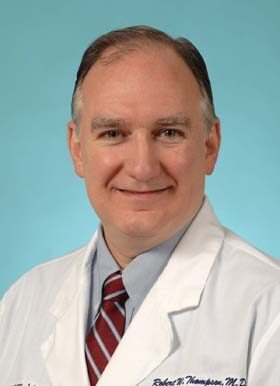 Robert W. Thompson合作论文数Center for Thoracic Outlet Syndrome, School of Medicine, Washington University in St. Louis;Mary Culver Department of Surgery, School of Medicine, Washington University in St. Louis2Batool Arif合作论文数2
 Fernando Torres合作论文数2
 John Santosh Kumar Murala合作论文数2Terri L. Ennis合作论文数2Roopa A. Rao合作论文数1Luis A. Sanchez合作论文数1A. Banga合作论文数1A. Kiankhooy合作论文数1G. Ailawadi合作论文数1L.C. Huffman合作论文数1Lionel Lamhaut合作论文数1Ishwar Chuckaree合作论文数1Ronnie Brown合作论文数1J S Gammie合作论文数1Kayvan Kazerouni合作论文数1Natalie Boden合作论文数1Florian F Schmitzberger合作论文数1Nicholas Marshall合作论文数1
 Sage P Whitmore合作论文数1




