Hyperpolarized [1-13C]pyruvate MRI provides real-time, radiation-free insight into myocardial pyruvate metabolism and mitochondrial oxidative capacity, yet its utility in patients with severe multivessel coronary artery disease before and after surgical revascularization remains unknown. Here we show, in the first prospective study applying this technique to three-vessel disease, that serial imaging is feasible and safe with no serious adverse events in 22 injections. Healthy myocardium displayed a bicarbonate-to-total hyperpolarized carbon product ratio of 0.66 ± 0.13, indicating that the majority of pyruvate undergoes oxidation. Patients exhibited significantly lower ratios in the inferolateral segment (P = 0.03) with reciprocal increases in lactate, and global ratios correlated with left ventricular ejection fraction (r = 0.695, P = 0.006). Post-revascularization changes were heterogeneous across individuals. These findings establish hyperpolarized 13C MRI as a powerful tool for noninvasive assessment of myocardial metabolism in multivessel coronary artery disease and support its potential for longitudinal therapeutic monitoring.
Importance Patients undergoing cardiac surgery with cardiopulmonary bypass often require platelet transfusions for bleeding. Platelets are routinely stored at room temperature (20-24 °C) for up to 5 to 7 days; however, cold storage (1-6 °C) may allow for increased storage duration without loss of hemostatic function. Objective To determine the maximum cold-storage duration, up to 21 days, for which cold-stored platelets (CSPs) are noninferior or superior in hemostatic efficacy to room-temperature platelets (RTPs) when transfused in actively bleeding patients undergoing cardiac surgery with cardiopulmonary bypass. Design, Setting, and Participants A phase 3, multicenter, randomized, partially blinded, adaptive, noninferiority, storage duration–ranging trial conducted in pediatric and adult patients undergoing cardiac surgery with planned cardiopulmonary bypass at 27 sites in the US and Australia from December 2021 to March 2025. Statistical analysis was conducted from September 9 to October 3, 2025. Intervention Patients were randomized 2:1 to receive CSPs with a maximum of 21 days of storage vs RTPs with a maximum of 7 days of storage. Main Outcomes and Measures The primary outcome was a hemostatic efficacy score with values ranging from 1 to 5 and higher values indicating greater bleeding. The noninferiority margin was 1 point. The success criterion was met if at least 1 cold-storage duration of 7 days or more had a posterior probability of noninferiority of at least 97.5%. The secondary outcome was 24-hour chest tube output. Results Of the 1000 patients who underwent platelet transfusion, 989 were included in the primary analysis (650 CSPs and 339 RTPs). The cohort had a mean (SD) age of 42.1 (30.1) years and 67.8% were male. CSPs were noninferior to RTPs for the primary outcome, with a probability of greater than 99.9% for all cold-storage durations. Pooled across storage durations, CSPs had a mean difference from RTPs of 0.09 (95% credible interval, −0.06 to 0.23). Median (IQR) chest tube output at 24 hours (8.9 mL/kg [5.2-15.4] for CSPs vs 8.4 mL/kg [5.5-15.9] for RTPs; difference in medians, 0.4 [95% CI, −1.0 to 1.5]) was not statistically different between study groups. In a post hoc analysis, as all storage durations were noninferior, considering the CSPs as a single group, the hemostatic efficacy score was similar between both groups: mean (SD) of 3.08 (1.15) CSPs vs 2.99 (1.10) RTPs. There were no differences in venous or arterial thrombotic events, transfusion-associated adverse events, acute respiratory distress syndrome, kidney failure, septic shock, and mortality between the study groups, except for increased reexploration rates in the CSP group. Conclusions and Relevance For patients undergoing cardiac surgery, CSPs stored up to 21 days are noninferior to RTPs for the control of active surgical bleeding. Use of CSPs may allow for increased availability of platelets by reducing wastage and shortages and may allow for incorporation of platelets into inventory at locations where platelets cannot be maintained due to the 5- to 7-day shelf life of RTPs. Trial Registration ClinicalTrials.gov Identifier: NCT04834414
BACKGROUND:Acute kidney injury (AKI) occurs in 20 to 30% of cardiac surgery patients and is most often classified as mild. A previous study reported that intact fibroblast growth factor 23 (iFGF23) and C-terminal fibroblast growth factor 23 (cFGF23) measured after cardiopulmonary bypass (CPB) were associated with severe AKI after cardiac surgery but did not analyze the association between iFGF23 and all-stage AKI. The primary aim of the study was to determine whether FGF23 biomarker measurements 6 h after CPB were associated with all-stage AKI after cardiac surgery. METHODS:This prospective observational study included 173 patients undergoing nonemergent coronary artery bypass graft (CABG) and/or valve surgery on CPB. The primary study outcome was all-stage postoperative in-hospital AKI defined using the Kidney Disease: Improving Global Outcomes serum creatinine criteria through postoperative day 7, or earlier if the hospital stay was less than 7 days. Plasma iFGF23 and cFGF23 were measured 6 h after the end of CPB. RESULTS:A total of 32 patients developed in-hospital postoperative AKI (18.5%) by the seventh postoperative day. The incidence of AKI was 18.5% in CABG patients, 14.3% in valve surgery patients, and 41.2% in combined CABG valve patients. A two-fold increase in cFGF23 was associated with 1.57 greater predicted odds of developing in-hospital postoperative AKI (odds ratio [OR], 1.57; 95% CI, 1.26 to 1.96; P < 0.0001). This association remained significant after adjusting for clinical covariates (OR, 1.40; 95% CI, 1.10 to 1.77; P = 0.006) and after adjusting for preoperative Cleveland Clinic score (OR, 1.54; 95% CI, 1.22 to 1.95; P = 0.0003). A two-fold increase in iFGF23 was associated with 1.59 greater predicted odds of developing in-hospital postoperative AKI (OR, 1.59; 95% CI, 1.08 to 2.35; P = 0.018). CONCLUSIONS:Early postoperative measurements of cFGF23 and iFGF23 are associated with all-stage AKI after cardiac surgery. The utility of these biomarkers for risk classification in cardiac surgery patients remains to be determined.
BACKGROUND:Heart transplantation (HT) is the gold standard for end-stage heart disease. Donor heart preservation is an important factor that influences post-transplant success. Recently, temperature-controlled storage has demonstrated reduced primary graft dysfunction compared to standard cold storage though mechanisms are poorly understood. We hypothesized that alterations in gene expression and metabolomics offer insight into improved outcomes observed with temperature-controlled storage. METHODS:We conducted a comprehensive study to investigate the metabolic and transcriptomic responses of donor hearts preserved for 6 hours using a temperature-controlled hypothermic preservation (TCHP) system compared to conventional static cold storage (SCS). Metabolic assessments were carried out using high-resolution 1H and 31P nuclear magnetic resonance (NMR), and liquid chromatography/mass spectrometry (LC-MS) analysis on tissues obtained from various cardiac regions. Lactate, alanine, adenosine triphosphate (ATP), adenosine diphosphate (ADP), adenosine monophosphate (AMP), nicotinamide adenine dinucleotide (NAD), reduced nicotinamide adenine dinucleotide (NADH), phosphocreatine, and inorganic phosphate were measured, and metabolite ratios were calculated. Transcriptomic profiling was conducted using high throughput RNA sequencing followed by bioinformatic analysis to explore gene expression changes associated with different preservation methods. RESULTS:Metabolic analyses revealed largely similar profiles between hearts preserved with TCHP and SCS. Energy metabolite ratios were comparable between preservation methods. Transcriptomic analysis unveiled a high correlation between preservation methods but also showed differential gene expression in energy metabolism and inflammation/immune-related pathways. CONCLUSIONS:Our study demonstrates that TCHP maintains similar high-energy phosphate reserves to SCS but leads to alterations in gene expression of several metabolic and immunomodulatory pathways. These findings may offer important insight into reduced primary graft dysfunction observed in TCHP- hearts.
Introduction: Hyperpolarized [1- 13 C] pyruvate magnetic resonance imaging (HP- 13 C MRI) enables real-time, noninvasive assessment of myocardial metabolism. While the technique is increasingly applied in cardiac research, dedicated tools for standardized analysis remain limited. We developed HP- 13 CMRAnalyst , a MATLAB-based application that supports dynamic 13 C data processing through semi-automated segmentation, time-course extraction, and metabolic ratio mapping (Figure 1A). Hypothesis: An integrated platform combining multi-frame 13 C data import, cine co-registration, multi-segment analysis, and voxel-level ratio mapping facilitates reproducible quantification of myocardial metabolism. Methods: HP- 13 CMRAnalyst was implemented in MATLAB App Designer and distributed as an .mlappinstall package. It accepts DICOM or NIfTI dynamic pyruvate, lactate, and bicarbonate images (∼3 s resolution; ≤ 60 s)(Figure 1B). Cine-registered T 1 -weighted images guide AHA 17-segment LV segmentation on short axis (SAX) and long axis (LAX) views (Figure 1C). A time slider displays metabolite overlays. Peak intensities are extracted per segment to compute bicarbonate/lactate and bicarbonate/pyruvate ratios. Pixel-wise ratio maps are exported as CSV, MATLAB struct, and PDF summaries. Results: Eight subjects (n = 4 healthy; n = 4 coronary artery disease [CAD]), each imaged pre- and post-CABG (total n = 12 datasets; age 55 ± 12 years), were processed in < 5 min per dataset on a standard desktop (MATLAB R2024b). Semi-automated versus manual segmentation agreement was high (Dice 0.89–0.93). Inter-observer variability for segmental bicarbonate/(bicarbonate + lactate) ratios were minimal biases < 0.005 and limits of agreement within ± 0.083 across all observer pairs (Figure 1D). Ratio maps qualitatively revealed regional metabolic heterogeneity. Automated reports accurately reflected metadata and segmental summaries. The GUI, logs, and summary files streamline standardized processing. Conclusions: HP- 13 CMRAnalyst delivers a rapid (< 5 min), reproducible framework for dynamic HP- 13 C MRI analysis. By combining semi-automated segmentation and pixel-level ratio mapping with low inter-observer variability, this platform may accelerate adoption of 13 C metabolic imaging in human cardiac research.
OBJECTIVE:We aimed to develop and evaluate cardiac surgery-associated acute kidney injury (CSA-AKI) machine learning prediction models that included clinical variables, biomarkers, and high-frequency hemodynamic measurements. DESIGN:A prospective, observational study. SETTING:A single-center university hospital. PARTICIPANTS:Six hundred sixty-seven adult patients undergoing elective and urgent cardiac surgery between May 2015 and March 2023. MEASUREMENTS AND MAIN RESULTS:After excluding patients for clinical and administrative reasons and those with missing data, 602 patients were included in the predictive models. Random forest (RF) and long short-term memory (LSTM) models were trained on data from 492 patients, which included hemodynamic data from throughout the perioperative period, and BNP and [TIMP-2] × [IGFBP7] biomarkers. These models were evaluated in a test set of 110 patients to predict CSA-AKI, which was defined as a serum creatinine rise of 0.3 mg/dL in the first 48 hours after surgery or 1.5 times baseline creatinine between postoperative day 1 to day 7. The RF model achieved an AUC of 0.73 (0.72-0.74) and accuracy of 0.77 (0.76-0.79) on the test set. The RF model achieved a sensitivity and specificity of 0.59 (0.57-0.62) and 0.81 (0.79-0.84), respectively. The LSTM model achieved an AUC of 0.68 (0.67-0.70) and accuracy of 0.72 (0.69-0.74) on the test set. The sensitivity of the LSTM model was 0.60 (0.57-0.64), and the specificity was 0.74 (0.71-0.78). CONCLUSIONS:We developed two machine learning models that incorporated perioperative biomarkers and hemodynamics as input data to predict CSA-AKI. The models exhibited competitive performance for prediction of the outcome and laid the foundation for further advancement in this critical area of research in kidney injury prevention.
Acute kidney injury (AKI) occurs in 20-30% of cardiac surgery patients and is most often classified as mild. A prior study reported that intact fibroblast growth factor 23 (iFGF23) and C-terminal fibroblast growth factor 23 (cFGF23) measured after cardiopulmonary bypass (CPB) were associated with severe AKI after cardiac surgery, but did not analyze the association between iFGF23 and all-stage AKI. The primary aim of our study was to determine whether FGF23 biomarker measurements six hours following CPB were associated with all-stage AKI after cardiac surgery. This prospective observational study included 173 patients undergoing non-emergent coronary artery bypass graft (CABG) and/or valve surgery on CPB. The primary study outcome was all-stage postoperative in-hospital AKI defined using the Kidney Disease: Improving Global Outcomes (KDIGO) serum creatinine criteria through postoperative day seven or earlier if hospital stay was less than 7 days. Plasma iFGF23 and cFGF23 were measured six hours after the end of CPB. A total of 32 patients developed in-hospital postoperative AKI (18.5%) by the seventh post-operative day. The incidence of AKI was 18.5% in CABG patients, 14.3% in valve surgery patients, and 41.2% in combined CABG-valve patients. A 2-fold increase in cFGF23 was associated with 1.57 greater predicted odds of developing in-hospital postoperative AKI (OR 1.57; 95% CI: 1.26 - 1.96; p<0.0001). This association remained significant after adjusting for clinical covariates (OR 1.40; 95% CI: 1.10 - 1.77; p=0.006) and after adjusting for preoperative Cleveland Clinic Score (OR 1.54; 95% CI: 1.22 - 1.95; p=0.0003). A 2-fold increase in iFGF23 was associated with 1.59 greater predicted odds of developing in-hospital postoperative AKI (OR 1.59; 95% CI: 1.08 - 2.35; p=0.018). Early postoperative measurements of cFGF23 and iFGF23 are associated with all-stage AKI after cardiac surgery. The utility of these biomarkers for risk-classification in cardiac surgery patients remains to be determined.
Transcatheter aortic valve replacement (TAVR) was introduced in 2002 and has become integral in the management of aortic stenosis. As an alternative to surgical aortic valve replacement, it relies heavily on safe access to the aortic annulus for implantation of a valve prosthesis. Throughout its development and in current practice, the transfemoral (TF) arterial route for retrograde valve delivery has been the primary approach. However, this route is not appropriate for all patients, which has led to the development of multiple alternate access options. This review discusses the development of access for TAVR, followed by a thorough discussion of TF access. The commercially available products, preprocedural planning, closure techniques, and procedural complications are all discussed. We also describe the various alternate access routes with particular emphasis on the most recently developed route, transcaval access (TCv), with focus on procedural indications, technical considerations, and comparative outcomes. As TAVR technology, indications, and availability all expand, the knowledge and implementation of safe access are of utmost importance.
Left ventricular outflow tract obstruction (LVOTO) after mitral valve replacement (MVR) is a challenging complication. This case report describes a 70-year-old female who developed systolic anterior motion (SAM) secondary to an unresected anterior mitral leaflet several years following leaflet-preserving mitral valve replacement, with associated heart failure and tricuspid regurgitation. Surgical intervention included trans-aortic resection of the obstructing anterior mitral leaflet and chordae without re-replacing the mitral valve, followed by tricuspid valve bicuspidization. The transaortic resection approach was chosen in this case due to its ability to effectively address SAM by directly accessing and resecting the anterior mitral leaflet and preferred over others to minimize surgical complexity while adequately managing the LVOT obstruction. The postoperative course and management are discussed. Surgical strategies to prevent LVOTO and SAM are reviewed, highlighting the importance of proper leaflet management and valve orientation to ensure optimal patient outcomes.
Hypertrophic cardiomyopathy (HCM) is often caused by genetic mutations, resulting in abnormal thickening of ventricular muscle, particularly the septum, and causing left ventricular outflow tract (LVOT) obstruction and inferior cardiac performance. The cell and microstructural abnormalities are believed to be the cause of the altered tissue mechanical properties and inferior performance. However, there is a lack of detailed biomechanical assessments of human hypertrophied septum and a lack of understanding of the structural-mechanical relationship between altered biomechanical properties and cellular hypertrophy, fibrotic overexpression, and microstructural disruptions. In this study, we performed thorough biomechanical and microstructural characterizations on the human hypertrophied septum and compared this with healthy septum. We found that the hypertrophied human septum was stiffer at the initial phase of tissue loading, but less nonlinear, less stiff in the linear region, and much weaker in mechanical strength when compared to the healthy human septum. The fibrosis-induced initial stiffening in the hypertrophied septum paradoxically coexists with compromised mechanical strength and integrity under physiological demands, correlating with the clinical observations of diastolic dysfunction and susceptibility to myocardial damage in HCM patients despite ventricular wall thickening. We also discovered that the human hypertrophied septum had significantly larger stress relaxation and slightly larger creep when compared to healthy septum. Moreover, the abnormal, disorganized cell-collagen microstructures in the hypertrophied septum make short-term stress release more difficult and require longer relaxation times to reach equilibrium. Biaxial testing performed at the initial phase of tissue loading showed that both the healthy septum and hypertrophied septum had nonlinear anisotropic stress-strain behavior and confirmed that, in the longitudinal direction, the hypertrophied septum was stiffer than the healthy septum. Our microstructural quantifications via histology and light-sheet microscopy revealed that (i) the heterogeneous cardiomyocyte enlargement and disarray, combined with disorganized collagen overexpression, create a mechanically inefficient tissue architecture in the hypertrophied septum, and (ii) the observed cell-collagen microstructural disruptions provide mechanistic explanations for the deteriorated biomechanical properties. Our viscoelastic mechanical data and microstructural characterizations build a strong foundation to understand the altered tissue behavior of the hypertrophied septum, the degree of deviation from the normal septum, and the underlying structural mechanisms.
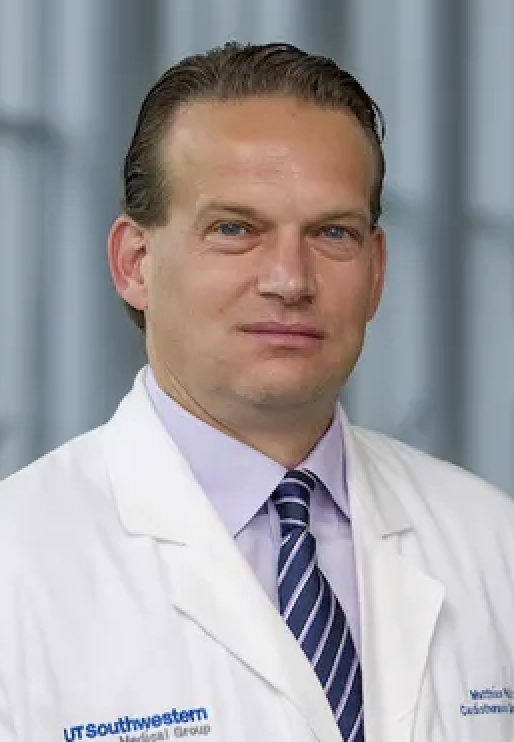 Matthias Peltz合作论文数Department of Cardiovascular & Thoracic Surgery, UT Southwestern Medical Center54
 Michael Wait合作论文数21
 West LaShondra M合作论文数19
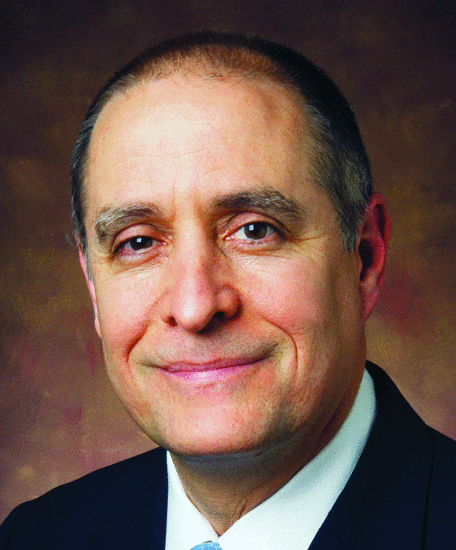 DiMaio J Michael合作论文数19
 Gaurav Sharma合作论文数Dept Orthopaed, Countess Chester NHS Hosp15
 Craig Malloy合作论文数Advanced Imaging Research Center, The University of Texas Southwestern Medical Center;Department of Internal Medicine, The University of Texas Southwestern Medical Center;Department of Radiology, The University of Texas Southwestern Medical Center15
 Matthew E. Merritt合作论文数Department of Cardiovascular and Thoracic Surgery and the Advanced Imaging Research Center, University of Texas Southwestern Medical Center at Dallas14Michael L. Cobert合作论文数13
 W Steves Ring合作论文数Department of Cardiovascular & Thoracic Surgery, Medical School, University of Texas Southwestern Medical Center13Andrew S. Wechsler合作论文数11David H. Rosenbaum合作论文数11
 Lynn Huffman合作论文数10
 Philip E. Greilich合作论文数University of Texas9
 Frank R Arko合作论文数8
 Emmanouil Brilakis合作论文数Center for Coronary Artery Disease, Minneapolis Heart Institute Foundation;Center for Complex Coronary Interventions, Minneapolis Heart Institute8Meyer D M合作论文数8
 Dharam J Kumbhani合作论文数VA Boston Healthcare System8
 Subhash Banerjee合作论文数7
 LaShondra M Powell合作论文数7Ryan J Vela合作论文数7Brant Sarah M合作论文数7
 John Santosh Kumar Murala合作论文数7
 Erin H Murphy合作论文数Department of Surgery, University of Texas-Southwestern Medical Center7Bernice Willis合作论文数6Cobert Michael L合作论文数6Ellen C. Keeley合作论文数6
 Michael Mack合作论文数Baylor Scott & White Health6
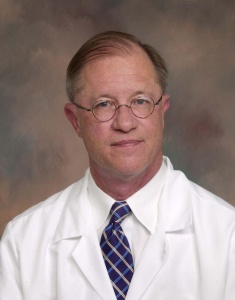 Peter Kent Smith合作论文数Department of Surgery, School of Medicine, Duke University;Duke Heart Transplant Clinic;Cardiovascular and Thoracic Surgery, Duke University Hospital6
 Loren F. Hiratzka合作论文数TriHealth Inc;Bethesda North Hospital6
 Robert C Eberhart合作论文数6Dan M. Meyer合作论文数6
 Joaquin E. Cigarroa合作论文数Division of Cardiovascular Medicine, School of Medicine, Oregon Health & Science University;Knight Cardiovascular Institute Cardiology Clinic, Oregon Health & Science University6John G. Byrne合作论文数5
 Christopher Heid合作论文数Dept Cardiovasc & Thorac Surg, Univ Texas Southwestern Med Ctr Dallas5Michele Roesle合作论文数5Sabik Joseph F合作论文数5
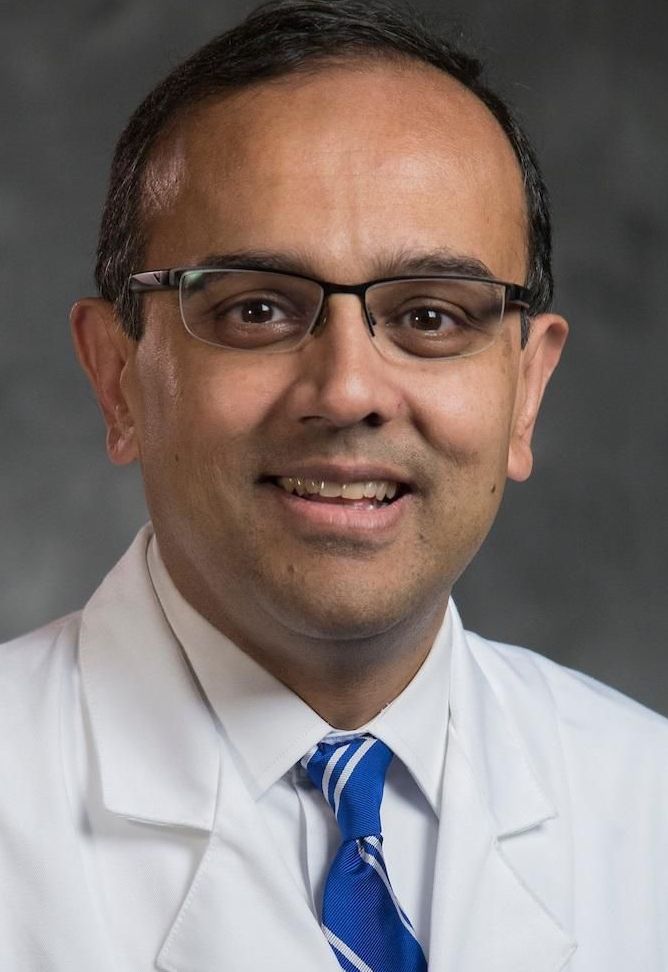 Manesh Raman Patel合作论文数Division of Cardiology, Department of Medicine, Duke University School of Medicine;Division of Clinical Pharmacology, Department of Medicine, Duke University School of Medicine5
 Kotsia Anna P合作论文数5
 Bhupinder Singh合作论文数ZS Pharma5Hackmann Amy合作论文数5John D. Puskas合作论文数5Adolph M. Hutter合作论文数5
 Jeffrey L. Anderson合作论文数Division of Cardiovascular Medicine, Department of Internal Medicine, School of Medicine, University of Utah5
 Martin London合作论文数5
 David Michael Shahian合作论文数Harvard Medical School;Department of Surgery, Massachusetts General Hospital5Patricia a Kaiser合作论文数5Charles R. Bridges合作论文数5
 Rosemary Kelly合作论文数Department of Surgery, Medical School, University of Minnesota5




