Paragangliomas are rare neuroendocrine tumors derived from extraadrenal autonomic paraganglia, which may secrete catecholamines. They are potentially metastatic and require very long-term follow-up. Esophageal paragangliomas are extremely rare and present a diagnostic challenge. Lack of clinical suspicion and unrecognized catecholamine hypersecretion may lead to hemodynamic instabilities during surgery. Two patients with esophageal paragangliomas were previously reported. We report a 39-year-old man with a giant high-risk esophageal paraganglioma who underwent a hybrid minimally invasive 3-hole esophagectomy.
The authors regret that the figure legend for Figure 3 is incorrect. The published legend reads: Haematoxylin- and eosin-stained ovarian sections (ovary from sheep no. 1) revealing normal tissue architecture including follicles at various developmental stages. Arrows pointing at: (a) primary follicle (×20, bar = 50 µm); (b and c) antral follicles (×10, bar = 100 µm); and (d) corpus luteum (×5, bar = 100 µm). However, the legend should appear as: Haematoxylin and eosin stained ovarian sections (ovary from sheep no. 1) revealing normal tissue architecture including follicles at various development stages. Arrows pointing at: (a) primary follicle (×20, bar = 50 µm) : (b and c) antral follicles (×10, bar = 100 µm); and (d) follicule cavity (×5, bar = 100 µm). Ovarian function 6 years after cryopreservation and transplantation of whole sheep ovariesReproductive BioMedicine OnlineVol. 20Issue 1PreviewWhole ovary cryopreservation and transplantation has been proposed as a method for preserving long-term ovarian function. This work reports ovarian function 6 years post transplantation of frozen–thawed whole sheep ovaries. Three 9-month-old Assaf sheep underwent unilateral oophorectomy to provide organs for the experiments. After perfusing with cold University of Wisconsin solution supplemented with 10% dimethyl sulphoxide, ovaries were cryopreserved using unidirectional solidification freezing technology. Full-Text PDF
BACKGROUND:Endoscopic vacuum-assisted closure (EVAC) therapy is increasingly being used as a new promising method for repairing upper gastrointestinal defects of different etiologies with high success rates. EVAC therapy consists of placing a sponge either within the lumen or within an abscess cavity connected with a nasogastric (NG) tube to a negative pressure system, thus decreasing bacterial contamination and edema and promoting granulation tissue proliferation, thereby gradually decreasing the cavity size until complete closure. Herein, we describe a modified technique for EVAC therapy in which the NG tube is passed into the esophagus through an existing intrapleural drain tract using a rendezvous technique. The small residual fistula was amendable to fibrin glue embolization. This allows easier sponge placement and exchange compared to traditional EVAC technique, and allows oral intake during treatment. We also review the literature regarding other endoscopic treatment options for esophageal anastomotic leaks and perforations. METHODS:The PubMed database was searched using the terms "esophagus," "esophageal," "leak," "fistula," "endoluminal vacuum-assisted closure (VAC)," "endoscopic VAC," "stent," "sealant," "glue," and "over-the-scope clip (OTSC)." Reference lists of identified articles were searched for further articles, and the "similar articles" function was used on all included articles. RESULTS:Complete closure of the nonhealing fistula was achieved after 8 days of EVAC treatment and fibrin glue embolization. CONCLUSIONS:Modified EVAC technique as described is feasible and safe. To the best of our knowledge, this is the first description of this technique. The technique allows easier sponge placement and exchange compared to traditional EVAC technique, and allows oral intake during treatment.
BACKGROUND AND AIM OF THE STUDYThe prosthetic valve of choice in patients with carcinoid valve disease (CVD) remains controversial due to the limited life expectancy of patients with advanced-stage neuroendocrine tumors (NETs) on the one hand, and concerns regarding structural valve deterioration (SVD) on the other hand.METHODSThe records of 17 patients (11 females, seven males; mean age 65 ± 11 years; undergoing 18 operations) with primarily right heart failure due to CVD were reviewed. All patients received somatostatin analogs perioperatively. Hospital and follow up data (acquired via direct patient contact and echocardiography) collected included baseline characteristics, procedural details, and clinical outcomes.RESULTSThe primary NET site was the ileum (n = 11), lungs (n = 2) and stomach, colon and appendix (n = 1 each). In one patient the primary tumor location could not be identified. Preoperative urinary levels of 5-hydroxyindole acetic acid (5-HIAA; 61 ± 36 mg/24 h) and serum levels of chromogranin A (2926 ± 4057 ng/ml) were 10- and 50-fold greater than normal, respectively. A total of 23 valves was implanted: five tricuspid valve replacements (TVR; four tissue and one mechanical), TVR and pulmonary valve replacements (PVR; three tissue and one mechanical), and TVR and mitral valve replacements (MVR; one tissue and two mechanical). The 30-day mortality was 11% (n = 2). No patient experienced a carcinoid crisis. The mean follow up was 24 ± 21 months (range: 4-85 months). Four patients (receiving seven valves) developed SVD at 12, 14, 15, and 20 months after surgery, and all of these patients died. The actuarial four-year survival and freedom from SVD were 23 ± 14% and 43 ± 15%, respectively.CONCLUSIONSThe data acquired suggested that the main advantage of tissue valve prostheses, namely to avoid lifelong, intense anticoagulation, might be offset by accelerated SVD. The use of mechanical valves should be considered in CVD patients with a large primary tumor mass and persistent high urinary levels of 5-HIAA, and who are unresponsive to therapy.
ously he had undergone a modified Bentall operation for an ascending aortic aneurysm with severe aortic insufficiency. A chest computed tomography (CT) scan showed a 7 cm pseudoaneurysm of the aortic root [Figure 1A]. The origin of the leak feeding the pseudoaneurysm was identified precisely at the anastomosis of the left main coronary artery to the composite graft. A small niche at the cranial pole (toe) of the anastomosis was clearly demonstrated [Figure 1B]. At re-operation the Dacron graft was transected and a 1.5 mm fistula was found in the exact location pinpointed by the CTangiogram at the upper pole of the anastoP seudoaneurysm of the ascending aorta after a composite graft operation (Bentall) is an uncommon postoperative complication [1-4]. A 44 year old man was admitted with acute severe chest pain. Four years previmosis of the left main coronary artery to the composite graft [Figure 2]. Direct repair of the fistula was performed, supported with an autologous pericardial strip. The postoperative course was uneventful and the patient was discharged home 5 days later. This complication may have been prevented during the original operation by creating a smaller hole in the graft and constructing a completely tension-free anastomosis with the coronary artery button.
We studied 40 patients with preoperative ejection fraction (EF) of 0.35 or less who underwent aortocoronary bypass. An average of 3.1 saphenous vein grafts per patient were inserted and revascularization was considered complete in 33 (82%) of the subjects in the group. Mean follow-up period was 29 months (range 12-65 months). Early mortality was 5% (2 patients) and there were 7 late deaths (3 cardiac and 4 non-cardiac). The 5-year cardiac actuarial survival rate was 74 +/- 13% (+/- SEM). Angina has improved in 29 (94%) of the 31 long-term survivors with 23 (74%) being totally asymptomatic. Twenty-two of the long-term survivors performed an exercise test at the end of their follow-up period. These tests revealed that bypass surgery in such patients results in significantly enhanced myocardial oxygen consumption with concomitant increase in effort level and duration. The exercise ability is probably directly related to the degree of revascularization.
Transcatheter aortic valve implantation (TAVI) has been designed to treat elderly patients with severe aortic stenosis at high risk for surgery. The safety and effectiveness of TAVI have been demonstrated in numerous studies. The self expanding CoreValve prosthesis is implanted retrogradely with
Journal of Cardiac SurgeryVolume 30, Issue 11 p. 819-819 Images in Cardiac Surgery Diffuse Atherosclerosis of the Left Internal Mammary Artery Amir Elami M.D., Corresponding Author Amir Elami M.D. Department of Cardiothoracic Surgery, Hadassah-Hebrew University School of Medicine, Jerusalem, Israel Address for correspondence: Amir Elami, M.D., Department of Cardiothoracic Surgery, Hadassah University Hospital, POB 12000, Jerusalem 91120, Israel. Fax: +972 25340777; e-mail: [email protected]Search for more papers by this authorAmnon Y. Zlotnick M.D., Amnon Y. Zlotnick M.D. Department of Cardiothoracic Surgery, Lady Davis Carmel Medical Center, Haifa, IsraelSearch for more papers by this author Amir Elami M.D., Corresponding Author Amir Elami M.D. Department of Cardiothoracic Surgery, Hadassah-Hebrew University School of Medicine, Jerusalem, Israel Address for correspondence: Amir Elami, M.D., Department of Cardiothoracic Surgery, Hadassah University Hospital, POB 12000, Jerusalem 91120, Israel. Fax: +972 25340777; e-mail: [email protected]Search for more papers by this authorAmnon Y. Zlotnick M.D., Amnon Y. Zlotnick M.D. Department of Cardiothoracic Surgery, Lady Davis Carmel Medical Center, Haifa, IsraelSearch for more papers by this author First published: 19 August 2015 https://doi.org/10.1111/jocs.12613Citations: 1 Conflict of interest: The authors acknowledge no conflict of interest in the submission. Read the full textAboutPDF ToolsRequest permissionExport citationAdd to favoritesTrack citation ShareShare Give accessShare full text accessShare full-text accessPlease review our Terms and Conditions of Use and check box below to share full-text version of article.I have read and accept the Wiley Online Library Terms and Conditions of UseShareable LinkUse the link below to share a full-text version of this article with your friends and colleagues. Learn more.Copy URL Share a linkShare onEmailFacebookTwitterLinkedInRedditWechat No abstract is available for this article.Citing Literature Volume30, Issue11November 2015Pages 819-819 RelatedInformation
Background: Cardiac rehabilitation programs are greatly underutilized.Design: This study was a multicenter interventional controlled cohort study.Methods: From cardiothoracic departments of five medical centers, 520 coronary artery bypass graft (CABG) patients (386 men) were enrolled in the control arm and 504 CABG patients (394 men) in the intervention arm of our study. A 1-hour seminar to medical staff on the benefits of cardiac rehabilitation followed the control phase and preceded the intervention phase. Patients in the intervention arm received written and oral explanations on cardiac rehabilitation benefits and eligibility, and a follow-up telephone call 2 weeks after hospital discharge. Patients in both study arms were interviewed in the hospital prior to CABG surgery and in their homes a year later.Results: Rates of participation in cardiac rehabilitation were 16.5% (86/520) for the control arm and 31.0% (156/504) for the intervention arm (p < 0.001). Factors strongly associated with participation in cardiac rehabilitation were: belonging to the intervention arm (OR: 2.06 95% CI: 1.46-2.90, p < 0.0001), male sex, average or above average income, sports related physical activity before surgery, younger age and BMI > 30kg/m(2). Particularly high increases in participation rates following the implementation were observed among subpopulations of 10 years or less education and those reporting below average income. "Lack of knowledge" regarding cardiac rehabilitation was the reason most commonly stated for not participating in a cardiac rehabilitation program.Conclusion: Participation in cardiac rehabilitation almost doubled following a low cost intervention with significant effects on subpopulations that have been underrepresented in cardiac rehabilitation programs.
OBJECTIVES:The management of concomitant coronary and carotid artery disease is still in evolution. The surgical options are staged approach--carotid endarterectomy (CEA), followed by coronary artery bypass grafting (CABG) or a reversed-staged approach, or combined approach--CEA and CABG under the same anaesthesia. In view of the percutaneous carotid artery stenting option, we have reviewed our short- and long-term experience with combined CEA and CABG to define the role of this procedure.METHODS:From January 1992 to December 2006, we operated on 80 patients performing combined carotid endarterctomy and myocardial revascularization. Short- and long-term results were reviewed.RESULTS:Operative mortality was 3.7%. Perioperative cerebrovascular accident (CVA) occurred in 2 patients (2.5%). Perioperative myocardial infarction (MI) occurred in 3 patients (3.7%). Combined complications of death + MI + CVA = 10%. During the mean follow-up of 10 ± 3.2 years (1-14 years), 6 patients (7.6%) had neurological events. Freedom from neurological events for 10 years was 92 ± 4%. Nearly 17 (21.5%) had cardiac events. The 5-year and 10-year survival rates were 74 ± 5 and 62 ± 6%, respectively.CONCLUSIONS:Although the short-term results of the non-surgical carotid therapeutic alternative is similar to our surgical results, there are limitations to carotid artery stenting: the need for aggressive antiplatelets therapy, and the haemodynamic changes during the procedure that may be unacceptable for patients with unstable coronary artery disease. Therefore, there is still a role for concomitant surgical CEA and CABG to the results of which the other options should be compared.
UNLABELLED:We hypothesized that attachment of elastic coil to the left ventricular (LV) wall, capable of exerting outward forces may allow the transfer of energy from systole to diastole and improve diastolic function.METHODS AND RESULTS:An extra-ventricular-device, composed of a series of elastic elements interposed between spiral screws attached to the epimyocardium of the LV free-wall was developed. The hemodynamic and mechanical effects of the device were tested using a computerized model, an in vitro model utilizing a computerized-controlled fluid pump, eight healthy sheep and 10 mini-pigs induced with diastolic dysfunction by renal wrapping. The computerized and in vitro models predicted a reduction of the LV diastolic pressure curve and partial normalization of the pressure-volume loop. The sheep study demonstrated preservation of animal's wellbeing including maintaining cardiac mechanical function with stable energy transfer from systole to diastole throughout the 6 months follow-up. The mini-pigs study showed an increase in the early diastolic to systolic strain-rate ratio in the mid-endocardial level (23 ± 10%, P = 0.008) and an increase in early apical reverse rotation rate of 50% (P = 0.016 compared to control).CONCLUSIONS:This study presents a novel concept of using a mechanical device to transfer energy from systole to diastole, potentially enhancing diastolic function.
Whole ovary cryopreservation and transplantation has been proposed as a method for preserving long-term ovarian function. This work reports ovarian function 6years post transplantation of frozen-thawed whole sheep ovaries. Three 9-month-old Assaf sheep underwent unilateral oophorectomy to provide organs for the experiments. After perfusing with cold University of Wisconsin solution supplemented with 10% dimethyl sulphoxide, ovaries were cryopreserved using unidirectional solidification freezing technology. After thawing, ovaries were re-perfused and re-transplanted orthotopically by microvascular re-anastomosis, to the contralateral ovarian pedicle after removing the remaining ovary. Six years following transplantation and after inducing superovulation, the sheep were killed and the ovaries analysed. Two ovaries had normal size and shape showing some recent corpora lutea, while the third showed atrophic changes. A total of 36 antral follicles were counted by transillumination and four germinal vesicle oocytes were aspirated and matured in vitro to metaphase II. Serum progesterone concentrations were indicative of ovulatory activity in one of the three sheep. Histological evaluations revealed normal tissue architecture, intact blood vessels and follicles at various stages. Currently, this is the longest recorded ovarian function after cryopreservation and re-transplantation. Cryopreservation of whole ovaries, using directional freezing combined with microvascular anastomosis, is a promising method for preserving long-term reproductive capacity and endocrine function.
Introduction: Medical treatment of diastolic heart failure is empirical and disappointing. A device-based approach is in development and initial clinical evaluation. An elastic device designed to enhance left ventricular (LV) filling, gains energy during systole and releases it in a recoiling force during diastole. Following pilot clinical study of an extra-ventricular device in which safety was demonstrated, we evaluated the safety of an intra-ventricular spring-like device, implanted trans-apically. Methods: The device was implanted in healthy sheep with up to 6 months follow-up (N = 17). Positioning of the three-arms device (of which one arm is situated between the papillary muscles) was done according to coronaries anatomical landmark as Trans Esophageal Echocardiography (TEE) is not feasible in sheep. Positioning was verified immediately post implantation using Trans Thoracic Echocardiography (TTE) and ventriculography (VG), during follow-ups using TTE only, and post sacrifice under direct vision during post mortem. As the device is intraventricular, hemolysis indices were evaluated (hemoglobin and haptoglobin) to verify none had occurred. Results: All animals recuperated after device implantation without decrease in EF. Safety for up to 6 months was demonstrated (no clinical sequela). Hemoglobin and haptoglobin remained stable throughout the follow-up period (3–6 months on monthly basis) and compared to baseline. There was no device migration after implantation initial positioning as observed by VG (during and immediately post implantation), TTE (on monthly basis) and under direct vision post mortem (post sacrifice). Conclusion: This study demonstrates that a trans-apically implanted elastic intraventricular device is safe, does not cause hemolysis and does not migrate post implantation. A percutaneous device implantation is in under development. First in-vivo experiment verifying correct anchoring location and featuring a designated delivery system has been successfully preformed.
Pneumonia complicates as many as 2.7 in every 1000 pregnancies putting both mother and fetus at increased risk. Parapneumonic pleural effusion is generally managed by thoracocentesis and, if “complicated”, by tube thoracostomy. If conservative management is unsuccessful, surgical decortication may be necessary. We report the case of a 24 year old gravida, who at 33 weeks of gestation presented to the emergency department with right sided pneumonia complicated by empyema. Blood and pleural fluid cultures were positive for Streptococcus pneumonia. Treatment with antibiotics, tube thoracsotomy and interpleural streptokinase led to resolution of the pneumonia and empyema without the need for surgical intervention. The patient carried her pregnancy to term and delivered a healthy baby after 39 weeks and 5 days of gestation. To our knowledge this is the first report of empyema treated with streptokinase in advanced pregnancy.
Objective: The Cox-Maze procedure using cryoablation results in transmural lesions, which follow the lesion pattern of the cut-andsew Cox-Maze procedure. The purpose of our study was to evaluate the effect of the Cox-Maze procedure on left atrial and pulmonary vein size using computed tomography angiogram (CTA). An additional aim was to evaluate pulmonary vein anatomic variability. Methods: Six patients (four women and two men; ages 39 – 63 years, mean age 54.3) underwent chest CTA 1 day before and 38 to 104 days (mean 62.6 days) after the cryosurgical Cox-Maze procedure. Measurements of pulmonary vein ostia and left atrial cranio-caudal, left-to-right and anterior-posterior diameters were derived by consensus. The change in diameters after therapy was compared using the Wilcoxon nonparametric test for paired measurements. Four patients (1 woman and 3 men; age 57–73 years; mean age 59) were evaluated with postoperative CTA alone 296 –530 days (mean 447) after surgery, for the development of postoperative pulmonary vein stenosis. A single patient underwent preoperative CTA, but surgery was not performed. Pulmonary venous anatomy was recorded in all 11 patients. Results: Sinus rhythm was restored in all operated patients. No focal ostial stenosis of the pulmonary veins was observed. The quantitative assessment in the six patients with preoperative and postoperative studies disclosed only slight changes in pulmonary vein diameter with either reduction or dilatation of no more than 20% from baseline (P 0.05). There was a consistent trend toward decrease in left atrial dimensions, which did not reach statistical significance. Six patients (55%) had standard pulmonary venous anatomy and five patients (45%) had at least one variation in their pulmonary vein anatomy. Conclusions: In this study, we found that a very intensive cryoablation protocol around the pulmonary veins did not result in pulmonary vein stenosis. In addition, a relatively high incidence of anatomic variations of the pulmonary veins was documented.
Introduction: Diastolic Heart Failure (DHF) accounts for over 40% of HF cases, resulting in significant mortality and morbidity. Treatment of DHF is disappointing. We evaluated safety and efficacy of a new device for treating DHF. The device enhances left ventricular (LV) filling, utilizing an elastic spring gainning energy during systole and releases it in a recoiling force at diastole. Device efficacy was evaluated utilizing a disease animal model, safety was evaluated in a First-in-Man clinical study and tooling for Minimal-Invasive approach was tested in-vivo. Methods: Animal efficacy study: Hypertrophy was induced in minipigs by renal wrapping (N=6), resulting in severe hypertension with consequent LV hypertrophy. The device was screwed to the epimyocardium of the LV free wall (N=3), and compared to non-implanted control group (N=3). Echo 2D strain analysis was used to evaluate long term efficacy. Clinical safety study: The device was implanted in patients suffering from aortic stenosis with diastolic dysfunction (N=6), in conjunction with aortic valve replacement, Control group are patients suffering from aortic stenosis with diastolic dysfunction (N=6), admitted for aortic valve replacement without device implantation Minimal Invasive Approach: The device was implanted in healthy sheep (N=5) through a 6-8 cm incision in left thoracotomy approach. Results: Animal model: 2D strain analysis revealed device related global diastolic changes: Decreased peak diastolic strain rate, increased strain rate E/S ratio and increase in early reverse rotation. Clinical safety: No device-related serious adverse events occurred in the 6 patients at a follow-up period of up to 12 months. No safety profile difference seen between study and control groups. Minimal Invasive Approach: Beating heart implantation, utilizing customized tooling, was successful. Conclusion: This study demonstrates that a passive elastic device, which transfers energy from systole to diastole, may improve diastolic performance and can be implanted in a minimal-invasive approach. Device implantation in patients confirmed a positive safety profile.
Introduction: Diastolic heart failure (DHF) accounts for over 40% of HF cases, resulting in significant mortality and morbidity. Treatment is empirical and disappointing. Currently, no device therapy for this mechanical disorder is available. Storage of left ventricular (LV) systolic energy in a spring-device releasing it in diastole may improve diastolic function Methods: A tripod-like elastic spring device leaning on the LV endocardial surface, from the apex to the papillary muscles level was trans-apically implanted in beating sheep hearts. Safety was assessed in 6 healthy animals followed for up to 6 months after implantation. Efficacy was assessed in 4 animals with LV hypertrophy and diastolic dysfunction, induced by bilateral renal wrapping causing severe hypertension (2 had device implantation, 2 controls had sham procedure). Echocardiography was used to assess hypertrophy and diastolic function. 2D echocardiographic circumferential strain, strain-rate, rotation and reverse rotation were measured. ...
 Gideon Merin合作论文数26E Rudis合作论文数13Eli Milgalter合作论文数12Yair Feld合作论文数11
 Benjamin Drenger合作论文数Department of Anesthesiology, Hadassa Medical Center11
 Dan Gilon合作论文数Hadassah University Hospital10Ehud Schwammenthal合作论文数9Shay Dubi合作论文数9Yaacov Gozal合作论文数9Lea Lak合作论文数8
 Amir Arav合作论文数IMT Ltd;Animal Science, Volcani Ctr8
 Shemy Carasso合作论文数6
 Amir Sherman合作论文数6
 Uzi Izhar合作论文数6Rona Shofti合作论文数6
 zohar gavish合作论文数6Korach A合作论文数5
 Hillel Laks合作论文数David Geffen School of Medicine, University of California, Los Angeles;Cedars Sinai Medical Center;Wadsworth VA Hospital;Granada Hills Community Hospital5Yoseph Caraco合作论文数5Ariel Revel合作论文数5
 Rabin Gerrah合作论文数Department of Cardiothoracic Surgery, Hadassah University Hospital5Y. Natan合作论文数4Ehud Rudis合作论文数4
 Mordechai Chevion合作论文数4Ilan Bar合作论文数4Arthur Pollak合作论文数4Jeffrey M. Pearl合作论文数4B Medalion合作论文数4Amit Korach合作论文数4N H Fishman合作论文数3
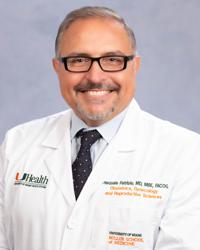 Pasquale Patrizio合作论文数Department of Obstetrics, Gynecology & Reproductive Sciences, University of Miami Health Systems3Zlotnick Amnon Y合作论文数3Safadi T合作论文数3
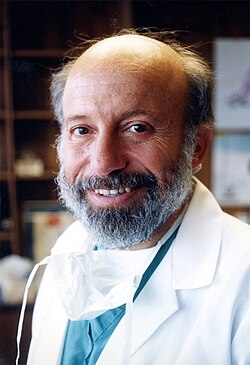 Sherman Silber合作论文数Infertility Center of St. Louis, St. Luke’s Hospital3Chaim Lotan合作论文数3Amir Bor合作论文数3Yacov Berlatzky合作论文数3Richard N Gates合作论文数3Saar Yavin合作论文数Institute of Animal Science, The Volcani Center3Mordechai Muszkat合作论文数Hadassah University Hospital, Hebrew University3Mervyn S. Gotsman合作论文数Jerusalem3
 Yehuda Ginosar合作论文数Medical Center, Hadassah Hebrew University3Y Shargal合作论文数3
 Einat Birk合作论文数3DUBI S合作论文数2Robert T. Baldwin合作论文数2Dc Drinkwater合作论文数2




