In 2018, the island of Mayotte located in the western Indian ocean, has experienced a seismo-volcanic crisis linked to the birth of an impressive intraplate submarine volcano at the east of the island. This volcano, named Fani Maoré, which has not yet been the subject of microbiological studies, triggered the largest submarine eruptive event ever recorded. Close to the volcano’s summit is a singular meter-size structure containing abundant native sulfur mineralizations. While a wide variety of ecosystems, with more or less well documented microbial communities, are found in active volcanoes on the ocean floor, knowledge on microbial communities hosted in habitats such as sulfur-rich intraplate volcanoes, that are not located on hotspots, remains limited. Genome-resolved metagenomics, culture-based functional approaches, geochemical and mineralogical analyses were combined to characterize the geological and physico-chemical constraints of the environment surrounding the yellow deposit part of this hotspot volcano and the composition and functions of its microbial community. Geological and geochemical analyses indicated that this volcanic habitat had high concentrations in various sulfur species, including native sulfur, hydrogen sulfide and sulfate. Twenty-three Metagenome Assembled Genomes (MAGs) belonging to 8 different bacterial phyla, mainly Pseudomonadota, Bacteroidota and Campylobacterota, were reconstructed from the sulfur-rich deposit and analyzed. The vast majority of MAGs encoded genes for complete sulfur cycling metabolic pathways, in particular sulfur oxidation. Estimation of the cultivable microbial fraction revealed a diversity of microorganisms, with high growth rates for sulfur reduction, sulfate reduction with dihydrogen, and sulfur oxidation. Sulfur compound (S0, SO32− and S2O32−) disproportionation was also observed in cultures. The versatile genus Sulfurimonas was prevalent in culture at 6 and 20 °C, in the presence of different sulfur redox couples. Microbial communities, including taxa commonly found in ridge hydrothermal systems, were composed of autotrophic, heterotrophic or mixotrophic taxa using a large range of electron donors and acceptors to fuel their catabolism, particularly sulfur compounds in all common oxidation states. They had the genetic potential and physiological capacity to carry out all the metabolic reactions of the microbial sulfur cycle using the abiotic sulfur compounds present in their habitat. Representatives of the Sulfurimonas genus were among the main chemoautotrophs, since they predominated in eleven different temperature-redox pair culture combinations. Based on the observations, a conceptual model was proposed to describe the interactions in this sulfur-rich deposit that may occur between the microorganisms, the physico-chemical conditions and the sulfur compounds supplied by the environment.
Sea-floor massive sulfide deposits (SMS) harbor over 108 tons of mineral resources along the mid-ocean ridges representing a significant polymetallic reservoir [1]. These SMS deposits are mainly composed of iron and sulfur, but also contain copper, zinc, gold, silver and rare-earth elements, making them attractive for the mining industry. Little is known about the geo-biodiversity and ecosystem services associated with these SMS deposits especially the inactive or extinct ones. Deep dark chemosynthetic microbial ecosystems associated with these deep-sea habitats interact with the hydrothermal deposits during their aging process through biogeochemical metal and carbon cycles. Hence, characterization and quantification of carbon incorporation are required to estimate the carbon fluxes associated with active and inactive hydrothermal systems [2-4]. During the HERMINE 2 [5] and BICOSE 3 [6] oceanographic expeditions on Mid-Atlantic Ridge (MAR), we collected 36 mineralized samples on SMS deposits characterized by different relative ages and various degrees of oxidation. Carbon fixation autotrophic and heterotrophic rates were measured using radio-labelled substrates at in situ conditions (pressure and temperature) to evaluate distribution and environmental controls on energy and carbon fluxes. Phylogenetic and metabolic microbial diversity were also investigated by a metagenomics approach to define microbial functional pathways driving alteration and biogeochemical metal and carbon cycles in the hydrothermal deep biosphere. Here we show, for the first time at a slow spreading ridge (i.e MAR), that high rates of CO2 fixation support large microbial biomasses that inhabit “active” to “inactive” SMS. Given the large volumes of SMS habitats, these deposits could represent a significant CO2 sink in the deep-sea and should therefore be considered for environmental management.References:[1]. Hannington, M., Jamieson, J., Monecke, T., Petersen, S. & Beaulieu, S. The abundance of seafloor massive sulfide deposits. Geology 39, 1155–1158 (2011).[2]. Dover, V. & Lee, C. Inactive Sulfide Ecosystems in the Deep Sea: A Review. Front. Mar. Sci. 6, (2019).[3]. Cathalot, C. et al. Hydrothermal plumes as hotspots for deep-ocean heterotrophic microbial biomass production. Nat Commun 12, 6861 (2021).[4]. Achberger, A. M. et al. Inactive hydrothermal vent microbial communities are important contributors to deep ocean primary productivity. Nat Microbiol 9, 657–668 (2024).[5]. PELLETER Ewan & CATHALOT Cécile. HERMINE2 cruise,Pourquoi pas ? R/V. Preprint at https://doi.org/10.17600/18001851 (2022).[6]. CAMBON Marie-Anne. BICOSE 3 cruise,Pourquoi pas ? R/V. Preprint at https://doi.org/10.17600/18002399 (2023).
This study investigates minerals and microorganisms effects on fluid chemistry through a continuous enrichment culture in a gas-lift bioreactor during the MoMARsat'19 cruise. A sulfate-based chimney and buoyant hydrothermal fluid, both collected in situ at the Aisics vent of the Lucky Strike hydrothermal field, were incubated for 18 days under physico-chemical conditions simulating those of diffuse hydrothermal vents. We present the evolution of elemental and Sr, and Li isotopic compositions of the bioreactor fluid, alongside Bacteria and Archaea diversity, and analyze the mineral saturation state of the fluid through geochemical modeling. Our results show that the microbial diversity in the bioreactor reflects that of the sulfate-based chimney. During the initial 168 h, minerals precipitation/dissolution primarily controlled the elemental and Sr isotopic composition of the fluid. From 168 h to 264 h, sulfate-reducing Archaea (Archaeoglobi) disappeared in favor of sulfurreducing Archaea (Thermoprotei and Thermococci). This shift coincides with a drastic increase in trace element concentrations and less radiogenic 87Sr/86Sr ratios, suggesting a possible microbial influence on the fluid. From 264 h onwards, with stable sulfur-reducing archaeal diversity, mineral saturation state primarily controls the elemental composition of the fluid. However, the observed increase in the 87Sr/86Sr ratio and delta 7Li correlates with changes in bacterial diversity, notably an increase in Deinococci abundance. This study reveals that in a bioreactor simulating diffuse vent environments related to the sulfur cycle: (i) both microorganism and mineral influence fluid chemistry over time, (ii) shift in microbial diversity appear to affect trace metal concentrations and isotopic signatures, and (iii) the 87Sr/86Sr ratio serves as a tracer for mineral-fluid interactions and may be a tracer for microorganism-fluid interactions.
This paper reports on the genome analysis of strain F29 representing a new species of the genus Thermosulfurimonas. This strain, isolated from the Lucky Strike hydrothermal vent field on the Mid- Atlantic Ridge, is able to grow by disproportionation of S0 with CO2 as a carbon source. Strain F29 possesses a genome of 2,345,565 bp, with a G+C content of 58.09%, and at least one plasmid. The genome analysis revealed complete sets of genes for CO2 fixation via the Wood-Ljungdahl pathway, for sulphate- reduction and for hydrogen oxidation, suggesting the involvement of the strain into carbon, sulphur, and hydrogen cycles of deep- sea hydrothermal vents. Strain F29 genome encodes also several CRISPR sequences, suggesting that the strain may be subjected to viral attacks. Comparative genomics was carried out to decipher sulphur disproportionation pathways. Genomes of sulphur- disproportionating bacteria from marine hydrothermal vents were compared to the genomes of nonsulphur- disproportionating bacteria. This analysis revealed the ubiquitous presence in these genomes of a molybdopterin protein consisting of a large and a small subunit, and an associated chaperone. We hypothesize that these proteins may be involved in the process of elemental sulphur disproportionation.
Recent studies have shown the presence of an abiotic electrical current across the walls of deep-sea hydrothermal chimneys, allowing the growth of electroautotrophic microbial communities. To understand the role of the different phylogenetic groups and metabolisms involved, this study focused on electrotrophic enrichment with nitrate as electron acceptor. The biofilm density, community composition, production of organic compounds, and electrical consumption were monitored by FISH confocal microscopy, qPCR, metabarcoding, NMR, and potentiostat measurements. A statistical analysis by PCA showed the correlation between the different parameters (qPCR, organic compounds, and electron acceptors) in three distinct temporal phases. In our conditions, the Archaeoglobales have been shown to play a key role in the development of the community as the first colonizers on the cathode and the first producers of organic compounds, which are then used as an organic source by heterotrophs. Finally, through subcultures of the community, we showed the development of a greater biodiversity over time. This observed phenomenon could explain the biodiversity development in hydrothermal contexts, where energy sources are transient and unstable.
Deep-sea hydrothermal vents are extreme and complex ecosystems based on a trophic chain. We are still unsure of the identities of the first colonizers of these environments and their metabolism, but they are thought to be (hyper)thermophilic autotrophs. Here we investigate whether the electric potential observed across hydrothermal chimneys could serve as an energy source for these first colonizers. Experiments were performed in a two-chamber microbial electrochemical system inoculated with deep-sea hydrothermal chimney samples, with a cathode as sole electron donor, CO 2 as sole carbon source, and nitrate, sulfate, or oxygen as electron acceptors. After a few days of culturing, all three experiments showed growth of electrotrophic biofilms consuming the electrons (directly or indirectly) and producing organic compounds including acetate, glycerol, and pyruvate. Within the biofilms, the only known autotroph species retrieved were members of Archaeoglobales . Various heterotrophic phyla also grew through trophic interactions, with Thermococcales growing in all three experiments as well as other bacterial groups specific to each electron acceptor. This electrotrophic metabolism as energy source driving initial microbial colonization of conductive hydrothermal chimneys is discussed.
A novel thermophilic, microaerophilic and anaerobic, hydrogen- sulphur- and thiosulphate-oxidising bacterium, designated MO1340(T), was isolated from a deep-sea hydrothermal chimney collected from the Lucky Strike hydrothermal vent field on the Mid-Atlantic Ridge. Cells were short, motile rods of 1.4-2.2 mu m length and 0.5-0.8 mu m width. Optimal growth was observed for a NaCl concentration of 2.5 % (w/v) at pH 6.5. As for other members of the genus Persephonella, strain MO1340(T) was strictly chemolithoautotrophic and could oxidise hydrogen, elemental sulphur or thiosulphate using oxygen as electron acceptor. Anaerobic nitrate reduction using hydrogen could also be performed. Each catabolic reaction had a different optimal growth temperature (65 to 75 degrees C) and an optimal dissolved oxygen concentration (11.4 to 119.7 mu M at 70 degrees C for aerobic reactions) that varied according to the electron donors utilised. These experimental results are consistent with the distribution of these catabolic substrates along the temperature gradient observed in active hydrothermal systems. They strongly suggest that this adaptive strategy could confer a selective advantage for strain MO1340(T) in the dynamic part of the ecosystem where hot, reduced hydrothermal fluid mixes with cold, oxygenated seawater. Phylogenetic analysis indicated that strain MO1340(T) was a member of the genus Persephonella within the order Hydrogenothermales as it shared a 16S rRNA gene sequence similarity <95.5 % and ANI respectively 75.66 % with closest described Persephonella (P. hydrogeniphila 29W(T)). On the basis of the physiological and genomic properties of the new isolate, the name Persephonella atlantica sp. nov. is proposed. The type strain is MO1340(T) (=UBOCC-M-3359(T) =JCM 34026(T)). (C) 2021 Elsevier GmbH. All rights reserved.
Carbon budgets of hydrothermal plumes result from the balance between carbon sinks through plume chemoautotrophic processes and carbon release via microbial respiration. However, the lack of comprehensive analysis of the metabolic processes and biomass production rates hinders an accurate estimate of their contribution to the deep ocean carbon cycle. Here, we use a biogeochemical model to estimate the autotrophic and heterotrophic production rates of microbial communities in hydrothermal plumes and validate it with in situ data. We show how substrate limitation might prevent net chemolithoautotrophic production in hydrothermal plumes. Elevated prokaryotic heterotrophic production rates (up to 0.9 gCm −2 y −1 ) compared to the surrounding seawater could lead to 0.05 GtCy −1 of C-biomass produced through chemoorganotrophy within hydrothermal plumes, similar to the Particulate Organic Carbon (POC) export fluxes reported in the deep ocean. We conclude that hydrothermal plumes must be accounted for as significant deep sources of POC in ocean carbon budgets.
Removal of reducing equivalents is an essential catabolic process for all microorganisms to maintain their internal redox balance. The electron disposal by chemoorganotrophic Thermococcales generates H 2 by proton reduction or H 2 S in presence of S 0 . Although in the absence of S 0 growth of these (hyper)thermopiles was previously described to be H 2 -limited, it remains unclear how Thermococcales could be present in H 2 -rich S 0 -depleted habitats. Here, we report that 12 of the 47 strains tested, distributed among all three orders of Thermococcales , could grow without S 0 at 0.8 mM dissolved H 2 and that tolerance to H 2 was always associated with formate production. Two conserved gene clusters coding for a formate hydrogenlyase (FHL) and a putative formate dehydrogenase-NAD(P)H-oxidoreductase were only present in H 2 -dependent formate producers, and were both systematically associated with a formate dehydrogenase and a formate transporter. As the reaction involved in this alternative pathway for disposal of reducing equivalents was close to thermodynamic equilibrium, it was strongly controlled by the substrates–products concentration ratio even in the presence of S 0 . Moreover, experimental data and thermodynamic modelling also demonstrated that H 2 -dependent CO 2 reduction to formate could occur within a large temperature range in contrasted hydrothermal systems, suggesting it could also provide an adaptive advantage.
To study the role of exoelectrogens within the trophic network of deep-sea hydrothermal vents, we performed successive subcultures of a hyperthermophilic community from a hydrothermal chimney sample on a mix of electron donors in a microbial fuel cell system. Electrode (the electron acceptor) was swapped every week to enable fresh development from spent media as inoculum. The MFC at 80 °C yielded maximum current production increasing from 159 to 247 mA m−2 over the subcultures. The experiments demonstrated direct production of electric current from acetate, pyruvate, and H2 and indirect production from yeast extract and peptone through the production of H2 and acetate from fermentation. The microorganisms found in on-electrode communities were mainly affiliated to exoelectrogenic Archaeoglobales and Thermococcales species, whereas in liquid media, the communities were mainly affiliated to fermentative Bacillales and Thermococcales species. The work shows interactions between fermentative microorganisms degrading complex organic matter into fermentation products that are then used by exoelectrogenic microorganisms oxidizing these reduced compounds while respiring on a conductive support. The results confirmed that with carbon cycling, the syntrophic relations between fermentative microorganisms and exoelectrogens could enable some microbes to survive as biofilm in extremely unstable conditions.
Deep-sea hydrothermal vents are inhabited by complex communities of microbes and their viruses. Despite the importance of viruses in controlling the diversity, adaptation and evolution of their microbial hosts, to date, only eight bacterial and two archaeal viruses isolated from abyssal ecosystems have been described. Thus, our efforts focused on gaining new insights into viruses associated with deep-sea autotrophic archaea. Here, we provide the first evidence of an infection of hyperthermophilic methanogenic archaea by a head-tailed virus, Methanocaldococcus fervens tailed virus 1 (MFTV1). MFTV1 has an isometric head of 50 nm in diameter and a 150 nm-long non-contractile tail. Virions are released continuously without causing a sudden drop in host growth. MFTV1 infects Methanocaldococcus species and is the first hyperthermophilic head-tailed virus described thus far. The viral genome is a double-stranded linear DNA of 31 kb. Interestingly, our results suggest potential strategies adopted by the plasmid pMEFER01, carried by M. fervens, to spread horizontally in hyperthermophilic methanogens. The data presented here open a new window of understanding on how the abyssal mobilome interacts with hyperthermophilic marine archaea.
A la suite de l’interdiction des farines animales en alimentation animale, il est nécessaire de mettre au point des procédés simples et économiques pour les valoriser et les décontaminer vis-à-vis de la présence possible de prion pathogène. L’usage des microorganismes est une solution possible. Aussi, des collections de microorganismes capables de croître sur la kératine ou sur des farines animales et sécrétant des protéases capables de dégrader la PrPsc contenue dans les farines animales ont été criblées. Ceci a permis de découvrir trois souches de bactéries thermophiles, isolées de différentes sources chaudes réparties sur la planète, qui sont capables de dégrader la protéine prion infectieuse PrPsc et de croître sur un milieu composé de farines animales. Leur activité protéolytique, de type chymotrypsique pour l’essentiel, est maximale à la température de 60 à 80°C et focalisée sur certaines liaisons peptidiques qui sont nombreuses sur la protéine prion. Leur action découpe ainsi la protéine prion en morceaux plus courts inoffensifs. Les perspectives sont de mettre en oeuvre ces microorganismes thermophiles dont le patrimoine protéolytique permettrait la dégradation des farines animales, actuellement incinérées, et les protéines prions qu’elles renferment.
8-oxodeoxyguanosine (8-oxodG), a major oxidised base modification, has been investigated to study its impact on DNA replication in hyperthermophilic Archaea. Here we show that 8-oxodG is formed in the genome of growing cells, with elevated levels following exposure to oxidative stress. Functional characterisation of cell-free extracts and the DNA polymerisation enzymes, PolB, PolD, and the p41/p46 complex, alone or in the presence of accessory factors (PCNA and RPA) indicates that translesion synthesis occurs under replicative conditions. One of the major polymerisation effects was stalling, but each of the individual proteins could insert and extend past 8-oxodG with differing efficiencies. The introduction of RPA and PCNA influenced PolB and PolD in similar ways, yet provided a cumulative enhancement to the polymerisation performance of p41/p46. Overall, 8-oxodG translesion synthesis was seen to be potentially mutagenic leading to errors that are reminiscent of dA:8-oxodG base pairing.
The mixing zone between high‐temperature hydrothermal fluids and seawater produces redox gradients, promoting the development of unique ecosystems based on chemotrophy. The structure of microbial communities depends on their environment, which can vary according to space and time. Hydrothermal circulation within the oceanic crust determines the chemical composition and flow of fluids, depending on underground events (earthquakes, volcanic episodes, etc.) and impacts the development of microbial communities. This link between hydrothermal vent communities and deep geological events is the focus of the present study, the first of its kind for slow‐spreading ridge. In this study, we present a unique set of multidisciplinary data collected from 2008 to 2011 on the Eiffel Tower hydrothermal site (Lucky Strike vent field, Mid‐Atlantic Ridge, MAR). We benefit from continuous geophysical monitoring (temperature and seismicity) of the site, annual sampling of hydrothermal fluids (hot and diffuse) for geochemistry analyses, sampling of hydrothermal chimneys, and an in situ microbial colonization experiment over a year for microbial study. The high CO 2 content and concentrations of major elements (Cl, Ca, and Si) and SO 4 in the end‐member fluids collected in 2010 indicate that a magmatic degassing occurred between 2009 and 2010 under the Lucky Strike hydrothermal field. This is supported by the large temperature variations observed in March–April 2010. These magmatic CO 2 inputs seem to have affected microbial communities colonizing the high‐temperature chimney, as well as the basalts in the more diffuse and mixed zone, promoting the development of thermophilic/anaerobic Archaea and Bacteria (Archaeoglobales, Nautiliales, and Nitratiruptoraceae).
This study provides an analysis of vesicomyid bivalve-symbiont community distribution across cold seep and hydrothermal vent areas in the Guaymas Basin (Gulf of California, Mexico). Using a combination of morphological and molecular approaches including fluorescent in situ hybridization (FISH), and electronic microscopy observations, vesicomyid clam species and their associated symbionts were characterized and results were analyzed in light of geochemical conditions and other on-site observations. A greater diversity of vesicomyids was found at cold seep areas, where three different species were present (Phreagena soyoae [syn. kilmeri], Archivesica gigas, and Calyptogena pacifica). In contrast, A. gigas was the only species sampled across the hydrothermal vent area. The same haplotype of A. gigas was found in both hydrothermal vent and cold seep areas, highlighting possible contemporary exchanges among neighboring vents and seeps. In either ecosystem, molecular characterization of the symbionts confirmed the specificity between symbionts and hosts and supported the hypothesis of a predominantly vertical transmission. In addition, patterns of clams could reflect potential niche preferences for each species. The occurrence of numerous traces of vesicomyid movements on sediments in the sites colonized by A. gigas seemed to indicate that this species might have a better ability to move. Furthermore, variation in gill sulfur content could reveal a higher plasticity and sulfur storage capacity in A. gigas. Thus, the distribution of vesicomyid species across the chemosynthetic areas of the Guaymas Basin could be explained by differences in biological traits of the vesicomyid species that would allow A. gigas to more easily exploit transient and punctual sources of available sulfide than P. soyoae.
While more and more investigations are done to isolate hyperthermophilic exoelectrogenic communities from environments, none have been performed yet on deep-sea hydrothermal vent. Samples of black smoker chimney from Rainbow site on the Atlantic mid-oceanic ridge have been harvested for enriching exoelectrogens in microbial electrolysis cells under hyperthermophilic (80°C) condition. Two enrichments have been performed: one from direct inoculation of crushed chimney and the other one from inoculation of a pre-cultivation on iron (III) oxide. In both experiments, a current production was observed from 2.4 A/m2 to 5.8 A/m2 with a set anode potential of +0.05 vs SHE. Taxonomic affiliation of the exoelectrogen communities obtained exhibited a specific enrichment of Archaea from Thermococcales and Archeoglobales orders on the electrode, even when both inocula were dominated by Bacteria .
Insights into the factors controlling fluid circulation through the crust and the nature of fluid venting at the seafloor are first steps in understanding their effect on ocean properties and climate change. New data on the seafloor morphology, sub-surface sedimentary stratification, and water column of the sedimented Southern Trough hydrothermal field (Guaymas basin) were acquired during the BIG cruise in 2010. These data provide accurate and high-resolution information on the geological context of the vents, on the distribution of acoustic anomalies in the water column, and on the possible nature of the fluid generating these echoes. More than 40 hydrothermal edifices were observed. The southern zone of the study area hosts hydrothermal sites that differ from the northern area. The southern vents are located inside or at the edge of small sub-circular depressions and the relationship between active edifices and collapsed areas involves different steps in the continous hydrothermal setting. Sub-bottom data show surface and sub-surface events, with some reflection layers possibly indicating subsurface hydrothermal precipitates or lithification with an estimated age of approximately 10 000 to 20 000 years. Based on the position and maximum altitude of the acoustic anomalies above the seafloor, two types of fluid emission echoes are distinguished: 1) anomalies reaching a maximal altitude of ∼350 m above the seafloor and seen both at the northern and southern fields and 2) strong, narrow and straight anomalies reaching 1334 or 1702 m above the seafloor that are only present in the southern hydrothermal fields of the studied area. We suggest that there are two types of echoes reflecting different fluid escapes based on the physical conditions of fluid venting and degassing and their relationship to geologic features: hydrothermal fluids or hydrothermal fluid mixed with hydrocarbon gas, oil or condensates rising through the water column. The collapsed depressions observed in the southern part facilitate the release of light hydrocarbon (gas, oil, and condensates) soluble at a high temperature and transported by hydrothermal fluids towards the shallow sedimentary levels where they accumulate. These light hydrocarbons rapidly migrate at high levels in the water column. This contrasts with the northern fields where hydrothermal circulation linked to deeper faults, re-mobilize heavier non-soluble hydrocarbons which do not migrate at high levels in the water column.
 Françoise Lesongeur合作论文数21P Pignet合作论文数16
 Karine Alain合作论文数11
 Anne Postec合作论文数Laboratoire de Microbiologie des Environnements Extrêmes;Health Protection Agency;Laboratoire de Microbiologie des Environnements Extrêmes, Health Protection Agency10Jean-Claude Caprais合作论文数10
 Cruaud Perrine合作论文数Laboratoire de Microbiologie des Environnements Extrêmes, ZI de la pointe du Diable;Laboratoire de Microbiologie des Environnements Extrêmes, Université de Bretagne Occidentale;Laboratoire de Microbiologie des Environnements Extrêmes, ZI de la pointe du Diable;Laboratoire de Microbiologie des Environnements Extrêmes, Université de Bretagne Occidentale9Joël Querellou合作论文数9Marie-Anne Cambon-Bonavita合作论文数9Bernard Ollivier合作论文数8
 Vigneron Adrien合作论文数France Université de Bretagne Occidentale, Newcastle University8
 Laurent Toffin合作论文数IFREMER Centre de Brest, Université de Bretagne Occidentale8G Barbier合作论文数7Erwan Roussel合作论文数Sch Earth & Ocean Sci, Cardiff Univ7
 Mohamed Jebbar合作论文数Centre National delaRecherche Scientifique;Laboratoire deGe;Universite de RennesI;Centre National delaRecherche Scientifique, Universite de RennesI7Daniel Prieur合作论文数6Callac Nolwenn合作论文数Laboratoire de Microbiologie des Environnements Extrêmes, ZI de la pointe du Diable;Laboratoire de Microbiologie des Environnements Extrêmes, Université de Bretagne Occidentale;Laboratoire de Microbiologie des Environnements Extrêmes, ZI de la pointe du Diable;UMR6538, Université de Brest;Université de Brest, Université de Bretagne Occidentale6
 Cathalot Cecile合作论文数6
 Ciobanu Maria-Cristina合作论文数Laboratoire de Microbiologie des Environnements Extrêmes (LMEE),, Université de Bretagne Occidentale6Georges Barbier合作论文数6
 Olivier Rouxel合作论文数European Institute for Marine Studies, University of Brest6Celine Rommevaux合作论文数6
 Guillaume Pillot合作论文数Center for Environmental Research and Sustainable Technology (UFT),, University of Bremen5
 Ken Takai合作论文数Institute of Biogeosciences, Japan Agency for Marine-Earth Science and Technology5
 Chavagnac Valérie合作论文数Geosci Environm Toulouse, Univ Toulouse5
 Karine Olu合作论文数5Alexis Khripounoff合作论文数5
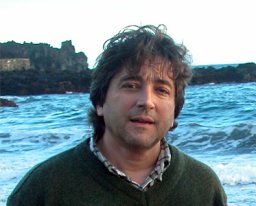 Ricardo Serrao Santos合作论文数Department of Nutrition and Dietetics, Kings College London5Sylvain Davidson合作论文数5Yannick Combet-Blanc合作论文数5
 Jozee Sarrazin合作论文数ifremer5Odile Vandenabeele-Trambouze合作论文数5
 Pierre-Marie Sarradin合作论文数5
 Pierre-Pol Liebgott合作论文数5JR Meunier合作论文数4Raguénès Gérard合作论文数4Jean Guezennec合作论文数Pacific Biotech4
 Appolaire Alexandre合作论文数Institut de Biologie Structurale, CNRS4Marie-Laure Fardeau合作论文数4
 Stephane L'haridon合作论文数UPR 9042, CNRS and Université Pierre et Marie Curie4Jean-Jacques Drevon合作论文数UMR Eco&Sols, INRA4
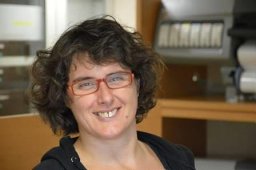 Ana Colaco合作论文数Dept of Oceanography and Fisheries ( DOP );University of the;Dept of Oceanography and Fisheries ( DOP ), University of the4
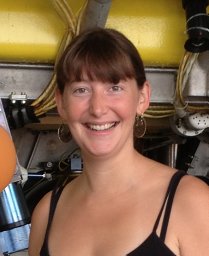 Pauline Henri合作论文数LOV, CNRS4Alain Rimbault合作论文数4
 Patricia Bonin合作论文数Laboratoire de Microbiologie de Géochimie et d’Ecologie Marines (UMR 6117), Centre d’Océanologie de Marseille4Philippe Crassous合作论文数4Nathalie Pradel合作论文数4Satoshi Nakagawa合作论文数4Bernard Dennielou合作论文数IFREMER, Laboratoire Géodynamique et enregistrement Sédimentaire (LGS), BP70, 29280 Plouzané, France4




