Cancer-related fatigue (CRF) is the most prevalent and disruptive side effect of cancer and its treatment, significantly impairing patients’ quality of life. While guidelines mandate periodic screening, in-depth assessments, and non-pharmacological treatments for fatigue, the adherence of healthcare professionals (HCPs) to these guidelines is unknown. Therefore, this review aims to synthesize existing knowledge on HCPs’ adherence to CRF guidelines. A systematic review was conducted, encompassing searches across six databases and Google Scholar. Studies reporting on CRF management, barriers to CRF care experienced by HCPs, or interventions aimed at improving CRF management were included. A narrative synthesis approach was employed to analyze findings. Of the 7039 identified publications, seventy-seven studies met the inclusion criteria. Findings reveal notable discrepancies between guideline recommendations and clinical practice. Specifically, fatigue screening was inconsistently performed across healthcare settings, comprehensive fatigue assessments were scarce, and pharmacological interventions were commonly used to alleviate fatigue. Barriers such as time constraints and insufficient knowledge hindered optimal CRF management. Findings of this review suggest that HCPs do generally not adhere to clinical guidelines for fatigue management. There is ample room to improve CRF management, with systematic changes essential to addressing barriers to effective fatigue management. As part of these changes, enhancing HCP education can help to frame CRF as a manageable, multifaceted symptom. These improvements will contribute to better fatigue communication, recognition, timely support, and a more coordinated approach to care for patients affected by this debilitating condition.
This study explored wishes, conflicts, beneficial, and wished support of informal caregivers (ICGs) providing care to a palliative ill close other. We interviewed five current and 15 bereaved ICGs (25-75 years), and used thematic analyses. ICGs wished to continue life as normal as possible, spend time together and with their family, comfort their close other, and continue own activities. Caregivers experienced conflicts in balancing caregiving and own activities, quality time with each other and social contacts, the level of professional or informal support preferred, and in their shifting role from partner/child to nurse. ICGs experienced practical support, being heard, and good professional support as helpful. An overview of available support options, one contact for administrative issues, and an environment that pays attention to ICGs' wellbeing could make caregiving easier. Formal carers and digital tools can support caregivers in balancing wishes and boundaries with the requests of caregiving to decrease conflicts.
Background Young adult caregivers (YACs) are individuals aged 18–25 years who provide care to a loved one (parent, sibling) with frailty, disability, or illness. As young adults, the transition period between adolescence and adulthood can be more challenging for YACs than their peers without care responsibilities (non-YACs), as they have to integrate caregiving with other life areas (education, relationships). This study compared the perceived life balance and the psychological functioning (i.e., burnout, negative and positive affect, and life satisfaction) between YACs and non-YACs. Method An online cross-sectional survey was conducted among 74 YACs (85.1% females, 22.0 ± 2.1 years) and 246 non-YACs (76.0% females, 21.8 ± 2.0 years) studying in the Netherlands. The survey assessed demographic characteristics, caregiving characteristics (to be filled out only by the YACs), life balance, and psychological functioning. We used Chi-square tests for categorical variables and independent T-tests for continuous variables to examine possible differences in demographic characteristics between YACs and non-YACs. In addition, we used independent T-tests to compare the perceived life balance and psychological functioning between YACs and non-YACs. Results YACs and non-YACs were similar on all the demographic characteristics, except for living status; fewer YACs (44.6%) than non-YACs (59.3%) lived on their own, with or without other students/friends ( χ 2 = 16.3, p = 0.01 ). YACs perceived slightly less balance in life than non-YACs (d = -.29, p = .03 ). Both groups did not differ in experiencing burnout, affect, and life satisfaction (all p > .05 ). They experienced high levels of burnout and moderate levels of life satisfaction. Discussion Although YACs perceived a little less balance in life than non-YACs, this was not reflected in their psychological functioning. Healthcare professionals and school counselors may need to recognise the critical phase of all young adults and provide the support that could, for example, help them reduce burnout and enhance their quality of life.
Background Young adult caregivers (YACs, aged 18–25) who take care of a loved one may juggle between caregiving responsibilities and other life areas such as education and social life, leading to an imbalance in their lives. The web-based tool ‘MantelzorgBalans’ aims to support informal caregivers (ICGs) in balancing caregiving tasks and activities in other life areas. However, this tool was designed to support ICGs of loved ones receiving palliative care and is not yet tailored to the needs of YACs. In order to do so, in this study we aim to explore (i) challenges and support needs of YACs in caregiving, (ii) their needs towards the content of the ‘MantelzorgBalans’ tool, and (iii) issues they encountered in using the tool and their preferences for adaptation of the tool. Method We conducted semi-structured interviews and usability testing with 13 student YACs in the Netherlands. Within usability testing, we used three approaches: (i) a thinking-aloud approach (verbalizing thoughts while using the tool), (ii) a task-based performance approach (scoring task completion rate), and (iii) questionnaires. We used thematic analysis to synthesize the qualitative data. For the quantitative data, we calculated frequencies and mean scores. Results Our findings suggest that the majority of YACs faced challenges in balancing caregiving with life areas such as education and social life. They needed support from healthcare professionals who could listen to them without judging them. With respect to the MantelzorgBalans tool, YACs needed more information on how to provide emotional support to their loved one and the emotional support that is available for them. In regards to the aesthetics, they preferred bright colours and more visuals in the tool. Overall, they were satisfied with the information presented in the tool, but they were neutral in their willingness to use it in the future. Conclusion From this study, we learn that YACs may experience specific challenges and needs in general, and towards a web-based tool in specific. In the near future, it will be important to develop digital tools to support YACs that match their specific needs. This may enable healthcare professionals to offer targeted and personalized digital support to YACs in future.
Purpose Oncologists nowadays promote healthy lifestyle choices more often, focusing on diet, physical activity, smoking, alcohol consumption, and sleep, but the question is whether this is enough to establish actual change. As patients will have to achieve a healthy lifestyle at home in daily life, it is important to understand barriers and facilitators for lifestyle change for both patients and their partners. Methods A qualitative interview study was done among patients who received chemotherapy for testicular ( n = 10) or breast cancer ( n = 7) and their partners ( n = 17). The interview focused on how much they remembered the lifestyle advice given in hospital, whether and what they had adapted since diagnosis, and what they deemed as facilitators and barriers in maintaining lifestyle change. Results Results showed that many patients and partners recalled that some advice was given in hospital but experienced this as too general and only at the start of treatment. Social contacts and the entire cancer experience helped facilitate change but were also seen as barriers. Other barriers were not considering healthy behaviors a priority or experiencing unhealthy choices as something nice after a trying time. Conclusions Oncologists and hospitals that provide lifestyle advice should provide cancer- and person-specific lifestyle advice, should offer this advice repeatedly into survivorship, and include the partner, as they are dedicated to improving lifestyle as well. Implication for cancer survivors Staying healthy after cancer is important to both patients and their partners, and both experience their own facilitators and barriers to achieving this. Seeing a healthy lifestyle as a joint goal might facilitate change.
Informal care is a key pillar of long-term care provision across Europe and will likely play an even greater role in the future. Thus, research that enhances our understanding of caregiving experiences becomes increasingly relevant. The ENTWINE iCohort Study examines the personal, psychological, social, economic, and geographic factors that shape caregiving experiences. Here, we present the baseline cohort of the study and describe its design, recruitment methods, data collection procedures, measures, and early baseline findings. The study was conducted in nine countries: Germany, Greece, Ireland, Israel, Italy, the Netherlands, Poland, Sweden, and the United Kingdom. The study comprised a web-based longitudinal survey (baseline + 6-month follow-up) and optional weekly diary assessments conducted separately with caregivers and care recipients. From 14 August 2020 to 31 August 2021, 1872 caregivers and 402 care recipients were enrolled at baseline. Participants were recruited via Facebook and, to a lesser extent, via the study website or caregiver/patient organisations. Caregiver participants were predominantly female (87%) and primary caregivers (82%), with a median age of 55 years. A large proportion (80%) held at least post-secondary education, and two-thirds were married/partnered. Over half of the caregivers were employed (53%) and caring for a person with multiple chronic conditions (56%), and nearly three-quarters were caring for either a parent (42%) or a spouse/partner (32%). About three-quarters of care recipient participants were female (77%), not employed (74%), and had at least post-secondary education (77%), with a median age of 55 years. Over half of the care recipients were married/partnered (59%), receiving care primarily from their spouses/partners (61%), and diagnosed with multiple chronic conditions (57%). This study examining numerous potential influences on caregiving experiences provides an opportunity to better understand the multidimensional nature of these experiences. Such data could have implications for developing caregiving services and policies, and for future informal care research.
Title: Minimal Data Set for the Reproduction of Findings in "Elayan et al., Cohort Profile: The ENTWINE iCohort Study, a Multinational Longitudinal Web-Based Study of Informal Care". Study Summary: The data sets provided herein are derived from the ENTWINE iCohort Study, a multinational web-based cohort study employing an intensive longitudinal design. The study integrates a two-wave panel survey (baseline and 6-month follow-up) with optional weekly diary assessments. The cohort comprises caregivers and care recipients from nine countries: the United Kingdom, the Netherlands, Italy, Sweden, Israel, Germany, Greece, Poland, and Ireland. The study aimed to examine the influence of personal, psychological, social, economic, and geographic factors on caregiving experiences. Participants were eligible if they met the following criteria: 1) residency in a participating country; 2) capability to respond to surveys in English, Swedish, German, Dutch, Italian, Greek, Hebrew, or Polish; 3) access to the internet and ability to use it; 4) at least 18 years of age; 5) self-declared cognitive and physical capacity to complete the surveys; 6) either providing care to an adult (aged ≥ 18 years) with a chronic health condition, disability, or other care need, or receiving care from an adult due to similar conditions. The detailed methodology and results of the study can be found in the associated manuscript. For the complete survey questionnaires, please refer to: Morrison V, Zarzycki M, Vilchinsky N, Sanderman R, Lamura G, Fisher O, et al. A Multinational Longitudinal Study Incorporating Intensive Methods to Examine Caregiver Experiences in the Context of Chronic Health Conditions: Protocol of the ENTWINE-iCohort. Int J Environ Res Public Health. 2022;19. doi: 10.3390/ijerph19020821 Data files: The repository contains the following data files: "cg_minimal_dataset" (available in dta, sav, rds, and xlsx formats): This is a minimal data set containing de-identified and processed data derived from the ENTWINE iCohort Caregiver Baseline Survey. The variables present in this data set are detailed in the associated codebook, "cg_minimal_dataset_codebook". "cr_minimal_dataset" (available in dta, sav, rds, and xlsx formats): This is a minimal data set containing de-identified and processed data derived from the ENTWINE iCohort Care Recipient Baseline Survey. The variables present in this data set are detailed in the associated codebook, "cr_minimal_dataset_codebook".
Objective A waiting-list randomized controlled trial supported the effectiveness of the multimodal Untire app in reducing cancer-related fatigue (CRF) in cancer patients and survivors. However, little is known about the causal mechanisms of different app components through which the intervention effect was achieved. We aim to examine whether specifically targeted factors (i.e., fatigue catastrophizing, depression, mindfulness, sleep, and physical activity) mediated the intervention effects of the Untire app on fatigue outcomes. Methods Seven hundred ninety-nine persons with CRF were randomized (2:1) into intervention (n = 519) and waiting-list control (n = 280) groups. Self-report data on the primary outcome fatigue severity and interference and the abovementioned potential mediators were collected at baseline and 12 weeks. Participants who completed the 12-week assessment were included in the analyses (intervention = 159; control = 176). We performed longitudinal multi-categorical multiple mediation analysis using PROCESS macro to examine whether the potential mediators explained the overall intervention effects. Results Improvements in fatigue catastrophizing (bootstrap 95% CI (-0.110; -0.011)), depression (bootstrap 95% CI (-0.082; -0.004)), and mindfulness (bootstrap 95% CI (-0.082; -0.002)), significantly mediated the intervention effect on fatigue severity, whereas sleep quality (bootstrap 95% CI (-0.081; 0.009)), sleep disturbance (bootstrap 95% CI (-0.038; 0.029)), and physical activity (bootstrap 95% CI (-0.068; 0.000)) did not. Similar associations were found for fatigue interference. Conclusions Untire app access reduces fatigue severity and interference mainly by decreasing fatigue catastrophizing, depression, and by increasing mindfulness. Supporting these psychological mechanisms is crucial for reducing fatigue among cancer patients and survivors.
International internet-based studies could be accessible by participants from various countries worldwide. However, the jurisdiction of research ethics committees (RECs) or institutional review boards (IRBs) is bound to geographical state or country borders. How can researchers deal with the geographical boundaries in the jurisdiction of RECs/IRBs versus the worldwide, open character of international internet-based research? Should ethical approval be sought in each country where participants will be recruited? In this paper, we want to share our challenges in setting up the ethical review procedures in an international internet-based mHealth intervention study, to further the discussion on ethical procedures in internet-based research.
Informal caregivers are those who provide unpaid care to a relative or friend with a chronic illness, disability or other long-lasting health or care need. Providing informal care in the context of chronic health conditions presents a significant global challenge. Examination of the determinants of informal caregivers’ behaviour, especially in terms of motivations and willingness to provide/receive care, is crucial to understanding the nature of caregiver and care recipient experiences. A large group of international researchers have co-operated to execute the ENTWINE iCohort-a multinational, transdisciplinary, longitudinal study incorporating intensive methods to examine caregiver experiences in the context of chronic health conditions. The aim of ENTWINE-iCohort is to investigate the broad spectrum of factors, i.e., cultural, personal, geographical, relational, psychological, and economic that may affect motivations, willingness to provide or receive care, among diverse groups of informal caregivers and their care recipients, in different countries that have different care systems. Study questionnaires will be disseminated on-line in nine countries: Germany, Greece, Ireland, Italy, Israel, the Netherlands, Poland, Sweden, and the UK. Cross-sectional and longitudinal multivariate analysis, including intensive longitudinal and dyadic data analysis will be applied to examine the relative contribution of the above factors to caregiver or care recipient wellbeing.
Informal caregivers (ICGs) provide care to their family or friends in case of an illness, disability, or frailty. The caregiving situation of informal caregivers may vary based on the relationship they have with the care recipient (CR), e.g., being a spouse or being an adult child. It might be that these different ICGs also have different needs. This study aims to explore and compare the needs of different groups of ICGs based on the relationship they have with their CR. We conducted a systematic review, performing a search in the databases PubMed, CINAHL, and PsycINFO. We included studies with qualitative, quantitative, or mixed-method study designs. We analyzed the data using the thematic analysis method. We included 22 articles (18 qualitative; 4 quantitative). The included articles reported the needs of ICGs taking care of a spouse (spousal ICGs), parent (adult child ICG), or sibling aged 18 years or above (adult sibling ICGs). We did not include other relationships due to the limited number of articles on these relationships. The most prominent needs reported by the spousal, adult child, and adult sibling ICGs were the need for information and need for support. The three groups differed in their needs as well. Adult child and adult sibling ICGs indicated a need to be acknowledged by the people around them for their role of carer, while they also needed to be seen as an individual having their own personal needs. Moreover, spousal ICGs indicated a unique need of redefining their role and relationship with their CR. Overall, the findings indicate that along with experiencing common needs, the investigated groups have unique needs as well. Knowing the needs of different groups of ICGs can help develop tailored solutions to improve the quality of life of the ICGs and their CR.Systematic Review Registration: [www.crd.york.ac.uk/prospero/], identifier [CRD42020188560].
INTRODUCTION:Social media recruitment via Facebook Ads seems to be a promising method for large-scale international trials examining the effectiveness of mHealth interventions. However, little is known about this method in terms of strategy, reach, and costs in the context of psycho-oncology. This paper presents the results of the recruitment strategy that was applied in the Untire app study and shows how many participants could be reached using advertisements (i.e., Ads) on Facebook, who participated, and what it cost.METHOD:The Untire app study is a randomized controlled trial targeted at cancer patients and survivors across four English-speaking countries (i.e., Australia, Canada, the U.K., and the U.S.A.). Reach was assessed by the number of people who were shown the Ads, who clicked on the Ads, and completed study assessments. Demographic characteristics were gathered from Facebook Ads Manager and from online study assessments to describe who was reached. Costs were assessed by the budget spent and the cost per click for Ads, for reaching the study's landing page, and for completing study assessments. To conduct a powered RCT, we needed 164 12-weeks assessments in both the intervention and the control group.RESULTS:From March till October 2018, we used 76 Ads, which were presented to 1.2 million people. 37.376 persons clicked on the study link in the Ads, resulting in 755 baseline completers. Most participants were female (92%), middle-aged (55.5 ± 9.79), and came from the U.K. (72%). The total Facebook advertisement costs from March till October 2018 were €17 k, resulting in an average cost of €0.45 per click on the Ads, €5.55 on average for a person reaching the study's landing page, and €14.89 on average per eligible participant. The costs for every baseline and 12-weeks completer were €22.42 and €47.69, respectively.DISCUSSION:Reaching participants for international mHealth studies in psycho-oncology via Facebook Ads has potential but is costly. The key to reducing costs lies in constant optimization and testing of Ads and refinement of target audience characteristics.
BACKGROUND:An increasing number of studies in people with mental illness have demonstrated the efficacy of lifestyle interventions for both mental and physical health. However, implementing and sustaining such interventions in routine mental healthcare is challenging.AIM: To describe implementation barriers and facilitators of various lifestyle interventions in routine mental healthcare.METHOD: In this paper we summarise the results of three recent doctoral theses and provide recommendations for routine mental healthcare.RESULTS: Enabling factors and barriers for successful implementation appeared to be universal across various settings and patient populations. Mental healthcare professionals and patients appreciated and supported the lifestyle interventions. A lack of priority, recognition and support on the organisational level were reported as barriers in all the studies. Addressing various lifestyle behaviours simultaneously (e.g. physical activity and diet), personalised to the patients' abilities and preferences, and setting measurable and attainable goals, were important for success. Moreover, involving qualified professionals (e.g. exercise professionals and dietitians with expertise in mental healthcare) and ensuring cooperation between patients and healthcare professionals and disciplines within and outside mental healthcare appeared crucial.CONCLUSION: Successful implementation of lifestyle interventions in mental healthcare requires changes in culture and behaviour, a long-term strategy and endurance.
Background Many cancer patients and survivors worldwide experience disabling fatigue as the main side effect of their illness and the treatments involved. Face-to-face therapy is effective in treating cancer-related fatigue (CRF), but it is also resource-intensive. Offering a self-management program via a mobile phone app (ie, the Untire app), based on elements of effective face-to-face treatments, might increase the number of patients receiving adequate support for fatigue and decrease care costs. Objective The aim of this protocol is to describe a randomized controlled trial (RCT) to assess the effectiveness of the Untire app in reducing fatigue in cancer patients and survivors after 12 weeks of app use as compared with a waiting list control group. Substudies nested within this trial include questions concerning the reach and costs of online recruitment and uptake and usage of the Untire app. Methods The Untire app study is a waiting list RCT targeting cancer patients and survivors who experience moderate to severe fatigue via social media (Facebook and Instagram) across 4 English-speaking countries (Australia, Canada, the United Kingdom, and the United States). The Untire app includes psychoeducation and exercises concerning energy conservation, activity management, optimizing restful sleep, mindfulness-based stress reduction, psychosocial support, cognitive behavioral therapy, and physical activity. After randomization, participants in the intervention group could access the Untire app immediately, whereas control participants had no access to the Untire app until the primary follow-up assessment at 12 weeks. Participants completed questionnaires at baseline before randomization and after 4, 8, 12, and 24 weeks. The study outcomes are fatigue (primary) and quality of life (QoL; secondary). Potential moderators and mediators of the hypothesized treatment effect on levels of fatigue and QoL were also assessed. Link clicks and app activation are used to assess reach and uptake, respectively. Log data are used to explore the characteristics of app use. Sample size calculations for the primary outcome showed that we needed to include 164 participants with complete 12-week measures both in the intervention and the control groups. The intention-to-treat approach is used in the primary analyses, which refers to analyzing all participants regardless of their app use. Results Participants were recruited from March to October 2018. The last participant completed the 24-week assessment in March 2019. Conclusions This mobile health (mHealth) RCT recruited participants online in multiple countries to examine the uptake and effectiveness of the Untire self-management app to reduce CRF. Many advantages of mHealth apps are assumed, such as the immediate access to the app, the low thresholds to seek support, and the absence of contact with care professionals that will reduce costs. If found effective, this app can easily be offered worldwide to patients experiencing CRF. Trial Registration Netherlands Trial Register NL6642; https://www.trialregister.nl/trial/6642. International Registered Report Identifier (IRRID) DERR1-10.2196/15969
This waiting‐list randomized controlled trial examined the effectiveness of a self‐management mHealth app in improving fatigue and quality of life (QoL) in cancer patients and survivors.
Methods: Patients (n = 244) were randomized to receive either care-as-usual or a lifestyle intervention in which mental health nurses coached patients in changing their lifestyle by using a web tool. Costs and quality of life were assessed at baseline and at 6 and 12 months. Incremental costs per centimeter waist circumference (WC) lost and per Quality-Adjusted Life Year (QALY) gained were assessed. Budget impact was estimated based on three intervention-uptake scenarios using a societal and a third-party payer perspective. Results: Costs and reduction in WC were higher in the intervention (n = 114) than in the control (n = 94) group after 12 months, although not statistically significant, resulting in €1,370 per cm WC lost. QALYs did not differ between the groups, resulting in a low probability of the intervention being cost-effective in cost/QALY gained. The budget impact analysis showed that for a reasonable participation of 43%, total costs were around €81 million over 5 years, or on average €16 million annually (societal perspective). Conclusions: The intervention is not cost-effective at 12 months and the budget impact over 5 years is substantial. Possibly, 12 months was too short to implement the intervention, improve cardiometabolic health, and reduce care costs. Therefore, the incentive for this intervention cannot be found in short-term financial advantages. However, there may be benefits associated with lifestyle interventions in the long term that remain unclear.
Background Unhealthy lifestyle behaviours contribute to alarming cardiometabolic risk in patients with serious mental illness (SMI). Evidence-based practical lifestyle tools supporting patients and staff in improving patient lifestyle are lacking. Methods This multi-site randomized controlled pragmatic trial determined the effectiveness of a twelve-month multimodal lifestyle approach, including a web-based tool to improve patients’ cardiometabolic health, versus care-as-usual. Using the web tool, nurses (trained in motivational interviewing) assisted patients in assessing their lifestyle behaviours, creating a risk profile and constructing lifestyle goals, which were discussed during fortnightly regular care visits. Twenty-seven community-care and sheltered-living teams were randomized into intervention ( N = 17) or control ( N = 10) groups, including 244 patients (140 intervention/104 control, 49.2% male, 46.1 ± 10.8 years) with increased waist circumference (WC), BMI or fasting glucose. The primary outcomes concerned differences in WC after six and twelve months intervention, while BMI and metabolic syndrome Z-score were secondary outcome measures. Results General multilevel linear mixed models adjusted for antipsychotic medication showed that differences in WC change between intervention and control were − 0.15 cm (95%CI: − 2.49; 2.19) after six and − 1.03 cm (95%CI: − 3.42; 1.35) after twelve months intervention; however, the differences were not statistically significant. No intervention effects were found for secondary outcome measures. The intervention increased patients’ readiness to change dietary behaviour. Conclusion A multimodal web-based intervention facilitating nurses to address lifestyle changes in SMI patients did not improve patient cardiometabolic health. Web-tool use was lower than expected and nurses need more lifestyle coaching knowledge and skills. The type of intervention and delivery mode need optimization to realize effective lifestyle care for SMI patients. Trial registration Dutch Trial Registry, www.trialregister.nl , NTR3765, 21 December 2012.
Large studies investigating the psychosocial effects of lifestyle interventions in patients with a severe mental illness (SMI) are scarce, especially in residential patients. This large, randomized controlled, multicentre pragmatic trial assessed the psychosocial effects of a combined diet-and-exercise lifestyle intervention targeting the obesogenic environment of SMI residential patients. Twenty-nine sheltered and clinical care teams were randomized into intervention (n=15) or control (n=14) arm. Team tailored diet-and-exercise lifestyle plans were set up to change the obesogenic environment into a healthier setting, and team members were trained in supporting patients to make healthier choices. The control group received care-as-usual. The Calgary Depression Scale for Schizophrenia (CDSS), Positive and Negative Syndrome Scale (PANSS), Health of the Nation Outcome Scales (HoNOS) and the Manchester Short Assessment of Quality of Life (MANSA) were assessed at baseline and after three and twelve months. Data were available for 384 intervention and 386 control patients (48.6±12.5years old, 62.7% males, 73.7% psychotic disorder). Linear mixed model analysis showed no psychosocial improvements in the intervention group compared to care-as-usual; the intervention group showed a slightly reduced quality of life (overall) and a small increase in depressive symptoms (clinical care facilities) and psychotic symptoms (sheltered facilities). This may be due to difficulties with implementation, the intervention not being specifically designed for improvements in mental well-being, or the small change approach, which may take longer to reach an effect. Further research might elucidate what type of lifestyle intervention under what circumstances positively affects psychosocial outcomes in this population.
BackgroundFor patients with severe mental illness (SMI) in residential facilities, adopting a healthy lifestyle is hampered by the obesity promoting (obesogenic) environment.AimsTo determine the effectiveness of a 12-month lifestyle intervention addressing the obesogenic environment with respect to diet and physical activity to improve waist circumference and cardiometabolic risk factors v. care as usual (Dutch Trial Registry: NTR2720).MethodIn a multisite cluster randomised controlled pragmatic trial, 29 care teams were randomised into 15 intervention (365 patients) and 14 control teams (371 patients). Intervention staff were trained to improve the obesogenic environment.ResultsWaist circumference decreased 1.51 cm (95% CI -2.99 to -0.04) in the intervention v. control group after 3 months and metabolic syndrome z-score decreased 0.22 s.d. (95% CI -0.38 to -0.06). After 12 months, the decrease in waist circumference was no longer statistically significantly different (-1.28 cm, 95% CI -2.79 to 0.23, P=0.097).ConclusionsTargeting the obesogenic environment of residential patients with SMI has the potential to facilitate reduction of abdominal adiposity and cardiometabolic risk, but maintaining initial reductions over the longer term remains challenging.
 Mariet Hagedoorn合作论文数Northern Centre for Healthcare Research;University of Groningen;Northern Centre for Healthcare Research, University of Groningen15
 Frederike Jorg合作论文数8
 Robbert Sanderman合作论文数Department of Health Sciences8
 Eva Corpeleijn合作论文数7
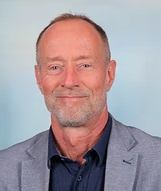 R.A. (Robert) Schoevers合作论文数Department of Psychiatry, University Medical Center Groningen;Faculty of Medical Sciences, University of Groningen7
 Richard Bruggeman合作论文数6
 Simon Spahrkas合作论文数5
 Giovanni Lamura合作论文数Istituto Nazionale di Riposo e Cura Anziani;Ancona, Department of Gerontological Research;Department of Gerontological Research Ancona, Istituto Nazionale di Riposo e Cura Anziani5
 Giulia Ferraris合作论文数4Saif Elayan合作论文数3
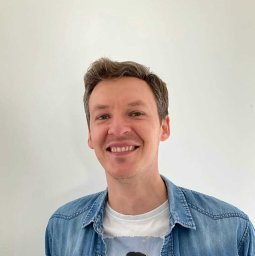 Mikołaj Zarzycki合作论文数Bangor Univ3
 Srishti Dang合作论文数3
 Eva Bei合作论文数3
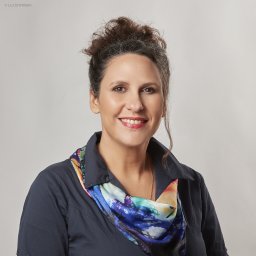 Vilchinsky Noa合作论文数Department of Psychology, Bar-Ilan University3
 Annemarie Stiekema合作论文数Lentis Center for Mental Health, Lentis Psychiatric Institute3
 Erik Buskens合作论文数University Medical Center Groningen;Faculty of Medical Sciences, University of Groningen3
 Viola Angelini合作论文数Department of Economics, Econometrics and Finance, University of Groningen3Milena von Kutzleben合作论文数2
 Lena Ansmann合作论文数2
 Fisher Oliver M合作论文数St. Vincent's Centre for Applied Medical Research2
 Valerie L Morrison合作论文数University of Wales2
 Lisette Van der Meer合作论文数2Marian Dethmers合作论文数1Nikita Sharma合作论文数1
 Annemarie Braakman-Jansen合作论文数Dept Psychol Hlth & Technol, Univ Twente1
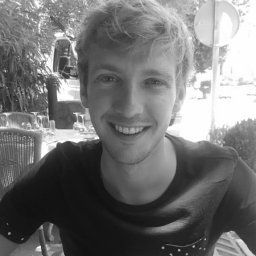 Jeroen Deenik合作论文数School for Mental Health and Neuroscience, Maastricht University1Morrison Valerie L合作论文数1
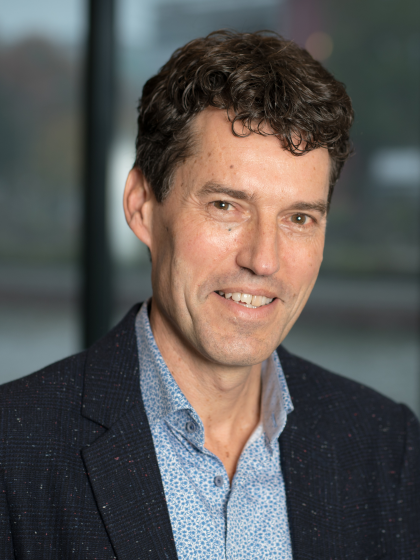 Ronald Stolk合作论文数University Medical Center Groningen;SURF1
 F. D. Van Der Meer合作论文数Faculty of Geo-Information Science and Earth Observation, University of Twente;Digital Society Institute, University of Twente1
 Antoinette D.I. van Asselt合作论文数1
 T. L. (Talitha) Feenstra合作论文数Groningen Research Institute of Pharmacy, Faculty of Science and Engineering, Groningen University;Faculty of Medical Sciences, Groningen University1Janine Nuver合作论文数1
 Marrit Annika Tuinman合作论文数Department of Surgical Oncology, University of Groningen and University Medical Center1




