A sudden drop in solar radiation during an annular (or total) eclipse directly affects ionospheric electrodynamics, primarily through the reduction of solar extreme ultraviolet (EUV) and soft X-ray flux, which are responsible for generating the ionospheric plasma. The annular solar eclipses of 21 June 2020 and 14 October 2023 offer natural experiments under markedly different solar conditions. The 2020 eclipse occurred during a period of low solar activity (F10.7 = 70 s.f.u., Kp < 1), while the 2023 eclipse took place under higher solar activity levels (F10.7 = 147.4 s.f.u., Kp < 3), leading to stronger background solar-quiet (Sq) ionospheric current and more pronounced electrodynamic responses. Using global geomagnetic records from SuperMAG and coordinated networks, the Sq current and eastward current densities (Je) are estimated via spherical harmonic analysis techniques. The equatorial and low-latitude horizontal geomagnetic field variation (Delta H) decreased near maximum obscuration, with larger depletion in 2023 than in 2020, and smaller variations in the conjugate hemisphere. Concurrently, Je weakened by similar to 15% (2020) and similar to 25% (2023), while the equatorial electrojet (EEJ) changed 10%-30% with local-time phase shifts; the 2020 eclipse featured a transient EEJ enhancement, whereas 2023 showed suppression followed by delayed recovery. Maximum northern Sq current values decreased similar to 20% and southern minima similar to 13% in the 2020 eclipse, while the 2023 Sq current was similar to 65% stronger. The largest separation between northern and southern Sq current foci occurred during 2020 (similar to 2 h, similar to 30 degrees longitude; similar to 5 degrees latitude at 30 degrees N and 35 degrees S), whereas the 2023 eclipse exhibited smaller longitudinal (similar to 1 h, similar to 15 degrees longitude) but larger latitudinal (similar to 15 degrees, 30 degrees N and 45 degrees S) offsets.
Abstract Variations in the solar wind, particularly those associated with interplanetary coronal mass ejections (ICMEs) and high‐speed streams (HSSs), drive geomagnetic disturbances that produce rapid changes in the ground magnetic field. These variations, commonly quantified by the time derivative of the horizontal magnetic field , are closely related to geomagnetically induced currents (GICs), which pose risks to technological infrastructure. In this study, we analyze 609 geomagnetic storms (SYM‐H nT) from 1995 to 2024, interplanetary coronal mass ejection and HSS driven events, to investigate how different solar wind drivers modulate the occurrence, intensity, and spatiotemporal distribution of spikes. We find that enhancements are concentrated between 60 and 75 magnetic latitude for both drivers, but exhibit distinct Magnetic Local Time (MLT) distributions. HSS‐driven storms predominantly produce pre‐midnight enhancements, consistent with substorm‐related processes, whereas ICME‐driven storms generate a broader MLT distribution, including significant post‐midnight activity associated with multiple current systems, such as the substorm current wedge and field‐aligned currents. Additionally, we show that the occurrence and intensity of spikes vary systematically with the solar cycle, with ICME‐driven activity peaking during solar maxima and HSS‐driven activity dominating the declining and minimum phases. These results provide a unified long‐term perspective on how solar wind drivers control rapid geomagnetic field variations, highlighting the importance of distinguishing between driver types for improving space weather modeling and GIC risk assessment.
Geomagnetically induced currents (GICs) pose a significant space weather hazard, driven by geomagnetic field variation due to the coupling of the solar wind to the magnetosphere-ionosphere system. Extensive research has been dedicated to understanding ground-level geomagnetic field perturbations as a GIC proxy. Still, the non-uniform aspect of geomagnetic fluctuations make it difficult to fully characterize the ground-level magnetic field across large regions of the globe. Here, we focus on localized geomagnetic disturbances (LGMDs) in the North American region and specify the degree to which these disturbances are localized. Employing the electrodynamics-informed Spherical Elementary Current Systems (SECS) method, we spatially interpolate magnetic field perturbations between ground-based magnetometer stations. In this way, we represent the ground magnetic field as a series of heatmaps at high temporal and spatial resolution. We leverage heatmaps from storm time during solar cycle 24 to automatically identify LGMDs. We build a statistical picture of the frequency with which LGMDs occur, their scale sizes, and their latitude-longitude aspect ratios. Additionally, we use an information theory approach to quantify the dependence of these three attributes on the phase of the solar cycle. We find no clear influence of the solar cycle on any of the three attributes. We offer some avenues toward explaining why LGMDs might behave broadly the same whether they arise during solar maximum or solar minimum.
Solar wind particles interact with the Earth's magnetic field and can cause rapid changes in the magnetic field on the ground. This can result in Geomagnetically Induced Currents capable of causing significant damage to infrastructure, making it vital to predict when and where the fluctuations will occur so the impact can be limited. The fluctuations can occur on both a large and highly localized scale, further complicating precise predictions. Machine learning (ML) techniques have emerged as an effective method of predicting space weather phenomena, with their largest complication being their lack of explainability. Here we seek to use such ML methods, combined with a model explainability technique called SHapley Additive exPlanation to both predict dBH/dt $d{B}_{H}/dt$ and times of extreme localization. Using L1 solar wind data and magnetometer data from SuperMAG, we train two different types of models, one predicting extreme dBH/dt $d{B}_{H}/dt$ and one predicting large Region-to-Specific Difference (RSD). We are seeking to forecast the maximum of RSD and dBH/dt $d{B}_{H}/dt$ within a rolling 60-min window, beginning 30 min in the future. The models perform well across a variety of latitudes and Magnetic Local times. While traditional drivers of space weather (BZIMF ${B}_{Z}<^>{\mathit{IMF}}$ and VX ${V}_{X}$) are important drivers of the ML models, other not often examined parameters (particularly BXIMF ${B}_{X}<^>{\mathit{IMF}}$) exhibit non-uniform spatial and latitudinal dependencies which cannot be attributed to correlation with more influential parameters. Additionally, the inertia of the internal geomagnetic field on a regional scale exhibits a more nuanced behavior compared to previous studies on individual magnetometer stations.
AbstractGeomagnetically Induced Currents (GICs) are a severe space weather hazard, driven through coupling between the solar wind and magnetosphere. GICs are rarely measured directly, instead the ground magnetic field variability is often used as a proxy. Recently space weather models have been developed to forecast whether the magnetic field variability (R) will exceed specific, extreme thresholds. We test an example machine learning‐based model developed for the northern United Kingdom. We evaluate its performance (discriminative skill and calibration) as a function of magnetospheric state, solar wind input and magnetic local time. We find that the model's performance is highest during active conditions, for example, geomagnetic storms, and lowest during isolated substorms and “quiet” intervals, despite these conditions dominating the training data set. Correspondingly, the performance is high when the solar wind conditions are elevated (i.e., high velocity, large total magnetic field strength, and the interplanetary magnetic field oriented southward), and at a minimum when the north‐south component of the magnetic field is highly variable or around zero. Regarding magnetic local time, performance is highest within the dusk and night sectors, and lowest during the day. The model appears to capture multiple modes of magnetospheric activity, including substorms and viscous interactions, but poorly predicts impulsive phenomena (i.e., storm sudden commencements) and longer timescale coupling processes. Future models of mid‐latitude magnetic field variability will need to effectively use longer time intervals of unpropagated (i.e., observations from L1) solar wind to more completely describe the magnetospheric conditions and response.
AbstractWe introduce a new framework called Machine Learning (ML) based Auroral Ionospheric electrodynamics Model (ML‐AIM). ML‐AIM solves a current continuity equation by utilizing the ML model of Field Aligned Currents of Kunduri et al. (2020, https://doi.org/10.1029/2020JA027908), the FAC‐derived auroral conductance model of Robinson et al. (2020, https://doi.org/10.1029/2020JA028008), and the solar irradiance conductance model of Moen and Brekke (1993, https://doi.org/10.1029/92gl02109). The ML‐AIM inputs are 60‐min time histories of solar wind plasma, interplanetary magnetic fields (IMF), and geomagnetic indices, and its outputs are ionospheric electric potential, electric fields, Pedersen/Hall currents, and Joule Heating. We conduct two ML‐AIM simulations for a weak geomagnetic activity interval on 14 May 2013 and a geomagnetic storm on 7–8 September 2017. ML‐AIM produces physically accurate ionospheric potential patterns such as the two‐cell convection pattern and the enhancement of electric potentials during active times. The cross polar cap potentials (ΦPC) from ML‐AIM, the Weimer (2005, https://doi.org/10.1029/2004ja010884) model, and the Super Dual Auroral Radar Network (SuperDARN) data‐assimilated potentials, are compared to the ones from 3204 polar crossings of the Defense Meteorological Satellite Program F17 satellite, showing better performance of ML‐AIM than others. ML‐AIM is unique and innovative because it predicts ionospheric responses to the time‐varying solar wind and geomagnetic conditions, while the other traditional empirical models like Weimer (2005, https://doi.org/10.1029/2004ja010884) designed to provide a quasi‐static ionospheric condition under quasi‐steady solar wind/IMF conditions. Plans are underway to improve ML‐AIM performance by including a fully ML network of models of aurora precipitation and ionospheric conductance, targeting its characterization of geomagnetically active times.
AbstractWe report a novel machine‐learning algorithm for automatically detecting and classifying aurora in all–sky images (ASI) that is largely trained without requiring ground–truth labels. By including a small number of labeled images, we are able to automatically label all of the approximately 700 million images in the Time History of Events and Macroscale Interactions during Substorms (THEMIS) ASI data set from 2008 to 2022. We use a two–stage approach. In the first stage, we adapt the Simple framework for Contrastive Learning of Representations (SimCLR) algorithm to learn latent representations of THEMIS all–sky images. We then finetune a classifier network on the latent representations our model learns of the manually labeled Oslo aurora THEMIS (OATH) data set. We demonstrate that this two–stage approach achieves excellent classification results on data for which there is no current ML classification benchmark. The outcome of this work will facilitate efficient information retrieval for researchers interested in specific categories of aurora and will enable large scale statistical studies and machine learning analyses of THEMIS all–sky images that have not previously been possible. To demonstrate possible ways to utilize this database, we performed a statistical analysis of the occurrence rates of auroral labels with respect to solar wind parameters, interplanetary magnetic field vector, and geomagnetic indices. We further investigate the occurrence rates of auroral phenomena in the annotated data set and their geoeffectiveness by utilizing the co–located THEMIS ground magnetometer data set.
Development of new plasma instruments is needed to enable constellation- and small satellite-based missions. Key steps in the development pathway of ultra-compact plasma instruments employing lithographically patterned wafers are the implementation of layer-to-layer electrical interconnects and demonstration of massively parallel measurements, i.e., simultaneous measurements through multiple identical plasma analyzer structures. Here we present energy resolved measurements of electron beams using a 5-layer stack of wafer-based, energy-per-charge, electrostatic analyzers. Each layer has eight distinct analyzer groups that are comprised of multiple micron scale energy-per-charge analyzers. The process of fabricating the electrical interconnects between the layers is described and the measured energy resolution and the angular resolution compared to theoretical predictions. The measurements demonstrate successful operation of 400 micron scale analyzers operating in parallel.
The connection between the magnetosphere and ionosphere is particularly dynamic during substorms. Mesoscale features in the magnetotail are consistent with substorm activity, including magnetic reconnection in the tail, flow channels, and particle injections. Observations of substorm related phenomena can be made using energetic neutral atom (ENA) imagers, in situ satellite measurements, and ground based magnetic field perturbation measurements. Analysis of the 10 October 2014 isolated substorm event is presented. Comparison of the spatial and temporal dynamics of the features seen in equatorial maps generated from ENA data are made with inner magnetosphere in situ measurements and ionospheric features with network analysis of the SuperMAG data. An MHD simulation of the event using OpenGGCM is also compared with the data.
Recognition for All: A Way Forward to Enhance Diversity, Equity and Inclusion in Space Physics M. Fraz Bashir,1 Amy M. Keesee,2, 3 Seth G. Claudepierre,4 Michael D. Hartinger,5 Elizabeth A. MacDonald,6 and Allison Jaynes7 Department of Earth, Planetary and Space Sciences, UCLA, Los Angeles, CA, USA∗ Department of Physics and Astronomy, University of New Hampshire, Durham, NH, USA Space Science Center, University of New Hampshire, Durham, NH, USA Department of Atmospheric and Oceanic Sciences, UCLA, Los Angeles, CA, USA Center for Space Plasma Physics, Space Science Institute, Boulder, CO, USA NASA Goddard Space Flight Center, Greenbelt, MD, USA Department of Physics Astronomy, University of Iowa, IA, USA
The transition region from the stretched magnetotail to the more dipolar inner magnetosphere is a critical location for magnetospheric dynamics. Mesoscale plasma sheet features in this region, identified as bursty bulk flows, dipolarizing flux bundles, or entropy-depleted bubbles, play a significant role in the energy and particle transport during active intervals, including geomagnetic storms and substorms. Our understanding of this region is limited by in situ measurements by single or a few in situ satellites from missions such as THEMIS, Van Allen Probes, and MMS. Energetic neutral atom (ENA) imaging can provide a critical global view of this region.
In this paper we present PARAGON, a mission concept that provides predictive understanding of geomagnetic disturbances at systems level, by connecting global evolution to mesoscale dynamics and kinetic-scale effects.PARAGON introduces a paradigm shift in the way we observe geospace by utilizing coordinated: i) unprecedented spatial and temporal resolution imaging of the ring current, near-Earth plasma sheet, aurora, and plasmasphere and ii) in-situ plasma, energetic particles and magnetic field measurements, from different platforms, in order to discover, quantify and understand the global impact of mesoscale processes in the development of major geomagnetic disturbances.Since the beginning of the space age, we have ventured extensively into Earth's immediate surroundings, and have learned how geospace is a coupled system of systems, including the magnetosphere, the ionosphere and the upper atmosphere in which the ionosphere is embedded.Just like terrestrial weather disturbances, such as cyclones, evolve as a collection of processes at different spatial and temporal scales in the atmosphere, so too do geomagnetic storms transfer energy, mass, and momentum throughout geospace at local, mesoscale, and global scales.Multiple missions over the years have targeted either the local or global nature of geospace with in-situ probes or global imaging, respectively.However, understanding geomagnetic disturbances to the level of predictability remains elusive, because we still do not understand the bridge between the local and global geospace, that is, the mesoscale (1000 km to few R E in the magnetotail, ~10s-100s km in the ionosphere) processes and their global implications.PARAGON will determine under what conditions mesoscale processes in the coupled Magnetosphere-Ionosphere (M-I) system become geoeffective, by observing the global system in mesoscale resolution.PARAGON addresses fundamental questions about mesoscale processes that are observed throughout the solar system, from the fast rotating magnetospheres of Jupiter and Saturn to the supra-arcade downflows in the eruptive solar flares.Earth's accessible space environment provides the perfect laboratory for these processes to be explored in detail.With the outstanding question of the global impact of mesoscale processes still being at the forefront of magnetospheric physics, and considering the technological advancements over the last decade, PARAGON can and should be of the highestpriority for implementation in the upcoming decade.
The accessibility of the activities and spaces that heliophysics occupies is connected to our ability to maintain a diverse and inclusive group of scientists.Accessibility is often overlooked in the discussions around promoting diversity, equity, and inclusion.There are very few statistics to show how accessible our field is, but larger studies of all STEM students show that the percentage of students who identify as disabled decreases with increasing education level, and that disabled students face a larger financial burden in their training compared to their peers.We recommend assessing the inclusion of those with disabilities in heliophysics in metrics related to the state of the profession.We also recommend promoting policies that make professional gatherings and educational settings more accessible to those with visible and invisible disabilities.
A characteristic feature of the main phase of geomagnetic storms is the dawn-dusk asymmetric depression of low- and mid-latitude ground magnetic fields, with largest depression in the dusk sector. Recent work has shown, using data taken from hundreds of storms, that this dawn-dusk asymmetry is strongly correlated with enhancements of the dawnside westward electrojet and this has been interpreted as a "dawnside current wedge" (DCW). Its ubiquity suggests it is an important aspect of stormtime magnetosphere-ionosphere (MI) coupling. In this work we simulate a moderate geomagnetic storm to investigate the mechanisms that give rise to the formation of the DCW. Using synthetic SuperMAG indices we show that the model reproduces the observed phenomenology of the DCW, namely the correlation between asymmetry in the low-latitude ground perturbation and the dawnside high-latitude ground perturbation. We further show that these periods are characterized by the penetration of mesoscale bursty bulk flows (BBFs) into the dawnside inner magnetosphere. In the context of this event we find that the development of the asymmetric ring current, which inflates the dusk-side magnetotail, leads to asymmetric reconnection and dawnward-biased flow bursts. This results in an eastward expansion and multiscale enhancement of the dawnside electrojet. The electrojet enhancement extends across the dawn quadrant with localized enhancements associated with the wedgelet current systems of the penetrating BBFs. Finally, we connect this work with recent studies that have shown rapid, localized ground variability on the dawnside which can lead to hazardous geomagnetically induced currents.
Abstract The prediction of large fluctuations in the ground magnetic field (dB/dt) is essential for preventing damage from Geomagnetically Induced Currents. Directly forecasting these fluctuations has proven difficult, but accurately determining the risk of extreme events can allow for the worst of the damage to be prevented. Here we trained Convolutional Neural Network models for eight mid‐latitude magnetometers to predict the probability that dB/dt will exceed the 99th percentile threshold 30–60 min in the future. Two model frameworks were compared, a model trained using solar wind data from the Advanced Composition Explorer (ACE) satellite, and another model trained on both ACE and SuperMAG ground magnetometer data. The models were compared to examine if the addition of current ground magnetometer data significantly improved the forecasts of dB/dt in the future prediction window. A bootstrapping method was employed using a random split of the training and validation data to provide a measure of uncertainty in model predictions. The models were evaluated on the ground truth data during eight geomagnetic storms and a suite of evaluation metrics are presented. The models were also compared to a persistence model to ensure that the model using both datasets did not over‐rely on dB/dt values in making its predictions. Overall, we find that the models using both the solar wind and ground magnetometer data had better metric scores than the solar wind only and persistence models, and was able to capture more spatially localized variations in the dB/dt threshold crossings.
An important question that is being increasingly studied across subdisciplines of Heliophysics is "how do mesoscale phenomena contribute to the global response of the system?" This review paper focuses on this question within two specific but interlinked regions in Near-Earth space: the magnetotail's transition region to the inner magnetosphere and the ionosphere. There is a concerted effort within the Geospace Environment Modeling (GEM) community to understand the degree to which mesoscale transport in the magnetotail contributes to the global dynamics of magnetic flux transport and dipolarization, particle transport and injections contributing to the storm-time ring current development, and the substorm current wedge. Because the magnetosphere-ionosphere is a tightly coupled system, it is also important to understand how mesoscale transport in the magnetotail impacts auroral precipitation and the global ionospheric system response. Groups within the Coupling, Energetics and Dynamics of Atmospheric Regions Program (CEDAR) community have also been studying how the ionosphere-thermosphere responds to these mesoscale drivers. These specific open questions are part of a larger need to better characterize and quantify mesoscale "messengers" or "conduits" of information-magnetic flux, particle flux, current, and energy-which are key to understanding the global system. After reviewing recent progress and open questions, we suggest datasets that, if developed in the future, will help answer these questions.
Dynamic interactions between the solar wind and the magnetosphere give rise to dramatic auroral forms that have been instrumental in the ground-based study of magnetospheric dynamics. The general mechanism of aurora types and their large-scale patterns are well-known, but the morphology of small- to meso-scale auroral forms observed in all-sky imagers and their relation to magnetospheric dynamics and the coupling of the magnetosphere to the upper atmosphere remain in question. Machine learning has the potential to provide answers to these questions, but most existing auroral image data lack the ground-truth labels required for supervised learning and conventional statistical analyses. To mitigate this issue, we propose a novel self-supervised semi-supervised algorithm to automatically label the THEMIS all-sky image database. Specifically, we adapt the self-supervised Simple framework for Contrastive Learning of Representations (SimCLR) algorithm to learn latent representations of THEMIS all-sky images. These representations are finetuned using a small set of manually labeled data from the Oslo Aurora THEMIS (OATH) dataset, after which semi-supervised classification is used to train a classifier, beginning by training on the manually labeled OATH dataset and gradually incorporating the classifier’s most confident predictions on unlabeled data into the training dataset as ground-truth. We demonstrate that (a) classifiers fit to the learned representations of the manually labeled images achieve state–of–the–art performance, improving the classification accuracy by almost 10% over the current benchmark on labeled data; and (b) our model’s learned representations naturally cluster into more clusters than manually assigned categories, suggesting that existing categorizations are coarse and may obscure important connections between auroral types and their drivers. Finally, we introduce AuroraClick, a citizen science project with the goal of manually annotating a large representative sample of THEMIS all-sky images for the validation of our current models and the training of future models.
The decadal survey will help guide the Heliophysics community to create opportunities for future success.A uniquely fundamental question will drive science innovations and discoveries in the coming decades: What research environment and community will we build?The most innovative scientific ideas and discoveries develop in safe, inclusive, diverse, accessible, and collaborative environments.These environments strengthen all types of collaborations and advance innovations in concepts and applications.If we ignore this critical aspect of science, current issues regarding diversity, retention, and succession will persist.This paper discusses current critical problems and introduces actionable steps that can cultivate a culture of inclusivity. High Level Recommendations:1. Provide funding and opportunities for professional development focused on awareness of how to improve our culture (e.g., bystander training).2. NASA, NOAA, NSF, universities and other institutions should work closely with research fields in diversity, equity, inclusion, accessibility, and justice (DEIAJ) research to form best practices -then apply those best practices.3. Provide clear accountability, and resources for offenders to learn and grow.4. Track metrics safely and securely to target areas of bias and inequality.5.
 Earl E. Scime合作论文数58
 Earl Scime合作论文数Department of Physics and Astronomy, Eberly College of Arts & Sciences, West Virginia University;Center for KINETIC Plasma Physics, West Virginia University31
 H. K. Connor合作论文数Geospace Physics Laboratory, NASA Goddard Space Flight Center13
 Robert Aaron Hardin合作论文数12
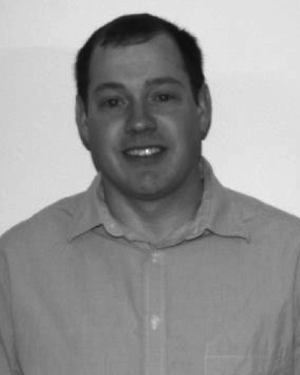 Christopher S. Compton合作论文数9
 Victor A. Pinto合作论文数Universidad de Chile, Universidad Catolica del Maule8Robert F. Boivin合作论文数8
 Costel Biloiu合作论文数Department of Physics;West Virginia University;Department of Physics, West Virginia University8
 Roxanne M. Katus合作论文数7
 Mei-Ching Fok合作论文数7
 John L. Kline合作论文数Los Alamos National Laboratory7Natalia Buzulukova合作论文数NASA Goddard Space Flight Center7Michael Coughlan合作论文数6
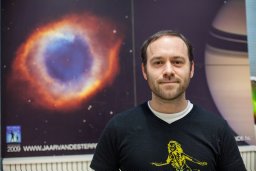 J. G. Elfritz合作论文数Anton Pannekoek Inst, Univ Amsterdam6
 Dogacan Su Ozturk合作论文数University of Alaska Fairbanks6Dustin Mccarren合作论文数6
 Jeremiah Johnson合作论文数Univ. of Illinois at Urbana-Champaign;c;Univ. of Illinois at Urbana-Champaign6Greg Lusk合作论文数6Donald Hampton合作论文数University of Georgia6Matthew Galante合作论文数5
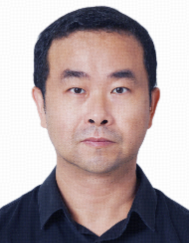 Xuan Sun (孙玄)合作论文数University of Science and Technology of China5
 Michael W. Liemohn合作论文数Department of Climate and Space Sciences and Engineering, College of Engineering, University of Michigan, Ann Arbor5Kareem A. Sorathia合作论文数5V. A. Pinto合作论文数4Don Hampton合作论文数4
 Stephanie Sears合作论文数4
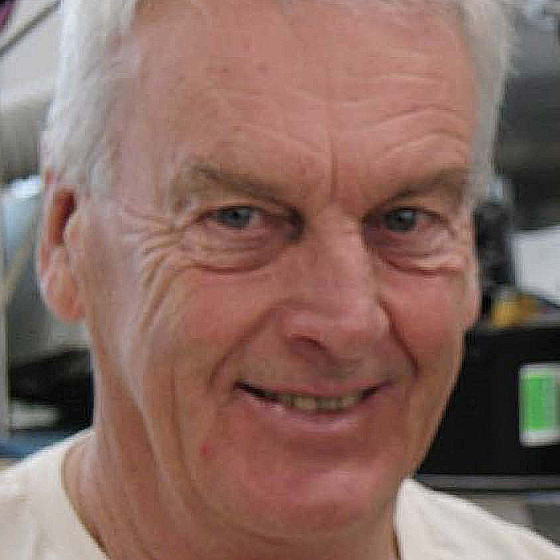 Roderick Boswell合作论文数Department of Nuclear Physics & Accelerator Applications, Research School of Physics, College of Science, Australian National University;Space Plasma, Power and Propulsion Group, Plasma Research Laboratory, The Australian National University4
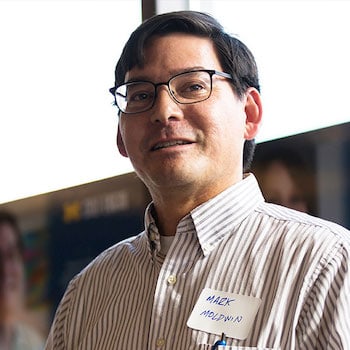 Mark B. Moldwin合作论文数Department of Climate and Space Sciences and Engineering, College of Engineering, University of Michigan-Ann Arbor4
 Chakraborty Thakur Saikat合作论文数Department of Physics, West Virginia University4Robert Vandervort合作论文数4Jerry Carr Jr.合作论文数4
 Allison N. Jaynes合作论文数Laboratory for Atmospheric and Space Physics, University of Colorado4Carr Jerry合作论文数4
 Zaniewski Anna M合作论文数4
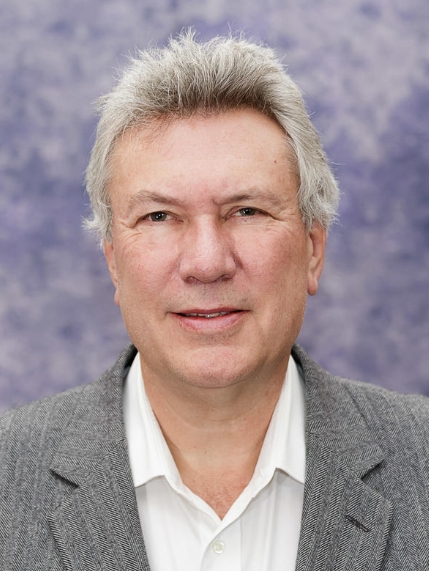 David J. McComas合作论文数Department of Astrophysical Sciences, Princeton University4K. Tallaksen合作论文数Department of Physics, West Virginia University4
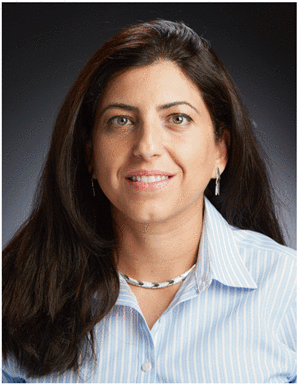 Romina Nikoukar合作论文数Department of Electrical and Computer Engineering, University of Illinois at Urbana-Champaign4
 Chigomezyo M. Ngwira合作论文数Department of Physics and Electronics, Rhodes University4Steve Ellison合作论文数3Bianca Trigo合作论文数3Gunner Robison合作论文数3JB WILGEN合作论文数3S Ellison合作论文数3A. Rager合作论文数Dept Phys, Catholic Univ Amer3
 Charles Owolabi合作论文数Dept Phys, Fed Univ Technol Akure3
 Jiang Liu合作论文数Department of Earth, Planetary, and Space Sciences, College of Physical Sciences, University of California, Los Angeles3




