Microglia are parenchymal brain macrophages that are established during embryogenesis and form a self-containing cellular compartment that resists seeding with cells derived from adult definitive hematopoiesis. We report that monocyte-derived macrophages (MoMΦs) accumulate in the brain of aging mice with distinct topologies, including the nigrostriatum and medulla but not the frontal cortex. Parenchymal MoMΦs adopt bona fide microglia morphology and expression profiles. Due to their hematopoietic stem cell (HSC) derivation, monocyte-derived microglia (MoMg) are unlike yolk-sac-derived cells, targets of clonal hematopoiesis (CH). Indeed, using a chimeric transfer model, we show that the hematopoietic expression of DNMT3AR882H, a prominent human CH variant, renders MoMg pathogenic and promotes motor deficits resembling atypical Parkinsonian disorders. Collectively, we establish that MoMg progressively seed the brain of healthy aging mice, accumulate in selected areas, and, when carrying a somatic mutation associated with CH, can cause brain pathology.
Trained immunity (TI) is the process wherein innate immune cells gain functional memory upon exposure to specific ligands or pathogens, leading to augmented inflammatory responses and pathogen clearance upon secondary exposure. While the differentiation of hematopoietic stem cells (HSCs) and reprogramming of bone marrow (BM) progenitors are well-established mechanisms underpinning durable TI protection, remodeling of the cellular architecture within the tissue during TI remains underexplored. Here, we study the effects of peritoneal Bacillus Calmette–Guérin (BCG) administration to find TI-mediated protection in the spleen against a subsequent heterologous infection by the Gram-negative pathogen Salmonella Typhimurium ( S .Tm). Utilizing single cell RNA-sequencing and flow cytometry, we discerned STAT1-regulated genes in TI-associated resident and recruited splenic myeloid populations. The temporal dynamics of TI were further elucidated, revealing both early and delayed myeloid subsets with time-dependent, cell-type-specific STAT1 signatures. Using lineage tracing, we find that tissue-resident red pulp macrophages (RPM), initially depleted by BCG exposure, are restored from both tissue-trained, self-renewing macrophages and from bone marrow-derived progenitors, fostering long lasting local defense. Early inhibition of STAT1 activation, using specific JAK-STAT inhibitors, reduces both RPM loss and recruitment of trained monocytes. Our study suggests a temporal window soon after BCG vaccination, in which STAT1-dependent activation of long-lived resident cells in the tissue mediates localized protection.
Classical monocytes (CMs) are ephemeral myeloid immune cells that circulate in the blood. Emerging evidence suggests that CMs can have distinct ontogeny and originate from either granulocyte-monocyte- or monocyte-dendritic-cell progenitors (GMPs or MDPs). Here, we report surface markers that allowed segregation of murine GMP- and MDP-derived CMs, i.e., GMP-Mo and MDP-Mo, as well as their functional characterization, including fate definition following adoptive cell transfer. GMP-Mo and MDP-Mo yielded an equal increase in homeostatic CM progeny, such as blood-resident non-classical monocytes and gut macrophages; however, these cells differentially seeded various other selected tissues, including the dura mater and lung. Specifically, GMP-Mo and MDP-Mo differentiated into distinct interstitial lung macrophages, linking CM dichotomy to previously reported pulmonary macrophage heterogeneity. Collectively, we provide evidence for the existence of two functionally distinct CM subsets in the mouse that differentially contribute to peripheral tissue macrophage populations in homeostasis and following challenge.
Monocytes are short-lived myeloid immune cells that arise from adult hematopoiesis and circulate for a short time in the blood. They comprise two main subsets, in mice defined as classical Ly6Chigh and non-classical Ly6Clow monocytes (CM, NCM). Recent fate mapping and transcriptomic analyses revealed that CM themselves are heterogeneous. Here, we report surface markers that allow segregation of murine GMP- and MDP-derived CM in the BM and blood. Functional characterization, including fate definition following adoptive cell transfer, established that GMP-Mo and MDP-Mo could equal rise to homeostatic CM progeny, such as NCM in blood and gut macrophages, but differentially seeded selected other tissues. Specifically, GMP-Mo and MDP-Mo gave rise to distinct interstitial lung macrophages, thus linking CM dichotomy to previously reported pulmonary macrophage heterogeneity. Collectively, we provide comprehensive evidence for the existence of two functionally distinct CM subsets in the mouse, which differentially contribute to peripheral tissue macrophage populations in homeostasis and following challenge. Our findings are indicative of impact of monocyte ontogeny on in situ differentiation. ### Competing Interest Statement The authors have declared no competing interest.
Both fatty bone marrow (FBM) and somatic mutations in hematopoietic stem cells (HSCs), also termed clonal hematopoiesis (CH) accumulate with human aging. However it remains unclear whether FBM can modify the evolution of CH. To address this question, we herein present the interaction between CH and FBM in two preclinical male mouse models: after sub-lethal irradiation or after castration. An adipogenesis inhibitor (PPARγ inhibitor) is used in both models as a control. A significant increase in self-renewal can be detected in both human and rodent DNMT3A Mut -HSCs when exposed to FBM. DNMT3A Mut -HSCs derived from older mice interacting with FBM have even higher self-renewal in comparison to DNMT3A Mut -HSCs derived from younger mice. Single cell RNA-sequencing on rodent HSCs after exposing them to FBM reveal a 6-10 fold increase in DNMT3A Mut -HSCs and an activated inflammatory signaling. Cytokine analysis of BM fluid and BM derived adipocytes grown in vitro demonstrates an increased IL-6 levels under FBM conditions. Anti-IL-6 neutralizing antibodies significantly reduce the selective advantage of DNMT3A Mut -HSCs exposed to FBM. Overall, paracrine FBM inflammatory signals promote DNMT3A -driven clonal hematopoiesis, which can be inhibited by blocking the IL-6 pathway.
Microglia are established in embryogenesis forming a self-containing cellular compartment resisting seeding with cells derived from adult definitive hematopoiesis. We report that monocyte-derived macrophages (MoMΦ) accumulate in the brain of aging mice with distinct topology, including the nigrostriatum and medulla, but not the frontal cortex. Parenchymal MoMΦ adopt bona fide microglia expression profiles. Unlike microglia, these monocyte-derived microglia (MoMg) are due to their hematopoietic origin targets of clonal hematopoiesis (CH). Using a chimeric transfer model, we show that hematopoietic expression of DNMT3A R822H , a prominent mutation in human CH, renders MoMg pathogenic promoting motor deficits resembling atypical Parkinsonian disorders. Collectively, these data establish in a mouse model that MoMg progressively seed the brains of aging healthy mice, accumulate in selected areas, and, when carrying a somatic mutation associated with CH, can contribute to brain pathology.
Encounters between host cells and intracellular bacterial pathogens lead to complex phenotypes that determine the outcome of infection. Single-cell RNA sequencing (scRNA-seq) is increasingly used to study the host factors underlying diverse cellular phenotypes but has limited capacity to analyze the role of bacterial factors. Here, we developed scPAIR-seq, a single-cell approach to analyze infection with a pooled library of multiplex-tagged, barcoded bacterial mutants. Infected host cells and barcodes of intracellular bacterial mutants are both captured by scRNA-seq to functionally analyze mutant-dependent changes in host transcriptomes. We applied scPAIR-seq to macrophages infected with a library of Salmonella Typhimurium secretion system effector mutants. We analyzed redundancy between effectors and mutant-specific unique fingerprints and mapped the global virulence network of each individual effector by its impact on host immune pathways. ScPAIR-seq is a powerful tool to untangle bacterial virulence strategies and their complex interplay with host defense strategies that drive infection outcome.
Interactions between intracellular bacteria and mononuclear phagocytes give rise to diverse cellular phenotypes that may determine the outcome of infection. Recent advances in single cell RNA-seq (scRNA-seq) have identified multiple subsets within the mononuclear population defined by unique molecular features, but the implications to their function during infection is unknown. Here, we applied high resolution kinetic analysis using microscopy, flow cytometry and scRNA-seq to survey the mononuclear niche of intracellular Salmonella Typhimurium ( S .Tm) during early systemic infection in mice. We describe an eclipse like growth kinetics in the spleen, with a first phase of bacterial control mediated by tissue resident red pulp macrophages. A second phase involved bacterial growth mediated by intracellular replication within a macrophage population we termed CD9 macrophages, that originate from non-classical monocytes. Nr4a1 e2−/− mice, specifically depleted of non-classical monocytes but not other mononuclear cells, are more resistant to S .Tm infection. Our study underscores a cell-type specific host-pathogen interaction that determines early infection growth dynamics and has implications to the infection outcome of the entire organism.
Pathogens are thought to use host molecular cues to control when to initiate life-cycle transitions, but these signals are mostly unknown, particularly for the parasitic disease malaria caused by Plasmodium falciparum. The chemokine CXCL10 is present at high levels in fatal cases of cerebral malaria patients, but is reduced in patients who survive and do not have complications. Here we show a Pf 'decision-sensing-system' controlled by CXCL10 concentration. High CXCL10 expression prompts P. falciparum to initiate a survival strategy via growth acceleration. Remarkably, P. falciparum inhibits CXCL10 synthesis in monocytes by disrupting the association of host ribosomes with CXCL10 transcripts. The underlying inhibition cascade involves RNA cargo delivery into monocytes that triggers RIG-I, which leads to HUR1 binding to an AU-rich domain of the CXCL10 3'UTR. These data indicate that when the parasite can no longer keep CXCL10 at low levels, it can exploit the chemokine as a cue to shift tactics and escape.
Interactions between intracellular bacteria and mononuclear phagocytes give rise to diverse cellular phenotypes that may determine the outcome of infection. Recent advances in single-cell RNA sequencing (scRNA-seq) have identified multiple subsets within the mononuclear population, but implications to their function during infection are limited. Here, we surveyed the mononuclear niche of intracellular Salmonella Typhimurium (S.Tm) during early systemic infection in mice. We described eclipse-like growth kinetics in the spleen, with a first phase of bacterial control mediated by tissue-resident red-pulp macrophages. A second phase involved extensive bacterial replication within a macrophage population characterized by CD9 expression. We demonstrated that CD9+ macrophages induced pathways for detoxificating oxidized lipids, that may be utilized by intracellular S.Tm. We established that CD9+ macrophages originated from non-classical monocytes (NCM), and NCM-depleted mice were more resistant to S.Tm infection. Our study defines macrophage subset-specific host-pathogen interactions that determine early infection dynamics and infection outcome of the entire organism.
Understanding the molecular programs that guide differentiation during development is a major challenge. Here, we introduce Waddington-OT, an approach for studying developmental time courses to infer ancestor-descendant fates and model the regulatory programs that underlie them. We apply the method to reconstruct the landscape of reprogramming from 315,000 single-cell RNA sequencing (scRNA-seq) profiles, collected at half-day intervals across 18 days. The results reveal a wider range of developmental programs than previously characterized. Cells gradually adopt either a terminal stromal state or a mesenchymal-to-epithelial transition state. The latter gives rise to populations related to pluripotent, extra-embryonic, and neural cells, with each harboring multiple finer subpopulations. The analysis predicts transcription factors and paracrine signals that affect fates and experiments validate that the TF Obox6 and the cytokine GDF9 enhance reprogramming efficiency. Our approach sheds light on the process and outcome of reprogramming and provides a framework applicable to diverse temporal processes in biology.
Understanding the molecular programs that guide cellular differentiation during development is a major goal of modern biology. Here, we introduce an approach, WADDINGTON-OT, based on the mathematics of optimal transport, for inferring developmental landscapes, probabilistic cellular fates and dynamic trajectories from large-scale single-cell RNA-seq (scRNA-seq) data collected along a time course. We demonstrate the power of WADDINGTON-OT by applying the approach to study 65,781 scRNA-seq profiles collected at 10 time points over 16 days during reprogramming of fibroblasts to iPSCs. We construct a high-resolution map of reprogramming that rediscovers known features; uncovers new alternative cell fates including neuraland placental-like cells; predicts the origin and fate of any cell class; highlights senescent-like cells that may support reprogramming through paracrine signaling; and implicates regulatory models in particular trajectories. Of these findings, we highlight Obox6, which we experimentally show enhances reprogramming efficiency. Our approach provides a general framework for investigating cellular differentiation.
Using a compendium of cell-state-specific gene expression data, we identified genes that uniquely define cell states, including those thought to represent various developmental stages. Our analysis sheds light on human cell fate through the identification of core genes that are altered over several developmental milestones, and across regional specification. Here we present cell-type specific gene expression data for 17 distinct cell states and demonstrate that these modules of genes can in fact define cell fate. Lastly, we introduce a web-based database to disseminate the results.
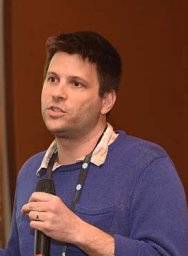 Roi Avraham合作论文数Department of Biological Regulation, The Weizmann Institute of Science7
 Sébastien Trzebanski合作论文数6Noa Bossel Ben Moshe合作论文数4
 Dotan Hoffman合作论文数Department of Biological Regulation, Weizmann Institute of Science4
 Steffen Jung合作论文数Department of Immunology and Regenerative Biology, Weizmann Institute of Science4Sigalit Boura-Halfon合作论文数Department of Molecular Cell Biology;Weizmann Institute of Science;Department of Molecular Cell Biology, Weizmann Institute of Science4Leia Vainman合作论文数3
 Marina Scheller合作论文数3
 Gili Rosenberg合作论文数Department of Biological Regulation, Weizmann Institute of Science3
 Kaushansky Nathali合作论文数Department of Immunology, The Weizmann Institute of Science3Jungseok Kim合作论文数3Ehud Sivan合作论文数2Yaara Tevet合作论文数2Jarmila Králová合作论文数2Dan Aizik合作论文数2Stacie Lin合作论文数2Montaser Haddad合作论文数2Vidya Subramanian合作论文数2Jonathan Bastos合作论文数2Peter Berube合作论文数2
 Daliya Kancheva合作论文数2
 brian cleary合作论文数MIT, Computat & Syst Biol Program, Cambridge, MA 02139 USA2Mor Gross-Vered合作论文数Weizmann Inst Sci, Dept Immunol, IL-76100 Rehovot, Israel2Dror Yehezkel合作论文数2Siyan Liu合作论文数2Lia Lee合作论文数2
 Jian Shu合作论文数Broad Inst MIT & Harvard, Cambridge, MA 02142 USA2
 Geoffrey Schiebinger合作论文数Institute of Applied Mathematics, Faculty of Science, The University of British Columbia2
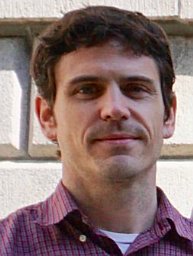 Justin Brumbaugh合作论文数Genome Center of Wisconsin, University of Wisconsin;Morgridge Institute for Research;Morgridge Institute for Research, University of Wisconsin2Milenkovic Ivan合作论文数2
 Chen Jenny X合作论文数Harvard Medical School, Boston, Massachusetts, USA.2
 Zhaoyuan Liu (刘兆远)合作论文数Shanghai Jiao Tong University College of Basic Medicial Sciences2
 Shelly Hen-Avivi合作论文数2Tsvee Lapidot合作论文数2
 Marco Prinz合作论文数Institute of Neuropathology, Medical Center - University of Freiburg2
 Ronen Alon合作论文数Department of Immunology and Regenerative Biology, Faculty of Biology, Weizmann Institute of Science2
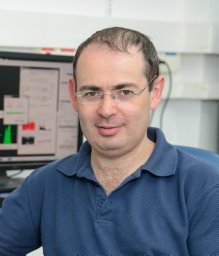 Ziv Porat合作论文数Department of Molecular Genetics, The Weizmann Institute of Science2
 Stefan Uderhardt合作论文数Dept Internal Med 3, Univ Erlangen Nurnberg2
 Kiavash Movahedi合作论文数Laboratory of Cellular and Molecular Immunology;Department of Molecular and Cellular Interactions;Laboratory of Cellular and Molecular Immunology|Department of Molecular and Cellular Interactions2Carsten Müller-Tidow合作论文数2
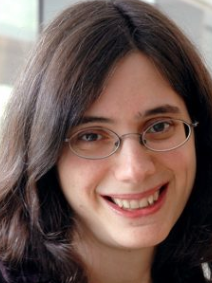 Aviv Regev合作论文数Howard Hughes Medical Institute;Statistics + Data Science Center, Schwarzman College of Computing, Massachusetts Institute of Technology;Broad Institute, Massachusetts Institute of Technology;The Center for Microbiome Informatics & Therapeutics, Massachusetts Institute of Technology2
 Konrad Hochedlinger合作论文数Center for Regenerative Medicine, Massachusetts General Hospital;Department of Stem Cell and Regenerative Biology, Harvard University;Harvard Stem Cell Institute, Harvard University2
 Rudolf Jaenisch合作论文数Whitehead Institute for Biomedical Research;Department of Biology, Massachusetts Institute of Technology2
 Marcin Tabaka合作论文数Institute of Physical Chemistry, Polish Academy of Sciences2
 Liran I. Shlush合作论文数Israel Defense Force, Israel Naval Medical Institute2
 Eric S. Lander合作论文数Department of Biology, Massachusetts Institute of Technology;Harvard Medical School;Broad Institute, Massachusetts Institute of Technology2
 Florent Ginhoux合作论文数Gustave Roussy;Agency for Science, Technology and Research, Singapore Immunology Network2
 Philippe Rigollet合作论文数Department of Mathematics, Massachusetts Institute of Technology;Institute for Data, Systems, and Society, Massachusetts Institute of Technology2N Chapal-Ilani合作论文数1




