Low-dose carbon dioxide (CO2) can stabilize ventilatory drive, reduce sleep-disordered breathing, and improve sleep quality. However, the existing delivery systems introduce dead space and resistance that limit tolerability. We developed a novel mask with low resistance and minimal dead space to deliver CO2 and evaluated its overnight effects on neural respiratory drive, sleep architecture, and potential CO2 accumulation in healthy individuals. Sixteen healthy volunteers [age 42 ± 15 yr; body mass index (BMI) 22.0 ± 2.3 kg/m2] first underwent polysomnography with diaphragmatic electromyography (EMG) recorded via esophageal electrodes under inhalation of different concentrations of CO2. Participants then completed four consecutive overnight polysomnography sessions, with each night involving inhalation of a different CO2 concentration (0.0%, 2.5%, 3.5%, or 5.0%) in randomized order. Arterial blood gases were sampled in the evening before inhalation and the following morning during CO2 exposure. Overnight urinary catecholamines were also measured. Neural respiratory drive increased dose-dependently. Sleep efficiency was highest at 2.5% CO2 (91.7 ± 5.7%) and lowest at 5.0% (78.5 ± 10.1%, P < 0.001); 3.5% CO2 showed sleep efficiency similar to room air, whereas 5.0% reduced rapid eye movement (REM) sleep and increased arousals. Blood gases, blood pressure, heart rate, and catecholamines remained normal at ≤3.5%. Baseline blood gases remained normal after multiple consecutive nights of CO2 inhalation. Overnight inhalation of 2.5% CO2 delivered via the special mask enhances sleep efficiency without adverse physiological effects. Concentrations ≤3.5% appear safe, and no cumulative effect was observed after multiple consecutive nights of CO2 inhalation in healthy subjects.NEW & NOTEWORTHY A novel low-resistance open-mask system enables safe delivery of low-dose CO2 during sleep. Inhaling 2.5% CO2 improves sleep efficiency and increases N3 sleep in healthy adults, without CO2 retention or physiological stress. CO2 up to 3.5% was safe and well tolerated and showed no cumulative effects. These findings demonstrate the physiological safety of low-dose CO2 during sleep and support its potential for treating hypocapnia-related central sleep apnea.
Obstructive sleep apnoea (OSA) may be linked to poor physical performance and fall risk, yet this association remains underexplored. This study examined associations between OSA risk, balance, gait speed and handgrip strength (HGS) in community living adults across age-groups and sexes. Cross-sectional data from the 2016 Health and Retirement Study were analysed. Probable OSA was estimated with an adapted STOP-Bang questionnaire. Poor balance was defined as the inability to hold a semi-tandem stance for 10 s; slow gait speed as walking < 0.8 m/s over 2.5 m; and weak HGS as HGS-to-body mass index ratio < 1.00 m2 for males and < 0.56m2 for females. 6,918 participants (mean age 66 ± 11 years; 57
Continuous positive airway pressure (CPAP) remains the cornerstone of obstructive sleep apnoea (OSA) treatment and can provide rapid symptomatic relief. However, long-term adherence is often suboptimal, and a device-focused model may overlook upstream lifestyle and metabolic drivers. Increasing evidence shows that OSA commonly coexists with, and is partly driven by, modifiable factors such as poor diet quality, physical inactivity, alcohol use, circadian disruption, and adiposity. Emerging anti-obesity pharmacotherapies further support the concept that modifying mechanical and metabolic control can markedly reduce OSA severity. Framing OSA within a lifestyle-metabolic paradigm may therefore improve both symptom control and long-term cardiometabolic outcomes. In this perspective with targeted evidence synthesis, we argue for integration of structured lifestyle and behavioural interventions into routine OSA care and outline a pragmatic multidisciplinary model for implementation. Randomised controlled trials consistently show that healthy dietary patterns, structured physical activity, alcohol reduction, and interdisciplinary lifestyle programmes can reduce OSA severity, daytime sleepiness, and cardiometabolic risk markers. Some benefits appear to occur without substantial weight loss, suggesting additional mechanisms such as improved ventilatory stability, reduced rostral fluid shift, enhanced upper-airway neuromuscular responsiveness, and lower systemic inflammation. We therefore propose expansion, rather than replacement, of the current disease model by pairing airway therapies with structured lifestyle and metabolic risk modification from the time of diagnosis. This integrated, whole-person approach has the potential to improve quality of life, enhance treatment durability, and reduce long-term cardiovascular and metabolic complications. Aligning funding models, implementation pathways, and research priorities with this framework could help shift OSA care from device dependent nocturnal symptom control toward sustained health gains across the life course.
Obstructive sleep apnoea (OSA) is common and burdensome, yet current diagnostic pathways remain costly and often misclassify patients. Single-night polysomnography (PSG), the diagnostic gold standard, fails to capture night-to-night variability in severity, is difficult to access and costly. Emerging technologies enable multi-night in-home evaluation, but robust comparative evidence regarding accuracy and cost-effectiveness is lacking. This study will evaluate (a) the diagnostic accuracy of three multi-night in-home devices versus conventional single night PSG; (b) the patient and signal characteristics that optimize diagnostic performance; and (c) the cost-effectiveness of these pathways for clinical implementation. We will conduct a three-arm randomized diagnostic strategy trial (n = 500) enrolling adults referred for suspected OSA over a recruitment period of several years from July 2025. All participants will undergo both conventional single-night PSG and multi-night assessment with an under-mattress sensor, oximetry ring, and forehead EEG device. Participants will be randomized to one of three diagnostic pathways, determining the order in which sleep physicians interpret test results. Sleep physicians will provide sequential diagnostic decisions at each stage, and a blinded expert panel will determine consensus diagnoses. The primary outcome is diagnostic accuracy of each pathway compared with consensus diagnosis. Secondary outcomes include cost-effectiveness, patient-reported acceptability, clinical confidence, self-reported long-term symptoms, and health and quality of life outcomes over 12 months follow-up. Findings will provide definitive evidence for whether simplified and accessible multi-night testing can improve accuracy and cost-effectiveness of OSA diagnosis in routine care.
RATIONALE:Quetiapine is commonly prescribed "off-label" to people with insomnia symptoms. People with undiagnosed obstructive sleep apnea (OSA) frequently report insomnia symptoms, particularly difficulties maintaining sleep. In 2023, 10.7 million prescriptions were dispensed for quetiapine in the United States. Yet, there is limited information regarding the effects of quetiapine on sleep, breathing, and next-day performance in people with OSA. OBJECTIVES:To determine the effects of 50 mg of quetiapine versus placebo on OSA severity and other polysomnographic parameters plus next day vigilance and driving simulator performance in people with OSA who also reported difficulty maintaining sleep. METHODS:We performed a double-blind, randomized, placebo-controlled, cross-over study (NCT05303935) in 15 people with OSA and difficulty maintaining sleep. Participants were studied overnight via polysomnography twice ∼1 week apart and received either 50 mg of quetiapine or placebo (order randomized) just prior to sleep. A 10-minute psychomotor vigilance task (PVT) and 30-minute driving simulator test were performed each morning. RESULTS:Compared to placebo, quetiapine reduced the apnea/hypopnea index (primary outcome) ([Mean ± SD] 27 ± 16 vs. 20 ± 12 events/h, P = .009), arousal index (32 ± 16 vs. 25 ± 9 arousals/h, P = .012), and increased sleep efficiency (80 ± 11 vs. 87 ± 9%, P < .001) without worsening hypoxemia (mean overnight SpO2 94.7 ± 1.2 vs. 94.5 ± 1.5%, P = .38). However, next morning vigilance (median PVT reaction time 336 ± 48 vs. 382 ± 84 ms, P = .008) and driving simulator performance (steering deviation 72 ± 38 vs. 96 ± 53 cm, P < .01) were significantly impaired with quetiapine. CONCLUSIONS:Consistent with a hypnotic effect, a single night of low-dose quetiapine reduced OSA severity as measured via the apnea/hypopnea index and increased sleep efficiency without worsening overnight hypoxemia. However, there was evidence of next day impairment in vigilance and driving simulator performance. CLINICAL TRIAL REGISTRATION:NCT05303935. PRIMARY SOURCE OF FUNDING:National Health and Medical Research Council of Australia (1196261).
Introduction Sleepiness is implicated in many road safety events for young adults, who are over-represented in road crashes. Yet, system-wide factors that contribute to young adults’ decisions to drive while tired or sleepy are poorly understood. Consequently, the common focus is on individual driver risk factors, rather than a more holistic systems understanding of the contributing influences, meaning we likely overlook key opportunities for intervention and advocacy. This study aimed to develop a novel questionnaire which considers system-wide contributors to decisions to drive tired or sleepy. Methods Drawing on existing literature, a preliminary set of questionnaire items was created and reviewed by twelve Australian experts in sleep science, road safety, and systems thinking. Questions were framed according to Rasmussen's Risk Management Framework to better understand systemic contributors, and we used a modified Delphi methodology with pre-specified targets to achieve consensus. Results Items were evaluated by all experts for both relevance and clarity using a 7-point Likert scale, with opportunities provided for qualitative feedback and the suggestion of additional items. The result was a 32-item questionnaire after two rounds, with Median scores of 6 and (‘moderately’ and ‘strongly’ agree) for all items in accordance with prespecified criteria. Conclusions Tools informed by systems thinking are essential for advancing research and policy, and expand our opportunities to collect system-level insights at scale. By moving beyond driver-centric questions, we can identify broader leverage points for intervention, better understand underlying systemic risk factors, and contribute to more effective strategies to reduce road crash risk in young adults.
Utility-based quality-of-life measures are generally recommended for economic evaluation. However, disease-specific, non-utility outcome measures are used more frequently than the former, particularly in sleep health studies. This paper aimed to establish a mapping algorithm between two of the most used instruments in sleep health and the general population, respectively: the Functional Outcomes of Sleep Questionnaire 10 items (FOSQ-10) and the EuroQoL 5 Dimensions 5 Level (EQ-5D-5 L). In-sample cross-validation approach was performed using a k-fold technique to randomly divide the primary dataset (n = 1,514) into ten subsamples. Five regression techniques were employed to estimate utilities from FOSQ-10, including ordinary least squares, censored least absolute deviations, generalised linear model (GLM), GLM inverse and beta-binomial models. Six criteria: mean absolute error (MAE), root mean squared error (RMSE), correlation distribution of predicted utilities, residual distributions and proportion of predictions with absolute errors of less than 10
Background: Prolonged wakefulness, restricted sleep, and circadian factors can impact driving performance and road safety. Currently, there are no effective objective roadside tests to detect the state of driver's sleepiness during or prior to driving, or predict future driving impairment risk. This paper reports on an extended wakefulness protocol used to determine if a portable virtual reality device to administer vestibular-ocular motor function (VOM) tests can effectively detect 1) driver's state of sleepiness during or just prior to driving, and 2) predict trait sleepiness and future driving risk. Methods: Fifty healthy adults with regular sleep within 9pm to 8am were recruited for an experimental laboratory procedure which involved two phases: an initial overnight sleep study, and a subsequent period of extended wakefulness lasting similar to 29 h. During the wakefulness phase, participants undertook neurobehavioural testing, a simulated driving test, and repeat assessments of VOM to establish if ocular markers can predict sleepiness state and sleepiness-related performance impairments (Trial registry ACTRN12621001610820). Discussion: This protocol outlined a study that aimed to establish the sensitivity of VOM test the effects of extended wakefulness and circadian phase on driver state and trait sleepiness and subsequent sleepiness-related driving impairment. Furthermore, the protocol aims to define the best VOM predictors to identify driver sleepiness state (road side testing and pre-drive assessments) and sleepiness trait (predicting future driving risk) to establish proof of concept for its potential application as a roadside, pre-drive and general sleepiness related fitness to drive test.
ABSTRACT Background Sleep problems are common in older people and have been associated with increased fall risk, but the mechanisms underlying this relationship remain unclear. Gait quality reflects balance control and neurological function and may provide insight into pathways linking sleep health and falls. Methods Data from 758 community-dwelling older people (≥65 years; mean age 75.8 years, 69.3% women) were analysed. Sleep problems were assessed at baseline using a self-reported item (Patient Health Questionnaire-9, question 3). Daily-life gait quality and habitual walking speed were derived from one week of wearable sensor monitoring. Falls and injurious falls were prospectively recorded over 12 months. Associations between sleep problems, gait quality, and fall incidence were examined using regression models adjusted for demographic, pain and cognitive factors, and use of sleeping medication. Results Sleep problems were reported by 43.9% of participants. Sleep problems were not associated with habitual walking speed, but were associated with lower gait quality in daily life (adjusted β = −0.15, 95% CI −0.27 to −0.03). Participants reporting sleep problems had higher incidence rates of total falls (adjusted IRR = 1.42, 95% CI 1.07 to 1.90) and injurious falls (adjusted IRR = 1.50, 95% CI 1.07 to 2.10). Conclusions Self-reported sleep problems were associated with impaired real-world gait quality and substantially higher rates of falls and injurious falls in older people. These findings suggest that sleep problems may increase fall risk by altering balance control rather than by reducing walking speed. Sleep should be considered when managing fall risk, and fall risk should be considered in older people with sleep complaints. KEY POINTS BOX Key points Sleep problems in older people were not associated with habitual walking speed, but were associated with lower gait quality in daily life. People reporting sleep problems had 42% higher rates of falls, and 50% higher rates of injurious falls. Why does this paper matter? This paper highlights that sleep problems are an important and under-recognised marker of fall risk among older people. It advocates for the need to consider sleep in fall risk management and fall risk in those presenting with sleep complaints.
STUDY OBJECTIVES:High night-to-night variability in obstructive sleep apnea (OSA) severity is associated with cardiovascular risk factors such as high blood pressure and pulse wave velocity, yet associations with cardiovascular events remain unknown. This study investigates the association of multi-night OSA severity and night-to-night variability with the prevalence of non-fatal major adverse cardiovascular and cerebrovascular events (MACCEs). MATERIALS AND METHODS:Multi-night data were collected from people who purchased and used an FDA-cleared under-mattress sensor to track nightly OSA severity (apnea-hypopnea index; AHI) and completed questionnaires on physician-diagnosed health conditions between 10/2022-12/2024. Mean OSA severity and variability (AHI standard deviation) were calculated over 6 months preceding questionnaire data collection. The primary outcome was a composite of non-fatal MACCEs, including myocardial infarction or heart attack, stroke, angina pectoris or coronary artery disease, and congestive heart failure. Logistic models assessed associations of OSA severity and variability with MACCE prevalence. RESULTS:Among 3,159 participants (19% female, aged 49 ± 13 years, BMI of 29 ± 6 kg/m2), 142 (4.5%) MACCE cases were reported. Participants with moderate-severe OSA had higher odds of MACCEs versus those without OSA (OR [95%CI]; 1.45 [0.93, 2.25]). High night-to-night OSA variability (75th vs. 25th percentile; 8.0 vs. 2.8 events/h) was associated with 34% higher odds of having a MACCE, independent of OSA severity and other confounders (1.34 [1.04, 1.72]). CONCLUSIONS:High night-to-night variability in OSA severity is associated with higher odds of non-fatal MACCEs. These novel findings underscore the need for prospective trials to investigate the potential causal mechanisms between variability in OSA severity and incident cardiovascular events.
Obstructive sleep apnoea (OSA) diagnosis and severity classification is typically determined from a single-night sleep study. However, high night-to-night variability (N2NV) in OSA severity is associated with adverse health outcomes and complicates diagnosis and treatment. While the contributions of the four main OSA endotypes (i.e., anatomical compromise, unstable ventilatory control, low arousal threshold, and poor upper-airway muscle function) on OSA severity are relatively well established, the extent to which specific mechanistic contributors to N2NV in OSA severity is poorly understood. This narrative review collates evidence-based and theoretically plausible contributors to high N2NV. We consider a plethora of physiological, behavioural, and environmental factors which are known to, or hypothetically contribute to variable OSA severity. How a single-night evaluation may fail to capture key mechanistic contributors to OSA and its variability is also highlighted. Understanding the complexity and interactive nature of these mechanisms may help inform diagnosis, risk stratification, and treatment selection for OSA via a more holistic, precision-medicine approach. Studies that include multi-night in-laboratory and at-home assessments combined with wearable/nearable sleep sensors are required to better understand the underlying mechanisms that contribute to high N2NV in OSA severity and its associated adverse consequences.
Multi-night measurement of obstructive sleep apnea (OSA) using AI-enabled technologies could reduce misdiagnosis rates from night-to-night variation. However, prospective feasibility and effectiveness of multi-night assessment in clinical populations remains uninvestigated. In this study, 100 people with suspected OSA were recruited to receive an under-the-mattress Withings Sleep Analyzer (WSA) to quantify in-home sleep for 3 months alongside single-night polysomnography. The primary outcome was feasibility of novel technology to estimate the apnea-hypopnea-index (AHI), defined as ≥14 nights of AHI recordings within the first month. Secondary outcomes included diagnostic classification of moderate-to-severe OSA (AHI ≥ 15 events/h). 92 participants (53±15yo; BMI = 31 ± 7 kg/m2; 48 females) were included in the final analyses. Eighty-five (92%) had ≥14 nights of valid AHI measurements in the first monitoring month. WSA had specificity of 85% and sensitivity of 77%, and overall F1-score of 80% to detect OSA versus polysomnography. Participants with OSA on WSA but not polysomnography had higher night-to-night variability in OSA severity, and many had minimal supine sleep and short sleep duration during polysomnography (-97 [-183, -11]min, p value = 0.027). Multi-night zero-burden AI monitoring of OSA is feasible and could identify patients at risk of single-night polysomnography misdiagnosis, including those with high night-to-night variability, short sleep, and minimal supine sleep during polysomnography.
Pulse wave velocity (PWV) is a marker of vascular aging and cardiovascular risk. Obstructive sleep apnea (OSA) may accelerate vascular decline, but evidence from single-night assessments is inconsistent. We examined associations of multi-night OSA severity, night-to-night variability, and snoring with arterial stiffness in a real-world setting. Adults used two in-home digital devices over a ~ 4 y period: an under-mattress sleep sensor to quantify nightly OSA severity and snoring, and a smart scale to measure aortic-leg PWV. Among 29,653 participants from 20 countries (52 ± 12 years; 84% male; BMI 27.3 ± 4.9 kg/m2), increasing OSA severity was associated with higher PWV in a dose-response manner, independent of age, sex, and BMI. Participants with mild OSA but high variability had PWV levels comparable to severe OSA. Higher snoring burden independently predicted higher PWV across OSA severity categories. Multi-night in-home assessments of OSA and snoring may better reflect cardiovascular risk with potential to inform personalized management.
RATIONALE: There is considerable night-to-night variability in obstructive sleep apnea (OSA) severity in some patients, yet the driving factors remain unclear. Multi-night measurement of OSA severity could help reduce currently high misdiagnosis rates. However, feasibility and effectiveness of multi-night measurement of OSA have not been assessed prospectively in a clinical population, nor are the key clinical and physiological factors that drive OSA misdiagnoses understood. METHODS: 100 participants referred for a clinical in-laboratory overnight sleep study for suspected OSA were prospectively recruited. Participants received a Withings Sleep Analyser (WSA) to monitor the nightly in-home apnea-hypopnea-index (AHI) for 3-months. We compared diagnostic status based on WSA-estimated vs. polysomnography AHI to classify moderate-to-severe OSA (≥15 events/h). Finally, we explored association between nightly AHI variability (root-mean-squared successive difference of AHI over a 60-day period as a % of the PSG AHI) with position- and REM-dependence of OSA and OSA endotypes, as potential explanatory variables for nightly AHI variability. RESULTS: 88 participants (52±15yo; BMI=31±7; 46 males/42 females) were included in final analyses. 79 participants (90%) had ≥14 nights of data. 34 cases of OSA and 35 without OSA were detected by both the WSA and polysomnography (78% accuracy). Participants classified as having OSA on WSA but not PSG (N=11) had high nightly AHI variability of 220% (±330%) which was higher than participants with OSA on PSG but not WSA (N=8; 20%±10%, p-value=0.002) and higher than participants correctly classified by both devices (30%±20%, p-value<0.001). Participants with OSA on WSA but not PSG had a supine/non-supine AHI ratio of 5.8 [3.7, 12.2] (median [IQR]); which was ∼2.5 times higher than participants with OSA on PSG but not WSA (2.3 [1.2, 8.0], p-value=0.047) and ∼3.5 times higher than participants correctly classified by both devices (1.4 [0.7, 2.6], p-value<0.001). REM/NREM AHI ratio was also two times higher in people with OSA on WSA but not PSG compared to people correctly classified by both devices (p-value=0.02). Higher night-to-night variability in WSA AHI was associated with PSG-derived OSA endotypes, including reduced upper airway collapsibility, and higher arousal threshold (p-values<0.05). CONCLUSIONS: At least 20% of clinical patients referred for suspected OSA may be misdiagnosed via conventional single-night polysomnography. We also identified potential factors that may explain night-to-night AHI variability: position-dependent, REM-predominant OSA, lower collapsibility, and higher arousal threshold. Multi-night monitoring of OSA may provide novel insight that will improve diagnostic accuracy.
BACKGROUND:The extent to which people routinely co-attain recommended sleep and physical activity levels, as well as bidirectional associations between both health behaviours, are poorly understood at the global level. This study aimed to describe the routine co-attainment of adequate sleep and daily step count thresholds and investigate non-linear associations between objective sleep and daily step count in a large multi-national sample of objective health monitoring data. METHODS:Data were collected from 70,963 users of two consumer-available health devices-an under-mattress sleep sensor and wrist-worn health tracker-between January 2020 and September 2023. Generalised additive models were used to investigate potentially non-linear, bidirectional, exposure-response relationships between sleep parameters (sleep duration, sleep efficiency, and sleep onset latency) and step count at the next-day/night level. Subgroup analyses were undertaken to investigate age-related differences in all effects. RESULTS:We show that only 12.9% of people achieve the recommended sleep duration of 7-9hrs/night and >8,000 steps/day, with 16.5% having short sleep (<7hrs/night) and sedentary lives (<5,000 steps/day). Approximately 6hrs sleep equates to the greatest next-day step count (e.g., +339 steps vs 8 hrs/night), and sleep efficiency positively predicts next-day step count in a dose-dependent manner (25th vs 75th percentile: +282 steps/day). Sleep appears largely unaffected by previous-day step count. Effects are similar across age groups but decline in magnitude when adjusted for 'awake duration'. CONCLUSIONS:Our findings provide insight into the bidirectional relationship between sleep-activity globally and highlight the need to ensure sleep and activity health recommendations are mutually attainable.
The causes of common sleep disorders including obstructive sleep apnea (OSA), insomnia and their combination (COMISA) vary between patients. Yet, conventional diagnostic and treatment approaches do not fully capture or account for disease heterogeneity. Instead, treatment typically follows a one-size-fits-all, trial-and-error approach, often with suboptimal outcomes. This study aimed to use novel technology and methods to better define underlying individual pathophysiology of common sleep disorders and use this information to tailor therapy with existing and emerging treatments. 32 people with chronic sleep disorders enrolled in an 8-week intensive treatment program that was filmed for a television series titled “Australia’s Sleep Revolution with Dr Michael Mosley”. Participants completed polysomnography before and after treatment, plus multiple questionnaires including the Insomnia Severity Index (ISI), Epworth Sleepiness Scale (ESS) and Flinders Fatigue Scale (FFS). A range of monitoring technology was also used such as an under-mattress sensor and oximetry to track nightly sleep parameters including apnea/hypopnea index (AHI), core body temperature capsules to estimate daily circadian timing and actigraphy. OSA endotypes were estimated to guide therapy in people with OSA. Data were reviewed bi-weekly during multi-disciplinary team meetings with scientists and clinicians to identify the optimal individualized treatment approach and modify as required. Options for insomnia and circadian misalignment included cognitive behavioural therapy (CBTi), melatonin, and light therapy. Treatments for OSA included oral appliances, supine avoidance therapy, emerging pharmacotherapy and continuous positive airway pressure (CPAP) as a last resort. Primary outcomes were ISI for insomnia/COMISA and AHI for OSA/COMISA. 28 participants (50% female) aged 51 [35, 60] years (median [IQR]) completed the trial (n=10 OSA, n=9 insomnia, n=9 COMISA). OSA endotype-informed targeted therapy reduced AHI from 28 [15,57] to 13 [10,23] events/h, p=0.01 in people with OSA/COMISA, most without CPAP. ISI reduced from 20 [19,23] to 9 [4,13], p< 0.01 in people with insomnia/COMISA. Participants also felt better post-treatment (e.g., ESS reduced by >30% and FFS by >70% in people with OSA and insomnia, respectively). These findings highlight the potential to transform sleep disorders care to improve outcomes for patients using a novel multi-disciplinary, technology-enabled, physiology-informed, individualized approach. Artemis Media
STUDY OBJECTIVES:Circadian disruption contributes to adverse effects on sleep, performance, and health. One accepted method to track continuous daily changes in central circadian timing is to measure core body temperature (CBT), and establish daily, circadian-related CBT minimum time (Tmin). This method typically applies cosine-model fits to measured CBT data, which may not adequately account for substantial masking of circadian effects, and thus estimates of the circadian-related Tmin. This study introduced a novel physiology-grounded analytic approach to separate circadian from non-circadian effects on CBT, which we compared against traditional cosine-based methods. METHODS:The dataset comprised 33 healthy participants (mean ± SD 32 ± 13 years) attending a 39-h in-laboratory study with an initial overnight sleep followed by an extended wake period. CBT data were collected at 30-s intervals via ingestible capsules. Our design captured CBT during both the baseline sleep period and during extended wake period (without sleep) and allowed us to model the influence of circadian and non-circadian effects of sleep, wake, and activity on CBT using physiology-guided generalized additive models. RESULTS:Compared to the traditional cosine model, the new model exhibited superior fits to CBT (Pearson R 0.90 [95 %CI; [0.83-0.96] versus 0.81 [0.55-0.93]). The difference between estimated vs measured circadian Tmin, derived from the day without sleep, was better fit with our method (0.2 [-0.5,0.3] hours) versus previous methods (1.4 [1.1 to 1.7] hours). CONCLUSIONS:This new method provides improved demasking of non-circadian influences compared to traditional cosine methods, including the removal of a sleep-related bias towards an earlier estimate of circadian Tmin.
SummarySleepiness‐related errors are a leading cause of driving accidents, requiring drivers to effectively monitor sleepiness levels. However, there are inter‐individual differences in driving performance after sleep loss, with some showing poor driving performance while others show minimal impairment. This research explored if there are differences in self‐reported sleepiness and driving performance in healthy drivers who exhibited vulnerability or resistance to objective driving impairment following extended wakefulness. Thirty‐two adults (female = 18, mean age = 33.0 ± 14.6 years) completed five × 60‐min simulated drives across 29‐hr of extended wakefulness. Subjective sleepiness (Karolinska Sleepiness Scale) and subjective driving performance ratings (nine‐point Likert scale) were assessed at 10‐min intervals while driving. Cluster analysis using simulator steering deviation and crash data categorised participants as vulnerable (n = 16) or resistant (n = 16) to driving impairments following extended wakefulness. No differences in self‐ratings between the vulnerable and resistant groups were observed except during the last drive (25 hr awake), where the vulnerable group reported higher sleepiness (p = 0.008) and worse driving performance (p = 0.001) than the resistant group. For each 1‐point increase on the Karolinska Sleepiness Scale and subjective driving scales, the vulnerable group showed about threefold greater steering impairment relative to resistant drivers. Although self‐reported sleepiness and driving performance were correlated with objective driving performance, vulnerable drivers reported similar sleepiness and driving performance as resistant drivers. Thus, self‐reported sleepiness and driving performance are not reliably sensitive to sleep loss effects on objective driving performance, which may impact the vulnerable driver's decisions to continue driving and delay engagement in countermeasures to reduce crash risk (e.g. napping), warranting further research.
Wind farm noise (WFN) exposure effects on sleep remain poorly understood. This study compared the probability of electroencephalographically (EEG) defined arousal from established sleep following WFN versus road traffic noise (RTN) onset. Sixty-eight adults were studied in a sleep laboratory on one night with repeated 20-s WFN and RTN exposures. Following ≥ 2 min of established sleep and ≥ 20-s between noise exposures, pre-recorded WFN or RTN samples were reproduced at sound pressure levels (SPLs) of 30, 40, and 50 dBA in random order. The primary outcome was the probability of EEG-defined arousal events (> 3 s EEG shifts to faster frequencies) following the onset of each noise exposure. Awakening responses (> 15 s EEG frequency shifts) were also evaluated. Noise type, SPL, and sleep stage effects on arousal and awakening response probabilities were evaluated using mixed effects logistic regression analyses. Of 68 participants, 62 (mean ± SD aged 49 ± 20 years, 35 females) had sufficient replicates of noise exposure data for analysis. Arousal response probabilities were low, particularly in deep sleep, but showed a significant noise type-by-SPL interaction (χ2 = 13, p = 0.001), with marginally but significantly lower WFN compared to RTN arousal probabilities at 40 dBA (mean [95% CI]: 2.1 [1.5, 2.9] vs. 3.2 [2.4, 4.2]%, p = 0.016) and 50 dBA (5.0 [4.0, 6.2] vs. 8.6 [6.9, 10.6]%, p < 0.001). Awakenings were infrequent (< 4% at 50 dBA) but showed similar effects. These findings show that acute WFN onset is marginally less sleep disruptive than road traffic noise events of equivalent SPL ≥ 40 dBA.
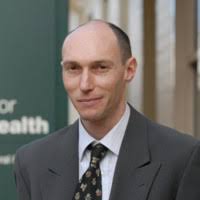 Peter Catcheside合作论文数College of Medicine and Public Health, Flinders University;Flinders Health and Medical Research Institute, Flinders University125
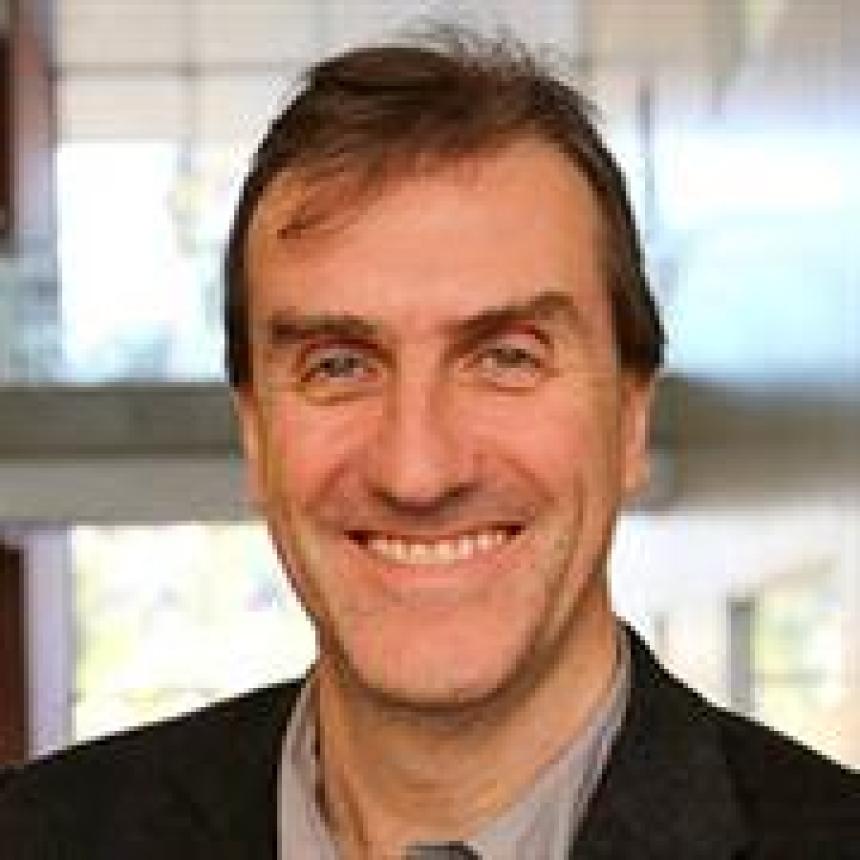 Robert Adams合作论文数College of Medicine and Public Health, Flinders University;Adelaide Institute of Sleep Health, Flinders University;Faculty of Health and Medical Sciences, University of Adelaide;Basil Hetzel Research Institute;Queen Elizabeth Hospital;Ashford Thoracics Centre111
 Doug Mcevoy合作论文数College of Medicine and Public Health, Flinders University;South Australian Health and Medical Research Institute71
 Gary Wittert合作论文数Adelaide Medical School, Faculty of Health and Medical Sciences, University of Adelaide;University of Sydney;New England Research Institutes61
 Sarah L Appleton合作论文数Reproductive Medicine, University of California61
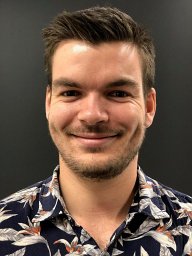 Bastien Lechat合作论文数Flinders Univ S Australia, Coll Sci & Engn, Adelaide, SA 5042, Australia54
 Nick A. Antic合作论文数51
 Leon Lack合作论文数College of Education, Psychology and Social Work, Flinders University49
 Nicole Lovato合作论文数School of Psychology, Flinders University43
 Sean Martin合作论文数Freemason Foundation Centre for Men’s Heath, University of Adelaide36
 Hannah Scott合作论文数School of Psychology, Flinders University34
 Angela D'Rozario合作论文数School of Psychology, Faculty of Science, The University of Sydney34
 Danny Eckert合作论文数School of Biomedical Sciences, University of New South Wales33
 Amy Reynolds合作论文数32
 Barbara Toson合作论文数Falls and Injury Prevention Group, University of New South Wales23
 Ching Chai-Coetzer合作论文数Flinders Health and Medical Research Institute, College of Medicine and Public Health, Flinders University23
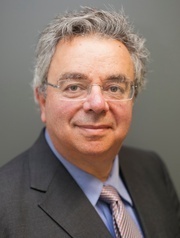 Ron Grunstein合作论文数Central Clinical School Woolcock Institute of Medical Research, University of Sydney;Faculty of Medicine and Health, University of Sydney21
 Jack Manners合作论文数20
 Kelly A. Loffler合作论文数Institute for Molecular Bioscience, The University of Queensland19Stevens David J合作论文数18
 Andrew Vincent合作论文数Faculty of Health and Medical Sciences, Adelaide Medical School, University of Adelaide18D. Stevens合作论文数17Keith Wong合作论文数School of Medicine, Faculty of Medicine and Health, The University of Sydney17
 Sutapa Mukherjee合作论文数School of Medical Science and Technology;Indian Institute of Technology;School of Medical Science and Technology, Indian Institute of Technology17
 Gorica Micic合作论文数Flinders University of South Australia16
 Cameron van den Heuvel合作论文数University of Adelaide16
 Anne Taylor合作论文数15
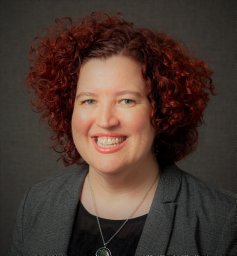 Siobhan Banks合作论文数Adelaide Institute for Sleep Health;Repatriation General Hospital;Repatriation General Hospital, Adelaide Institute for Sleep Health15
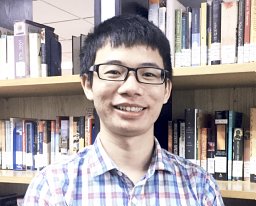 Phuc D. Nguyen合作论文数Coll Sci & Engn, Flinders Univ S Australia14
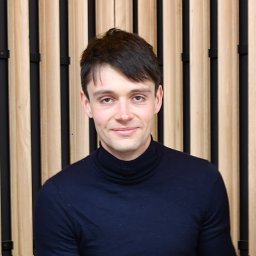 Branko Zajamsek合作论文数Univ Adelaide, Sch Mech Engn, Adelaide, SA 5005, Australia14
 Jillian Dorrian合作论文数School of Psychology, Social Work and Social Policy C1-20 Magill Campus, St Bernards Rd Magill SA 5072 Australia14
 Stuart D. Baulk合作论文数Adelaide Institute for Sleep Health;Sleep Laboratory;Ad - elaide;Sleep Laboratory, Adelaide Institute for Sleep Health14C. Dunbar合作论文数12Kelly Sansom合作论文数12
 Alexander Sweetman合作论文数Adelaide Inst Sleep Hlth, Flinders Univ S Australia12
 Carol Jane Lang合作论文数12
 Jennifer Cori合作论文数Institute for Breathing and Sleep;Monash University12Jeremy Mercer合作论文数10
 Jesse Parker合作论文数10Mark Howard合作论文数10
 Yohannes Melaku合作论文数Flinders Health and Medical Research Institute, College of Medicine and Public Health, Flinders University;College of Nursing and Health Sciences, Flinders University10
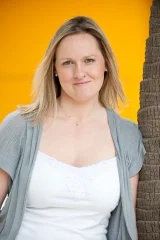 Clare Anderson合作论文数Turner Institute for Brain and Mental Health, School of Psychological Sciences, Monash University10
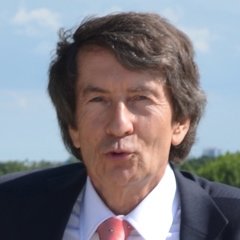 Pierre Escourrou合作论文数C.N.R.S. U.A. 014110Felix Decup合作论文数9
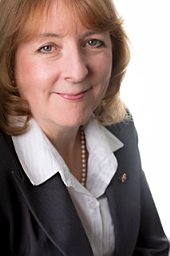 Janet Frances Grant合作论文数Robinson Research Institute, University of Adelaide9
 Billingsley Kaambwa合作论文数College of Medicine and Public Health, Flinders University9
 Grace Vincent合作论文数Appleton Institute, School of Health Medical and Applied Sciences, Central Queensland University9Sprajcer Madeline合作论文数Appleton Institute, Central Queensland University;Bushfire Cooperative Research Centre;Appleton Institute, Central Queensland University9R. McEvoy合作论文数8




