The current training paradigm in Complex General Surgical Oncology (CGSO) fellowship was established when most graduates pursued traditional academic careers. However, contemporary workforce data suggest increasing misalignment between fellowship selection criteria, training requirements, and eventual career outcomes. Fellowship selection remains heavily influenced by research productivity, leading many applicants to undertake prolonged dedicated research experiences during residency despite substantial financial and institutional costs. Recent studies demonstrate that while most CGSO fellows complete dedicated research time, only a small minority subsequently achieve sustained academic productivity or extramural funding. By contrast, most graduates devote the majority of their professional effort to clinical practice. This discrepancy raises concerns regarding the efficiency and equity of a training model that broadly emphasizes research achievement despite producing a predominantly clinically focused workforce. Simultaneously, increasing demand for cancer care and evolving workforce needs underscore the importance of optimizing training pathways. We propose a differentiated fellowship model consisting of clinically intensive and research-intensive tracks that better align trainee goals with workforce demands. Such an approach would allow more targeted allocation of educational and research resources while preserving pathways for future surgeon-scientists. A corresponding reassessment of fellowship selection metrics is also warranted, emphasizing clinical performance, leadership, professionalism, and holistic applicant evaluation. Aligning selection processes and training structures with contemporary practice realities may improve efficiency, promote equity, and better prepare the future surgical oncology workforce.
Introduction:Patients with early-stage hepatocellular carcinoma (HCC) are eligible for potentially curative treatments, yet these therapies are underused in clinical practice. Methods:We conducted a retrospective cohort study of patients with treatment-naïve, early-stage HCC (within Milan criteria) seen between January 2010 and July 2021 at two US health systems. Barriers to curative treatment were identified through review of medical records. We used univariable and multivariable logistic regression to identify factors associated with curative treatment receipt. Results:Among 629 eligible patients with early-stage HCC (median age 60 years; 72.3% male), 396 (63.0%) received curative treatment. In multivariable analysis, evaluation at a tertiary care center was associated with higher odds of curative treatment (OR 2.95, 95% CI: 1.98-4.47). In contrast, having Medicaid (OR 0.27, 95% CI: 0.14-0.53), being enrolled in a county-based subsidy program (OR 0.31, 95% CI: 0.16-0.58), or being uninsured (OR 0.24, 95% CI: 0.11-0.50) were associated with lower odds of curative treatment compared to private insurance. Other factors inversely associated with curative treatment included multifocal disease (OR 0.49, 95% CI: 0.31-0.75), increasing tumor size (continuous: OR 0.73, 95% CI: 0.60-0.88), and worse liver function (Child-Pugh B vs. A: OR 0.27, 95% CI: 0.18-0.40; Child-Pugh C vs. A: OR 0.13, 95% CI: 0.07-0.24). Common barriers to liver transplantation included lack of insurance, medical comorbidities, and psychosocial challenges. Common barriers to resection and ablation included comorbidities and unfavorable tumor location, respectively. Conclusion:Underuse of curative treatment for early-stage HCC is mediated by tumor-specific, clinical, and system-level factors, underscoring a need for multilevel interventions to address identified barriers.
Importance:Incidence of early age-onset colorectal cancer (EOCRC) is increasing. Delays in initiation of definitive therapy are associated with worse outcomes in colorectal cancer (CRC), but their impact on EOCRC has not been comprehensively characterized. Objective:To evaluate incidence of EOCRC, identify patients affected by treatment delays, and determine targetable factors contributing to delayed therapy. Design, Setting, and Participants:This retrospective, population-based cross-sectional study analyzed data from patients diagnosed with CRC from January 1, 2004, to December 31, 2019, using the Texas Cancer Registry. Patients were classified as having either EOCRC (diagnosed age <50 years) or average age-onset colorectal cancer (AOCRC; diagnosed age ≥50 years). The data analysis was performed between August 2024 and November 2025. Main Outcomes and Measures:The main outcomes were EOCRC status and treatment delays, defined as more than 6 weeks from tissue diagnosis to initiation of definitive therapy. Overall survival (OS), prevalence, impact of treatment delays, and patient-level and system-level factors associated with delayed treatment were also assessed. Results:Among 112 672 patients with CRC (overall mean [SD] age, 65.4 [13.5] years; 61 570 [54.6%] male), 12 079 (11%) had EOCRC, and 100 593 (89%) had AOCRC. The cohort comprised 3111 Asian and Pacific Islander individuals (2.8%), 14 517 Black individuals (12.9%), 23 372 Hispanic individuals (20.7%), and 71 672 White individuals (63.6%). Mean (SD) age for the EOCRC cohort was younger (41.6 [5.9] years) compared to the AOCRC cohort (68.2 [11.2] years; P < .001). Compared to patients with AOCRC, patients with EOCRC were less likely to be of White race (6421 [53.2%] vs 65 251 [64.9%]; P < .001) and more likely to be of Hispanic ethnicity (3389 [28.1%] vs 19 983 [19.9%]; P < .001). Median OS for patients with EOCRC was not reached compared to patients with AOCRC at 80 months (hazard ratio [HR], 0.56; 95% CI, 0.56-0.60; P < .001). In multivariable analysis, higher Social Vulnerability Index (HR, 1.22; 95% CI, 1.19-1.26; P < .001) and treatment delays (HR, 1.29; 95% CI, 1.26-1.32; P < .001) were associated with worse OS. Median OS for patients with EOCRC was not reached in patients with or without treatment delay; however, it remained significant (HR, 1.35; 95% CI, 1.32-1.38; P < .001). After controlling for demographic and clinical factors, language barriers were associated with treatment delay in EOCRC (odds ratio, 1.45; 95% CI, 1.18-1.79; P < .001). Conclusions and Relevance:In this cross-sectional study, EOCRC was associated with improved OS compared with AOCRC; however, treatment delays were independently associated with worse survival among patients with EOCRC. Language barriers could be a potentially modifiable risk factor associated with delayed treatment and may provide an opportunity to improve timely care and outcomes in EOCRC.
BACKGROUND:The increasing adoption of incomplete cholecystectomy in severe cholecystitis has created a growing population of patients who later develop recurrent symptoms from remnant gallbladder or cystic duct pathology. Reoperative cholecystectomy is definitive but technically challenging, and the role of robotic surgery in this setting remains poorly defined. METHODS:A retrospective cohort study was performed of adult patients undergoing robot-assisted completion or remnant cholecystectomy for recurrent gallbladder disease at a single tertiary institution between 2022 and 2024. Perioperative outcomes were evaluated, and institutional primary cholecystectomy outcomes were used as a contextual comparator. RESULTS:Twenty-one patients underwent robotic reoperative cholecystectomy. The median age was 41 years, and most patients were female and obese. All had radiographic evidence of remnant biliary pathology. The median operative time was 166 min, with no intraoperative complications or conversions to open surgery. The median postoperative length of stay was 0 days, with most patients discharged the same day. One patient experienced a 30-day major complication managed nonoperatively. There were no 90-day readmissions or mortalities, and all patients reported symptom resolution. DISCUSSION:In this single-institution series, robotic reoperative cholecystectomy was safe and effective, with minimal morbidity, very short hospital stays, and universal symptom resolution. When performed at experienced centers, robotic reoperative cholecystectomy represents an effective definitive strategy for recurrent gallbladder disease after incomplete cholecystectomy.
OBJECTIVE:To examine long-term and oncologic outcomes of broad-spectrum perioperative antimicrobial prophylaxis, compared with standard care antibiotics, in patients undergoing pancreatoduodenectomy. BACKGROUND:A registry-linked randomized clinical trial demonstrated a reduction in surgical site infection (SSI) in patients undergoing pancreatoduodenectomy who received piperacillin-tazobactam as perioperative prophylaxis compared to cefoxitin. However, long-term outcomes remain undefined. METHODS:Participant records from the American College of Surgeons National Surgical Quality Improvement Program database were matched to the National Cancer Database. Associations between treatment arm, perioperative complications, and oncologic outcomes were assessed. Logistic regression models investigated associations with oncologic outcomes. Survival analyses used Kaplan Meier and Cox proportional hazard modeling. RESULTS:Of 778 patients, 471 (60.5%) were treated at Commission on Cancer accredited hospitals and eligible for linkage. Of those, 426 (90.4%) were matched in the NCDB including 203 (47.7%) treated with piperacillin-tazobactam and 223 (52.3%) with cefoxitin. Among patients with indications for chemotherapy, chemotherapy omission rates were similar between the treatment arms (9.4% in piperacillin-tazobactam vs 15.4% in cefoxitin; P=0.097). There was no association between the receipt of indicated adjuvant chemotherapy and receipt of piperacillin-tazobactam (OR 1.49; 95% CI 0.56-3.95) or presence of SSI (OR 0.58; 95% CI 0.21-1.65). Postoperative SSI was associated with poorer 3-year overall survival (HR 1.69, 95% CI 1.20-2.38). CONCLUSIONS:While patients experiencing an SSI had poorer survival, piperacillin-tazobactam prophylaxis did not significantly affect oncologic care delivery. These results cement the long-term implications of perioperative complications in patients with cancer and highlight leveraging cancer registries for clinical trial data analysis.
BACKGROUND:Patients who receive piperacillin-tazobactam when undergoing pancreatoduodenectomy have reduced postoperative surgical site infection, pancreatic fistula, and sequelae of surgical site infection compared with patients who received cefoxitin, supporting broad-spectrum penicillin prophylaxis as standard care. However, evidence-based practices can take years to integrate widely, and the rate of clinical uptake after pragmatic surgical trials is undefined. Our objective was to evaluate broad-spectrum antimicrobial use in pancreatoduodenectomy after the dissemination of level I evidence supporting this practice. METHODS:Patients undergoing pancreatoduodenectomy from 2017 to 2024 were identified using the American College of Surgeons National Surgical Quality Improvement Program pancreatectomy targeted database. A regression discontinuity analysis using a logistic model was constructed to assess changes in practice around trial publication. An additional mixed-model logistic regression was used to evaluate patient predictors influencing antibiotic use. RESULTS:Among the 27,294 patients from 220 hospitals, broad-spectrum use was 38.2% before dissemination of findings and 56.2% after trial publication. An increase in use of broad-spectrum antibiotics was coincident with the study publication (time by publication status interaction; odds ratio, 1.40; 95% confidence interval, 1.09-1.81), with more hospitals demonstrating an increase in use than either no change or decrease in use. Patients with an indwelling preoperative biliary stent demonstrated greater odds of broad-spectrum antibiotic use (odds ratio, 1.25; 95% confidence interval, 1.05-1.48), whereas Black/African American race was associated with lower odds of receiving broad-spectrum prophylaxis (odds ratio, 0.70; 95% confidence interval, 0.50-0.98). CONCLUSION:Increased broad-spectrum penicillin use for pancreatoduodenectomies was observed, especially in patients with biliary stents, following recent evidence supporting its use as standard practice.
BACKGROUND:Cholangiocarcinoma (CCA) is an increasing cause of mortality in the United States; however, the burden of CCA disproportionately affects racial and ethnic minority groups. We aimed to characterize racial and ethnic differences in stage, treatment, and survival among patients with CCA. METHODS:We systematically searched MEDLINE and Embase through March 2023 for all studies reporting clinical outcomes among patients with CCA stratified by race and ethnicity. We calculated pooled HRs using the DerSimonian and Laird method for a random-effects model. RESULTS:Of 292 articles, 16 met inclusion criteria (n = 248,109 patients). Among six studies (n = 87,938) reporting overall survival, Black patients had worse survival [pooled HR, 1.05; 95% confidence interval (CI), 1.01-1.10], whereas Hispanic (pooled HR, 0.86; 95% CI, 0.83-0.89) and Asian/Pacific Islander (pooled HR, 0.88; 95% CI, 0.85-0.90) patients had better survival than White patients. Compared with White patients, Black and Hispanic patients were less likely to present at an early stage, and Black patients were less likely to undergo resection (pooled OR, 0.69; 95% CI, 0.63-0.75). The limitations of studies were lack of granularity on subtype and risk of residual confounding. CONCLUSIONS:There are racial and ethnic differences in CCA prognosis in the United States, with Black patients having worse survival and Hispanic and Asian patients having better survival than White patients. Studies are needed to identify actionable factors underlying this disparity to promote health equity and improve outcomes for patients. IMPACT:There exist racial discrepancies in survival and treatment for CCA; more studies are needed to better understand the extent and causes of discrepancies.
PURPOSE:To compare outcomes and molecular characteristics of patients who had surgery after neoadjuvant (NA) chemotherapy, with and without stereotactic ablative radiotherapy (SAbR), for pancreatic cancer. Insight could clarify the benefits of SAbR and provide molecular guidance for future therapeutic regimens. EXPERIMENTAL DESIGN:This single-institution, tertiary care academic center cohort study included all patients diagnosed with pancreatic cancer between 2012 and 2023 treated with NA chemotherapy, with or without SAbR. We compared therapeutic responses, performed patient matching, and conducted Cox modeling to identify differences between groups. We assessed molecular response using RNA sequencing to identify SAbR-induced biologic differences. RESULTS:Among 133 patients receiving chemotherapy and 48 receiving chemotherapy + SAbR, RNA sequencing was available for 29 and 14 patients, respectively. Despite more advanced baseline disease, the SAbR group showed better posttreatment pathology and similar overall survival [HR = 0.97, 95% confidence interval (CI), 0.58-1.60, P = 0.9]. Patient matching indicated that SAbR improved locoregional recurrence-free survival (HR = 0.24, 95% CI, 0.07-0.88, P = 0.009). Arterial involvement raised local failure risk with chemotherapy alone (HR = 3.37, 95% CI, 1.74-6.54, P < 0.001), which was significantly reduced with SAbR (HR = 0.28; 95% CI, 0.12-0.68; P = 0.005). Gene set enrichment analysis showed immune activation, with CD8 and NK/NKT cell signatures associated with local control and Treg signatures associated with worse control. CONCLUSIONS:NA SAbR is associated with improved pathologic outcomes, enhanced local control, and maintained survival while inducing a distinct immune response. Well-powered studies are needed to clarify its clinical benefits.
Delay in gastric cancer diagnosis is associated with inferior outcomes. The effects of pre-existing mental health disorders (MHDs) on delays in gastric cancer diagnosis and treatment disparities are not well-understood. In this study, we evaluated the impact of MHDs on time to gastric cancer diagnosis and receipt of guideline-concordant treatment. We performed a retrospective review of patients diagnosed with gastric adenocarcinoma between 2015 and 2022. Patients with pre-existing diagnoses of mood, affective, and substance use disorders were classified as having an MHD. Univariable and multivariable regression were used to analyze the association between MHDs and delay in diagnosis. The association between MHD and receipt of guideline-concordant care was also evaluated. Overall, 460 patients diagnosed with gastric cancer were included in the analytic group. Seventy patients (15
Study Outcomes. Studies grouped by survival, early stage at diagnosis and treatment type. Underline studies were used in analysis of ICC alone. Overall Survival (OS), Extrahepatic Cholangiocarcinoma (ECC), Surveillance, Epidemiology, and End Results (SEER), Memorial Sloan-Kettering (MSK), Texas Cancer Registry (TCR), National Cancer Database (NCDB), Indiana Cancer Registry (ICR), National Inpatient Sample (NIS), University of Michigan (UM) Queen’s Medical Center of Hawaii (HI)
Background: Compared to open pancreaticoduodenectomies (OPD), the robotic (RPD) approach decreases the rate of complication and the length of stay (LOS). However, it remains unknown if these benefits persist in octogenarians, who are at higher risk for perioperative morbidity and mortality. Methods: A retrospective analysis of the ACS-NSQIP database was performed to identify patients aged 80 years or older who underwent PD for pancreatic adenocarcinoma between 2015-2021. Patients who underwent RPD or OPD were compared using inversed probability weighting of the propensity score. readmission, return to the operating room, mortality, and clinically relevant postoperative pancreatic fistula. Results: Of 30,751 patients, 1720 were octogenarians. One thousand six hundred twenty-five patients (94 %) underwent OPD, and 95 (6 %) underwent RPD. RPD was significantly associated with a reduced incidence of major complications (32.6 % vs. 45.6 %; p <0.01) and a lower rate of non-home discharge (24.7 % vs. 34.3%; p < 0.05). However, RPD was associated with a longer operative time (438 min vs. 342 min; p < 0.0001). There was no difference in other assessed outcomes. Conclusion: RPD may reduce major postoperative complications and non-home discharges compared to the open approach for octogenarians.
BACKGROUND:Securing a position in a complex general surgical oncology (CGSO) fellowship requires significant academic productivity, often including dedicated research time during surgical residency. However, it remains unclear whether this research translates into continued scholarly activity post-fellowship. This study aimed to evaluate longitudinal academic productivity among CGSO fellowship graduates and assess their perspectives on the current training paradigm. METHODS:The study identified 483 CGSO fellowship graduates (2006-2016) from 20 U.S. fellowship training programs. Academic productivity was assessed using publication count, h-index, and m-index. The study queried National Institutes of Health (NIH) and United States Department of Defense individual research funding through NIH reporter and Congressionally Directed Medical Research Program databases. A survey was distributed to assess career paths, practice settings, and opinions on training structure. Multivariable regression was used to identify predictors of sustained research activity. RESULTS:Although 71% of the CGSO graduates completed dedicated research time during residency, only 9% received extramural funding, and 60% had an m-index lower than 1, indicating limited long-term academic productivity. Multivariate regression analysis showed that fellowship training institution and attainment of advanced degrees were associated with higher m-index values, whereas residency research time was not. Survey responses (n = 181, 47% response rate) showed that most graduates devote the majority of their careers to clinical work and support restructuring the training model to align with actual practice patterns. CONCLUSIONS:Despite research serving as a de facto prerequisite for CGSO fellowship admission, few graduates maintain academic productivity after training. These findings underscore the need to re-evaluate the current CGSO training paradigm, with consideration for clinically focused and research-intensive fellowship tracks that better align with trainee goals and workforce needs.
Background: Comparing patient outcomes across health systems can identify mechanisms contributing to disparities. We aimed to characterize the intersectionality of hospital volume and safety-net hospital (SNH) status in the treatment and survival of patients with hepatocellular carcinoma (HCC). Methods: Patients diagnosed with HCC from 2004 to 2019 were identified in the Texas and California Cancer Registries. Hospital volume was stratified into low volume (LV) and high volume (HV) using Contal’s outcome-based method (HV ≥21 cases/year). Hospitals with CMS disproportionate share hospital index in the upper 25th percentile were designated as SNHs. Covariate-adjusted treatment use and overall survival with shared frailty were compared across the categories: LV/SNH, LV/non-SNH, HV/SNH, and HV/non-SNH. Results: A total of 535 hospitals, including 50,167 patients, were categorized as follows: 12% LV/SNH, 36% LV/non-SNH, 13% HV/SNH, and 38% HV/non-SNH. HCC detection at a localized stage and treatment receipt were lower in LV hospitals, regardless of SNH status. Compared with HV/SNHs, lower treatment receipt was observed in LV/SNHs (odds ratio [OR], 0.43; 95% CI, 0.40–0.47) and LV/non-SNHs (OR, 0.46; 95% CI, 0.43–0.50), and higher treatment receipt was observed in HV/non-SNHs (OR, 1.23; 95% CI, 1.14–1.33). In adjusted models, compared with HV/SNH, higher mortality was observed in LV/SNHs (hazard ratio [HR], 1.33; 95% CI, 1.28–1.39) and LV/non-SNHs (HR, 1.32; 95% CI, 1.27–1.36) and lower mortality was observed in HV/non-SNHs (HR, 0.91; 95% CI, 0.88–0.95). Conclusions: Patients at LV centers are less likely to undergo HCC treatment, despite similar early-stage presentation, likely contributing to worse overall survival. High hospital volume appears to mitigate disparities in HCC outcome measures in lower-resource safety-net health systems.
Funnel Plots of Meta-analysis for Overall Survival. (A) Black vs White HRs for overall survival, (B) Hispanic vs White HRs for overall survival, (C) Asian vs White HRs for overall survival
 Amit Singal合作论文数Division of Digestive & Liver Diseases, Department of Internal Medicine, UT Southwestern Medical Center;Division of Digestive and Liver Diseases, University of Texas Southwestern;Parkland Health151
 Mansour John C合作论文数Div Surg Oncol, Univ Texas Southwestern Med Ctr Dallas132Polanco Patricio M合作论文数Division of Surgical Oncology, University of Pittsburgh Medical Center106Porembka Matthew R合作论文数Department of Surgery, Washington University104Sam C. Wang合作论文数Center for Cardiovascular Development;Baylor College of Medicine;Department of Medicine;Department of Molecular and Cellular;Biology;Department of Molecular and Human Genetics;Winters Center for Heart Failure Research;Baylor College of;Medicine;Methodist Hospital, DeBakey Heart;Center;Department of Surgery;Baylor College of Medicine, Baylor College of Medicine80
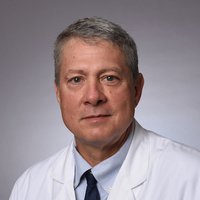 Herbert Zeh III合作论文数The University of Texas Southwestern Medical Center;University of Pittsburgh;Harold C. Simmons Comprehensive Cancer Center, The University of Texas Southwestern80
 Jorge Marrero合作论文数UT Southwestern Medical Center52
 Nicole Rich合作论文数Division of Digestive and Liver Diseases, UT Southwestern Medical Center48Mathew M Augustine合作论文数41
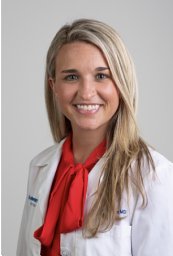 Caitlin Hester合作论文数Dept Surg Oncol, Univ Texas MD Anderson Canc Ctr37
 Shishir Maithel合作论文数Division of Surgical Oncology, Department of Surgery, Emory University School of Medicine;Winship Cancer Institute, Emory University29
 Neehar Parikh合作论文数Division of Gastroenterology and Hepatology, University of Michigan28
 Zhu Hao合作论文数Children's Medical Center Research Institute, University of Texas Southwestern;Children's Medical Center Research Institute, University of Texas Southwestern28
 Michael Choti合作论文数Banner MD Anderson Cancer Center, Banner Gateway Medical Center, Banner Health28
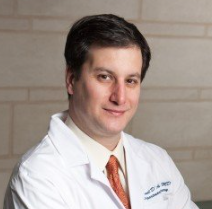 Michael I. D'Angelica合作论文数Memorial Sloan Kettering Cancer Center27
 Jonathan S. Bromberg合作论文数Department of Surgery, University of Maryland School of Medicine26
 Nassour Ibrahim合作论文数26
 Ryan C. Fields合作论文数Division of General Surgery, Department of Surgery, School of Medicine, Washington University;Barnes-Jewish Hospital;Siteman Cancer Center, Barnes-Jewish West County Hospital24
 Sharon M Weber合作论文数Division of Surgical Oncology, Department of Surgery, School of Medicine and Public Health, University of Wisconsin-Madison;Carbone Cancer Center, University of Wisconsin-Madison22
 Carmen C. Solorzano合作论文数University of Miami/Jackson Memorial Medical Center22
 Ioannis Hatzaras合作论文数James Cancer Hospital, The Ohio State University Medical Center22
 Konstantinos Votanopoulos合作论文数School of Medicine, Wake Forest University;Wake Forest Organoid Research Center, Wake Forest Institute for Regenerative Medicine;Atrium Health Wake Forest Baptist22Michelle R Ju合作论文数21
 Tran Thuy合作论文数School of Medicine, Stanford University21
 Quan-Yang Duh合作论文数Division of Surgical Oncology, Department of Surgery, University of California, San Francisco21
 George A. Poultsides合作论文数Division of General Surgery, School of Medicine, Stanford University21
 Purva Gopal合作论文数Pathology Department, University of Louisville21Kiernan Colleen M合作论文数Division of Surgical Oncology/Endocrine Surgery, Vanderbilt University20Jasmin Tiro合作论文数19
 Lauren Postlewait合作论文数19
 Edward A. Levine合作论文数Department of Surgical Sciences, School of Medicine, Wake Forest University;Atrium Health Wake Forest Baptist Comprehensive Cancer Center19Tracy S. Wang合作论文数18
 Jason Sicklick合作论文数Department of Surgery, School of Medicine, University of California, San Diego18
 John Phay合作论文数18
 Timothy M Pawlik合作论文数Department of Surgery, College of Medicine, The Ohio State University Wexner Medical Center18Prescott Jason D合作论文数17Shenoy Rivfka合作论文数17Shady Gad合作论文数16Natalie Seiser合作论文数16
 Rebecca M. Minter合作论文数Division of Surgical Oncology, Department of Surgery, University of Wisconsin-Madison16
 Jennie Meier合作论文数Department of Surgery, University of Texas Southwestern Medical Center16David Hsiehchen合作论文数16
 Ahmed Salem合作论文数Division of Cancer Sciences, School of Medical Sciences, Faculty of Biology, Medicine and Health, The University of Manchester16
 Muhammad Shaalan Beg合作论文数Simmons Comprehensive Cancer Center, University of Texas Southwestern Medical Center;Department of Internal Medicine, University of Texas Southwestern Medical Center16Yujin Hoshida合作论文数16Glen C. Balch合作论文数16
 Andres Abreu合作论文数15
 Gilbert Murimwa合作论文数Hamon Center for Therapeutic Oncology Research, University of Texas Southwestern Medical Center15
 Cecilia G. Ethun合作论文数15




