A cells fate is shaped by its inherited state, or lineage, and the ever-shifting context of its environment. CRISPR-based recording technologies are a promising solution to map the lineage of a developing system, yet challenges remain regarding single-cell recovery, engineering complexity, and scale. Here, we introduce BASELINE, which uses base editing to generate high-resolution lineage trees in conjunction with single-cell profiling. BASELINE uses the Cas12a adenine base editor to irreversibly edit nucleotides within 50 synthetic target sites, which are integrated multiple times into a cells genome. We show that BASELINE accumulates lineage-specific marks over a wide range of biologically relevant intervals, recording more than 4300 bits of information in a model of pancreatic cancer, a 50X increase over existing technologies. Single-cell sequencing reveals high-fidelity capture of these recorders, recovering lineage reconstructions up to 40 cell divisions deep, within the estimated range of mammalian development. We expect BASELINE to apply to a wide range of lineage-tracing projects in development and disease, especially in which cellular engineering makes small, more distributed systems challenging.
We present REMAP (Recording Evolution in Mammary tumors via Active PyMT), a lineage-tracing mouse model that integrates inducible CRISPR recording with the MMTV-PyMT model of hormone receptor-positive (HR+) breast cancer. Inducible Cas9 drives editing of MARC1 homing guide RNAs (hgRNAs), generating heritable lineage marks, and enables reconstruction of clonal relationships. Using REMAP, we profiled tumor evolution and response to radiation combined with anti-PD1 immunotherapy. Treatment reduced tumor burden locally and systemically, and single-cell RNA sequencing revealed remodeling of the tumor microenvironment (TME). We identified metastatic clones present across primary tumors and distant sites, which exhibited elevated epithelial-mesenchymal transition (EMT) programs as a heritable clonal state. Treatment reduced EMT-associated transcriptional programs and reshaped immune composition, with radiation driving clonal expansion of T cells and reduced repertoire diversity. In contrast, cancer-associated fibroblast clones spanned multiple transcriptional states, indicating substantial stromal plasticity. Together, REMAP enables high-resolution coupling of clonal history and cellular state in vivo, revealing that tumor progression, metastasis, and therapeutic response are governed by heritable lineage programs.
Cellular development unfolds across both space and time, with lineage history influencing cellular identity and tissue organization. In this issue of Cell Stem Cell, Jia et al.1 combine CRISPR lineage recording with spatial transcriptomics to reconstruct the clonal relationships and spatial organization of cells during mouse development and cancer progression.
Reconstructing complete and accurate lineage trees remains a long-standing challenge in biology. Here, we introduce PALINCODE (Palindromic Coding and Decoding), a system that utilizes ternary CRISPR bits (cBits) to stochastically write one of three possible states over time, permanently embedding lineage relationships in the genome. We demonstrate PALINCODE's lineage-recording potential through simulations and establish palindromic CRISPR editing in cell culture models. We show that truncated Cas9 guide sequences yield ternary outcomes at high efficiency when compared to conventional guides. Using PALINCODE, we derived lineage-recording cell lines with a theoretical coding capacity of up to 10^25 bits, enabling the generation of lineage trees 32 cell divisions deep in single-cell sequencing of 293T cells. Furthermore, we applied PALINCODE using an in vivo melanoma model to jointly read out lineage history and gene expression, enabling in vivo reconstruction of clonal evolution within tumor cell clonal populations. PALINCODE circumvents several limitations of prior CRISPR-based systems while increasing the information potential at individual CRISPR sites, creating a lineage-recording platform with higher density than many competing approaches.
Cancer cells adapt to treatment, leading to the emergence of clones that are more aggressive and resistant to anti-cancer therapies. We have a limited understanding of the development of treatment resistance as we lack technologies to map the evolution of cancer under the selective pressure of treatment. To address this, we developed a hierarchical, dynamic lineage tracing method called FLARE (Following Lineage Adaptation and Resistance Evolution). We use this technique to track the progression of acute myeloid leukemia (AML) cell lines through exposure to Cytarabine (AraC), a front-line treatment in AML, in vitro and in vivo. We map distinct cellular lineages in murine and human AML cell lines predisposed to AraC persistence and/or resistance via the upregulation of cell adhesion and motility pathways. Additionally, we highlight the heritable expression of immunoproteasome 11S regulatory cap subunits as a potential mechanism aiding AML cell survival, proliferation, and immune escape in vivo. Finally, we validate the clinical relevance of these signatures in the TARGET-AML cohort, with a bisected response in blood and bone marrow. Our findings reveal a broad spectrum of resistance signatures attributed to significant cell transcriptional changes. To our knowledge, this is the first application of dynamic lineage tracing to unravel treatment response and resistance in cancer, and we expect FLARE to be a valuable tool in dissecting the evolution of resistance in a wide range of tumor types.
Generating balanced populations of CD8+ effector and memory T cells is necessary for immediate and durable immunity to infections and cancer. Yet, a definitive understanding of how a diverse CD8+ T cell repertoire differentiates remains unclear. We identified several hundred T cell receptor (TCR) clonotypes that constitute the polyclonal response against a single antigen and found that a majority of TCR clonotypes were highly biased toward memory or effector fates. TCR-intrinsic biases were not stochastic and were dominant over environmental cues. Differential gene expression analysis of memory- or effector-biased TCR clonotypes showed bifurcation of differential fates at the early effector stage. Additionally, phylogenetic analysis revealed that memory-biased clonotypes retain their fate preferences in subclonal populations but effector-biased subclones can switch to a memory fate. Our study highlights that the polyclonal CD8+ T cell response is a composite of unbiased and biased clonotypes with varying capacity to incorporate environmental cues in their cell fate decisions.
Understanding the evolutionary dynamics of clonal populations is essential for uncovering the principles of development, disease progression, and therapeutic resistance. Recent advances in single-cell lineage tracing and transcriptomics enable such analyses by combining heritable barcodes with cell-state information. Here, we present SCOUT (single-cell Ornstein-Uhlenbeck trees), a framework that models gene expression dynamics along single-cell lineage trees using Ornstein-Uhlenbeck processes to distinguish neutral drift from selective pressure. Using simulations, we demonstrate that SCOUT accurately classifies genes based on their underlying evolutionary models. We further validate SCOUT in Caenorhabditis elegans development, identifying biological processes under selection across distinct developmental contexts. Finally, we apply SCOUT to a lung adenocarcinoma xenograft model, revealing key regulators of metastatic progression and tumor microenvironmental adaptation. By integrating lineage and transcriptomic data, SCOUT provides a powerful evolutionary lens for dissecting the forces that shape cell fate.
Intratumor heterogeneity is a hallmark of cancer, enabling subpopulations of cells to evade therapy, adapt to immune attack, and thrive in diverse microenvironments. Although retrospective genomic and epigenomic analyses have mapped the large-scale histories of tumor evolution, they cannot capture the rapid, dynamic changes in cell state that occur as individual cells divide. Panagopoulos and colleagues recently developed a cellular platform to monitor the role of transient replication stress in real time, tracking sister cells as they divide and replicate. The authors use these techniques to show that daughter and granddaughter cells can inherit very different states, often leading to further cellular instability. This work broadens our understanding of how diverse cell states arise from oncogenic stress and how cellular heterogeneity emerges in cancer.
Hematopoietic stem and progenitor cells (HSPCs) reside in niches that provide regulatory signals for their function. HSPC clones have been examined by cellular barcoding but the clonality of niche endothelial (ECs) and stromal cells (SCs) is unknown. We hypothesized that leukemia alters niche clones to support leukemogenesis. We developed a zebrafish model of acute erythroid leukemia (AEL) by overexpression of CMYC under the blood specific promotor draculin (drl). We used the GESTALT technique to uniquely barcode single cells using CRISPR-CAS9 during embryonic development. We injected GESTALT embryos with drl:CMYC to induce AEL, barcode HSPCs and their niche. Barcode and scRNA-Seq of ECs revealed a decrease in EC clones (fc=-3.5,p< 0.05) and an AEL-induced angiogenic venous EC population. AEL marrows had less SC clones (fc=-2.1,p< 0.01) and scRNA-Seq of SCs revealed an increased fraction of lepr+ SCs (66 vs 24%). We hypothesized that AEL cells secrete a signal to remodel niche clones. We mined our transcriptome data for ligands upregulated in AEL cells and receptors expressed on ECs and/or SCs. We identified apelin upregulated in AEL cells (p< 0.0001) and receptors aplnra/b specifically expressed on niche ECs. We tested if apelin alone could remodel the niche by overexpressing apelin in HSPCs and found fewer (p=0.004) and larger (p< 0.02) EC clones. HSPC barcode analysis revealed expanded myeloid clones (p< 0.0001) characterized by increased macrophage and erythroid differentiation. Immunohistochemistry on human sections revealed that acute myeloid leukemia (AML) marrows express higher levels APLN and APLNR compared to controls demonstrating the relevance of apelin signaling in human disease. Our data reveals that apelin signaling mediates AEL-induced clonal and transcriptional remodeling of niche ECs to promote disease progression.
Abstract Novel lineage tracing approaches are needed to undercover lineage relationships between diverse cells in complex tumors such as glioblastoma (GBM). Intratumoral heterogeneity in GBM drives treatment resistance and recurrence. This intratumoral heterogeneity is reflected by multiple cellular states seen within tumors and across patients. Unfortunately, little is known about their lineage relationships and shared origins. Here we’ve developed a novel lineage tracing technology to track the clonal and subclonal evolution in patient-derived GBM models. Our adenine base editor lineage tracing (ABELT) system uses a Cas9 adenine base editor (ABE) to induce heritable single-nucleotide changes in the 3’ untranslated region of endogenous transcripts. These heritable marks distinguish individual clonal populations and can be used to trace the relationship between progeny within each clone. We demonstrate our system's in vitro lineage tracing capacity and show that the ABELT system faithfully records lineage, which is recoverable with unmodified single-cell RNA sequencing approaches. We then track the relationships between evolving cellular states across multiple divisions in an evolving GBM model. Our ABELT technology enables the rapid engineering and lineage tracing of cancer models incompatible with previous approaches. This novel approach will enable our group and others to explore GBM intratumoral heterogeneity with subclonal resolution to determine transcriptional plasticity that ultimately leads to treatment resistance. Citation Format: Abigail C. Marshall, Aaron McKenna. Subclonal lineage recording in glioblastoma using CRISPR base editing [abstract]. In: Proceedings of the AACR Special Conference on Brain Cancer; 2023 Oct 19-22; Minneapolis, Minnesota. Philadelphia (PA): AACR; Cancer Res 2024;84(5 Suppl_1):Abstract nr A028.
Hematopoietic stem cells are regulated by endothelial and mesenchymal stromal cells in the marrow niche1-3. Leukemogenesis was long believed to be solely driven by genetic perturbations in hematopoietic cells but introduction of genetic mutations in the microenvironment demonstrated the ability of niche cells to drive disease progression4-8. The mechanisms by which the stem cell niche induces leukemia remain poorly understood. Here, using cellular barcoding in zebrafish, we found that clones of niche endothelial and stromal cells are significantly expanded in leukemic marrows. The pro-angiogenic peptide apelin secreted by leukemic cells induced sinusoidal endothelial cell clonal selection and transcriptional reprogramming towards an angiogenic state to promote leukemogenesis in vivo. Overexpression of apelin in normal hematopoietic stem cells led to clonal amplification of the niche endothelial cells and promotes clonal dominance of blood cells. Knock-out of apelin in leukemic zebrafish resulted in a significant reduction in disease progression. Our results demonstrate that leukemic cells remodel the clonal and transcriptional landscape of the marrow niche to promote leukemogenesis and provide a potential therapeutic opportunity for anti-apelin treatment.
SummaryGenerating balanced populations of CD8 effector and memory T cells is necessary for immediate and durable immunity to infections and cancer. Yet, a definitive understanding of CD8 differentiation remains unclear. We used CARLIN, a processive lineage recording mouse model with single-cell RNA-seq and TCR-seq to track endogenous antigen-specific CD8 T cells during acute viral infection. We identified a diverse repertoire of expanded T-cell clones represented by seven transcriptional states. TCR enrichment analysis revealed differential memory- or effector-fate biases within clonal populations. Shared Vb segments and amino acid motifs were found within biased categories despite high TCR diversity. Using single-cell CARLIN barcode-seq we tracked multi-generational clones and found that unlike unbiased or memory-biased clones, which stably retain their fate profiles, effector-biased clones could adopt memory- or effector-bias within subclones. Collectively, our study demonstrates that a heterogenous T-cell repertoire specific for a shared antigen is composed of clones with distinct TCR-intrinsic fate-biases.
In response to viral infection, antigen specific naïve CD8 T cells expand to give rise to a heterogenous pool of effector cells consisting of short-lived effector cells (SLECs) and memory precursor effector cells (MPECs). While these effector populations are phenotypically and functionally well characterized, we still don’t fully understand how they arise from antigen responsive naïve CD8 T cells. We have combined progressive lineage recording with single-cell RNA sequencing and T cell receptor sequencing to delineate the early differentiation of OVA-specific endogenous CD8 T cells in response to acute VSV infection. Transcriptional profiling of CD8 T cells captured at the peak of T cell response confirmed 8 distinct T cell states including a unique interferon responsive cluster. RNA Velocity trajectory analysis supported an asymmetric model of CD8 T cell differentiation where early effector cells gave rise to SLECs while MPECs differentiated into further memory precursors. Moreover, our CRISPR/Cas9-based lineage recorder uncovered T cell clones of various sizes and allowed us to follow up to 5 generations of differentiating CD8 T cells. We observed that expanded clones comprised of memory and effector CD8 T cells while medium size clones preferred memory or effector fate, suggesting that different clones follow different differentiation models. Thus, using RNA-seq based trajectory analyses and a dynamic lineage recorder we uncovered potential differentiation pathways taken by early viral specific CD8 T cells. Our single cell full length TCR-seq will further add to our current models and highlight TCR sequences with better memory potential in response to infection. Supported by grants from NIH (R01 AI089805, R01 CA254042) and a training fellowship from the Burroughs Wellcome Fund.
PDF file, 12065K, Supplementary Table S4. Complete listing of all somatic mutations seen in all tumors. This table provides details on every non-synonymous mutation or short insertion/deletion observed in this cohort, with data on genomic coordinates, protein change, protein region affected, and read counts for each event. Many additional annotations are provided (e.g. cDNA change, RefSeq number)
XLSX file 3709K, Alterations with Significantly Enriched CCF from Pretreatment to Resistant
 Gad A. Getz合作论文数Harvard Medical School;Department of Pathology, Massachusetts General Hospital;Broad Institute of Harvard and MIT55
 Scott L. Carter合作论文数Division of Medical Sciences, Harvard Medical School;Joint Center for Cancer Precision Medicine, Dana-Farber Cancer Institute;Harvard T.H. Chan School of Public Health50
 Kristian Cibulskis合作论文数Genetic Analysis Platform, Broad Institute of MIT and Harvard50
 Stacey Gabriel合作论文数The Broad Institute of Harvard and Massachusetts Institute of Technology39
 Levi Garraway合作论文数Roche;Genentech30
 Eliezer Van Allen合作论文数Division of Population Sciences, Dana-Farber Cancer Institute;Harvard Medical School26
 Rosenberg Mara合作论文数26
 Michael S. Lawrence合作论文数Harvard Medical School;Lawrence Laboratory, Mass General Cancer Center, Massachusetts General Hospital23
 Nikhil Wagle合作论文数Dana-Farber / Harvard Cancer;Harvard Medical School;Genentech22
 Kryukov Gregory V合作论文数Broad Inst Harvard & MIT21Eran Hodis合作论文数Department of Computer Science and Applied Mathematics, Weizmann Institute of Science21
 Matthew L. Meyerson合作论文数Harvard Medical School;Center for Cancer Genomics, Dana-Farber Cancer Institute21
 Amaro N Taylor Weiner合作论文数Absci20
 Andrey Sivachenko合作论文数Broad Inst MIT & Harvard20Daniel Treacy合作论文数18Deborah N Farlow合作论文数17Goetz Eva M合作论文数17Daniel Auclair合作论文数16Carrie Sougnez合作论文数16
 Eric S. Lander合作论文数Department of Biology, Massachusetts Institute of Technology;Harvard Medical School;Broad Institute, Massachusetts Institute of Technology16Cory M. Johannessen合作论文数Genetics Division, Department of Medicine, Brigham and Women's Hospital and Harvard Medical School, 458c NRB, 77 Louis Pasteur Avenue, Boston, Massachusetts 0211516Petar Stojanov合作论文数Carnegie Mellon University14
 Jay Shendure合作论文数Department of Genome Sciences, University of Washington;Howard Hughes Medical Institute14
 Chip Stewart合作论文数Broad Inst13
 Rameen Beroukhim合作论文数Division of Medical Sciences, Harvard Medical School;Dana-Farber Cancer Institute11Lauren Ambrogio合作论文数11Alex H Ramos合作论文数Dept Med Oncol, Dana Farber Canc Inst11Erica Shefler合作论文数10Danielle Perrin合作论文数10Dennis C Friedrich合作论文数10
 Trevor Pugh合作论文数Department of Medical Biophysics, Temerty Faculty of Medicine, University of Toronto;Princess Margaret Cancer Centre, University Health Network;Translational Genomics Laboratory, Ontario Institute for Cancer Research10
 Todd R. Golub合作论文数Broad Institute;Dana-Farber Cancer Institute;Harvard Medical School10
 Sheila A Fisher合作论文数10Chelsea Place合作论文数9
 Robert T Jones合作论文数Dept Pharmacol, Univ Colorado9
 Donald P Lawrence合作论文数Cancer Center, Mass General Research Institute;Massachusetts General Hospital9
 Keith Flaherty合作论文数Henri and Belinda Termeer Center for Targeted Therapy, Cancer Center, Massachusetts General Hospital;Harvard Medical School9
 Dennie T. Frederick合作论文数Broad Institute of MIT and Harvard9
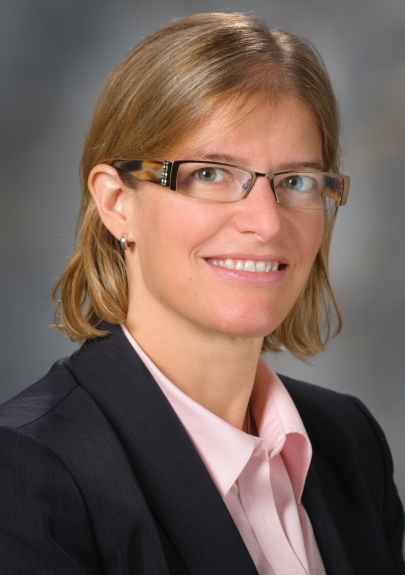 Jennifer Wargo合作论文数Department of Surgical Oncology, Division of Surgery, The University of Texas MD Anderson Cancer Center;Department of Genomic Medicine, Division of Cancer Medicine, The University of Texas MD Anderson Cancer Center9
 Zachary Aaron Cooper合作论文数Department of Surgical Oncology, The University of Texas M.D. Anderson Cancer Center9Anderka Kristin合作论文数9
 Ryan Sullivan合作论文数Massachusetts General Hospital9Gordon Saksena合作论文数8
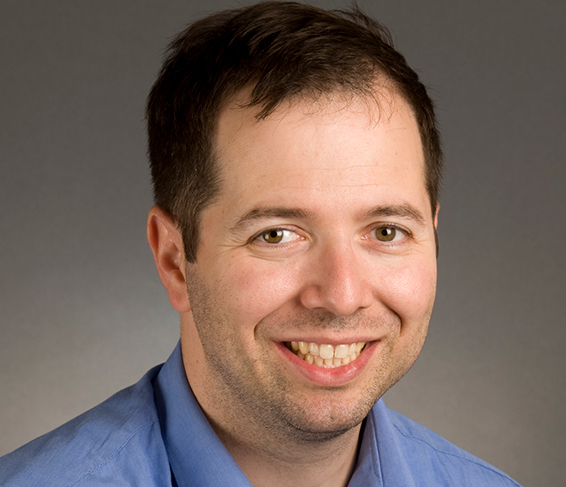 Sandro Santagata合作论文数Laboratory of Systems Pharmacology, Harvard Medical School;Department of Pathology, Brigham and Women's Hospital;Dana-Farber Cancer Institute8Horowitz Peleg M合作论文数8Douglas Voet合作论文数8
 Dirk Schadendorf合作论文数Clinic for Dermatology, University Hospital Essen;University of Duisburg-Essen;West German Tumor Center8
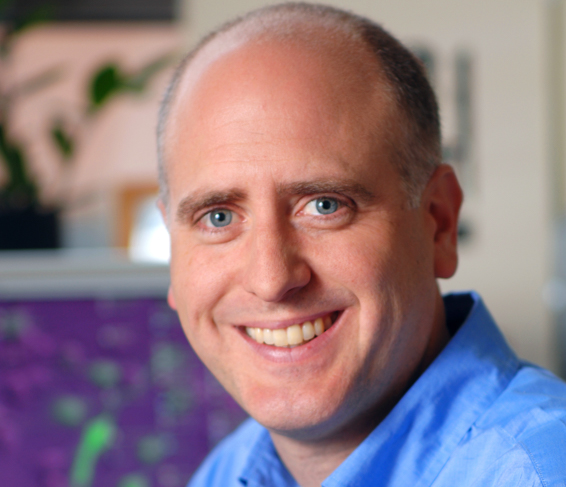 Keith L. Ligon合作论文数Center for Patient Derived Models, Dana-Farber Cancer Institute;Division of Neuropathology, Brigham and Women's Hospital;Medical School, Harvard University;Travera;Broad Institute, Massachusetts Institute of Technology;Boston Children's Hospital8
 Priscilla Brastianos合作论文数Division of Medical Sciences, Harvard Medical School8




